FCC Alters Local TV Ownership Rules, Citing Deregulation Needs
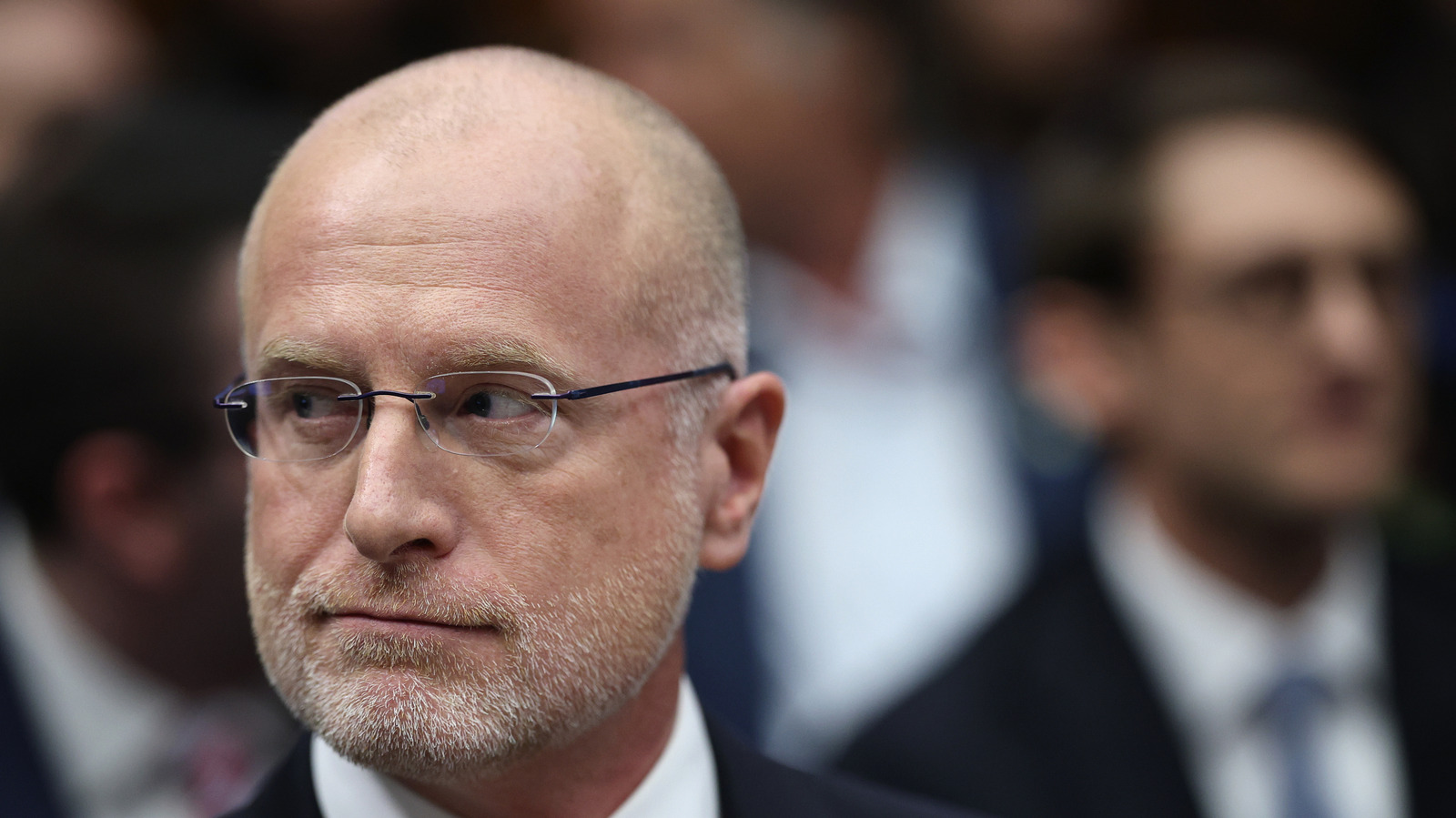
The Federal Communications Commission has revised its regulations concerning local television station ownership, moving to a case-by-case approval process.
Archive
The Federal Communications Commission has revised its regulations concerning local television station ownership, moving to a case-by-case approval process.
The Federal Communications Commission has voted to eliminate a rule that previously limited a single company's television station ownership to 39% of American households.
A group of House Republicans, led by Judiciary Committee Chair Jim Jordan, has voiced apprehension regarding South Korea's recently enacted online regulations, suggesting they could stifle free speech and target American companies.
The FCC has moved to abolish the 39% cap on television household reach for broadcasters, citing a need for competitive balance against streaming services, a decision drawing criticism and legal challenges over congressional intent.
Upcoming European Union regulations are poised to influence smartphone design, potentially ushering in a return to more easily replaceable batteries for consumer devices.
A California labor union has initiated legal action against the state regarding new regulations that permit the operation of self-driving trucks on public roads.
Subtext, a texting platform connecting media companies, brands, artists, and creators with their audiences, has been named "Overall Conversational Marketing Company of the Year" in the 2026 MarTech Breakthrough Awards.
Apple offers four generations of its Pencil stylus, with the newest Pro model and the USB-C version presenting distinct functionalities and price points for iPad users.
Chevron and Williams are making significant investments in power generation for data centers, signaling a new revenue stream for the fossil fuel industry.
The San Francisco startup turns television, radio, podcasts and livestreams into searchable signals for companies that need faster narrative tracking.
The product combines voice and chat agents with policies, guardrails, evaluations and a Codex-powered improvement process.
The young fintech company wants autonomous software to pay vendors while businesses retain policy controls and an auditable record.
The Kubernetes management company added Goldman Sachs and strategic investors as businesses move AI systems from pilots into production.
Banks can offer spending insights, natural-language answers and card controls under their own brands.
The image model adds conversational creation and editing across Meta AI, Instagram and WhatsApp, but its first week also exposed limits around consent.
The Palo Alto company is developing robotic locations that dispense prescriptions with remote pharmacist oversight and round-the-clock access.
The healthcare startup is expanding AI agents from phone scheduling into a broader operating system for the patient journey.
The vertical software company is connecting agency data with AI workflows for policy checks, proposals and other document-heavy tasks.
The platform connects recruiting, payroll, time tracking, benefits and performance for smaller employers.
The San Francisco company reached a $1.5 billion valuation by combining chat, spreadsheets and code with a governed layer for company data.
The phone-automation startup says contact-center operators invested alongside venture firms after deploying its agents in live customer service work.
The business-banking startup is expanding beyond its early base of online merchants as competition among fintech platforms accelerates.
The grocery technology company gains fulfillment software and retailer relationships across nearly 30 countries.
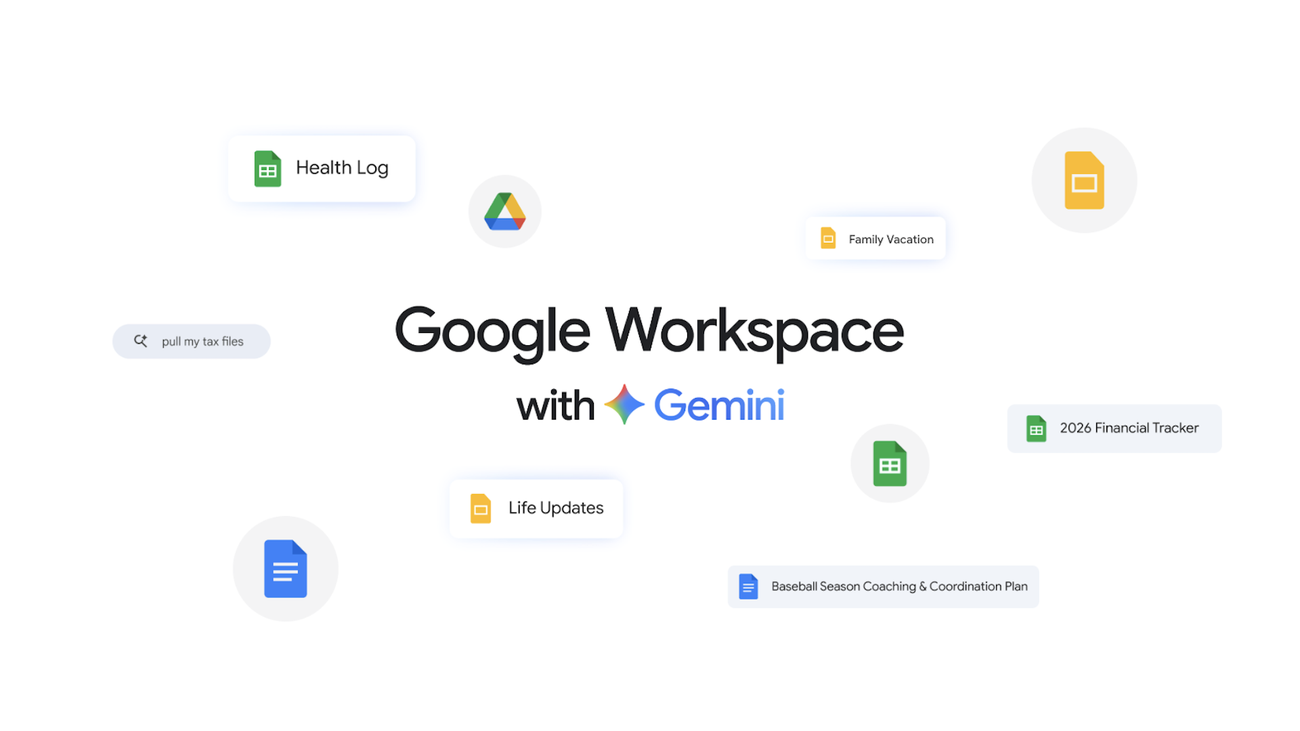
The update can assemble drafts from company information, build spreadsheets and create presentations with broader Workspace context.