Inevitable AI Group Secures $6M to Cultivate AI-Native Software Startups
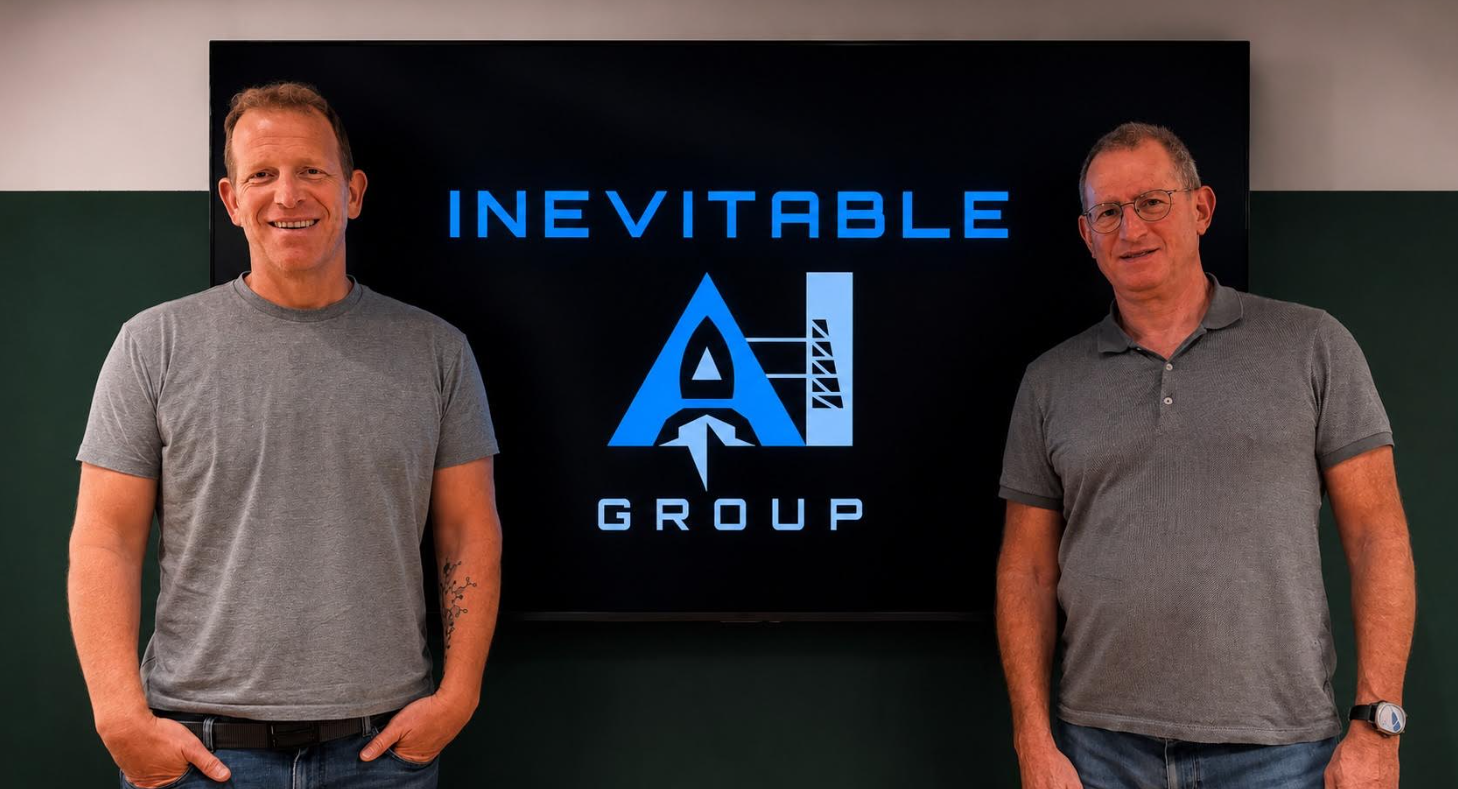
A new venture studio, Inevitable AI Group, has raised $6 million in pre-seed funding to develop and launch numerous AI-native software companies.
Archive
A new venture studio, Inevitable AI Group, has raised $6 million in pre-seed funding to develop and launch numerous AI-native software companies.
The Silicon Valley startup says autonomous software agents can shorten expensive chip-development cycles, with verification emerging as an early target.
The Santa Clara startup is building chiplet and licensing technology designed to move data faster between AI processors, memory and networking systems.
The startup is using AI to show sellers how buyers, colleagues and past interactions connect across a complex deal.
The platform analyzes calls, messages and CRM outcomes to turn effective human techniques into reusable sales and support playbooks.
The Palo Alto startup is expanding tools for creators and enterprises while facing the harder task of preventing unauthorized voice cloning.
The San Francisco startup turns television, radio, podcasts and livestreams into searchable signals for companies that need faster narrative tracking.
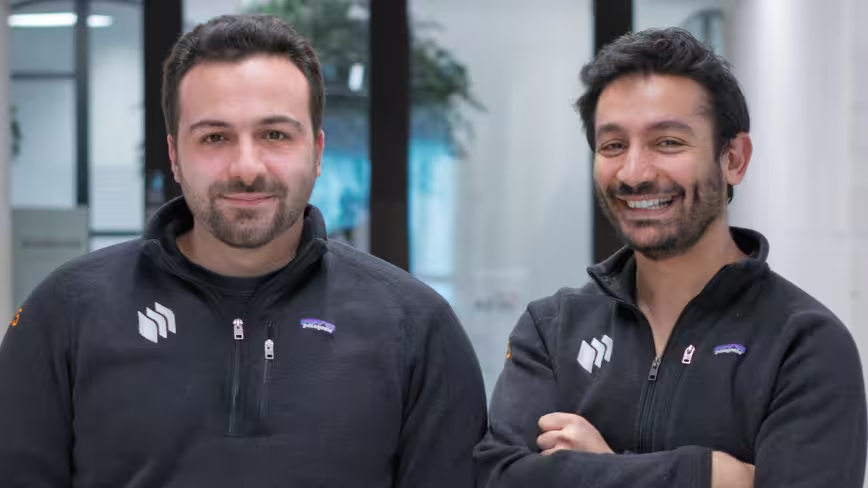
The startup founded by former Ultrahuman hardware executive Apoorv Shankar is developing physical controls intended to direct AI agents.
The M13-led Series A backs a speech company betting that how a machine sounds decides whether a caller stays on the line.
The Kubernetes management company added Goldman Sachs and strategic investors as businesses move AI systems from pilots into production.
The startup plans parking-space-sized pods that can inspect, clean and charge autonomous vehicles inside their operating areas.
The AI testing company is moving beyond fixed benchmarks with models that generate changing environments for training and evaluation.
Two former Anthropic and Google researchers launched the company at a $1 billion valuation with backing from Andreessen Horowitz, Kleiner Perkins and Nvidia.
The former Waymo engineer behind the startup is applying simulation and observability techniques to customer-facing AI systems.
The semiconductor startup reached a $2 billion valuation and $500 million in total funding as it develops alternatives for connecting AI data centers.
The startup wants agents to own recurring business outcomes across existing applications instead of stopping after a single generated response.
The San Francisco startup is investing in its own speech models and the infrastructure required to run large volumes of automated business calls.
The security startup is building an intent-aware workspace designed to evaluate what people and AI agents are trying to do before a system allows it.
The Oakland company is building software to manage applications, participants, payments and reporting for programs serving communities.
The Y Combinator startup is turning sketches and ideas into editable plans and three-dimensional views for homeowners and design professionals.
The Mountain View healthcare technology company is expanding AI systems for revenue, clinical documentation and practice operations.
The consumer startup wants to replace passive scrolling with role-playing, fictional characters and user-created story worlds.
The finance software startup is expanding AI agents that handle invoicing, reconciliation, collections and other repetitive cash workflows.
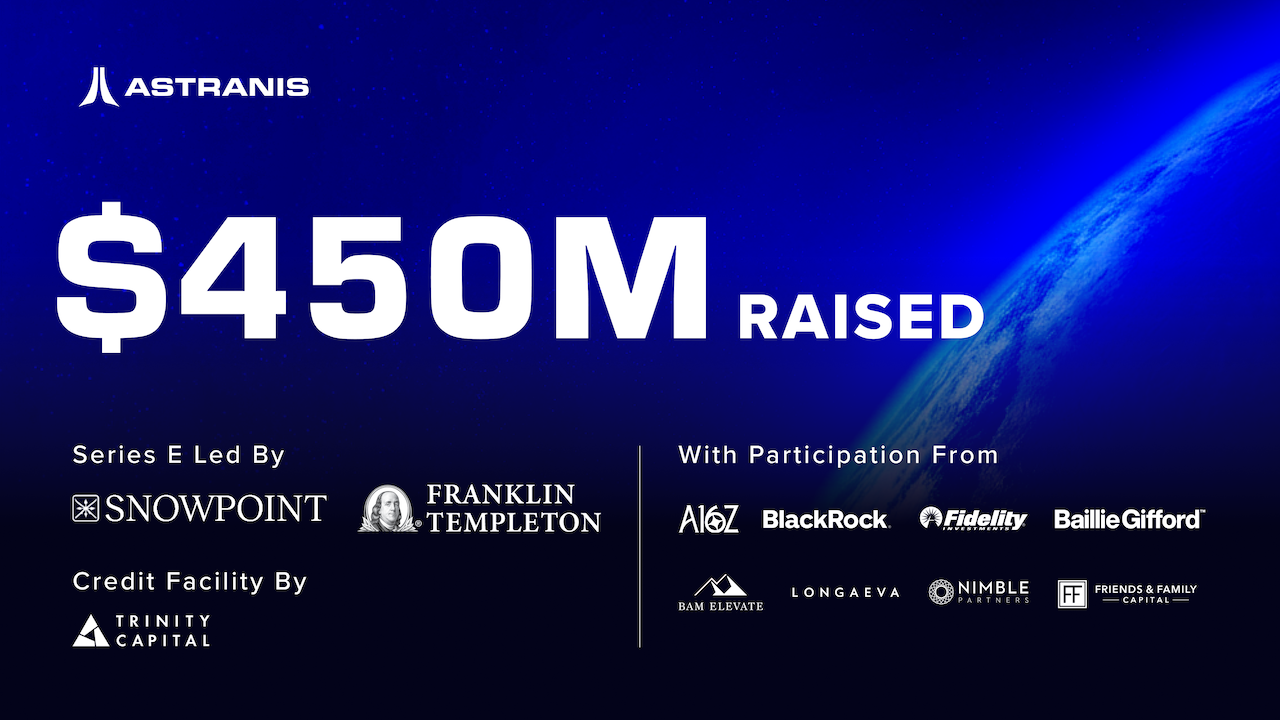
The satellite manufacturer is combining a Series E round with a credit facility as it expands production for commercial and government missions.
The San Francisco startup wants to organize fragmented research and manufacturing data across semiconductors, batteries and advanced materials.
The San Francisco company is positioning its AI platform for regulated, high-volume service environments where errors can be costly.
The startup is training a foundation model called Fury to control unmanned vehicles across changing military environments.
The startup wants hardware makers to connect glasses, jewelry and home devices to models and multimodal services without building the entire stack.
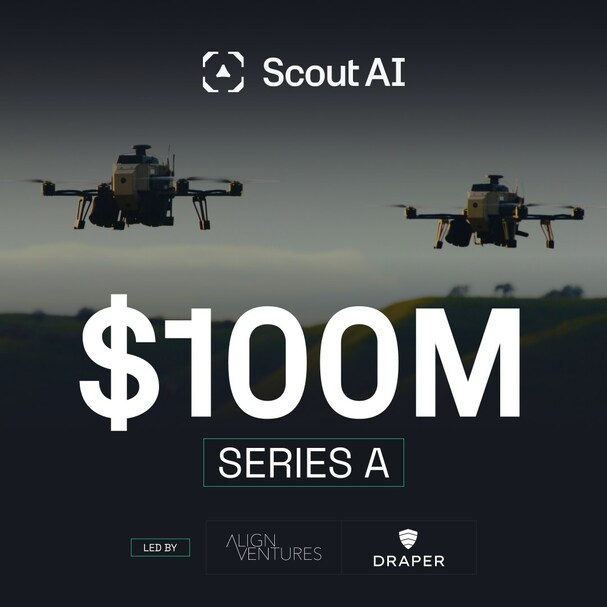
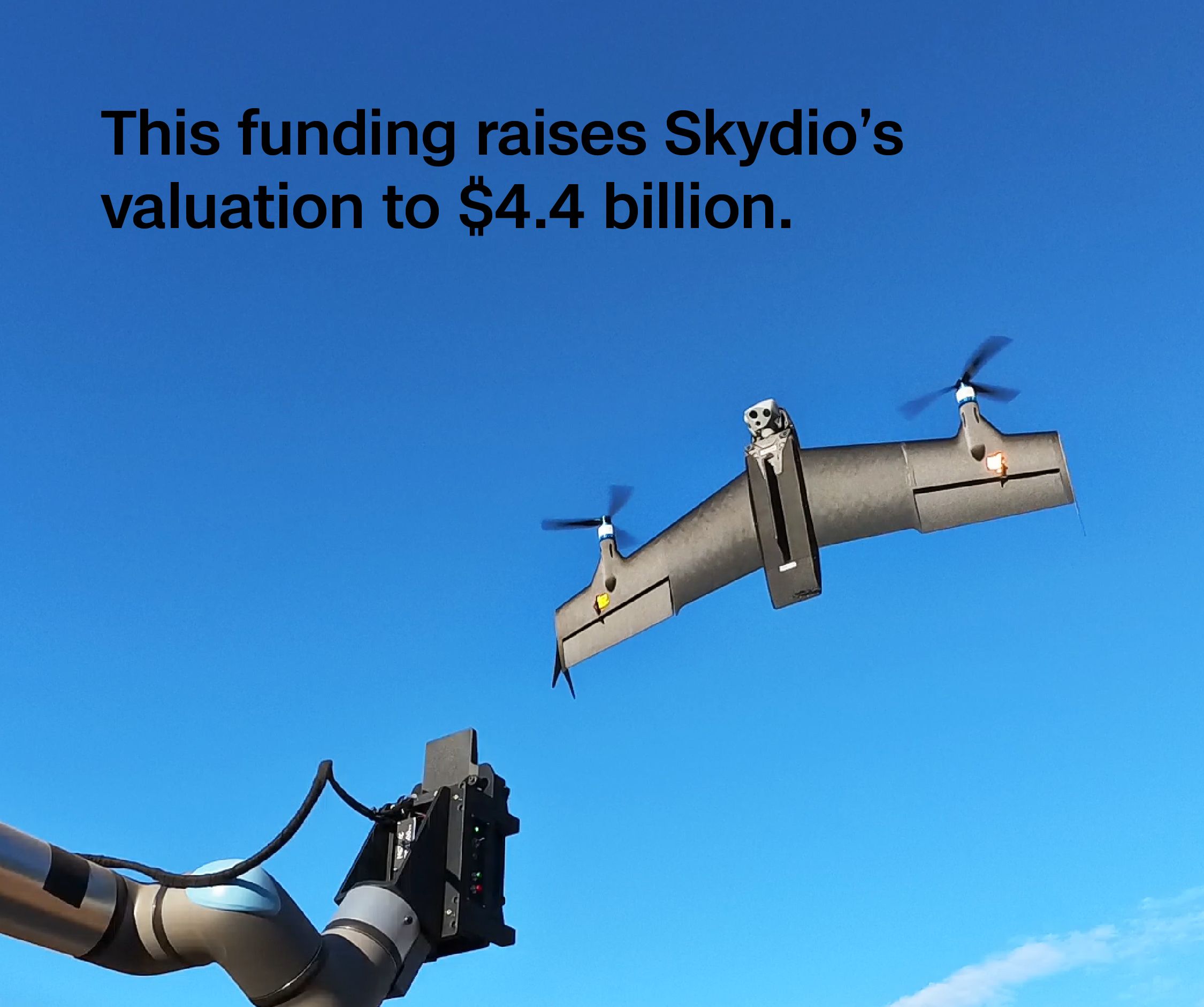
The autonomous drone maker reached a $4.4 billion valuation as it increases production for defense, public safety and infrastructure customers.
The marine robotics company is pairing underwater vehicles with surface vessels and launch systems for commercial and defense missions.
The Santa Clara startup is combining navigation, communications and computing functions in silicon intended for drones and robots.
The phone-automation startup says contact-center operators invested alongside venture firms after deploying its agents in live customer service work.
The San Mateo startup is teaching software to connect drawings, specifications and other building documents before missing details become costly field problems.
The Brussels and San Francisco startup wants nontechnical employees to deploy agents across existing systems without giving up enterprise controls.
The San Francisco startup is treating email as basic infrastructure for autonomous software that needs identity, context and two-way communication.
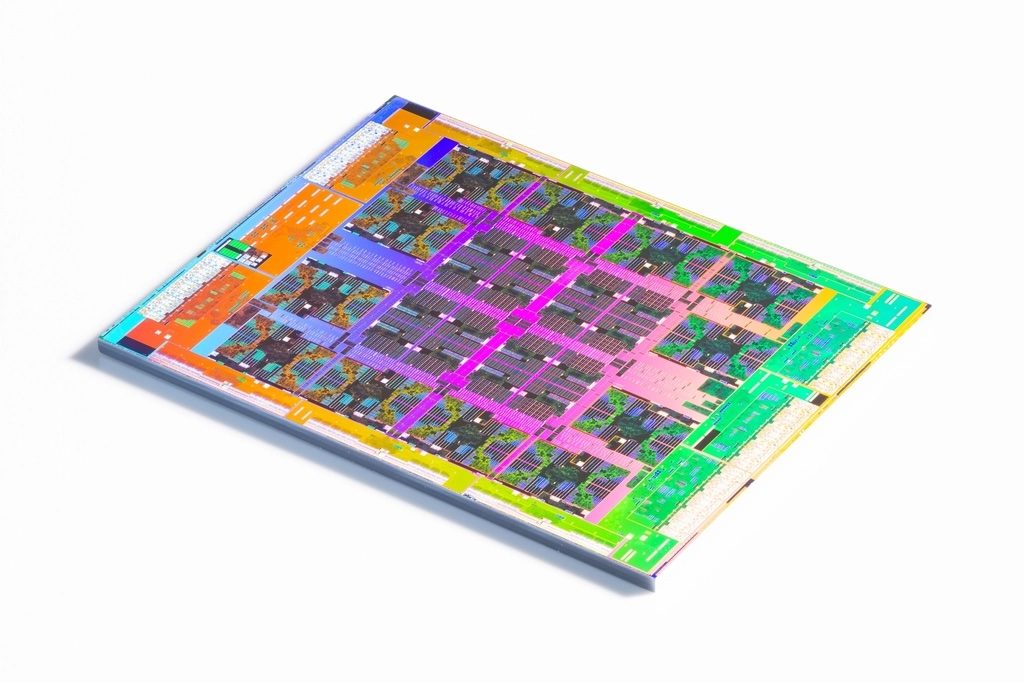
The Santa Clara company reached a $4.2 billion valuation as large AI systems create demand for faster, more flexible connections between processors.
The Palo Alto AI infrastructure company will use the capital to expand its SN50 chip and SambaCloud platform as demand grows for alternatives in inference computing.
Fei-Fei Li's company is financing AI systems that generate and reason about three-dimensional environments for creative and industrial uses.
The voice platform is expanding through software and telecom partners that can distribute automated front-desk service at scale.



















.jpg)