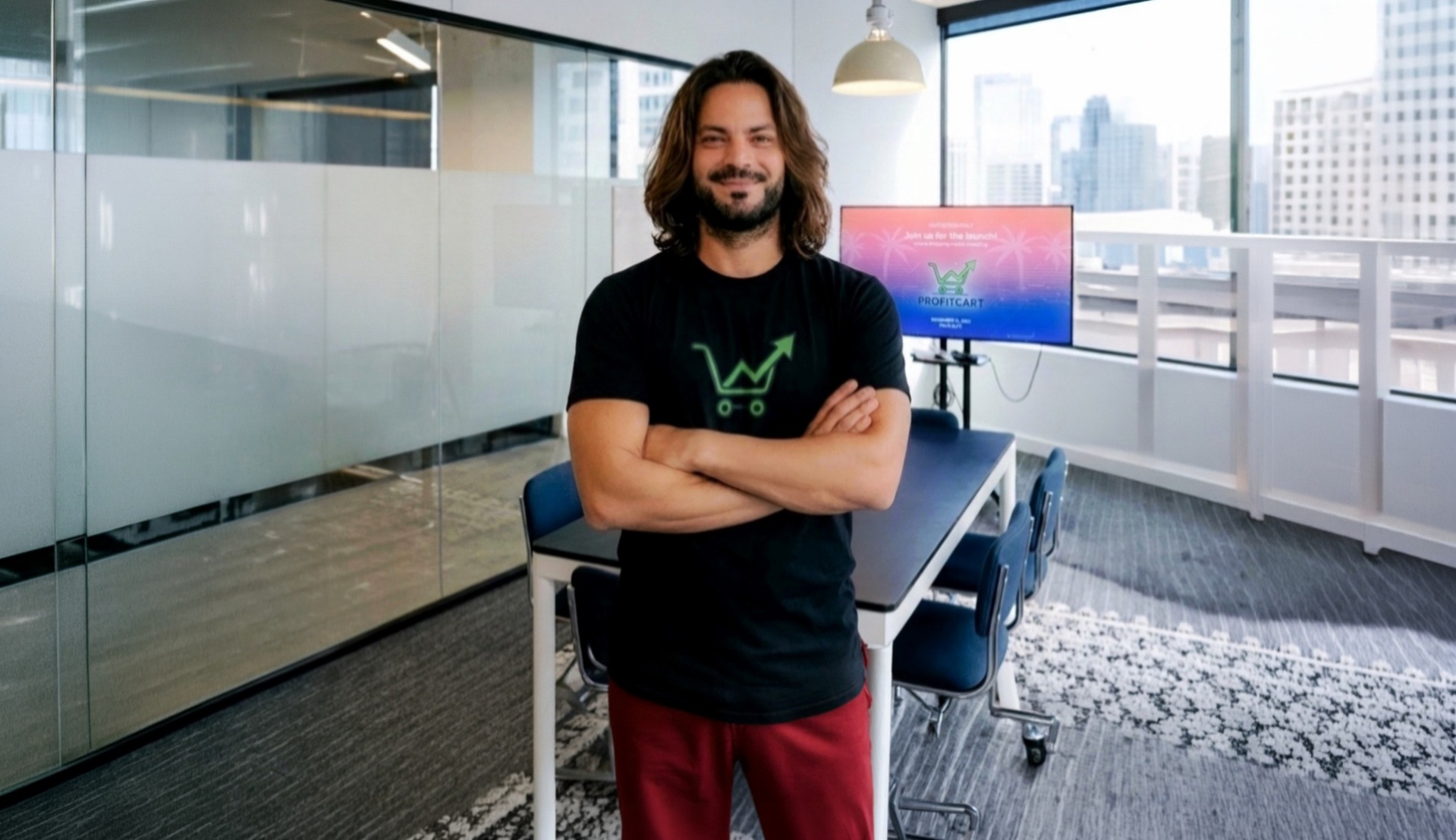
ProfitCart to Launch with $1M in Funding at a $15M Valuation
Founder Ozgur Yasar is bringing a new product-investment model from Hawaii to Silicon Valley, letting users fund individual retail products and share in their resale profits.
Archive
Founder Ozgur Yasar is bringing a new product-investment model from Hawaii to Silicon Valley, letting users fund individual retail products and share in their resale profits.
The chipmaker's strategic partnership with Ilya Sutskever's research lab couples new capital with access to Vera Rubin computing systems.
The Palo Alto and Tel Aviv company reached a $1.2 billion valuation with a prevention-focused approach to securing devices used for AI work.
The startup founded by former Ultrahuman hardware executive Apoorv Shankar is developing physical controls intended to direct AI agents.
The Tel Aviv and San Francisco startup wants one continuously updated graph for employees, software accounts, service identities and AI agents.
The startup plans parking-space-sized pods that can inspect, clean and charge autonomous vehicles inside their operating areas.
The AI testing company is moving beyond fixed benchmarks with models that generate changing environments for training and evaluation.
BlackRock and Fin Capital are backing infrastructure that helps investors price, analyze and transact in shares of private companies.
The startup is creating its own crawler, index and retrieval models for software that asks longer questions and consumes structured results.
Two former Anthropic and Google researchers launched the company at a $1 billion valuation with backing from Andreessen Horowitz, Kleiner Perkins and Nvidia.
The company is building software that continually personalizes campaigns, tests changes and adjusts marketing decisions across customer channels.
The Stanford-founded startup plans to ship a wellness wristband that infers hormone patterns without blood draws while it pursues clinical validation.
The startup wants agents to own recurring business outcomes across existing applications instead of stopping after a single generated response.
The longevity biotechnology company plans to move its first liver program toward human testing while expanding its discovery platform.
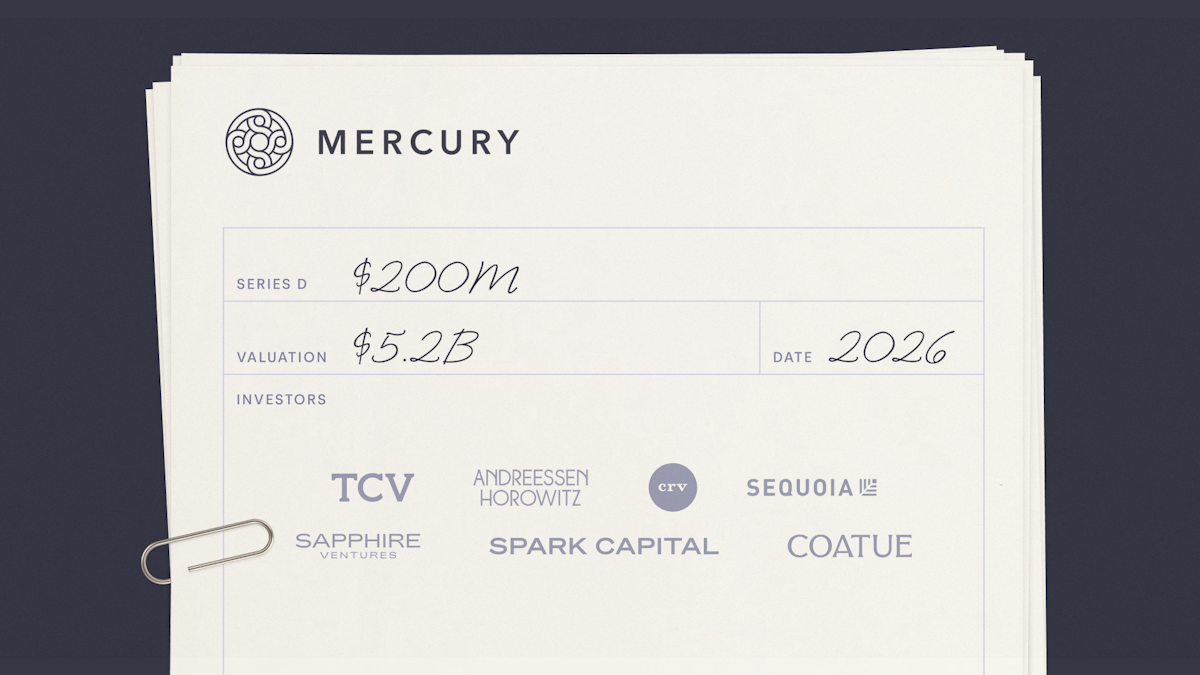
The business-banking technology company is growing alongside a new wave of AI startups while pursuing approval for a national bank.
The Palo Alto company founded by Rivian CEO RJ Scaringe has now raised more than $1 billion for industrial robots trained in live manufacturing environments.
The San Francisco startup wants to turn logs, tool calls and user interactions into a continuous feedback system for agent developers.
The San Francisco startup is trying to replace disconnected sales tools with a system that carries context from prospecting through a closed deal.
The young San Francisco company is starting with an AI-assisted alternative to the configuration and approval systems used for complex deals.
The San Francisco company reached a $1.5 billion valuation by combining chat, spreadsheets and code with a governed layer for company data.
The logistics technology company is broadening its platform from transportation payments into operational and financial decisions across the supply chain.
The a16z-backed startup wants consumer businesses to move from dashboards and recommendations to actions tied to measurable financial results.
The San Francisco company pairs software agents with growth specialists as brands adjust to search results shaped by traditional engines and AI answers.
The Mountain View robotics company reached a $1.15 billion valuation with a plan to begin real household deployments in the fall.
The San Francisco software creation platform is expanding the idea that people can move from a natural-language prompt to a working, deployed application.
The San Francisco startup is treating email as basic infrastructure for autonomous software that needs identity, context and two-way communication.
The startup is selling an operated support function rather than software alone, putting automation performance directly on its own team.
The Y Combinator startup is making its streaming platform generally available as AI developers look for simpler ways to process live data.
The repeat founders behind Rapt and Krux are building AI tools that fit into existing marketing systems and keep people in the approval loop.
The Mission Bay startup is building laboratory systems that use living neurons for AI workloads, an ambitious alternative to conventional silicon.