Naïve Secures $28.5M to Streamline Business Operations through AI Automation
Naïve has successfully closed a Series A funding round, raising $28.5 million to advance its platform for automating business setup and management via AI agents.
Archive
Naïve has successfully closed a Series A funding round, raising $28.5 million to advance its platform for automating business setup and management via AI agents.
Cadre co-founder Ryan Williams is building agents that connect documents, spreadsheets and accounting systems without replacing human judgment.
The financing will support World ID infrastructure, but the transaction is a crypto-token sale rather than a conventional venture equity round.
The Palo Alto and Tel Aviv company reached a $1.2 billion valuation with a prevention-focused approach to securing devices used for AI work.
The Tel Aviv and San Francisco startup wants one continuously updated graph for employees, software accounts, service identities and AI agents.
The Kubernetes management company added Goldman Sachs and strategic investors as businesses move AI systems from pilots into production.
The company behind a widely used local AI tool is adding resources for enterprise adoption while keeping its open-source distribution engine.
The enterprise software startup is expanding an AI-native development platform built around requirements, oversight and audit trails.
The healthcare startup is expanding AI agents from phone scheduling into a broader operating system for the patient journey.
The company is building software that continually personalizes campaigns, tests changes and adjusts marketing decisions across customer channels.
The former Waymo engineer behind the startup is applying simulation and observability techniques to customer-facing AI systems.
The startup wants agents to own recurring business outcomes across existing applications instead of stopping after a single generated response.
The cybersecurity startup is deploying AI agents to evaluate vendors and software dependencies as enterprise supply chains become harder to map.
The startup is building a network that records first-person human activity, bringing privacy, consent and worker pay into the robotics data race.
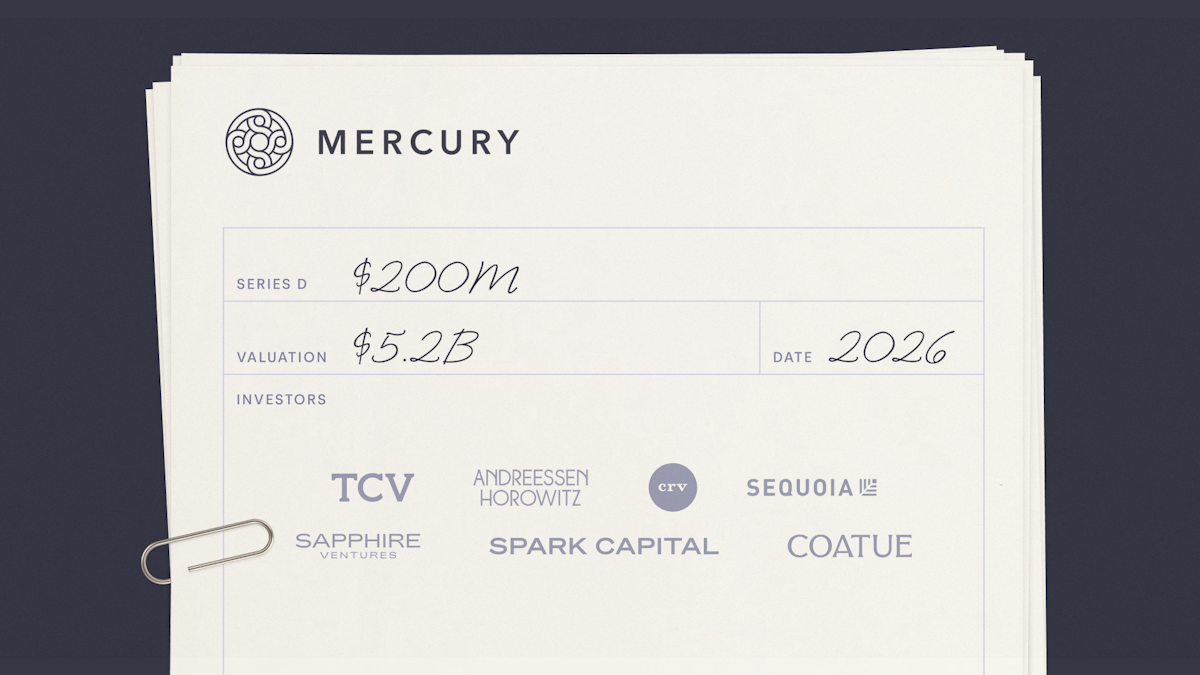
The business-banking technology company is growing alongside a new wave of AI startups while pursuing approval for a national bank.
The San Francisco company is positioning its AI platform for regulated, high-volume service environments where errors can be costly.
The San Francisco company more than doubled its valuation to $2.75 billion as it expanded from moving customer data to helping agents run campaigns.
The San Francisco company reached a $1.5 billion valuation by combining chat, spreadsheets and code with a governed layer for company data.
The new research lab wants software agents to build specialized expertise from experience instead of remaining fixed after training.
The analytics startup is using strategic capital to expand software that lets employees ask questions across fragmented company data in ordinary language.
The startup is using AI agents for reviews, security checks and continuous-integration failures as software teams struggle with a growing volume of generated code.
The phone-automation startup says contact-center operators invested alongside venture firms after deploying its agents in live customer service work.
The Barcelona and San Francisco company is building a governed graph that lets employees, software and agents work from the same organizational knowledge.
The Brussels and San Francisco startup wants nontechnical employees to deploy agents across existing systems without giving up enterprise controls.
Former Atlassian CTO Sri Viswanath is building a control layer for companies that want autonomous agents without giving up security, governance or oversight.
The Mountain View startup is combining expert labor, evaluations and software infrastructure to improve AI systems after their initial training.
The startup is building an AI memory that reads on-screen text, prepares meeting notes and retrieves information from a user's daily work.
The Dublin, California semiconductor company plans to commercialize a component that moves power vertically toward high-performance processors.
The Y Combinator company is targeting evidence collection and compliance work that still depends heavily on spreadsheets, tickets and manual review.
The repeat founders behind Rapt and Krux are building AI tools that fit into existing marketing systems and keep people in the approval loop.
The Series C extension values the developer platform at $1.5 billion as more teams need persistent infrastructure for applications and agents.
The observability startup reached an $800 million valuation as companies seek better ways to test and improve applications built on language models.
The Mission Bay startup is building laboratory systems that use living neurons for AI workloads, an ambitious alternative to conventional silicon.
The company is applying foundation-model techniques to tables and relational data, an area where text-focused AI systems often struggle.
The startup is building authorization and payment tools that let AI agents purchase APIs, data and computing services under defined controls.






.png)






.jpg)