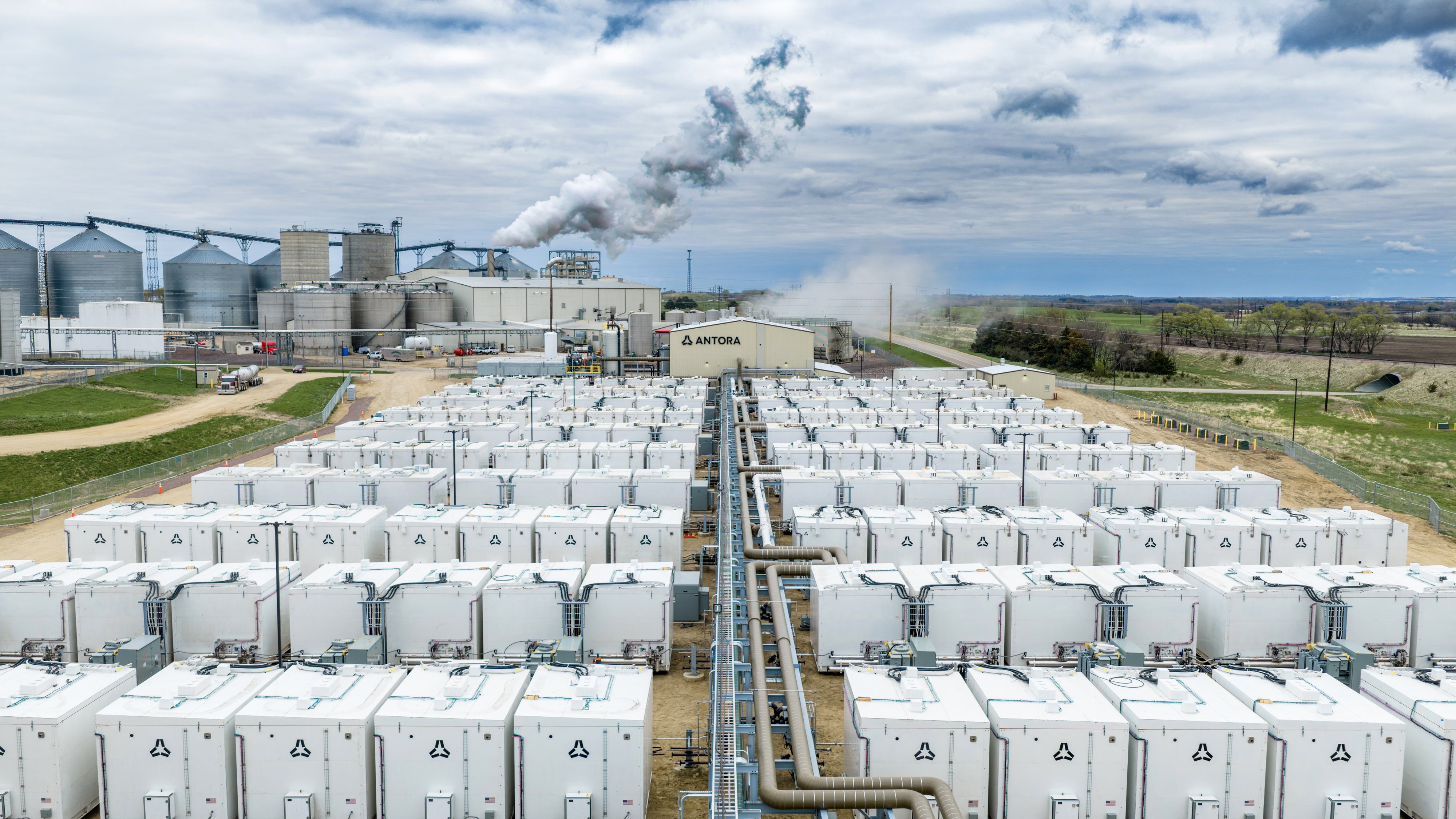
Antora Energy Raises $550 Million to Expand Thermal Battery Production
The industrial energy company plans to manufacture more systems that store renewable electricity as high-temperature heat and dispatchable power.
Archive
The industrial energy company plans to manufacture more systems that store renewable electricity as high-temperature heat and dispatchable power.
The Silicon Valley startup says autonomous software agents can shorten expensive chip-development cycles, with verification emerging as an early target.
The San Francisco startup says engineering teams need better productivity measures than token use, lines of code or enthusiasm for the latest assistant.
The financing will support World ID infrastructure, but the transaction is a crypto-token sale rather than a conventional venture equity round.
The AI chip startup plans to scale production and customer deployments as it builds specialized hardware for high-volume inference.
The Palo Alto and Tel Aviv company reached a $1.2 billion valuation with a prevention-focused approach to securing devices used for AI work.
The startup founded by former Ultrahuman hardware executive Apoorv Shankar is developing physical controls intended to direct AI agents.
The San Francisco startup is building real-time fluid sensors for computing systems that increasingly depend on liquid rather than air to control heat.
The hardware startup is betting that a simple recorder with free transcription can hold a place beside phones and software-only meeting assistants.
The AI testing company is moving beyond fixed benchmarks with models that generate changing environments for training and evaluation.
The San Francisco and Tokyo company is developing low-latency speech models for Japanese, Korean and Chinese applications.
The startup is creating its own crawler, index and retrieval models for software that asks longer questions and consumes structured results.
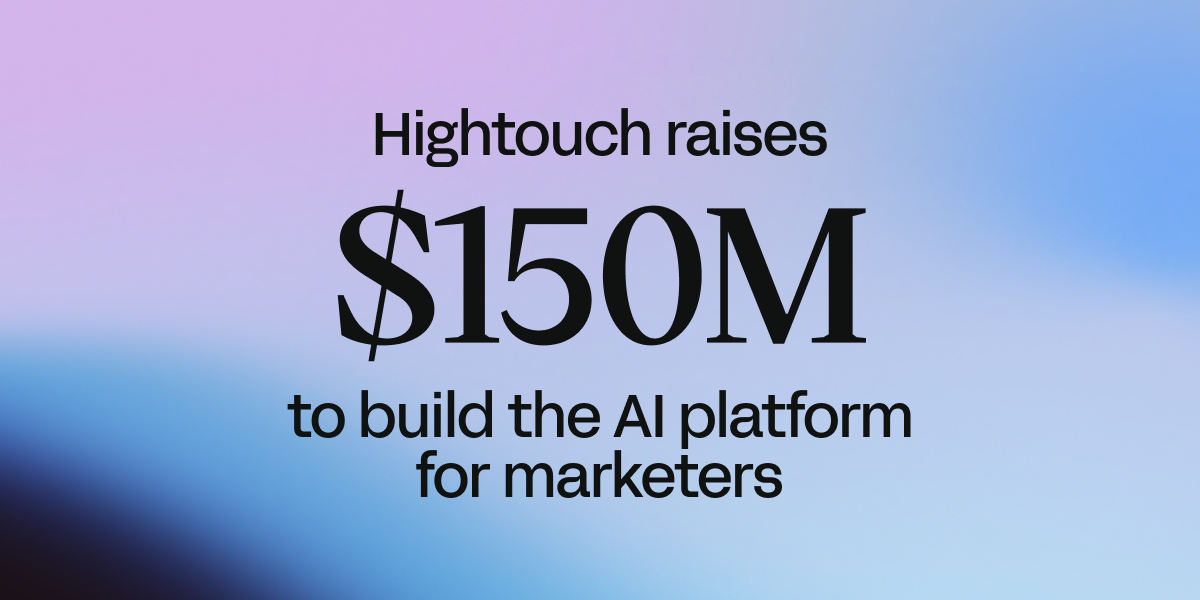
The company is building software that continually personalizes campaigns, tests changes and adjusts marketing decisions across customer channels.
The former Waymo engineer behind the startup is applying simulation and observability techniques to customer-facing AI systems.
The AI infrastructure company is using its fourth financing in 18 months to expand model inference services for enterprise customers.
The semiconductor startup reached a $2 billion valuation and $500 million in total funding as it develops alternatives for connecting AI data centers.
The Palo Alto startup is using AI to help companies define specialized processors before the expensive physical design and manufacturing stages.
The startup wants agents to own recurring business outcomes across existing applications instead of stopping after a single generated response.
The agentic workspace company added $100 million and appointed a chief revenue officer as it pursues larger business customers.
The San Francisco startup is investing in its own speech models and the infrastructure required to run large volumes of automated business calls.
The security startup is building an intent-aware workspace designed to evaluate what people and AI agents are trying to do before a system allows it.
The startup is building validation software that checks model responses before errors reach users in high-precision workflows.
The secretive company led by Jeff Bezos and Vik Bajaj is valued at $41 billion before revealing much about its technology or customers.
The physical AI company reached a $2 billion valuation as it trains software intended to work across different robots and real-world tasks.
The Claude developer secured one of the largest private financings ever as demand for enterprise AI and computing capacity continues to climb.
The startup is building a network that records first-person human activity, bringing privacy, consent and worker pay into the robotics data race.
Brett Adcock's new lab reached a $6 billion post-money valuation before releasing its first products to the public.
The San Francisco startup reached a $2.2 billion valuation by selling web search and content retrieval directly to software developers.
The San Francisco startup wants to organize fragmented research and manufacturing data across semiconductors, batteries and advanced materials.
The San Francisco company more than doubled its valuation to $2.75 billion as it expanded from moving customer data to helping agents run campaigns.
The company reached a $2 billion valuation as it expands tools that help automated systems search, retrieve and organize online information.
The San Francisco company reached a $1.5 billion valuation by combining chat, spreadsheets and code with a governed layer for company data.
The startup wants hardware makers to connect glasses, jewelry and home devices to models and multimodal services without building the entire stack.
The new research lab wants software agents to build specialized expertise from experience instead of remaining fixed after training.
The analytics startup is using strategic capital to expand software that lets employees ask questions across fragmented company data in ordinary language.
The React Native platform is expanding from developer infrastructure into AI-assisted work that helps enterprise teams move from an idea to a shipped application.
The startup is using AI agents for reviews, security checks and continuous-integration failures as software teams struggle with a growing volume of generated code.
The phone-automation startup says contact-center operators invested alongside venture firms after deploying its agents in live customer service work.
The Barcelona and San Francisco company is building a governed graph that lets employees, software and agents work from the same organizational knowledge.
The San Mateo startup is teaching software to connect drawings, specifications and other building documents before missing details become costly field problems.
The San Francisco company pairs software agents with growth specialists as brands adjust to search results shaped by traditional engines and AI answers.
The startup is using conversational agents to conduct structured phone interviews and turn long-form responses into research data.
The financing gives the San Francisco AI company an extraordinary capital base, while placing equal pressure on revenue growth, infrastructure execution and product focus.
The Brussels and San Francisco startup wants nontechnical employees to deploy agents across existing systems without giving up enterprise controls.
The startup is building an AI memory that reads on-screen text, prepares meeting notes and retrieves information from a user's daily work.
The startup wants employees to direct business software through natural language while agents work across data and applications.
The Mountain View robotics company reached a $1.15 billion valuation with a plan to begin real household deployments in the fall.
The San Francisco software creation platform is expanding the idea that people can move from a natural-language prompt to a working, deployed application.
The startup formerly known as mcp-use is turning an open-source toolkit into a managed platform for deploying the connectors used by AI applications.
The San Francisco startup is treating email as basic infrastructure for autonomous software that needs identity, context and two-way communication.
The semiconductor startup is moving its co-packaged optics technology toward volume production as data centers demand faster, more efficient connections.
The startup is selling an operated support function rather than software alone, putting automation performance directly on its own team.
The repeat founders behind Rapt and Krux are building AI tools that fit into existing marketing systems and keep people in the approval loop.
Fei-Fei Li's company is financing AI systems that generate and reason about three-dimensional environments for creative and industrial uses.
The Mission Bay startup is building laboratory systems that use living neurons for AI workloads, an ambitious alternative to conventional silicon.
The Stanford-rooted startup wants digital populations to help organizations test decisions before they affect customers, workers or markets.
The company is applying foundation-model techniques to tables and relational data, an area where text-focused AI systems often struggle.




















.jpg)