Fintech Consolidation Accelerates as Larger Companies Hunt for Growth
Payment platforms and neobanks are buying their way into new categories after two lean years.
Archive
Payment platforms and neobanks are buying their way into new categories after two lean years.
A decade of bolt-on tools left companies with reconciliation problems nobody wants to own.
The San Francisco company is expanding autonomous teams that handle procurement, supplier coordination, invoices and payments for large enterprises.
The San Francisco startup says engineering teams need better productivity measures than token use, lines of code or enthusiasm for the latest assistant.
Apple Upgrade replaces two existing U.S. payment programs and lets eligible customers return, buy or exchange a device at the end of the lease.
The young fintech company wants autonomous software to pay vendors while businesses retain policy controls and an auditable record.
The linguistics-led startup is training speech systems to handle specialized vocabulary, varied accents and real-time customer conversations.
The business finance platform reached a reported valuation near $1.2 billion and launched a global product using stablecoin payment rails.
Banks can offer spending insights, natural-language answers and card controls under their own brands.
The startup is adding automation to a data layer that connects the accounting, project and payment systems used by contractors.
The savings platform is expanding a membership that combines travel deals, cash back and financial tools for cost-conscious consumers.
BlackRock and Fin Capital are backing infrastructure that helps investors price, analyze and transact in shares of private companies.
The startup wants agents to own recurring business outcomes across existing applications instead of stopping after a single generated response.
The Oakland company is building software to manage applications, participants, payments and reporting for programs serving communities.
The services update adds richer navigation, flexible location sharing, visual bill splitting and expanded media experiences.
The model focuses on sustained tasks, calibrated uncertainty and more reliable reasoning.
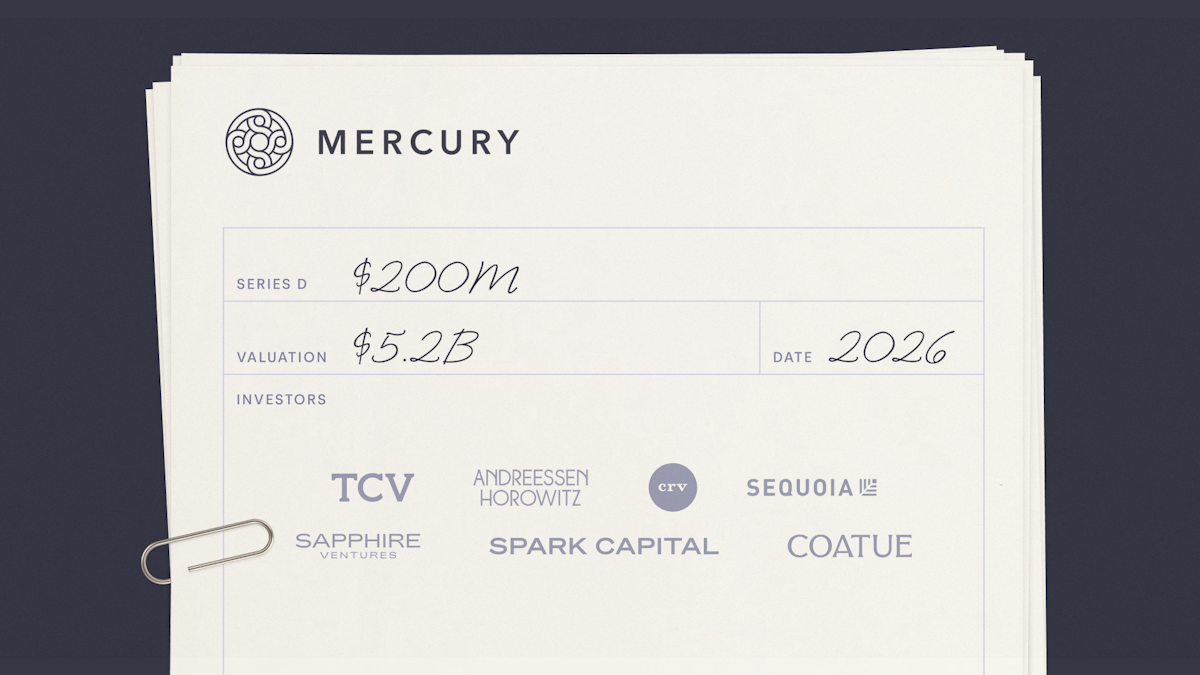
The business-banking technology company is growing alongside a new wave of AI startups while pursuing approval for a national bank.
The vertical software company is connecting agency data with AI workflows for policy checks, proposals and other document-heavy tasks.
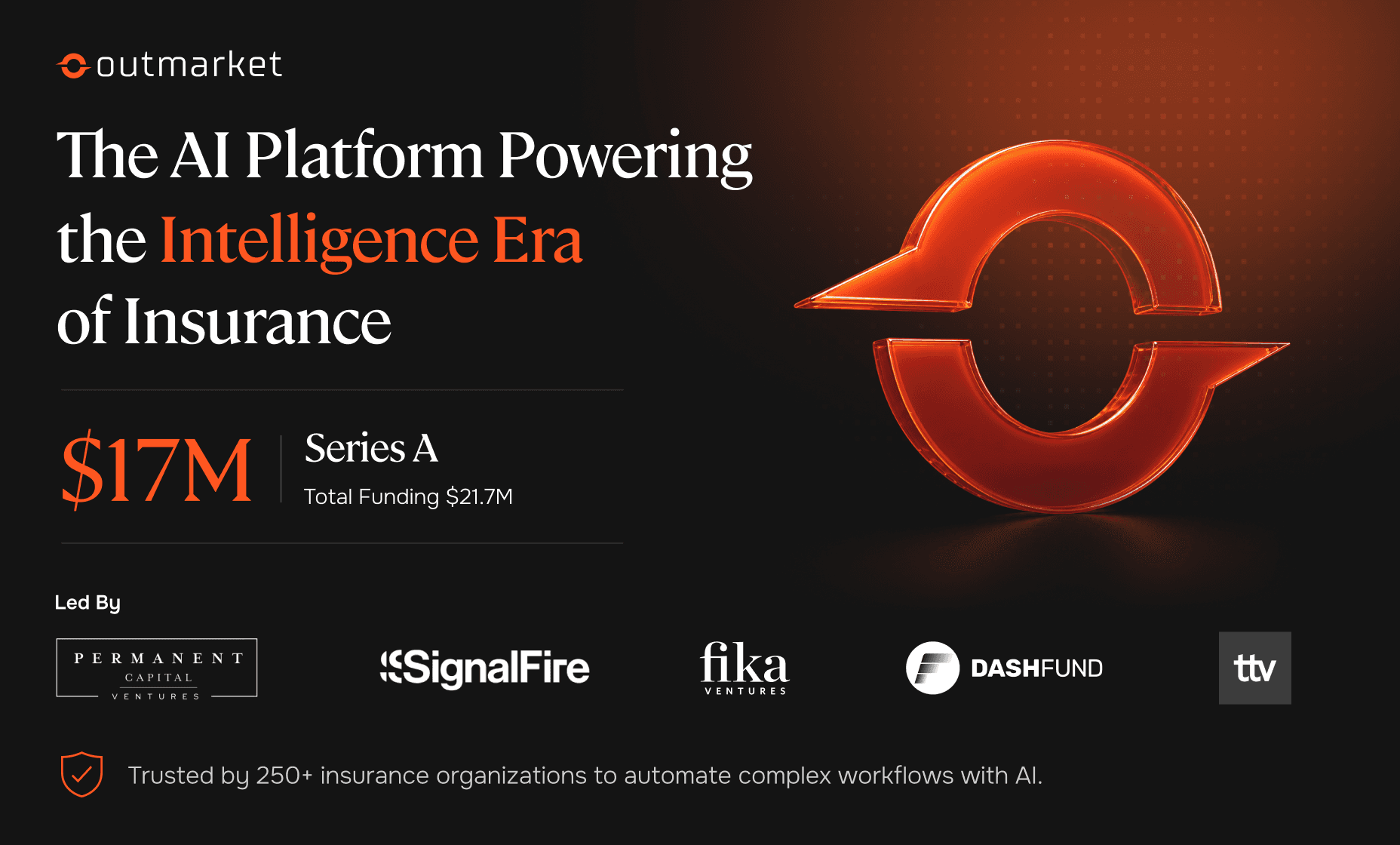
The full-stack insurer is using AI across underwriting, policy administration and claims as it expands into additional commercial markets.
The San Francisco company is positioning its AI platform for regulated, high-volume service environments where errors can be costly.
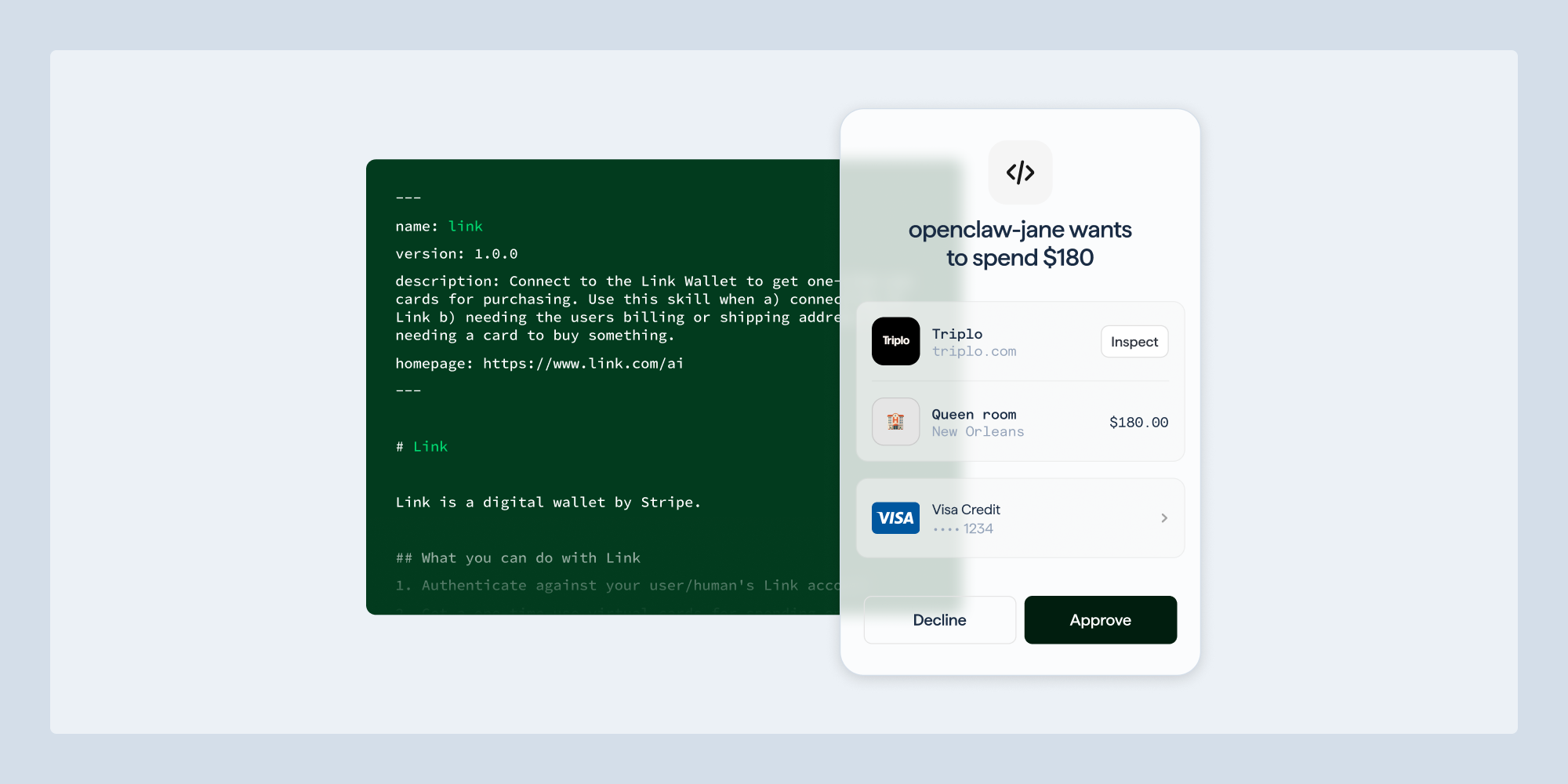
The payments company is introducing scoped credentials and human review for software-driven spending.
The logistics technology company is broadening its platform from transportation payments into operational and financial decisions across the supply chain.
The React Native platform is expanding from developer infrastructure into AI-assisted work that helps enterprise teams move from an idea to a shipped application.
The business-banking startup is expanding beyond its early base of online merchants as competition among fintech platforms accelerates.
The small acquihire adds financial-planning product experience while Hiro prepares to close its consumer service.
A single integration is designed to expose catalogs, payments and order workflows to AI shopping agents.
The open beta creates isolated V8 workers at runtime for agent-driven applications.
The Y Combinator company is targeting evidence collection and compliance work that still depends heavily on spreadsheets, tickets and manual review.