ChipAgents Adds $60 Million as AI Moves Deeper Into Semiconductor Design
The Silicon Valley startup says autonomous software agents can shorten expensive chip-development cycles, with verification emerging as an early target.
Archive
The Silicon Valley startup says autonomous software agents can shorten expensive chip-development cycles, with verification emerging as an early target.
The Palo Alto startup is expanding tools for creators and enterprises while facing the harder task of preventing unauthorized voice cloning.
The chipmaker's strategic partnership with Ilya Sutskever's research lab couples new capital with access to Vera Rubin computing systems.
Flat teams scaled well to fifty people. Past two hundred, the cracks are structural.
The San Francisco startup turns television, radio, podcasts and livestreams into searchable signals for companies that need faster narrative tracking.
The financing will support World ID infrastructure, but the transaction is a crypto-token sale rather than a conventional venture equity round.
The model infrastructure company says annual recurring revenue has passed $1 billion as customers deploy more specialized AI systems.
The linguistics-led startup is training speech systems to handle specialized vocabulary, varied accents and real-time customer conversations.
The Kubernetes management company added Goldman Sachs and strategic investors as businesses move AI systems from pilots into production.
The company behind a widely used local AI tool is adding resources for enterprise adoption while keeping its open-source distribution engine.
The startup is adding automation to a data layer that connects the accounting, project and payment systems used by contractors.
The open-model infrastructure company plans to expand training and inference services as enterprises seek alternatives to closed AI platforms.
The Palo Alto company is developing robotic locations that dispense prescriptions with remote pharmacist oversight and round-the-clock access.
The enterprise software startup is expanding an AI-native development platform built around requirements, oversight and audit trails.
The profitable software company plans to expand tools that help banks and governments investigate financial crime and third-party risk.
The AI testing company is moving beyond fixed benchmarks with models that generate changing environments for training and evaluation.
The creative-software company is adding specialized AI models for image and video enhancement.
The San Francisco and Tokyo company is developing low-latency speech models for Japanese, Korean and Chinese applications.
The startup is creating its own crawler, index and retrieval models for software that asks longer questions and consumes structured results.
The Oakland company is expanding technology that structures fragmented patient information for clinical care, research and regulatory evidence.
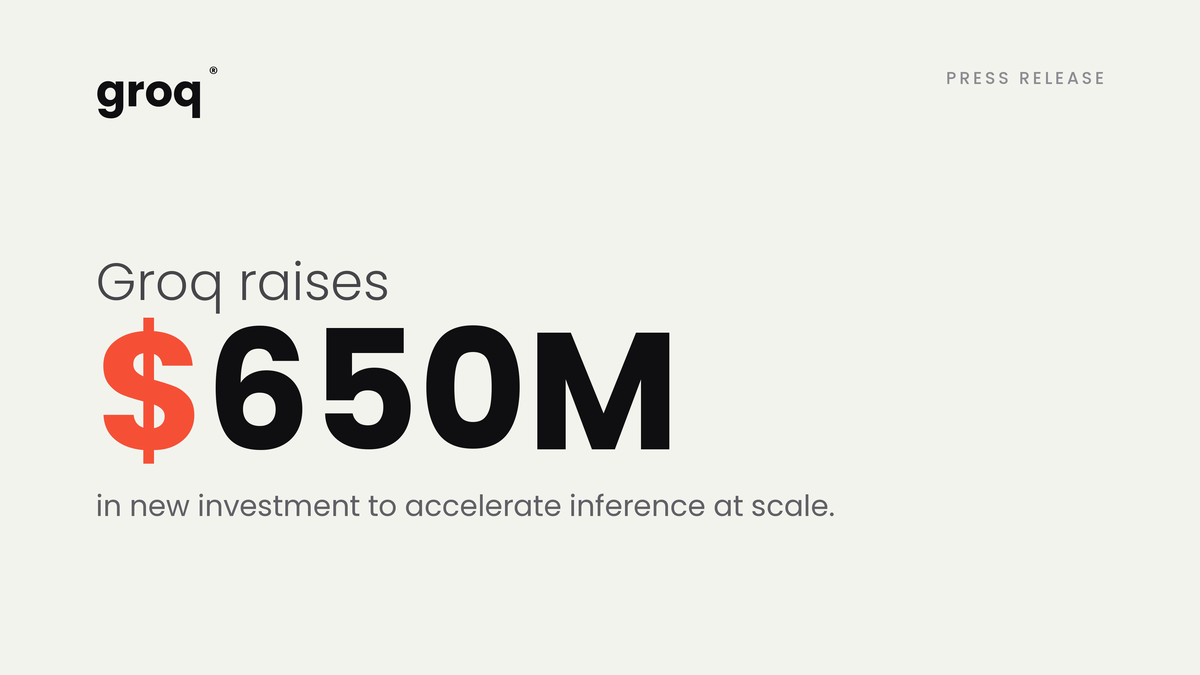
The AI infrastructure company is using its fourth financing in 18 months to expand model inference services for enterprise customers.
The chip company is rebuilding and scaling its cloud business after a major licensing and talent agreement with Nvidia.
The Palo Alto startup is using AI to help companies define specialized processors before the expensive physical design and manufacturing stages.
The Stanford-founded startup plans to ship a wellness wristband that infers hormone patterns without blood draws while it pursues clinical validation.
The Berkeley company will accelerate work on fault-tolerant machines while pursuing additional federal support for U.S. quantum infrastructure.
The new architecture aims to reduce the copies and pipelines separating operational applications from analysis.
The secretive company led by Jeff Bezos and Vik Bajaj is valued at $41 billion before revealing much about its technology or customers.
The Oakland company is building software to manage applications, participants, payments and reporting for programs serving communities.
The 5,500-acre Arizona proving ground gives Waymo a closed course for expanding robotaxi development.
The open-source database platform is financing faster growth as AI agents generate more applications and infrastructure demand.
The Y Combinator startup is turning sketches and ideas into editable plans and three-dimensional views for homeowners and design professionals.
The startup is building a network that records first-person human activity, bringing privacy, consent and worker pay into the robotics data race.
The applied engineering firm will become the operating core of a new enterprise AI implementation company.
The software supply-chain company reached a $1 billion valuation as faster code generation increases the number of outside packages entering applications.
The San Francisco startup wants to turn logs, tool calls and user interactions into a continuous feedback system for agent developers.
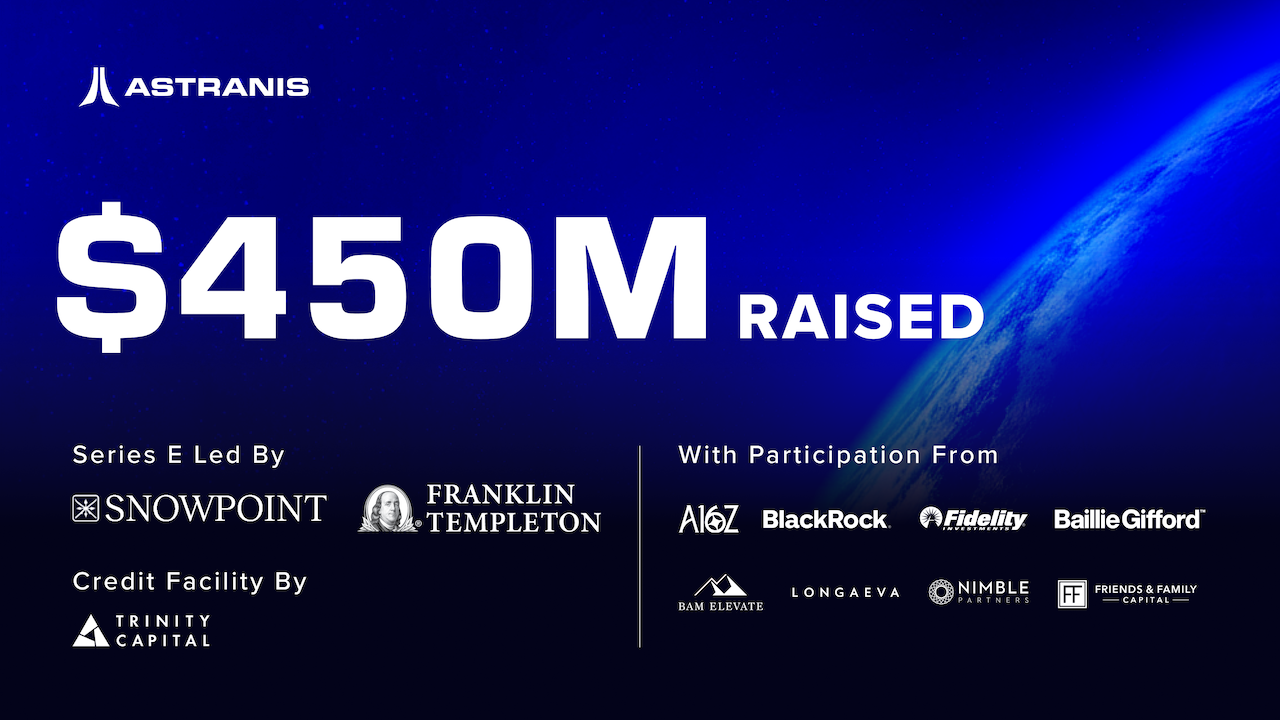
The satellite manufacturer is combining a Series E round with a credit facility as it expands production for commercial and government missions.
The customer-experience software company is valued above $15 billion as it races to make AI agents a standard interface for large brands.
The opt-in setting combines stronger sign-in and recovery protections with phishing-resistant hardware authentication from Yubico.
The San Francisco company more than doubled its valuation to $2.75 billion as it expanded from moving customer data to helping agents run campaigns.
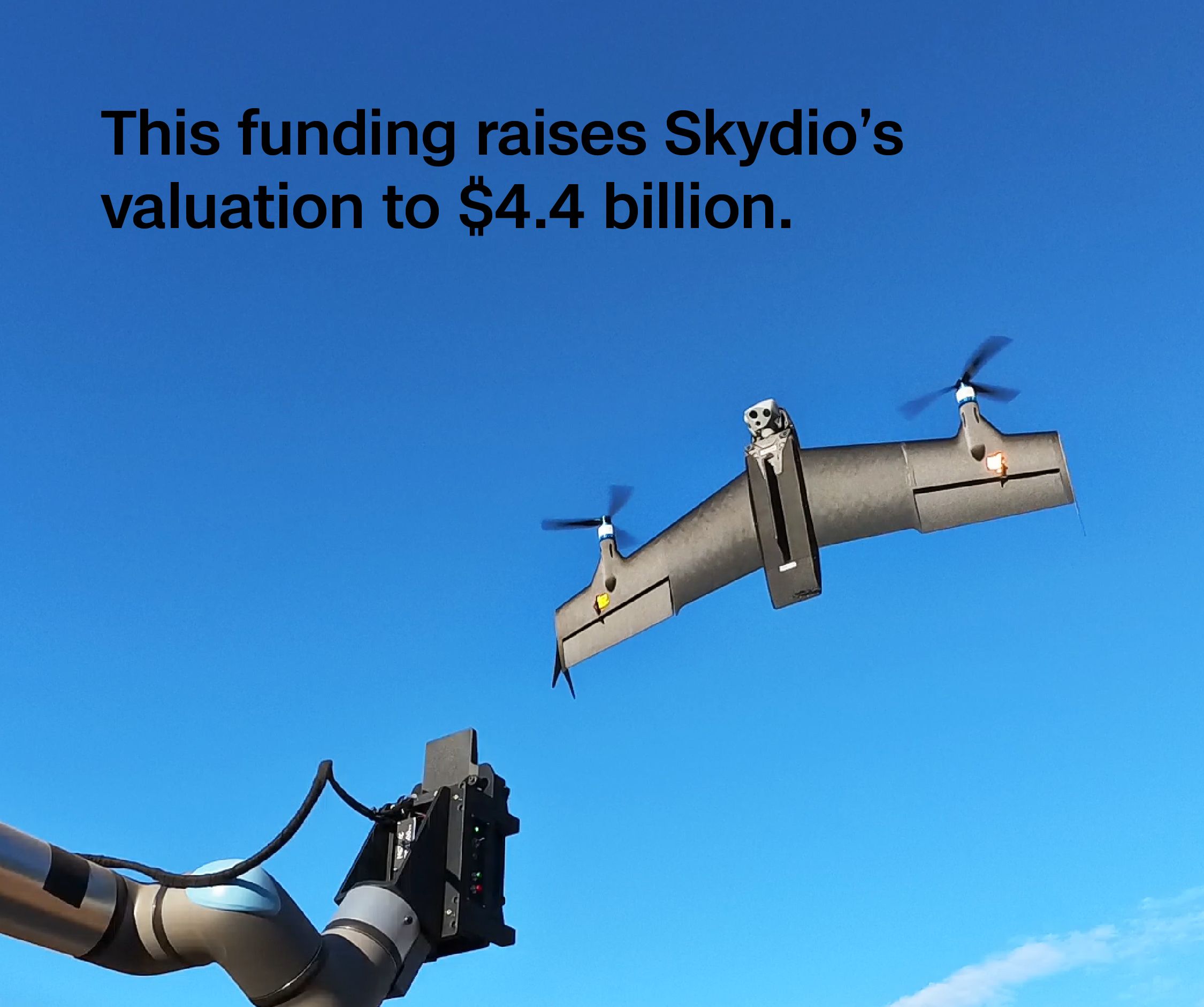
The autonomous drone maker reached a $4.4 billion valuation as it increases production for defense, public safety and infrastructure customers.
The new system connects marketing data, content, analytics and automated work across the customer lifecycle.
The marine robotics company is pairing underwater vehicles with surface vessels and launch systems for commercial and defense missions.
The exit ends the Bay Area startup's effort to build autonomous electric tractors as a standalone manufacturer.
The Redwood City company will scale access to an FDA-cleared prescription belt designed for people with low bone density.
The San Francisco company pairs software agents with growth specialists as brands adjust to search results shaped by traditional engines and AI answers.
The startup is using conversational agents to conduct structured phone interviews and turn long-form responses into research data.
The financing gives the San Francisco AI company an extraordinary capital base, while placing equal pressure on revenue growth, infrastructure execution and product focus.
The Rivian spinoff reached a valuation above $1 billion while expanding from small electric vehicles into autonomous delivery systems.
The Mountain View startup is combining expert labor, evaluations and software infrastructure to improve AI systems after their initial training.
The camera-and-voice search experience now supports real-time multilingual conversations wherever AI Mode is available.
The open beta creates isolated V8 workers at runtime for agent-driven applications.
The startup is building an AI memory that reads on-screen text, prepares meeting notes and retrieves information from a user's daily work.
The startup combines AI agents with human media experts to turn sales conversations and customer data into targeted campaigns.
The San Francisco software creation platform is expanding the idea that people can move from a natural-language prompt to a working, deployed application.
The San Jose startup is developing agentic cybersecurity software meant to connect defenses across corporate networks and operational technology.
The brain-computer interface company is preparing its PRIMA vision-restoration system for commercialization while funding a broader clinical pipeline.
The Palo Alto AI infrastructure company will use the capital to expand its SN50 chip and SambaCloud platform as demand grows for alternatives in inference computing.
The Mission Bay startup is building laboratory systems that use living neurons for AI workloads, an ambitious alternative to conventional silicon.
The voice platform is expanding through software and telecom partners that can distribute automated front-desk service at scale.
The Mountain View company plans to expand domestic manufacturing and coordinate more residential batteries as electricity demand strains the grid.
Alphabet's robotaxi company is financing a major expansion as autonomous ride-hailing moves from limited deployments toward a broader transportation network.