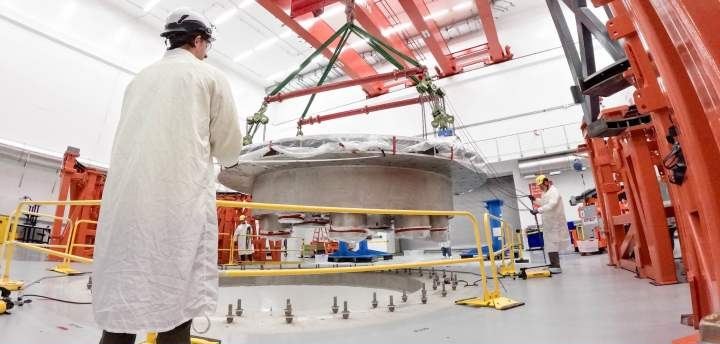
Antora Energy Raises $550 Million to Expand Thermal Battery Production
The industrial energy company plans to manufacture more systems that store renewable electricity as high-temperature heat and dispatchable power.
Archive
The industrial energy company plans to manufacture more systems that store renewable electricity as high-temperature heat and dispatchable power.
The financing brings total capital to $4 billion as the company works toward scientific breakeven in 2027.
The startup is applying automated document review to the permitting and regulatory work behind data centers and other large developments.
The San Francisco company is expanding autonomous teams that handle procurement, supplier coordination, invoices and payments for large enterprises.
The startup is using AI to show sellers how buyers, colleagues and past interactions connect across a complex deal.
The startup lets users schedule workflows and assign agents to tasks based on open tabs rather than targeting occasional consumer bookings.
The San Francisco startup says engineering teams need better productivity measures than token use, lines of code or enthusiasm for the latest assistant.
The Palo Alto startup is expanding tools for creators and enterprises while facing the harder task of preventing unauthorized voice cloning.
Insight Partners is backing infrastructure that identifies the proxy networks and VPN services hiding automated users.
The young fintech company wants autonomous software to pay vendors while businesses retain policy controls and an auditable record.
The model infrastructure company says annual recurring revenue has passed $1 billion as customers deploy more specialized AI systems.
The startup founded by former Ultrahuman hardware executive Apoorv Shankar is developing physical controls intended to direct AI agents.
The Tel Aviv and San Francisco startup wants one continuously updated graph for employees, software accounts, service identities and AI agents.
The company behind a widely used local AI tool is adding resources for enterprise adoption while keeping its open-source distribution engine.
The open-model infrastructure company plans to expand training and inference services as enterprises seek alternatives to closed AI platforms.
The Palo Alto company is developing robotic locations that dispense prescriptions with remote pharmacist oversight and round-the-clock access.
The San Francisco startup is building real-time fluid sensors for computing systems that increasingly depend on liquid rather than air to control heat.
The hardware startup is betting that a simple recorder with free transcription can hold a place beside phones and software-only meeting assistants.
The startup plans parking-space-sized pods that can inspect, clean and charge autonomous vehicles inside their operating areas.
The healthcare startup is expanding AI agents from phone scheduling into a broader operating system for the patient journey.
The Oakland company is expanding technology that structures fragmented patient information for clinical care, research and regulatory evidence.
The AI infrastructure company is using its fourth financing in 18 months to expand model inference services for enterprise customers.
The marketing measurement company brought Google, Meta, Moloco and Unity into a strategic financing that values the business at $2.7 billion.
The San Francisco startup is investing in its own speech models and the infrastructure required to run large volumes of automated business calls.
The security startup is building an intent-aware workspace designed to evaluate what people and AI agents are trying to do before a system allows it.
The biotechnology company plans to move nonviral treatments for Duchenne muscular dystrophy and polycystic kidney disease toward clinical testing.
The Oakland company is building software to manage applications, participants, payments and reporting for programs serving communities.
The longevity biotechnology company plans to move its first liver program toward human testing while expanding its discovery platform.
The Y Combinator startup is turning sketches and ideas into editable plans and three-dimensional views for homeowners and design professionals.
The maker of Devin says enterprise usage is climbing as software teams give cloud agents a larger share of development work.
The vertical software company is connecting agency data with AI workflows for policy checks, proposals and other document-heavy tasks.
The customer-experience software company is valued above $15 billion as it races to make AI agents a standard interface for large brands.
The San Francisco company more than doubled its valuation to $2.75 billion as it expanded from moving customer data to helping agents run campaigns.
The company reached a $2 billion valuation as it expands tools that help automated systems search, retrieve and organize online information.
The San Francisco company reached a $1.5 billion valuation by combining chat, spreadsheets and code with a governed layer for company data.
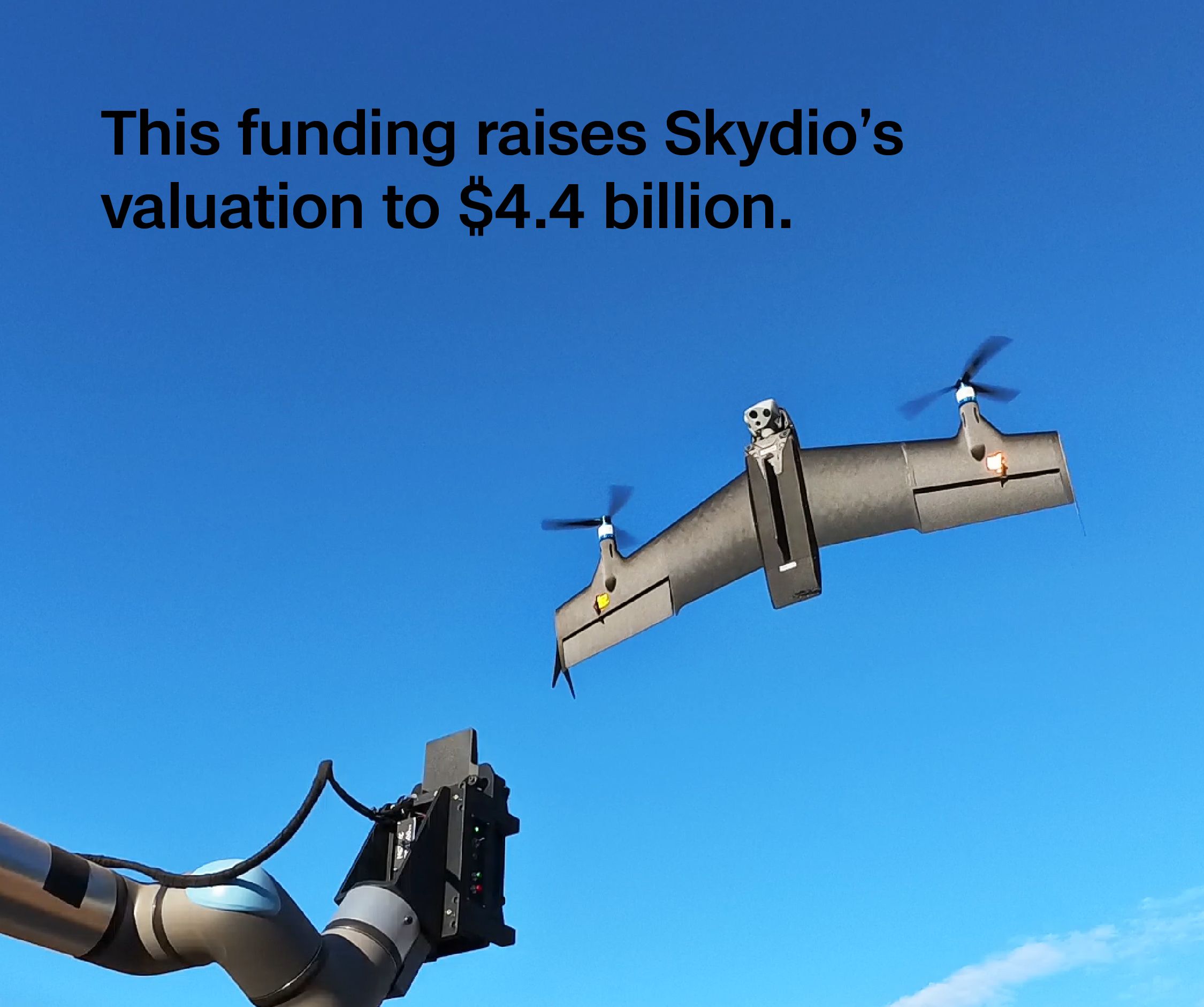
The autonomous drone maker reached a $4.4 billion valuation as it increases production for defense, public safety and infrastructure customers.
The new research lab wants software agents to build specialized expertise from experience instead of remaining fixed after training.
The analytics startup is using strategic capital to expand software that lets employees ask questions across fragmented company data in ordinary language.
The React Native platform is expanding from developer infrastructure into AI-assisted work that helps enterprise teams move from an idea to a shipped application.
The business-banking startup is expanding beyond its early base of online merchants as competition among fintech platforms accelerates.
The Barcelona and San Francisco company is building a governed graph that lets employees, software and agents work from the same organizational knowledge.
The startup is building software intended to let data-center networks adapt automatically to changing AI workloads.
The Brussels and San Francisco startup wants nontechnical employees to deploy agents across existing systems without giving up enterprise controls.
The Rivian spinoff reached a valuation above $1 billion while expanding from small electric vehicles into autonomous delivery systems.
Former Atlassian CTO Sri Viswanath is building a control layer for companies that want autonomous agents without giving up security, governance or oversight.
The startup wants employees to direct business software through natural language while agents work across data and applications.
The Mountain View robotics company reached a $1.15 billion valuation with a plan to begin real household deployments in the fall.
The startup formerly known as mcp-use is turning an open-source toolkit into a managed platform for deploying the connectors used by AI applications.
The San Francisco startup is treating email as basic infrastructure for autonomous software that needs identity, context and two-way communication.
The startup is selling an operated support function rather than software alone, putting automation performance directly on its own team.
The voice platform is expanding through software and telecom partners that can distribute automated front-desk service at scale.
The startup is building authorization and payment tools that let AI agents purchase APIs, data and computing services under defined controls.
The Mountain View company plans to expand domestic manufacturing and coordinate more residential batteries as electricity demand strains the grid.


.jpg)












.png)