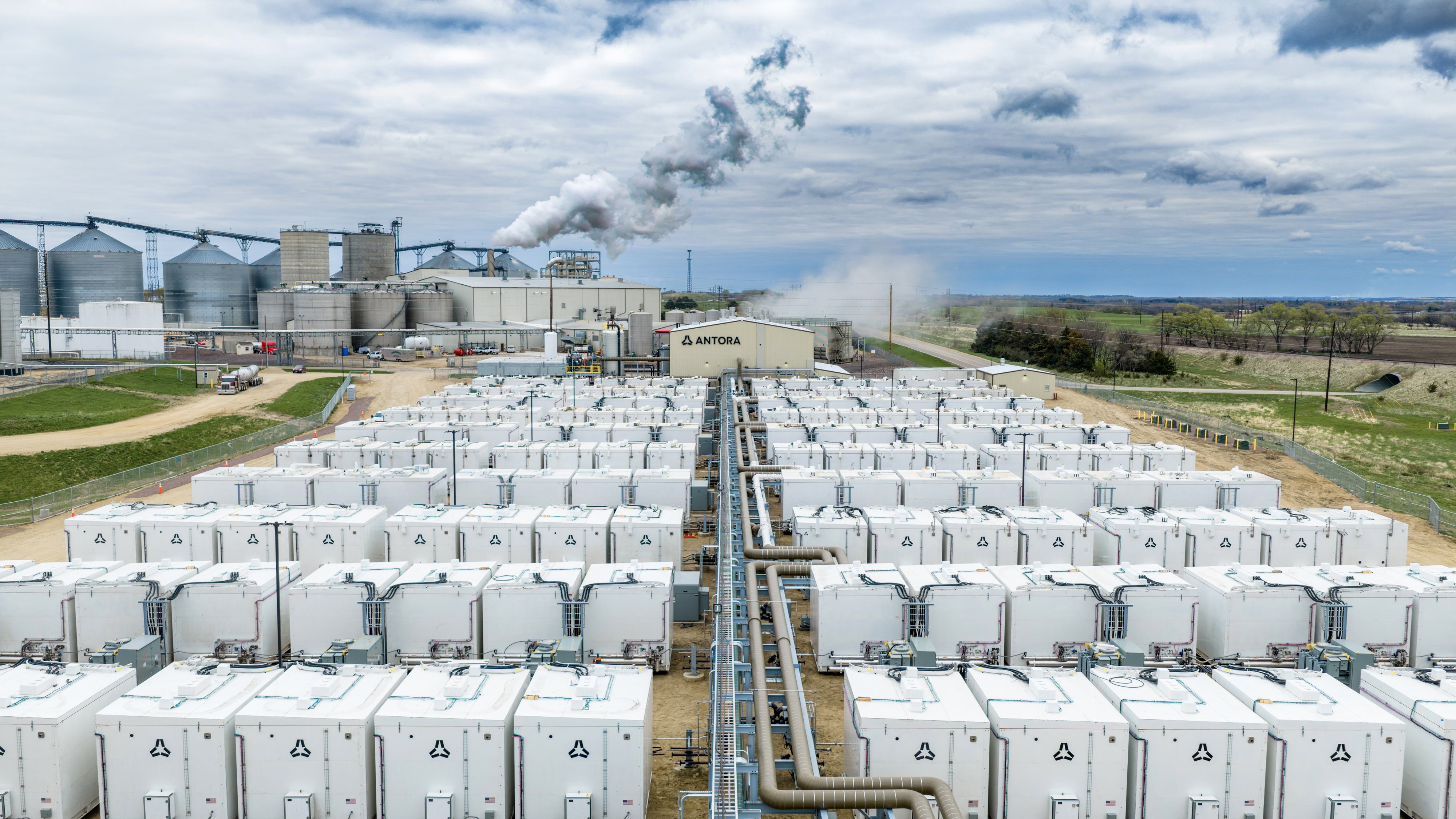
Antora Energy Raises $550 Million to Expand Thermal Battery Production
The industrial energy company plans to manufacture more systems that store renewable electricity as high-temperature heat and dispatchable power.
Archive
The industrial energy company plans to manufacture more systems that store renewable electricity as high-temperature heat and dispatchable power.
The Santa Clara startup is building chiplet and licensing technology designed to move data faster between AI processors, memory and networking systems.
The San Francisco company is expanding autonomous teams that handle procurement, supplier coordination, invoices and payments for large enterprises.
The chipmaker's strategic partnership with Ilya Sutskever's research lab couples new capital with access to Vera Rubin computing systems.
The AI chip startup plans to scale production and customer deployments as it builds specialized hardware for high-volume inference.
The startup founded by former Ultrahuman hardware executive Apoorv Shankar is developing physical controls intended to direct AI agents.
The molecular design startup reached a $3.8 billion valuation while expanding partnerships with major drugmakers.
The company behind a widely used local AI tool is adding resources for enterprise adoption while keeping its open-source distribution engine.
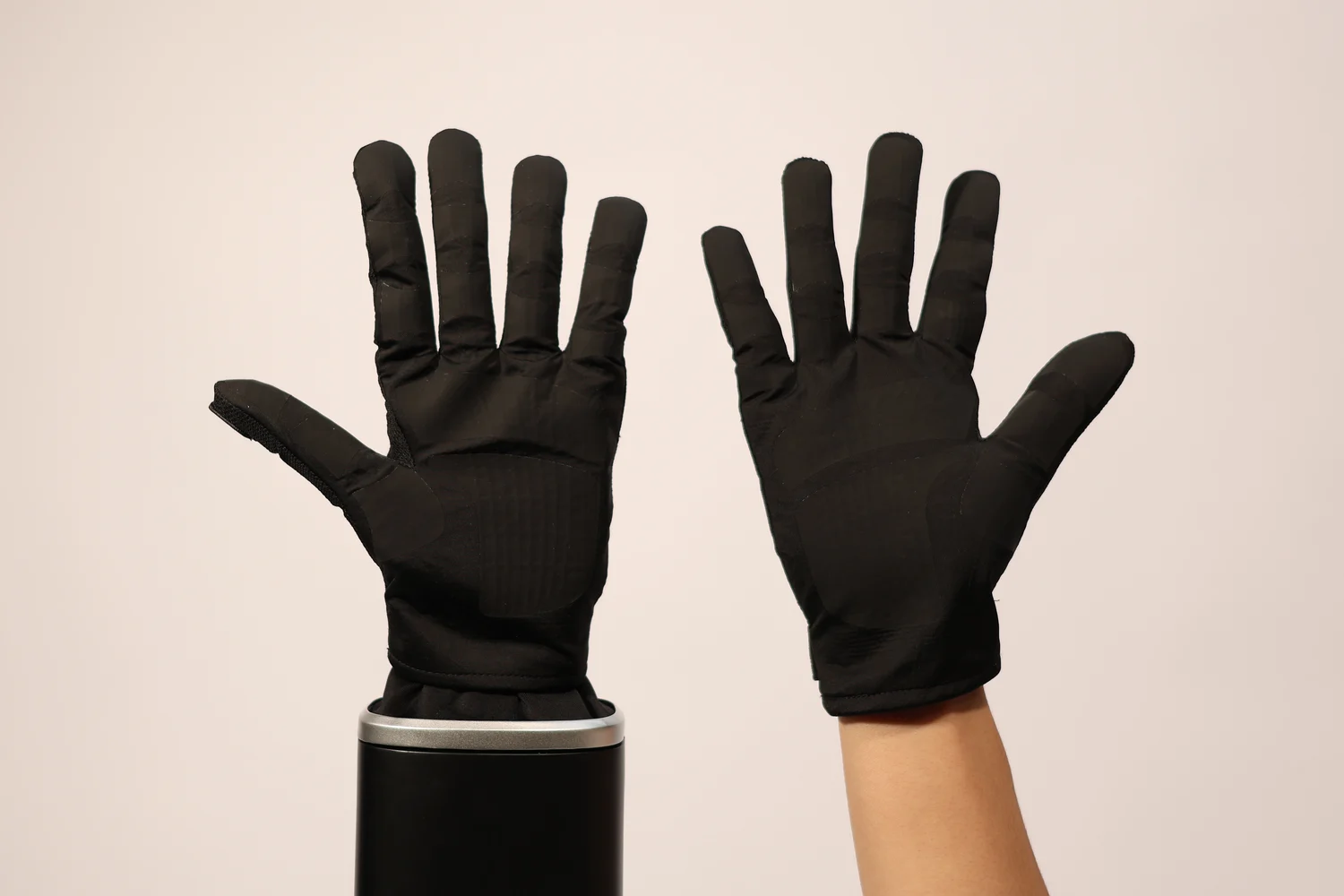
The robotics startup introduced its first commercial hand and closed a seed round after settling a trade-secret dispute with Tesla.
The hardware startup is betting that a simple recorder with free transcription can hold a place beside phones and software-only meeting assistants.
The profitable software company plans to expand tools that help banks and governments investigate financial crime and third-party risk.
The AI infrastructure company is using its fourth financing in 18 months to expand model inference services for enterprise customers.
The chip company is rebuilding and scaling its cloud business after a major licensing and talent agreement with Nvidia.
The semiconductor startup reached a $2 billion valuation and $500 million in total funding as it develops alternatives for connecting AI data centers.
The Palo Alto startup is using AI to help companies define specialized processors before the expensive physical design and manufacturing stages.
The Berkeley company will accelerate work on fault-tolerant machines while pursuing additional federal support for U.S. quantum infrastructure.
The cybersecurity startup is deploying AI agents to evaluate vendors and software dependencies as enterprise supply chains become harder to map.
The biotechnology company plans to move nonviral treatments for Duchenne muscular dystrophy and polycystic kidney disease toward clinical testing.
The startup is building a network that records first-person human activity, bringing privacy, consent and worker pay into the robotics data race.
Brett Adcock's new lab reached a $6 billion post-money valuation before releasing its first products to the public.
The Palo Alto company founded by Rivian CEO RJ Scaringe has now raised more than $1 billion for industrial robots trained in live manufacturing environments.
The satellite manufacturer is combining a Series E round with a credit facility as it expands production for commercial and government missions.
The company reached a $2 billion valuation as it expands tools that help automated systems search, retrieve and organize online information.
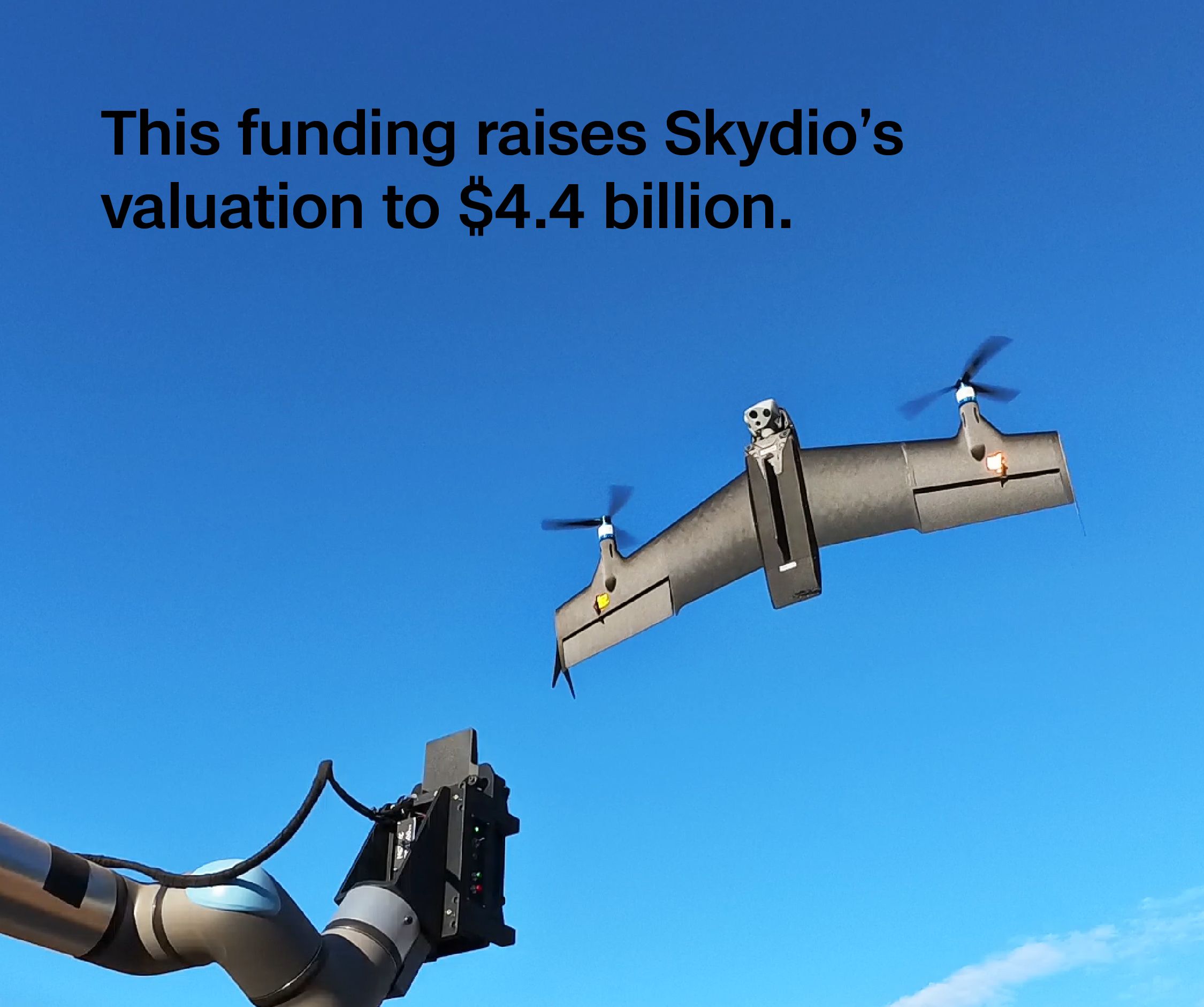
The autonomous drone maker reached a $4.4 billion valuation as it increases production for defense, public safety and infrastructure customers.
The new research lab wants software agents to build specialized expertise from experience instead of remaining fixed after training.
The logistics technology company is broadening its platform from transportation payments into operational and financial decisions across the supply chain.
The a16z-backed startup wants consumer businesses to move from dashboards and recommendations to actions tied to measurable financial results.
The Santa Clara startup is combining navigation, communications and computing functions in silicon intended for drones and robots.
The startup is building software intended to let data-center networks adapt automatically to changing AI workloads.
The financing gives the San Francisco AI company an extraordinary capital base, while placing equal pressure on revenue growth, infrastructure execution and product focus.
The San Jose chip startup is betting that a shorter, vertical path for electricity can remove a growing bottleneck inside high-performance AI systems.
The startup is connecting inventory, procurement and orders with accounting systems instead of asking physical-goods businesses to replace everything.
The Mountain View robotics company reached a $1.15 billion valuation with a plan to begin real household deployments in the fall.
The Dublin, California semiconductor company plans to commercialize a component that moves power vertically toward high-performance processors.
The Santa Clara company reached a $4.2 billion valuation as large AI systems create demand for faster, more flexible connections between processors.
The semiconductor startup is moving its co-packaged optics technology toward volume production as data centers demand faster, more efficient connections.
The Palo Alto AI infrastructure company will use the capital to expand its SN50 chip and SambaCloud platform as demand grows for alternatives in inference computing.
The observability startup reached an $800 million valuation as companies seek better ways to test and improve applications built on language models.
The Mission Bay startup is building laboratory systems that use living neurons for AI workloads, an ambitious alternative to conventional silicon.
The Mountain View company plans to expand domestic manufacturing and coordinate more residential batteries as electricity demand strains the grid.

.jpg)