Samsung Warns the Memory Shortage Could Tighten Through 2027
AI data-center customers are securing long-term supply, leaving consumer-device makers with higher component costs into 2028.
Archive
AI data-center customers are securing long-term supply, leaving consumer-device makers with higher component costs into 2028.
The AI cloud provider is adding the software behind Ray to build a broader infrastructure stack.
Citadel acquired the bulk of the portfolio, while Leopold Aschenbrenner's fund retained private investments including a reported $5 billion Anthropic stake.
AWS revenue rose 37%, helping the company defend infrastructure spending that would be harder to justify without a clear hosting business.
The startup is applying automated document review to the permitting and regulatory work behind data centers and other large developments.
The chipmaker is bringing a hardware-neutral AI software platform into its edge-to-cloud strategy.
The chipmaker's strategic partnership with Ilya Sutskever's research lab couples new capital with access to Vera Rubin computing systems.
The Kubernetes management company added Goldman Sachs and strategic investors as businesses move AI systems from pilots into production.
The company behind a widely used local AI tool is adding resources for enterprise adoption while keeping its open-source distribution engine.
The open-model infrastructure company plans to expand training and inference services as enterprises seek alternatives to closed AI platforms.
Two former Anthropic and Google researchers launched the company at a $1 billion valuation with backing from Andreessen Horowitz, Kleiner Perkins and Nvidia.
The company is building software that continually personalizes campaigns, tests changes and adjusts marketing decisions across customer channels.
The AI infrastructure company is using its fourth financing in 18 months to expand model inference services for enterprise customers.
The semiconductor startup reached a $2 billion valuation and $500 million in total funding as it develops alternatives for connecting AI data centers.
The startup is building validation software that checks model responses before errors reach users in high-precision workflows.
The rocket and satellite company entered Nasdaq trading at a valuation above $1.7 trillion.
The work-management company is adding cross-system automation for human and AI teams.
The San Francisco startup reached a $2.2 billion valuation by selling web search and content retrieval directly to software developers.
The AI chipmaker nearly doubled its offering price as investors sought another route into compute infrastructure.
The Palo Alto startup is commercializing infrastructure around a widely used open-source engine for running and serving advanced AI models.
The customer-experience software company is valued above $15 billion as it races to make AI agents a standard interface for large brands.
The company is assembling distributed GPU capacity into a platform that lets developers choose models, hardware and deployment locations.
The Barcelona and San Francisco company is building a governed graph that lets employees, software and agents work from the same organizational knowledge.
The financing gives the San Francisco AI company an extraordinary capital base, while placing equal pressure on revenue growth, infrastructure execution and product focus.
The San Jose chip startup is betting that a shorter, vertical path for electricity can remove a growing bottleneck inside high-performance AI systems.
The startup formerly known as mcp-use is turning an open-source toolkit into a managed platform for deploying the connectors used by AI applications.
The Dublin, California semiconductor company plans to commercialize a component that moves power vertically toward high-performance processors.
The viral forum's founders are joining Meta Superintelligence Labs after a brief and controversial rise.
The Palo Alto AI infrastructure company will use the capital to expand its SN50 chip and SambaCloud platform as demand grows for alternatives in inference computing.
The observability startup reached an $800 million valuation as companies seek better ways to test and improve applications built on language models.
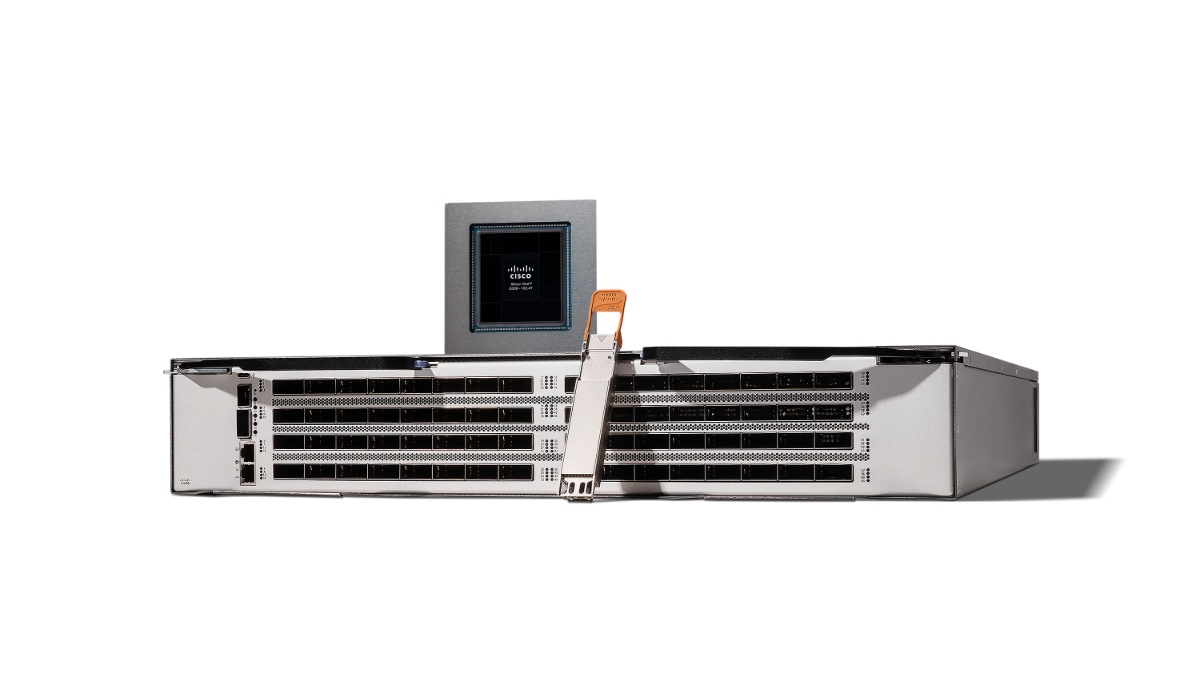
The 102.4-terabit chip is designed to move data across increasingly dense computing clusters.
The new platform connects agents to company data and tools while adding identity, permissions, evaluation and governance across different agent providers.
The startup is building authorization and payment tools that let AI agents purchase APIs, data and computing services under defined controls.