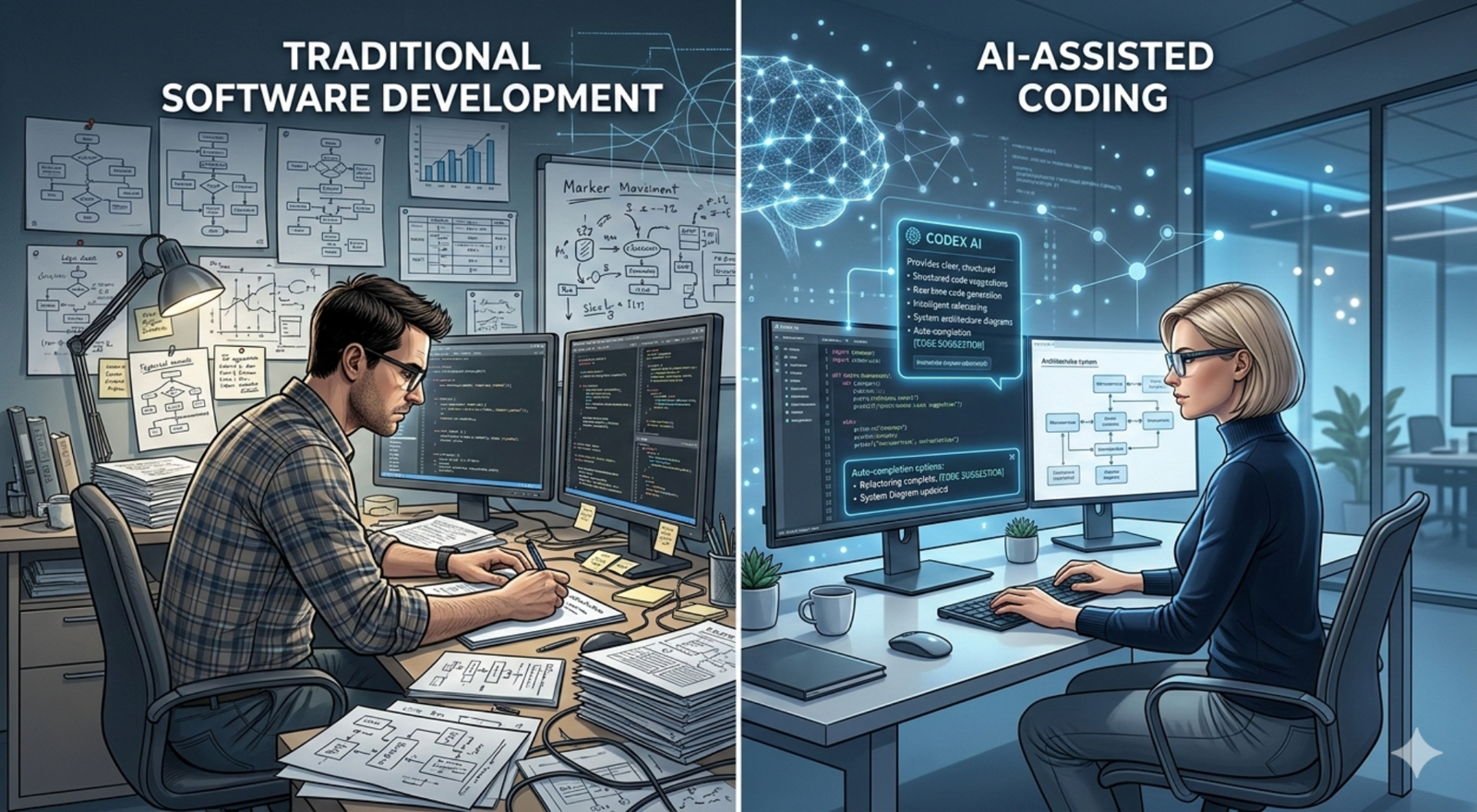
Weave Raises $13.5 Million to Measure the Return on AI Coding Tools
The San Francisco startup says engineering teams need better productivity measures than token use, lines of code or enthusiasm for the latest assistant.
Archive
The San Francisco startup says engineering teams need better productivity measures than token use, lines of code or enthusiasm for the latest assistant.
The chipmaker's strategic partnership with Ilya Sutskever's research lab couples new capital with access to Vera Rubin computing systems.
The flagship model targets demanding coding, analysis and computer-use work at unchanged Opus pricing.
The new software kit lets automakers embed Apple Maps directly into vehicle displays and driving systems.
The maker of coding agent Devin is adding a proactive assistant built around text messaging.
Gemini 3.6 Flash, 3.5 Flash-Lite and the restricted 3.5 Flash Cyber model target different production requirements.
The model infrastructure company says annual recurring revenue has passed $1 billion as customers deploy more specialized AI systems.
Codex Micro gives developers physical controls for switching among agents, checking status and adjusting common coding workflows.
The company behind a widely used local AI tool is adding resources for enterprise adoption while keeping its open-source distribution engine.
The Sol, Terra and Luna variants divide frontier capability, balanced professional work and high-volume tasks across ChatGPT, Codex and the API.
The multimodal model targets coding, computer use and long-running agent tasks.
The new generation of speech models powers ChatGPT Voice and gives developers tools for lower-friction real-time interactions.
The design platform is bringing agent development and code generation closer to its collaborative canvas.
The enterprise software startup is expanding an AI-native development platform built around requirements, oversight and audit trails.
The AI testing company is moving beyond fixed benchmarks with models that generate changing environments for training and evaluation.
Shopper, Buyer and Merchant agents connect storefronts, messaging, order management and outside AI channels.
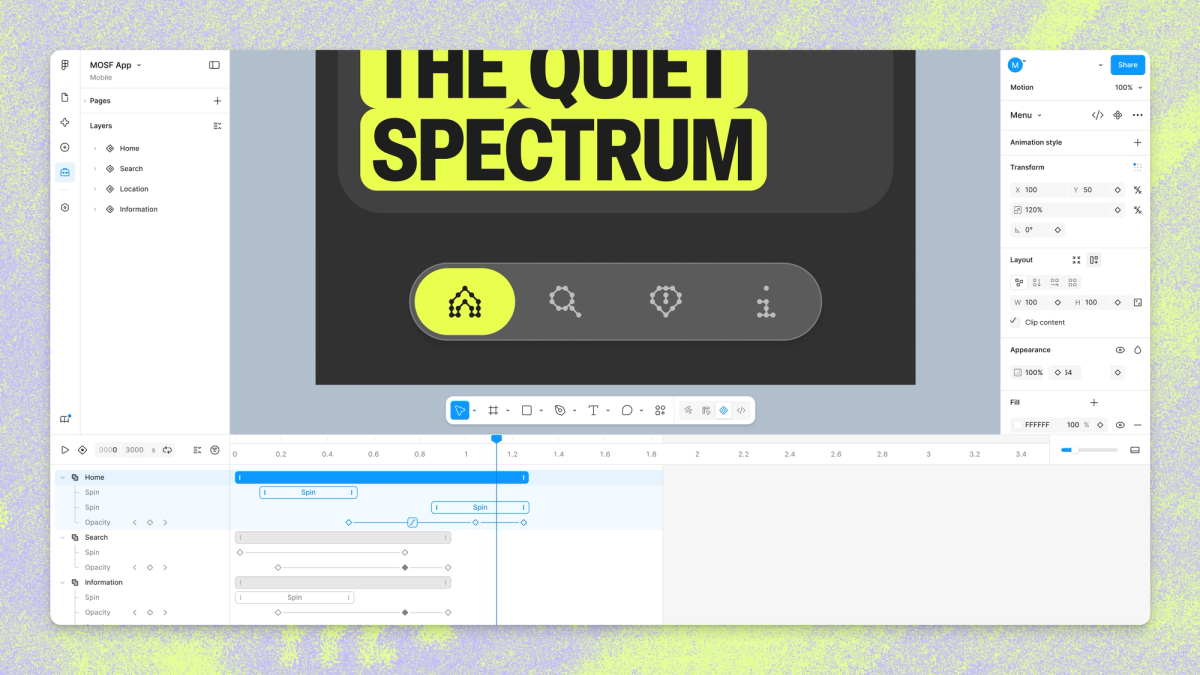
Teams can build, review and hand off interface motion without leaving the shared canvas.
The chip company is rebuilding and scaling its cloud business after a major licensing and talent agreement with Nvidia.
The new workflow creates a short-lived Cloudflare environment that can be claimed or allowed to expire.
The San Francisco and Tel Aviv company wants security agents to find and help fix software risks throughout the development lifecycle.
The open-source database platform is financing faster growth as AI agents generate more applications and infrastructure demand.
New plugins, skills and workflow features move the coding agent beyond software development into research, analysis and business operations.
The Claude developer secured one of the largest private financings ever as demand for enterprise AI and computing capacity continues to climb.
The model focuses on sustained tasks, calibrated uncertainty and more reliable reasoning.
The maker of Devin says enterprise usage is climbing as software teams give cloud agents a larger share of development work.
The San Francisco startup reached a $2.2 billion valuation by selling web search and content retrieval directly to software developers.
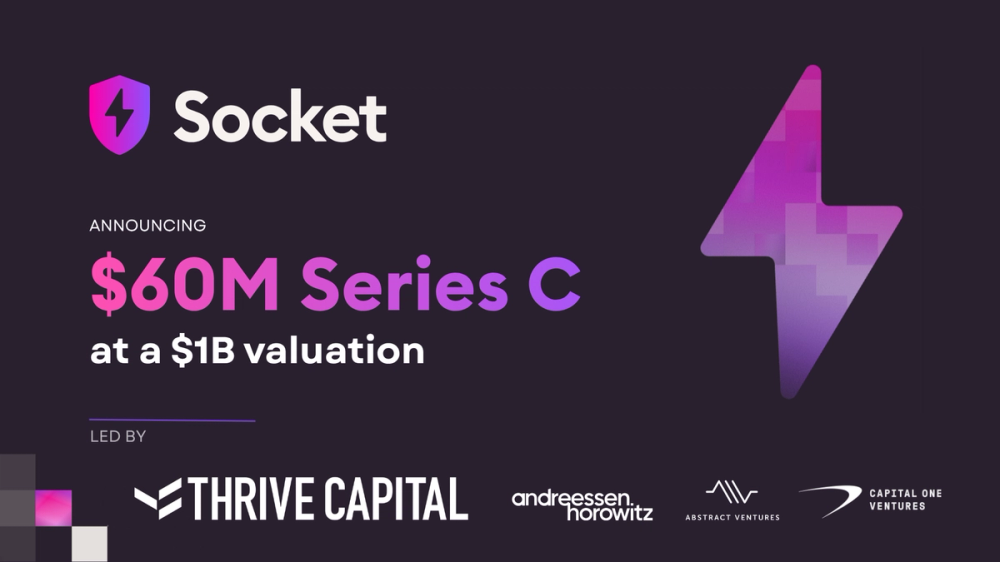
The software supply-chain company reached a $1 billion valuation as faster code generation increases the number of outside packages entering applications.
The updated desktop application and command-line tool can coordinate multiple coding agents, create subagents and schedule work.
The subscription update separates mainstream, professional and higher-compute access as Google expands Gemini across its products.
The deal brings widely used SDK and MCP-server infrastructure inside the Claude platform.
The San Francisco startup wants to turn logs, tool calls and user interactions into a continuous feedback system for agent developers.
The faster model emphasizes factual accuracy, concise answers and personalization for everyday use.
The company reached a $2 billion valuation as it expands tools that help automated systems search, retrieve and organize online information.
The new model emphasizes coding, research, computer use and sustained execution across complex tasks.
The React Native platform is expanding from developer infrastructure into AI-assisted work that helps enterprise teams move from an idea to a shipped application.
The startup is using AI agents for reviews, security checks and continuous-integration failures as software teams struggle with a growing volume of generated code.
The company is assembling distributed GPU capacity into a platform that lets developers choose models, hardware and deployment locations.
New developer primitives address memory, subagents, execution and recoverable long-running work.
The first model from Meta Superintelligence Labs powers a redesigned Meta AI experience and can coordinate parallel subagents.
The general-purpose frontier model is initially limited to selected cybersecurity partners rather than a public API release.
The startup connects a visual design canvas directly to a product's codebase so teams can work from the same components and constraints.
The San Francisco company pairs software agents with growth specialists as brands adjust to search results shaped by traditional engines and AI answers.
Former Atlassian CTO Sri Viswanath is building a control layer for companies that want autonomous agents without giving up security, governance or oversight.
The Mountain View startup is combining expert labor, evaluations and software infrastructure to improve AI systems after their initial training.
The music model can create structured tracks of up to three minutes and is available across developer, enterprise and creative products.
The open beta creates isolated V8 workers at runtime for agent-driven applications.
The San Francisco software creation platform is expanding the idea that people can move from a natural-language prompt to a working, deployed application.
The startup formerly known as mcp-use is turning an open-source toolkit into a managed platform for deploying the connectors used by AI applications.
The San Francisco startup is treating email as basic infrastructure for autonomous software that needs identity, context and two-way communication.
Thinking and Pro versions arrive across ChatGPT, Codex and the API with an emphasis on complex knowledge tasks and tool use.
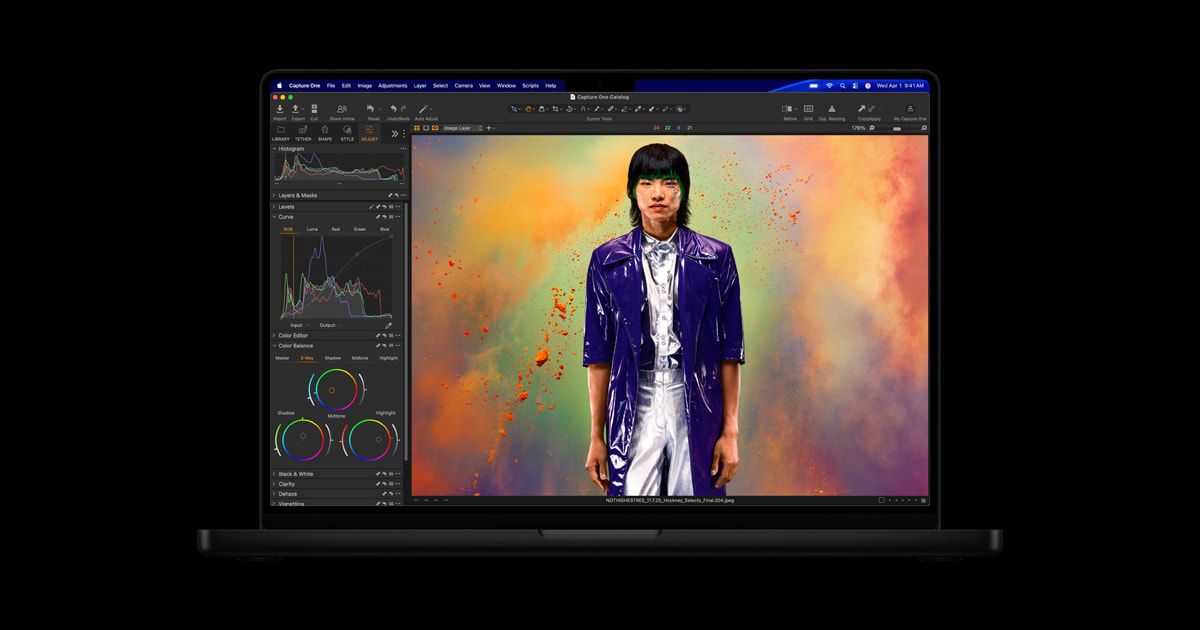
The 14- and 16-inch laptops add faster AI processing, higher storage floors and improved solid-state drive performance.
The new laptop doubles entry-level storage while increasing AI and graphics performance.
The Y Combinator startup is making its streaming platform generally available as AI developers look for simpler ways to process live data.
The Series C extension values the developer platform at $1.5 billion as more teams need persistent infrastructure for applications and agents.
The observability startup reached an $800 million valuation as companies seek better ways to test and improve applications built on language models.
The startup is building authorization and payment tools that let AI agents purchase APIs, data and computing services under defined controls.