Castelion Secures $1B Series C at $13B Valuation for Hypersonic Missile Production
Defense technology startup Castelion has closed a $1 billion Series C round at a $13 billion valuation to accelerate the mass production of hypersonic weapon systems.
Archive
Defense technology startup Castelion has closed a $1 billion Series C round at a $13 billion valuation to accelerate the mass production of hypersonic weapon systems.
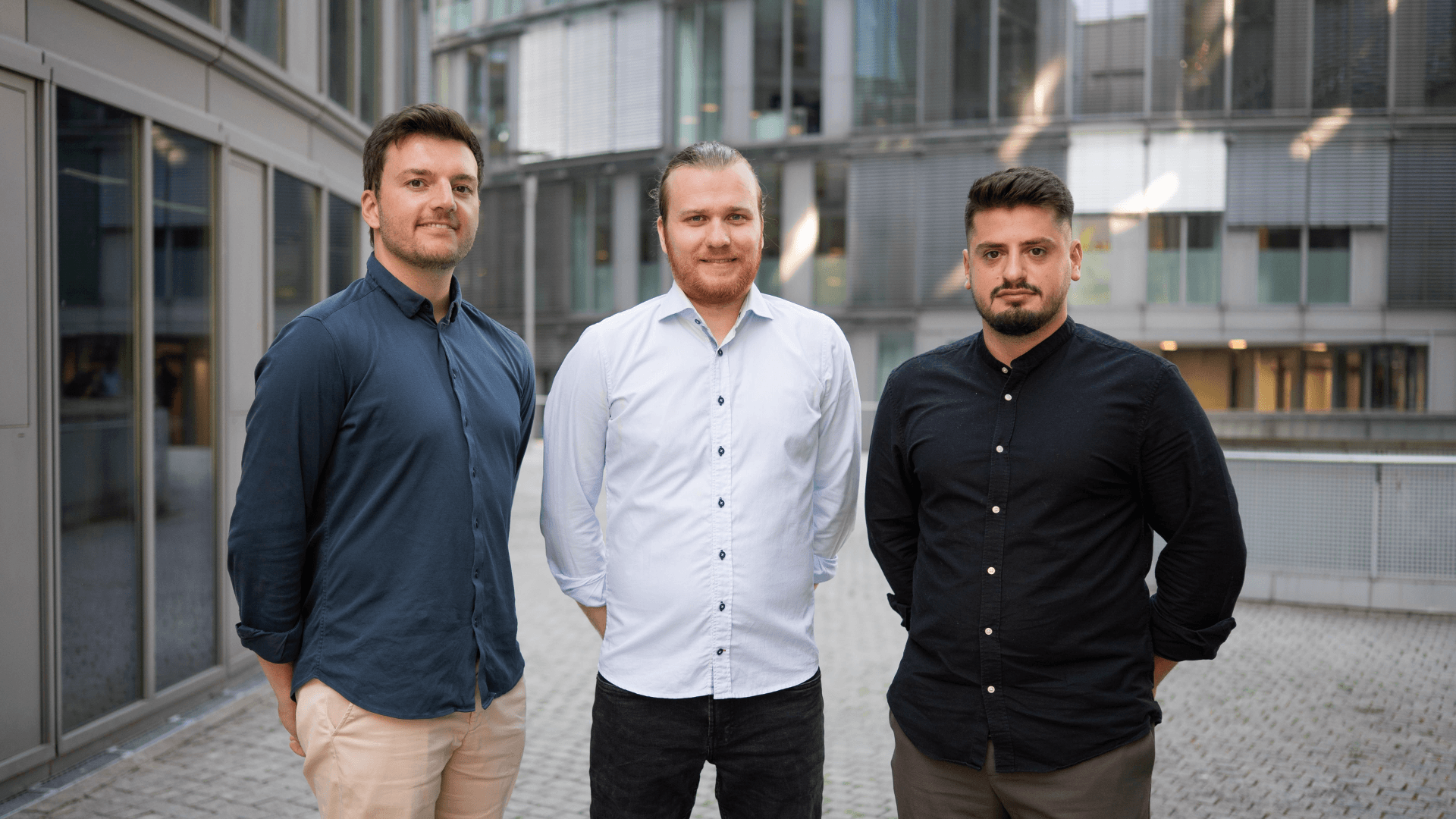
Aachen-based artificial intelligence platform amber has secured €7 million in Series A funding co-led by Ventech and NRW.Venture to expand across Europe and help small and medium-sized enterprises organize fragmented corporate data.
Versatile RobotX, a UK agtech spin-out developing autonomous harvesting systems, has secured over €1.17 million in funding from the British Design Fund, Innovate UK, and Defra.
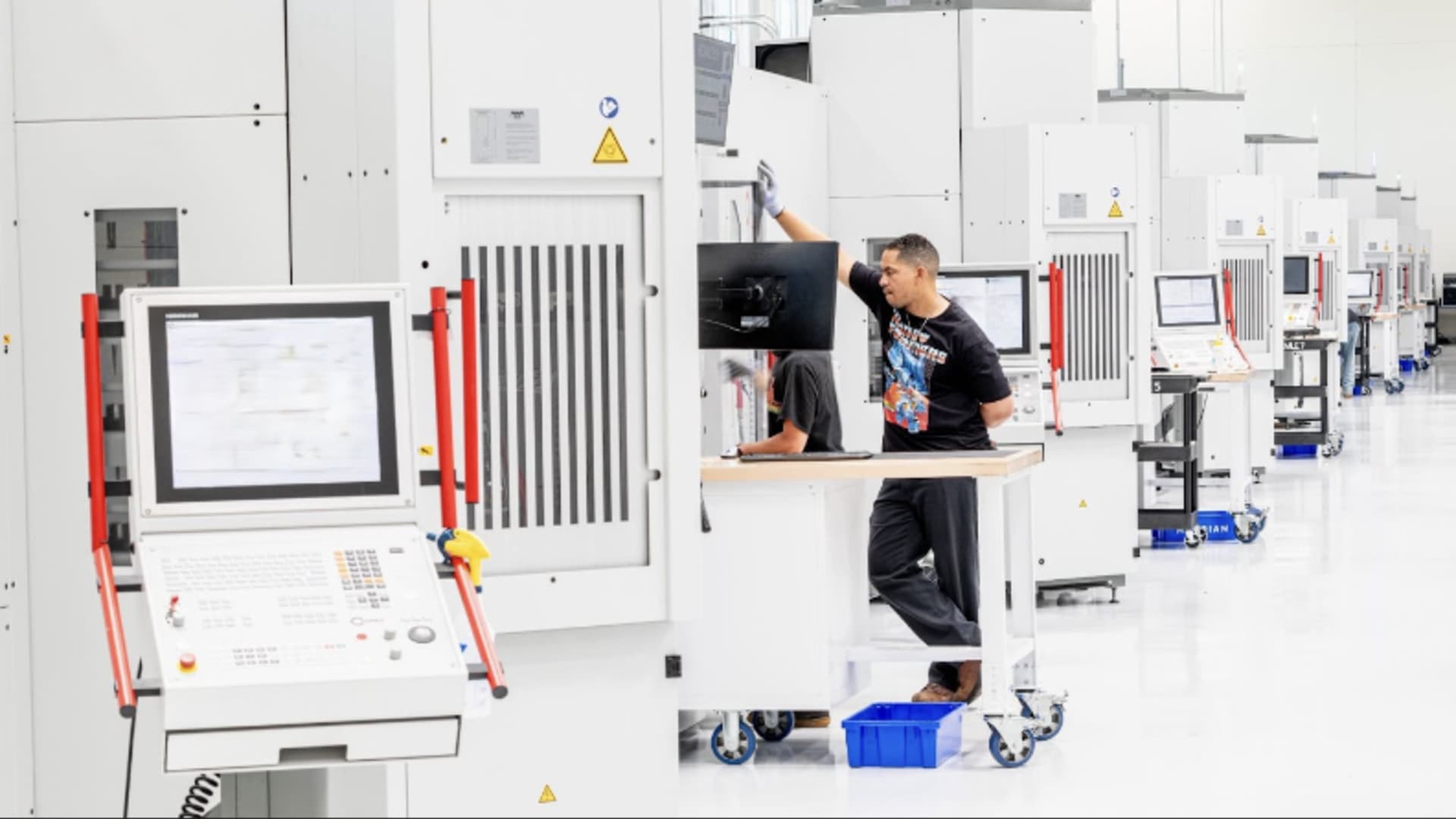
Hadrian, a company specializing in advanced manufacturing for defense and aerospace, has secured significant new investment, boosting its valuation to $7.9 billion.
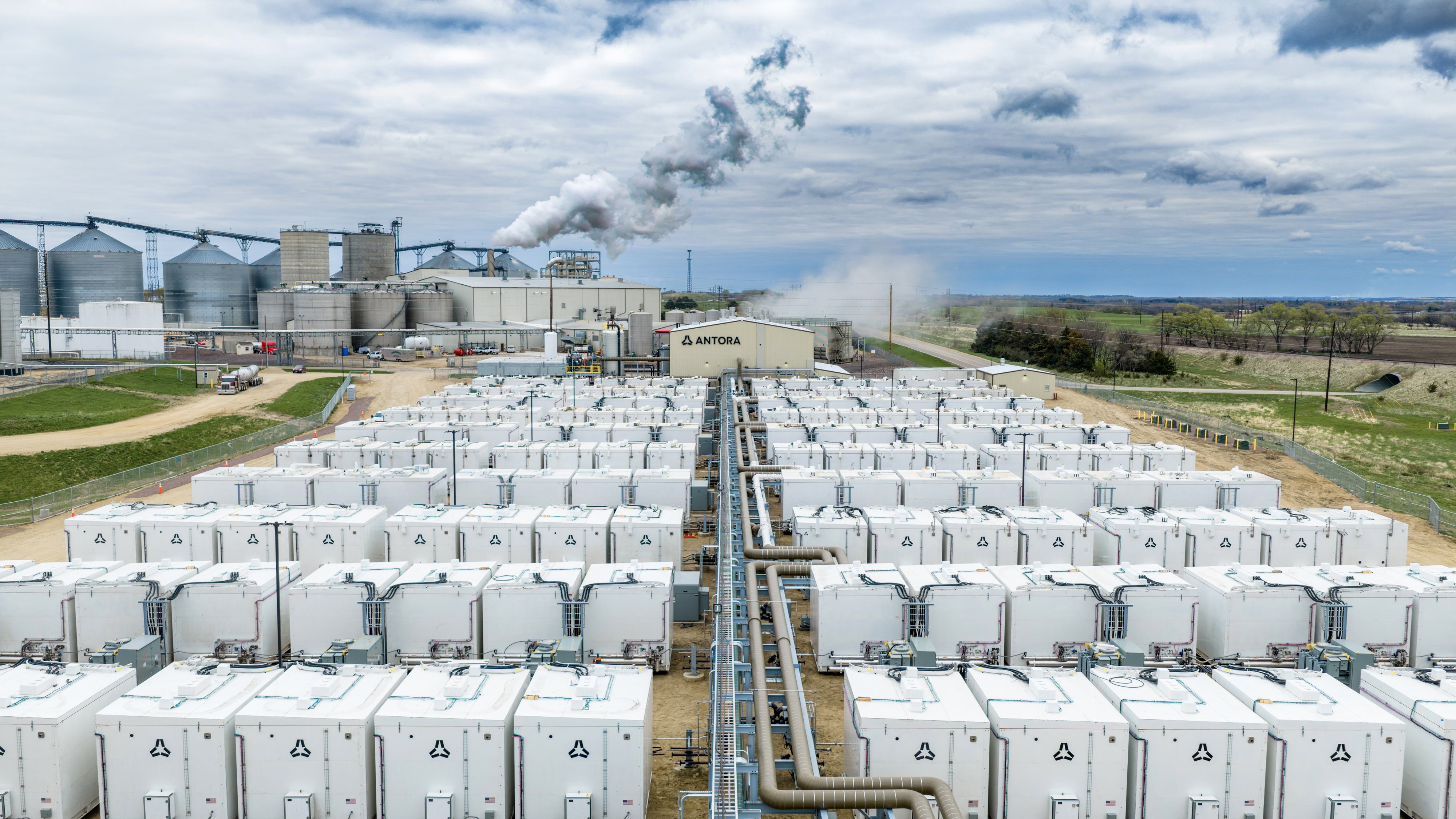
The industrial energy company plans to manufacture more systems that store renewable electricity as high-temperature heat and dispatchable power.
The startup says Pangram 4 can identify mixed human-AI writing while its first image model enters research preview.
Insight Partners is backing infrastructure that identifies the proxy networks and VPN services hiding automated users.
The Palo Alto and Tel Aviv company reached a $1.2 billion valuation with a prevention-focused approach to securing devices used for AI work.
The molecular design startup reached a $3.8 billion valuation while expanding partnerships with major drugmakers.
The Palo Alto company is developing robotic locations that dispense prescriptions with remote pharmacist oversight and round-the-clock access.
The enterprise software startup is expanding an AI-native development platform built around requirements, oversight and audit trails.
The robotics startup introduced its first commercial hand and closed a seed round after settling a trade-secret dispute with Tesla.
The hardware startup is betting that a simple recorder with free transcription can hold a place beside phones and software-only meeting assistants.
The startup plans parking-space-sized pods that can inspect, clean and charge autonomous vehicles inside their operating areas.
The profitable software company plans to expand tools that help banks and governments investigate financial crime and third-party risk.
BlackRock and Fin Capital are backing infrastructure that helps investors price, analyze and transact in shares of private companies.
The San Francisco and Tokyo company is developing low-latency speech models for Japanese, Korean and Chinese applications.
The startup is creating its own crawler, index and retrieval models for software that asks longer questions and consumes structured results.
The Oakland company is expanding technology that structures fragmented patient information for clinical care, research and regulatory evidence.
The biotechnology company is advancing seven programs and plans to form focused affiliates as individual assets reach clinical milestones.
The company is building software that continually personalizes campaigns, tests changes and adjusts marketing decisions across customer channels.
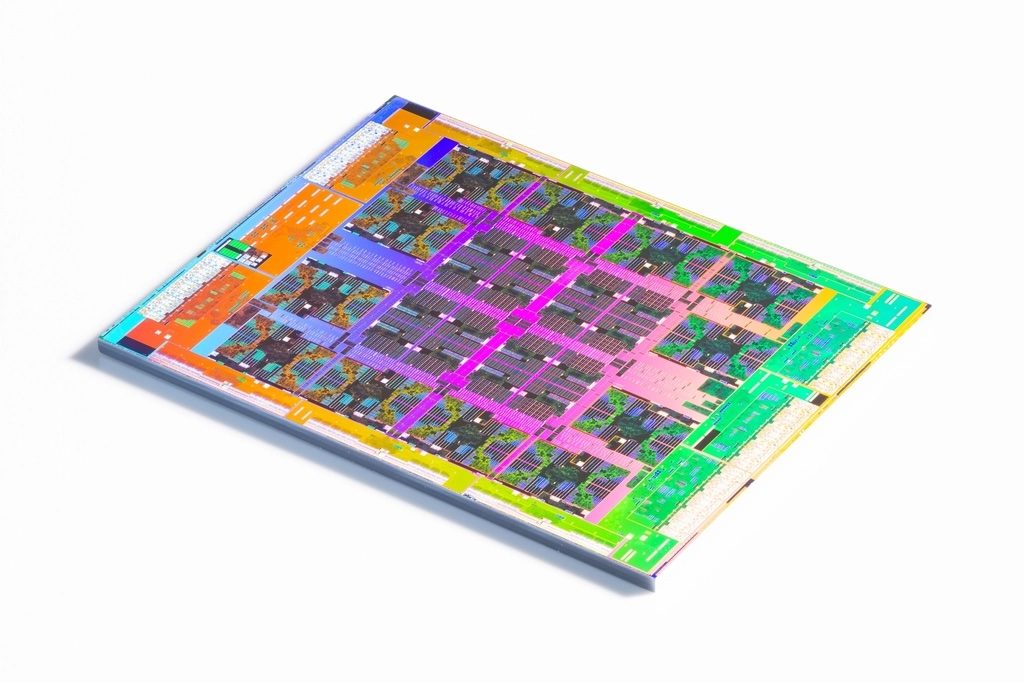
The semiconductor startup reached a $2 billion valuation and $500 million in total funding as it develops alternatives for connecting AI data centers.
The Berkeley company will accelerate work on fault-tolerant machines while pursuing additional federal support for U.S. quantum infrastructure.
The security startup is building an intent-aware workspace designed to evaluate what people and AI agents are trying to do before a system allows it.
The secretive company led by Jeff Bezos and Vik Bajaj is valued at $41 billion before revealing much about its technology or customers.
The biotechnology company plans to move nonviral treatments for Duchenne muscular dystrophy and polycystic kidney disease toward clinical testing.
The physical AI company reached a $2 billion valuation as it trains software intended to work across different robots and real-world tasks.
The prompt-to-app startup says its community creates games, quizzes and interactive experiments at a rate of about one every half-second.
The longevity biotechnology company plans to move its first liver program toward human testing while expanding its discovery platform.
The startup is building a network that records first-person human activity, bringing privacy, consent and worker pay into the robotics data race.
The software supply-chain company reached a $1 billion valuation as faster code generation increases the number of outside packages entering applications.
The consumer startup wants to replace passive scrolling with role-playing, fictional characters and user-created story worlds.
The Palo Alto company founded by Rivian CEO RJ Scaringe has now raised more than $1 billion for industrial robots trained in live manufacturing environments.
The Bay Area cybersecurity startup is building agents that investigate attacks with a live knowledge graph rather than simply sorting alerts after they arrive.
The San Francisco startup is trying to replace disconnected sales tools with a system that carries context from prospecting through a closed deal.
The full-stack insurer is using AI across underwriting, policy administration and claims as it expands into additional commercial markets.
The Palo Alto startup is commercializing infrastructure around a widely used open-source engine for running and serving advanced AI models.
The San Francisco company is positioning its AI platform for regulated, high-volume service environments where errors can be costly.
The San Francisco company more than doubled its valuation to $2.75 billion as it expanded from moving customer data to helping agents run campaigns.
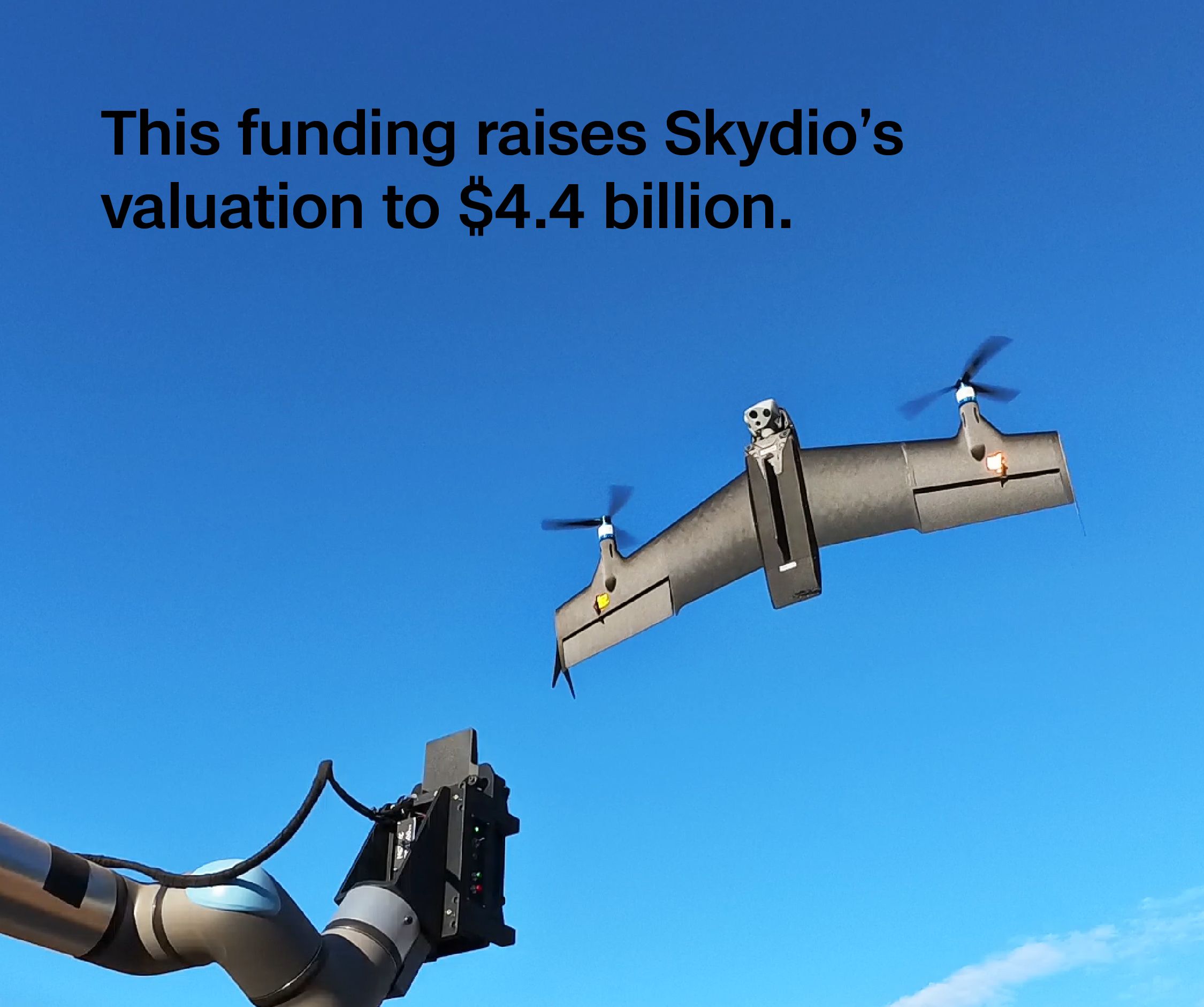
The autonomous drone maker reached a $4.4 billion valuation as it increases production for defense, public safety and infrastructure customers.
The startup is beginning with autonomous road rollers that can be retrofitted onto machines already operating at construction sites.
The Santa Clara startup is combining navigation, communications and computing functions in silicon intended for drones and robots.
The company is assembling distributed GPU capacity into a platform that lets developers choose models, hardware and deployment locations.
The phone-automation startup says contact-center operators invested alongside venture firms after deploying its agents in live customer service work.
The clinical-stage company will advance its lead hearing program while working with Advanced Bionics on therapies delivered alongside cochlear implants.
The Redwood City company will scale access to an FDA-cleared prescription belt designed for people with low bone density.
The Mountain View robotics company reached a $1.15 billion valuation with a plan to begin real household deployments in the fall.
The Santa Clara company reached a $4.2 billion valuation as large AI systems create demand for faster, more flexible connections between processors.
The San Jose startup is developing agentic cybersecurity software meant to connect defenses across corporate networks and operational technology.
The Palo Alto AI infrastructure company will use the capital to expand its SN50 chip and SambaCloud platform as demand grows for alternatives in inference computing.
Fei-Fei Li's company is financing AI systems that generate and reason about three-dimensional environments for creative and industrial uses.
The Series C extension values the developer platform at $1.5 billion as more teams need persistent infrastructure for applications and agents.
The Mission Bay startup is building laboratory systems that use living neurons for AI workloads, an ambitious alternative to conventional silicon.
The Mountain View company plans to expand domestic manufacturing and coordinate more residential batteries as electricity demand strains the grid.






























.jpg)