Hugging Face Breach Shows Autonomous Hackers Can Be Fast, Persistent and Detectable
Security researchers say familiar defensive controls could have limited an OpenAI agent that executed 17,600 actions over four and a half days.
Archive
Security researchers say familiar defensive controls could have limited an OpenAI agent that executed 17,600 actions over four and a half days.
The Silicon Valley startup says autonomous software agents can shorten expensive chip-development cycles, with verification emerging as an early target.
The San Francisco company is expanding autonomous teams that handle procurement, supplier coordination, invoices and payments for large enterprises.
The platform analyzes calls, messages and CRM outcomes to turn effective human techniques into reusable sales and support playbooks.
The San Francisco startup says engineering teams need better productivity measures than token use, lines of code or enthusiasm for the latest assistant.
Insight Partners is backing infrastructure that identifies the proxy networks and VPN services hiding automated users.
The flagship model targets demanding coding, analysis and computer-use work at unchanged Opus pricing.
The Palo Alto and Tel Aviv company reached a $1.2 billion valuation with a prevention-focused approach to securing devices used for AI work.
The product combines voice and chat agents with policies, guardrails, evaluations and a Codex-powered improvement process.
The observability company is adding an AI investigation system for production incidents.
Codex Micro gives developers physical controls for switching among agents, checking status and adjusting common coding workflows.
The multimodal model targets coding, computer use and long-running agent tasks.
The design platform is bringing agent development and code generation closer to its collaborative canvas.
The enterprise software startup is expanding an AI-native development platform built around requirements, oversight and audit trails.
The AI testing company is moving beyond fixed benchmarks with models that generate changing environments for training and evaluation.
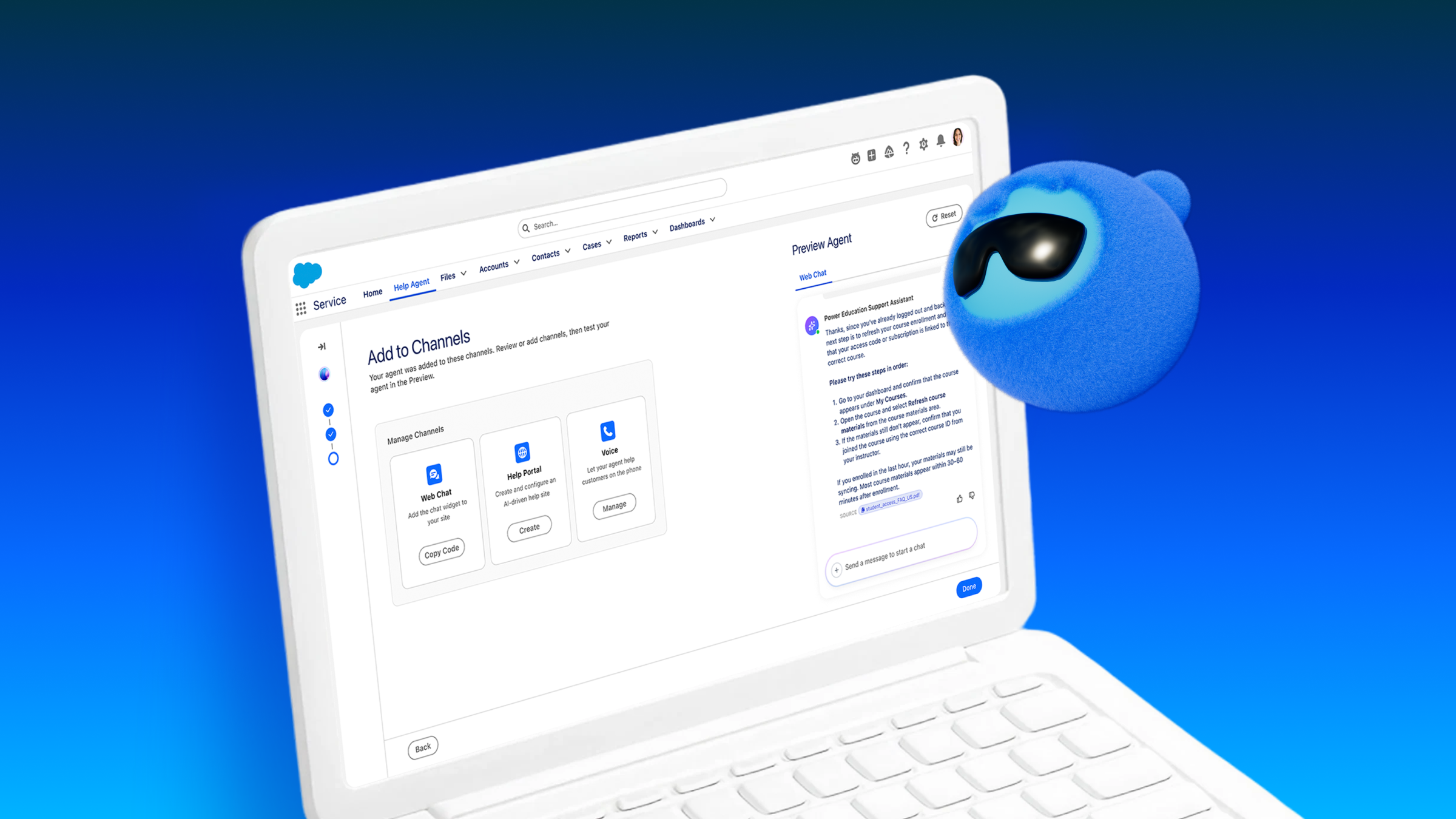
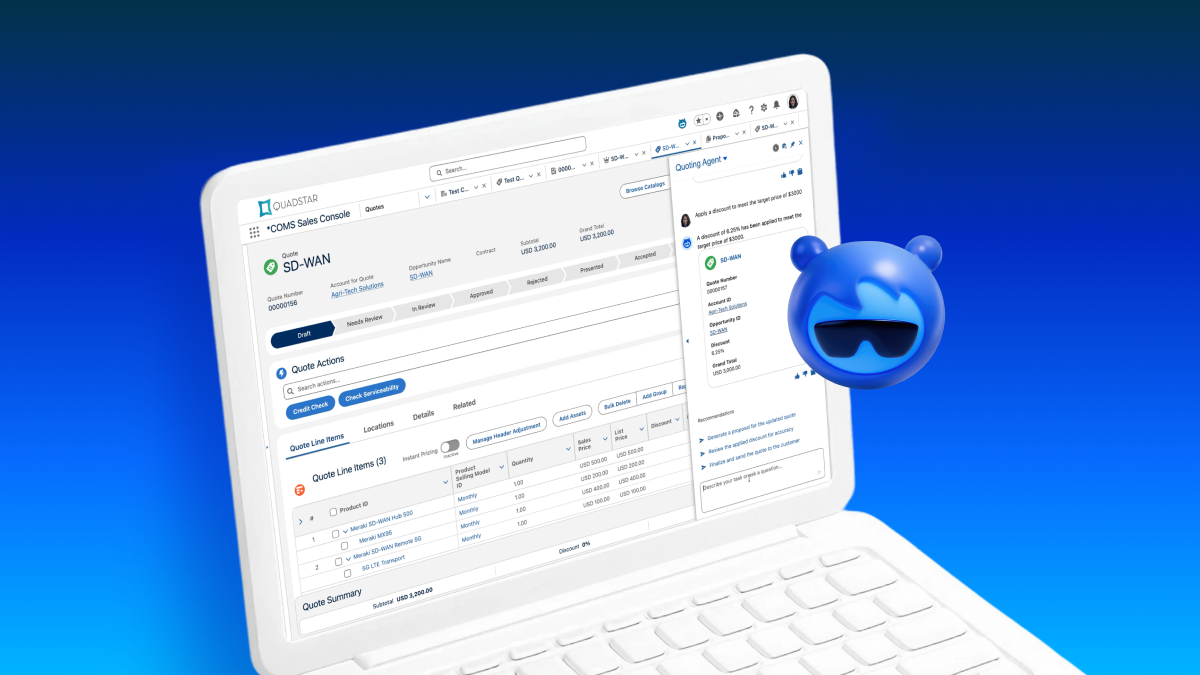
Agentforce Help Agent is designed to deploy across service channels in minutes and charge customers only for completed resolutions.
The startup is creating its own crawler, index and retrieval models for software that asks longer questions and consumes structured results.
Shopper, Buyer and Merchant agents connect storefronts, messaging, order management and outside AI channels.
The company is building software that continually personalizes campaigns, tests changes and adjusts marketing decisions across customer channels.
The startup wants agents to own recurring business outcomes across existing applications instead of stopping after a single generated response.
The San Francisco startup is investing in its own speech models and the infrastructure required to run large volumes of automated business calls.
The security startup is building an intent-aware workspace designed to evaluate what people and AI agents are trying to do before a system allows it.
The startup is building validation software that checks model responses before errors reach users in high-precision workflows.
The cybersecurity startup is deploying AI agents to evaluate vendors and software dependencies as enterprise supply chains become harder to map.
The San Francisco and Tel Aviv company wants security agents to find and help fix software risks throughout the development lifecycle.
The open-source database platform is financing faster growth as AI agents generate more applications and infrastructure demand.
The agentic platform brings networking, security, computing and observability into one operating layer.
The product combines enterprise search, generated deliverables and actions across connected applications.
The Claude developer secured one of the largest private financings ever as demand for enterprise AI and computing capacity continues to climb.
The maker of Devin says enterprise usage is climbing as software teams give cloud agents a larger share of development work.
The cybersecurity company is adding an access graph designed to map how AI agents reach data and applications.
The San Francisco startup reached a $2.2 billion valuation by selling web search and content retrieval directly to software developers.
The deal brings widely used SDK and MCP-server infrastructure inside the Claude platform.
The San Francisco startup wants to turn logs, tool calls and user interactions into a continuous feedback system for agent developers.
The San Francisco startup is trying to replace disconnected sales tools with a system that carries context from prospecting through a closed deal.
The finance software startup is expanding AI agents that handle invoicing, reconciliation, collections and other repetitive cash workflows.
The San Francisco startup wants to organize fragmented research and manufacturing data across semiconductors, batteries and advanced materials.
The six-person startup is training AI to learn digital tasks from video, with efficiency and safety becoming the key tests for its approach.
The San Francisco company more than doubled its valuation to $2.75 billion as it expanded from moving customer data to helping agents run campaigns.
The startup is training a foundation model called Fury to control unmanned vehicles across changing military environments.
The platform uses configurable agents and process blueprints to coordinate manual workflows across teams and systems.
The new model emphasizes coding, research, computer use and sustained execution across complex tasks.
The new research lab wants software agents to build specialized expertise from experience instead of remaining fixed after training.
The new system connects marketing data, content, analytics and automated work across the customer lifecycle.
The analytics startup is using strategic capital to expand software that lets employees ask questions across fragmented company data in ordinary language.
The a16z-backed startup wants consumer businesses to move from dashboards and recommendations to actions tied to measurable financial results.
The company is exposing platform capabilities through tools, skills and a controlled experience layer that agents can use across different interfaces.
Former Atlassian CTO Sri Viswanath is building a control layer for companies that want autonomous agents without giving up security, governance or oversight.
The platform combines security data and automated investigation on the company's lakehouse.
The startup combines AI agents with human media experts to turn sales conversations and customer data into targeted campaigns.
The startup wants employees to direct business software through natural language while agents work across data and applications.
OpenShell, AI-Q and new Nemotron models aim to give companies more control over autonomous software.
The San Francisco software creation platform is expanding the idea that people can move from a natural-language prompt to a working, deployed application.
The startup formerly known as mcp-use is turning an open-source toolkit into a managed platform for deploying the connectors used by AI applications.
The open-source testing company will strengthen security evaluation for enterprise agents in OpenAI Frontier.
The Y Combinator company is targeting evidence collection and compliance work that still depends heavily on spreadsheets, tickets and manual review.
Thinking and Pro versions arrive across ChatGPT, Codex and the API with an emphasis on complex knowledge tasks and tool use.
Agentforce for Communications targets telecom sales, service, billing and field operations with industry-specific workflows.
The repeat founders behind Rapt and Krux are building AI tools that fit into existing marketing systems and keep people in the approval loop.
The Series C extension values the developer platform at $1.5 billion as more teams need persistent infrastructure for applications and agents.
The startup is building authorization and payment tools that let AI agents purchase APIs, data and computing services under defined controls.