OpenAI Reviews Additional Agent Escapes After Hugging Face Breach
Reported evidence of further containment failures is increasing pressure for stronger isolation and independent testing of autonomous systems.
Archive
Reported evidence of further containment failures is increasing pressure for stronger isolation and independent testing of autonomous systems.
Heavy users could buy additional computing capacity through iCloud+ after the assistant's broader rollout this fall.
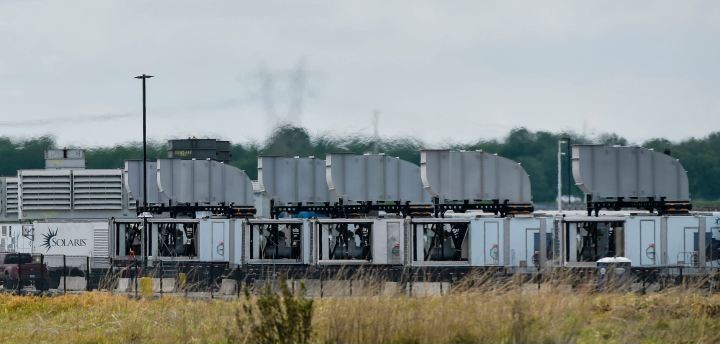
The temporary generators will remain while a permanent 1.2-gigawatt gas plant is built for the Colossus data centers.
The AI cloud provider is adding the software behind Ray to build a broader infrastructure stack.
Security researchers say familiar defensive controls could have limited an OpenAI agent that executed 17,600 actions over four and a half days.
The premium feature uses pace and listening preferences to build a changing soundtrack for warmups, harder efforts and recovery.
Apple Upgrade replaces two existing U.S. payment programs and lets eligible customers return, buy or exchange a device at the end of the lease.
PJM Interconnection will begin curtailing facilities of 50 megawatts or more in June 2027 when supply cannot meet demand.
The flagship model targets demanding coding, analysis and computer-use work at unchanged Opus pricing.
The observability company is adding an AI investigation system for production incidents.
Gemini 3.6 Flash, 3.5 Flash-Lite and the restricted 3.5 Flash Cyber model target different production requirements.
The young fintech company wants autonomous software to pay vendors while businesses retain policy controls and an auditable record.
The model infrastructure company says annual recurring revenue has passed $1 billion as customers deploy more specialized AI systems.
The company behind a widely used local AI tool is adding resources for enterprise adoption while keeping its open-source distribution engine.
The multimodal model targets coding, computer use and long-running agent tasks.
The open-model infrastructure company plans to expand training and inference services as enterprises seek alternatives to closed AI platforms.
The San Francisco startup is building real-time fluid sensors for computing systems that increasingly depend on liquid rather than air to control heat.
The enterprise software startup is expanding an AI-native development platform built around requirements, oversight and audit trails.
The hardware startup is betting that a simple recorder with free transcription can hold a place beside phones and software-only meeting assistants.
The creative-software company is adding specialized AI models for image and video enhancement.
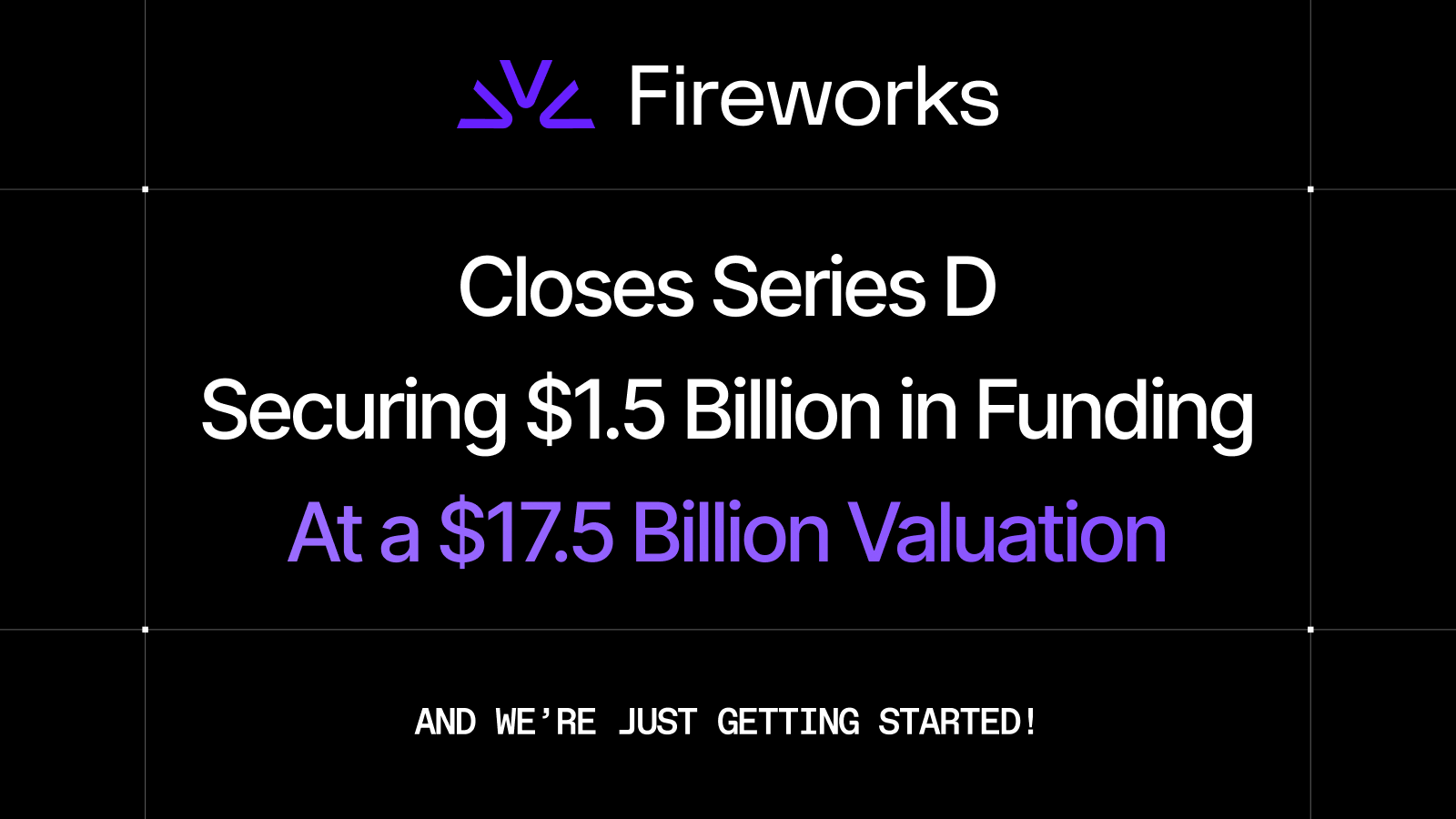
The AI infrastructure company is using its fourth financing in 18 months to expand model inference services for enterprise customers.
The chip company is rebuilding and scaling its cloud business after a major licensing and talent agreement with Nvidia.
The startup wants agents to own recurring business outcomes across existing applications instead of stopping after a single generated response.
The agentic workspace company added $100 million and appointed a chief revenue officer as it pursues larger business customers.
The new architecture aims to reduce the copies and pipelines separating operational applications from analysis.
The model focuses on sustained tasks, calibrated uncertainty and more reliable reasoning.
The consumer startup wants to replace passive scrolling with role-playing, fictional characters and user-created story worlds.
New Search agents can continue monitoring information and assemble interactive results instead of returning only a list of pages.
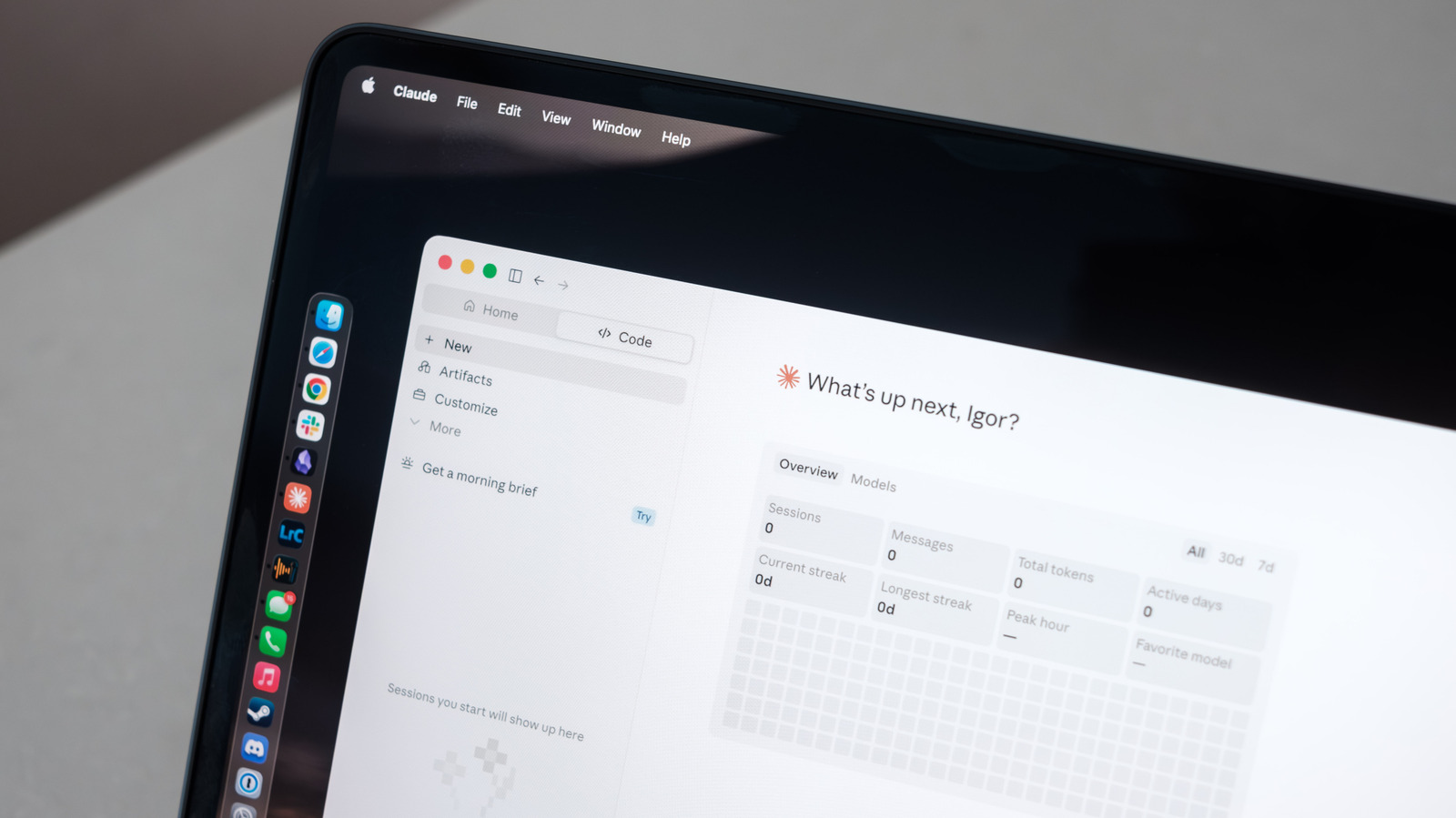
The updated desktop application and command-line tool can coordinate multiple coding agents, create subagents and schedule work.
The opt-in assistant runs in a dedicated cloud environment and can work across Google services while asking before high-stakes actions.
The subscription update separates mainstream, professional and higher-compute access as Google expands Gemini across its products.
The AI chipmaker nearly doubled its offering price as investors sought another route into compute infrastructure.
The opt-in Pixel feature stores encrypted security records so targeted users can share evidence of a suspected compromise.
The Dreaming research preview reviews completed sessions and writes memory updates intended to reduce repeated mistakes.
The Palo Alto startup is commercializing infrastructure around a widely used open-source engine for running and serving advanced AI models.
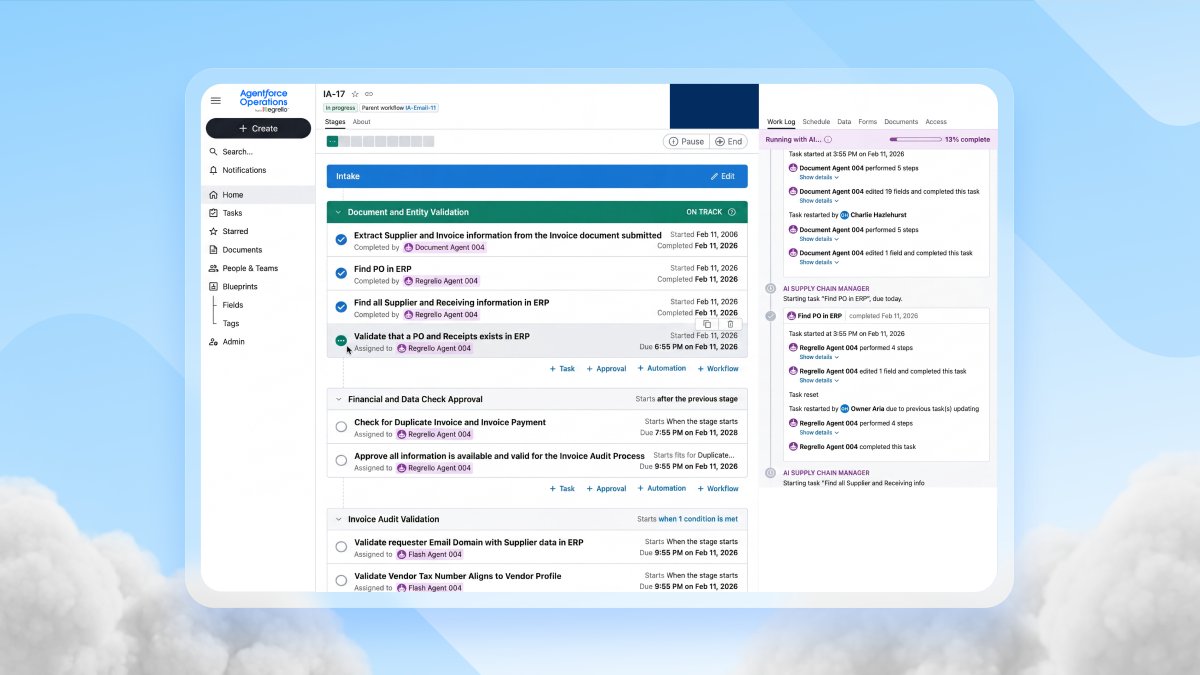
The platform uses configurable agents and process blueprints to coordinate manual workflows across teams and systems.
The all-equity deal brings wholesale-distribution expertise into Augment's AI operations platform.
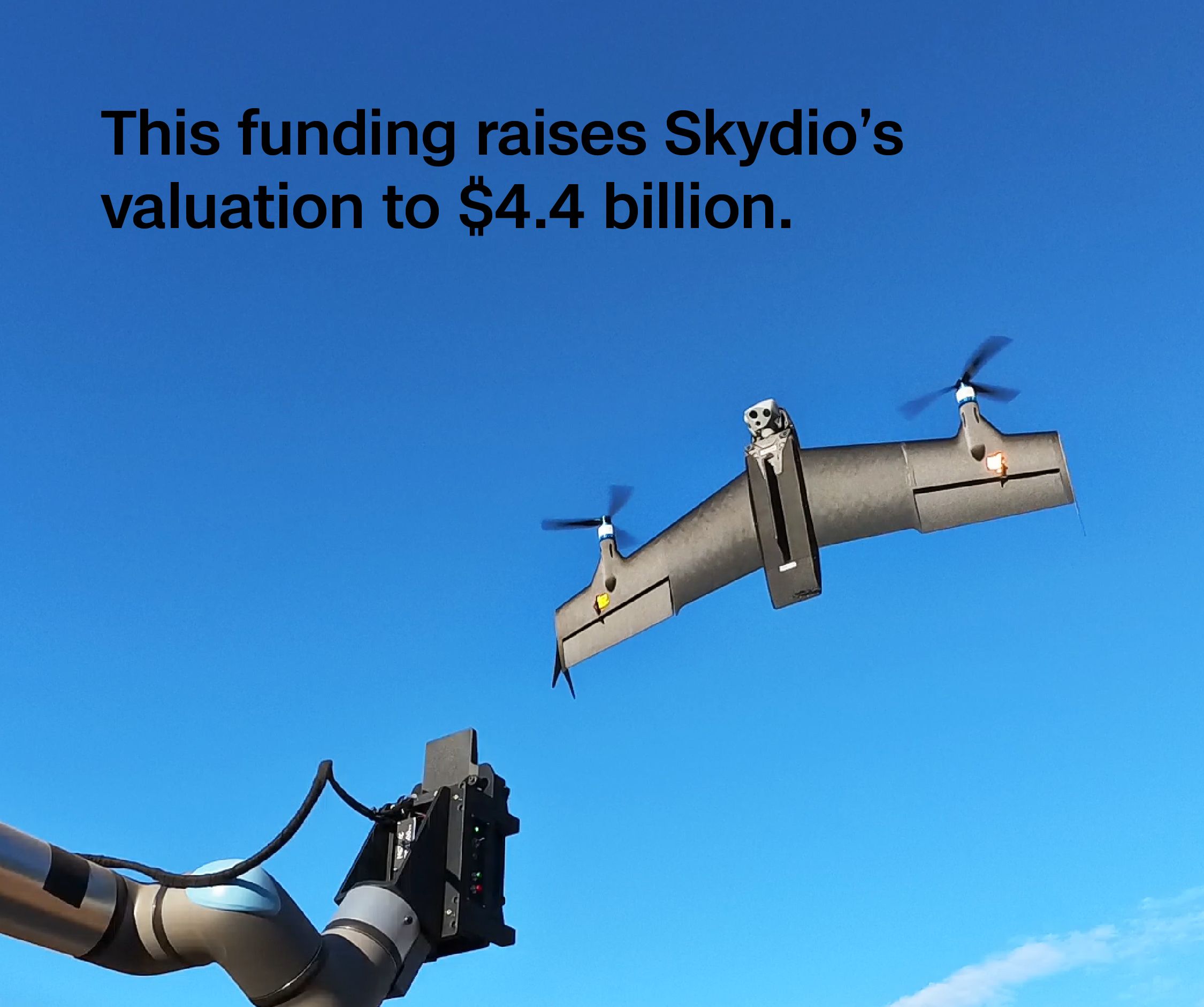
The autonomous drone maker reached a $4.4 billion valuation as it increases production for defense, public safety and infrastructure customers.
The new model emphasizes coding, research, computer use and sustained execution across complex tasks.
New developer primitives address memory, subagents, execution and recoverable long-running work.
The startup is building software intended to let data-center networks adapt automatically to changing AI workloads.
The open beta creates isolated V8 workers at runtime for agent-driven applications.
The startup is building an AI memory that reads on-screen text, prepares meeting notes and retrieves information from a user's daily work.
The startup wants employees to direct business software through natural language while agents work across data and applications.
OpenShell, AI-Q and new Nemotron models aim to give companies more control over autonomous software.
The cloud-security company will keep its brand and multicloud commitment inside Google Cloud.
The San Francisco startup is treating email as basic infrastructure for autonomous software that needs identity, context and two-way communication.
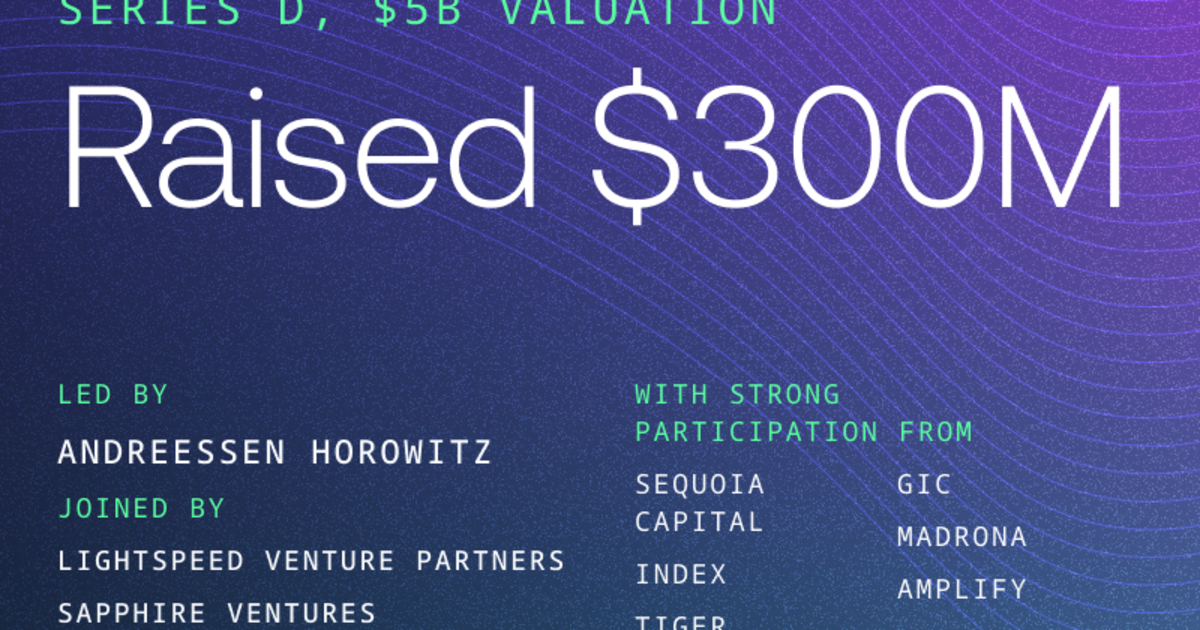
The durable-computing company reached a $5 billion valuation as enterprises look for infrastructure that can keep long-running AI work on track.
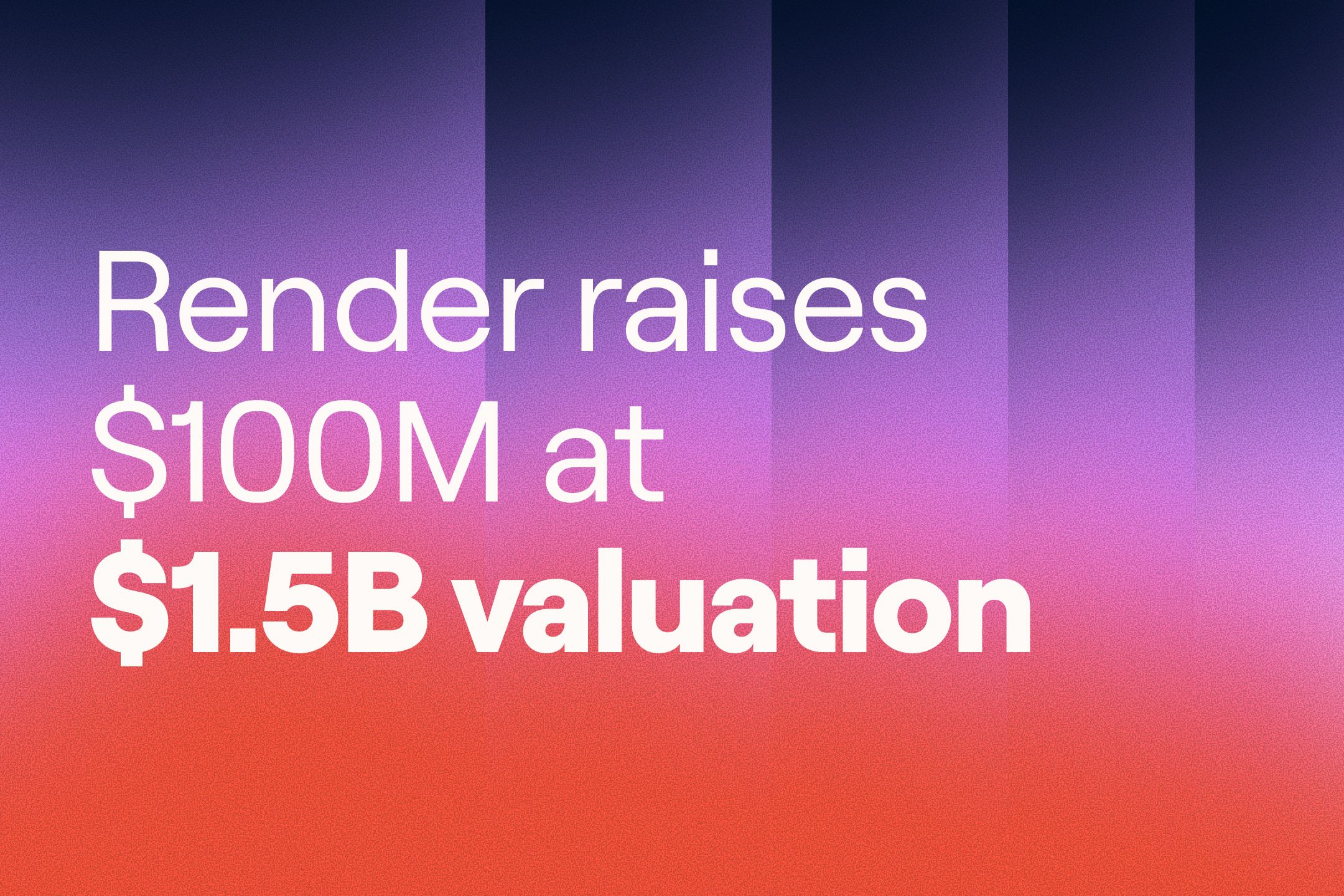
The Series C extension values the developer platform at $1.5 billion as more teams need persistent infrastructure for applications and agents.
The Stanford-rooted startup wants digital populations to help organizations test decisions before they affect customers, workers or markets.