Google's AI Division Undergoes Leadership Change Amidst Talent Departures
Leadership shifts within Google's artificial intelligence division follow a series of high-profile departures, prompting scrutiny of the company's commitment to frontier AI.
Archive
Leadership shifts within Google's artificial intelligence division follow a series of high-profile departures, prompting scrutiny of the company's commitment to frontier AI.
The industrial energy company plans to manufacture more systems that store renewable electricity as high-temperature heat and dispatchable power.
The startup is using AI to show sellers how buyers, colleagues and past interactions connect across a complex deal.
The company is considering APIs, internal productivity software and compute sales as new revenue lines outside advertising.
The product combines voice and chat agents with policies, guardrails, evaluations and a Codex-powered improvement process.
The enterprise software startup is expanding an AI-native development platform built around requirements, oversight and audit trails.
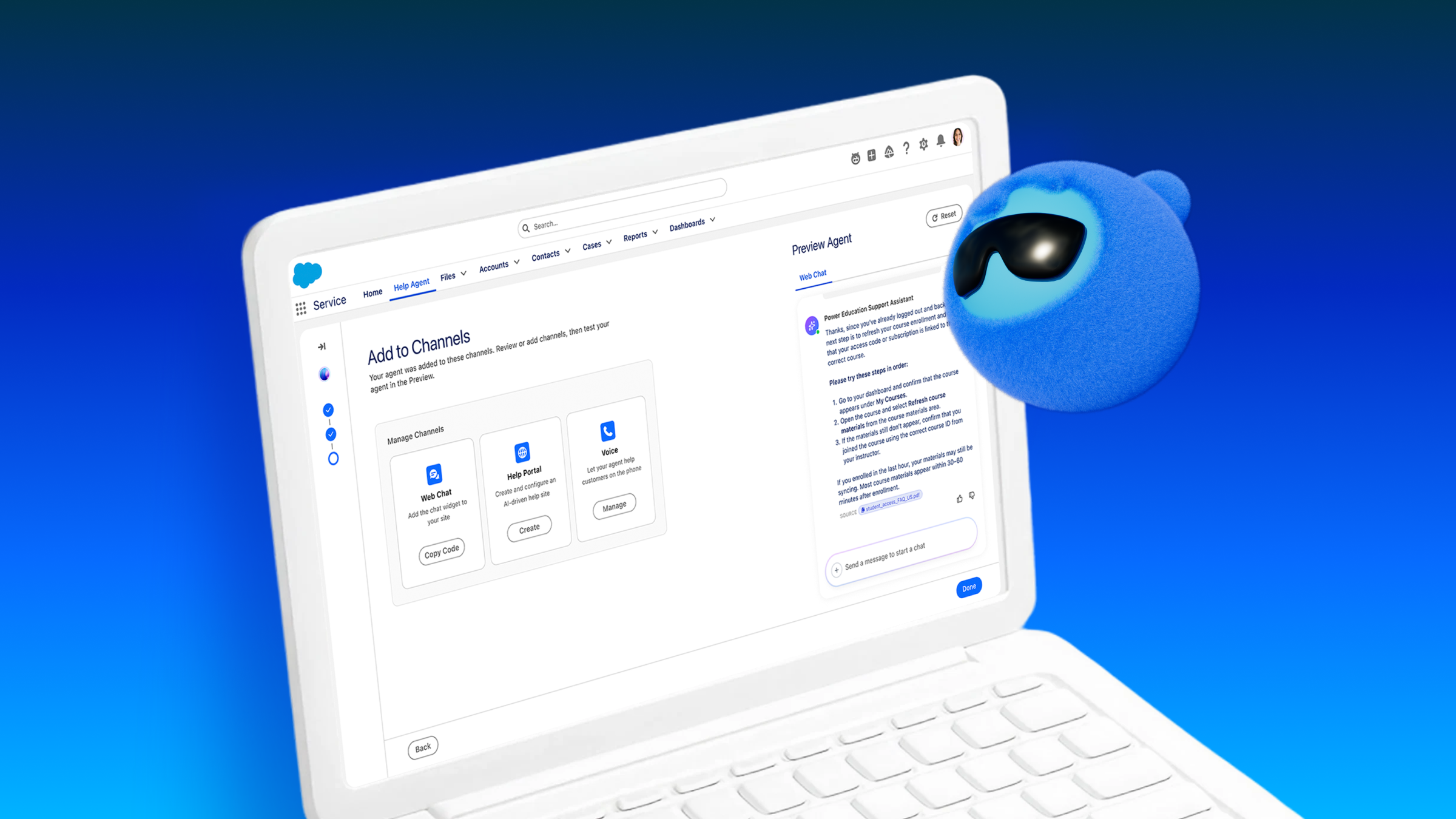
Agentforce Help Agent is designed to deploy across service channels in minutes and charge customers only for completed resolutions.
The San Francisco and Tokyo company is developing low-latency speech models for Japanese, Korean and Chinese applications.
Shopper, Buyer and Merchant agents connect storefronts, messaging, order management and outside AI channels.
The semiconductor startup reached a $2 billion valuation and $500 million in total funding as it develops alternatives for connecting AI data centers.
The startup wants agents to own recurring business outcomes across existing applications instead of stopping after a single generated response.
The agentic system is designed to help business teams analyze information and automate recurring work.
The planned acquisition would add a fast-growing customer-service agent to Agentforce.
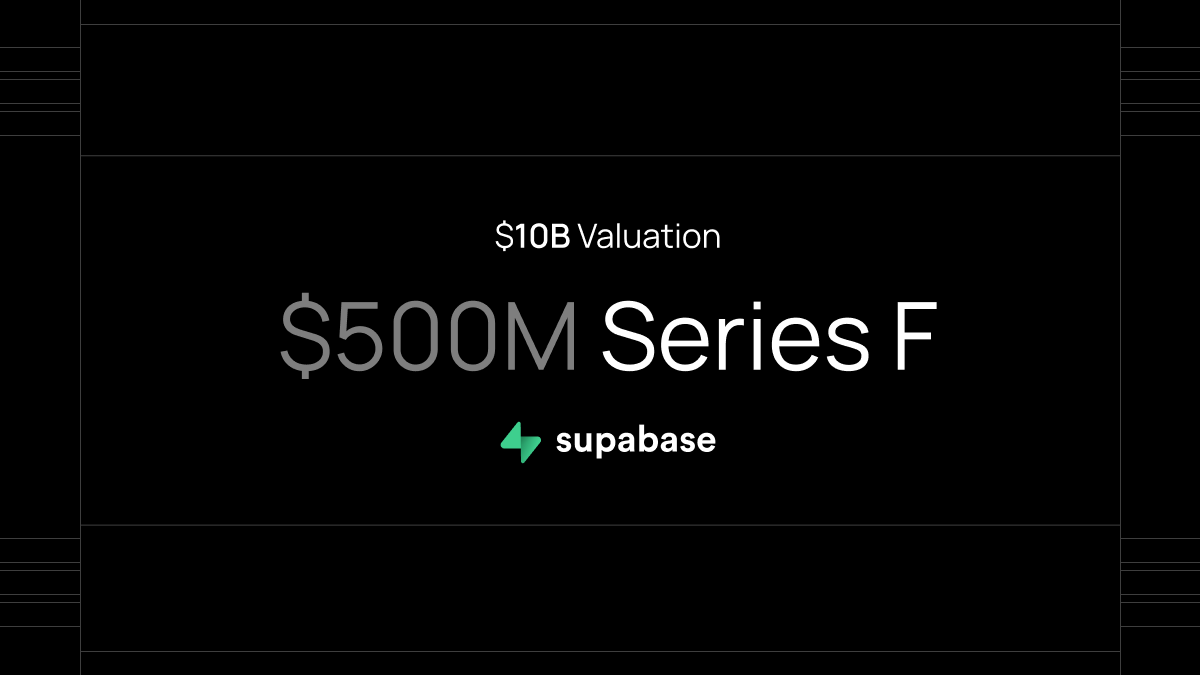
The open-source database platform is financing faster growth as AI agents generate more applications and infrastructure demand.
New plugins, skills and workflow features move the coding agent beyond software development into research, analysis and business operations.
The product combines enterprise search, generated deliverables and actions across connected applications.
Brett Adcock's new lab reached a $6 billion post-money valuation before releasing its first products to the public.
Richard Socher's new laboratory is pursuing AI systems that can improve their own research process, backed at a reported $4.65 billion valuation.
The San Francisco startup is trying to replace disconnected sales tools with a system that carries context from prospecting through a closed deal.
The customer-experience software company is valued above $15 billion as it races to make AI agents a standard interface for large brands.
The San Francisco company more than doubled its valuation to $2.75 billion as it expanded from moving customer data to helping agents run campaigns.
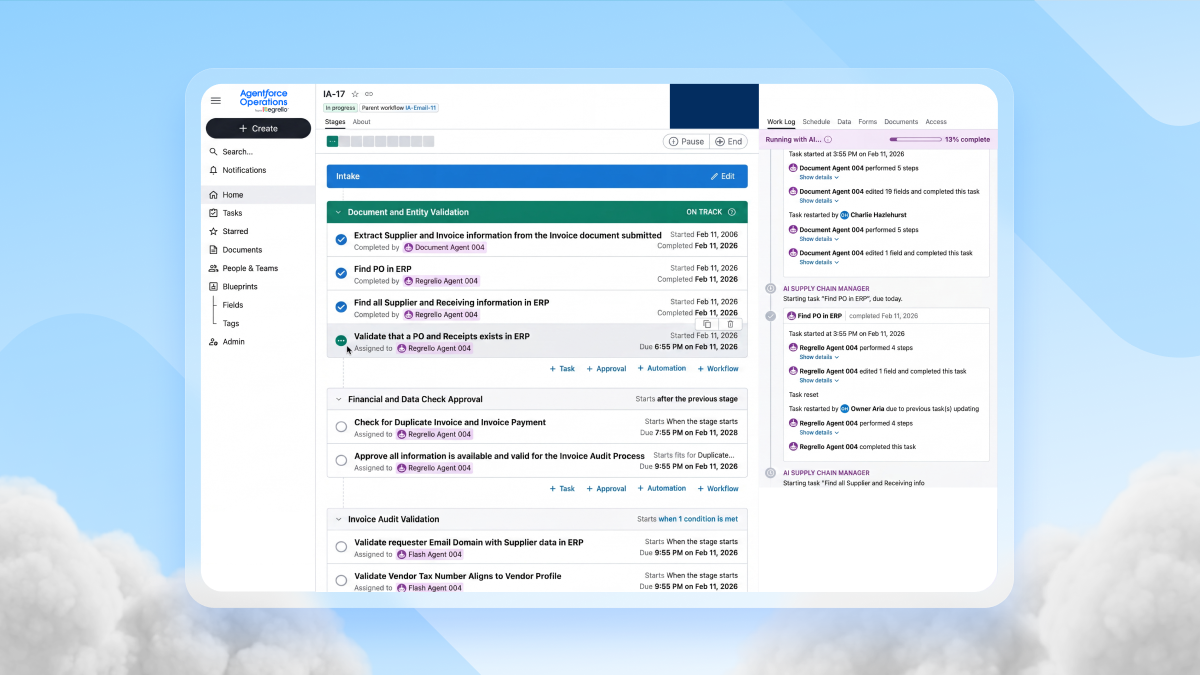
The platform uses configurable agents and process blueprints to coordinate manual workflows across teams and systems.
The San Francisco company reached a $1.5 billion valuation by combining chat, spreadsheets and code with a governed layer for company data.
The new system connects marketing data, content, analytics and automated work across the customer lifecycle.
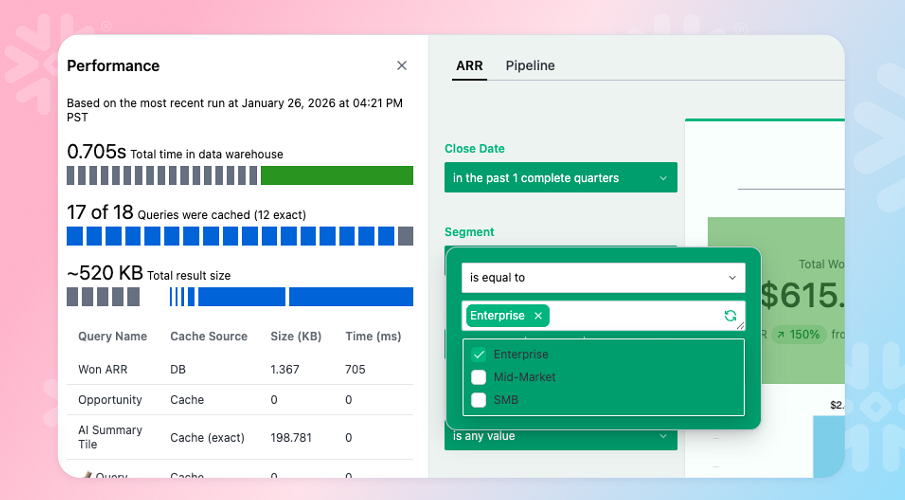
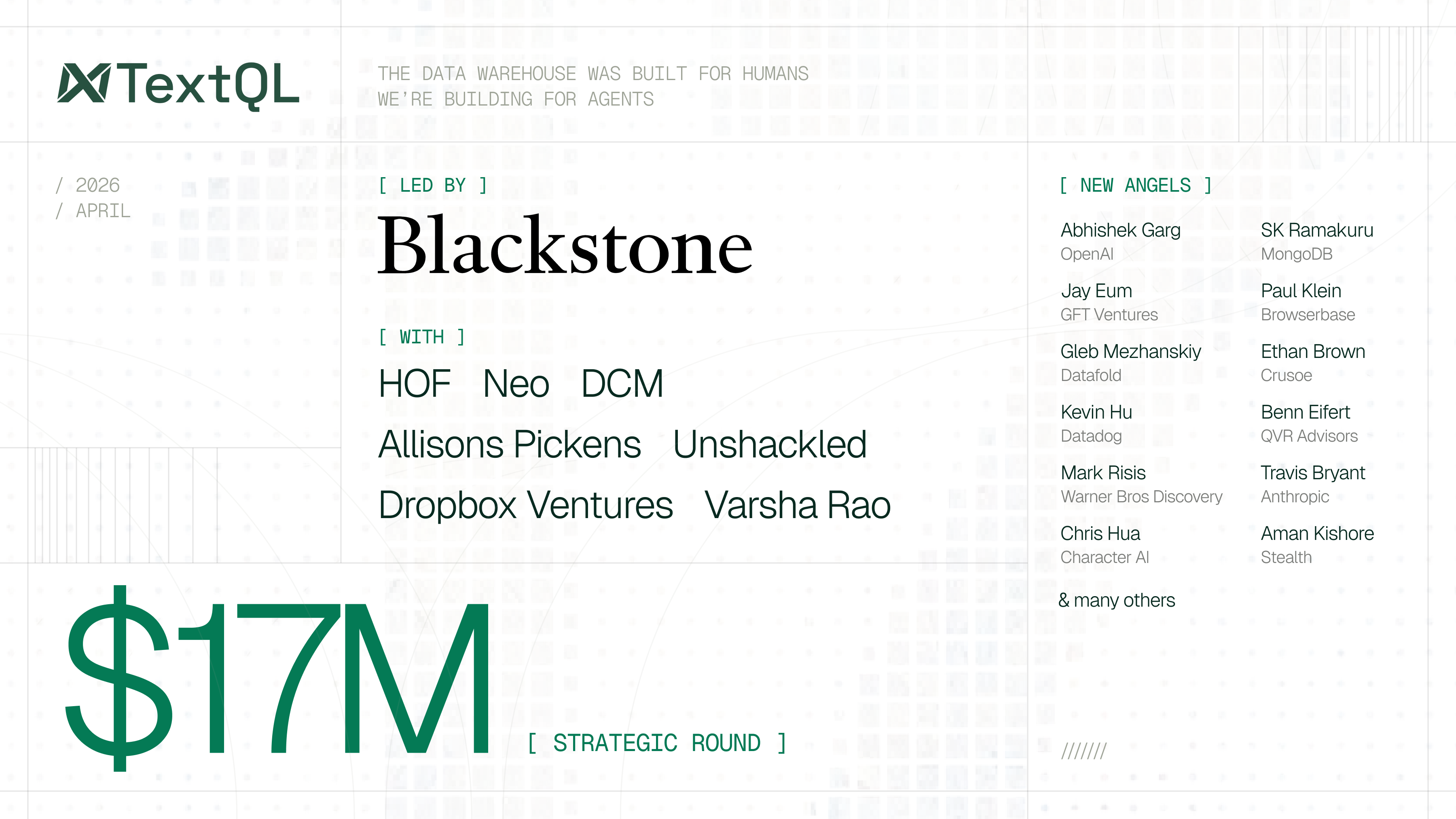
The analytics startup is using strategic capital to expand software that lets employees ask questions across fragmented company data in ordinary language.
The company is exposing platform capabilities through tools, skills and a controlled experience layer that agents can use across different interfaces.
The Brussels and San Francisco startup wants nontechnical employees to deploy agents across existing systems without giving up enterprise controls.
Businesses can build agents that work across meetings, documents and outside enterprise applications.
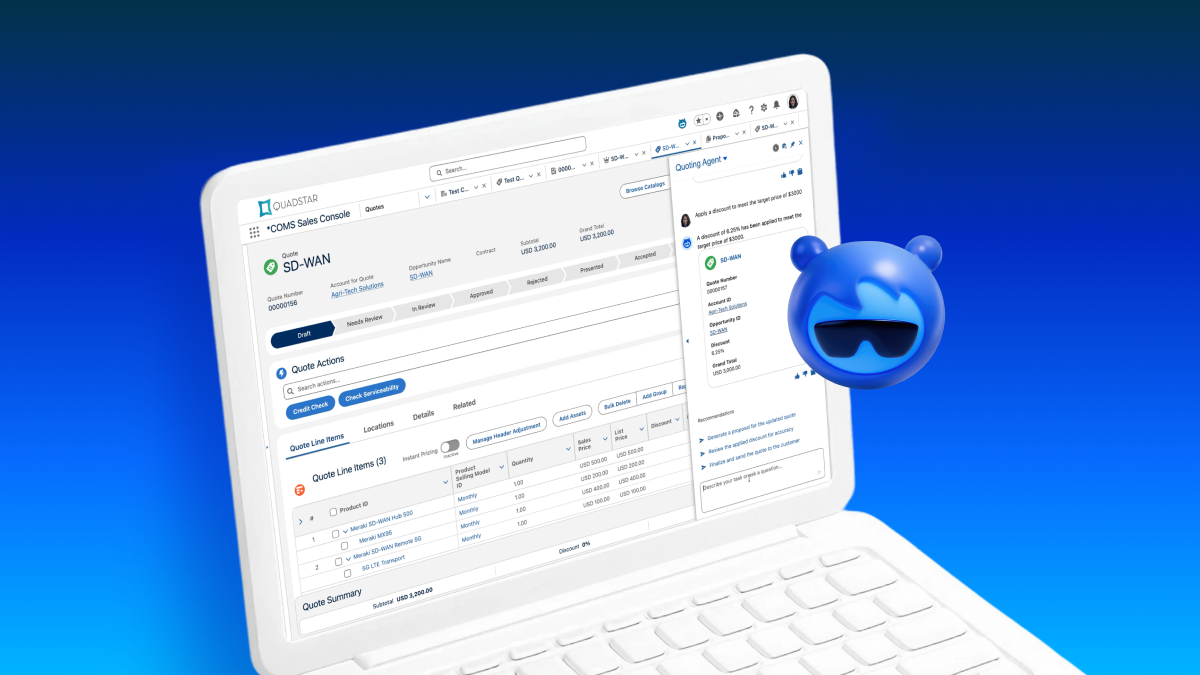
Agentforce for Communications targets telecom sales, service, billing and field operations with industry-specific workflows.
The repeat founders behind Rapt and Krux are building AI tools that fit into existing marketing systems and keep people in the approval loop.
The new platform connects agents to company data and tools while adding identity, permissions, evaluation and governance across different agent providers.