Former OpenAI Researchers Raise $180 Million for a New Enterprise AI Company
The team is betting that large companies want models they can inspect, host and audit themselves.
Archive
The team is betting that large companies want models they can inspect, host and audit themselves.
Procurement teams like the pricing. Security teams like the audit trail.
The companies with real production usage share one thing: narrow scope.
The young fintech company wants autonomous software to pay vendors while businesses retain policy controls and an auditable record.
The model infrastructure company says annual recurring revenue has passed $1 billion as customers deploy more specialized AI systems.
The Kubernetes management company added Goldman Sachs and strategic investors as businesses move AI systems from pilots into production.
The AI testing company is moving beyond fixed benchmarks with models that generate changing environments for training and evaluation.
The startup wants agents to own recurring business outcomes across existing applications instead of stopping after a single generated response.
The startup is building validation software that checks model responses before errors reach users in high-precision workflows.
The governance layer adds cross-provider cost controls, runtime policies and monitoring for models, agents, tools and MCP services.
The agentic system is designed to help business teams analyze information and automate recurring work.
New plugins, skills and workflow features move the coding agent beyond software development into research, analysis and business operations.
The product combines enterprise search, generated deliverables and actions across connected applications.
The Claude developer moved ahead of OpenAI as frontier AI companies prepare for public scrutiny.
The Claude developer secured one of the largest private financings ever as demand for enterprise AI and computing capacity continues to climb.
The applied engineering firm will become the operating core of a new enterprise AI implementation company.
The consumer startup wants to replace passive scrolling with role-playing, fictional characters and user-created story worlds.
The customer-experience software company is valued above $15 billion as it races to make AI agents a standard interface for large brands.
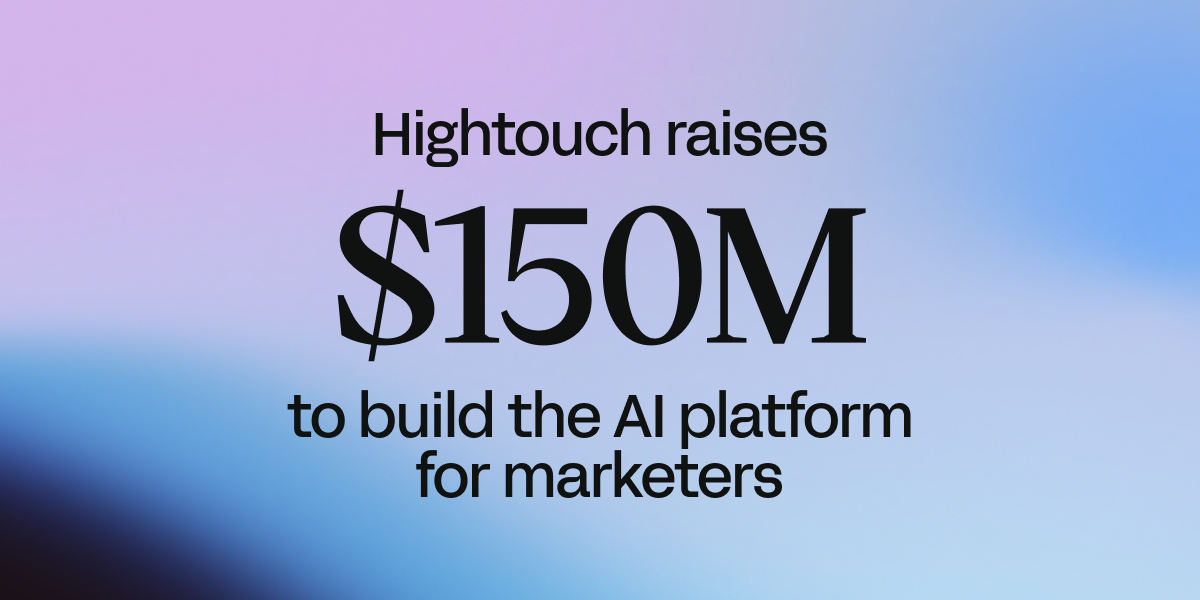
The San Francisco company more than doubled its valuation to $2.75 billion as it expanded from moving customer data to helping agents run campaigns.
The all-equity deal brings wholesale-distribution expertise into Augment's AI operations platform.
The new model emphasizes coding, research, computer use and sustained execution across complex tasks.
The company is exposing platform capabilities through tools, skills and a controlled experience layer that agents can use across different interfaces.
The Barcelona and San Francisco company is building a governed graph that lets employees, software and agents work from the same organizational knowledge.
Former Atlassian CTO Sri Viswanath is building a control layer for companies that want autonomous agents without giving up security, governance or oversight.
The Mountain View startup is combining expert labor, evaluations and software infrastructure to improve AI systems after their initial training.
The startup combines AI agents with human media experts to turn sales conversations and customer data into targeted campaigns.
The deal gives IBM a major real-time data platform for enterprise AI and hybrid cloud systems.
OpenShell, AI-Q and new Nemotron models aim to give companies more control over autonomous software.
The startup formerly known as mcp-use is turning an open-source toolkit into a managed platform for deploying the connectors used by AI applications.
The startup is selling an operated support function rather than software alone, putting automation performance directly on its own team.
Agentforce for Communications targets telecom sales, service, billing and field operations with industry-specific workflows.
The durable-computing company reached a $5 billion valuation as enterprises look for infrastructure that can keep long-running AI work on track.
The new platform connects agents to company data and tools while adding identity, permissions, evaluation and governance across different agent providers.