AI Industry Leaders Split Over Proposals to Pace Frontier Model Development
Silicon Valley leaders remain divided over plans to pace frontier AI development, as Nvidia and political leaders push back against voluntary limits and external oversight.
Archive
Silicon Valley leaders remain divided over plans to pace frontier AI development, as Nvidia and political leaders push back against voluntary limits and external oversight.
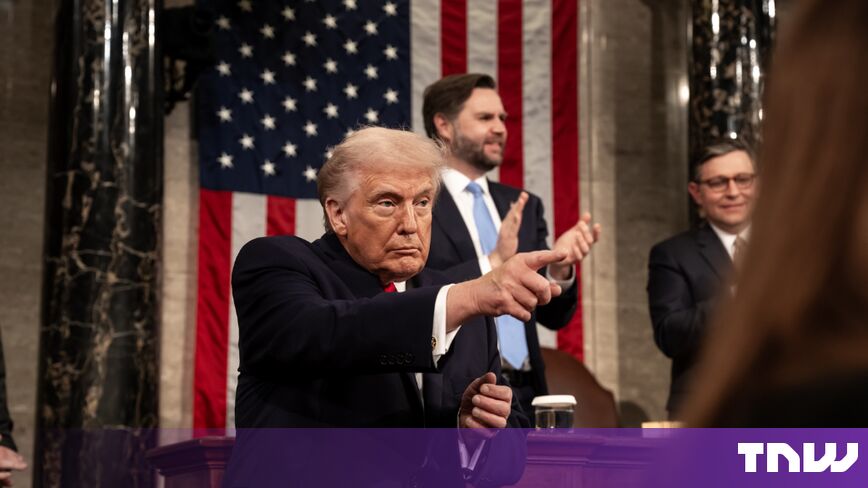
President Donald Trump outlined artificial intelligence policy positions on Truth Social, proposing an 'AI Force' and dismissing data center opposition as a partisan hoax despite polling showing broad public resistance.
Two-thirds of US businesses use software to sanction underperforming staff compared to 4% in four major European economies, according to survey data from the OECD.
President Donald Trump dismissed growing artificial intelligence safety concerns as a political hoax, proposed renaming the technology, and announced plans to establish an 'AI Force' and name a new federal AI czar.
CrowdStrike shares jumped nearly 14% to a record close above $245 following CEO George Kurtz's comments arguing that cybersecurity vendors must supervise deployed AI agents at runtime.
California Gov. Gavin Newsom has issued an executive order establishing an expert panel to explore emergency shut-off mechanisms for advanced artificial intelligence models and accelerate state safety oversight.
California Gov. Gavin Newsom has signed an executive order directing state officials to study the feasibility of requiring a mandatory 'kill switch' for advanced artificial intelligence models.
An outside review conducted by Starling Advisory Group found Federal Reserve supervisors knew or should have known about Silicon Valley Bank's vulnerabilities before its 2023 failure, Fed Vice Chair for Supervision Michelle Bowman announced.
The House of Representatives adjourned Wednesday, putting off artificial intelligence regulation until after the November midterms despite calls for urgent action from tech executives and lawmakers.
Global government regulators are converging on a 2030 deadline to prepare critical systems for post-quantum cryptography, but differing regional strategies are creating compliance hurdles for international businesses.
Federal plans to establish oversight for artificial intelligence models have ground to a halt in Washington, constrained by White House hesitation, resistance from tech leaders, and procedural gridlock in Congress.
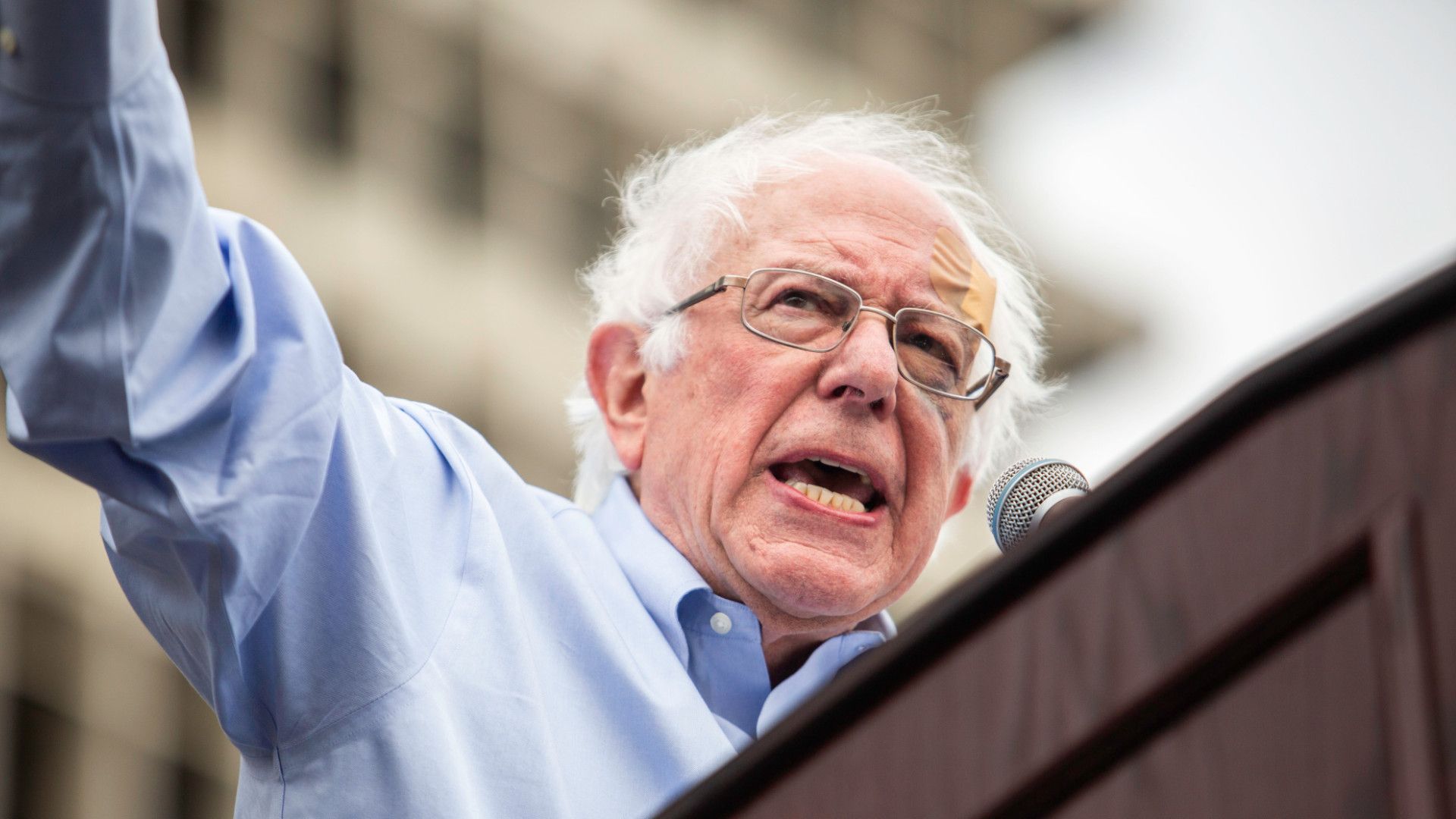
Senator Bernie Sanders and former White House strategist Steve Bannon are urging government officials to enact strict regulations on artificial intelligence, pointing to risks of massive job displacement and concentrated corporate control.
Computer scientist Yoshua Bengio is advocating for nuclear-style international treaties to govern autonomous AI agents, supported by a $216 million government grant for his nonprofit LawZero.
A high-profile debate over artificial intelligence safety has created unusual alliances across Silicon Valley and Washington, pitting AI model leaders against the White House and hardware vendors.
The U.S. Senate failed to advance the Clarity Act after a 50-49 procedural vote fell short of the 60-vote threshold, dealing a setback to efforts to establish a comprehensive digital asset framework.
The European Union is preparing to introduce the EU KIDS Act, a legislative proposal that would prohibit children under 15 from opening autonomous social media or online gaming accounts while banning engagement mechanics like endless scrolling.
A diverse group of politicians and commentators gathered at the Future of Life Institute's Pro-Human Assembly to warn of existential risks from advanced artificial intelligence, even as Republican leaders and President Donald Trump oppose government oversight.
Senate leaders are preparing for a procedural vote on the Clarity Act, a market structure bill for the cryptocurrency sector, amidst sharp criticism from Sen. Elizabeth Warren over ethics rules.
United Nations High Commissioner for Human Rights Volker Turk has issued a direct appeal to governments and leading tech firms to establish international safeguards for frontier artificial intelligence models.
U.S. lawmakers returned to Washington facing urgent warnings from AI safety researchers and tech executives, yet ideological divisions and a tight campaign schedule threaten to derail legislative oversight.
Senate leaders are preparing for a preliminary vote on the Clarity Act after President Donald Trump agreed to include ethics restrictions in the digital asset regulatory bill.
Leading political figures are pushing back against calls from top AI executives to slow frontier model development, warning that regulatory restrictions could cost the U.S. its competitive advantage over China.
The Federal Communications Commission has revised its regulations concerning local television station ownership, moving to a case-by-case approval process.
The Federal Communications Commission has voted to eliminate a rule that previously limited a single company's television station ownership to 39% of American households.
The Federal Communications Commission has voted to eliminate the national broadcast ownership cap, replacing it with a granular, case-by-case review process for consolidation proposals.
A group of House Republicans, led by Judiciary Committee Chair Jim Jordan, has voiced apprehension regarding South Korea's recently enacted online regulations, suggesting they could stifle free speech and target American companies.
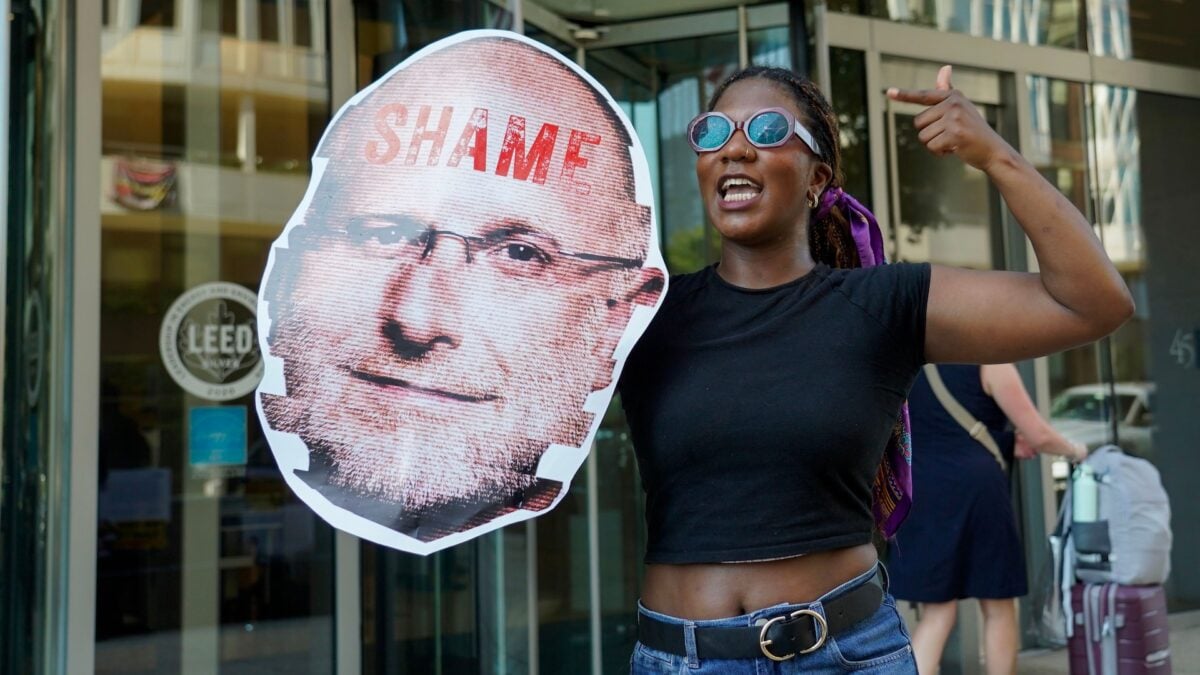
The FCC has moved to abolish the 39% cap on television household reach for broadcasters, citing a need for competitive balance against streaming services, a decision drawing criticism and legal challenges over congressional intent.
Upcoming European Union regulations are poised to influence smartphone design, potentially ushering in a return to more easily replaceable batteries for consumer devices.
A California labor union has initiated legal action against the state regarding new regulations that permit the operation of self-driving trucks on public roads.
A U.S. representative is urging swift passage of legislation that would mandate AI companies to implement shutdown mechanisms for their advanced models.
Subtext, a texting platform connecting media companies, brands, artists, and creators with their audiences, has been named "Overall Conversational Marketing Company of the Year" in the 2026 MarTech Breakthrough Awards.
Apple offers four generations of its Pencil stylus, with the newest Pro model and the USB-C version presenting distinct functionalities and price points for iPad users.
Chevron and Williams are making significant investments in power generation for data centers, signaling a new revenue stream for the fossil fuel industry.
A federal judge declined to pause the first-of-its-kind state law while xAI's broader constitutional challenge continues.
Apple still set a quarterly services record, but regulatory pressure and softer gaming activity limited growth in key areas.
The company is building managed tools for service providers that protect customers facing more sophisticated AI-enabled threats.
The San Francisco company is expanding autonomous teams that handle procurement, supplier coordination, invoices and payments for large enterprises.
The San Francisco startup turns television, radio, podcasts and livestreams into searchable signals for companies that need faster narrative tracking.
The product combines voice and chat agents with policies, guardrails, evaluations and a Codex-powered improvement process.
The young fintech company wants autonomous software to pay vendors while businesses retain policy controls and an auditable record.
The Kubernetes management company added Goldman Sachs and strategic investors as businesses move AI systems from pilots into production.
Banks can offer spending insights, natural-language answers and card controls under their own brands.
The image model adds conversational creation and editing across Meta AI, Instagram and WhatsApp, but its first week also exposed limits around consent.
The Palo Alto company is developing robotic locations that dispense prescriptions with remote pharmacist oversight and round-the-clock access.
The healthcare startup is expanding AI agents from phone scheduling into a broader operating system for the patient journey.
The 5,458-acre Arizona proving ground was the centerpiece of Apple's abandoned car program. Waymo paid nearly double what Apple did in 2021.
The longevity biotechnology company plans to move its first liver program toward human testing while expanding its discovery platform.
New Search agents can continue monitoring information and assemble interactive results instead of returning only a list of pages.
The vertical software company is connecting agency data with AI workflows for policy checks, proposals and other document-heavy tasks.
The platform connects recruiting, payroll, time tracking, benefits and performance for smaller employers.
The San Francisco company reached a $1.5 billion valuation by combining chat, spreadsheets and code with a governed layer for company data.
The phone-automation startup says contact-center operators invested alongside venture firms after deploying its agents in live customer service work.
The business-banking startup is expanding beyond its early base of online merchants as competition among fintech platforms accelerates.
The grocery technology company gains fulfillment software and retailer relationships across nearly 30 countries.
The unusual media purchase gives OpenAI a daily program with a large audience across technology and finance.
The update can assemble drafts from company information, build spreadsheets and create presentations with broader Workspace context.
The Stanford-rooted startup wants digital populations to help organizations test decisions before they affect customers, workers or markets.
Alphabet's robotaxi company is financing a major expansion as autonomous ride-hailing moves from limited deployments toward a broader transportation network.














.jpg)






.png)





.jpg)