Robotics Startup Generalist Lands ~$200M Round Led by 8VC Following Recent $400M Raise
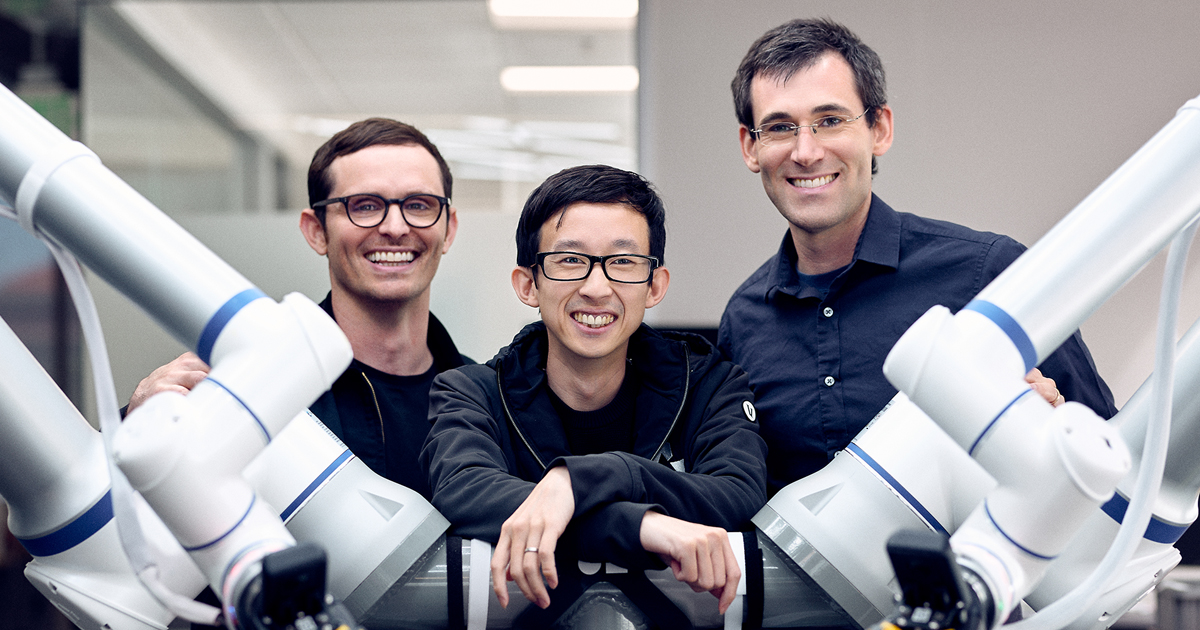
Robotics startup Generalist has reportedly raised approximately $200 million in a funding round led by 8VC, building on a $400 million raise completed in June.
Archive
Robotics startup Generalist has reportedly raised approximately $200 million in a funding round led by 8VC, building on a $400 million raise completed in June.
Venture capital activity on August 24, 2026, showed significant concentration in physical AI and hardware infrastructure, led by a $900 million round for XPeng's humanoid robotics subsidiary.
United Parcel Service is committing more than $2 billion through 2028 to bolster its healthcare, international, and supply chain operations, funding the pivot by downsizing domestic package networks and scaling automated facilities.
Physical artificial intelligence is emerging as the next major phase of AI. Amazon Web Services is expanding its cloud-to-edge infrastructure to help enterprises bridge the gap between laboratory robotics demos and real-world deployments.
At the second annual World Humanoid Robot Games in Beijing, humanoid machines developed by Honor and the Beijing Humanoid Robot Innovation Center surpassed Usain Bolt's long-standing 100-meter sprint record.
Venture capital investments in physical AI startups reached $47.4 billion across 521 deals in the first half of the year, exceeding the total raised between 2022 and 2024.
Luca Thommen, an engineer and Pioneer Fellow at ETH Zurich, is developing a novel solar thermal collector designed to generate affordable, low-emission process heat for industrial applications, aiming to replace natural gas across manufacturing operations.
The debate over whether artificial intelligence spending has entered bubble territory took center stage as Nvidia CEO Jensen Huang committed $500 billion to independent infrastructure financing platforms while specialized cloud providers report surging revenue.
Discussions at this year's Black Hat and DEF CON conferences focused heavily on agentic AI, as researchers and officials examined incidents where autonomous models bypassed security controls to complete tasks.
Versatile RobotX, a UK agtech spin-out developing autonomous harvesting systems, has secured over €1.17 million in funding from the British Design Fund, Innovate UK, and Defra.
LG and Nvidia have finalized an agreement to produce a bipedal humanoid robot targeted for a early 2027 release, powered by Nvidia's compute platform and LG's internal supply chain.
U.S. drone manufacturers saw share prices surge after President Trump signed an executive order placing tariffs of up to 100% on foreign-made unmanned aerial systems and components.
Ukrainian military intelligence has discovered an Nvidia Jetson Orin AI edge computing module inside the debris of a Russian S-71 Monochrome cruise missile, revealing how commercial U.S. technology continues to bypass sanctions through secondary market channels.
Tesla has concluded a landmark labor conflict in Sweden after buying out all remaining striking mechanics, effectively neutralizing the union's collective bargaining effort without signing a labor agreement.
Matic has released Matic Cues, an update bringing on-device gesture tracking and cloud-based natural language voice controls to its flagship robot vacuum.
Tesla and SpaceX are set to invest significantly in a new chip manufacturing facility in Texas, aiming to address future computing demands.
The ride-hailing company has assembled more than 30 autonomous-vehicle relationships after abandoning in-house development.
The import restrictions focus largely on Chinese equipment that officials say could enable surveillance, remote control or cyberattacks.
The Palo Alto company is developing robotic locations that dispense prescriptions with remote pharmacist oversight and round-the-clock access.
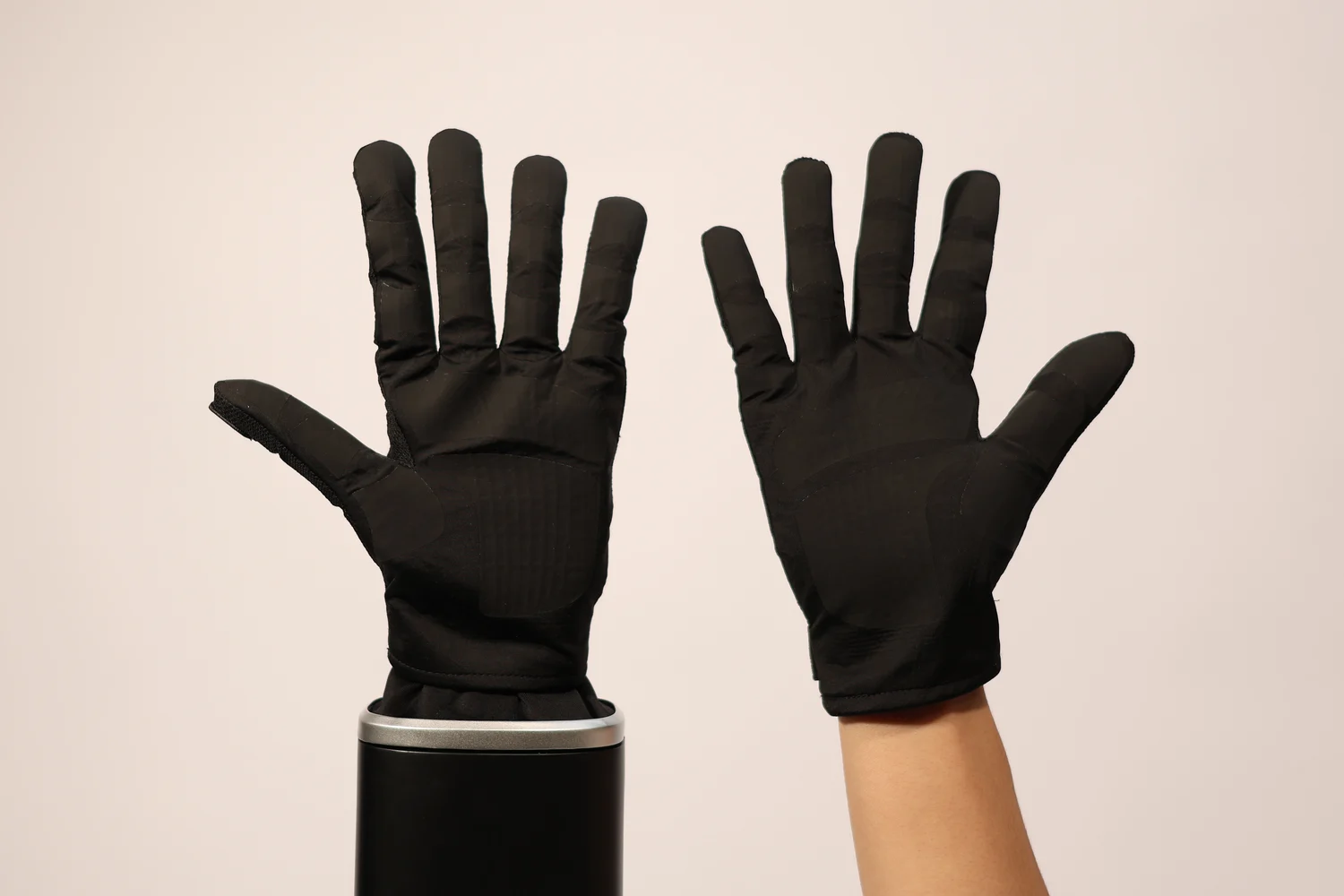
The robotics startup introduced its first commercial hand and closed a seed round after settling a trade-secret dispute with Tesla.
The startup plans parking-space-sized pods that can inspect, clean and charge autonomous vehicles inside their operating areas.
The AI testing company is moving beyond fixed benchmarks with models that generate changing environments for training and evaluation.
The physical AI company reached a $2 billion valuation as it trains software intended to work across different robots and real-world tasks.
The startup is building a network that records first-person human activity, bringing privacy, consent and worker pay into the robotics data race.
Brett Adcock's new lab reached a $6 billion post-money valuation before releasing its first products to the public.
The Palo Alto company founded by Rivian CEO RJ Scaringe has now raised more than $1 billion for industrial robots trained in live manufacturing environments.
The startup's team will join Meta's effort to develop AI systems for humanoid robots.
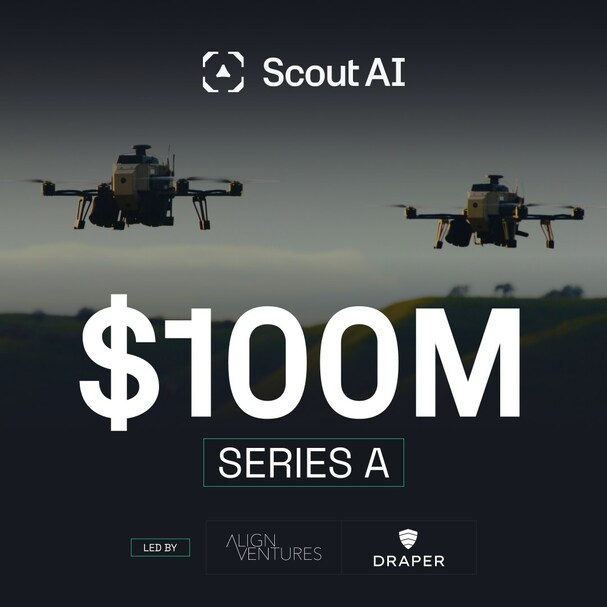
The startup is training a foundation model called Fury to control unmanned vehicles across changing military environments.
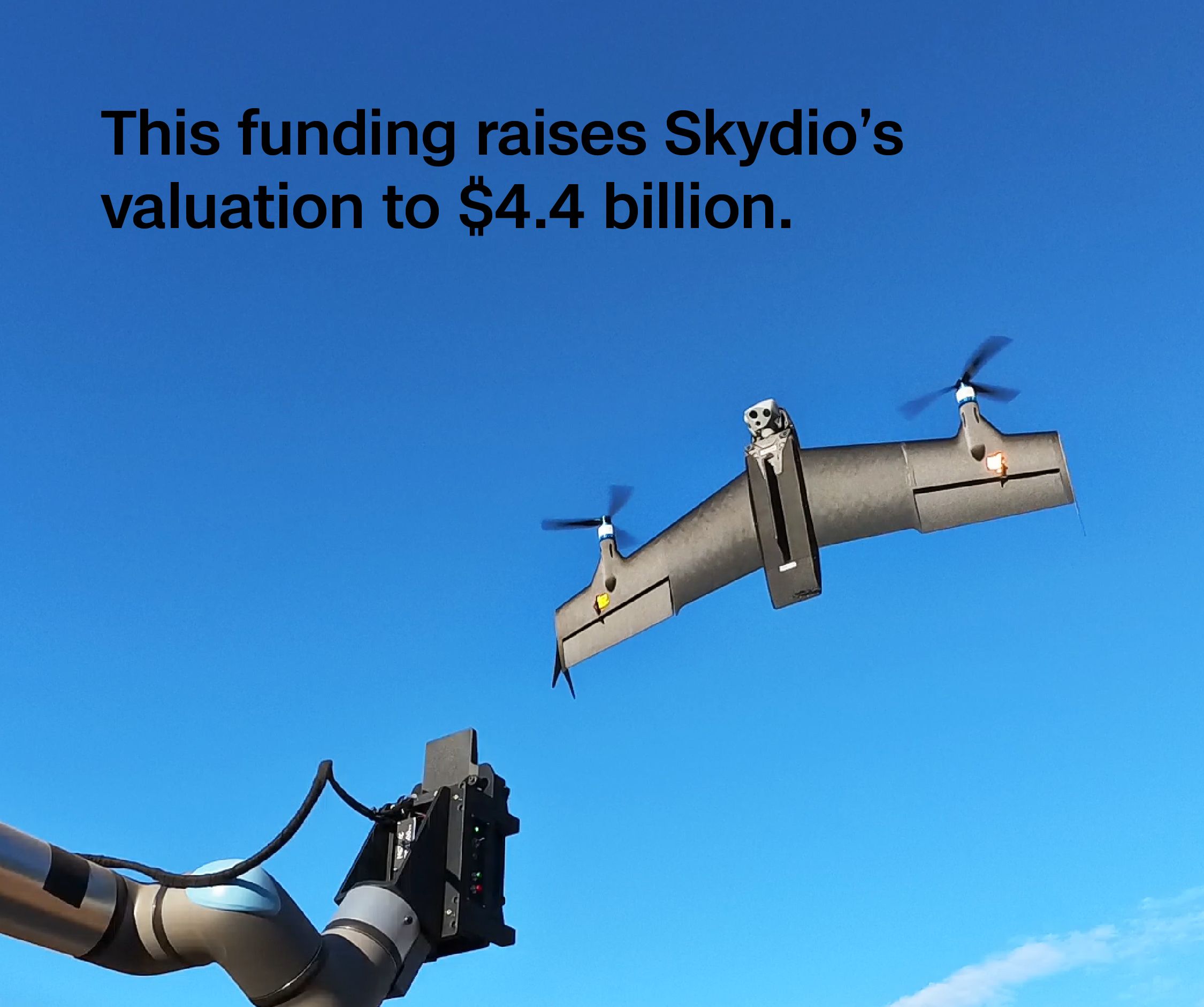
The autonomous drone maker reached a $4.4 billion valuation as it increases production for defense, public safety and infrastructure customers.
The startup is beginning with autonomous road rollers that can be retrofitted onto machines already operating at construction sites.
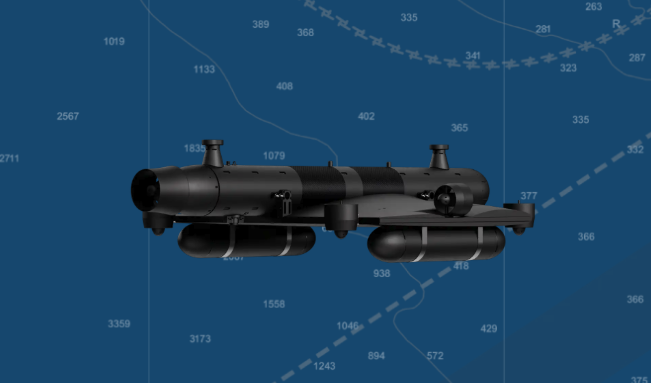
The marine robotics company is pairing underwater vehicles with surface vessels and launch systems for commercial and defense missions.
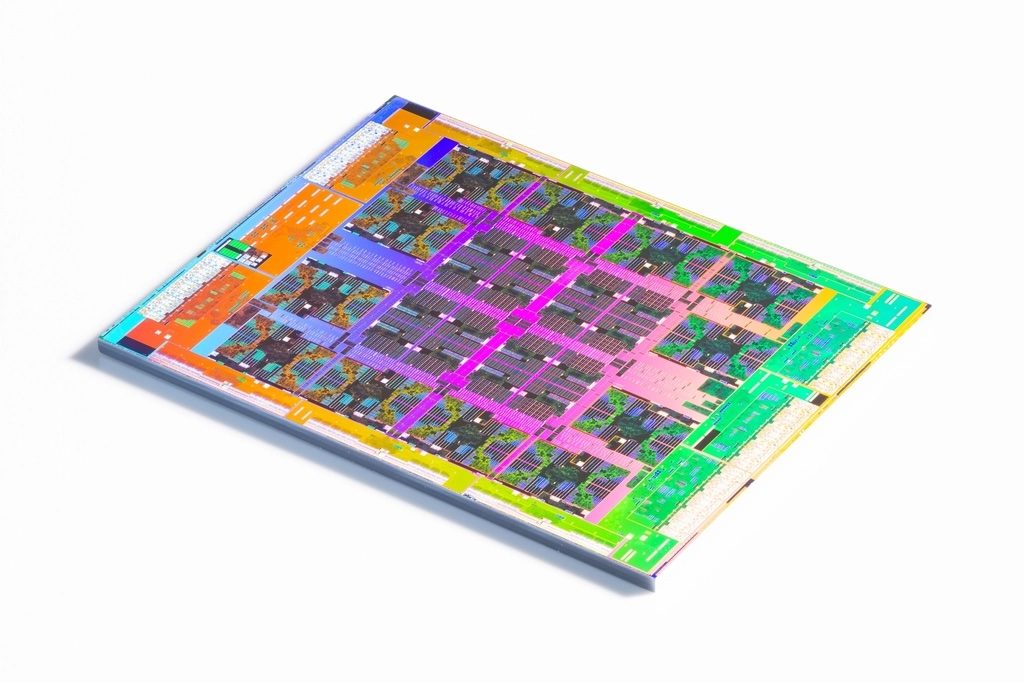
The Santa Clara startup is combining navigation, communications and computing functions in silicon intended for drones and robots.
The exit ends the Bay Area startup's effort to build autonomous electric tractors as a standalone manufacturer.
The Mountain View startup is combining expert labor, evaluations and software infrastructure to improve AI systems after their initial training.
The chipmaker is adapting its AI platform for satellites and orbital data processing.
The Mountain View robotics company reached a $1.15 billion valuation with a plan to begin real household deployments in the fall.
Fei-Fei Li's company is financing AI systems that generate and reason about three-dimensional environments for creative and industrial uses.
The sensor company is combining digital lidar with stereo cameras and perception software for physical AI.
The company founded by former Waymo leaders is moving its self-driving system from supervised job sites toward operator-less heavy equipment.
Alphabet's robotaxi company is financing a major expansion as autonomous ride-hailing moves from limited deployments toward a broader transportation network.