Inforcer Raises $50 Million to Bring Enterprise Security to Smaller Businesses
The company is building managed tools for service providers that protect customers facing more sophisticated AI-enabled threats.
Archive
The company is building managed tools for service providers that protect customers facing more sophisticated AI-enabled threats.
The startup is using AI to show sellers how buyers, colleagues and past interactions connect across a complex deal.
The startup lets users schedule workflows and assign agents to tasks based on open tabs rather than targeting occasional consumer bookings.
The Palo Alto startup is expanding tools for creators and enterprises while facing the harder task of preventing unauthorized voice cloning.
Insight Partners is backing infrastructure that identifies the proxy networks and VPN services hiding automated users.
The financing will support World ID infrastructure, but the transaction is a crypto-token sale rather than a conventional venture equity round.
The Palo Alto and Tel Aviv company reached a $1.2 billion valuation with a prevention-focused approach to securing devices used for AI work.
The young fintech company wants autonomous software to pay vendors while businesses retain policy controls and an auditable record.
The Tel Aviv and San Francisco startup wants one continuously updated graph for employees, software accounts, service identities and AI agents.
The Kubernetes management company added Goldman Sachs and strategic investors as businesses move AI systems from pilots into production.
The company behind a widely used local AI tool is adding resources for enterprise adoption while keeping its open-source distribution engine.
The Palo Alto company is developing robotic locations that dispense prescriptions with remote pharmacist oversight and round-the-clock access.
The enterprise software startup is expanding an AI-native development platform built around requirements, oversight and audit trails.
The hardware startup is betting that a simple recorder with free transcription can hold a place beside phones and software-only meeting assistants.
The healthcare startup is expanding AI agents from phone scheduling into a broader operating system for the patient journey.
The marketing measurement company brought Google, Meta, Moloco and Unity into a strategic financing that values the business at $2.7 billion.
The startup wants agents to own recurring business outcomes across existing applications instead of stopping after a single generated response.
The agentic workspace company added $100 million and appointed a chief revenue officer as it pursues larger business customers.
The Berkeley company will accelerate work on fault-tolerant machines while pursuing additional federal support for U.S. quantum infrastructure.
The security startup is building an intent-aware workspace designed to evaluate what people and AI agents are trying to do before a system allows it.
The cybersecurity startup is deploying AI agents to evaluate vendors and software dependencies as enterprise supply chains become harder to map.
The San Francisco and Tel Aviv company wants security agents to find and help fix software risks throughout the development lifecycle.
The Oakland company is building software to manage applications, participants, payments and reporting for programs serving communities.
The open-source database platform is financing faster growth as AI agents generate more applications and infrastructure demand.
The maker of Devin says enterprise usage is climbing as software teams give cloud agents a larger share of development work.
Brett Adcock's new lab reached a $6 billion post-money valuation before releasing its first products to the public.
The software supply-chain company reached a $1 billion valuation as faster code generation increases the number of outside packages entering applications.
The Mountain View healthcare technology company is expanding AI systems for revenue, clinical documentation and practice operations.
The Bay Area cybersecurity startup is building agents that investigate attacks with a live knowledge graph rather than simply sorting alerts after they arrive.
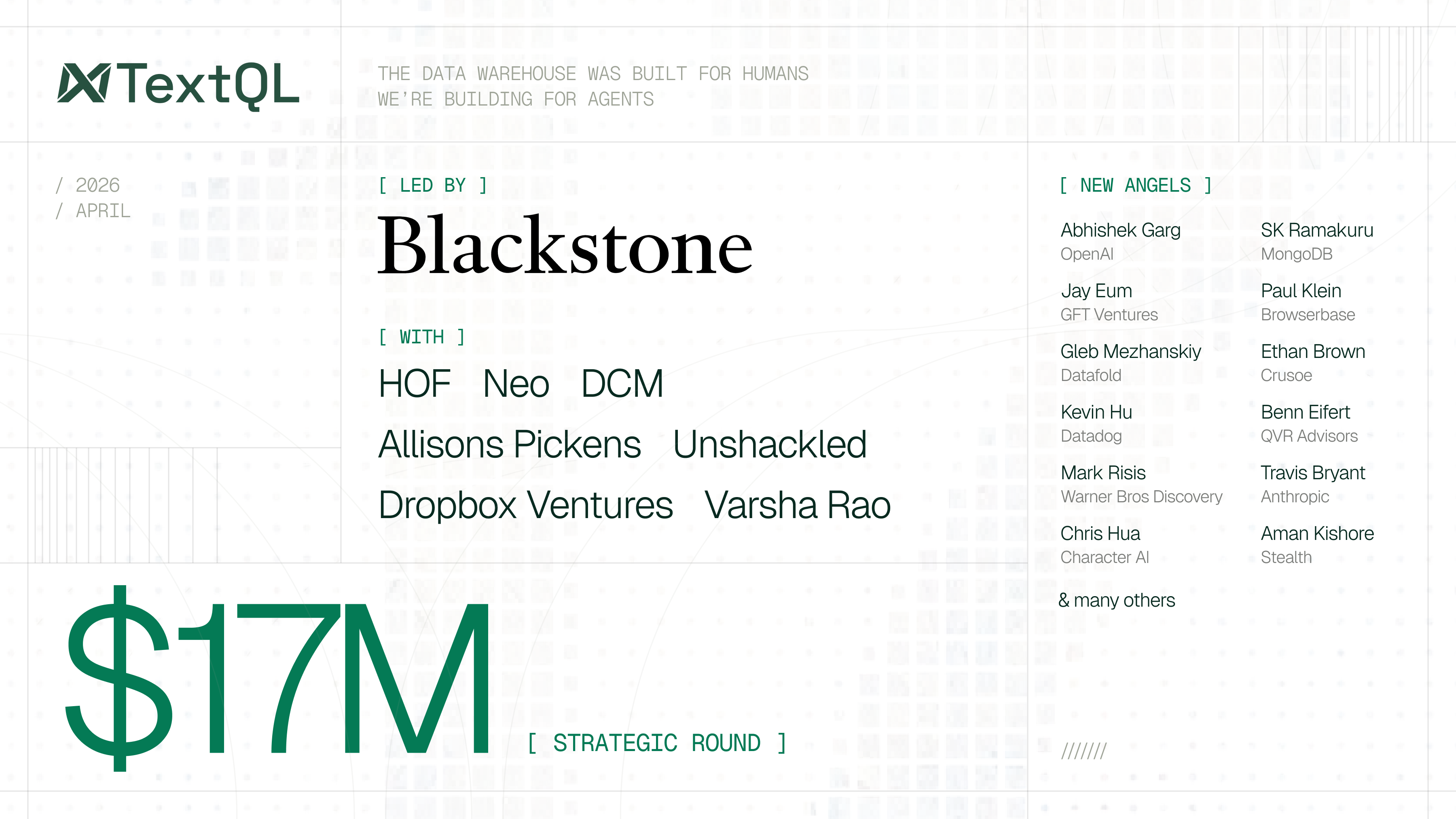
The San Francisco startup wants to turn logs, tool calls and user interactions into a continuous feedback system for agent developers.
The young San Francisco company is starting with an AI-assisted alternative to the configuration and approval systems used for complex deals.
The finance software startup is expanding AI agents that handle invoicing, reconciliation, collections and other repetitive cash workflows.
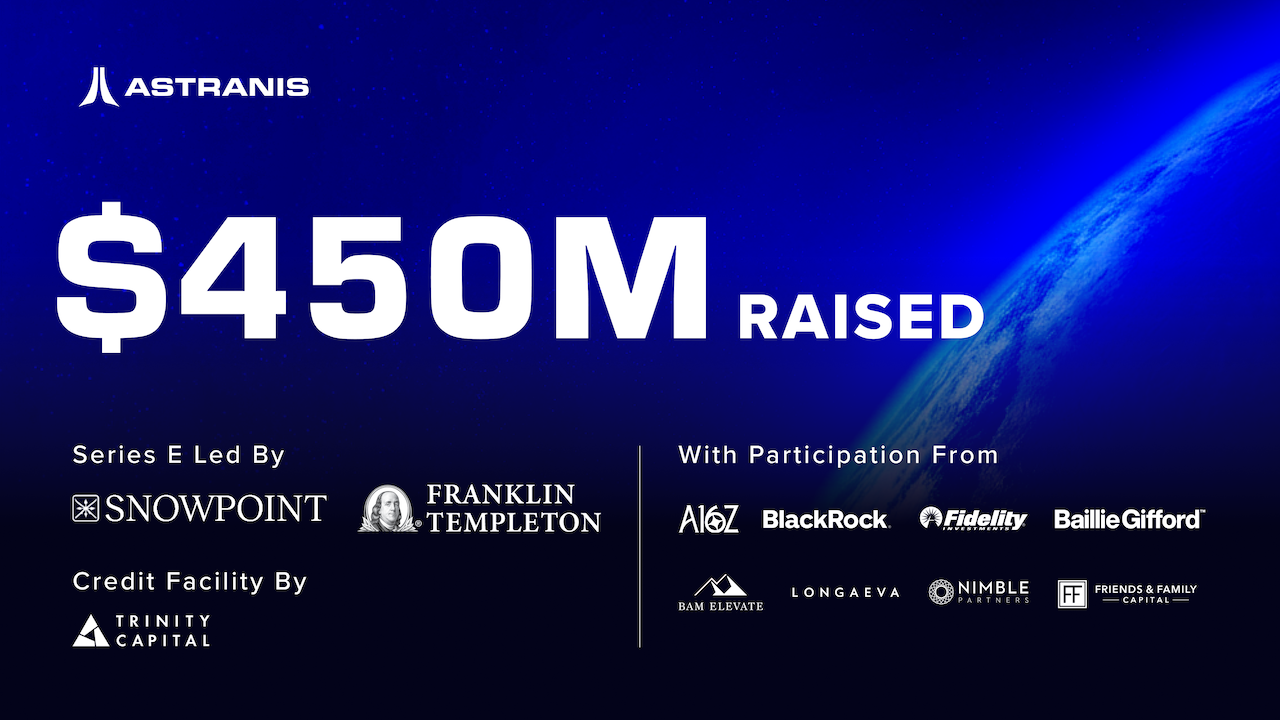
The satellite manufacturer is combining a Series E round with a credit facility as it expands production for commercial and government missions.
The San Francisco startup wants to organize fragmented research and manufacturing data across semiconductors, batteries and advanced materials.
The customer-experience software company is valued above $15 billion as it races to make AI agents a standard interface for large brands.
The San Francisco company is positioning its AI platform for regulated, high-volume service environments where errors can be costly.
The company reached a $2 billion valuation as it expands tools that help automated systems search, retrieve and organize online information.
The startup is training a foundation model called Fury to control unmanned vehicles across changing military environments.
The San Francisco company reached a $1.5 billion valuation by combining chat, spreadsheets and code with a governed layer for company data.
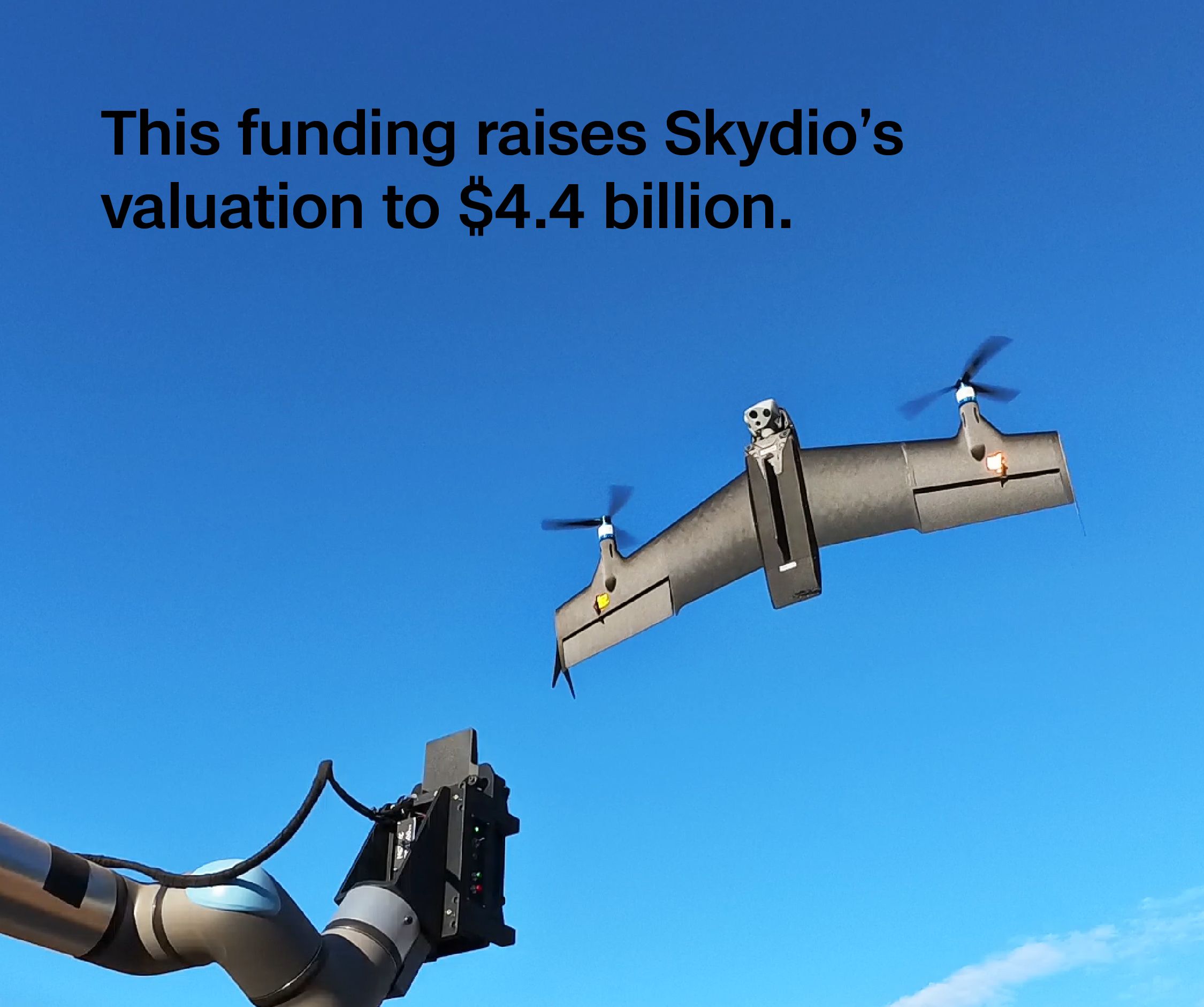
The autonomous drone maker reached a $4.4 billion valuation as it increases production for defense, public safety and infrastructure customers.
The new research lab wants software agents to build specialized expertise from experience instead of remaining fixed after training.
The logistics technology company is broadening its platform from transportation payments into operational and financial decisions across the supply chain.
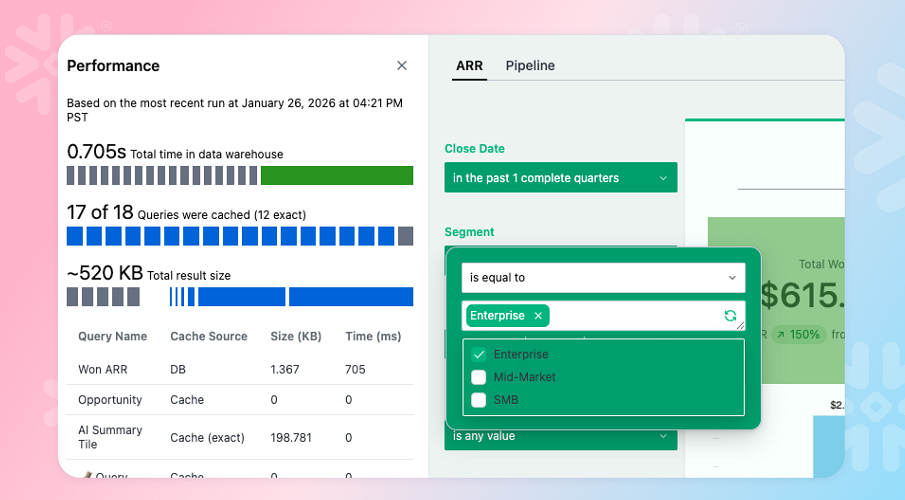
The analytics startup is using strategic capital to expand software that lets employees ask questions across fragmented company data in ordinary language.
The React Native platform is expanding from developer infrastructure into AI-assisted work that helps enterprise teams move from an idea to a shipped application.
The marine robotics company is pairing underwater vehicles with surface vessels and launch systems for commercial and defense missions.
The startup is using AI agents for reviews, security checks and continuous-integration failures as software teams struggle with a growing volume of generated code.
The Santa Clara startup is combining navigation, communications and computing functions in silicon intended for drones and robots.
The company is assembling distributed GPU capacity into a platform that lets developers choose models, hardware and deployment locations.
The Barcelona and San Francisco company is building a governed graph that lets employees, software and agents work from the same organizational knowledge.
The startup is building software intended to let data-center networks adapt automatically to changing AI workloads.
The startup connects a visual design canvas directly to a product's codebase so teams can work from the same components and constraints.
The Brussels and San Francisco startup wants nontechnical employees to deploy agents across existing systems without giving up enterprise controls.
Former Atlassian CTO Sri Viswanath is building a control layer for companies that want autonomous agents without giving up security, governance or oversight.
The startup is building an AI memory that reads on-screen text, prepares meeting notes and retrieves information from a user's daily work.
The startup combines AI agents with human media experts to turn sales conversations and customer data into targeted campaigns.
The startup wants employees to direct business software through natural language while agents work across data and applications.
The Mountain View robotics company reached a $1.15 billion valuation with a plan to begin real household deployments in the fall.
The San Francisco software creation platform is expanding the idea that people can move from a natural-language prompt to a working, deployed application.
The startup formerly known as mcp-use is turning an open-source toolkit into a managed platform for deploying the connectors used by AI applications.
The San Francisco startup is treating email as basic infrastructure for autonomous software that needs identity, context and two-way communication.
The San Jose startup is developing agentic cybersecurity software meant to connect defenses across corporate networks and operational technology.
The Y Combinator company is targeting evidence collection and compliance work that still depends heavily on spreadsheets, tickets and manual review.
The startup is selling an operated support function rather than software alone, putting automation performance directly on its own team.
The Palo Alto AI infrastructure company will use the capital to expand its SN50 chip and SambaCloud platform as demand grows for alternatives in inference computing.
The Series C extension values the developer platform at $1.5 billion as more teams need persistent infrastructure for applications and agents.
The observability startup reached an $800 million valuation as companies seek better ways to test and improve applications built on language models.
The company is applying foundation-model techniques to tables and relational data, an area where text-focused AI systems often struggle.
The startup is building authorization and payment tools that let AI agents purchase APIs, data and computing services under defined controls.












.png)