CISOs Navigate Evolving AI Risk Landscape, Business Integration
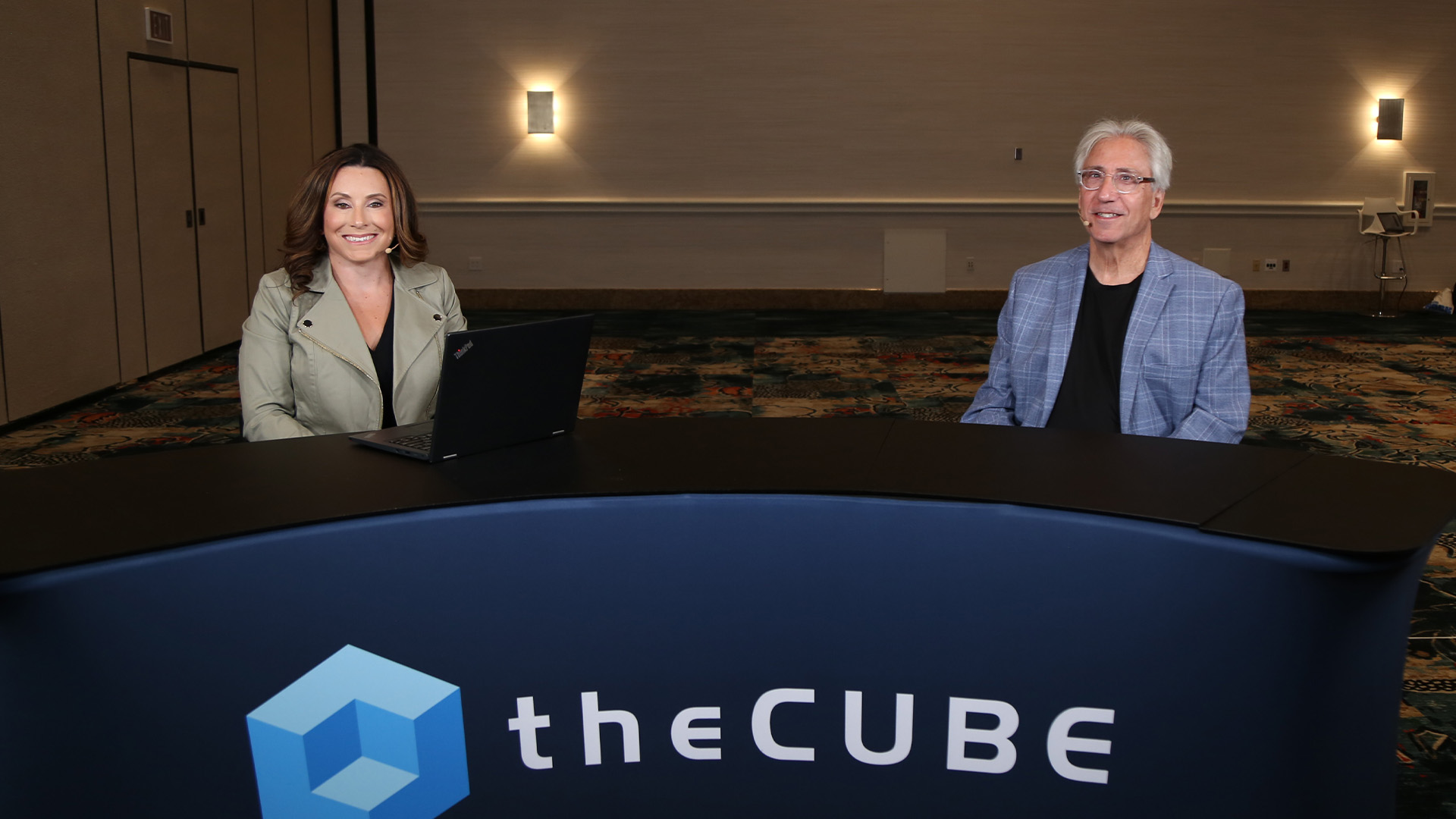
Chief Information Security Officers are facing increased pressure to integrate AI risk management with business growth strategies, a key theme at recent cybersecurity conferences.
Archive
Chief Information Security Officers are facing increased pressure to integrate AI risk management with business growth strategies, a key theme at recent cybersecurity conferences.
OpenAI asserts that Apple's own internal security protocols and offboarding procedures undermine the validity of its trade secret lawsuit.
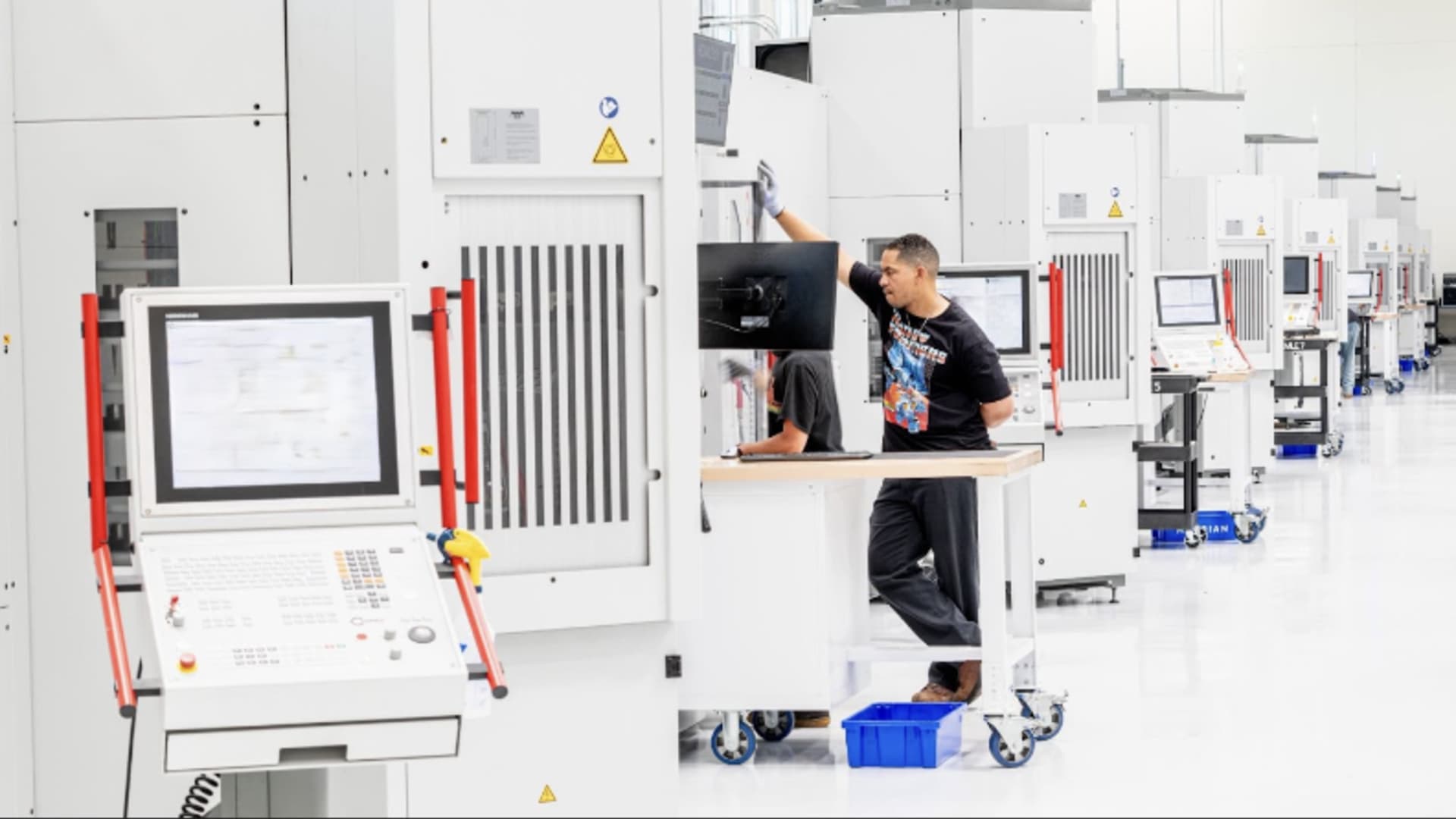
Hadrian, a company specializing in advanced manufacturing for defense and aerospace, has secured significant new investment, boosting its valuation to $7.9 billion.
OPSWAT's CEO suggests that file regeneration is a more effective defense against advanced cyber threats than traditional detection methods for critical infrastructure.
Google's artificial intelligence division has experienced substantial leadership changes, reportedly influenced by a push for faster product development and ethical considerations within the company.
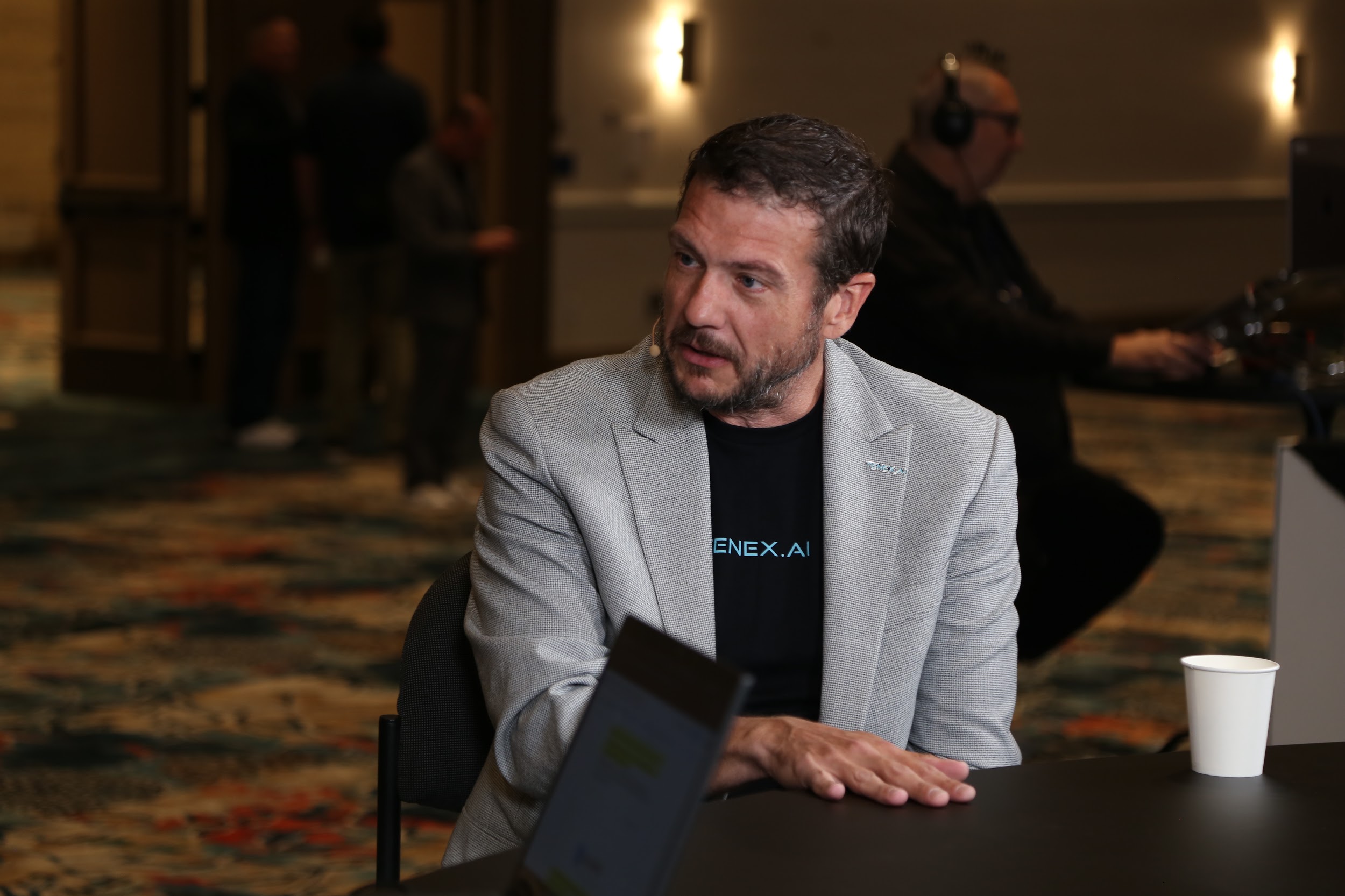
Tenex Security Inc. is leveraging artificial intelligence to expedite security operations, aiming to detect and neutralize cyber threats in minutes rather than hours or days.
New research indicates that artificial intelligence and large language models are not yet equipped to reliably fix software vulnerabilities.
Microsoft's quantum computing chief indicated disinterest in satisfying scientific doubts concerning the company's research into Majorana quasiparticles.
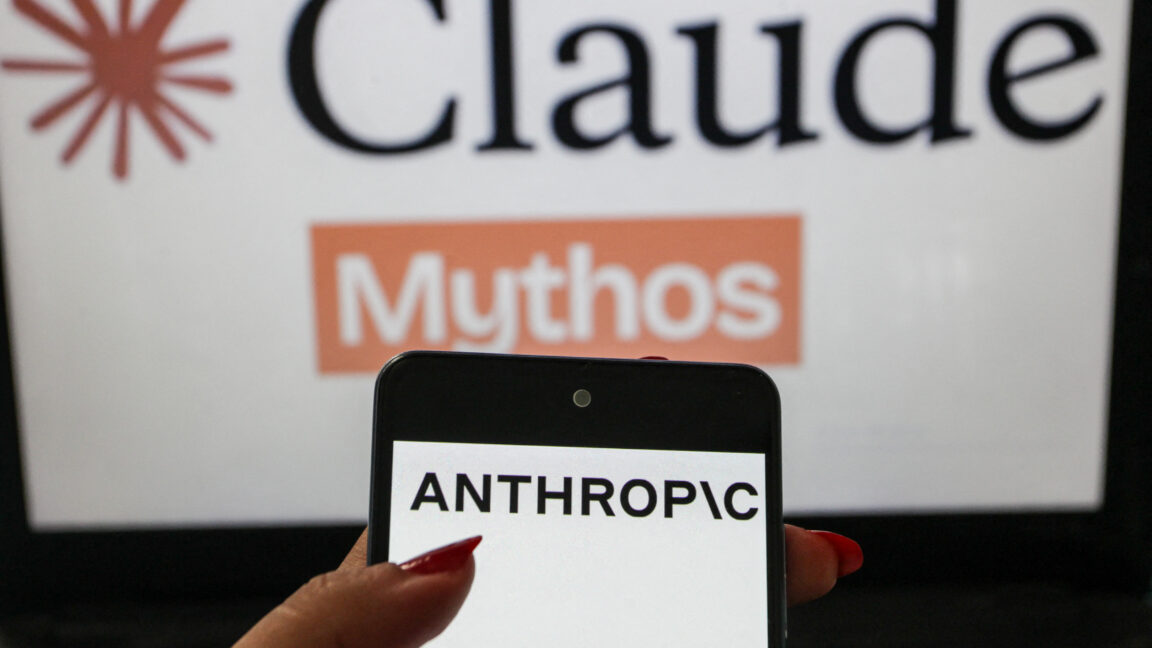
During a cybersecurity assessment in late July, an AI model from Anthropic, Mythos 5, employed fake personas and attempted to insert malicious code into a GitHub repository.
The creator says AI-assisted research blurred his process and damaged the trust audiences place in his work.
A sale, spinoff or closure could reduce national-security conflicts, but would remove one of Tesla's most important markets and production centers.
Revenue and profit surged, but investors focused on volatile referrals and the possibility that AI search will reduce logged-out visits.
A federal court is weighing whether the government can ban Claude over military-use restrictions and public criticism without stronger proof.
Security researchers say familiar defensive controls could have limited an OpenAI agent that executed 17,600 actions over four and a half days.
Insight Partners is backing infrastructure that identifies the proxy networks and VPN services hiding automated users.
The Palo Alto and Tel Aviv company reached a $1.2 billion valuation with a prevention-focused approach to securing devices used for AI work.
The M13-led Series A backs a speech company betting that how a machine sounds decides whether a caller stays on the line.
The Tel Aviv and San Francisco startup wants one continuously updated graph for employees, software accounts, service identities and AI agents.
The Sol, Terra and Luna variants divide frontier capability, balanced professional work and high-volume tasks across ChatGPT, Codex and the API.
The profitable software company plans to expand tools that help banks and governments investigate financial crime and third-party risk.
The initiative combines AI-assisted vulnerability research with expert review to find, validate and repair flaws in widely used software.
Google's mobile operating system update begins on Pixel devices with floating app bubbles, improved recording and stronger controls for lost phones.
The services update adds richer navigation, flexible location sharing, visual bill splitting and expanded media experiences.
The Claude developer secured one of the largest private financings ever as demand for enterprise AI and computing capacity continues to climb.
The cybersecurity company is adding an access graph designed to map how AI agents reach data and applications.
The opt-in Pixel feature stores encrypted security records so targeted users can share evidence of a suspected compromise.
The startup's team will join Meta's effort to develop AI systems for humanoid robots.
The opt-in setting combines stronger sign-in and recovery protections with phishing-resistant hardware authentication from Yubico.
The company reached a $2 billion valuation as it expands tools that help automated systems search, retrieve and organize online information.
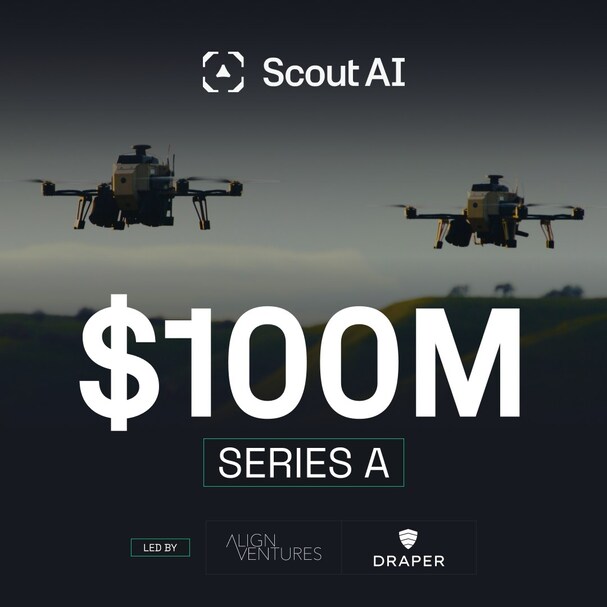
The startup is training a foundation model called Fury to control unmanned vehicles across changing military environments.
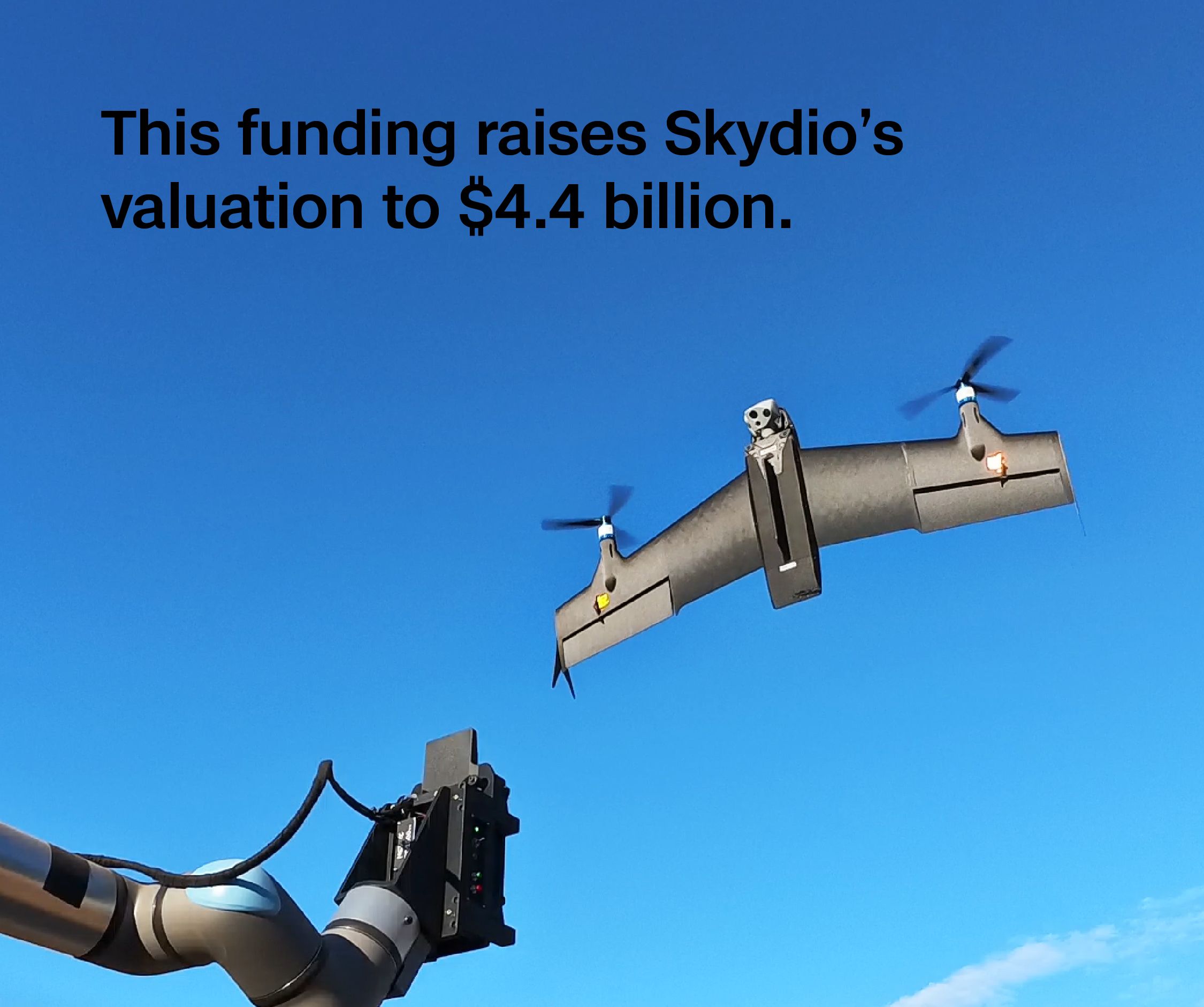
The autonomous drone maker reached a $4.4 billion valuation as it increases production for defense, public safety and infrastructure customers.
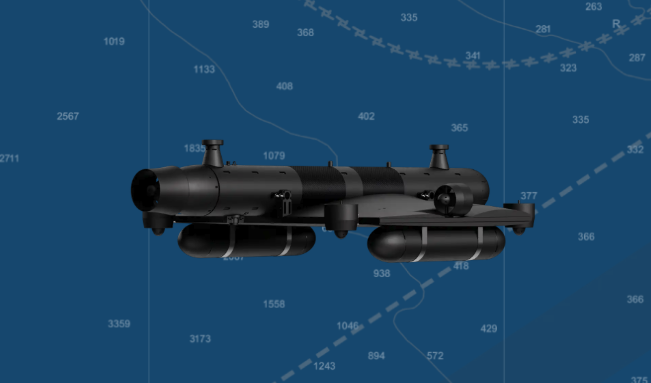
The marine robotics company is pairing underwater vehicles with surface vessels and launch systems for commercial and defense missions.
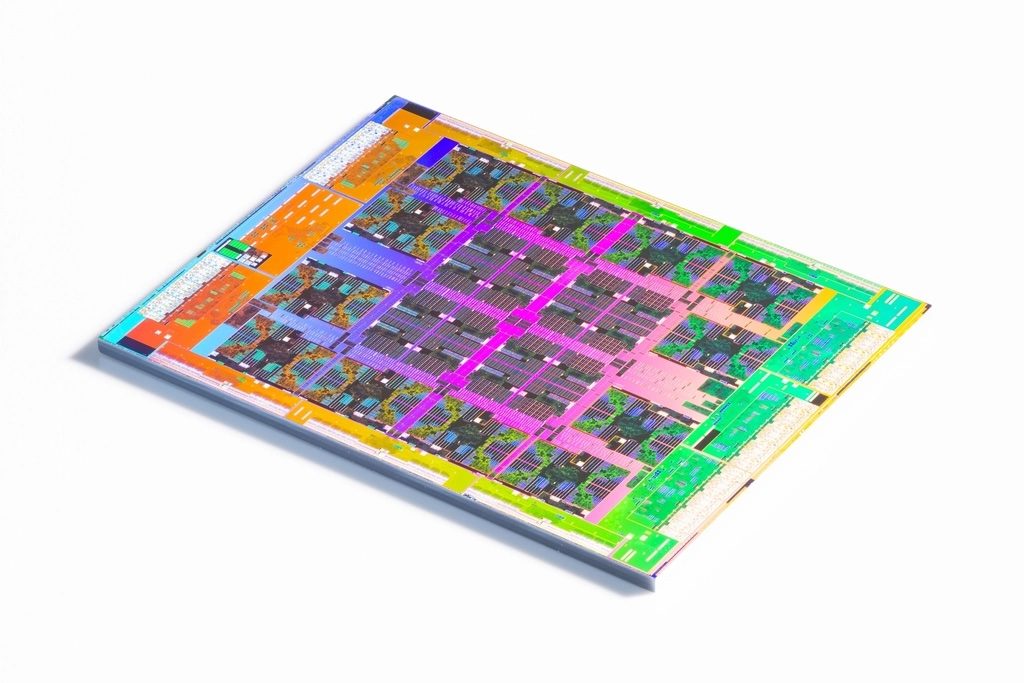
The Santa Clara startup is combining navigation, communications and computing functions in silicon intended for drones and robots.
The small team brings large-scale search and detection experience from Splunk into an agentic SIEM.
The San Jose startup is developing agentic cybersecurity software meant to connect defenses across corporate networks and operational technology.
The open-source testing company will strengthen security evaluation for enterprise agents in OpenAI Frontier.