Index Ventures Raises $2 Billion Across Seed, Venture and Growth Funds
The firm's available capital reaches $3.5 billion after major returns from Wiz and Figma strengthened its position with investors.
Archive
The firm's available capital reaches $3.5 billion after major returns from Wiz and Figma strengthened its position with investors.
A seven-year review shows both automakers discussing EVs at rates below the pre-pandemic period as investment priorities shift.
Citadel acquired the bulk of the portfolio, while Leopold Aschenbrenner's fund retained private investments including a reported $5 billion Anthropic stake.
The Santa Clara startup is building chiplet and licensing technology designed to move data faster between AI processors, memory and networking systems.
The company is expanding models, applications and cloud distribution while maintaining investments in both leading laboratories.
The contrasting accounting results show the complexity of Microsoft's financial exposure to two competing AI laboratories.
Apple Upgrade replaces two existing U.S. payment programs and lets eligible customers return, buy or exchange a device at the end of the lease.
PJM Interconnection will begin curtailing facilities of 50 megawatts or more in June 2027 when supply cannot meet demand.
The chipmaker's strategic partnership with Ilya Sutskever's research lab couples new capital with access to Vera Rubin computing systems.
The startup founded by former Ultrahuman hardware executive Apoorv Shankar is developing physical controls intended to direct AI agents.
The AI testing company is moving beyond fixed benchmarks with models that generate changing environments for training and evaluation.
The semiconductor startup reached a $2 billion valuation and $500 million in total funding as it develops alternatives for connecting AI data centers.
The startup wants agents to own recurring business outcomes across existing applications instead of stopping after a single generated response.
The Berkeley company will accelerate work on fault-tolerant machines while pursuing additional federal support for U.S. quantum infrastructure.
The ChatGPT maker joined Anthropic in a high-stakes race to bring frontier AI companies to public markets.
The $80 million to $90 million arrangement moves more than 20 employees without a formal company purchase.
The satellite manufacturer is combining a Series E round with a credit facility as it expands production for commercial and government missions.
The customer-experience software company is valued above $15 billion as it races to make AI agents a standard interface for large brands.
The startup's team will join Meta's effort to develop AI systems for humanoid robots.
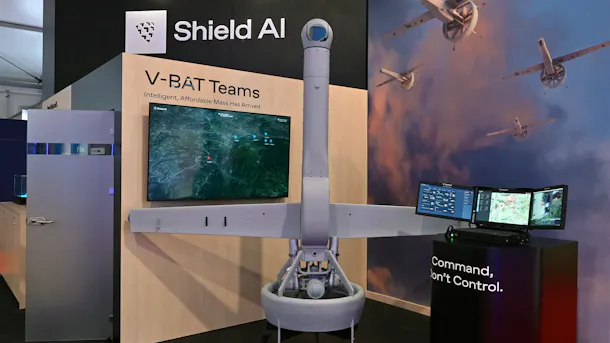
The startup is training a foundation model called Fury to control unmanned vehicles across changing military environments.
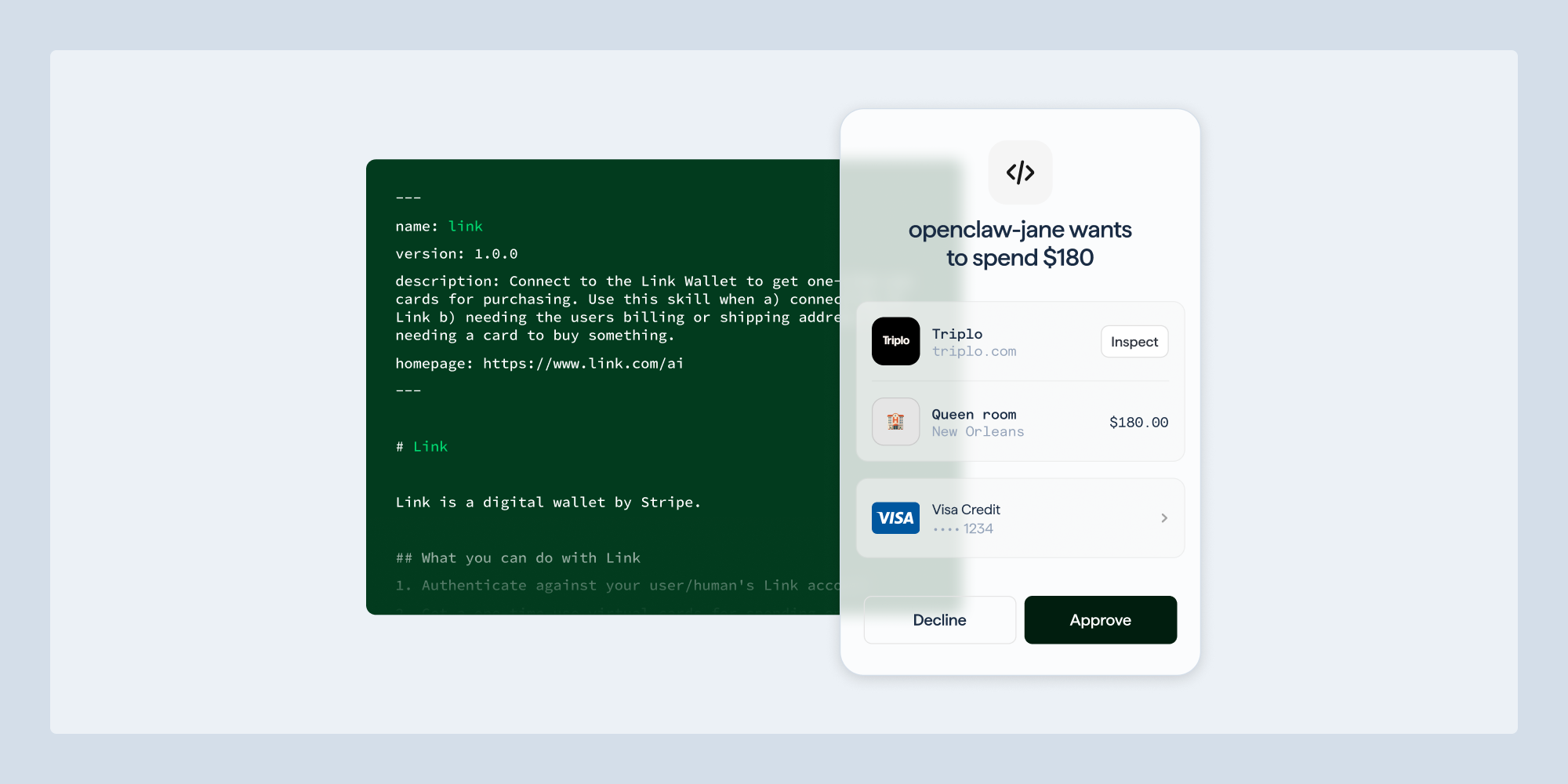
The payments company is introducing scoped credentials and human review for software-driven spending.
The new research lab wants software agents to build specialized expertise from experience instead of remaining fixed after training.
The analytics startup is using strategic capital to expand software that lets employees ask questions across fragmented company data in ordinary language.
The San Mateo startup is teaching software to connect drawings, specifications and other building documents before missing details become costly field problems.
The startup is building software intended to let data-center networks adapt automatically to changing AI workloads.
The camera-and-voice search experience now supports real-time multilingual conversations wherever AI Mode is available.
The Palo Alto AI infrastructure company will use the capital to expand its SN50 chip and SambaCloud platform as demand grows for alternatives in inference computing.
The observability startup reached an $800 million valuation as companies seek better ways to test and improve applications built on language models.
The Stanford-rooted startup wants digital populations to help organizations test decisions before they affect customers, workers or markets.
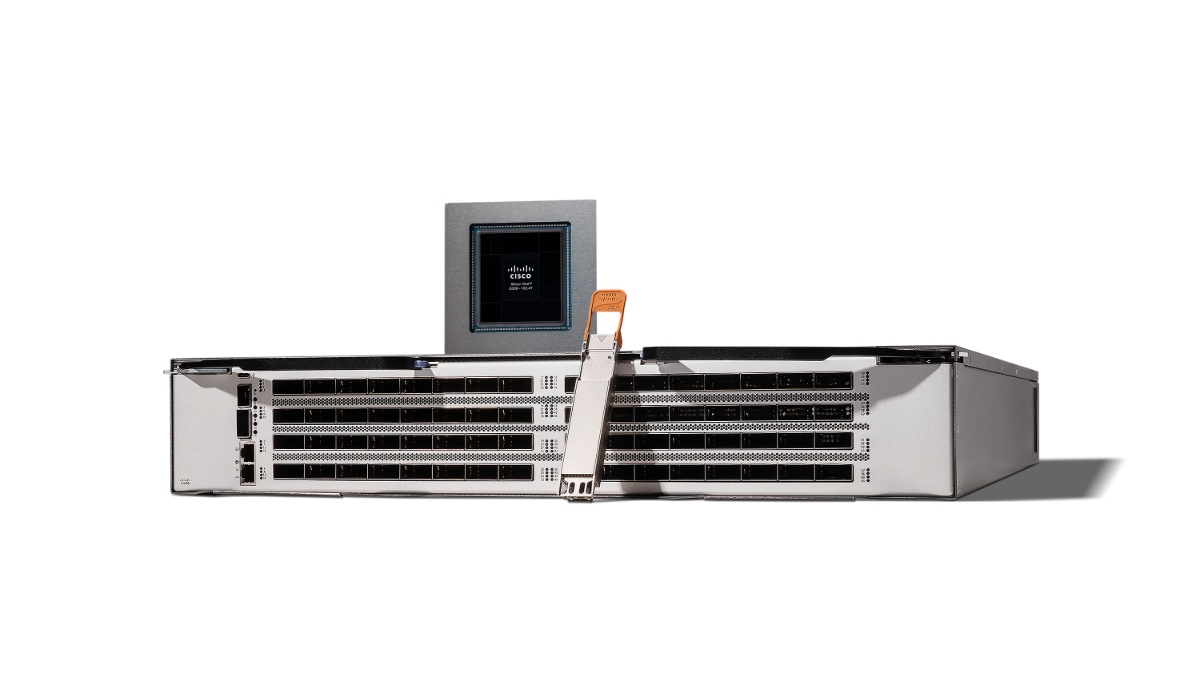
The 102.4-terabit chip is designed to move data across increasingly dense computing clusters.
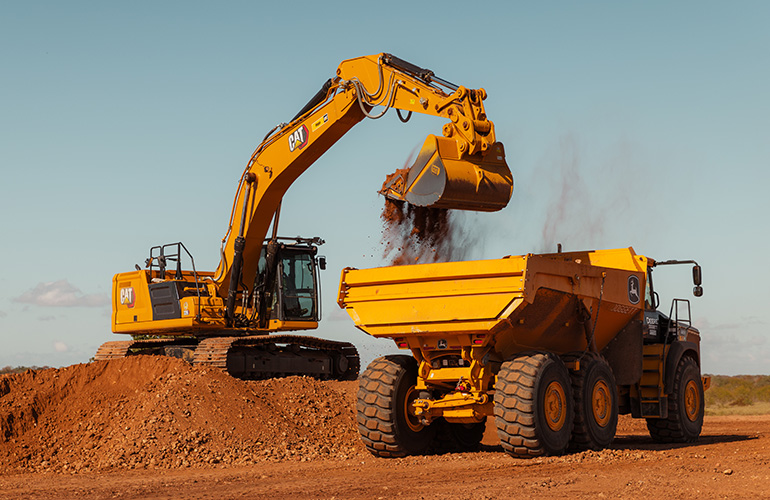
The company founded by former Waymo leaders is moving its self-driving system from supervised job sites toward operator-less heavy equipment.