Ellis AI Raises $10 Million to Modernize Private Credit Operations
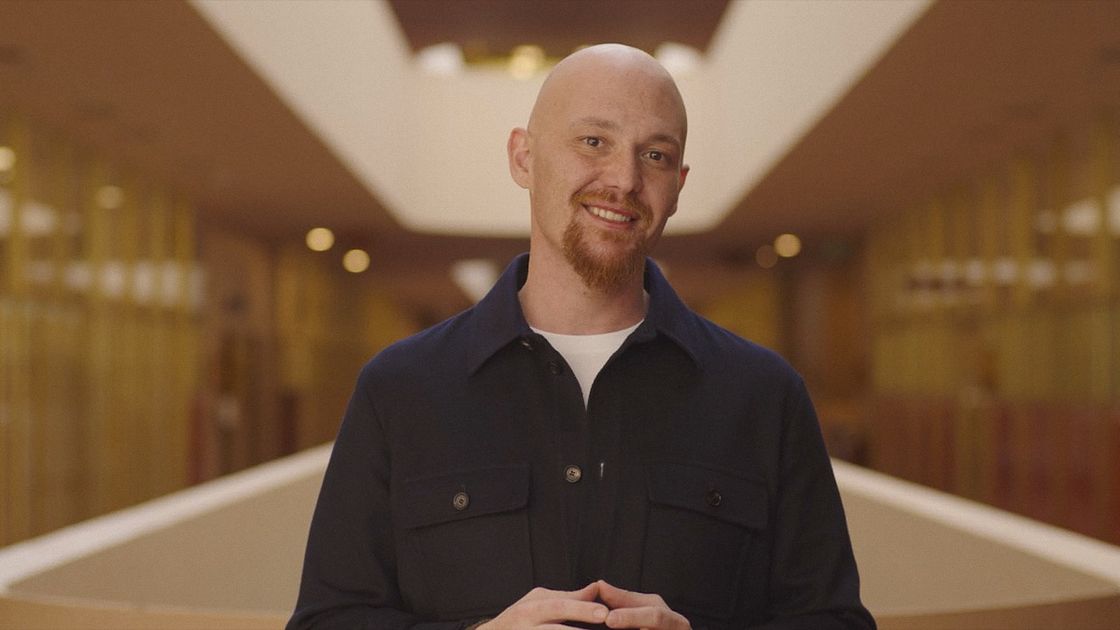
Cadre co-founder Ryan Williams is building agents that connect documents, spreadsheets and accounting systems without replacing human judgment.
Archive
Cadre co-founder Ryan Williams is building agents that connect documents, spreadsheets and accounting systems without replacing human judgment.
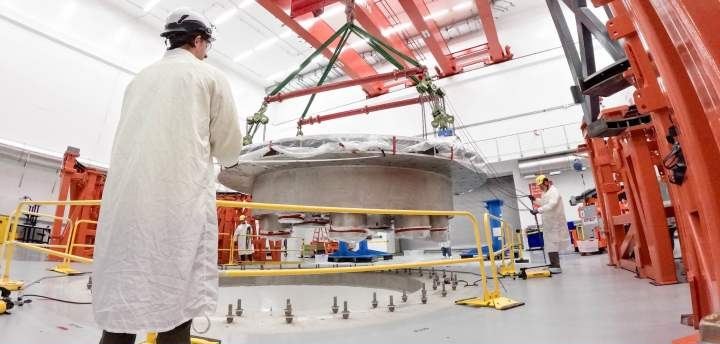
The financing brings total capital to $4 billion as the company works toward scientific breakeven in 2027.
The startup is applying automated document review to the permitting and regulatory work behind data centers and other large developments.
The Silicon Valley startup says autonomous software agents can shorten expensive chip-development cycles, with verification emerging as an early target.
The Santa Clara startup is building chiplet and licensing technology designed to move data faster between AI processors, memory and networking systems.
The San Francisco company is expanding autonomous teams that handle procurement, supplier coordination, invoices and payments for large enterprises.
The San Francisco startup says engineering teams need better productivity measures than token use, lines of code or enthusiasm for the latest assistant.
The Palo Alto startup is expanding tools for creators and enterprises while facing the harder task of preventing unauthorized voice cloning.
The chipmaker's strategic partnership with Ilya Sutskever's research lab couples new capital with access to Vera Rubin computing systems.
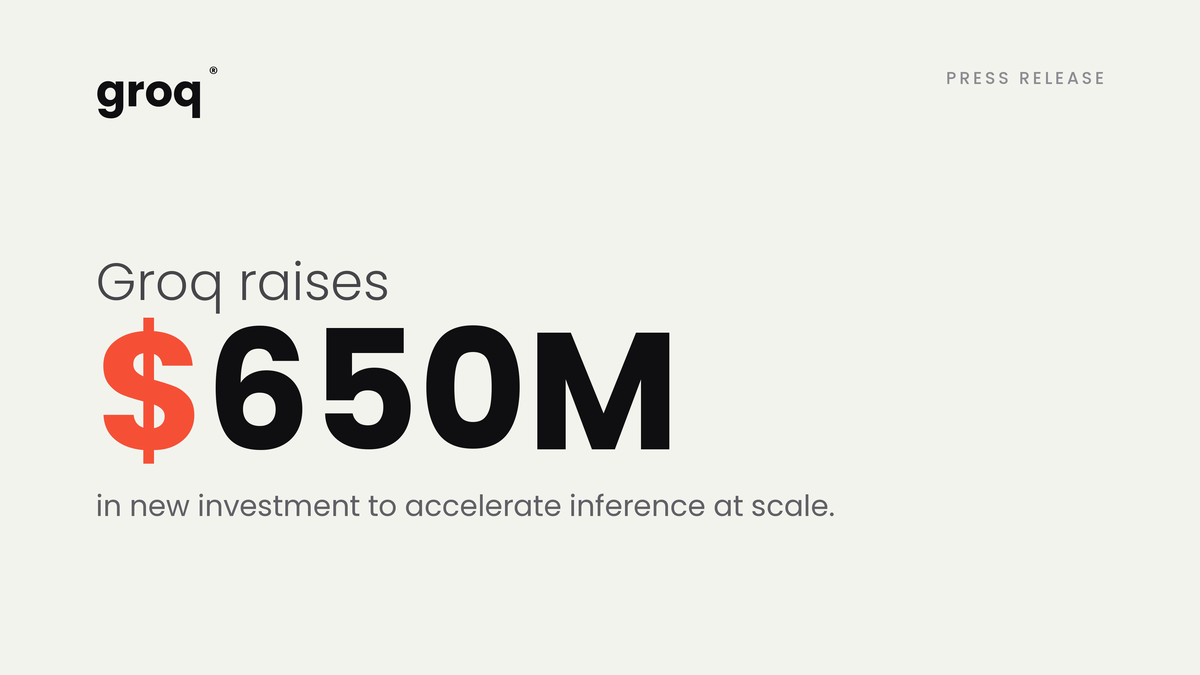
The AI chip startup plans to scale production and customer deployments as it builds specialized hardware for high-volume inference.
The Palo Alto and Tel Aviv company reached a $1.2 billion valuation with a prevention-focused approach to securing devices used for AI work.
The young fintech company wants autonomous software to pay vendors while businesses retain policy controls and an auditable record.
The Tel Aviv and San Francisco startup wants one continuously updated graph for employees, software accounts, service identities and AI agents.
The molecular design startup reached a $3.8 billion valuation while expanding partnerships with major drugmakers.
Accel led the Series A for a company automating the pay applications, lien waivers and job-cost work that still runs on paper and email.
The savings platform is expanding a membership that combines travel deals, cash back and financial tools for cost-conscious consumers.
The open-model infrastructure company plans to expand training and inference services as enterprises seek alternatives to closed AI platforms.
The Palo Alto company is developing robotic locations that dispense prescriptions with remote pharmacist oversight and round-the-clock access.
The San Francisco startup is building real-time fluid sensors for computing systems that increasingly depend on liquid rather than air to control heat.
The enterprise software startup is expanding an AI-native development platform built around requirements, oversight and audit trails.
The hardware startup is betting that a simple recorder with free transcription can hold a place beside phones and software-only meeting assistants.
The profitable software company plans to expand tools that help banks and governments investigate financial crime and third-party risk.
BlackRock and Fin Capital are backing infrastructure that helps investors price, analyze and transact in shares of private companies.
The San Francisco and Tokyo company is developing low-latency speech models for Japanese, Korean and Chinese applications.
The startup is creating its own crawler, index and retrieval models for software that asks longer questions and consumes structured results.
Two former Anthropic and Google researchers launched the company at a $1 billion valuation with backing from Andreessen Horowitz, Kleiner Perkins and Nvidia.
The company is building software that continually personalizes campaigns, tests changes and adjusts marketing decisions across customer channels.
The AI infrastructure company is using its fourth financing in 18 months to expand model inference services for enterprise customers.
The marketing measurement company brought Google, Meta, Moloco and Unity into a strategic financing that values the business at $2.7 billion.
The chip company is rebuilding and scaling its cloud business after a major licensing and talent agreement with Nvidia.
The Palo Alto startup is using AI to help companies define specialized processors before the expensive physical design and manufacturing stages.
The Stanford-founded startup plans to ship a wellness wristband that infers hormone patterns without blood draws while it pursues clinical validation.
The startup wants agents to own recurring business outcomes across existing applications instead of stopping after a single generated response.
The agentic workspace company added $100 million and appointed a chief revenue officer as it pursues larger business customers.
The San Francisco startup is investing in its own speech models and the infrastructure required to run large volumes of automated business calls.
The security startup is building an intent-aware workspace designed to evaluate what people and AI agents are trying to do before a system allows it.
The secretive company led by Jeff Bezos and Vik Bajaj is valued at $41 billion before revealing much about its technology or customers.
The San Francisco and Tel Aviv company wants security agents to find and help fix software risks throughout the development lifecycle.
The Oakland company is building software to manage applications, participants, payments and reporting for programs serving communities.
The open-source database platform is financing faster growth as AI agents generate more applications and infrastructure demand.
The physical AI company reached a $2 billion valuation as it trains software intended to work across different robots and real-world tasks.
The prompt-to-app startup says its community creates games, quizzes and interactive experiments at a rate of about one every half-second.
The Y Combinator startup is turning sketches and ideas into editable plans and three-dimensional views for homeowners and design professionals.
The maker of Devin says enterprise usage is climbing as software teams give cloud agents a larger share of development work.
Brett Adcock's new lab reached a $6 billion post-money valuation before releasing its first products to the public.
The San Francisco startup reached a $2.2 billion valuation by selling web search and content retrieval directly to software developers.
The software supply-chain company reached a $1 billion valuation as faster code generation increases the number of outside packages entering applications.
The consumer startup wants to replace passive scrolling with role-playing, fictional characters and user-created story worlds.
Richard Socher's new laboratory is pursuing AI systems that can improve their own research process, backed at a reported $4.65 billion valuation.
The Palo Alto company founded by Rivian CEO RJ Scaringe has now raised more than $1 billion for industrial robots trained in live manufacturing environments.
The vertical software company is connecting agency data with AI workflows for policy checks, proposals and other document-heavy tasks.
The San Francisco startup wants to turn logs, tool calls and user interactions into a continuous feedback system for agent developers.
The San Francisco startup is trying to replace disconnected sales tools with a system that carries context from prospecting through a closed deal.
The finance software startup is expanding AI agents that handle invoicing, reconciliation, collections and other repetitive cash workflows.
The full-stack insurer is using AI across underwriting, policy administration and claims as it expands into additional commercial markets.
The Palo Alto startup is commercializing infrastructure around a widely used open-source engine for running and serving advanced AI models.
The San Francisco startup wants to organize fragmented research and manufacturing data across semiconductors, batteries and advanced materials.
The customer-experience software company is valued above $15 billion as it races to make AI agents a standard interface for large brands.
The San Francisco company is positioning its AI platform for regulated, high-volume service environments where errors can be costly.
The six-person startup is training AI to learn digital tasks from video, with efficiency and safety becoming the key tests for its approach.
The company reached a $2 billion valuation as it expands tools that help automated systems search, retrieve and organize online information.
The startup is training a foundation model called Fury to control unmanned vehicles across changing military environments.
The startup wants hardware makers to connect glasses, jewelry and home devices to models and multimodal services without building the entire stack.
The new research lab wants software agents to build specialized expertise from experience instead of remaining fixed after training.
The logistics technology company is broadening its platform from transportation payments into operational and financial decisions across the supply chain.
The analytics startup is using strategic capital to expand software that lets employees ask questions across fragmented company data in ordinary language.
The San Francisco mobility company is preparing pilot networks that place small autonomous vehicles on narrow, reserved lanes.
The a16z-backed startup wants consumer businesses to move from dashboards and recommendations to actions tied to measurable financial results.
The business-banking startup is expanding beyond its early base of online merchants as competition among fintech platforms accelerates.
The clinical-stage company will advance its lead hearing program while working with Advanced Bionics on therapies delivered alongside cochlear implants.
The San Mateo startup is teaching software to connect drawings, specifications and other building documents before missing details become costly field problems.
The startup is building software intended to let data-center networks adapt automatically to changing AI workloads.
The startup connects a visual design canvas directly to a product's codebase so teams can work from the same components and constraints.
The San Francisco company pairs software agents with growth specialists as brands adjust to search results shaped by traditional engines and AI answers.
The startup is using conversational agents to conduct structured phone interviews and turn long-form responses into research data.
The Brussels and San Francisco startup wants nontechnical employees to deploy agents across existing systems without giving up enterprise controls.
Former Atlassian CTO Sri Viswanath is building a control layer for companies that want autonomous agents without giving up security, governance or oversight.
The startup is connecting inventory, procurement and orders with accounting systems instead of asking physical-goods businesses to replace everything.
The startup is building an AI memory that reads on-screen text, prepares meeting notes and retrieves information from a user's daily work.
The startup wants employees to direct business software through natural language while agents work across data and applications.
The Mountain View robotics company reached a $1.15 billion valuation with a plan to begin real household deployments in the fall.
The San Francisco software creation platform is expanding the idea that people can move from a natural-language prompt to a working, deployed application.
The startup formerly known as mcp-use is turning an open-source toolkit into a managed platform for deploying the connectors used by AI applications.
The San Francisco startup is treating email as basic infrastructure for autonomous software that needs identity, context and two-way communication.
The Santa Clara company reached a $4.2 billion valuation as large AI systems create demand for faster, more flexible connections between processors.
The San Jose startup is developing agentic cybersecurity software meant to connect defenses across corporate networks and operational technology.
The Y Combinator company is targeting evidence collection and compliance work that still depends heavily on spreadsheets, tickets and manual review.
The semiconductor startup is moving its co-packaged optics technology toward volume production as data centers demand faster, more efficient connections.
The startup is selling an operated support function rather than software alone, putting automation performance directly on its own team.
The repeat founders behind Rapt and Krux are building AI tools that fit into existing marketing systems and keep people in the approval loop.
Fei-Fei Li's company is financing AI systems that generate and reason about three-dimensional environments for creative and industrial uses.
The observability startup reached an $800 million valuation as companies seek better ways to test and improve applications built on language models.
The Stanford-rooted startup wants digital populations to help organizations test decisions before they affect customers, workers or markets.
The company is applying foundation-model techniques to tables and relational data, an area where text-focused AI systems often struggle.
The Mountain View company plans to expand domestic manufacturing and coordinate more residential batteries as electricity demand strains the grid.
The company founded by former Waymo leaders is moving its self-driving system from supervised job sites toward operator-less heavy equipment.




.jpg)