Inevitable AI Group Secures $6M to Cultivate AI-Native Software Startups
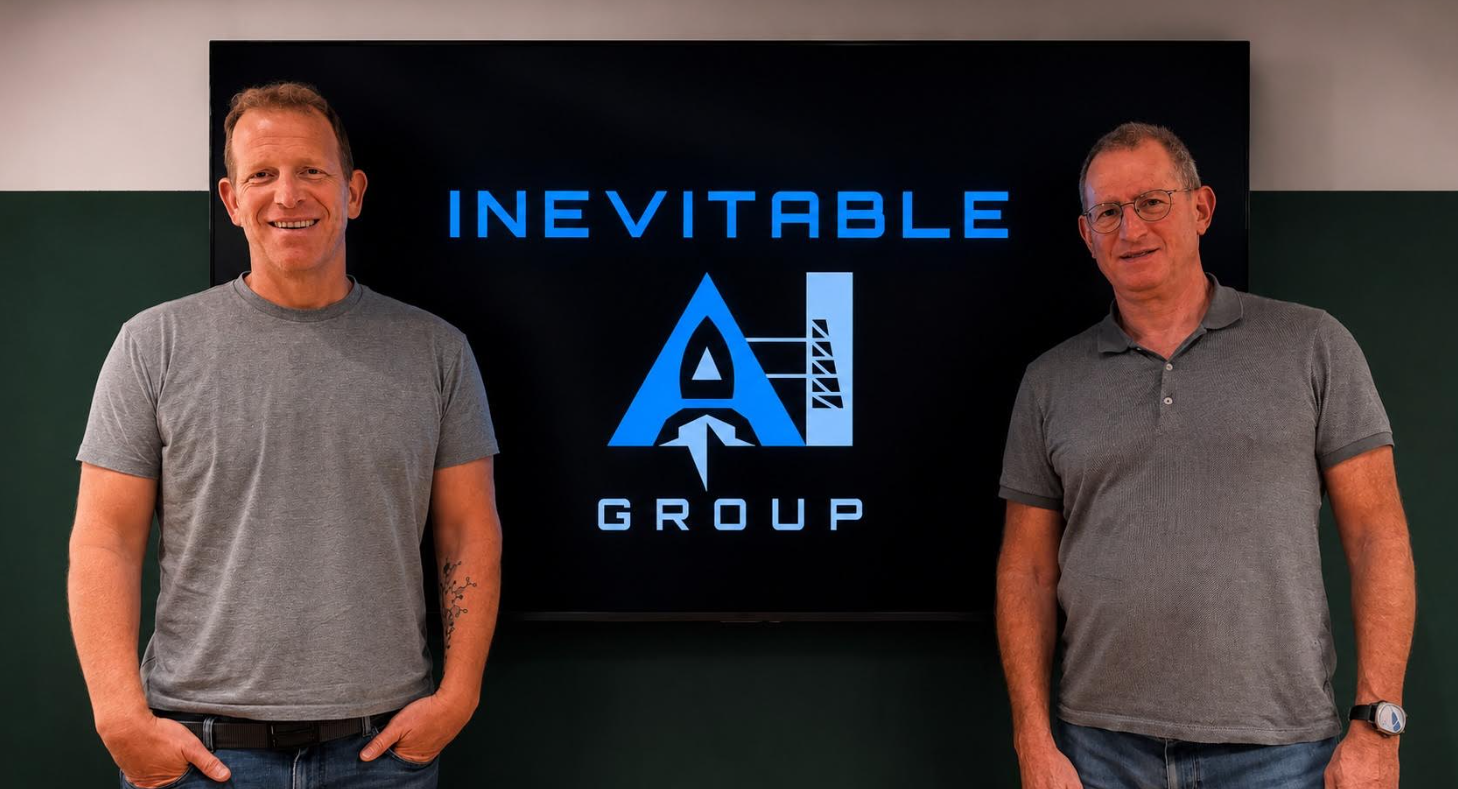
A new venture studio, Inevitable AI Group, has raised $6 million in pre-seed funding to develop and launch numerous AI-native software companies.
Archive
A new venture studio, Inevitable AI Group, has raised $6 million in pre-seed funding to develop and launch numerous AI-native software companies.
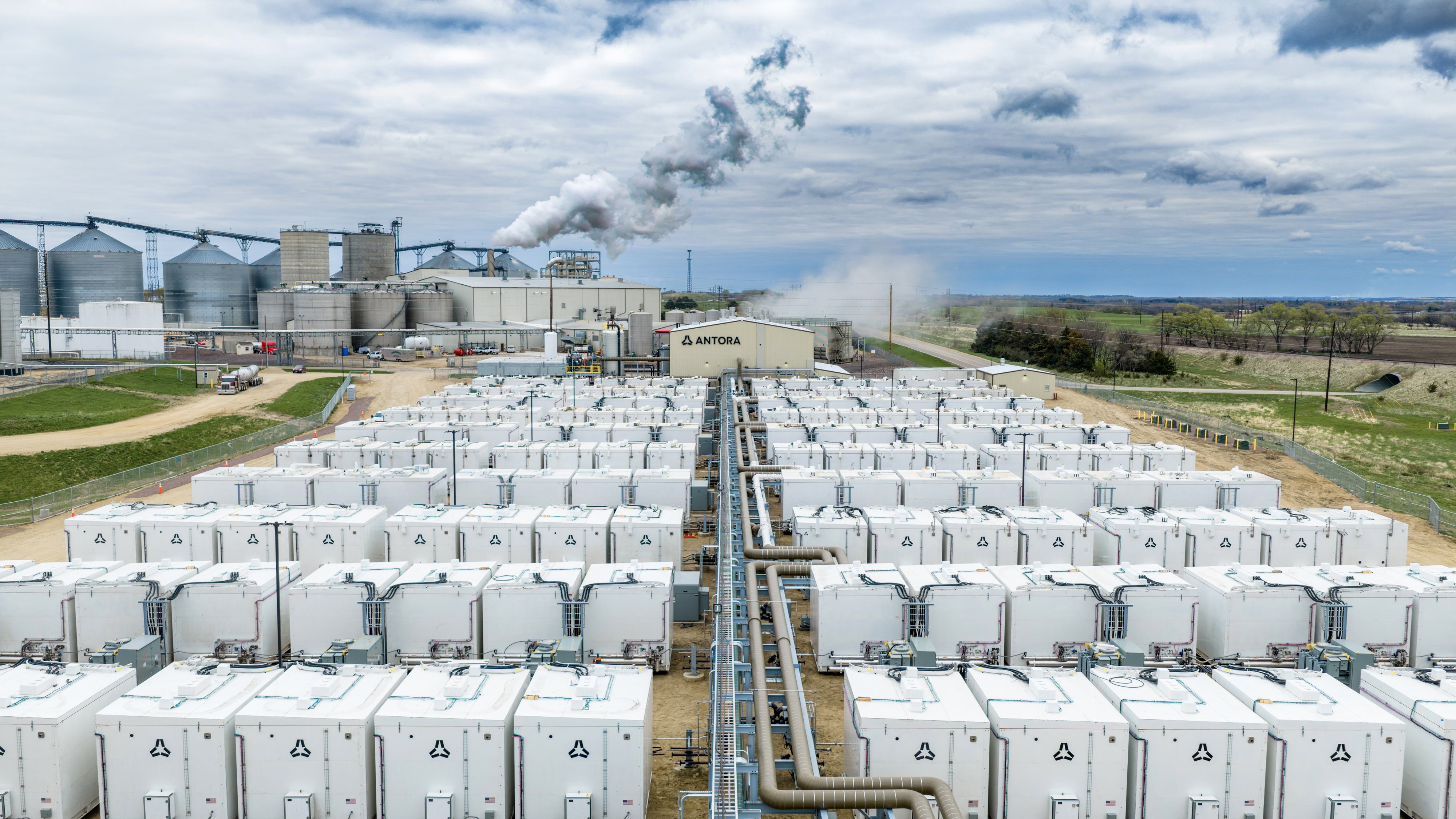
The industrial energy company plans to manufacture more systems that store renewable electricity as high-temperature heat and dispatchable power.
The startup is applying automated document review to the permitting and regulatory work behind data centers and other large developments.
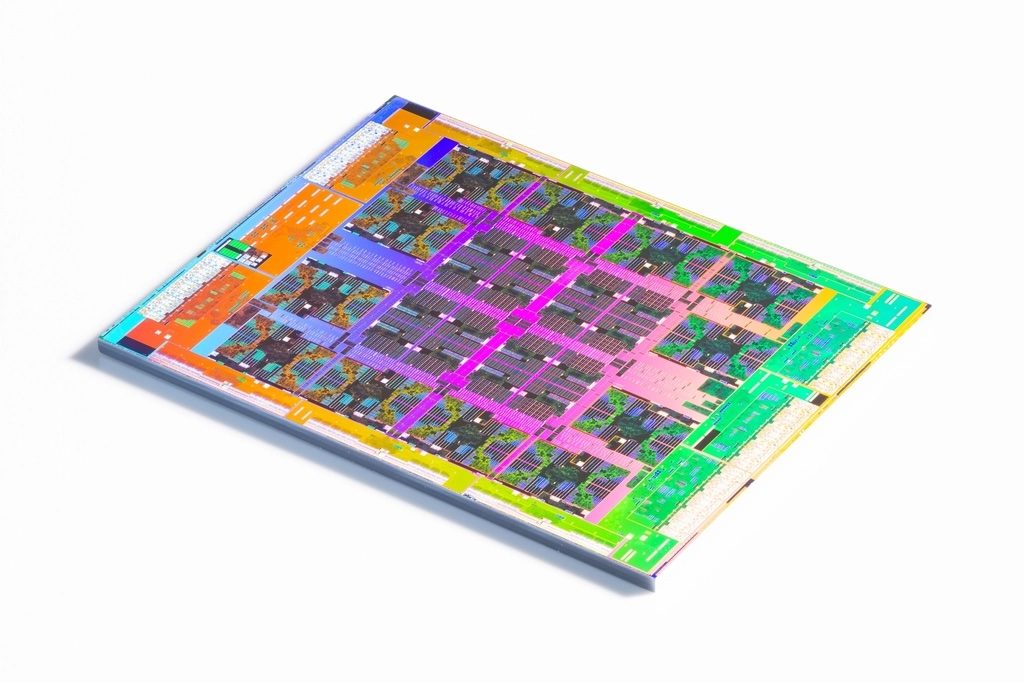
The Silicon Valley startup says autonomous software agents can shorten expensive chip-development cycles, with verification emerging as an early target.
The chipmaker's strategic partnership with Ilya Sutskever's research lab couples new capital with access to Vera Rubin computing systems.
The young fintech company wants autonomous software to pay vendors while businesses retain policy controls and an auditable record.
The enterprise software startup is expanding an AI-native development platform built around requirements, oversight and audit trails.
The AI testing company is moving beyond fixed benchmarks with models that generate changing environments for training and evaluation.
The former Waymo engineer behind the startup is applying simulation and observability techniques to customer-facing AI systems.
The semiconductor startup reached a $2 billion valuation and $500 million in total funding as it develops alternatives for connecting AI data centers.
The startup is building validation software that checks model responses before errors reach users in high-precision workflows.
The secretive company led by Jeff Bezos and Vik Bajaj is valued at $41 billion before revealing much about its technology or customers.
The open-source database platform is financing faster growth as AI agents generate more applications and infrastructure demand.
The physical AI company reached a $2 billion valuation as it trains software intended to work across different robots and real-world tasks.
The prompt-to-app startup says its community creates games, quizzes and interactive experiments at a rate of about one every half-second.
The startup is building a network that records first-person human activity, bringing privacy, consent and worker pay into the robotics data race.
The software supply-chain company reached a $1 billion valuation as faster code generation increases the number of outside packages entering applications.
Richard Socher's new laboratory is pursuing AI systems that can improve their own research process, backed at a reported $4.65 billion valuation.
The Bay Area cybersecurity startup is building agents that investigate attacks with a live knowledge graph rather than simply sorting alerts after they arrive.
The San Francisco startup wants to turn logs, tool calls and user interactions into a continuous feedback system for agent developers.
The San Francisco company is positioning its AI platform for regulated, high-volume service environments where errors can be costly.
The six-person startup is training AI to learn digital tasks from video, with efficiency and safety becoming the key tests for its approach.
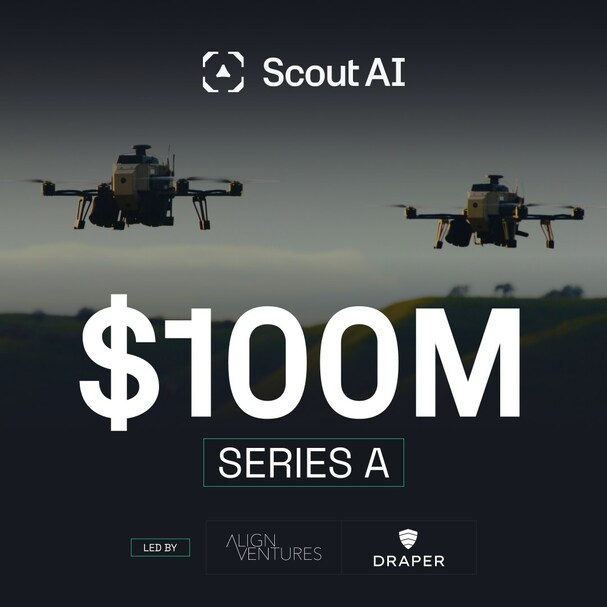
The startup is training a foundation model called Fury to control unmanned vehicles across changing military environments.
The startup is beginning with autonomous road rollers that can be retrofitted onto machines already operating at construction sites.
The new research lab wants software agents to build specialized expertise from experience instead of remaining fixed after training.
The San Francisco mobility company is preparing pilot networks that place small autonomous vehicles on narrow, reserved lanes.
The Santa Clara startup is combining navigation, communications and computing functions in silicon intended for drones and robots.
The company is assembling distributed GPU capacity into a platform that lets developers choose models, hardware and deployment locations.
The startup is building software intended to let data-center networks adapt automatically to changing AI workloads.
The San Francisco company pairs software agents with growth specialists as brands adjust to search results shaped by traditional engines and AI answers.
The financing gives the San Francisco AI company an extraordinary capital base, while placing equal pressure on revenue growth, infrastructure execution and product focus.
The Rivian spinoff reached a valuation above $1 billion while expanding from small electric vehicles into autonomous delivery systems.
Former Atlassian CTO Sri Viswanath is building a control layer for companies that want autonomous agents without giving up security, governance or oversight.
The Mountain View startup is combining expert labor, evaluations and software infrastructure to improve AI systems after their initial training.
The Mountain View robotics company reached a $1.15 billion valuation with a plan to begin real household deployments in the fall.
The brain-computer interface company is preparing its PRIMA vision-restoration system for commercialization while funding a broader clinical pipeline.
The Y Combinator startup is making its streaming platform generally available as AI developers look for simpler ways to process live data.
Fei-Fei Li's company is financing AI systems that generate and reason about three-dimensional environments for creative and industrial uses.
The durable-computing company reached a $5 billion valuation as enterprises look for infrastructure that can keep long-running AI work on track.
The Series C extension values the developer platform at $1.5 billion as more teams need persistent infrastructure for applications and agents.
The observability startup reached an $800 million valuation as companies seek better ways to test and improve applications built on language models.
The Mission Bay startup is building laboratory systems that use living neurons for AI workloads, an ambitious alternative to conventional silicon.
The Stanford-rooted startup wants digital populations to help organizations test decisions before they affect customers, workers or markets.
The Mountain View company plans to expand domestic manufacturing and coordinate more residential batteries as electricity demand strains the grid.
The company founded by former Waymo leaders is moving its self-driving system from supervised job sites toward operator-less heavy equipment.