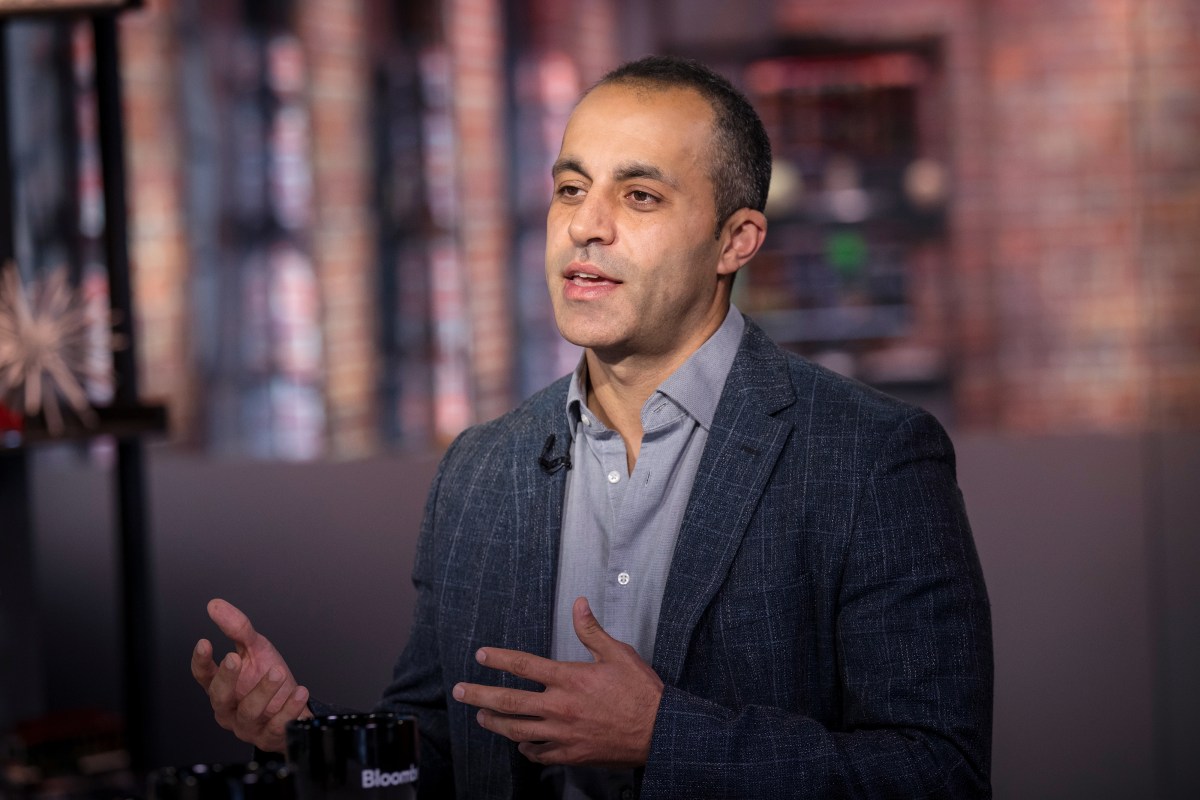
Nscale Agrees to Buy Anyscale
The AI cloud provider is adding the software behind Ray to build a broader infrastructure stack.
Archive
The AI cloud provider is adding the software behind Ray to build a broader infrastructure stack.
Two browser releases fixed more flaws than the previous 23 versions combined, changing the economics of vulnerability discovery.
The platform is shifting from generating users' language to proofreading it while using feedback to reduce low-quality recommendations.

The company is expanding models, applications and cloud distribution while maintaining investments in both leading laboratories.
The contrasting accounting results show the complexity of Microsoft's financial exposure to two competing AI laboratories.
The company is considering APIs, internal productivity software and compute sales as new revenue lines outside advertising.
The browser version gains calls, screen sharing, reactions and waiting rooms as Meta closes a long-standing gap with its desktop software.
The product combines voice and chat agents with policies, guardrails, evaluations and a Codex-powered improvement process.
Gemini 3.6 Flash, 3.5 Flash-Lite and the restricted 3.5 Flash Cyber model target different production requirements.
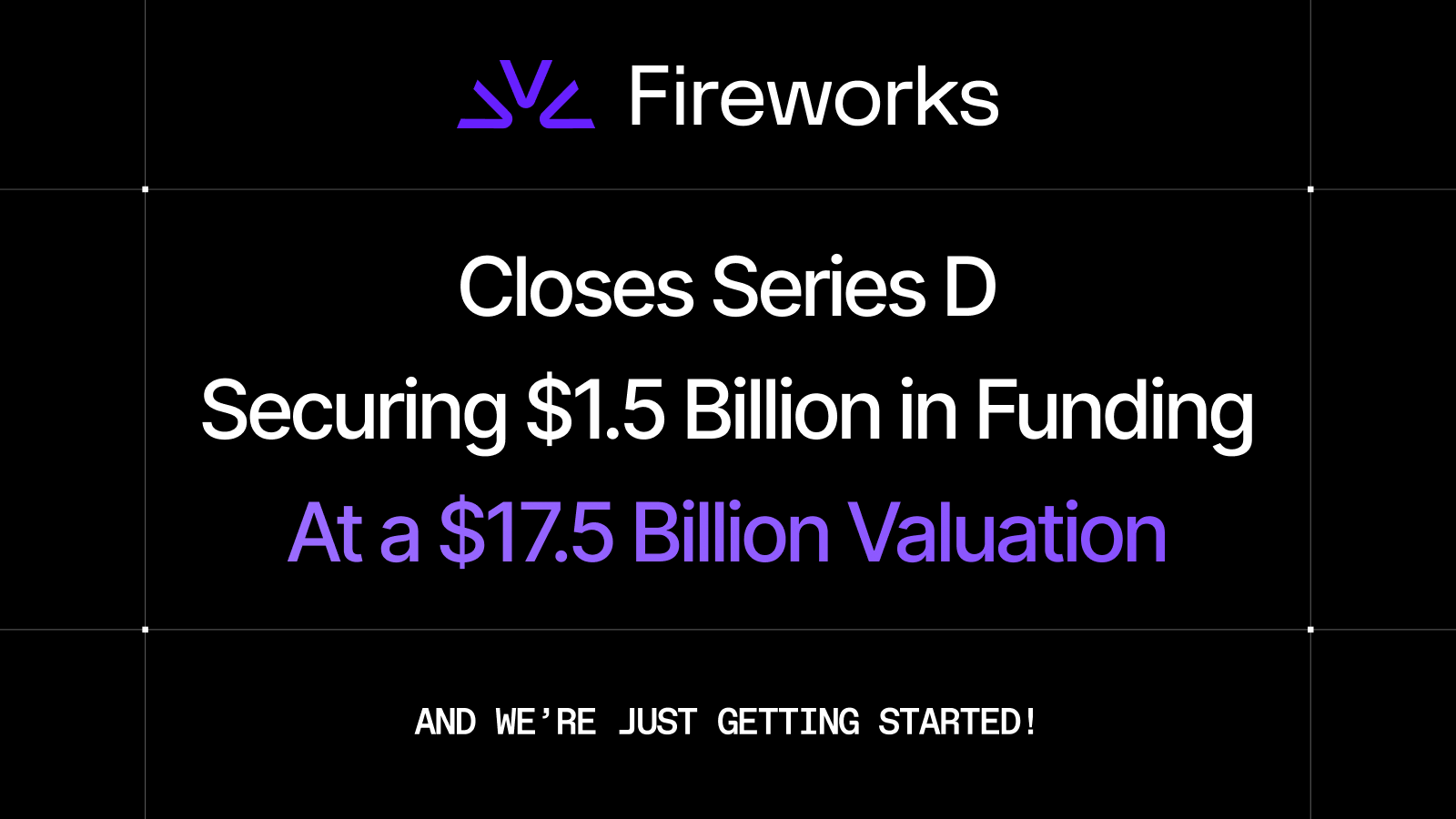
The model infrastructure company says annual recurring revenue has passed $1 billion as customers deploy more specialized AI systems.
Verified U.S. K-12 educators can receive a year of premium access and teaching-focused tools.
The hardware startup is betting that a simple recorder with free transcription can hold a place beside phones and software-only meeting assistants.
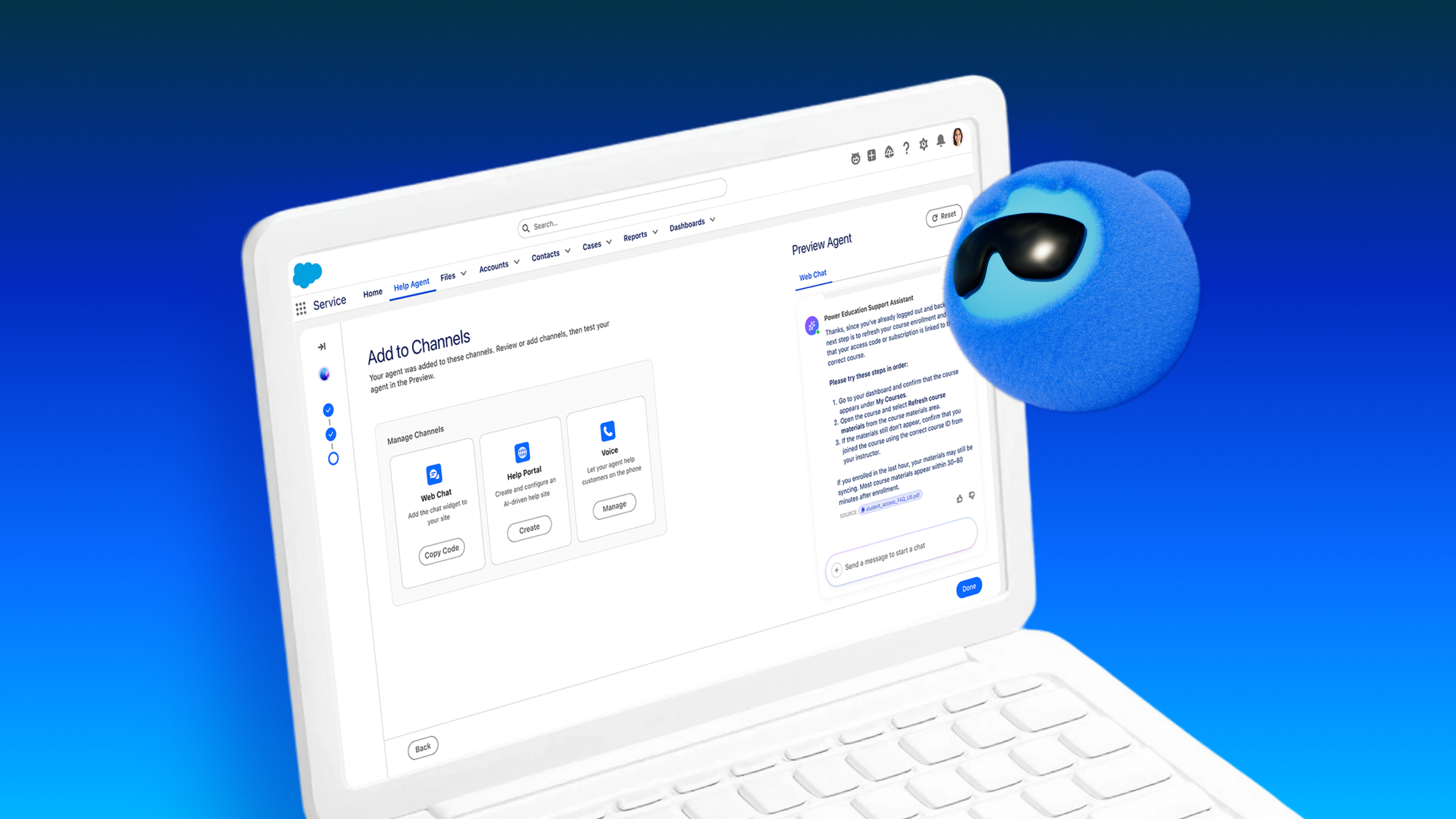
Agentforce Help Agent is designed to deploy across service channels in minutes and charge customers only for completed resolutions.
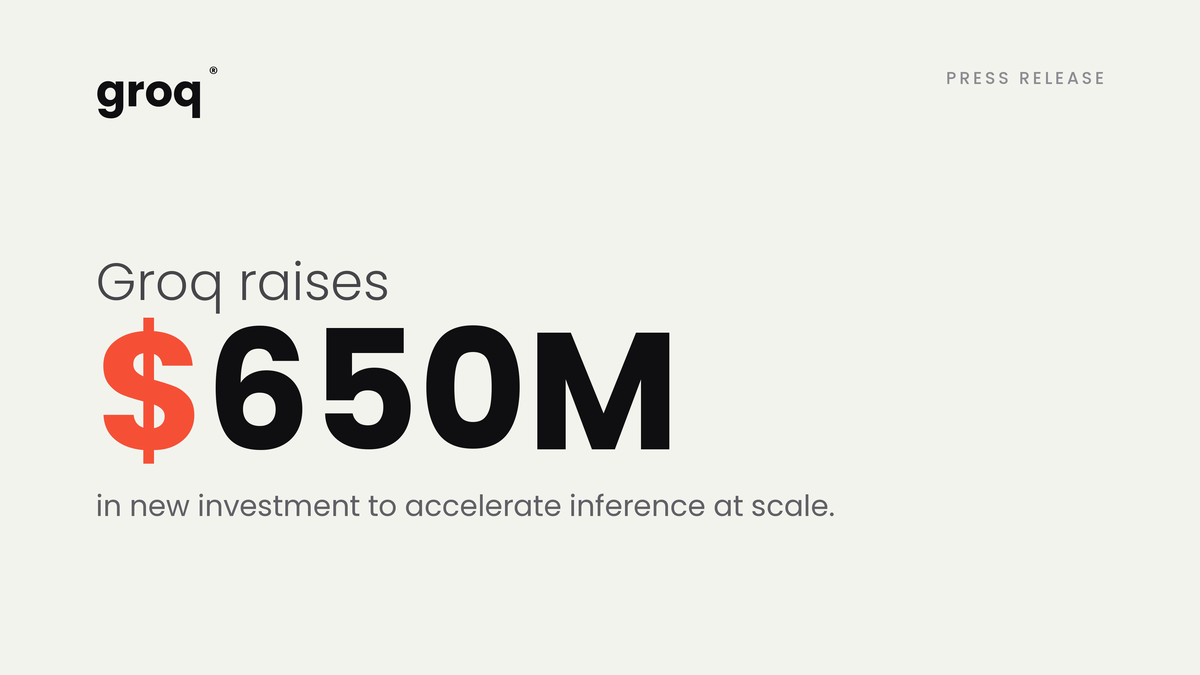
The chip company is rebuilding and scaling its cloud business after a major licensing and talent agreement with Nvidia.
The startup wants agents to own recurring business outcomes across existing applications instead of stopping after a single generated response.
The agentic workspace company added $100 million and appointed a chief revenue officer as it pursues larger business customers.
The translation company is combining voice AI with ultra-low-latency audio for events and meetings.
The Berkeley company will accelerate work on fault-tolerant machines while pursuing additional federal support for U.S. quantum infrastructure.
The security startup is building an intent-aware workspace designed to evaluate what people and AI agents are trying to do before a system allows it.
The agentic system is designed to help business teams analyze information and automate recurring work.
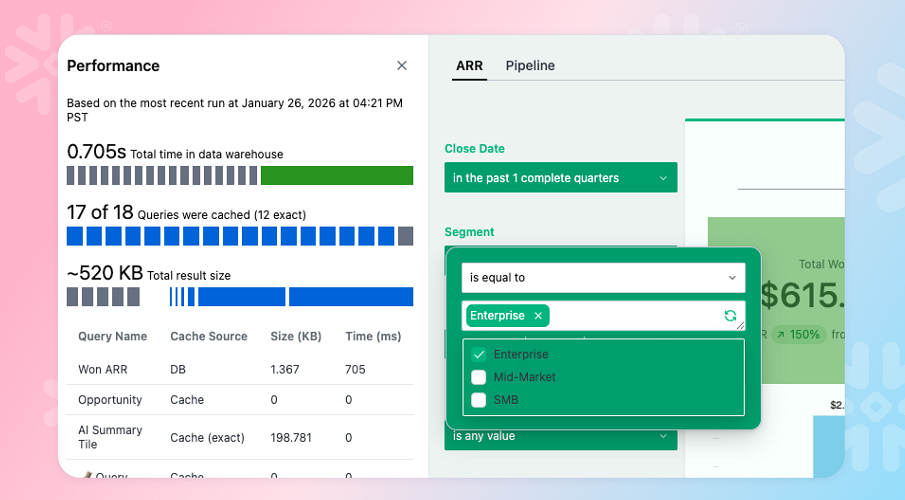
The data company is adding an AI security-operations center to its expanding lakehouse strategy.
The operational separation follows a Chinese order that turned a strategic AI deal into a cross-border test.
The rocket and satellite company entered Nasdaq trading at a valuation above $1.7 trillion.
The San Francisco and Tel Aviv company wants security agents to find and help fix software risks throughout the development lifecycle.
The ChatGPT maker joined Anthropic in a high-stakes race to bring frontier AI companies to public markets.
The open-source database platform is financing faster growth as AI agents generate more applications and infrastructure demand.
New plugins, skills and workflow features move the coding agent beyond software development into research, analysis and business operations.
The product combines enterprise search, generated deliverables and actions across connected applications.
The Claude developer moved ahead of OpenAI as frontier AI companies prepare for public scrutiny.
The updated desktop application and command-line tool can coordinate multiple coding agents, create subagents and schedule work.
The I/O update lets users speak to Gmail, Docs and Keep while introducing an AI image creation and editing workspace.
The $80 million to $90 million arrangement moves more than 20 employees without a formal company purchase.
Richard Socher's new laboratory is pursuing AI systems that can improve their own research process, backed at a reported $4.65 billion valuation.
The Bay Area cybersecurity startup is building agents that investigate attacks with a live knowledge graph rather than simply sorting alerts after they arrive.
The San Francisco startup is trying to replace disconnected sales tools with a system that carries context from prospecting through a closed deal.
Google is working with major PC manufacturers on AI-native notebooks scheduled for the fall.
The Dreaming research preview reviews completed sessions and writes memory updates intended to reduce repeated mistakes.
The six-person startup is training AI to learn digital tasks from video, with efficiency and safety becoming the key tests for its approach.
The company reached a $2 billion valuation as it expands tools that help automated systems search, retrieve and organize online information.
The San Francisco company reached a $1.5 billion valuation by combining chat, spreadsheets and code with a governed layer for company data.
The new system connects marketing data, content, analytics and automated work across the customer lifecycle.
The first model from Meta Superintelligence Labs powers a redesigned Meta AI experience and can coordinate parallel subagents.
The startup is building software intended to let data-center networks adapt automatically to changing AI workloads.
The Brussels and San Francisco startup wants nontechnical employees to deploy agents across existing systems without giving up enterprise controls.
Former Atlassian CTO Sri Viswanath is building a control layer for companies that want autonomous agents without giving up security, governance or oversight.
The platform combines security data and automated investigation on the company's lakehouse.
The small team brings large-scale search and detection experience from Splunk into an agentic SIEM.
The startup formerly known as mcp-use is turning an open-source toolkit into a managed platform for deploying the connectors used by AI applications.
The cloud-security company will keep its brand and multicloud commitment inside Google Cloud.
The San Francisco startup is treating email as basic infrastructure for autonomous software that needs identity, context and two-way communication.
Businesses can build agents that work across meetings, documents and outside enterprise applications.
The Y Combinator startup is making its streaming platform generally available as AI developers look for simpler ways to process live data.
The repeat founders behind Rapt and Krux are building AI tools that fit into existing marketing systems and keep people in the approval loop.
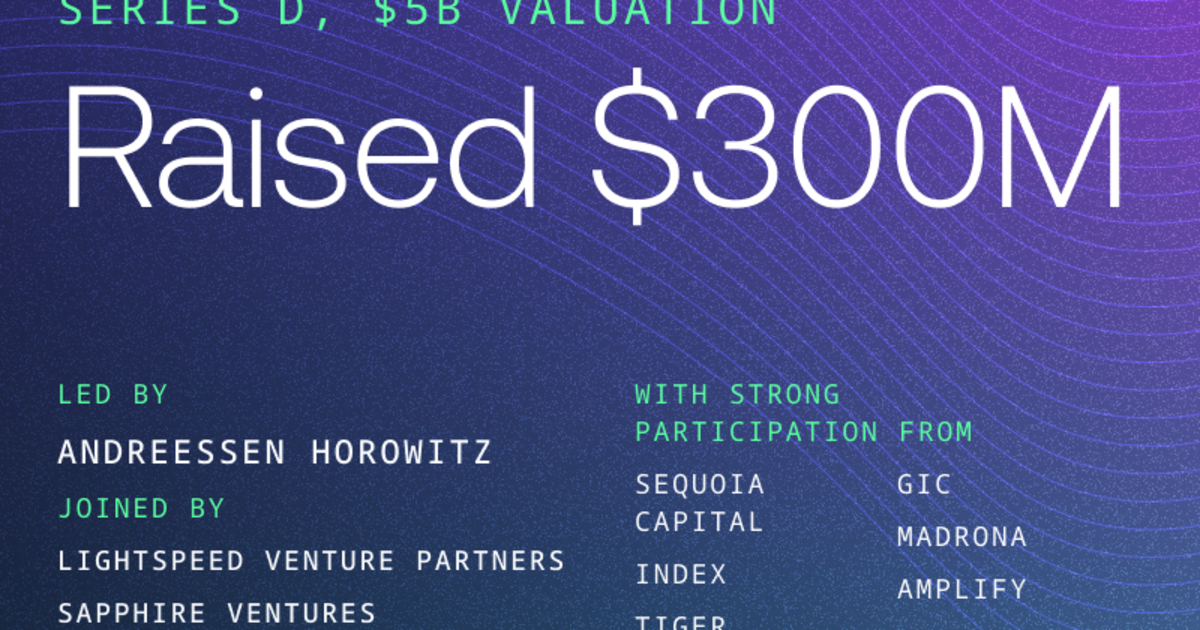
The durable-computing company reached a $5 billion valuation as enterprises look for infrastructure that can keep long-running AI work on track.
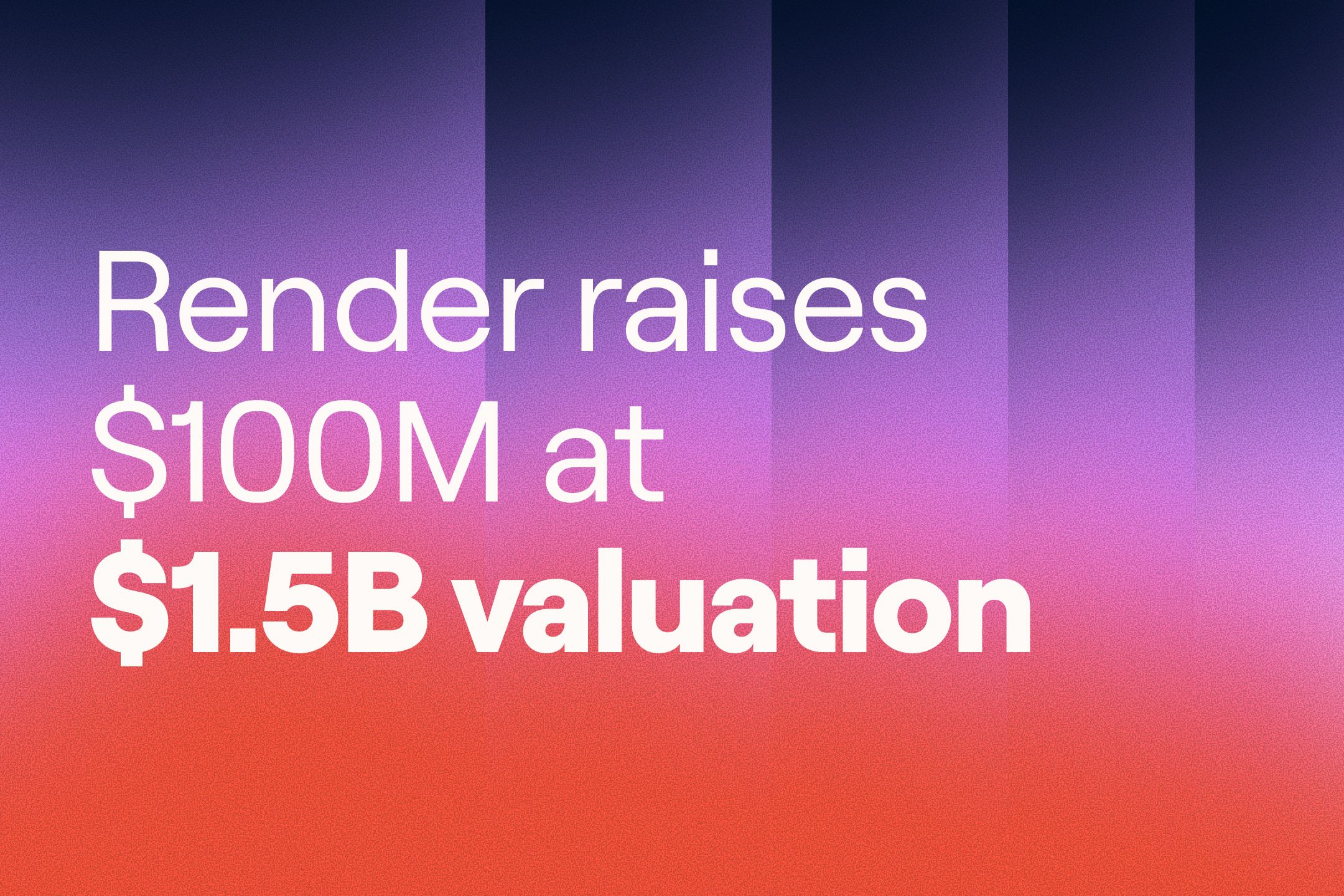
The Series C extension values the developer platform at $1.5 billion as more teams need persistent infrastructure for applications and agents.
The observability startup reached an $800 million valuation as companies seek better ways to test and improve applications built on language models.
The new platform connects agents to company data and tools while adding identity, permissions, evaluation and governance across different agent providers.