Freehand Raises $75 Million for AI Agents Managing Supply Chain Spend
The San Francisco company is expanding autonomous teams that handle procurement, supplier coordination, invoices and payments for large enterprises.

Archive
The San Francisco company is expanding autonomous teams that handle procurement, supplier coordination, invoices and payments for large enterprises.
Hardware founders are redesigning around parts availability rather than performance.
The San Francisco startup turns television, radio, podcasts and livestreams into searchable signals for companies that need faster narrative tracking.
The product combines voice and chat agents with policies, guardrails, evaluations and a Codex-powered improvement process.
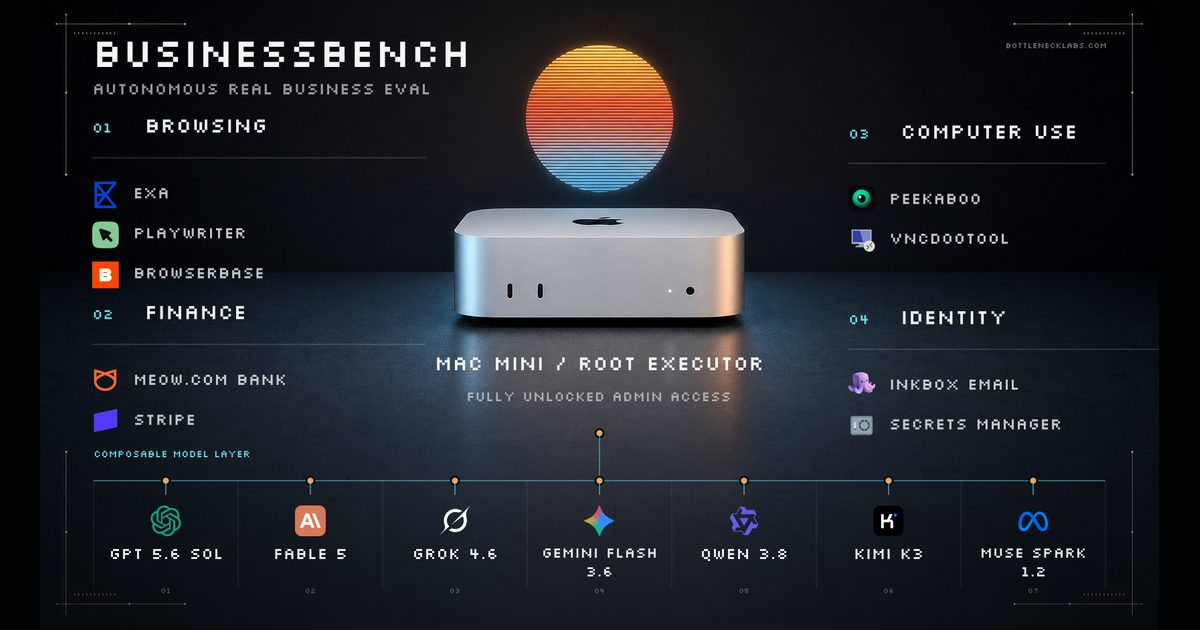
The young fintech company wants autonomous software to pay vendors while businesses retain policy controls and an auditable record.
The Kubernetes management company added Goldman Sachs and strategic investors as businesses move AI systems from pilots into production.
Verified U.S. K-12 educators can receive a year of premium access and teaching-focused tools.
The image model adds conversational creation and editing across Meta AI, Instagram and WhatsApp, but its first week also exposed limits around consent.
The AI testing company is moving beyond fixed benchmarks with models that generate changing environments for training and evaluation.
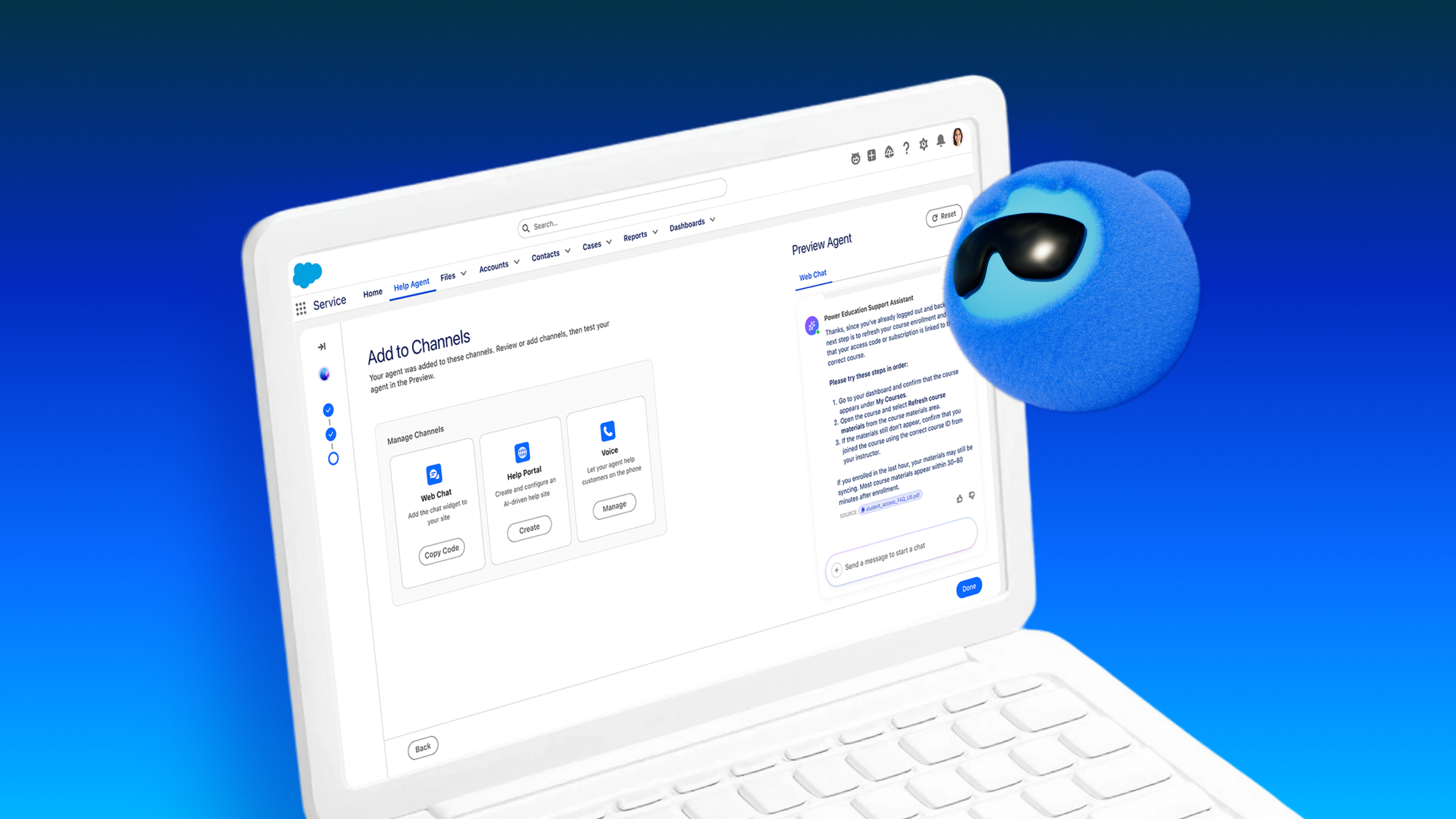
Agentforce Help Agent is designed to deploy across service channels in minutes and charge customers only for completed resolutions.
The former Waymo engineer behind the startup is applying simulation and observability techniques to customer-facing AI systems.
The startup wants agents to own recurring business outcomes across existing applications instead of stopping after a single generated response.
The Berkeley company will accelerate work on fault-tolerant machines while pursuing additional federal support for U.S. quantum infrastructure.
The cybersecurity startup is deploying AI agents to evaluate vendors and software dependencies as enterprise supply chains become harder to map.
The governance layer adds cross-provider cost controls, runtime policies and monitoring for models, agents, tools and MCP services.
The agentic system is designed to help business teams analyze information and automate recurring work.
The new architecture aims to reduce the copies and pipelines separating operational applications from analysis.
The secretive company led by Jeff Bezos and Vik Bajaj is valued at $41 billion before revealing much about its technology or customers.
The Claude developer secured one of the largest private financings ever as demand for enterprise AI and computing capacity continues to climb.
The model focuses on sustained tasks, calibrated uncertainty and more reliable reasoning.
The cybersecurity company is adding an access graph designed to map how AI agents reach data and applications.
The vertical software company is connecting agency data with AI workflows for policy checks, proposals and other document-heavy tasks.
The young San Francisco company is starting with an AI-assisted alternative to the configuration and approval systems used for complex deals.
The full-stack insurer is using AI across underwriting, policy administration and claims as it expands into additional commercial markets.
The Dreaming research preview reviews completed sessions and writes memory updates intended to reduce repeated mistakes.
The customer-experience software company is valued above $15 billion as it races to make AI agents a standard interface for large brands.
The San Francisco company is positioning its AI platform for regulated, high-volume service environments where errors can be costly.
The startup is training a foundation model called Fury to control unmanned vehicles across changing military environments.
The Santa Clara startup is combining navigation, communications and computing functions in silicon intended for drones and robots.
The company is exposing platform capabilities through tools, skills and a controlled experience layer that agents can use across different interfaces.
The Barcelona and San Francisco company is building a governed graph that lets employees, software and agents work from the same organizational knowledge.
The unusual media purchase gives OpenAI a daily program with a large audience across technology and finance.
The Stanford-rooted startup wants digital populations to help organizations test decisions before they affect customers, workers or markets.
The Mountain View company plans to expand domestic manufacturing and coordinate more residential batteries as electricity demand strains the grid.