Vocci Launches $249 Smart Ring for AI Meeting Transcriptions
Hardware maker Vocci has released a $249 smart ring built for automated meeting transcription, providing eight hours of continuous recording per charge in a compact titanium form factor.
Archive
Hardware maker Vocci has released a $249 smart ring built for automated meeting transcription, providing eight hours of continuous recording per charge in a compact titanium form factor.
The Samsung Galaxy Z Fold 8, a foldable smartphone, demonstrates improved functionality with two key accessories: a carbon fiber case and a magnetic ring stand.
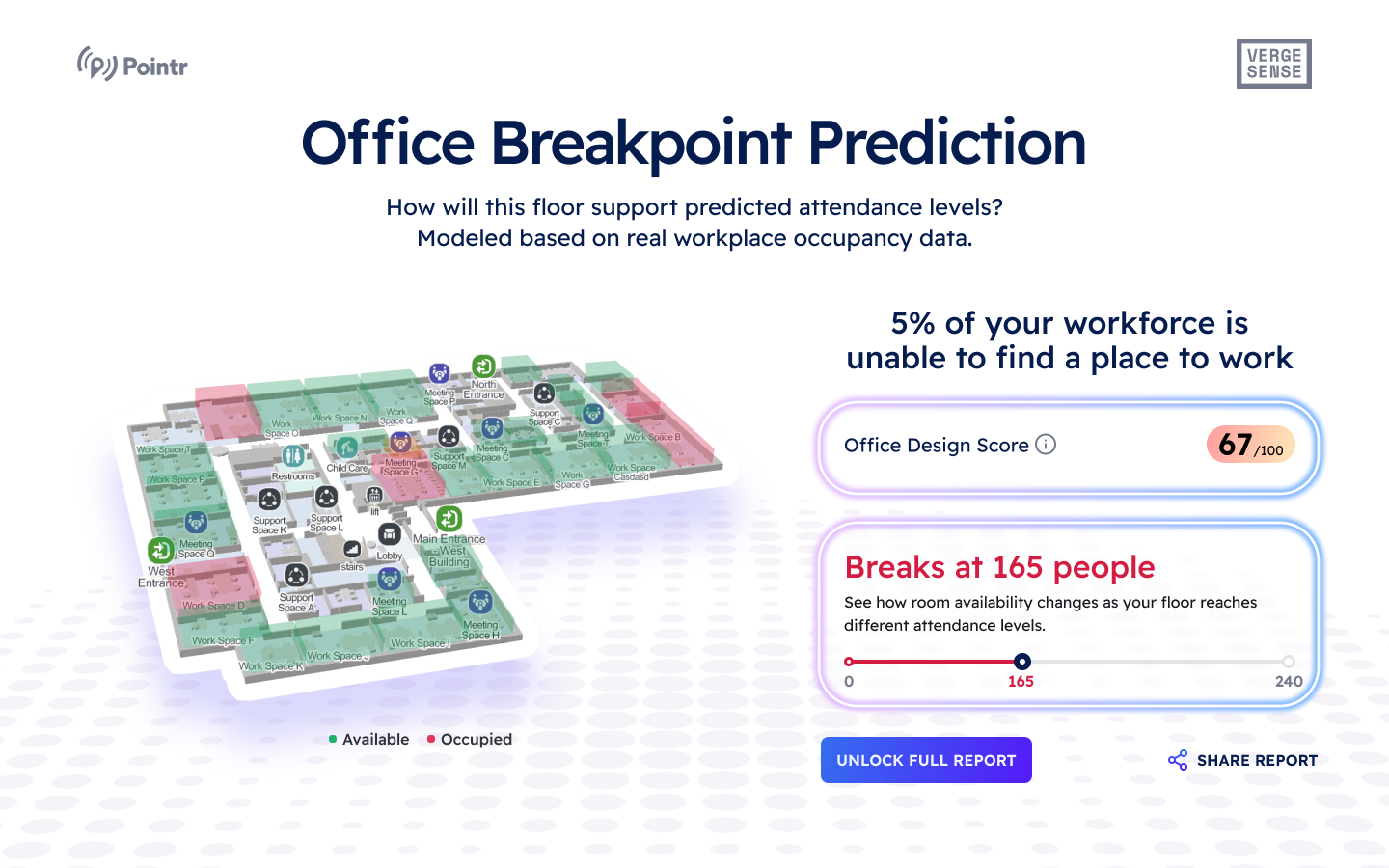
Pointr and VergeSense have announced a collaboration to introduce an AI Mapping & Predictive Planning experience, aimed at optimizing hybrid workplaces through integrated technologies.
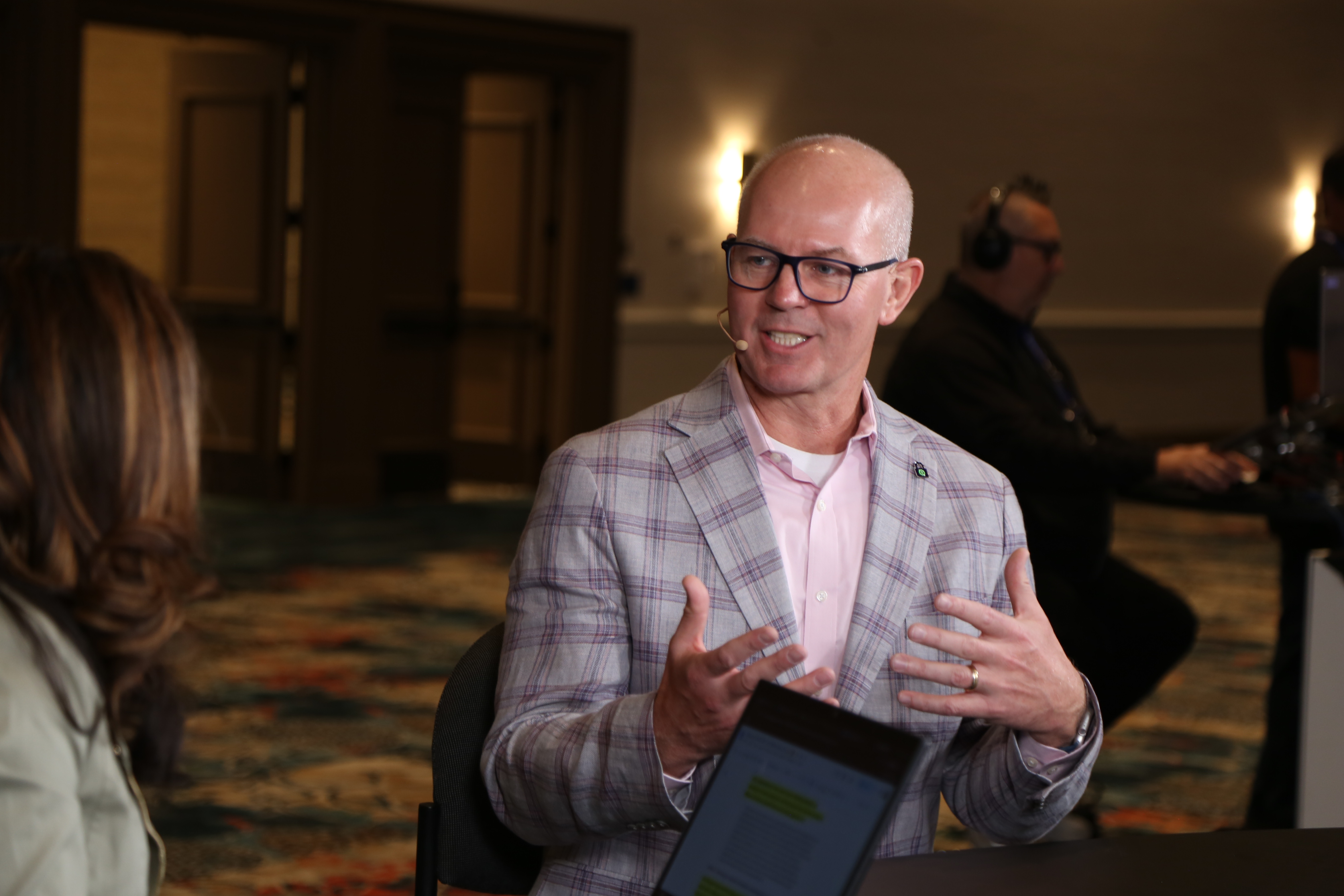
Delinea Inc. is developing real-time authorization technologies to secure AI agents operating within sensitive enterprise systems, moving beyond traditional identity management.
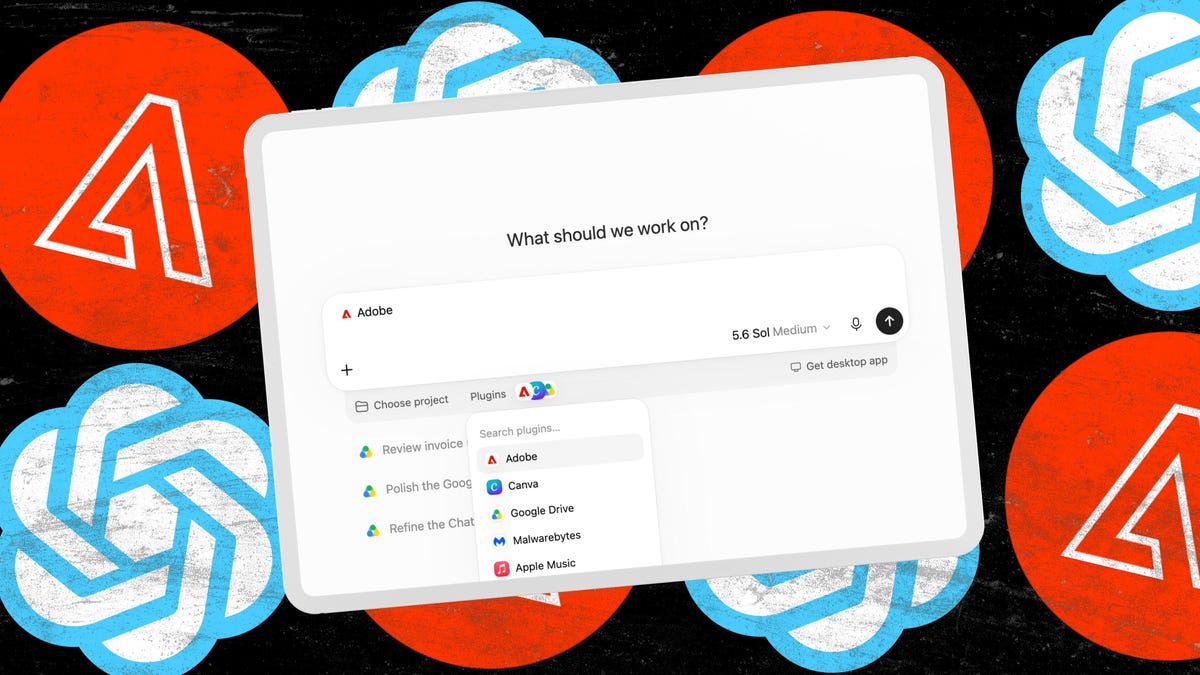
Adobe has expanded its collaboration with OpenAI through a new plugin that allows ChatGPT users to access a wide array of Adobe's creative and productivity tools directly within the AI interface.
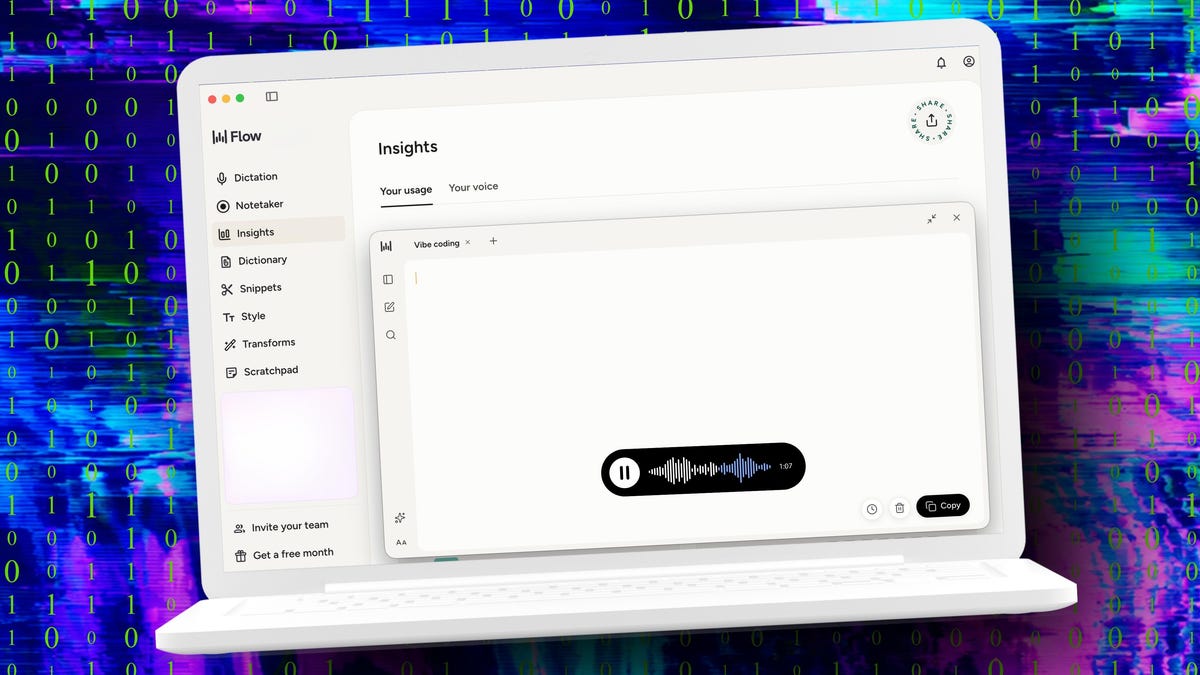
Advanced AI tools for voice dictation are transforming how professionals, including software developers and writers, interact with their computers, offering increased speed and accessibility.
The latest AI-powered notetaking devices and applications offer enhanced transcription accuracy and insightful summaries, transforming how professionals and students capture information.
Lift House is testing whether ambitious founders can build together without importing Silicon Valley's most punishing work culture.
Consumer spending is rising faster than downloads as AI, streaming and productivity subscriptions gain acceptance.
Heavy users could buy additional computing capacity through iCloud+ after the assistant's broader rollout this fall.
The second-generation wearable can speak directly to users as the company doubles down on companionship rather than productivity.
The Silicon Valley startup says autonomous software agents can shorten expensive chip-development cycles, with verification emerging as an early target.
The company is considering APIs, internal productivity software and compute sales as new revenue lines outside advertising.
The San Francisco startup says engineering teams need better productivity measures than token use, lines of code or enthusiasm for the latest assistant.
The Palo Alto startup is expanding tools for creators and enterprises while facing the harder task of preventing unauthorized voice cloning.
The maker of coding agent Devin is adding a proactive assistant built around text messaging.
The Palo Alto and Tel Aviv company reached a $1.2 billion valuation with a prevention-focused approach to securing devices used for AI work.
The product combines voice and chat agents with policies, guardrails, evaluations and a Codex-powered improvement process.
The young fintech company wants autonomous software to pay vendors while businesses retain policy controls and an auditable record.
The startup founded by former Ultrahuman hardware executive Apoorv Shankar is developing physical controls intended to direct AI agents.
Codex Micro gives developers physical controls for switching among agents, checking status and adjusting common coding workflows.
The molecular design startup reached a $3.8 billion valuation while expanding partnerships with major drugmakers.
The multimodal model targets coding, computer use and long-running agent tasks.
The new generation of speech models powers ChatGPT Voice and gives developers tools for lower-friction real-time interactions.
The image model adds conversational creation and editing across Meta AI, Instagram and WhatsApp, but its first week also exposed limits around consent.
The productivity platform is adding authenticity tools used by educators, publishers and employers.
The agentic workspace company added $100 million and appointed a chief revenue officer as it pursues larger business customers.
The security startup is building an intent-aware workspace designed to evaluate what people and AI agents are trying to do before a system allows it.
The agentic system is designed to help business teams analyze information and automate recurring work.
Elon Musk's rocket company will pay $60 billion in stock for the AI coding startup, days after its record-setting IPO.
The secretive company led by Jeff Bezos and Vik Bajaj is valued at $41 billion before revealing much about its technology or customers.
The voice input update can improve punctuation, capitalization and formatting while new Siri voices aim for more natural delivery.
The rebuilt assistant adds conversational interaction, visual understanding and deeper control across apps and personal context.
The prompt-to-app startup says its community creates games, quizzes and interactive experiments at a rate of about one every half-second.
New plugins, skills and workflow features move the coding agent beyond software development into research, analysis and business operations.
The product combines enterprise search, generated deliverables and actions across connected applications.
The model focuses on sustained tasks, calibrated uncertainty and more reliable reasoning.
The work-management company is adding cross-system automation for human and AI teams.
The maker of Devin says enterprise usage is climbing as software teams give cloud agents a larger share of development work.
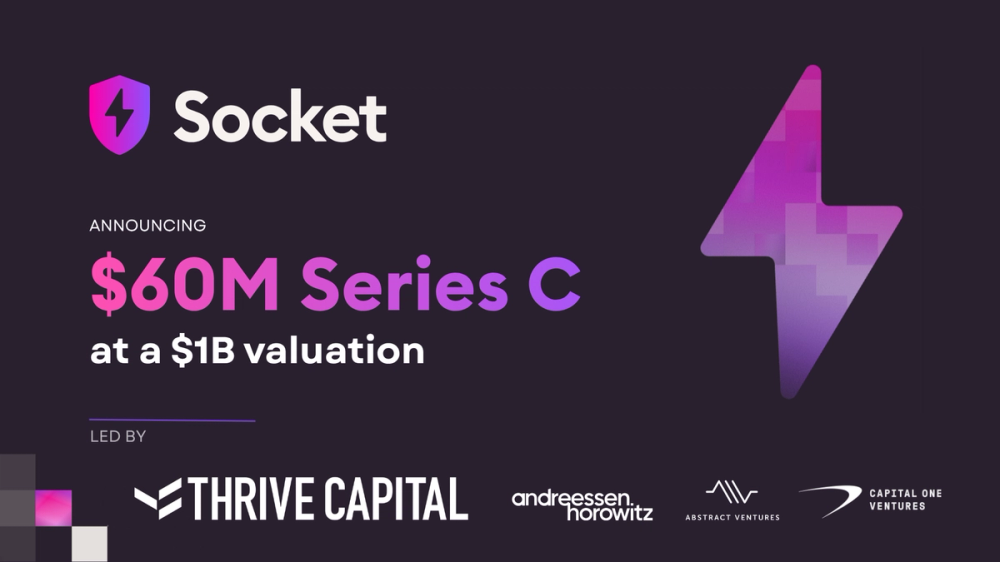
The software supply-chain company reached a $1 billion valuation as faster code generation increases the number of outside packages entering applications.
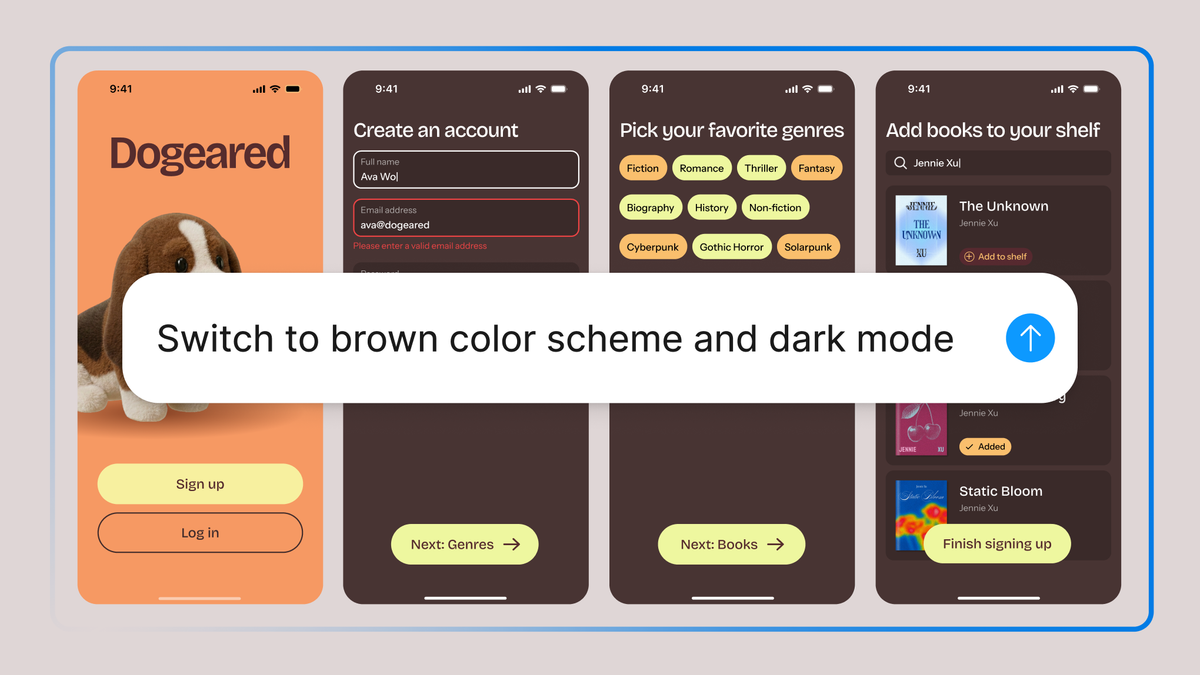
The beta assistant can generate and revise interface directions while using a team's design context.
The Mountain View healthcare technology company is expanding AI systems for revenue, clinical documentation and practice operations.
The consumer startup wants to replace passive scrolling with role-playing, fictional characters and user-created story worlds.
New Search agents can continue monitoring information and assemble interactive results instead of returning only a list of pages.
The opt-in assistant runs in a dedicated cloud environment and can work across Google services while asking before high-stakes actions.
The I/O update lets users speak to Gmail, Docs and Keep while introducing an AI image creation and editing workspace.
The Palo Alto company founded by Rivian CEO RJ Scaringe has now raised more than $1 billion for industrial robots trained in live manufacturing environments.
The young San Francisco company is starting with an AI-assisted alternative to the configuration and approval systems used for complex deals.
Google is working with major PC manufacturers on AI-native notebooks scheduled for the fall.
The San Francisco startup wants to organize fragmented research and manufacturing data across semiconductors, batteries and advanced materials.
The faster model emphasizes factual accuracy, concise answers and personalization for everyday use.
The six-person startup is training AI to learn digital tasks from video, with efficiency and safety becoming the key tests for its approach.
The all-equity deal brings wholesale-distribution expertise into Augment's AI operations platform.
The startup is beginning with autonomous road rollers that can be retrofitted onto machines already operating at construction sites.
The new research lab wants software agents to build specialized expertise from experience instead of remaining fixed after training.
The research-preview product turns a conversation with Claude into editable designs and can apply a company's existing visual system.
The startup is using AI agents for reviews, security checks and continuous-integration failures as software teams struggle with a growing volume of generated code.
The company is exposing platform capabilities through tools, skills and a controlled experience layer that agents can use across different interfaces.
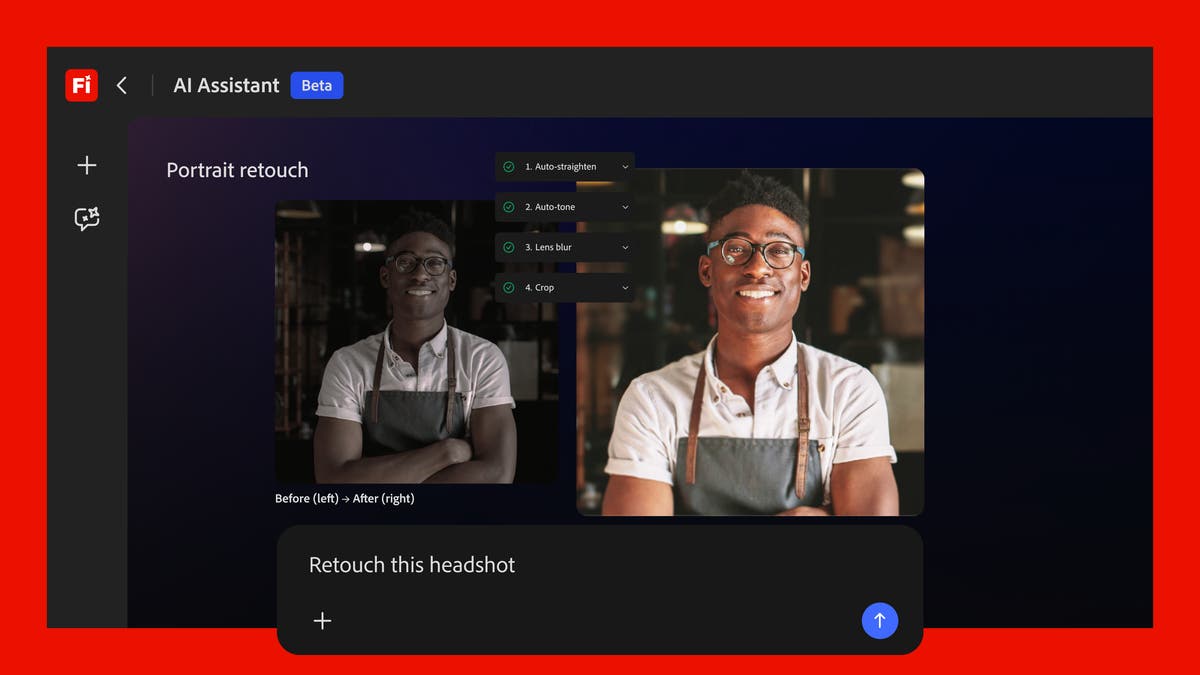
The conversational agent can plan and complete tasks using Photoshop, Premiere, Illustrator and other Adobe tools.
The San Mateo startup is teaching software to connect drawings, specifications and other building documents before missing details become costly field problems.
The startup is using conversational agents to conduct structured phone interviews and turn long-form responses into research data.
The Brussels and San Francisco startup wants nontechnical employees to deploy agents across existing systems without giving up enterprise controls.
Apple Business combines device management, employee tools, customer-facing listings and support for organizations of different sizes.
The startup is building an AI memory that reads on-screen text, prepares meeting notes and retrieves information from a user's daily work.
The startup wants employees to direct business software through natural language while agents work across data and applications.
The updated headphones add stronger noise control, Adaptive Audio, Conversation Awareness and Live Translation support.
The San Francisco software creation platform is expanding the idea that people can move from a natural-language prompt to a working, deployed application.
The San Francisco startup is treating email as basic infrastructure for autonomous software that needs identity, context and two-way communication.
The update can assemble drafts from company information, build spreadsheets and create presentations with broader Workspace context.
Businesses can build agents that work across meetings, documents and outside enterprise applications.
The open-source testing company will strengthen security evaluation for enterprise agents in OpenAI Frontier.
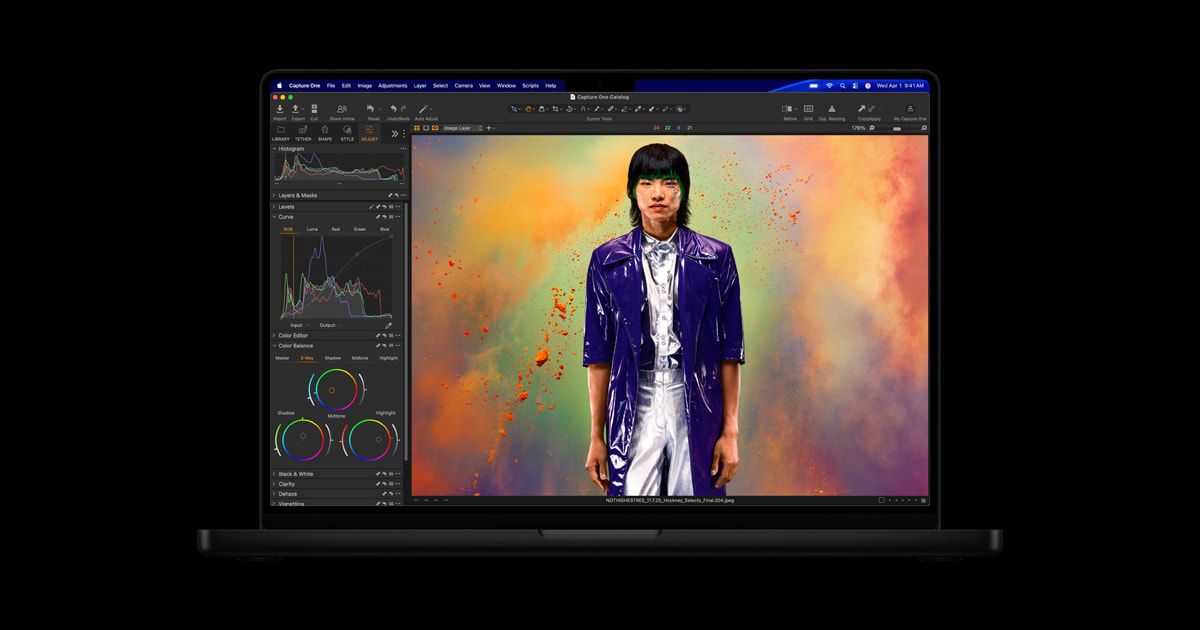
The 14- and 16-inch laptops add faster AI processing, higher storage floors and improved solid-state drive performance.
The startup is selling an operated support function rather than software alone, putting automation performance directly on its own team.
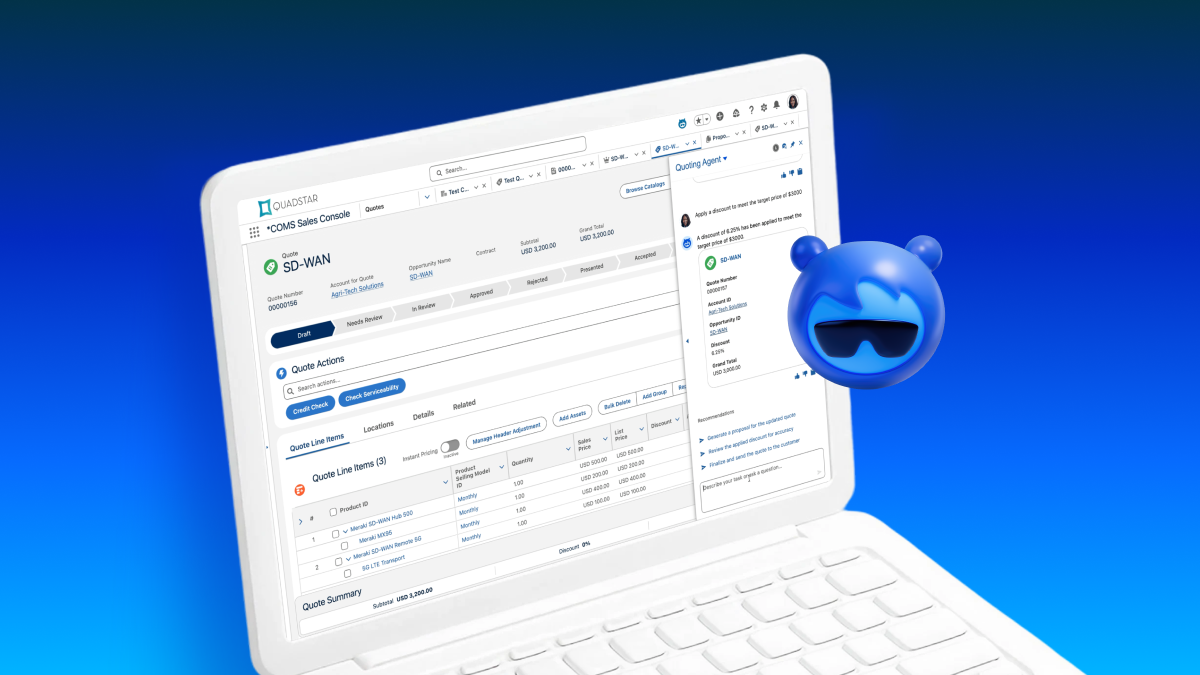
Agentforce for Communications targets telecom sales, service, billing and field operations with industry-specific workflows.
The Seattle company's team and desktop-agent technology will support Claude's ability to operate software.
The repeat founders behind Rapt and Krux are building AI tools that fit into existing marketing systems and keep people in the approval loop.
The durable-computing company reached a $5 billion valuation as enterprises look for infrastructure that can keep long-running AI work on track.
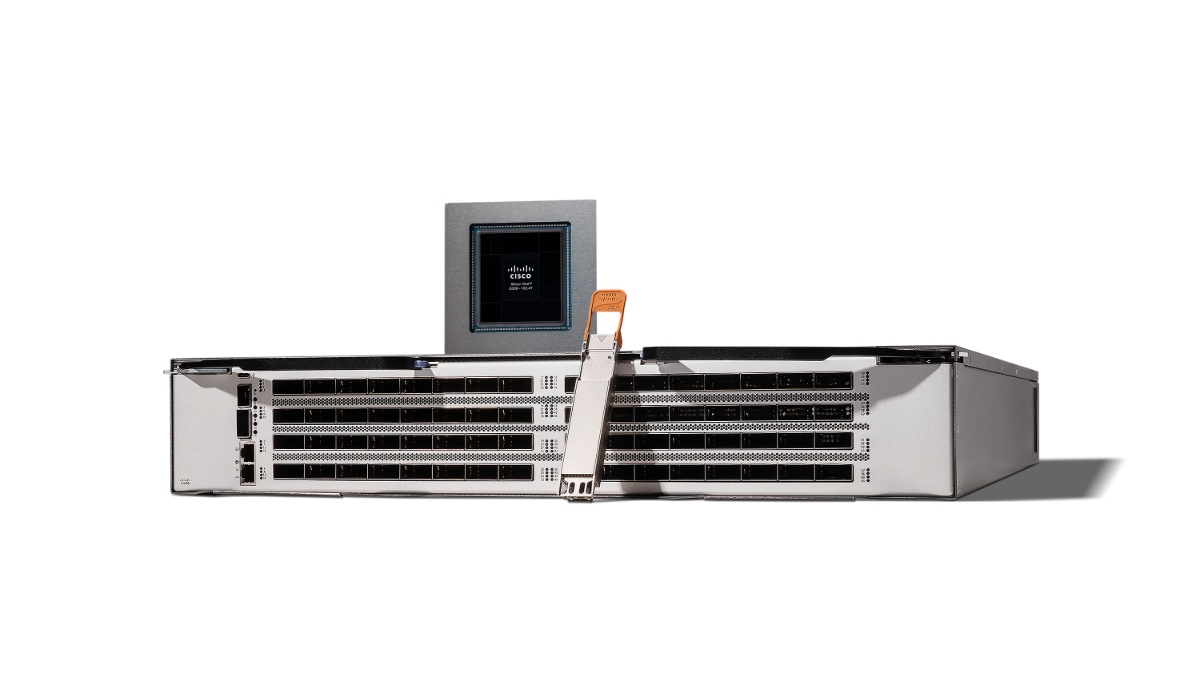
The 102.4-terabit chip is designed to move data across increasingly dense computing clusters.
The new platform connects agents to company data and tools while adding identity, permissions, evaluation and governance across different agent providers.