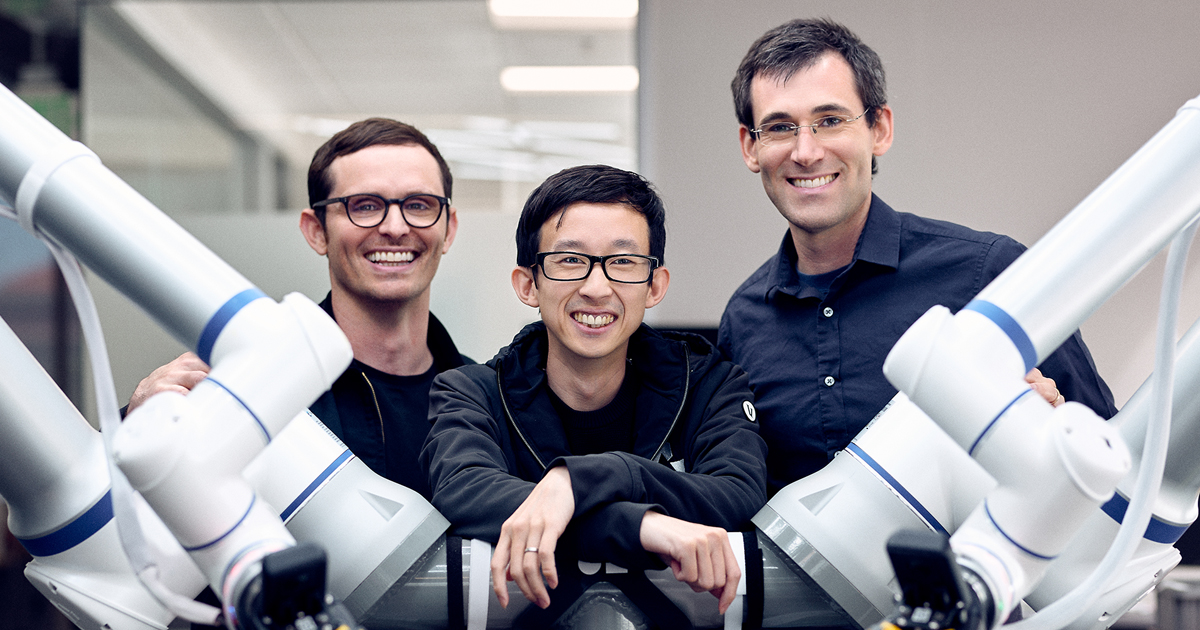
Eliyan Reaches $1 Billion Valuation With $145 Million Series C
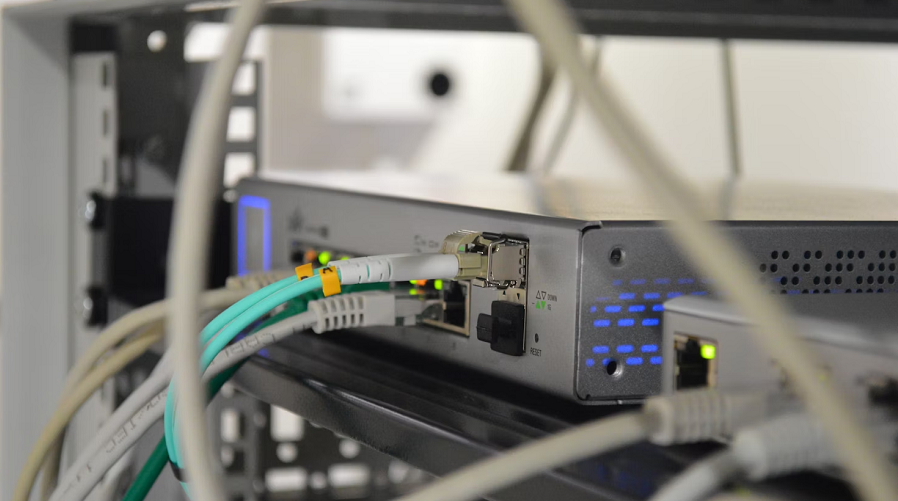
The Santa Clara startup is building chiplet and licensing technology designed to move data faster between AI processors, memory and networking systems.
Archive
The Santa Clara startup is building chiplet and licensing technology designed to move data faster between AI processors, memory and networking systems.
The startup lets users schedule workflows and assign agents to tasks based on open tabs rather than targeting occasional consumer bookings.
The startup uses one industrial waste stream to process another, aiming to make iron cover costs while titanium and rare earths provide profit.
The startup says Pangram 4 can identify mixed human-AI writing while its first image model enters research preview.
The Palo Alto startup is expanding tools for creators and enterprises while facing the harder task of preventing unauthorized voice cloning.
The chipmaker's strategic partnership with Ilya Sutskever's research lab couples new capital with access to Vera Rubin computing systems.
The AI chip startup plans to scale production and customer deployments as it builds specialized hardware for high-volume inference.
The Palo Alto and Tel Aviv company reached a $1.2 billion valuation with a prevention-focused approach to securing devices used for AI work.
The model infrastructure company says annual recurring revenue has passed $1 billion as customers deploy more specialized AI systems.
The startup founded by former Ultrahuman hardware executive Apoorv Shankar is developing physical controls intended to direct AI agents.
The Tel Aviv and San Francisco startup wants one continuously updated graph for employees, software accounts, service identities and AI agents.
The molecular design startup reached a $3.8 billion valuation while expanding partnerships with major drugmakers.
The open-model infrastructure company plans to expand training and inference services as enterprises seek alternatives to closed AI platforms.
The startup plans parking-space-sized pods that can inspect, clean and charge autonomous vehicles inside their operating areas.
The AI testing company is moving beyond fixed benchmarks with models that generate changing environments for training and evaluation.
The San Francisco and Tokyo company is developing low-latency speech models for Japanese, Korean and Chinese applications.
The Oakland company is expanding technology that structures fragmented patient information for clinical care, research and regulatory evidence.
Two former Anthropic and Google researchers launched the company at a $1 billion valuation with backing from Andreessen Horowitz, Kleiner Perkins and Nvidia.
The AI infrastructure company is using its fourth financing in 18 months to expand model inference services for enterprise customers.
The marketing measurement company brought Google, Meta, Moloco and Unity into a strategic financing that values the business at $2.7 billion.
The chip company is rebuilding and scaling its cloud business after a major licensing and talent agreement with Nvidia.
The Palo Alto startup is using AI to help companies define specialized processors before the expensive physical design and manufacturing stages.
The Stanford-founded startup plans to ship a wellness wristband that infers hormone patterns without blood draws while it pursues clinical validation.
The agentic workspace company added $100 million and appointed a chief revenue officer as it pursues larger business customers.
The Berkeley company will accelerate work on fault-tolerant machines while pursuing additional federal support for U.S. quantum infrastructure.
The secretive company led by Jeff Bezos and Vik Bajaj is valued at $41 billion before revealing much about its technology or customers.
The San Francisco and Tel Aviv company wants security agents to find and help fix software risks throughout the development lifecycle.
The biotechnology company plans to move nonviral treatments for Duchenne muscular dystrophy and polycystic kidney disease toward clinical testing.
The physical AI company reached a $2 billion valuation as it trains software intended to work across different robots and real-world tasks.
The Claude developer secured one of the largest private financings ever as demand for enterprise AI and computing capacity continues to climb.
The maker of Devin says enterprise usage is climbing as software teams give cloud agents a larger share of development work.
The startup is building a network that records first-person human activity, bringing privacy, consent and worker pay into the robotics data race.
The San Francisco startup reached a $2.2 billion valuation by selling web search and content retrieval directly to software developers.
Richard Socher's new laboratory is pursuing AI systems that can improve their own research process, backed at a reported $4.65 billion valuation.
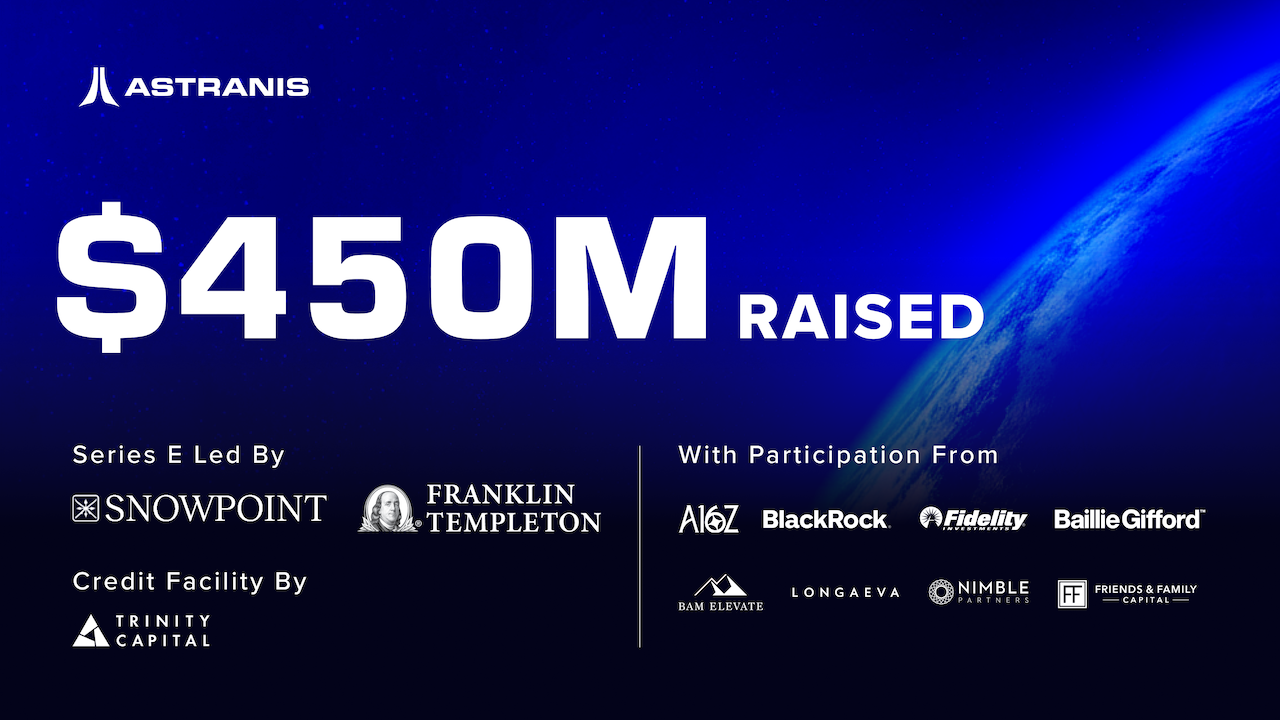
The satellite manufacturer is combining a Series E round with a credit facility as it expands production for commercial and government missions.
The San Francisco startup wants to organize fragmented research and manufacturing data across semiconductors, batteries and advanced materials.
The customer-experience software company is valued above $15 billion as it races to make AI agents a standard interface for large brands.
The six-person startup is training AI to learn digital tasks from video, with efficiency and safety becoming the key tests for its approach.
The company reached a $2 billion valuation as it expands tools that help automated systems search, retrieve and organize online information.
The new research lab wants software agents to build specialized expertise from experience instead of remaining fixed after training.
The marine robotics company is pairing underwater vehicles with surface vessels and launch systems for commercial and defense missions.
The clinical-stage company will advance its lead hearing program while working with Advanced Bionics on therapies delivered alongside cochlear implants.
The San Mateo startup is teaching software to connect drawings, specifications and other building documents before missing details become costly field problems.
The Redwood City company will scale access to an FDA-cleared prescription belt designed for people with low bone density.
The startup is building software intended to let data-center networks adapt automatically to changing AI workloads.
The San Francisco company pairs software agents with growth specialists as brands adjust to search results shaped by traditional engines and AI answers.
The startup is using conversational agents to conduct structured phone interviews and turn long-form responses into research data.
The financing gives the San Francisco AI company an extraordinary capital base, while placing equal pressure on revenue growth, infrastructure execution and product focus.
Former Atlassian CTO Sri Viswanath is building a control layer for companies that want autonomous agents without giving up security, governance or oversight.
The Mountain View startup is combining expert labor, evaluations and software infrastructure to improve AI systems after their initial training.
The San Jose chip startup is betting that a shorter, vertical path for electricity can remove a growing bottleneck inside high-performance AI systems.
The Mountain View robotics company reached a $1.15 billion valuation with a plan to begin real household deployments in the fall.
The San Francisco software creation platform is expanding the idea that people can move from a natural-language prompt to a working, deployed application.
The Santa Clara company reached a $4.2 billion valuation as large AI systems create demand for faster, more flexible connections between processors.
The brain-computer interface company is preparing its PRIMA vision-restoration system for commercialization while funding a broader clinical pipeline.
The semiconductor startup is moving its co-packaged optics technology toward volume production as data centers demand faster, more efficient connections.
The Palo Alto AI infrastructure company will use the capital to expand its SN50 chip and SambaCloud platform as demand grows for alternatives in inference computing.
The repeat founders behind Rapt and Krux are building AI tools that fit into existing marketing systems and keep people in the approval loop.
Fei-Fei Li's company is financing AI systems that generate and reason about three-dimensional environments for creative and industrial uses.
The durable-computing company reached a $5 billion valuation as enterprises look for infrastructure that can keep long-running AI work on track.
The Mission Bay startup is building laboratory systems that use living neurons for AI workloads, an ambitious alternative to conventional silicon.
The Stanford-rooted startup wants digital populations to help organizations test decisions before they affect customers, workers or markets.
Alphabet's robotaxi company is financing a major expansion as autonomous ride-hailing moves from limited deployments toward a broader transportation network.