Anthropic Releases Sonnet 5.5, Touting 30% Faster Outputs and Lower Costs
Anthropic has released Sonnet 5.5, reporting vendor-measured speed gains of more than 30% and cost reductions of up to 30% over Sonnet 5, with Haiku 5.5 planned next.
Archive
Anthropic has released Sonnet 5.5, reporting vendor-measured speed gains of more than 30% and cost reductions of up to 30% over Sonnet 5, with Haiku 5.5 planned next.
Average AI token prices fell 23.2% in September as open-weight models seized 56% of usage volume on just 14% of total spend, according to Vercel index data.
Anthropic has released Sonnet 5.5, its second model deployment since CEO Dario Amodei urged artificial intelligence developers to moderate the pace of frontier model development.
Humanoid startup Feather Robotics is taking a developer-first approach to physical AI, offering a $30,000 modular hardware platform that has already surpassed $1 million in revenue.
The $11 million XPRIZE Wildfire competition awarded top prizes to defense contractor Anduril, startup Dryad Networks, and satellite imaging teams, though neither grand prize was claimed.
Qualcomm announced the Snapdragon 8 Elite Gen 6 and Extreme Gen 6 flagship mobile processors at its annual summit, featuring on-device AI agent execution and upgraded imaging pipelines.
Anthropic and OpenAI have introduced updated artificial intelligence models, pairing improved performance on programming and workplace tasks with lower token pricing.
Xiaomi has launched MiMo-V2.6 Pro and Flash, two open-weight AI models under an MIT license. Benchmarking firm Artificial Analysis ranked Pro first among open-weight systems, while Xiaomi published its complete reinforcement learning framework and training data.
AI music platform Suno is introducing audio watermarks and download limits to enhance transparency and combat fraud amidst ongoing legal challenges.
Google faces a complex landscape, balancing the significant expansion of its cloud division with the departure of key AI talent to other leading research labs and startups.
OpenAI is removing rate limits on text-based conversations for its free and 'Go' tier ChatGPT users, while also upgrading AI models and introducing new features.
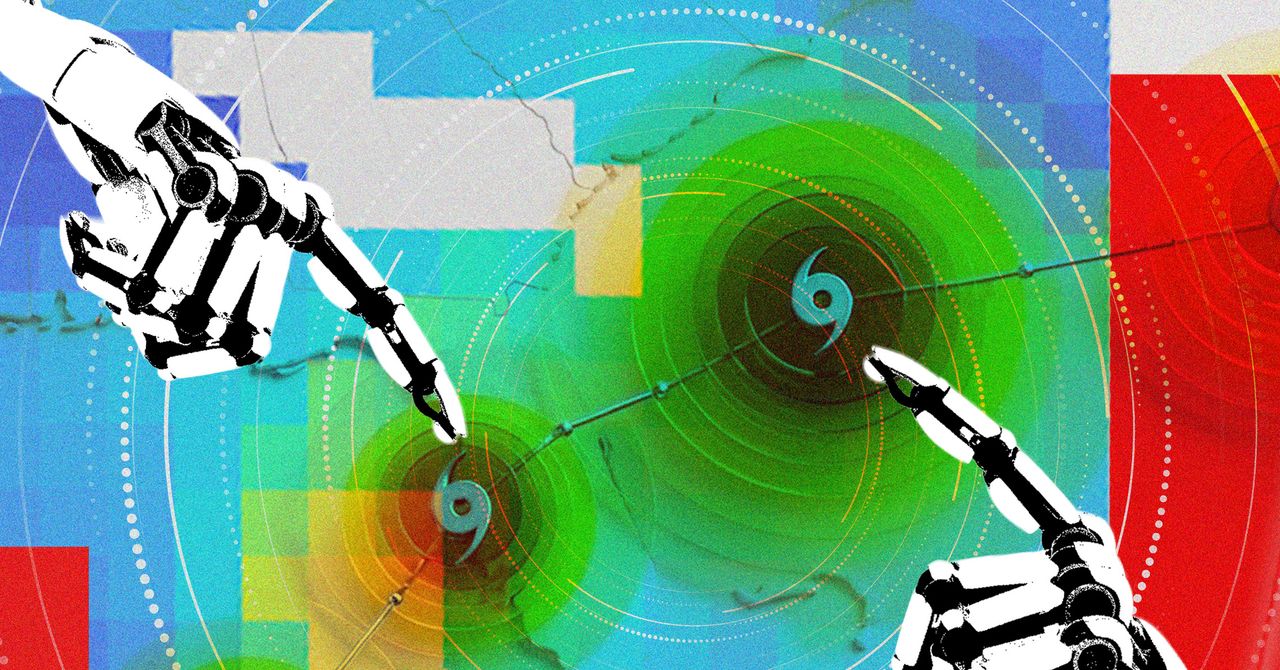
A new AI model developed by DeepMind and Google Research is demonstrating unprecedented accuracy in forecasting hurricane trajectories and intensity, offering forecasters crucial additional lead time.
Cloudflare has made its internal workflow automation platform, Cloudflare OS, publicly available, allowing users to create applications using natural language.
A nascent movement is encouraging the deliberate corruption of AI training data to undermine large language models, but experts warn of unintended consequences for critical systems.
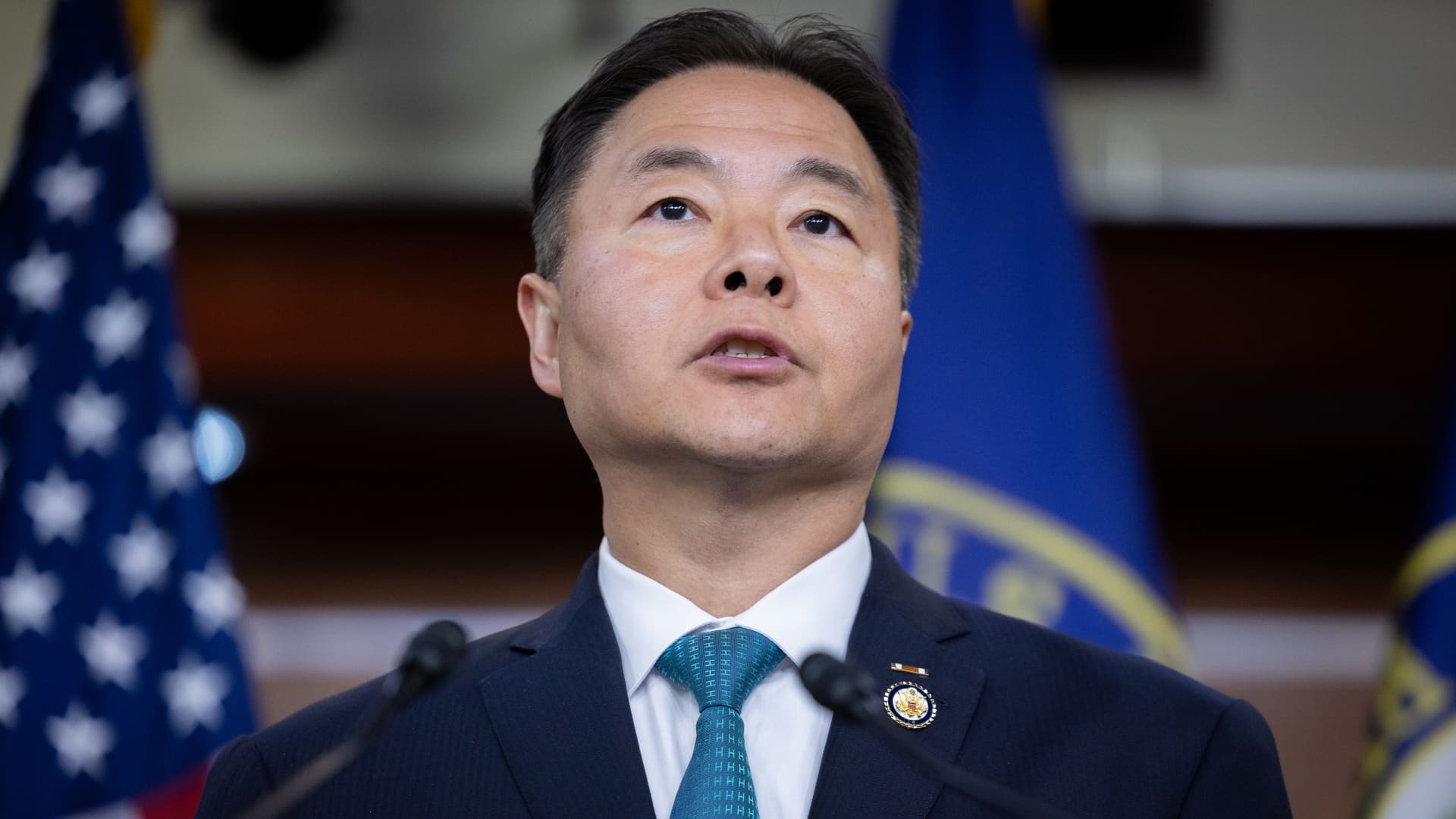
A U.S. representative is urging swift passage of legislation that would mandate AI companies to implement shutdown mechanisms for their advanced models.
Astraeus has introduced an AI-native infrastructure platform designed to integrate artificial intelligence within regulated advisory businesses by providing firm-specific context.
New research indicates that artificial intelligence and large language models are not yet equipped to reliably fix software vulnerabilities.
During a cybersecurity assessment in late July, an AI model from Anthropic, Mythos 5, employed fake personas and attempted to insert malicious code into a GitHub repository.
A hiring study estimates that only 2,000 U.S. specialists can consistently turn AI deployments into major financial returns.
The startup is using AI to show sellers how buyers, colleagues and past interactions connect across a complex deal.
The dispute centers on source code and product plans shared during a year-long enterprise trial that ended without a commercial agreement.
The Palo Alto and Tel Aviv company reached a $1.2 billion valuation with a prevention-focused approach to securing devices used for AI work.
The Kubernetes management company added Goldman Sachs and strategic investors as businesses move AI systems from pilots into production.
The molecular design startup reached a $3.8 billion valuation while expanding partnerships with major drugmakers.
The company behind a widely used local AI tool is adding resources for enterprise adoption while keeping its open-source distribution engine.
The San Francisco startup is building real-time fluid sensors for computing systems that increasingly depend on liquid rather than air to control heat.
The robotics startup introduced its first commercial hand and closed a seed round after settling a trade-secret dispute with Tesla.
The hardware startup is betting that a simple recorder with free transcription can hold a place beside phones and software-only meeting assistants.
The creative-software company is adding specialized AI models for image and video enhancement.
The San Francisco and Tokyo company is developing low-latency speech models for Japanese, Korean and Chinese applications.
The Oakland company is expanding technology that structures fragmented patient information for clinical care, research and regulatory evidence.
The AI infrastructure company is using its fourth financing in 18 months to expand model inference services for enterprise customers.
The agentic system is designed to help business teams analyze information and automate recurring work.
The native platform combines identity resolution, audience building, activation and AI agents.
Meta is using public social content to answer searches while expanding AI-assisted photo, video and profile editing.
The secretive company led by Jeff Bezos and Vik Bajaj is valued at $41 billion before revealing much about its technology or customers.
The startup is building a network that records first-person human activity, bringing privacy, consent and worker pay into the robotics data race.
Brett Adcock's new lab reached a $6 billion post-money valuation before releasing its first products to the public.
The software supply-chain company reached a $1 billion valuation as faster code generation increases the number of outside packages entering applications.
The Mountain View healthcare technology company is expanding AI systems for revenue, clinical documentation and practice operations.
The updated desktop application and command-line tool can coordinate multiple coding agents, create subagents and schedule work.
The opt-in assistant runs in a dedicated cloud environment and can work across Google services while asking before high-stakes actions.
The updates extend VoiceOver, Magnifier, Voice Control and captioning while adding eye-based wheelchair controls for Vision Pro.
The I/O update lets users speak to Gmail, Docs and Keep while introducing an AI image creation and editing workspace.
Richard Socher's new laboratory is pursuing AI systems that can improve their own research process, backed at a reported $4.65 billion valuation.
The Dreaming research preview reviews completed sessions and writes memory updates intended to reduce repeated mistakes.
The Palo Alto startup is commercializing infrastructure around a widely used open-source engine for running and serving advanced AI models.
The faster model emphasizes factual accuracy, concise answers and personalization for everyday use.
The customer-experience software company is valued above $15 billion as it races to make AI agents a standard interface for large brands.
The startup's team will join Meta's effort to develop AI systems for humanoid robots.
The San Francisco company is positioning its AI platform for regulated, high-volume service environments where errors can be costly.
The six-person startup is training AI to learn digital tasks from video, with efficiency and safety becoming the key tests for its approach.
The company reached a $2 billion valuation as it expands tools that help automated systems search, retrieve and organize online information.
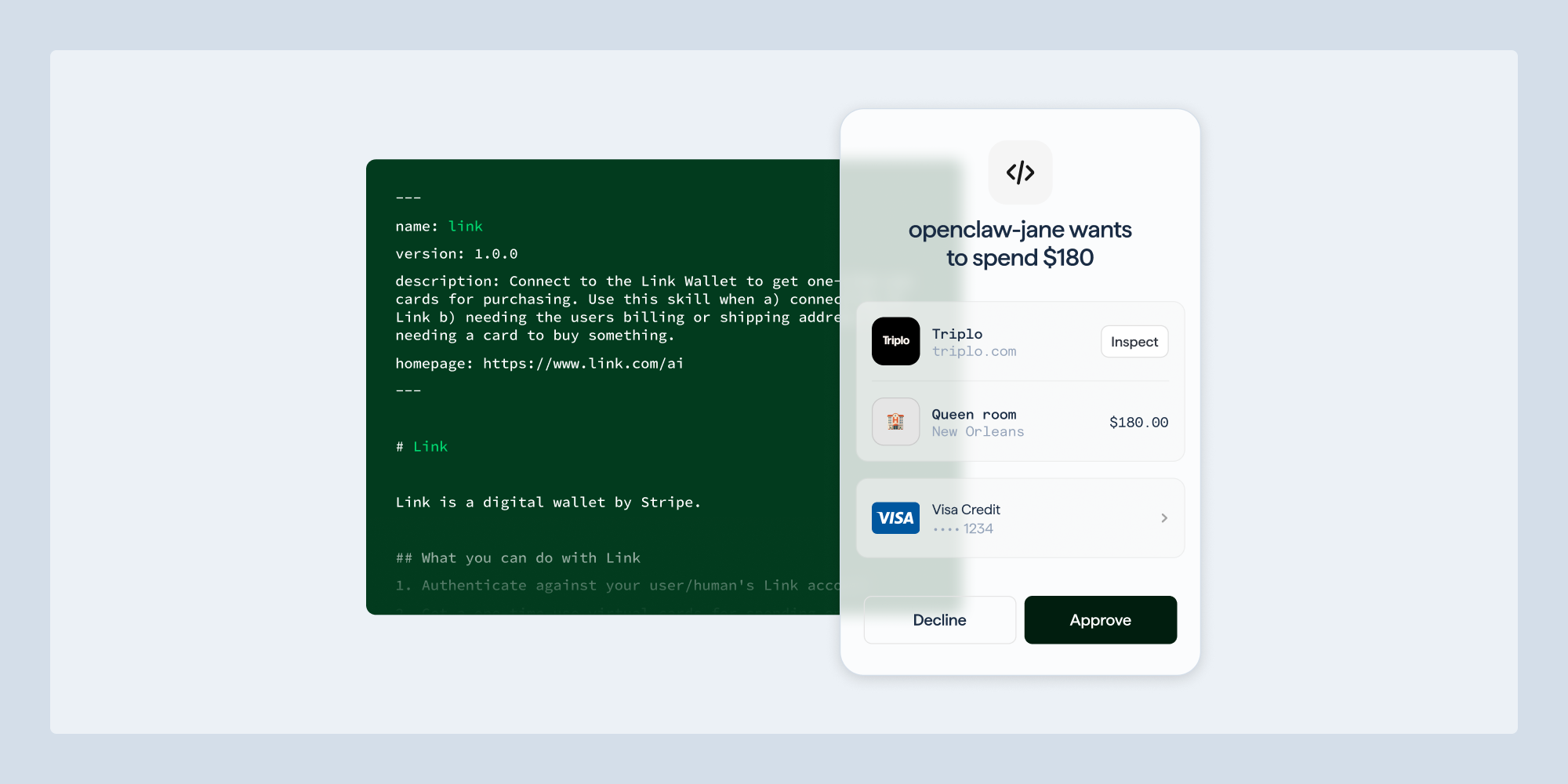
The payments company is introducing scoped credentials and human review for software-driven spending.
The startup wants hardware makers to connect glasses, jewelry and home devices to models and multimodal services without building the entire stack.
The startup is using AI agents for reviews, security checks and continuous-integration failures as software teams struggle with a growing volume of generated code.
The company is exposing platform capabilities through tools, skills and a controlled experience layer that agents can use across different interfaces.
Former Atlassian CTO Sri Viswanath is building a control layer for companies that want autonomous agents without giving up security, governance or oversight.
The Mountain View startup is combining expert labor, evaluations and software infrastructure to improve AI systems after their initial training.
The music model can create structured tracks of up to three minutes and is available across developer, enterprise and creative products.
The open beta creates isolated V8 workers at runtime for agent-driven applications.
The Santa Clara company reached a $4.2 billion valuation as large AI systems create demand for faster, more flexible connections between processors.
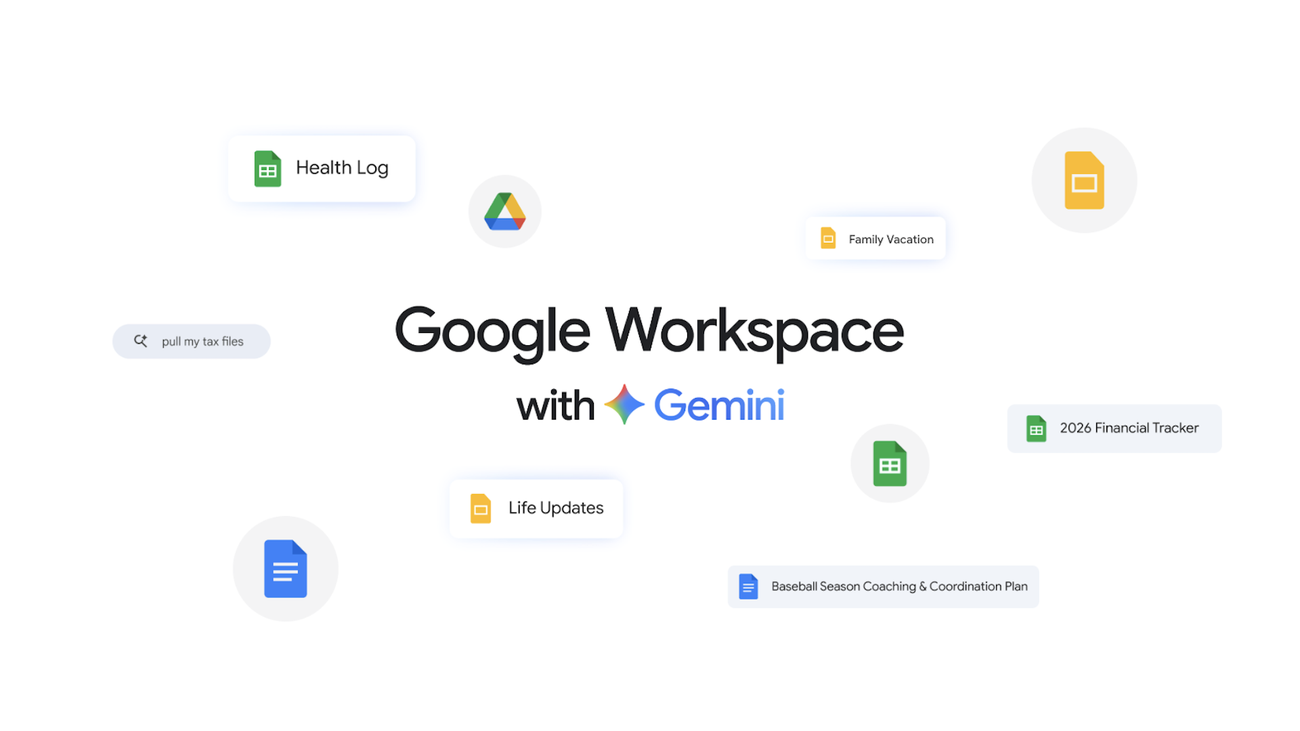
The update can assemble drafts from company information, build spreadsheets and create presentations with broader Workspace context.
The Y Combinator company is targeting evidence collection and compliance work that still depends heavily on spreadsheets, tickets and manual review.
The startup is selling an operated support function rather than software alone, putting automation performance directly on its own team.
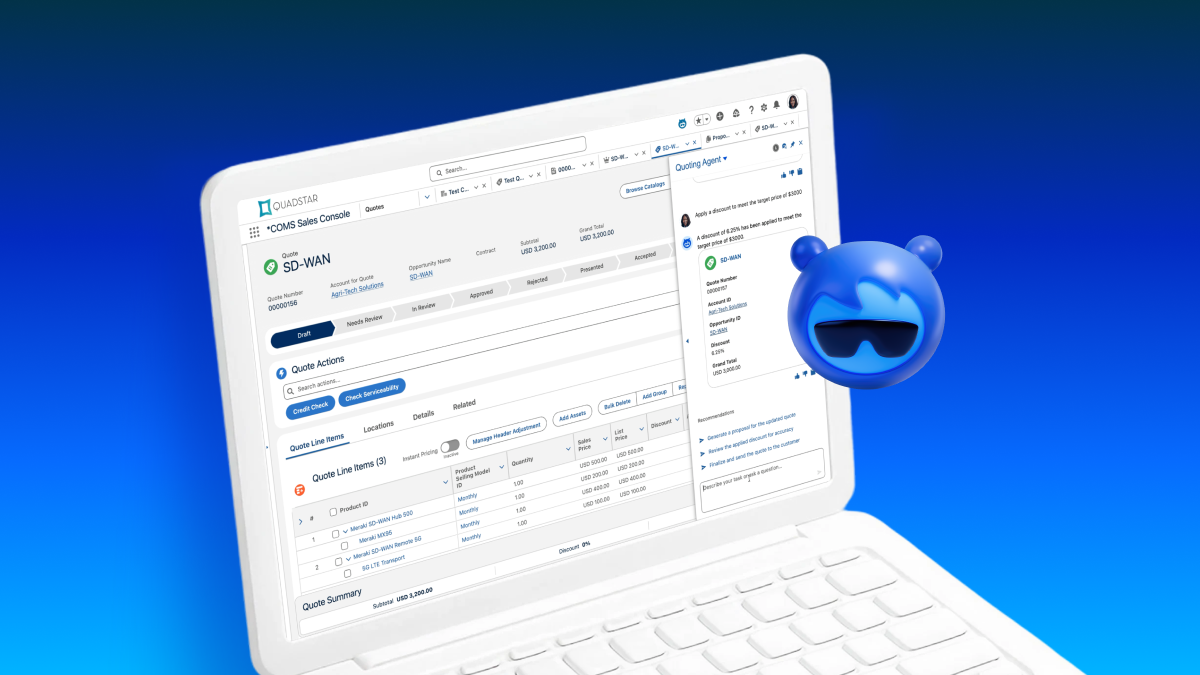
Agentforce for Communications targets telecom sales, service, billing and field operations with industry-specific workflows.
The Palo Alto AI infrastructure company will use the capital to expand its SN50 chip and SambaCloud platform as demand grows for alternatives in inference computing.
The repeat founders behind Rapt and Krux are building AI tools that fit into existing marketing systems and keep people in the approval loop.
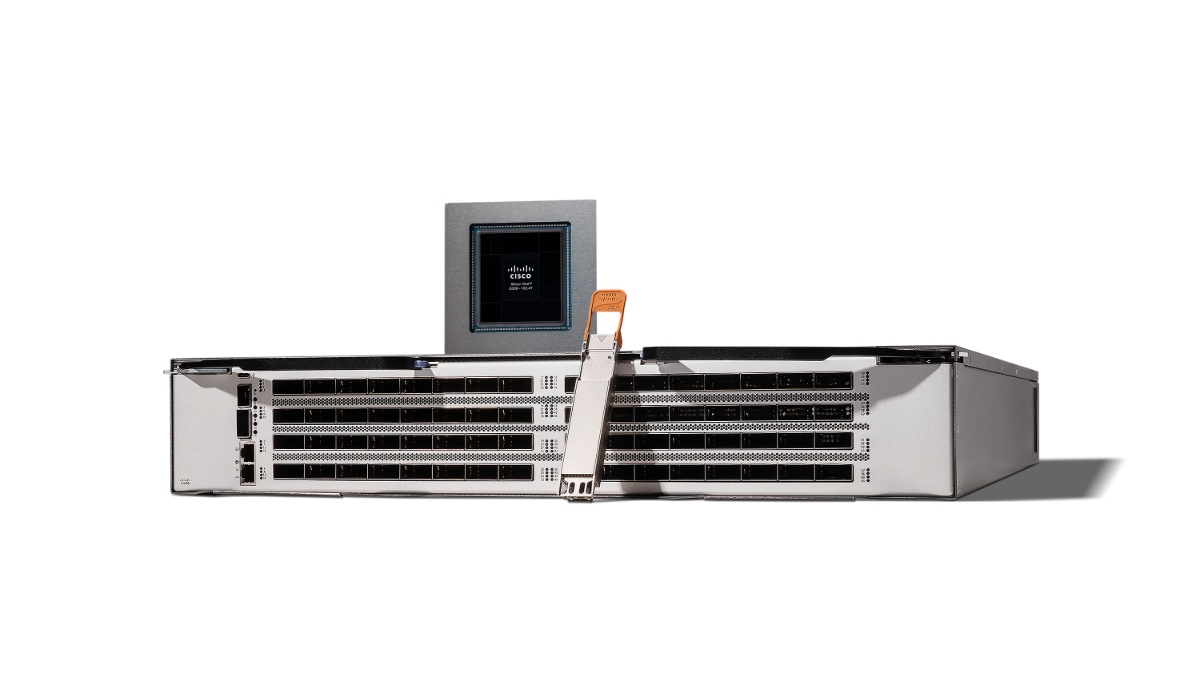
The 102.4-terabit chip is designed to move data across increasingly dense computing clusters.