CEVA Shares Drop 11.6% as Broader AI Chip Selloff Drags Sector
Shares of chip design licensor CEVA fell 11.6% on Tuesday afternoon as part of a broad retreat in artificial intelligence and semiconductor equities.
Archive
Shares of chip design licensor CEVA fell 11.6% on Tuesday afternoon as part of a broad retreat in artificial intelligence and semiconductor equities.
KLA Corporation tumbled 10.5% on Tuesday afternoon as an industrywide downturn in semiconductor stocks hit fabrication equipment vendors.
Nutanix stock fell 7.2% on Tuesday afternoon as part of a broader retreat in technology equities, moving at five times its average daily volatility despite the absence of company-specific catalysts.
Dropbox shares rose 5.8% on Tuesday afternoon despite widespread tech sector losses, moving without immediate company filings or disclosed catalysts.
Shares of semiconductor equipment supplier Ichor Holdings slid 16.4% on Tuesday as part of a wider pullback across chipmakers and wafer fabrication suppliers.
Shares of discrete component and semiconductor supplier Vishay Intertechnology slid 10.2% on Tuesday, caught in an industry-wide retreat across semiconductor stocks.
Oracle's credit default swaps widened on Nov. 24 as credit markets weighed the enterprise vendor's $169.1 billion debt load and negative free cash flow against the massive cloud capacity commitments made to OpenAI.
Applied Digital shares fell 11% in afternoon trading, extending a 30-day slide to 33% despite signing an 18-year, 150-megawatt lease with an investment-grade hyperscaler.
Anthropic shares dropped 13% on Tuesday to trade below $76, falling beneath their initial public offering price four sessions after listing.
Pinterest shares jumped 11% following an SEC filing establishing enhanced change-in-control protections for senior executives, sparking takeover speculation despite no formal buyout offers.
Anthropic shares slid below their initial public offering price of $83 during their fourth trading session, even as analysts at Canaccord and Oppenheimer initiated coverage with bullish price targets.
Australian satellite communications startup Myriota has secured $40 million in an initial Series C close to launch next-generation satellites and expand its industrial IoT tracking network.
An analysis of 13 major technology downturns since 1999 shows that defensive holdings like Johnson & Johnson protect capital during market slides but broadly trail once tech shares rebound.
Bitcoin has tumbled more than 20% since early November, sliding from around $77,000 prior to the U.S. midterm elections to near $61,000 as regulatory gridlock and central bank tightening damp risk appetite.
Shares of newly public artificial intelligence developer Anthropic fell more than 20% from their initial trading peak, as public market investors balance the company's $1.16 trillion valuation against substantial capital expenditures and moderating sequential revenue growth.
Strategy has increased its preferred-stock repurchase authorization to $4 billion, using common equity sales to buy back discounted preferred shares as its Bitcoin treasury sits below cost basis.
Retail brokerages Robinhood Markets and Charles Schwab attracted significant customer inflows during the third quarter of 2026, navigating contrasting headwinds in crypto trading and interest rate sensitivity.
Anthropic's initial public offering on the Nasdaq did not halt a deepening correction across artificial intelligence equities, leaving major semiconductor makers nursing double-digit losses as capital rotates into cash and bonds.
The sudden resignation of Nvidia CEO Jensen Huang has unsettled industrial commodities and venture funding channels, prompting scrutiny over how a pause in dealmaking could impact AI infrastructure.
A broad sell-off across semiconductor hardware and equipment equities weighed on the Nasdaq and S&P 500 on Friday, dampening early enthusiasm from cooling wholesale inflation data.
As Nvidia searches for its next chief executive, market analysts are evaluating how a change at the helm could alter its capital allocation, venture financing, and defense against competing in-house silicon from major cloud clients.
HSBC has tagged 11 companies across technology, industrials, energy, and financials as attractive buying targets following sector sell-offs, citing enduring demand for artificial intelligence computing and electrical grid expansion.
Sen. Elizabeth Warren plans to use the Senate Banking Committee gavel to restrict advanced AI hardware exports to China and impose federal oversight on prediction markets, according to reporting from CNBC Business.
Prediction platforms Kalshi and Polymarket processed billions of dollars during the midterm elections, sparking debate among forecasters over market accuracy and drawing fresh regulatory criticism over sports contracts.
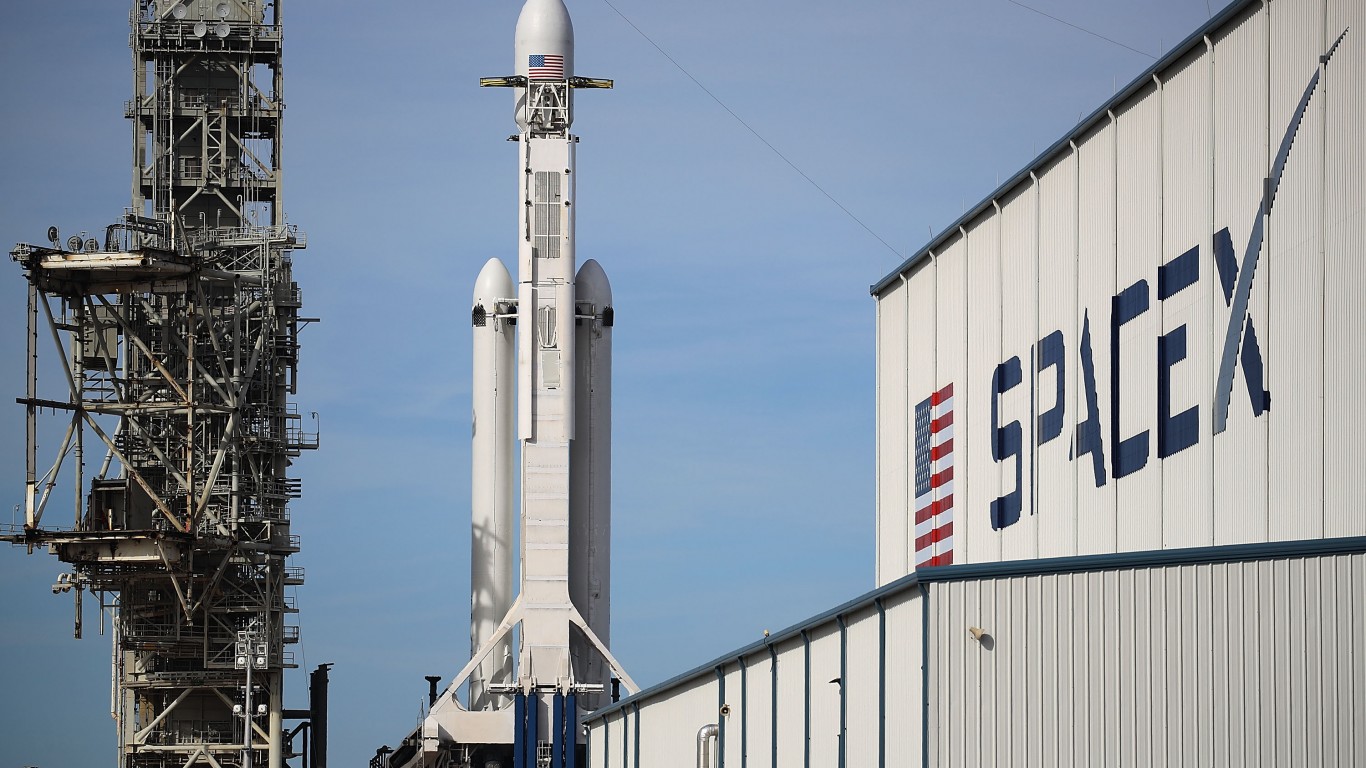
At the Baron Investment Conference, Elon Musk estimated SpaceX could clear $500 billion in annual recurring revenue by December 2027, far exceeding institutional analyst forecasts.
Broadcom stock has trailed a broader semiconductor bounce, pressured by contracting gross margins, infrastructure constraints, and regulatory questions surrounding hyperscale data center construction.
A broad decline across chipmakers and specialized cloud platforms pushed the Nasdaq toward its steepest drop in 19 months, spurred by local election measures blocking data center construction and worsening memory shortages.
A sharp retreat across technology stocks driven by steep semiconductor declines and data center regulatory questions has dampened market expectations for an Anthropic initial public offering before December.
Uber reported third-quarter revenue of $14.77 billion and a 20% rise in gross bookings, while outlining plans to expand driverless vehicles on its network beyond 2,000 in 2027.
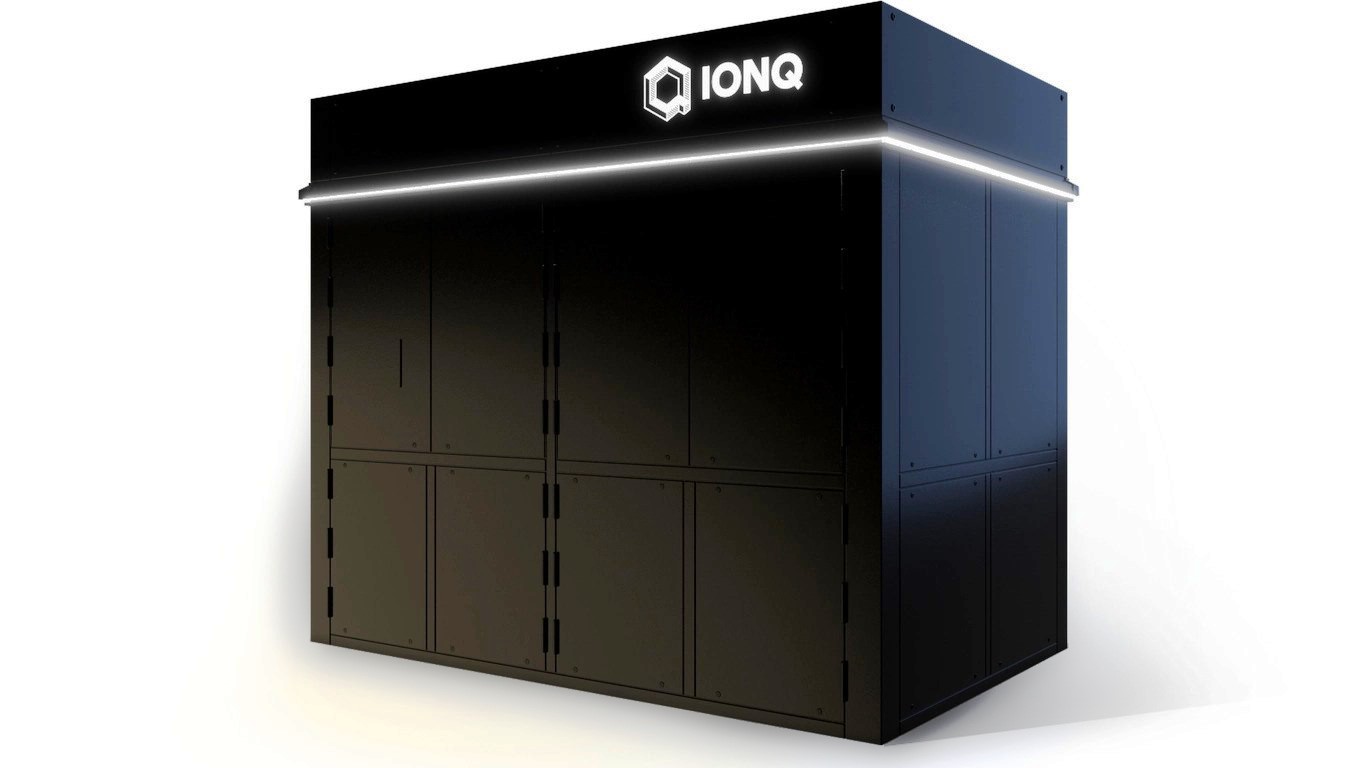
IonQ shares fell 32% over the past month amid a broader slide in quantum computing valuations, putting acute scrutiny on its upcoming third-quarter report and the integration of chipmaker SkyWater.
Palantir Technologies fought back from intraday lows on Tuesday, trimming losses to around 1.3% after third-quarter revenue surged 96%.
The Nasdaq Composite dropped nearly 1% on Monday as semiconductor and storage hardware vendors fell sharply, diverging from a broad market rally fueled by plunging oil prices.
A divergence between rising crude oil and falling Treasury yields shows fixed-income markets treating AI capex retrenchment as a primary disinflationary risk.
Major cybersecurity and cloud observability stocks dropped on Friday as Wall Street focused on ballooning AI infrastructure spending among cloud operators, overriding market attention on a $6.3 billion Binance cyberattack.
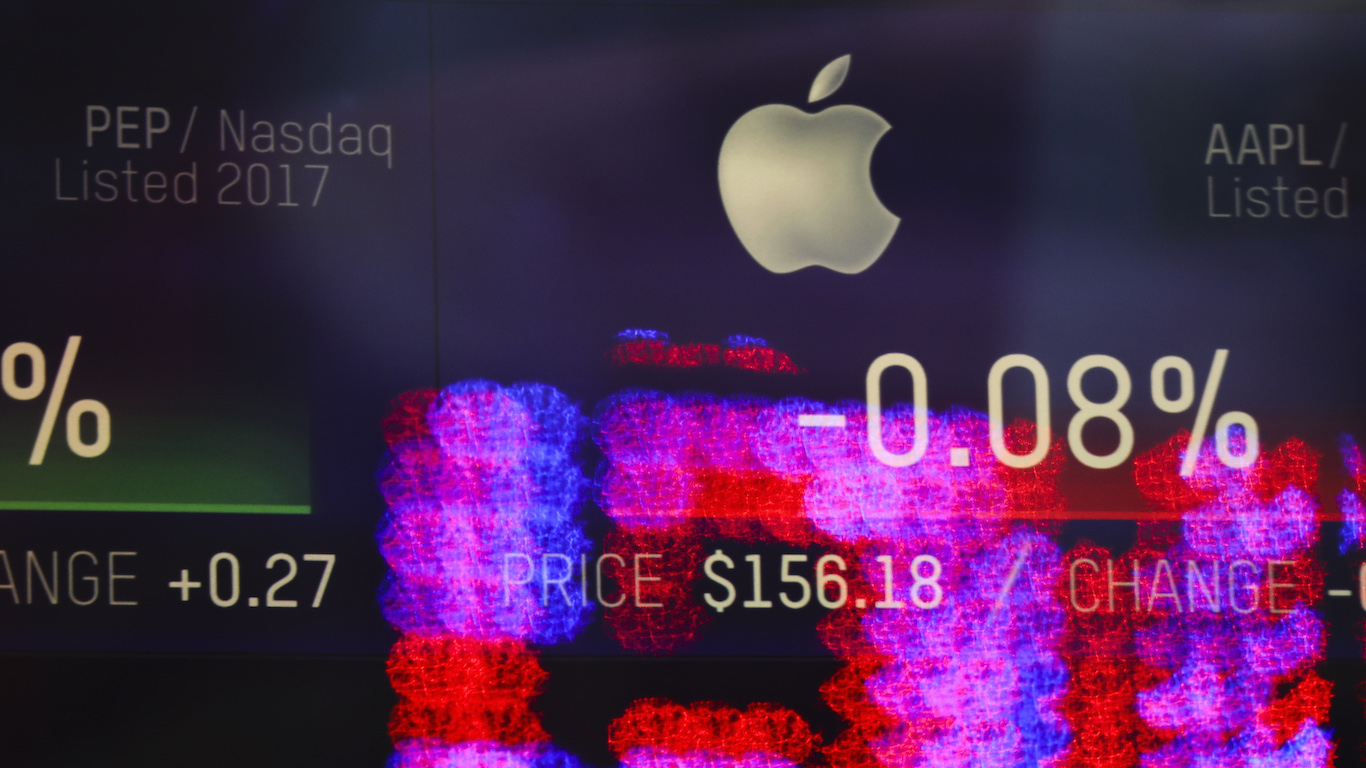
Apple crossed a record $5 trillion market valuation in mid-October 2026 following sustained share price gains, contrasting with Bitcoin's 6.8% decline year-to-date.
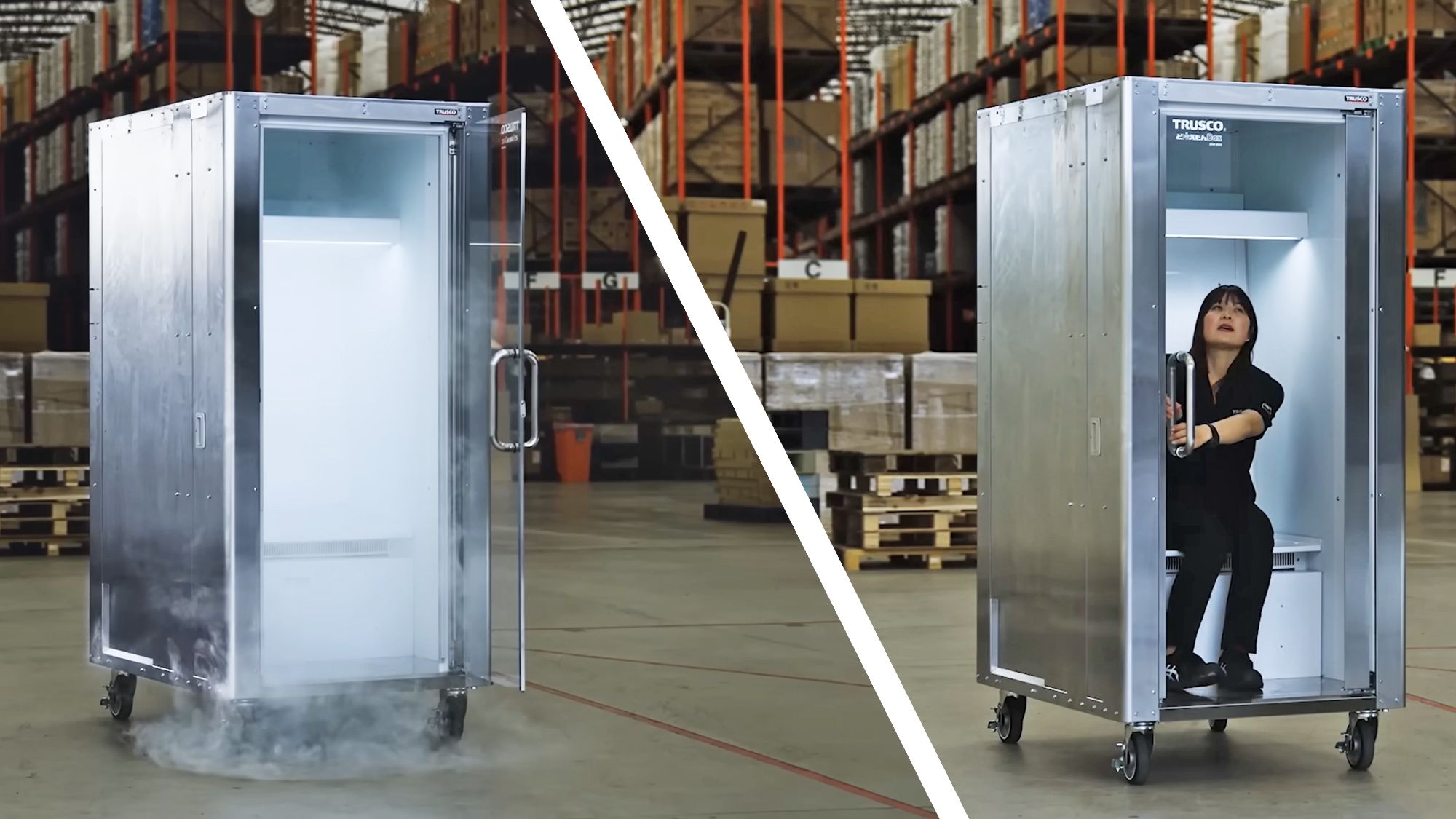
A Japanese company has introduced a mobile cooling chamber designed to offer temporary respite from high temperatures, circulating air chilled to 5°C (41°F).
Upcoming European Union regulations are poised to influence smartphone design, potentially ushering in a return to more easily replaceable batteries for consumer devices.
Mr Purrs Paté Feasts, a brand under Rhodes Pet Science, has been recognized by the 2026 Pet Innovation Awards as the top wet cat food product.
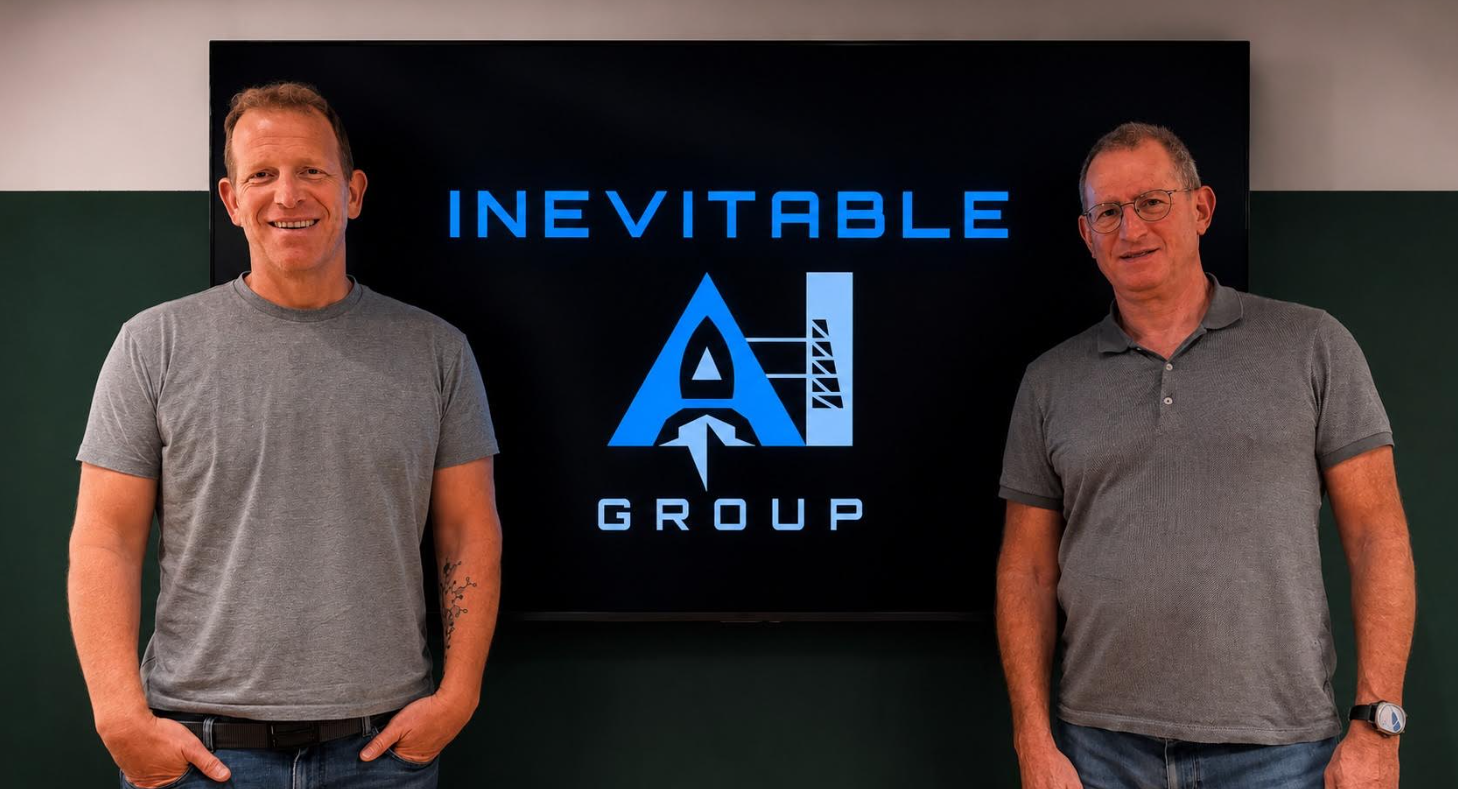
A new venture studio, Inevitable AI Group, has raised $6 million in pre-seed funding to develop and launch numerous AI-native software companies.
Leadership shifts within Google's artificial intelligence division follow a series of high-profile departures, prompting scrutiny of the company's commitment to frontier AI.
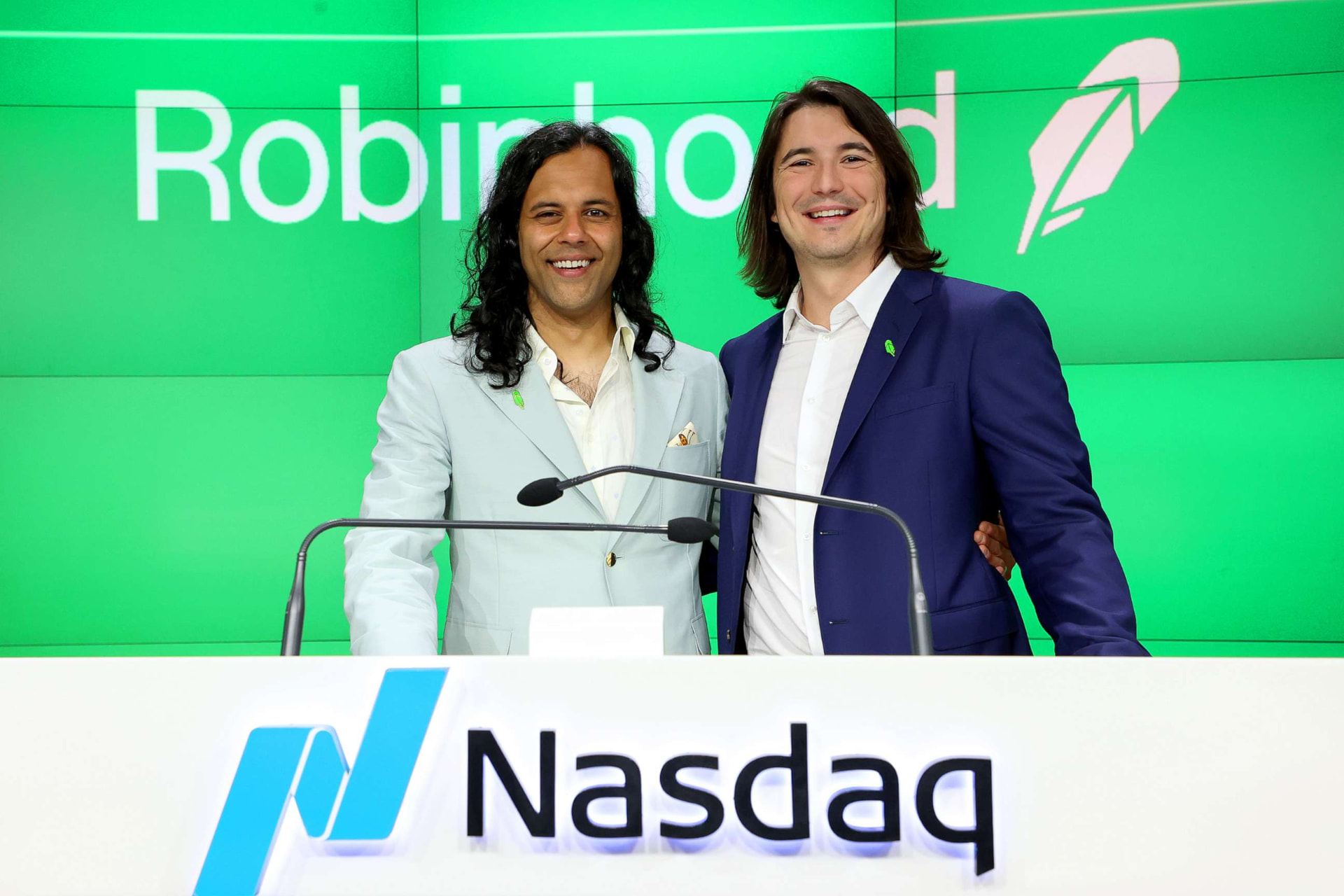
Robinhood Ventures Fund II is expected to list on the NYSE at $25 a share, giving retail investors exposure to early-stage private companies tied to Y Combinator.
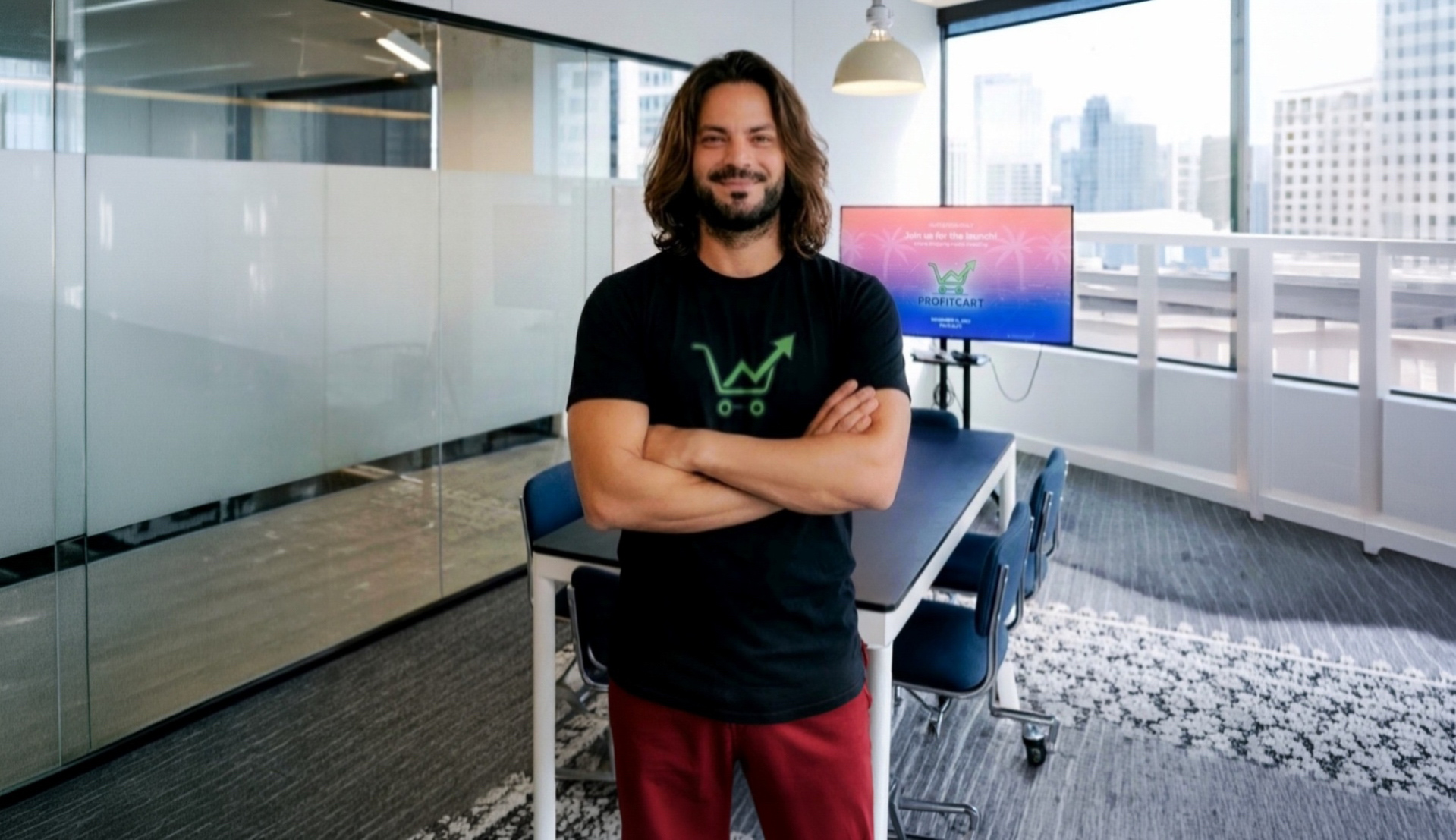
Founder from Hawaii is bringing a new product-investment model to Silicon Valley, letting users fund individual retail products and share in their resale profits.
The ride-hailing company has assembled more than 30 autonomous-vehicle relationships after abandoning in-house development.
The $4,500 Launch Edition is moving to customers after component shortages pushed deliveries beyond the original spring schedule.
Consumer spending is rising faster than downloads as AI, streaming and productivity subscriptions gain acceptance.
The firm's available capital reaches $3.5 billion after major returns from Wiz and Figma strengthened its position with investors.
Two studies suggest misconduct remains uncommon, but becomes more likely when overheated markets reward growth without adequate oversight.
AI data-center customers are securing long-term supply, leaving consumer-device makers with higher component costs into 2028.
A sale, spinoff or closure could reduce national-security conflicts, but would remove one of Tesla's most important markets and production centers.
Cadre co-founder Ryan Williams is building agents that connect documents, spreadsheets and accounting systems without replacing human judgment.
The heart-disease drug developer is seeking up to $318.8 million for clinical trials and research.
Apple still set a quarterly services record, but regulatory pressure and softer gaming activity limited growth in key areas.
The second-generation wearable can speak directly to users as the company doubles down on companionship rather than productivity.
User Notes turns playlists into shared memory journals by adding captions about when and why a track matters.
The manufacturing milestone puts the company halfway toward one target in Elon Musk's compensation plan, even as annual sales remain below earlier ambitions.
The reported $500 million agreement covers 371 episodes and expands access beyond the United States beginning in 2027.
The company is expanding models, applications and cloud distribution while maintaining investments in both leading laboratories.
Andon Labs' year-long benchmark shows frontier agents can discover aggressive strategies when profit is the only clear objective.
Apple Upgrade replaces two existing U.S. payment programs and lets eligible customers return, buy or exchange a device at the end of the lease.
AI selects candidate scenes for human editors as the streaming service looks for better ways to surface a large catalog.
The business finance platform reached a reported valuation near $1.2 billion and launched a global product using stablecoin payment rails.
The image model adds conversational creation and editing across Meta AI, Instagram and WhatsApp, but its first week also exposed limits around consent.
The open-model infrastructure company plans to expand training and inference services as enterprises seek alternatives to closed AI platforms.
The Palo Alto company is developing robotic locations that dispense prescriptions with remote pharmacist oversight and round-the-clock access.
The enterprise software startup is expanding an AI-native development platform built around requirements, oversight and audit trails.
The profitable software company plans to expand tools that help banks and governments investigate financial crime and third-party risk.
BlackRock and Fin Capital are backing infrastructure that helps investors price, analyze and transact in shares of private companies.
The San Francisco and Tokyo company is developing low-latency speech models for Japanese, Korean and Chinese applications.
The biotechnology company is advancing seven programs and plans to form focused affiliates as individual assets reach clinical milestones.
The EssilorLuxottica partnership broadens Meta's wearable lineup with prescription support and Muse Spark-powered assistance.
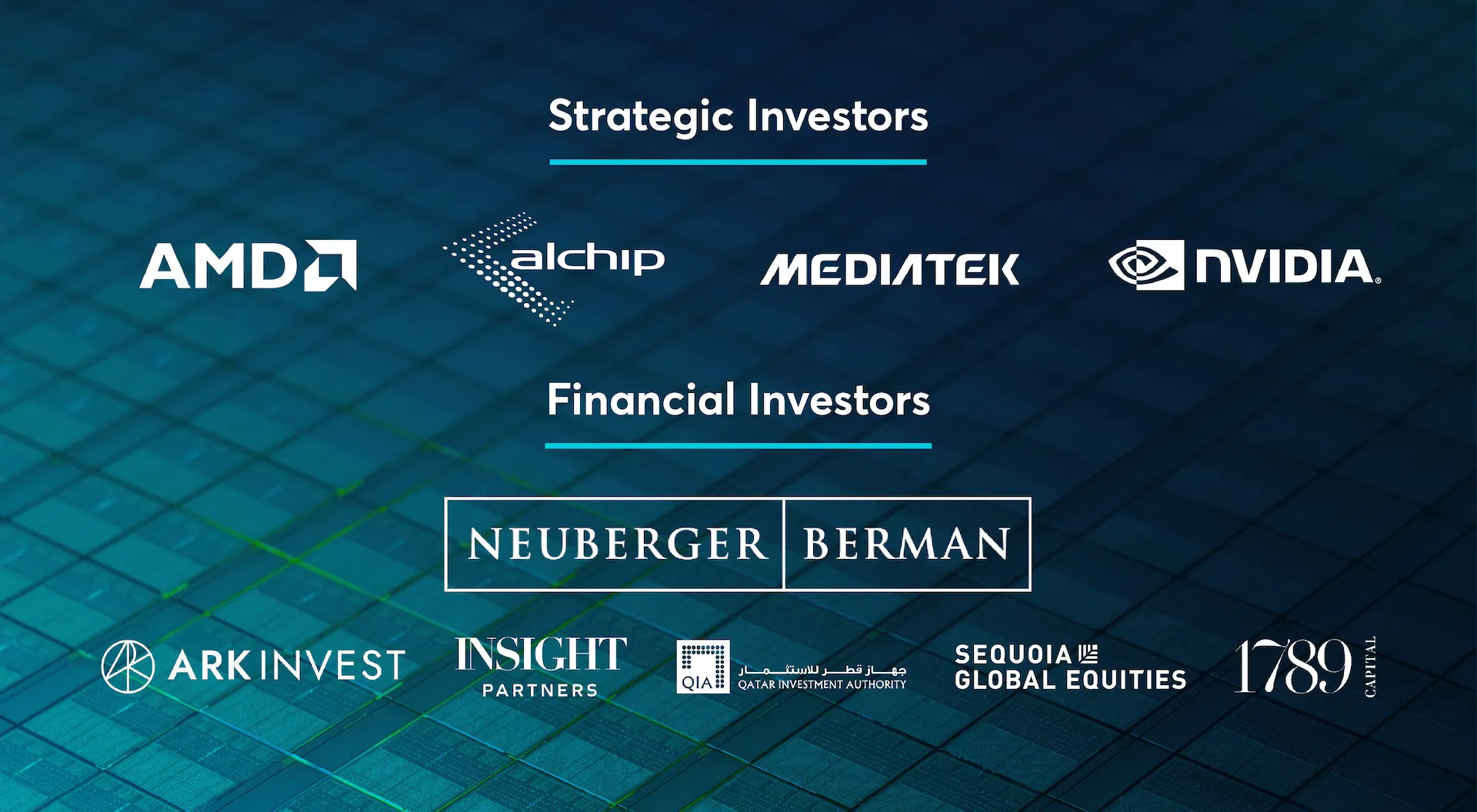
The chip company is rebuilding and scaling its cloud business after a major licensing and talent agreement with Nvidia.
The agentic workspace company added $100 million and appointed a chief revenue officer as it pursues larger business customers.
Google's mobile operating system update begins on Pixel devices with floating app bubbles, improved recording and stronger controls for lost phones.
Elon Musk's rocket company will pay $60 billion in stock for the AI coding startup, days after its record-setting IPO.
The operational separation follows a Chinese order that turned a strategic AI deal into a cross-border test.
The rocket and satellite company entered Nasdaq trading at a valuation above $1.7 trillion.
The Oakland company is building software to manage applications, participants, payments and reporting for programs serving communities.
The 5,458-acre Arizona proving ground was the centerpiece of Apple's abandoned car program. Waymo paid nearly double what Apple did in 2021.
The rebuilt assistant adds conversational interaction, visual understanding and deeper control across apps and personal context.
The ChatGPT maker joined Anthropic in a high-stakes race to bring frontier AI companies to public markets.
The open-source database platform is financing faster growth as AI agents generate more applications and infrastructure demand.
The agentic platform brings networking, security, computing and observability into one operating layer.
The Claude developer moved ahead of OpenAI as frontier AI companies prepare for public scrutiny.
The Claude developer secured one of the largest private financings ever as demand for enterprise AI and computing capacity continues to climb.
The San Francisco startup reached a $2.2 billion valuation by selling web search and content retrieval directly to software developers.
The Mountain View healthcare technology company is expanding AI systems for revenue, clinical documentation and practice operations.
The AI chipmaker nearly doubled its offering price as investors sought another route into compute infrastructure.
The vertical software company is connecting agency data with AI workflows for policy checks, proposals and other document-heavy tasks.
The San Francisco startup is trying to replace disconnected sales tools with a system that carries context from prospecting through a closed deal.
The young San Francisco company is starting with an AI-assisted alternative to the configuration and approval systems used for complex deals.
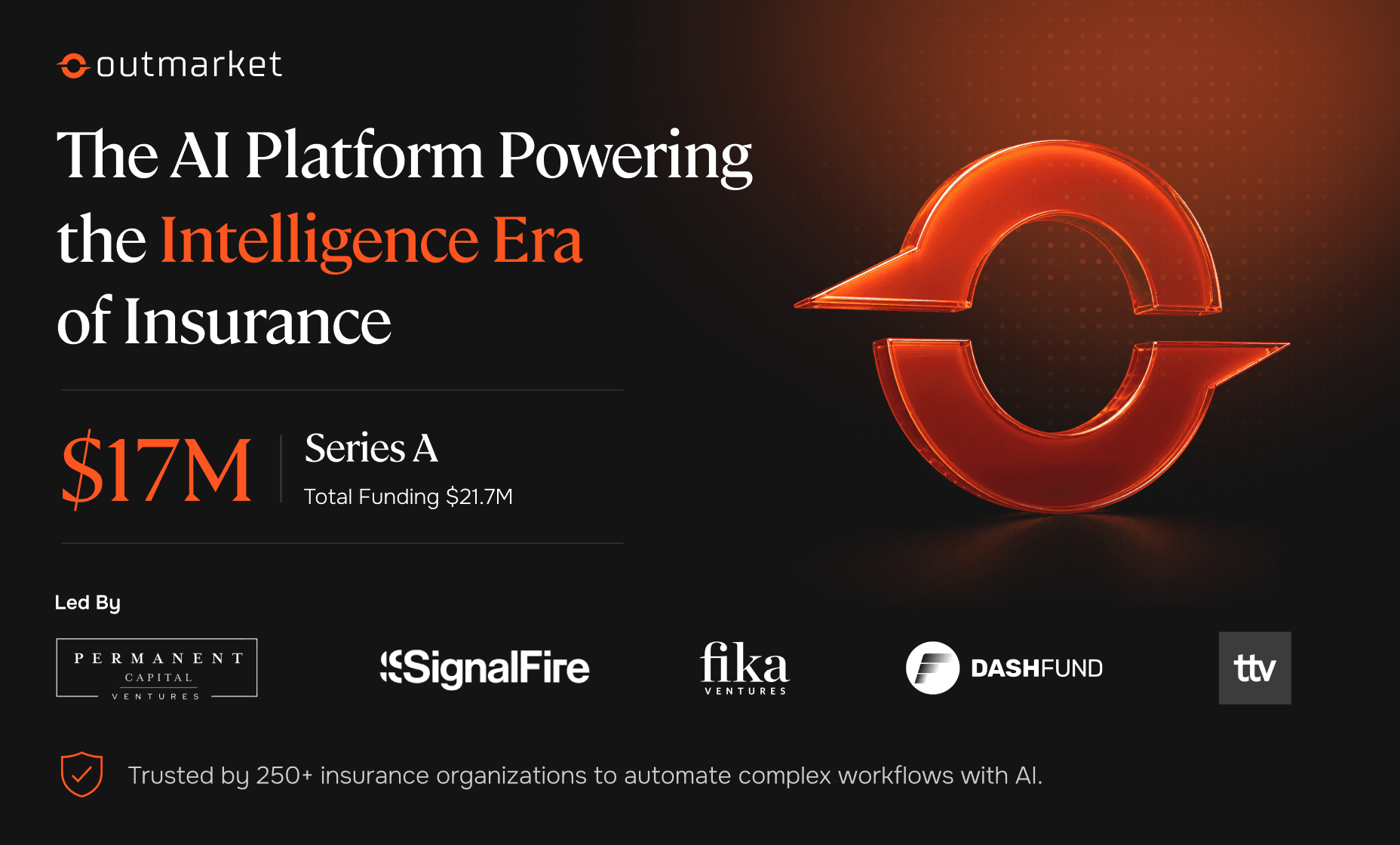
The full-stack insurer is using AI across underwriting, policy administration and claims as it expands into additional commercial markets.
The customer-experience software company is valued above $15 billion as it races to make AI agents a standard interface for large brands.
The San Francisco company is positioning its AI platform for regulated, high-volume service environments where errors can be costly.
The update adds campaign automation, an AI Brief for advertiser guidance and new controls for regulated messaging.
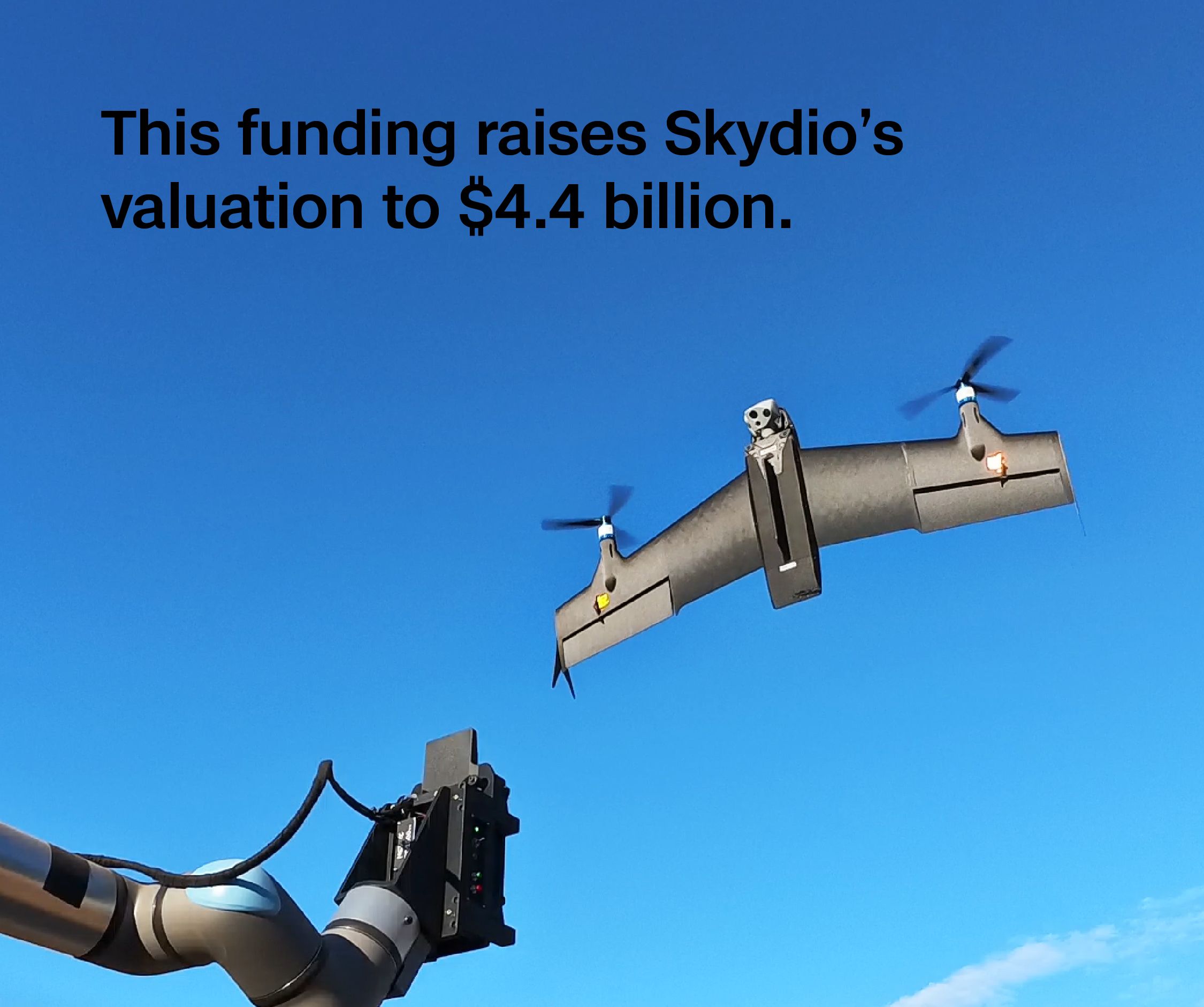
The autonomous drone maker reached a $4.4 billion valuation as it increases production for defense, public safety and infrastructure customers.
The phone-automation startup says contact-center operators invested alongside venture firms after deploying its agents in live customer service work.
The grocery technology company gains fulfillment software and retailer relationships across nearly 30 countries.
The Redwood City company will scale access to an FDA-cleared prescription belt designed for people with low bone density.
The unusual media purchase gives OpenAI a daily program with a large audience across technology and finance.
The financing gives the San Francisco AI company an extraordinary capital base, while placing equal pressure on revenue growth, infrastructure execution and product focus.
The Rivian spinoff reached a valuation above $1 billion while expanding from small electric vehicles into autonomous delivery systems.
The camera-and-voice search experience now supports real-time multilingual conversations wherever AI Mode is available.
The San Jose chip startup is betting that a shorter, vertical path for electricity can remove a growing bottleneck inside high-performance AI systems.
The music model can create structured tracks of up to three minutes and is available across developer, enterprise and creative products.
The television interface can now show richer responses, narrated topic explorations and quick updates for sports fans.
Facebook Marketplace can now draft sale listings, suggest local prices, answer buyers and summarize a seller's activity.
The brain-computer interface company is preparing its PRIMA vision-restoration system for commercialization while funding a broader clinical pipeline.
The semiconductor startup is moving its co-packaged optics technology toward volume production as data centers demand faster, more efficient connections.
The Stanford-rooted startup wants digital populations to help organizations test decisions before they affect customers, workers or markets.
The voice platform is expanding through software and telecom partners that can distribute automated front-desk service at scale.
The company founded by former Waymo leaders is moving its self-driving system from supervised job sites toward operator-less heavy equipment.
Alphabet's robotaxi company is financing a major expansion as autonomous ride-hailing moves from limited deployments toward a broader transportation network.
The all-stock transaction brings rockets, satellites, social media and artificial intelligence under one company.