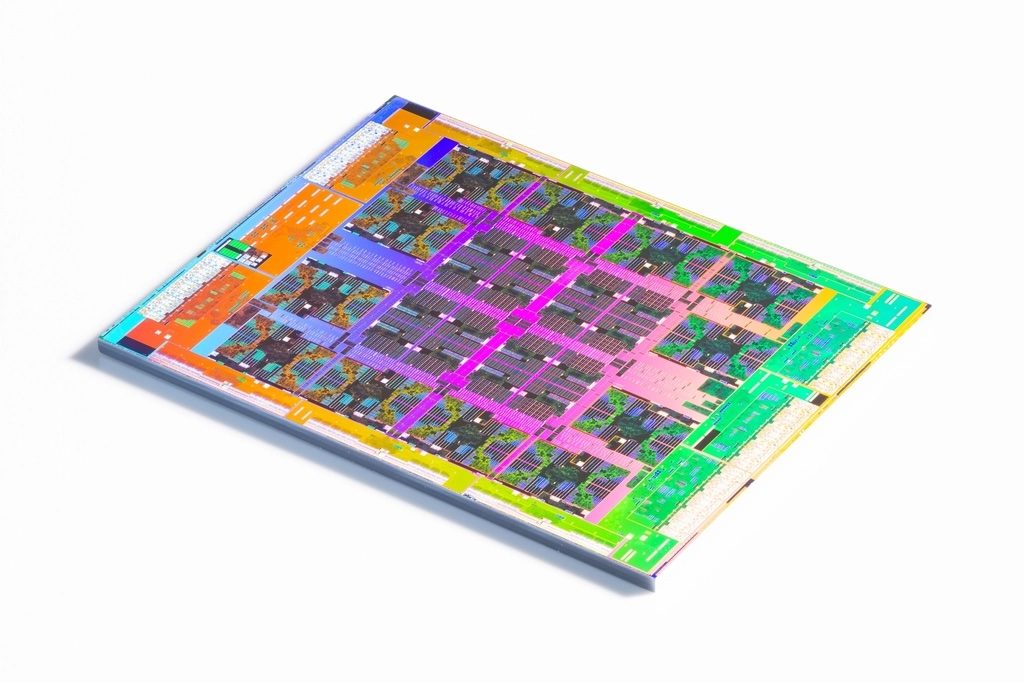
ChipAgents Adds $60 Million as AI Moves Deeper Into Semiconductor Design
The Silicon Valley startup says autonomous software agents can shorten expensive chip-development cycles, with verification emerging as an early target.
Archive
The Silicon Valley startup says autonomous software agents can shorten expensive chip-development cycles, with verification emerging as an early target.
The Santa Clara startup is building chiplet and licensing technology designed to move data faster between AI processors, memory and networking systems.
The San Francisco company is expanding autonomous teams that handle procurement, supplier coordination, invoices and payments for large enterprises.
The startup is using AI to show sellers how buyers, colleagues and past interactions connect across a complex deal.
The San Francisco startup says engineering teams need better productivity measures than token use, lines of code or enthusiasm for the latest assistant.
The financing will support World ID infrastructure, but the transaction is a crypto-token sale rather than a conventional venture equity round.
The AI chip startup plans to scale production and customer deployments as it builds specialized hardware for high-volume inference.
The Palo Alto and Tel Aviv company reached a $1.2 billion valuation with a prevention-focused approach to securing devices used for AI work.
The model infrastructure company says annual recurring revenue has passed $1 billion as customers deploy more specialized AI systems.
The M13-led Series A backs a speech company betting that how a machine sounds decides whether a caller stays on the line.
The molecular design startup reached a $3.8 billion valuation while expanding partnerships with major drugmakers.
The company behind a widely used local AI tool is adding resources for enterprise adoption while keeping its open-source distribution engine.
Accel led the Series A for a company automating the pay applications, lien waivers and job-cost work that still runs on paper and email.
The savings platform is expanding a membership that combines travel deals, cash back and financial tools for cost-conscious consumers.
The San Francisco startup is building real-time fluid sensors for computing systems that increasingly depend on liquid rather than air to control heat.
The hardware startup is betting that a simple recorder with free transcription can hold a place beside phones and software-only meeting assistants.
The AI testing company is moving beyond fixed benchmarks with models that generate changing environments for training and evaluation.
The San Francisco and Tokyo company is developing low-latency speech models for Japanese, Korean and Chinese applications.
The startup is creating its own crawler, index and retrieval models for software that asks longer questions and consumes structured results.
The biotechnology company is advancing seven programs and plans to form focused affiliates as individual assets reach clinical milestones.
The company is building software that continually personalizes campaigns, tests changes and adjusts marketing decisions across customer channels.
The former Waymo engineer behind the startup is applying simulation and observability techniques to customer-facing AI systems.
The AI infrastructure company is using its fourth financing in 18 months to expand model inference services for enterprise customers.
The startup wants agents to own recurring business outcomes across existing applications instead of stopping after a single generated response.
The agentic workspace company added $100 million and appointed a chief revenue officer as it pursues larger business customers.
The San Francisco startup is investing in its own speech models and the infrastructure required to run large volumes of automated business calls.
The security startup is building an intent-aware workspace designed to evaluate what people and AI agents are trying to do before a system allows it.
The Oakland company is building software to manage applications, participants, payments and reporting for programs serving communities.
The open-source database platform is financing faster growth as AI agents generate more applications and infrastructure demand.
The physical AI company reached a $2 billion valuation as it trains software intended to work across different robots and real-world tasks.
The prompt-to-app startup says its community creates games, quizzes and interactive experiments at a rate of about one every half-second.
The Claude developer secured one of the largest private financings ever as demand for enterprise AI and computing capacity continues to climb.
The startup is building a network that records first-person human activity, bringing privacy, consent and worker pay into the robotics data race.
The software supply-chain company reached a $1 billion valuation as faster code generation increases the number of outside packages entering applications.
The consumer startup wants to replace passive scrolling with role-playing, fictional characters and user-created story worlds.
The young San Francisco company is starting with an AI-assisted alternative to the configuration and approval systems used for complex deals.
The finance software startup is expanding AI agents that handle invoicing, reconciliation, collections and other repetitive cash workflows.
The full-stack insurer is using AI across underwriting, policy administration and claims as it expands into additional commercial markets.
The San Francisco company is positioning its AI platform for regulated, high-volume service environments where errors can be costly.
The San Francisco company more than doubled its valuation to $2.75 billion as it expanded from moving customer data to helping agents run campaigns.
The startup is training a foundation model called Fury to control unmanned vehicles across changing military environments.
The San Francisco company reached a $1.5 billion valuation by combining chat, spreadsheets and code with a governed layer for company data.
The startup wants hardware makers to connect glasses, jewelry and home devices to models and multimodal services without building the entire stack.
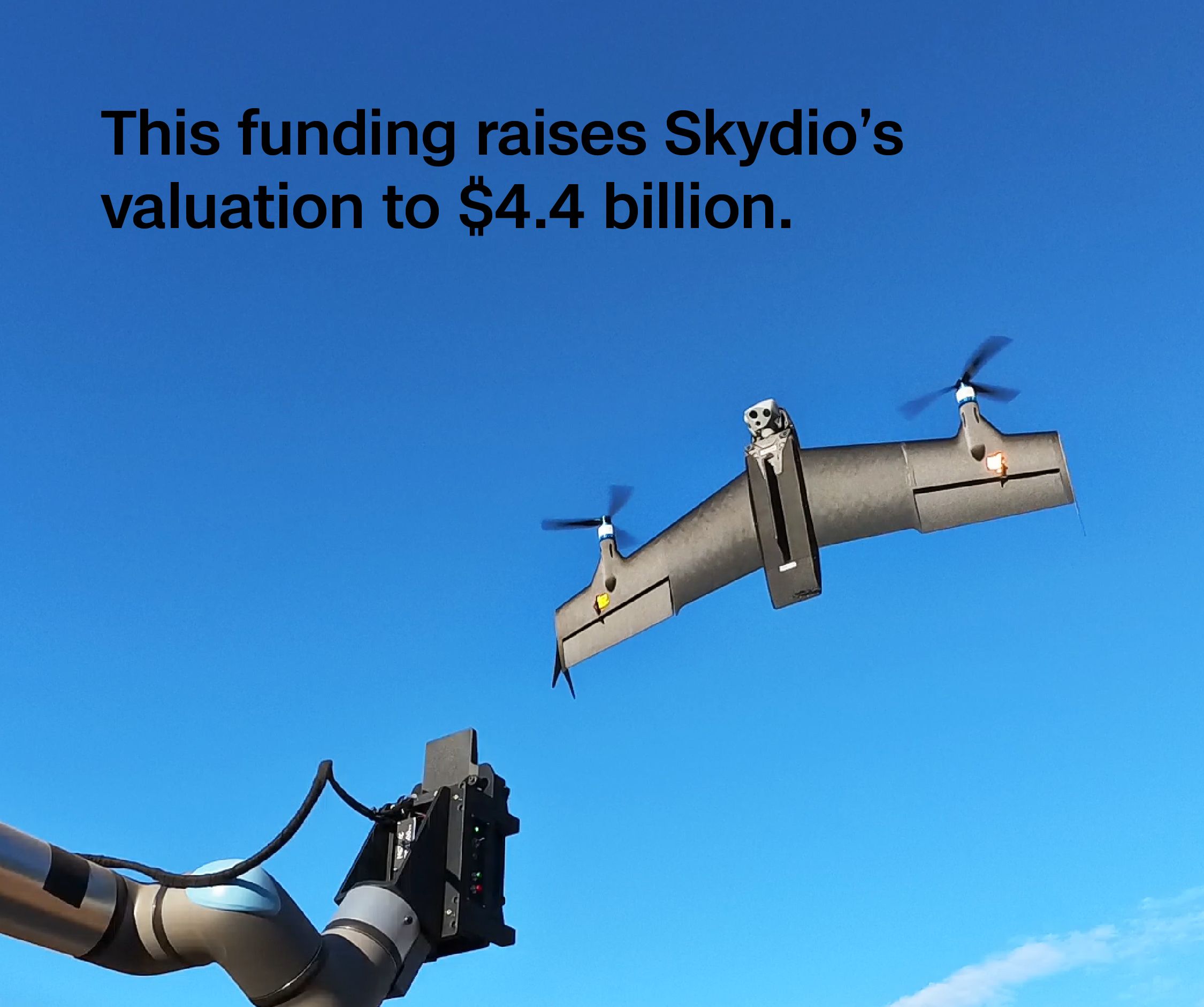
The autonomous drone maker reached a $4.4 billion valuation as it increases production for defense, public safety and infrastructure customers.
The startup is beginning with autonomous road rollers that can be retrofitted onto machines already operating at construction sites.
The new research lab wants software agents to build specialized expertise from experience instead of remaining fixed after training.
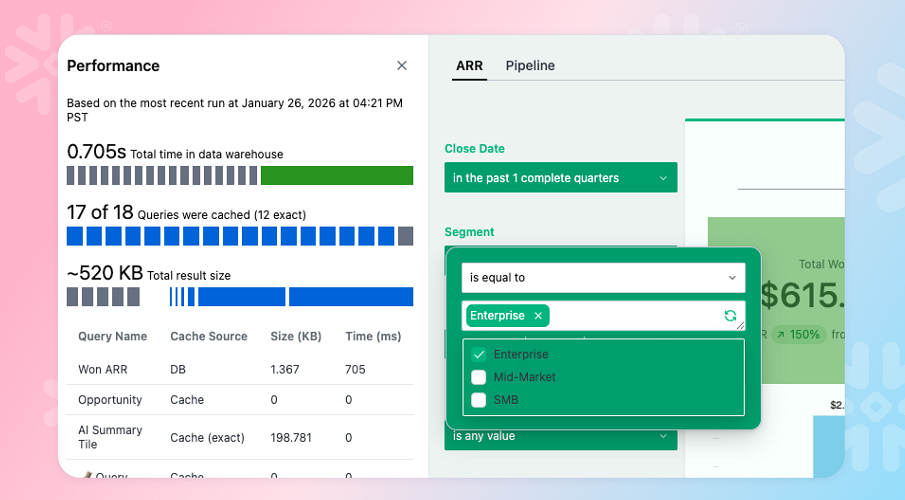
The analytics startup is using strategic capital to expand software that lets employees ask questions across fragmented company data in ordinary language.
The San Francisco mobility company is preparing pilot networks that place small autonomous vehicles on narrow, reserved lanes.
The a16z-backed startup wants consumer businesses to move from dashboards and recommendations to actions tied to measurable financial results.
The Santa Clara startup is combining navigation, communications and computing functions in silicon intended for drones and robots.
The phone-automation startup says contact-center operators invested alongside venture firms after deploying its agents in live customer service work.
The startup is building software intended to let data-center networks adapt automatically to changing AI workloads.
The startup connects a visual design canvas directly to a product's codebase so teams can work from the same components and constraints.
The San Francisco company pairs software agents with growth specialists as brands adjust to search results shaped by traditional engines and AI answers.
The Rivian spinoff reached a valuation above $1 billion while expanding from small electric vehicles into autonomous delivery systems.
The startup combines AI agents with human media experts to turn sales conversations and customer data into targeted campaigns.
The startup formerly known as mcp-use is turning an open-source toolkit into a managed platform for deploying the connectors used by AI applications.
The Dublin, California semiconductor company plans to commercialize a component that moves power vertically toward high-performance processors.
The semiconductor startup is moving its co-packaged optics technology toward volume production as data centers demand faster, more efficient connections.
The startup is selling an operated support function rather than software alone, putting automation performance directly on its own team.
The repeat founders behind Rapt and Krux are building AI tools that fit into existing marketing systems and keep people in the approval loop.
Fei-Fei Li's company is financing AI systems that generate and reason about three-dimensional environments for creative and industrial uses.
The observability startup reached an $800 million valuation as companies seek better ways to test and improve applications built on language models.
The Mission Bay startup is building laboratory systems that use living neurons for AI workloads, an ambitious alternative to conventional silicon.
The voice platform is expanding through software and telecom partners that can distribute automated front-desk service at scale.
The company founded by former Waymo leaders is moving its self-driving system from supervised job sites toward operator-less heavy equipment.
Alphabet's robotaxi company is financing a major expansion as autonomous ride-hailing moves from limited deployments toward a broader transportation network.


.jpg)





























.jpg)