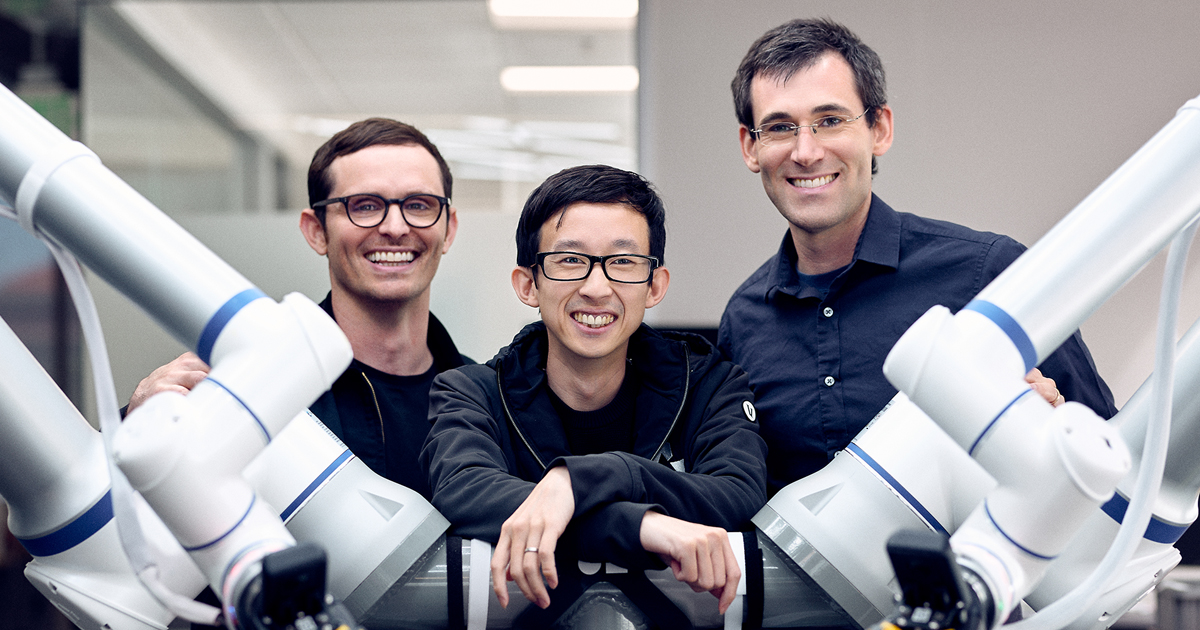
Robotics Startup Generalist Lands ~$200M Round Led by 8VC Following Recent $400M Raise
Robotics startup Generalist has reportedly raised approximately $200 million in a funding round led by 8VC, building on a $400 million raise completed in June.
Archive
Robotics startup Generalist has reportedly raised approximately $200 million in a funding round led by 8VC, building on a $400 million raise completed in June.
Venture capital activity on August 24, 2026, showed significant concentration in physical AI and hardware infrastructure, led by a $900 million round for XPeng's humanoid robotics subsidiary.
Defense technology startup Castelion has closed a $1 billion Series C round at a $13 billion valuation to accelerate the mass production of hypersonic weapon systems.
Semiconductor startup Fractile is holding talks to secure approximately $600 million in new funding at a $6.5 billion valuation, while landing a $250 million contract with Anthropic.
Micromobility startup Also has secured $150 million in Series D funding at a valuation above $1 billion, aiming to scale its electric vehicle platform into autonomous transit.
Silicon Data has secured $30 million in Series A funding to establish a reference price index for GPU rentals, paving the way for Wall Street compute futures contracts on the CME.
Artificial intelligence hardware startup Etched has raised $700 million in a new funding round led by quantitative trading firm Jane Street, boosting the company's valuation to $21 billion.
Versatile RobotX, a UK agtech spin-out developing autonomous harvesting systems, has secured over €1.17 million in funding from the British Design Fund, Innovate UK, and Defra.
Commercial fusion energy startups are attracting record capital, with elite ventures building out multi-billion-dollar balance sheets behind tokamak, stellarator, and laser-based reactor designs.
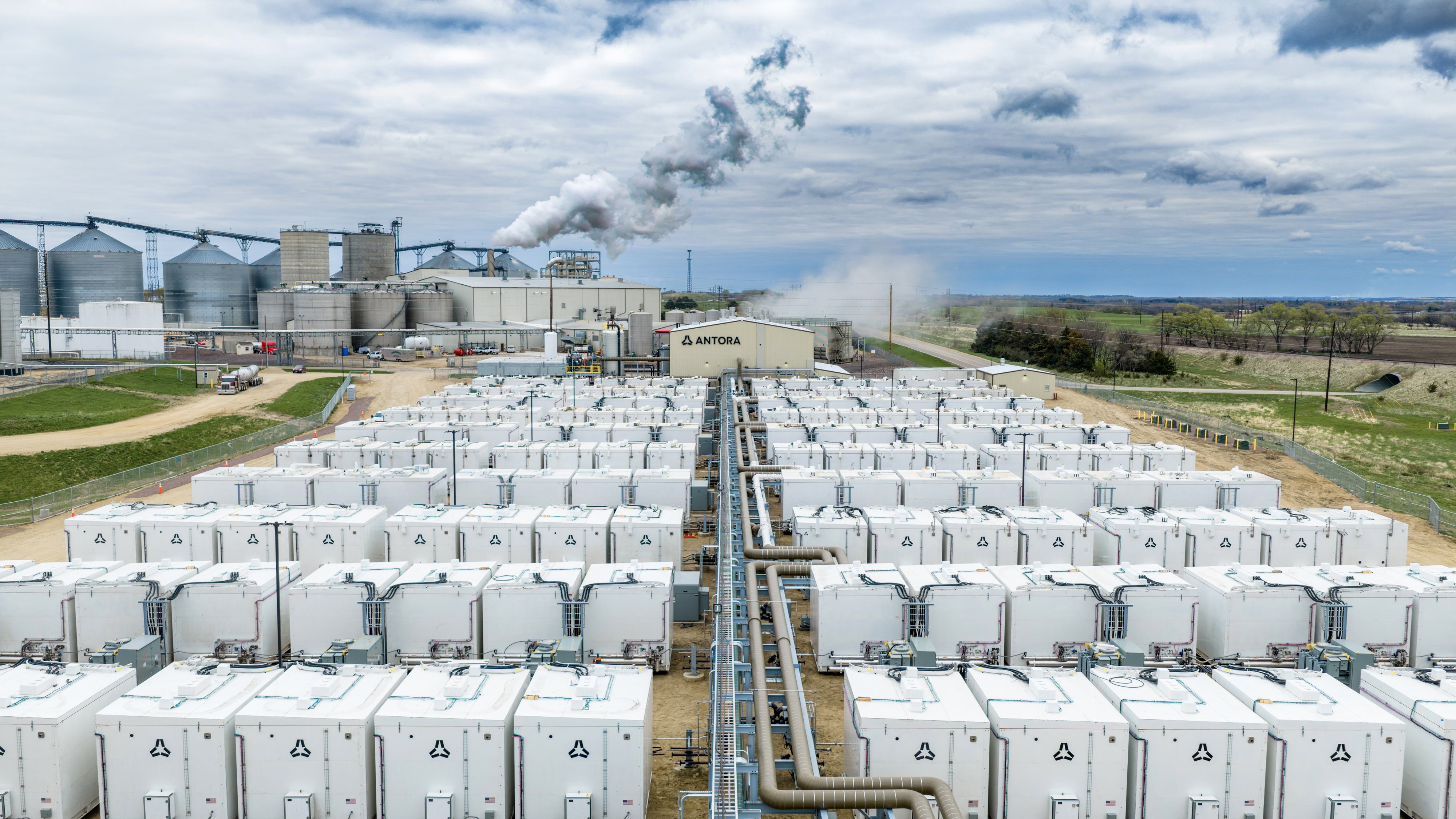
The industrial energy company plans to manufacture more systems that store renewable electricity as high-temperature heat and dispatchable power.
The Silicon Valley startup says autonomous software agents can shorten expensive chip-development cycles, with verification emerging as an early target.
The Santa Clara startup is building chiplet and licensing technology designed to move data faster between AI processors, memory and networking systems.
The chipmaker's strategic partnership with Ilya Sutskever's research lab couples new capital with access to Vera Rubin computing systems.
The financing will support World ID infrastructure, but the transaction is a crypto-token sale rather than a conventional venture equity round.
The AI chip startup plans to scale production and customer deployments as it builds specialized hardware for high-volume inference.
The Palo Alto and Tel Aviv company reached a $1.2 billion valuation with a prevention-focused approach to securing devices used for AI work.
The model infrastructure company says annual recurring revenue has passed $1 billion as customers deploy more specialized AI systems.
The startup founded by former Ultrahuman hardware executive Apoorv Shankar is developing physical controls intended to direct AI agents.
The Kubernetes management company added Goldman Sachs and strategic investors as businesses move AI systems from pilots into production.
The molecular design startup reached a $3.8 billion valuation while expanding partnerships with major drugmakers.
The company behind a widely used local AI tool is adding resources for enterprise adoption while keeping its open-source distribution engine.
The open-model infrastructure company plans to expand training and inference services as enterprises seek alternatives to closed AI platforms.
The Palo Alto company is developing robotic locations that dispense prescriptions with remote pharmacist oversight and round-the-clock access.
The San Francisco startup is building real-time fluid sensors for computing systems that increasingly depend on liquid rather than air to control heat.
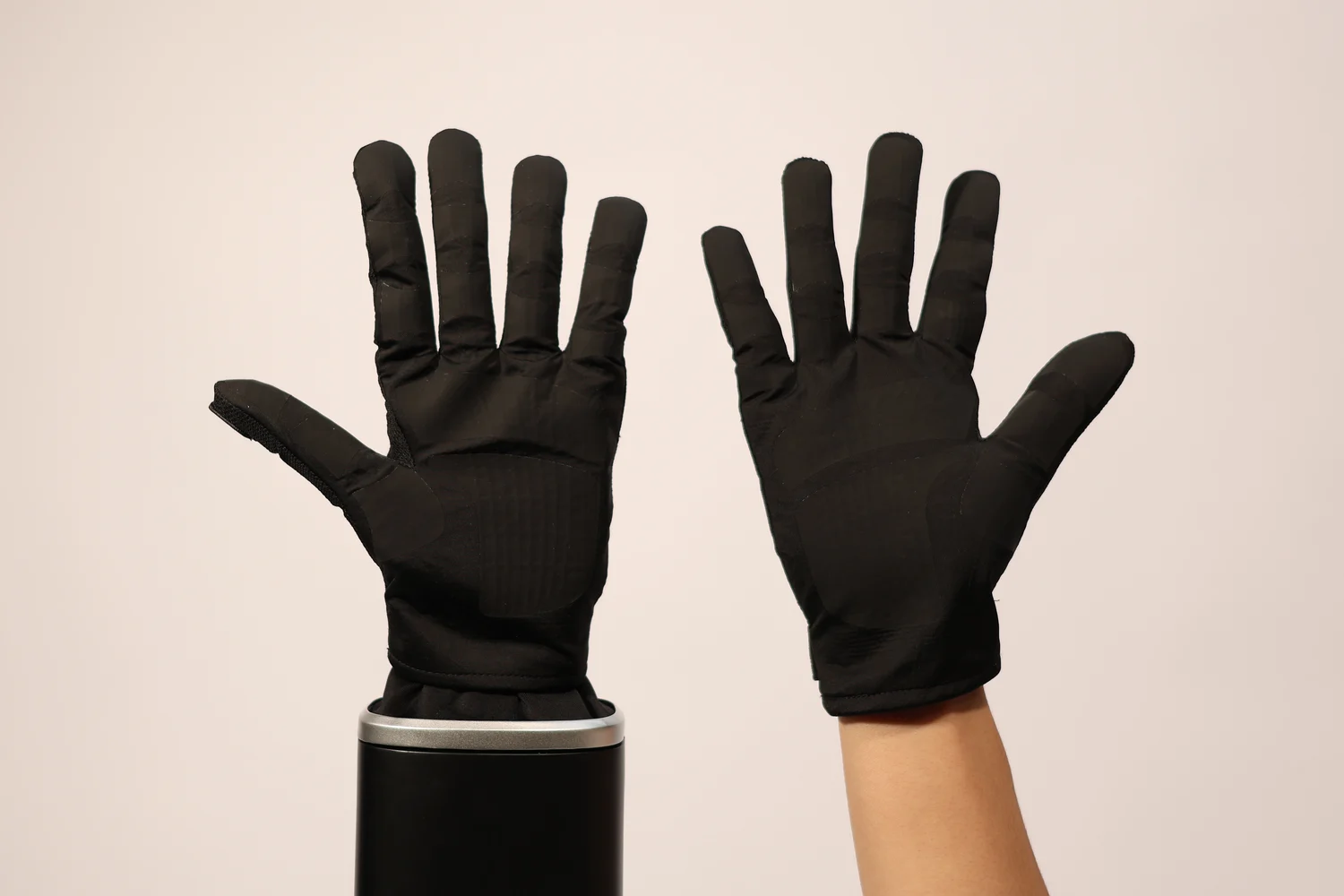
The robotics startup introduced its first commercial hand and closed a seed round after settling a trade-secret dispute with Tesla.
The hardware startup is betting that a simple recorder with free transcription can hold a place beside phones and software-only meeting assistants.
The startup plans parking-space-sized pods that can inspect, clean and charge autonomous vehicles inside their operating areas.

The AI testing company is moving beyond fixed benchmarks with models that generate changing environments for training and evaluation.
The San Francisco and Tokyo company is developing low-latency speech models for Japanese, Korean and Chinese applications.
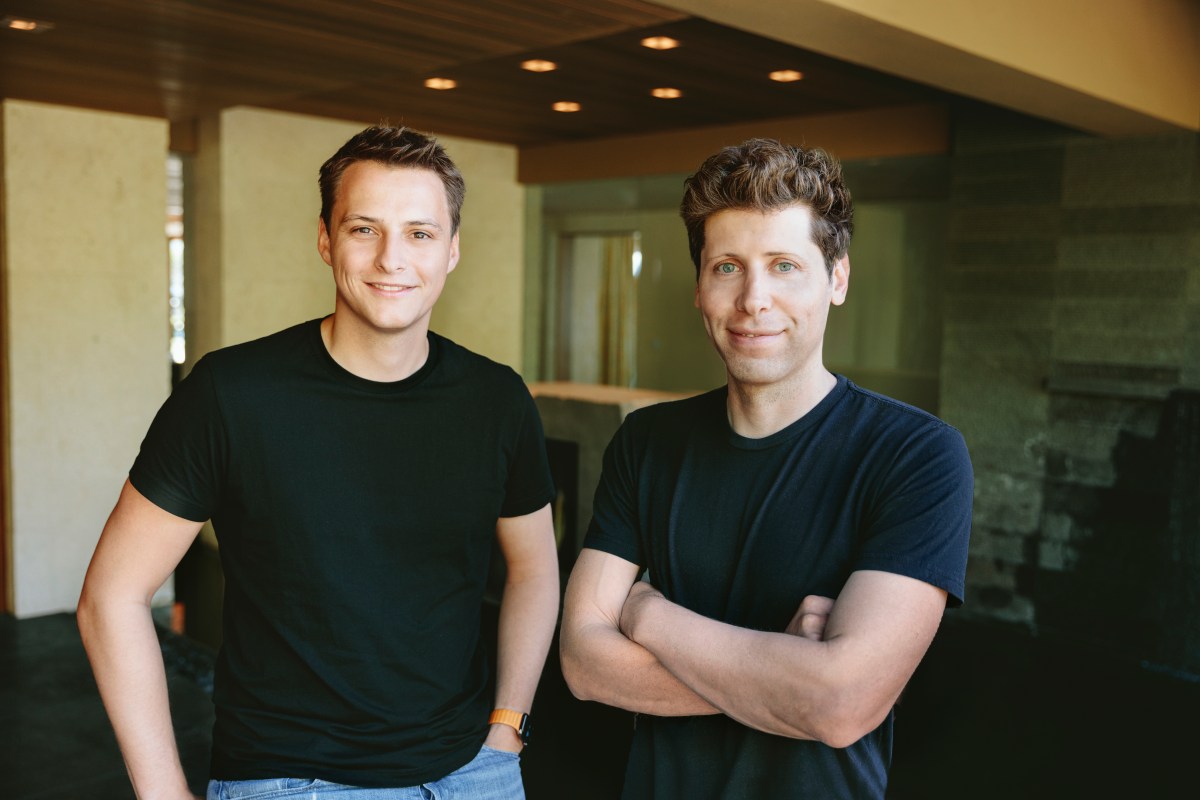
Two former Anthropic and Google researchers launched the company at a $1 billion valuation with backing from Andreessen Horowitz, Kleiner Perkins and Nvidia.
The AI infrastructure company is using its fourth financing in 18 months to expand model inference services for enterprise customers.
The chip company is rebuilding and scaling its cloud business after a major licensing and talent agreement with Nvidia.
The semiconductor startup reached a $2 billion valuation and $500 million in total funding as it develops alternatives for connecting AI data centers.
The Palo Alto startup is using AI to help companies define specialized processors before the expensive physical design and manufacturing stages.
The Stanford-founded startup plans to ship a wellness wristband that infers hormone patterns without blood draws while it pursues clinical validation.
The Berkeley company will accelerate work on fault-tolerant machines while pursuing additional federal support for U.S. quantum infrastructure.
The San Francisco startup is investing in its own speech models and the infrastructure required to run large volumes of automated business calls.
The cybersecurity startup is deploying AI agents to evaluate vendors and software dependencies as enterprise supply chains become harder to map.
The secretive company led by Jeff Bezos and Vik Bajaj is valued at $41 billion before revealing much about its technology or customers.
The biotechnology company plans to move nonviral treatments for Duchenne muscular dystrophy and polycystic kidney disease toward clinical testing.
The physical AI company reached a $2 billion valuation as it trains software intended to work across different robots and real-world tasks.
The prompt-to-app startup says its community creates games, quizzes and interactive experiments at a rate of about one every half-second.
The startup is building a network that records first-person human activity, bringing privacy, consent and worker pay into the robotics data race.
Brett Adcock's new lab reached a $6 billion post-money valuation before releasing its first products to the public.
Richard Socher's new laboratory is pursuing AI systems that can improve their own research process, backed at a reported $4.65 billion valuation.
The Palo Alto company founded by Rivian CEO RJ Scaringe has now raised more than $1 billion for industrial robots trained in live manufacturing environments.
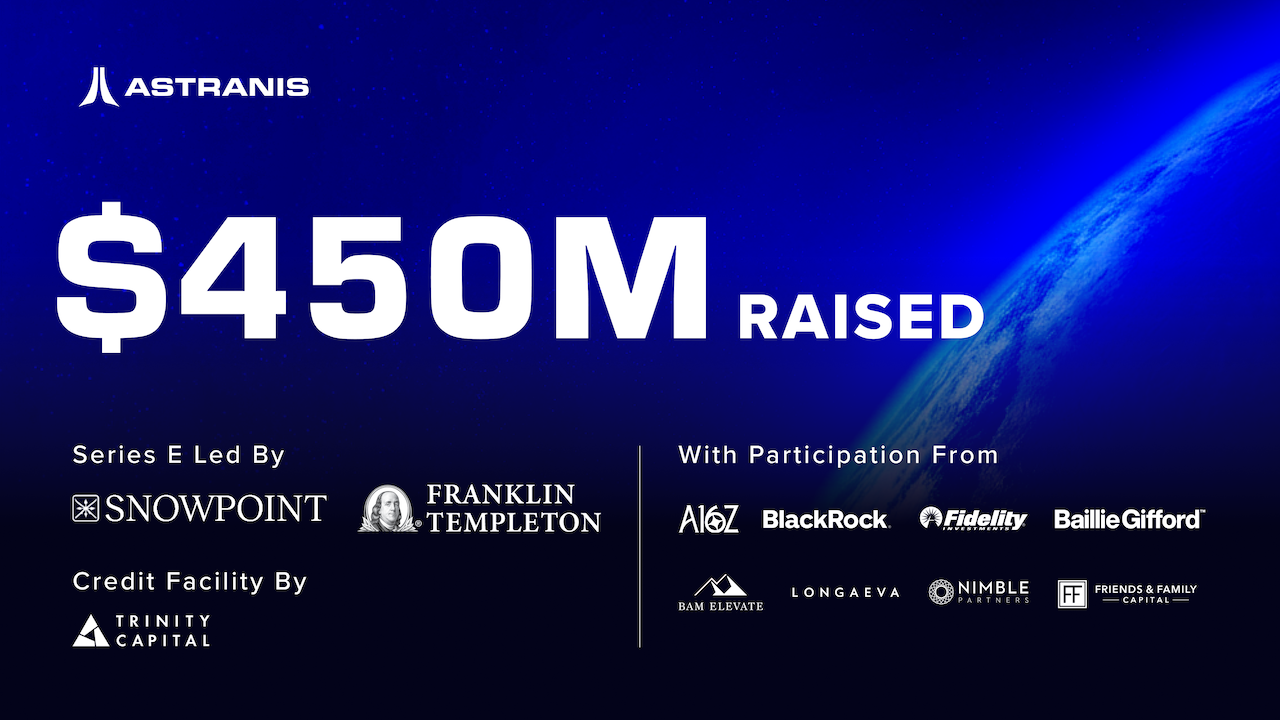
The satellite manufacturer is combining a Series E round with a credit facility as it expands production for commercial and government missions.
The Palo Alto startup is commercializing infrastructure around a widely used open-source engine for running and serving advanced AI models.
The San Francisco startup wants to organize fragmented research and manufacturing data across semiconductors, batteries and advanced materials.
The six-person startup is training AI to learn digital tasks from video, with efficiency and safety becoming the key tests for its approach.
The startup is training a foundation model called Fury to control unmanned vehicles across changing military environments.
The startup wants hardware makers to connect glasses, jewelry and home devices to models and multimodal services without building the entire stack.
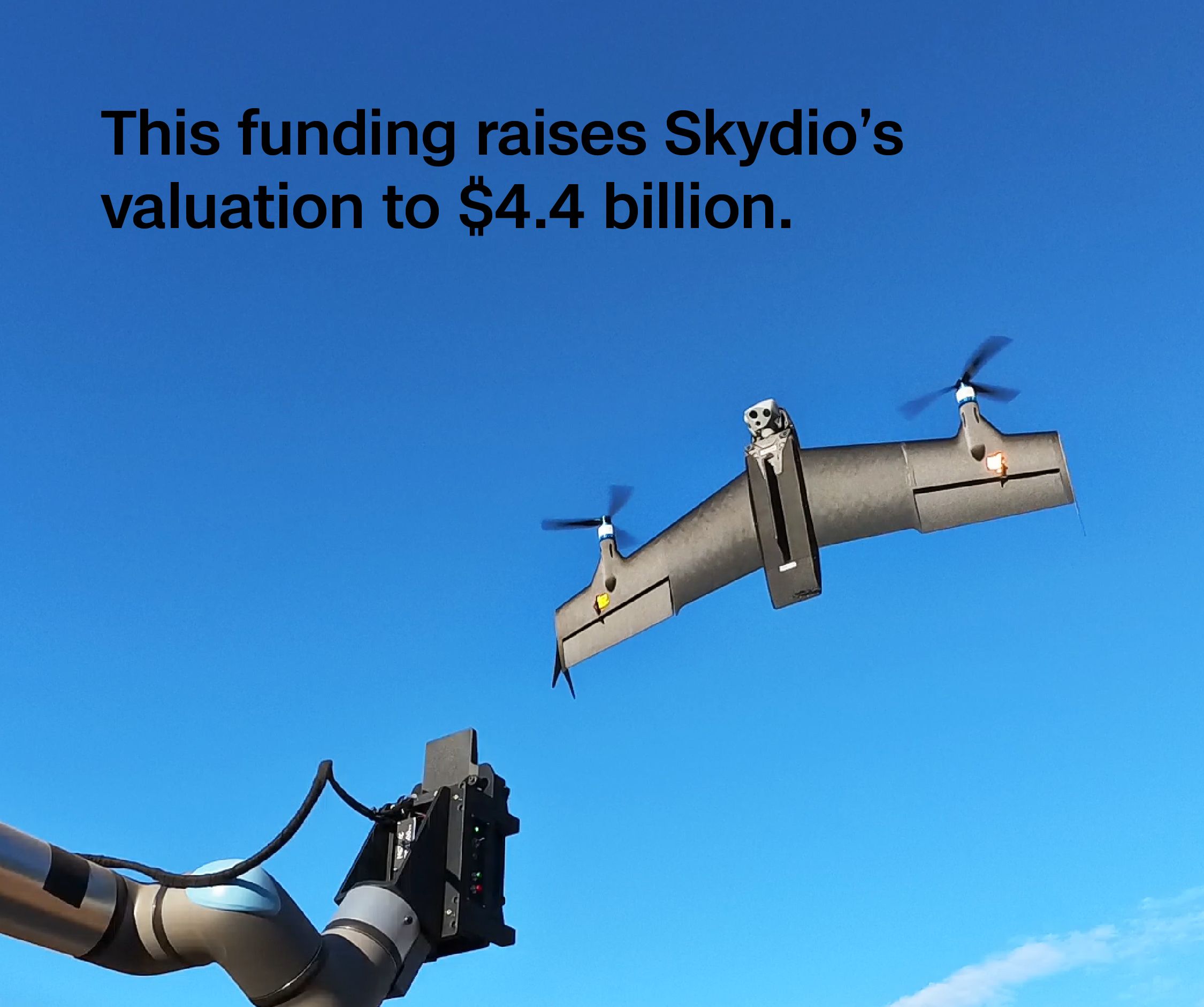
The autonomous drone maker reached a $4.4 billion valuation as it increases production for defense, public safety and infrastructure customers.
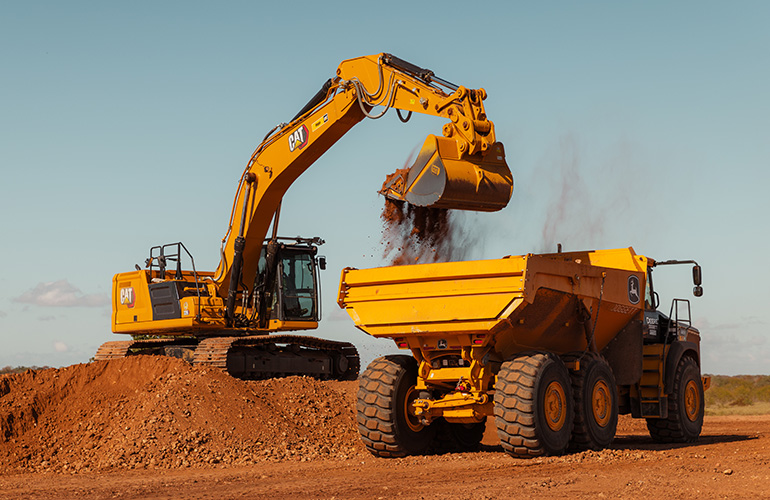
The startup is beginning with autonomous road rollers that can be retrofitted onto machines already operating at construction sites.
The new research lab wants software agents to build specialized expertise from experience instead of remaining fixed after training.
The React Native platform is expanding from developer infrastructure into AI-assisted work that helps enterprise teams move from an idea to a shipped application.
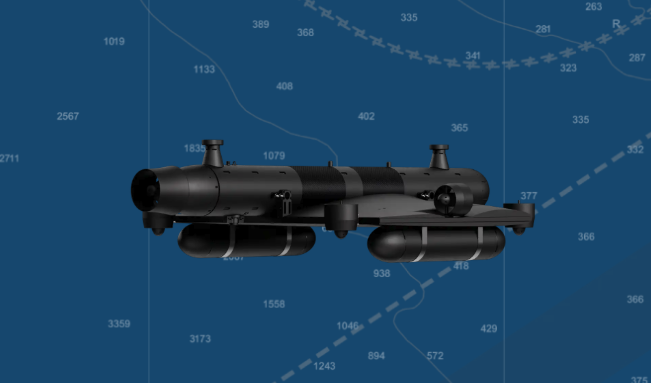
The marine robotics company is pairing underwater vehicles with surface vessels and launch systems for commercial and defense missions.
The San Francisco mobility company is preparing pilot networks that place small autonomous vehicles on narrow, reserved lanes.
The Santa Clara startup is combining navigation, communications and computing functions in silicon intended for drones and robots.
The company is assembling distributed GPU capacity into a platform that lets developers choose models, hardware and deployment locations.
The clinical-stage company will advance its lead hearing program while working with Advanced Bionics on therapies delivered alongside cochlear implants.
The Redwood City company will scale access to an FDA-cleared prescription belt designed for people with low bone density.
The startup is building software intended to let data-center networks adapt automatically to changing AI workloads.
The financing gives the San Francisco AI company an extraordinary capital base, while placing equal pressure on revenue growth, infrastructure execution and product focus.
The Rivian spinoff reached a valuation above $1 billion while expanding from small electric vehicles into autonomous delivery systems.
The San Jose chip startup is betting that a shorter, vertical path for electricity can remove a growing bottleneck inside high-performance AI systems.
The Mountain View robotics company reached a $1.15 billion valuation with a plan to begin real household deployments in the fall.
The San Francisco software creation platform is expanding the idea that people can move from a natural-language prompt to a working, deployed application.
The Dublin, California semiconductor company plans to commercialize a component that moves power vertically toward high-performance processors.
The Santa Clara company reached a $4.2 billion valuation as large AI systems create demand for faster, more flexible connections between processors.
The brain-computer interface company is preparing its PRIMA vision-restoration system for commercialization while funding a broader clinical pipeline.
The semiconductor startup is moving its co-packaged optics technology toward volume production as data centers demand faster, more efficient connections.
The Y Combinator startup is making its streaming platform generally available as AI developers look for simpler ways to process live data.
The Palo Alto AI infrastructure company will use the capital to expand its SN50 chip and SambaCloud platform as demand grows for alternatives in inference computing.
The durable-computing company reached a $5 billion valuation as enterprises look for infrastructure that can keep long-running AI work on track.
The Mission Bay startup is building laboratory systems that use living neurons for AI workloads, an ambitious alternative to conventional silicon.
The company is applying foundation-model techniques to tables and relational data, an area where text-focused AI systems often struggle.
The Mountain View company plans to expand domestic manufacturing and coordinate more residential batteries as electricity demand strains the grid.
The company founded by former Waymo leaders is moving its self-driving system from supervised job sites toward operator-less heavy equipment.
Alphabet's robotaxi company is financing a major expansion as autonomous ride-hailing moves from limited deployments toward a broader transportation network.