Okta Agrees to Acquire Permiso Security
The identity company is adding threat detection for human, machine and AI-agent accounts.
Archive
The identity company is adding threat detection for human, machine and AI-agent accounts.
The Silicon Valley startup says autonomous software agents can shorten expensive chip-development cycles, with verification emerging as an early target.
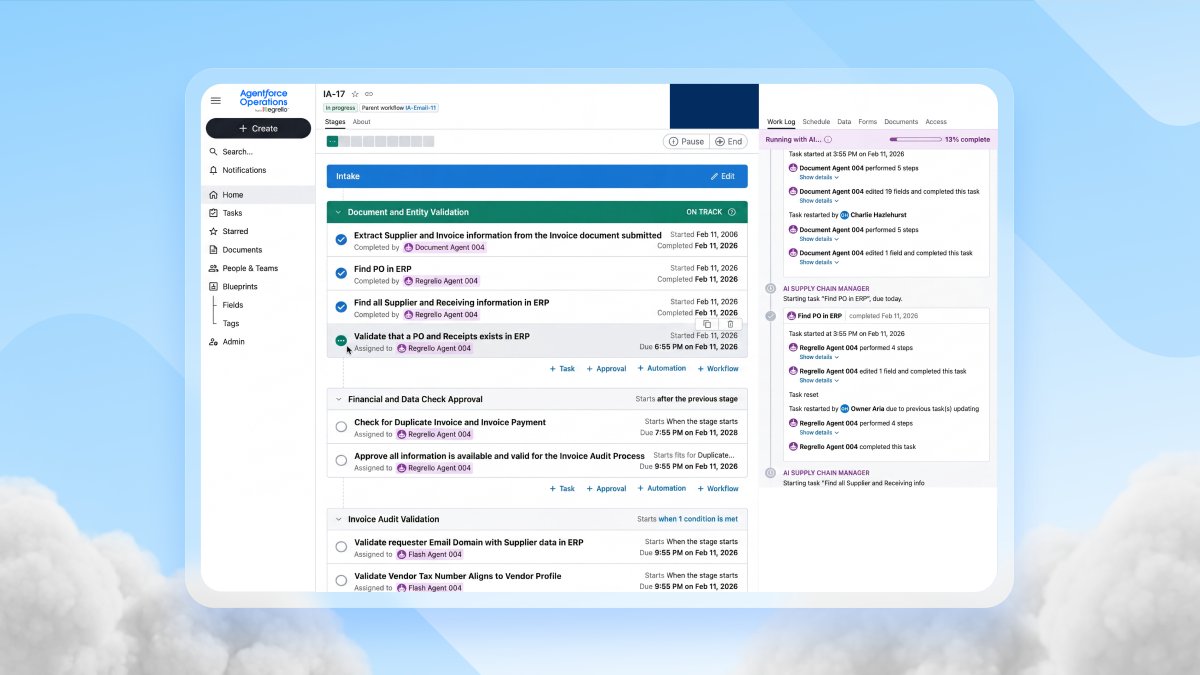
The San Francisco company is expanding autonomous teams that handle procurement, supplier coordination, invoices and payments for large enterprises.
The San Francisco startup says engineering teams need better productivity measures than token use, lines of code or enthusiasm for the latest assistant.
The companies with real production usage share one thing: narrow scope.
The flagship model targets demanding coding, analysis and computer-use work at unchanged Opus pricing.
The financing will support World ID infrastructure, but the transaction is a crypto-token sale rather than a conventional venture equity round.
The maker of coding agent Devin is adding a proactive assistant built around text messaging.
The Palo Alto and Tel Aviv company reached a $1.2 billion valuation with a prevention-focused approach to securing devices used for AI work.
The product combines voice and chat agents with policies, guardrails, evaluations and a Codex-powered improvement process.
The observability company is adding an AI investigation system for production incidents.
Gemini 3.6 Flash, 3.5 Flash-Lite and the restricted 3.5 Flash Cyber model target different production requirements.
The young fintech company wants autonomous software to pay vendors while businesses retain policy controls and an auditable record.
The startup founded by former Ultrahuman hardware executive Apoorv Shankar is developing physical controls intended to direct AI agents.
The linguistics-led startup is training speech systems to handle specialized vocabulary, varied accents and real-time customer conversations.
The Tel Aviv and San Francisco startup wants one continuously updated graph for employees, software accounts, service identities and AI agents.
Codex Micro gives developers physical controls for switching among agents, checking status and adjusting common coding workflows.
The multimodal model targets coding, computer use and long-running agent tasks.
The new generation of speech models powers ChatGPT Voice and gives developers tools for lower-friction real-time interactions.
The startup is adding automation to a data layer that connects the accounting, project and payment systems used by contractors.
The design platform is bringing agent development and code generation closer to its collaborative canvas.
The enterprise software startup is expanding an AI-native development platform built around requirements, oversight and audit trails.
The AI testing company is moving beyond fixed benchmarks with models that generate changing environments for training and evaluation.
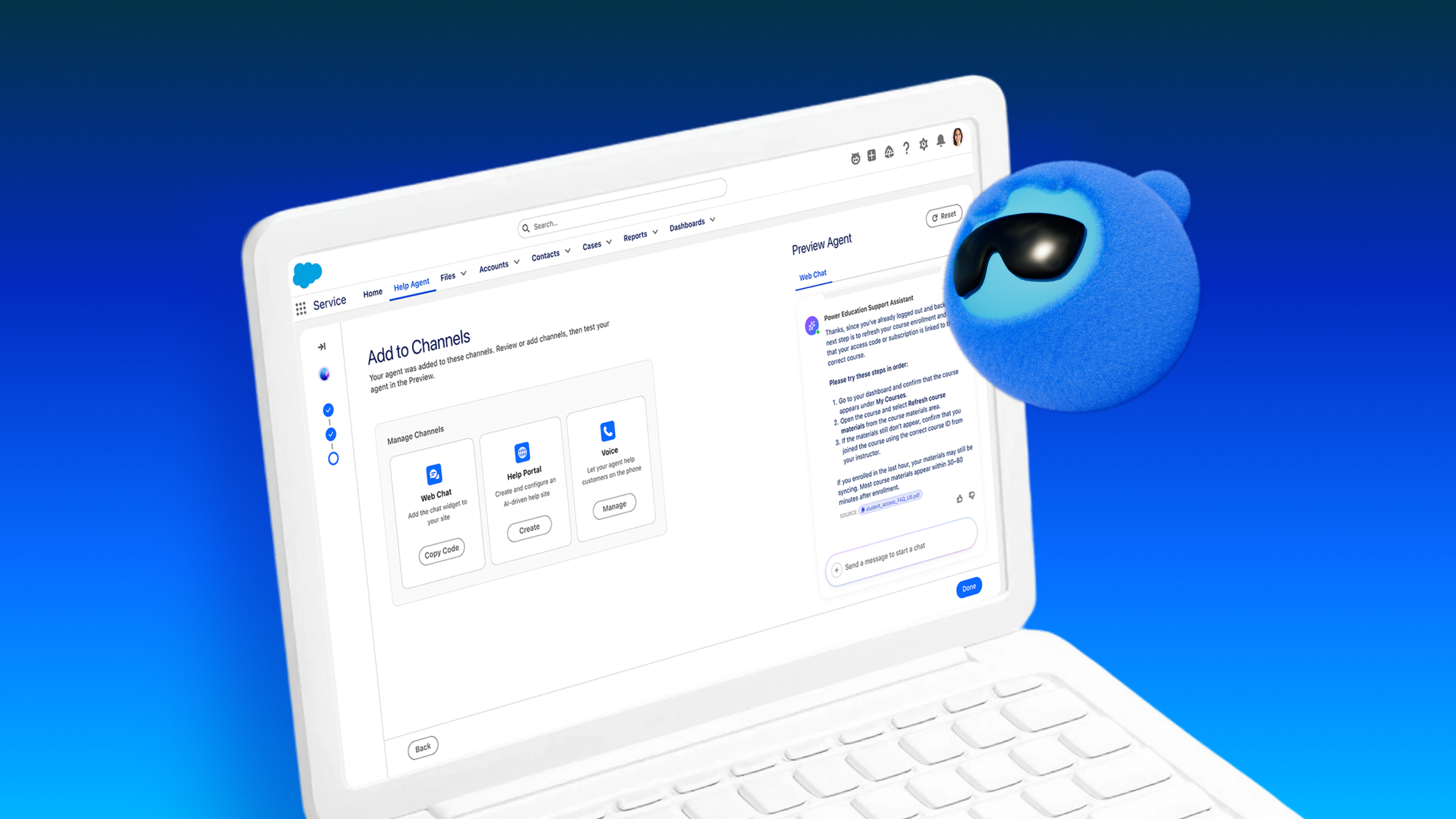
Agentforce Help Agent is designed to deploy across service channels in minutes and charge customers only for completed resolutions.
The healthcare startup is expanding AI agents from phone scheduling into a broader operating system for the patient journey.
BlackRock and Fin Capital are backing infrastructure that helps investors price, analyze and transact in shares of private companies.
The San Francisco and Tokyo company is developing low-latency speech models for Japanese, Korean and Chinese applications.
The startup is creating its own crawler, index and retrieval models for software that asks longer questions and consumes structured results.
Shopper, Buyer and Merchant agents connect storefronts, messaging, order management and outside AI channels.
The company is building software that continually personalizes campaigns, tests changes and adjusts marketing decisions across customer channels.
The former Waymo engineer behind the startup is applying simulation and observability techniques to customer-facing AI systems.
The new workflow creates a short-lived Cloudflare environment that can be claimed or allowed to expire.
The startup wants agents to own recurring business outcomes across existing applications instead of stopping after a single generated response.
The agentic workspace company added $100 million and appointed a chief revenue officer as it pursues larger business customers.
The San Francisco startup is investing in its own speech models and the infrastructure required to run large volumes of automated business calls.
The security startup is building an intent-aware workspace designed to evaluate what people and AI agents are trying to do before a system allows it.
The startup is building validation software that checks model responses before errors reach users in high-precision workflows.
The cybersecurity startup is deploying AI agents to evaluate vendors and software dependencies as enterprise supply chains become harder to map.
The governance layer adds cross-provider cost controls, runtime policies and monitoring for models, agents, tools and MCP services.
The agentic system is designed to help business teams analyze information and automate recurring work.
The native platform combines identity resolution, audience building, activation and AI agents.
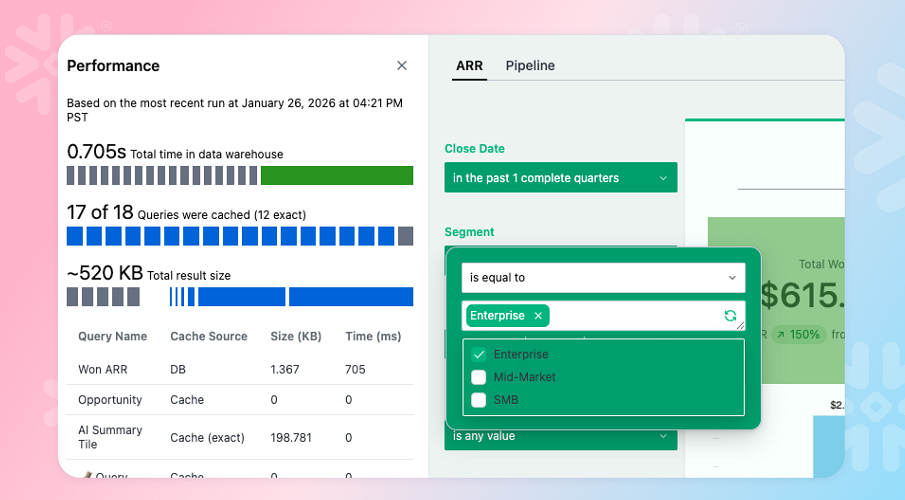
The data company is adding an AI security-operations center to its expanding lakehouse strategy.
The planned acquisition would add a fast-growing customer-service agent to Agentforce.
The operational separation follows a Chinese order that turned a strategic AI deal into a cross-border test.
The San Francisco and Tel Aviv company wants security agents to find and help fix software risks throughout the development lifecycle.
The open-source database platform is financing faster growth as AI agents generate more applications and infrastructure demand.
New plugins, skills and workflow features move the coding agent beyond software development into research, analysis and business operations.
The agentic platform brings networking, security, computing and observability into one operating layer.
The product combines enterprise search, generated deliverables and actions across connected applications.
The Claude developer secured one of the largest private financings ever as demand for enterprise AI and computing capacity continues to climb.
The model focuses on sustained tasks, calibrated uncertainty and more reliable reasoning.
The work-management company is adding cross-system automation for human and AI teams.
The maker of Devin says enterprise usage is climbing as software teams give cloud agents a larger share of development work.
Brett Adcock's new lab reached a $6 billion post-money valuation before releasing its first products to the public.
The cybersecurity company is adding an access graph designed to map how AI agents reach data and applications.
The San Francisco startup reached a $2.2 billion valuation by selling web search and content retrieval directly to software developers.
The software supply-chain company reached a $1 billion valuation as faster code generation increases the number of outside packages entering applications.
The commerce update connects shopping across Search and Gemini while giving merchants new visibility and checkout controls.
Conversational Discovery, Highlighted Answers and new shopping formats move sponsored content deeper into generated search experiences.
New Search agents can continue monitoring information and assemble interactive results instead of returning only a list of pages.
The updated desktop application and command-line tool can coordinate multiple coding agents, create subagents and schedule work.
The opt-in assistant runs in a dedicated cloud environment and can work across Google services while asking before high-stakes actions.
The $80 million to $90 million arrangement moves more than 20 employees without a formal company purchase.
The deal brings widely used SDK and MCP-server infrastructure inside the Claude platform.
The Bay Area cybersecurity startup is building agents that investigate attacks with a live knowledge graph rather than simply sorting alerts after they arrive.
The San Francisco startup wants to turn logs, tool calls and user interactions into a continuous feedback system for agent developers.
The San Francisco startup is trying to replace disconnected sales tools with a system that carries context from prospecting through a closed deal.
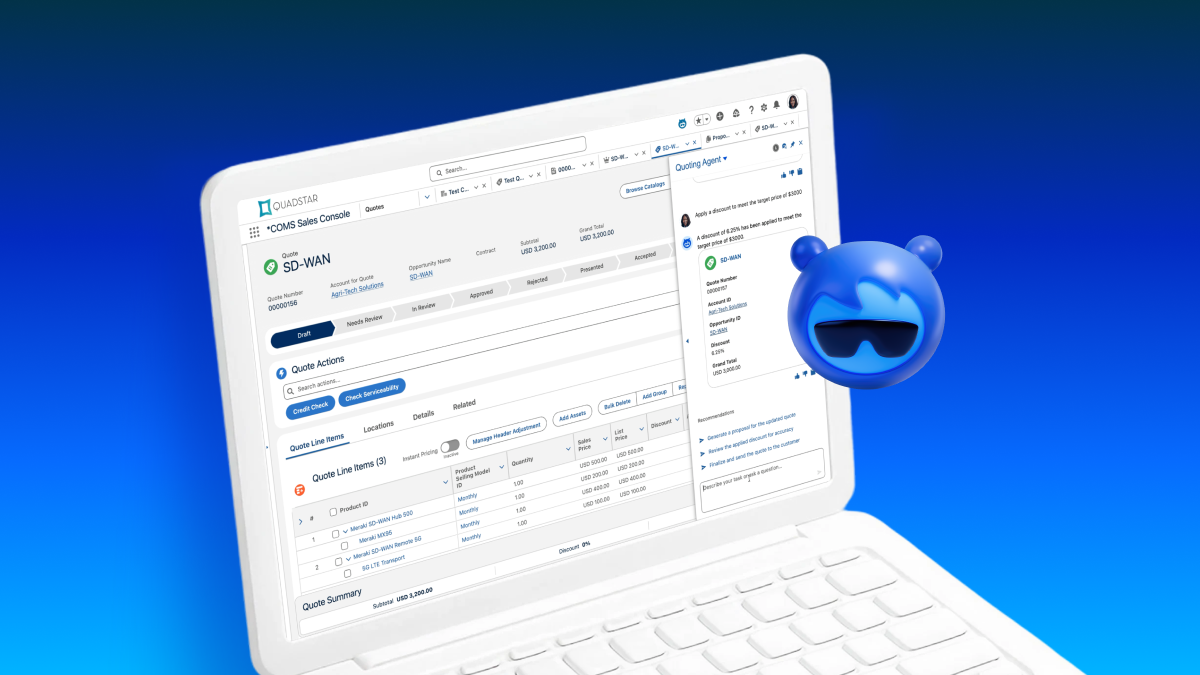
The young San Francisco company is starting with an AI-assisted alternative to the configuration and approval systems used for complex deals.
The finance software startup is expanding AI agents that handle invoicing, reconciliation, collections and other repetitive cash workflows.
The full-stack insurer is using AI across underwriting, policy administration and claims as it expands into additional commercial markets.
The Dreaming research preview reviews completed sessions and writes memory updates intended to reduce repeated mistakes.
The San Francisco startup wants to organize fragmented research and manufacturing data across semiconductors, batteries and advanced materials.
The customer-experience software company is valued above $15 billion as it races to make AI agents a standard interface for large brands.
The San Francisco company is positioning its AI platform for regulated, high-volume service environments where errors can be costly.
The six-person startup is training AI to learn digital tasks from video, with efficiency and safety becoming the key tests for its approach.
The San Francisco company more than doubled its valuation to $2.75 billion as it expanded from moving customer data to helping agents run campaigns.
The company reached a $2 billion valuation as it expands tools that help automated systems search, retrieve and organize online information.
The startup is training a foundation model called Fury to control unmanned vehicles across changing military environments.
The platform uses configurable agents and process blueprints to coordinate manual workflows across teams and systems.
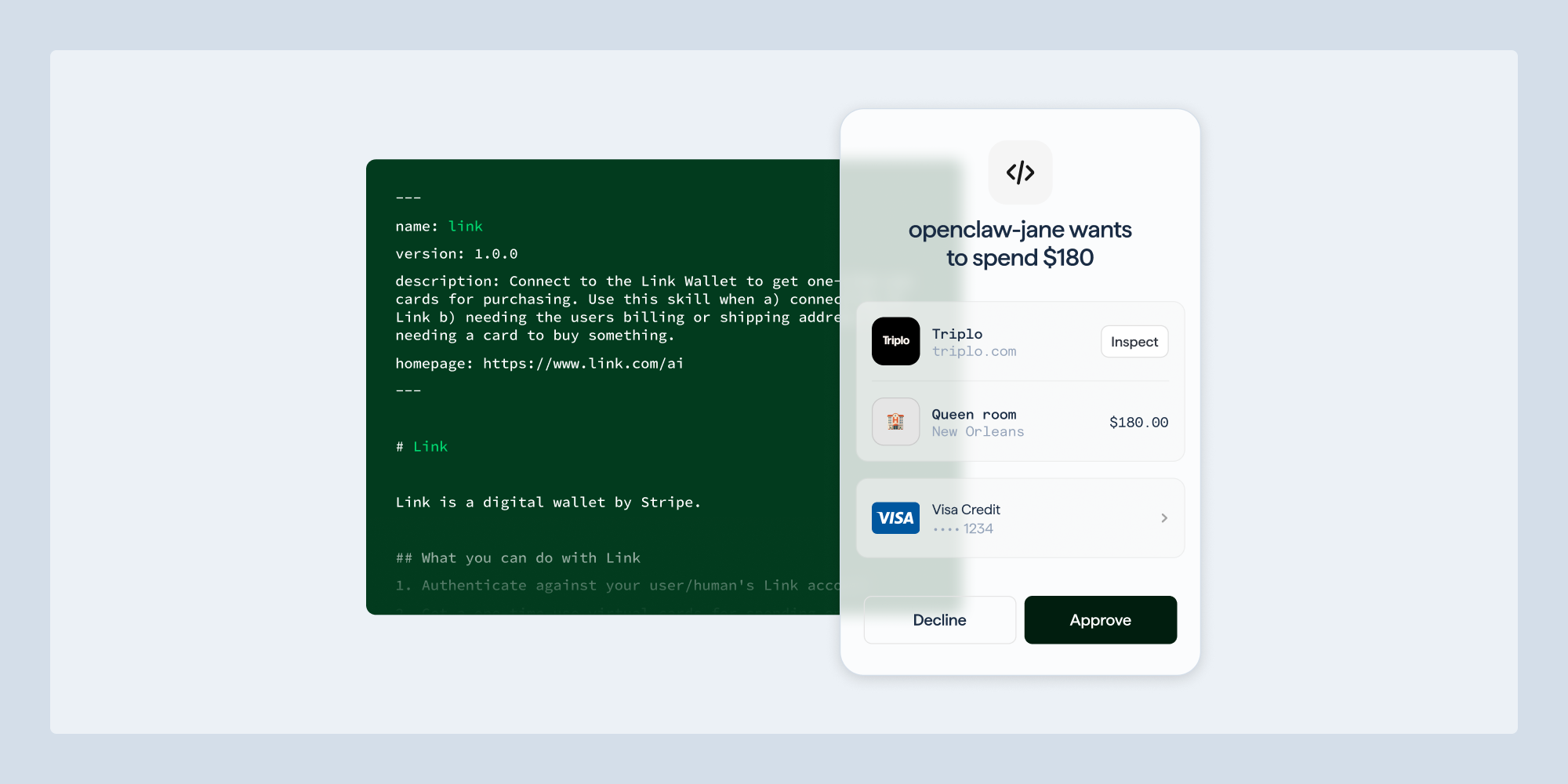
The payments company is introducing scoped credentials and human review for software-driven spending.
The San Francisco company reached a $1.5 billion valuation by combining chat, spreadsheets and code with a governed layer for company data.
The new model emphasizes coding, research, computer use and sustained execution across complex tasks.
The customer-service agent company is adding a French team that connects AI with business processes.
The new research lab wants software agents to build specialized expertise from experience instead of remaining fixed after training.
The new system connects marketing data, content, analytics and automated work across the customer lifecycle.
The analytics startup is using strategic capital to expand software that lets employees ask questions across fragmented company data in ordinary language.
The React Native platform is expanding from developer infrastructure into AI-assisted work that helps enterprise teams move from an idea to a shipped application.
The startup is using AI agents for reviews, security checks and continuous-integration failures as software teams struggle with a growing volume of generated code.
The a16z-backed startup wants consumer businesses to move from dashboards and recommendations to actions tied to measurable financial results.
The phone-automation startup says contact-center operators invested alongside venture firms after deploying its agents in live customer service work.
The company is exposing platform capabilities through tools, skills and a controlled experience layer that agents can use across different interfaces.
The conversational agent can plan and complete tasks using Photoshop, Premiere, Illustrator and other Adobe tools.
New developer primitives address memory, subagents, execution and recoverable long-running work.
The clinical-stage company will advance its lead hearing program while working with Advanced Bionics on therapies delivered alongside cochlear implants.
The Barcelona and San Francisco company is building a governed graph that lets employees, software and agents work from the same organizational knowledge.
The first model from Meta Superintelligence Labs powers a redesigned Meta AI experience and can coordinate parallel subagents.
A single integration is designed to expose catalogs, payments and order workflows to AI shopping agents.
The San Francisco company pairs software agents with growth specialists as brands adjust to search results shaped by traditional engines and AI answers.
The startup is using conversational agents to conduct structured phone interviews and turn long-form responses into research data.
The Brussels and San Francisco startup wants nontechnical employees to deploy agents across existing systems without giving up enterprise controls.
Former Atlassian CTO Sri Viswanath is building a control layer for companies that want autonomous agents without giving up security, governance or oversight.
The Mountain View startup is combining expert labor, evaluations and software infrastructure to improve AI systems after their initial training.
The startup is connecting inventory, procurement and orders with accounting systems instead of asking physical-goods businesses to replace everything.
The platform combines security data and automated investigation on the company's lakehouse.
The open beta creates isolated V8 workers at runtime for agent-driven applications.
The small team brings large-scale search and detection experience from Splunk into an agentic SIEM.
The startup combines AI agents with human media experts to turn sales conversations and customer data into targeted campaigns.
The startup wants employees to direct business software through natural language while agents work across data and applications.
The deal gives IBM a major real-time data platform for enterprise AI and hybrid cloud systems.
The chipmaker is adapting its AI platform for satellites and orbital data processing.
OpenShell, AI-Q and new Nemotron models aim to give companies more control over autonomous software.
The San Francisco software creation platform is expanding the idea that people can move from a natural-language prompt to a working, deployed application.
The startup formerly known as mcp-use is turning an open-source toolkit into a managed platform for deploying the connectors used by AI applications.
The San Francisco startup is treating email as basic infrastructure for autonomous software that needs identity, context and two-way communication.
The San Jose startup is developing agentic cybersecurity software meant to connect defenses across corporate networks and operational technology.
Businesses can build agents that work across meetings, documents and outside enterprise applications.
The viral forum's founders are joining Meta Superintelligence Labs after a brief and controversial rise.
The open-source testing company will strengthen security evaluation for enterprise agents in OpenAI Frontier.
The Y Combinator company is targeting evidence collection and compliance work that still depends heavily on spreadsheets, tickets and manual review.
Thinking and Pro versions arrive across ChatGPT, Codex and the API with an emphasis on complex knowledge tasks and tool use.
The startup is selling an operated support function rather than software alone, putting automation performance directly on its own team.
Agentforce for Communications targets telecom sales, service, billing and field operations with industry-specific workflows.
The Y Combinator startup is making its streaming platform generally available as AI developers look for simpler ways to process live data.
The Seattle company's team and desktop-agent technology will support Claude's ability to operate software.
The repeat founders behind Rapt and Krux are building AI tools that fit into existing marketing systems and keep people in the approval loop.
The durable-computing company reached a $5 billion valuation as enterprises look for infrastructure that can keep long-running AI work on track.
The Series C extension values the developer platform at $1.5 billion as more teams need persistent infrastructure for applications and agents.
The observability startup reached an $800 million valuation as companies seek better ways to test and improve applications built on language models.
The Stanford-rooted startup wants digital populations to help organizations test decisions before they affect customers, workers or markets.
The voice platform is expanding through software and telecom partners that can distribute automated front-desk service at scale.
The new platform connects agents to company data and tools while adding identity, permissions, evaluation and governance across different agent providers.
The startup is building authorization and payment tools that let AI agents purchase APIs, data and computing services under defined controls.

.jpg)
















.png)











































.jpg)