Google Navigates AI Talent Exodus Amidst Cloud Growth and Strategic Pivots
Google faces a complex landscape, balancing the significant expansion of its cloud division with the departure of key AI talent to other leading research labs and startups.
Archive
Google faces a complex landscape, balancing the significant expansion of its cloud division with the departure of key AI talent to other leading research labs and startups.
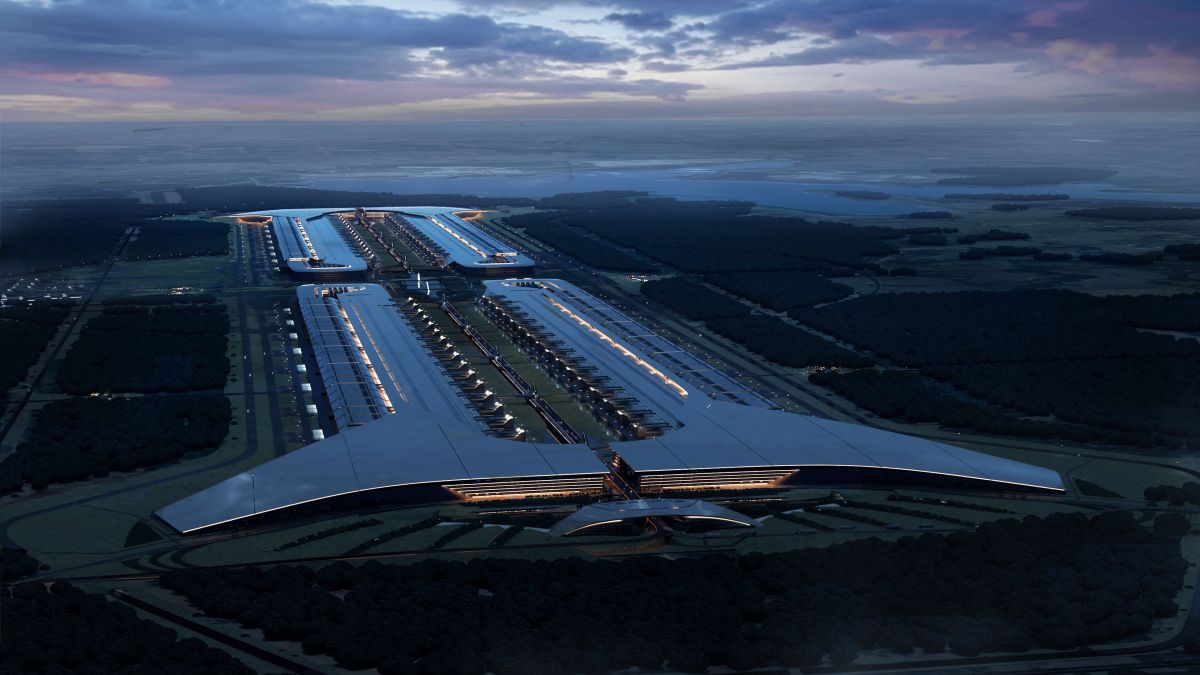
Tesla and SpaceX are set to invest significantly in a new chip manufacturing facility in Texas, aiming to address future computing demands.
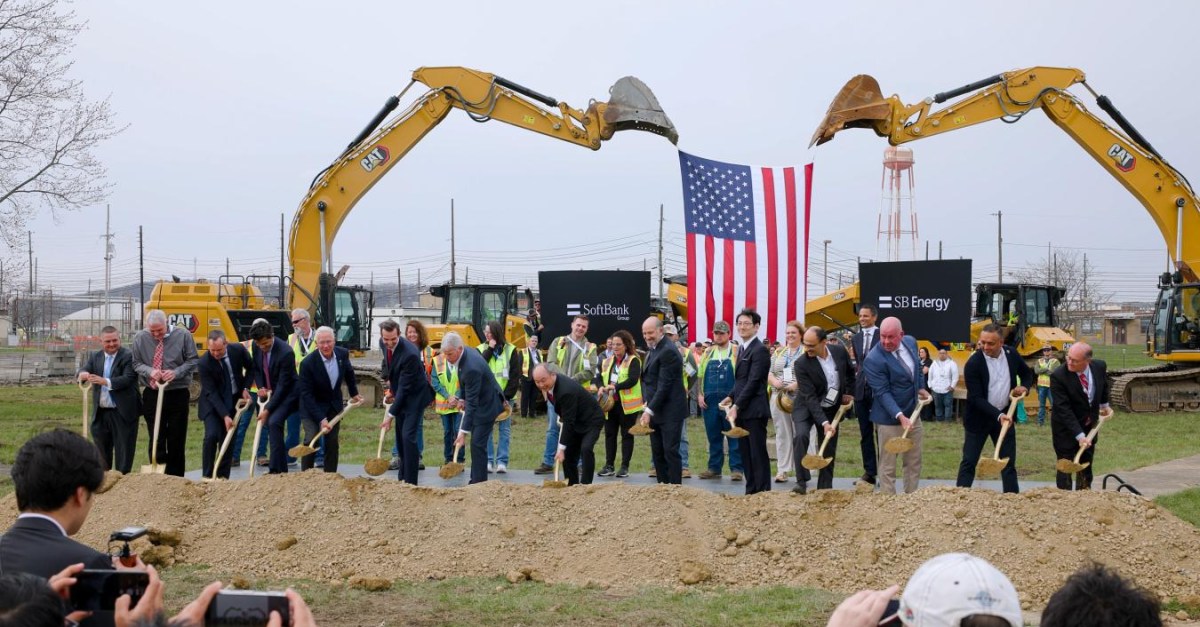
SoftBank contributed $50 million to the Donald J. Trump Presidential Library Fund in January, several months before securing a federal land lease for a major data center project in Ohio.
Across the United States, communities are uniting in opposition to the development of new AI data centers, transcending traditional political divides.
Chevron and Williams are making significant investments in power generation for data centers, signaling a new revenue stream for the fossil fuel industry.
A new resolution aims to empower local communities with greater control over data center development.
Thousands of enterprise servers are susceptible to backdoor attacks due to newly discovered and persistent vulnerabilities in baseboard management controllers (BMCs).
AI data-center customers are securing long-term supply, leaving consumer-device makers with higher component costs into 2028.
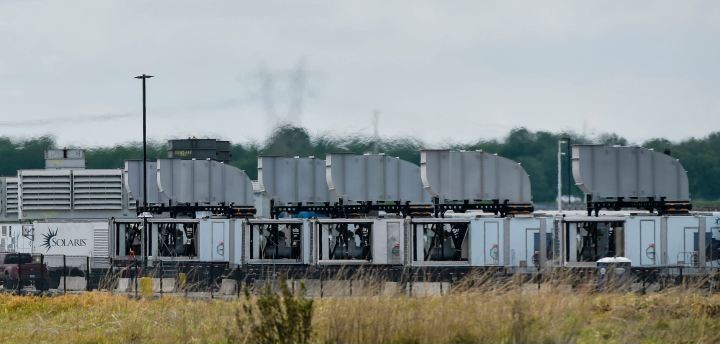
The temporary generators will remain while a permanent 1.2-gigawatt gas plant is built for the Colossus data centers.
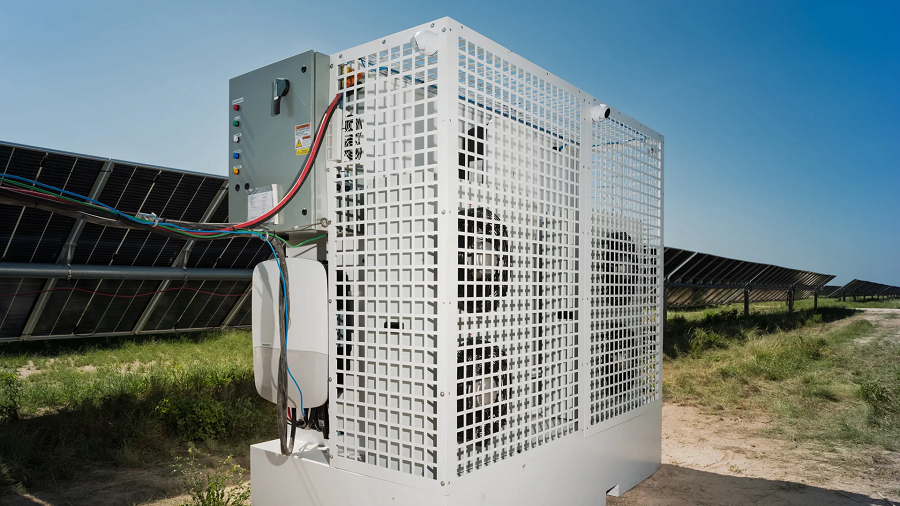
The industrial energy company plans to manufacture more systems that store renewable electricity as high-temperature heat and dispatchable power.
The AI cloud provider is adding the software behind Ray to build a broader infrastructure stack.
AWS revenue rose 37%, helping the company defend infrastructure spending that would be harder to justify without a clear hosting business.
The startup is applying automated document review to the permitting and regulatory work behind data centers and other large developments.
The Silicon Valley startup says autonomous software agents can shorten expensive chip-development cycles, with verification emerging as an early target.
The Santa Clara startup is building chiplet and licensing technology designed to move data faster between AI processors, memory and networking systems.
The chipmaker is bringing a hardware-neutral AI software platform into its edge-to-cloud strategy.
PJM Interconnection will begin curtailing facilities of 50 megawatts or more in June 2027 when supply cannot meet demand.
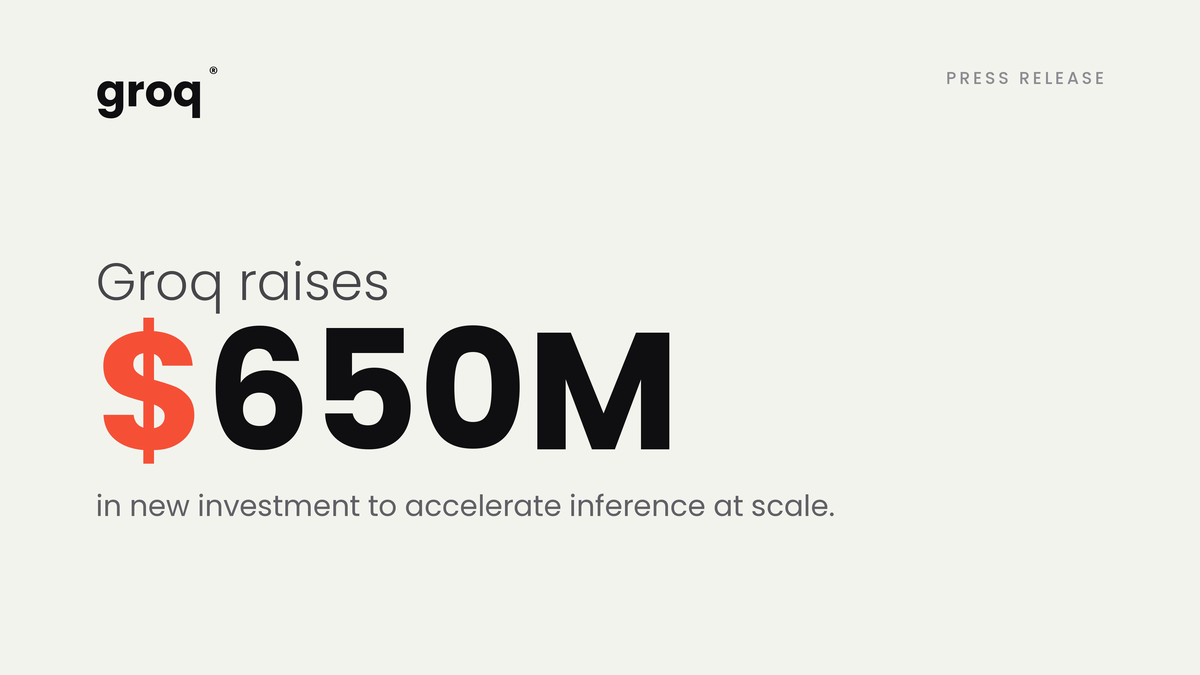
The AI chip startup plans to scale production and customer deployments as it builds specialized hardware for high-volume inference.
Gemini 3.6 Flash, 3.5 Flash-Lite and the restricted 3.5 Flash Cyber model target different production requirements.
The Kubernetes management company added Goldman Sachs and strategic investors as businesses move AI systems from pilots into production.
The open-model infrastructure company plans to expand training and inference services as enterprises seek alternatives to closed AI platforms.
The San Francisco startup is building real-time fluid sensors for computing systems that increasingly depend on liquid rather than air to control heat.
The AI infrastructure company is using its fourth financing in 18 months to expand model inference services for enterprise customers.
The chip company is rebuilding and scaling its cloud business after a major licensing and talent agreement with Nvidia.
The semiconductor startup reached a $2 billion valuation and $500 million in total funding as it develops alternatives for connecting AI data centers.
The Palo Alto startup is using AI to help companies define specialized processors before the expensive physical design and manufacturing stages.
The Berkeley company will accelerate work on fault-tolerant machines while pursuing additional federal support for U.S. quantum infrastructure.
The ChatGPT maker joined Anthropic in a high-stakes race to bring frontier AI companies to public markets.
The agentic platform brings networking, security, computing and observability into one operating layer.
The Claude developer secured one of the largest private financings ever as demand for enterprise AI and computing capacity continues to climb.
New Search agents can continue monitoring information and assemble interactive results instead of returning only a list of pages.
Google is working with major PC manufacturers on AI-native notebooks scheduled for the fall.
The company is assembling distributed GPU capacity into a platform that lets developers choose models, hardware and deployment locations.
The first model from Meta Superintelligence Labs powers a redesigned Meta AI experience and can coordinate parallel subagents.
The startup is building software intended to let data-center networks adapt automatically to changing AI workloads.
The financing gives the San Francisco AI company an extraordinary capital base, while placing equal pressure on revenue growth, infrastructure execution and product focus.
The San Jose chip startup is betting that a shorter, vertical path for electricity can remove a growing bottleneck inside high-performance AI systems.
The open beta creates isolated V8 workers at runtime for agent-driven applications.
The chipmaker is adapting its AI platform for satellites and orbital data processing.
OpenShell, AI-Q and new Nemotron models aim to give companies more control over autonomous software.
The Dublin, California semiconductor company plans to commercialize a component that moves power vertically toward high-performance processors.
The Santa Clara company reached a $4.2 billion valuation as large AI systems create demand for faster, more flexible connections between processors.
The semiconductor startup is moving its co-packaged optics technology toward volume production as data centers demand faster, more efficient connections.
The new laptop doubles entry-level storage while increasing AI and graphics performance.
The Palo Alto AI infrastructure company will use the capital to expand its SN50 chip and SambaCloud platform as demand grows for alternatives in inference computing.
The Mission Bay startup is building laboratory systems that use living neurons for AI workloads, an ambitious alternative to conventional silicon.
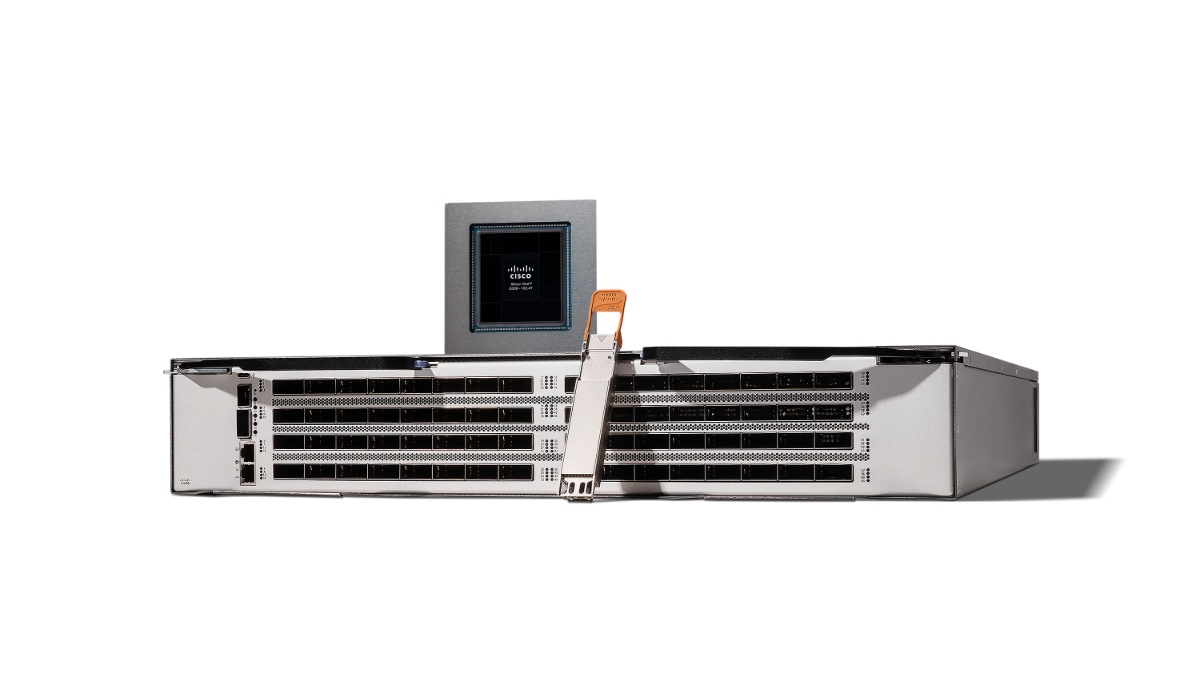
The 102.4-terabit chip is designed to move data across increasingly dense computing clusters.
The all-stock transaction brings rockets, satellites, social media and artificial intelligence under one company.