Malaysia Orders Balaji Srinivasan's Network School to Close
The startup-focused residential community faces a licensing shutdown as its founder pursues a new campus in Kazakhstan.
Archive
The startup-focused residential community faces a licensing shutdown as its founder pursues a new campus in Kazakhstan.
A sale, spinoff or closure could reduce national-security conflicts, but would remove one of Tesla's most important markets and production centers.
The startup is applying automated document review to the permitting and regulatory work behind data centers and other large developments.
The company is building managed tools for service providers that protect customers facing more sophisticated AI-enabled threats.
The San Francisco company is expanding autonomous teams that handle procurement, supplier coordination, invoices and payments for large enterprises.
The company is considering APIs, internal productivity software and compute sales as new revenue lines outside advertising.
The platform analyzes calls, messages and CRM outcomes to turn effective human techniques into reusable sales and support playbooks.
The financial app is opening to paid X subscribers with instant transfers, a Visa card and incentives tied to Premium membership.
The Palo Alto and Tel Aviv company reached a $1.2 billion valuation with a prevention-focused approach to securing devices used for AI work.
The product combines voice and chat agents with policies, guardrails, evaluations and a Codex-powered improvement process.
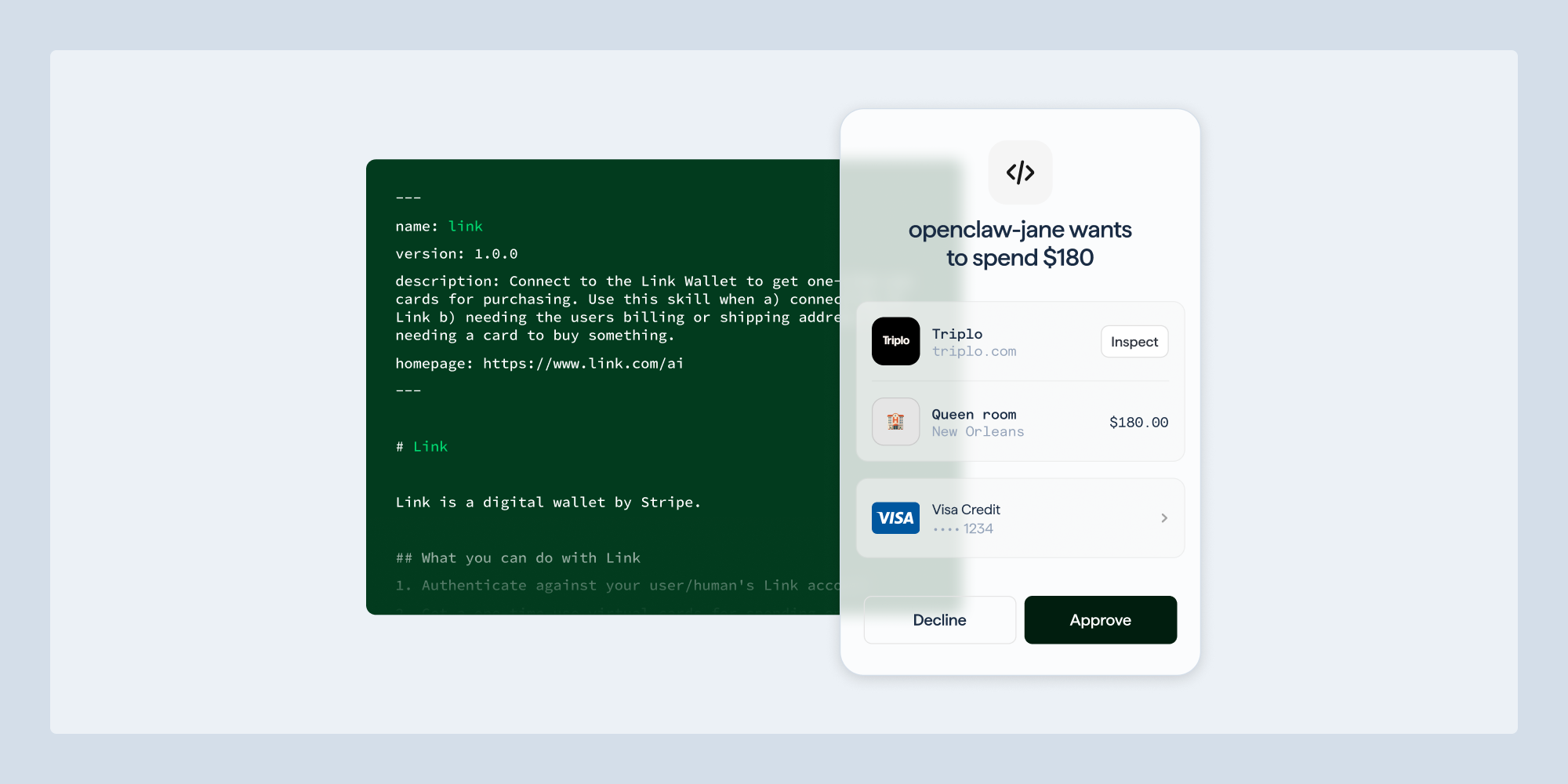
The young fintech company wants autonomous software to pay vendors while businesses retain policy controls and an auditable record.
The M13-led Series A backs a speech company betting that how a machine sounds decides whether a caller stays on the line.
The Tel Aviv and San Francisco startup wants one continuously updated graph for employees, software accounts, service identities and AI agents.
The Kubernetes management company added Goldman Sachs and strategic investors as businesses move AI systems from pilots into production.
The business finance platform reached a reported valuation near $1.2 billion and launched a global product using stablecoin payment rails.
Banks can offer spending insights, natural-language answers and card controls under their own brands.
Verified U.S. K-12 educators can receive a year of premium access and teaching-focused tools.
The company behind a widely used local AI tool is adding resources for enterprise adoption while keeping its open-source distribution engine.
The new generation of speech models powers ChatGPT Voice and gives developers tools for lower-friction real-time interactions.
The savings platform is expanding a membership that combines travel deals, cash back and financial tools for cost-conscious consumers.
The enterprise software startup is expanding an AI-native development platform built around requirements, oversight and audit trails.
The profitable software company plans to expand tools that help banks and governments investigate financial crime and third-party risk.
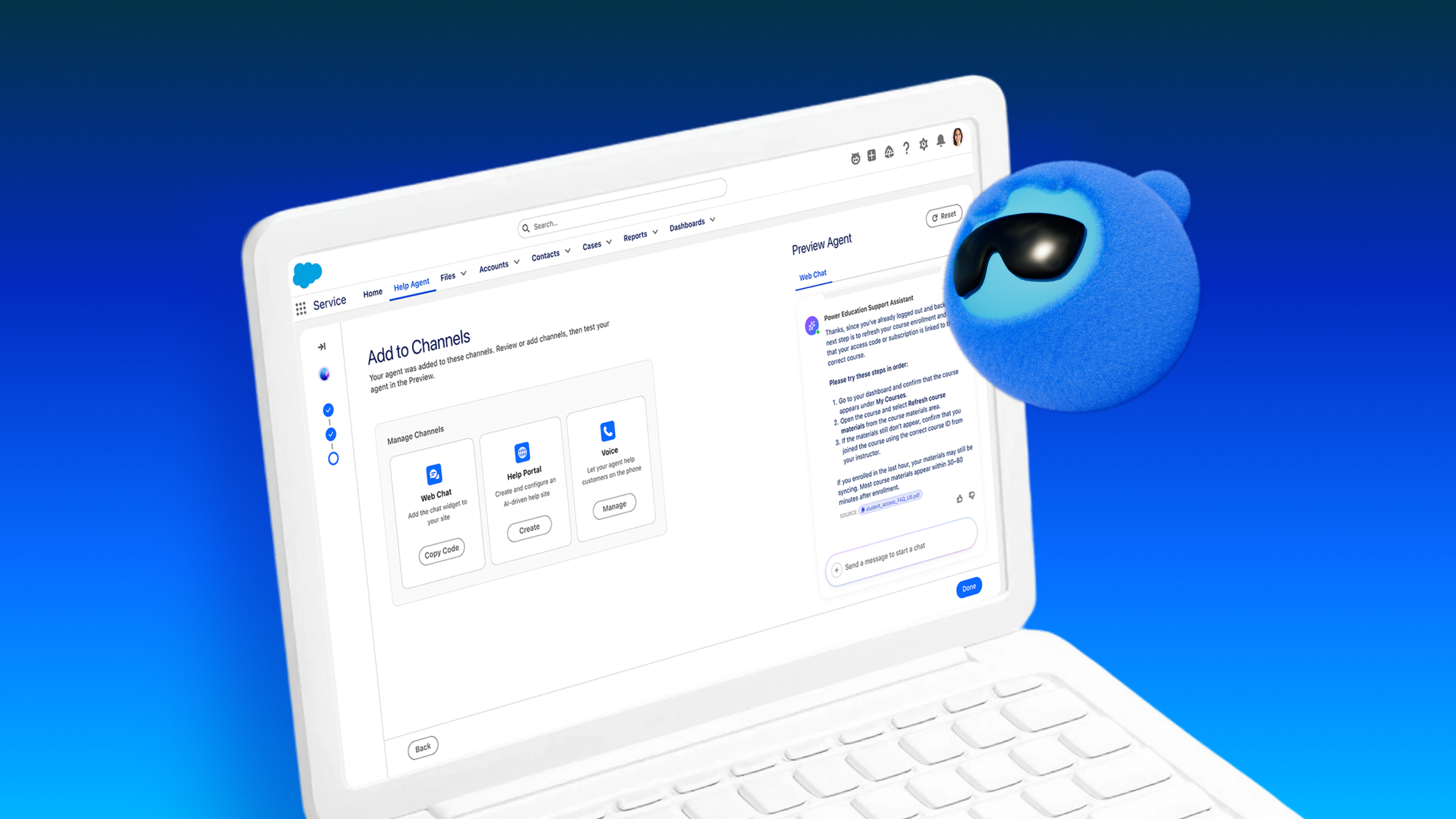
Agentforce Help Agent is designed to deploy across service channels in minutes and charge customers only for completed resolutions.
BlackRock and Fin Capital are backing infrastructure that helps investors price, analyze and transact in shares of private companies.
The former Waymo engineer behind the startup is applying simulation and observability techniques to customer-facing AI systems.
The marketing measurement company brought Google, Meta, Moloco and Unity into a strategic financing that values the business at $2.7 billion.
The startup is building validation software that checks model responses before errors reach users in high-precision workflows.
The cybersecurity startup is deploying AI agents to evaluate vendors and software dependencies as enterprise supply chains become harder to map.
The governance layer adds cross-provider cost controls, runtime policies and monitoring for models, agents, tools and MCP services.
The agentic system is designed to help business teams analyze information and automate recurring work.
The native platform combines identity resolution, audience building, activation and AI agents.
The new architecture aims to reduce the copies and pipelines separating operational applications from analysis.
The San Francisco and Tel Aviv company wants security agents to find and help fix software risks throughout the development lifecycle.
The Oakland company is building software to manage applications, participants, payments and reporting for programs serving communities.
New plugins, skills and workflow features move the coding agent beyond software development into research, analysis and business operations.
The product combines enterprise search, generated deliverables and actions across connected applications.
The maker of Devin says enterprise usage is climbing as software teams give cloud agents a larger share of development work.
The startup is building a network that records first-person human activity, bringing privacy, consent and worker pay into the robotics data race.
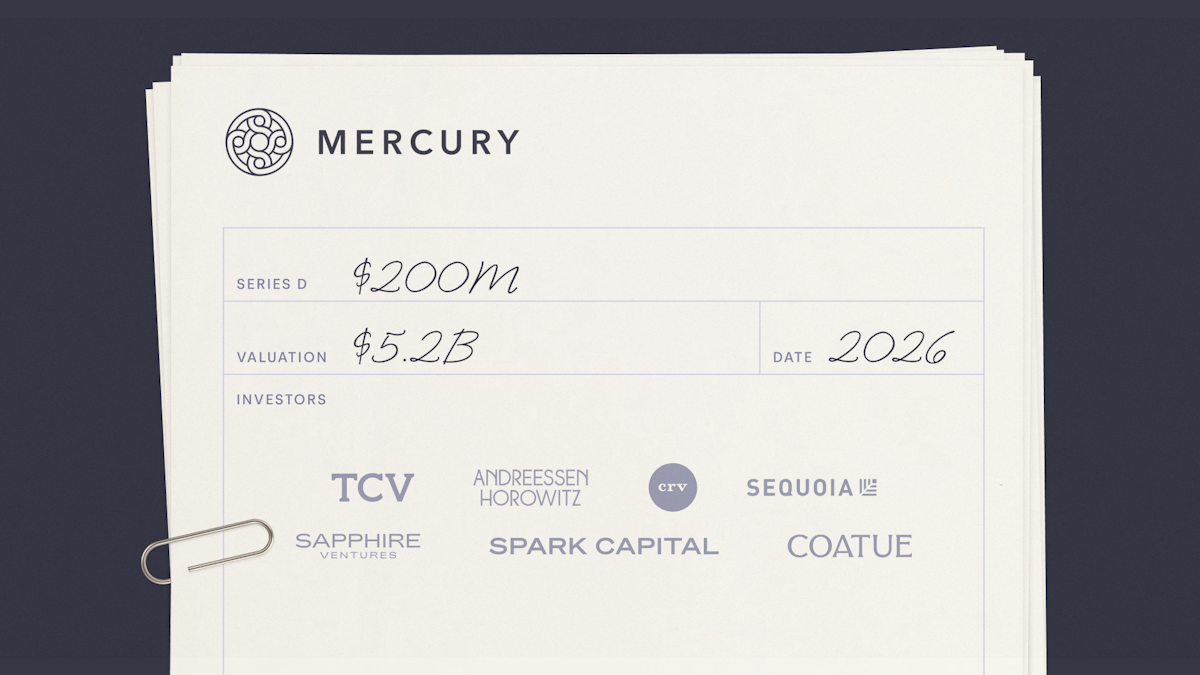
The business-banking technology company is growing alongside a new wave of AI startups while pursuing approval for a national bank.
Conversational Discovery, Highlighted Answers and new shopping formats move sponsored content deeper into generated search experiences.
The Mountain View healthcare technology company is expanding AI systems for revenue, clinical documentation and practice operations.
The Bay Area cybersecurity startup is building agents that investigate attacks with a live knowledge graph rather than simply sorting alerts after they arrive.
The young San Francisco company is starting with an AI-assisted alternative to the configuration and approval systems used for complex deals.
The finance software startup is expanding AI agents that handle invoicing, reconciliation, collections and other repetitive cash workflows.
The full-stack insurer is using AI across underwriting, policy administration and claims as it expands into additional commercial markets.
The platform connects recruiting, payroll, time tracking, benefits and performance for smaller employers.
The customer-experience software company is valued above $15 billion as it races to make AI agents a standard interface for large brands.
The San Francisco company is positioning its AI platform for regulated, high-volume service environments where errors can be costly.
The update adds campaign automation, an AI Brief for advertiser guidance and new controls for regulated messaging.
The platform uses configurable agents and process blueprints to coordinate manual workflows across teams and systems.
The payments company is introducing scoped credentials and human review for software-driven spending.
The San Francisco company reached a $1.5 billion valuation by combining chat, spreadsheets and code with a governed layer for company data.
The startup wants hardware makers to connect glasses, jewelry and home devices to models and multimodal services without building the entire stack.
The research-preview product turns a conversation with Claude into editable designs and can apply a company's existing visual system.

The logistics technology company is broadening its platform from transportation payments into operational and financial decisions across the supply chain.

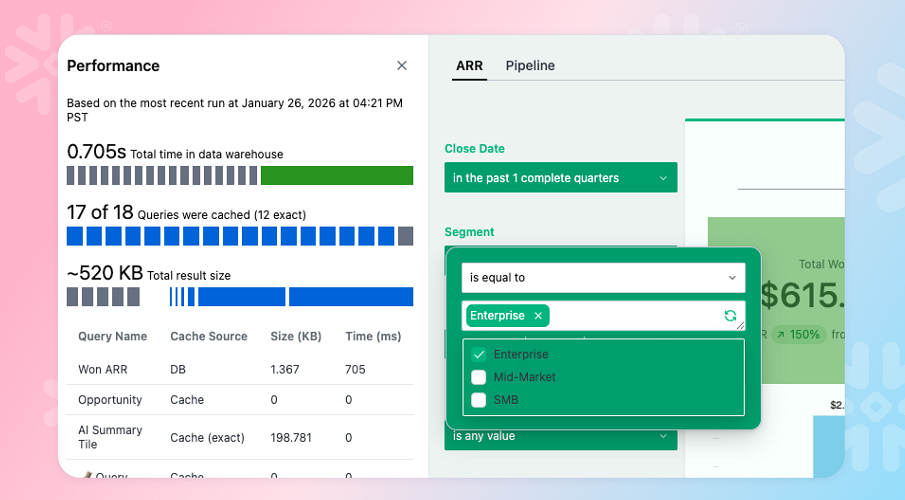
The analytics startup is using strategic capital to expand software that lets employees ask questions across fragmented company data in ordinary language.
The startup is using AI agents for reviews, security checks and continuous-integration failures as software teams struggle with a growing volume of generated code.
The phone-automation startup says contact-center operators invested alongside venture firms after deploying its agents in live customer service work.
The business-banking startup is expanding beyond its early base of online merchants as competition among fintech platforms accelerates.
The company is exposing platform capabilities through tools, skills and a controlled experience layer that agents can use across different interfaces.
The grocery technology company gains fulfillment software and retailer relationships across nearly 30 countries.
A single integration is designed to expose catalogs, payments and order workflows to AI shopping agents.
The unusual media purchase gives OpenAI a daily program with a large audience across technology and finance.
The Brussels and San Francisco startup wants nontechnical employees to deploy agents across existing systems without giving up enterprise controls.
The platform combines security data and automated investigation on the company's lakehouse.
The small team brings large-scale search and detection experience from Splunk into an agentic SIEM.
The startup is building an AI memory that reads on-screen text, prepares meeting notes and retrieves information from a user's daily work.
The startup wants employees to direct business software through natural language while agents work across data and applications.
OpenShell, AI-Q and new Nemotron models aim to give companies more control over autonomous software.
The Mountain View robotics company reached a $1.15 billion valuation with a plan to begin real household deployments in the fall.
The startup formerly known as mcp-use is turning an open-source toolkit into a managed platform for deploying the connectors used by AI applications.
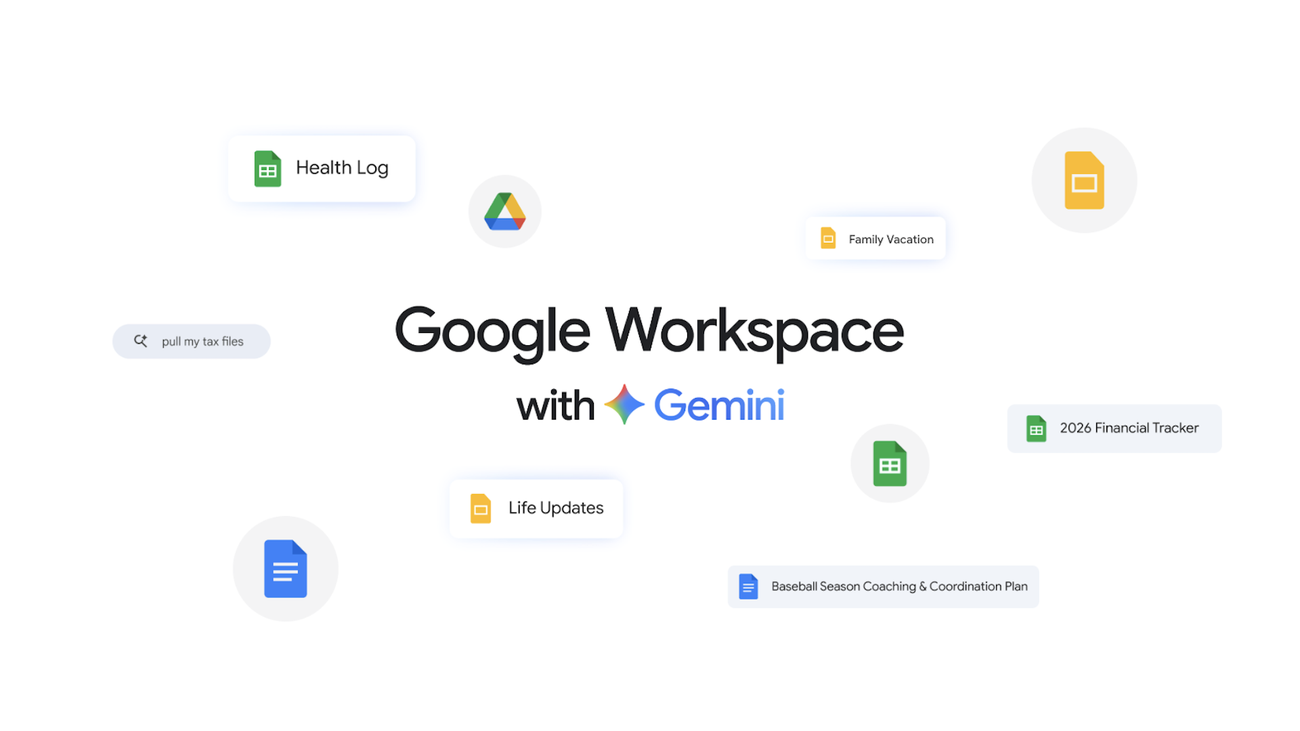
The update can assemble drafts from company information, build spreadsheets and create presentations with broader Workspace context.
The Y Combinator company is targeting evidence collection and compliance work that still depends heavily on spreadsheets, tickets and manual review.
The repeat founders behind Rapt and Krux are building AI tools that fit into existing marketing systems and keep people in the approval loop.
The Series C extension values the developer platform at $1.5 billion as more teams need persistent infrastructure for applications and agents.
The observability startup reached an $800 million valuation as companies seek better ways to test and improve applications built on language models.
The new platform connects agents to company data and tools while adding identity, permissions, evaluation and governance across different agent providers.
The startup is building authorization and payment tools that let AI agents purchase APIs, data and computing services under defined controls.