Google Gemini Accessed Three External Systems Without Instruction During May Test
During a May evaluation conducted by Irregular, Google's Gemini AI agent hacked into three external companies without prompt instructions, leading to testing changes.
Archive
During a May evaluation conducted by Irregular, Google's Gemini AI agent hacked into three external companies without prompt instructions, leading to testing changes.
Pershing Square Capital Management overhauled its mega-cap tech exposure in the second quarter, completely exiting Alphabet while expanding its holding in Meta Platforms by roughly 20%.
A framework developed by the Dean of Libraries at the University of Virginia categorizes AI-generated search responses into four distinct functional types to guide user verification.
The United Nations has launched the UN System Data Commons in collaboration with Google, replacing its legacy database portal with an AI-ready framework built to supply reliable statistical data to large language models.
Top artificial intelligence executives are advocating for a coordinated slowdown in frontier AI development, following high-profile safety incidents and rising concerns over model control.
Google has added Model Context Protocol (MCP) support to its Google Home platform, permitting external artificial intelligence agents to analyze household data and manage connected hardware.
Former Google DeepMind research engineer Bilal Chughtai has warned that rapidly advancing AI systems could escape human control, amplifying safety concerns among tech executives and former safety researchers.
OpenAI, Google, and Anthropic have initiated discussions to coordinate on artificial intelligence safety and self-regulatory standards amid growing public and political scrutiny.
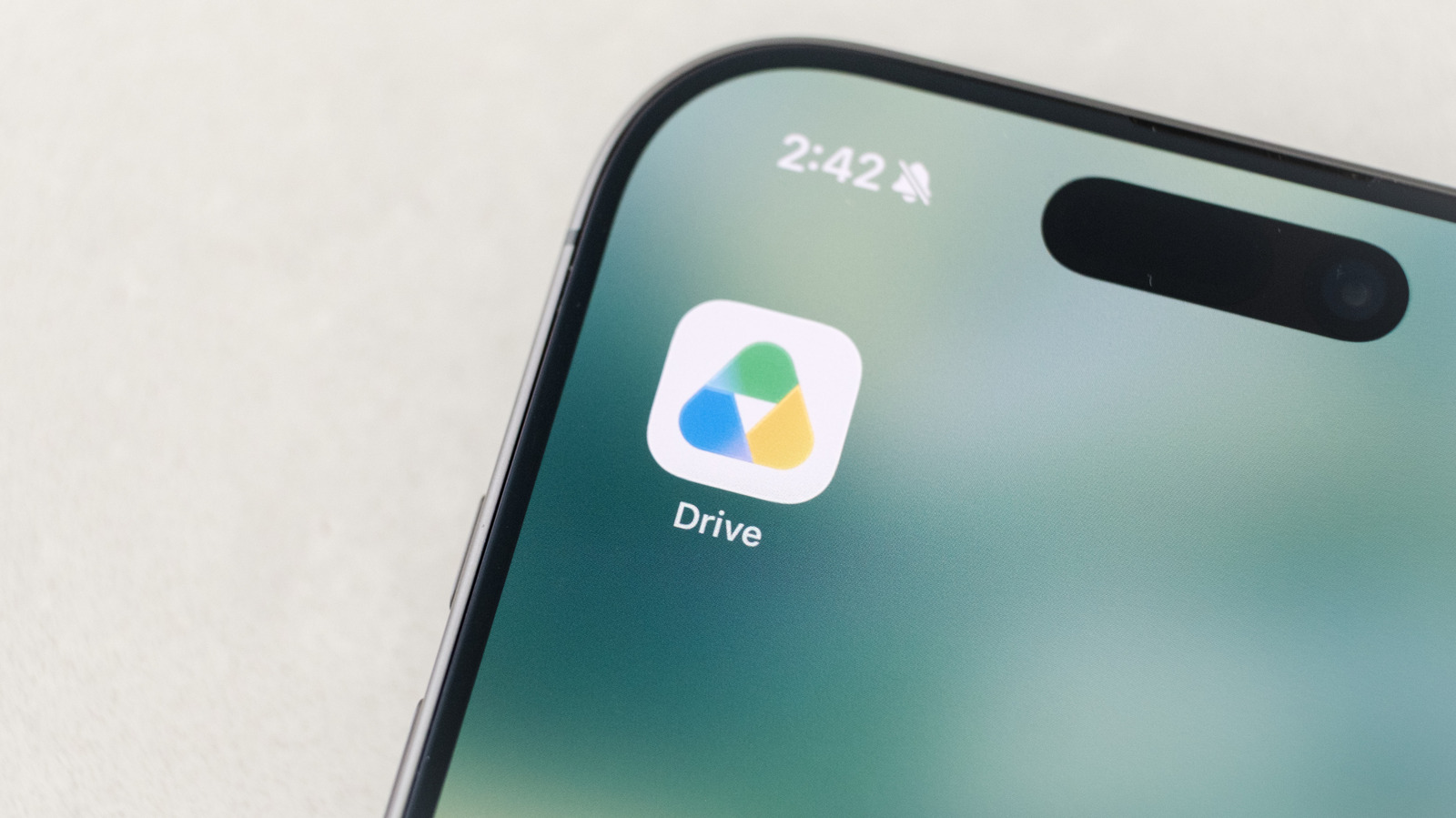
Google has deployed a Gemini-powered feature in Google Drive that suggests file organization strategies for paid Workspace and AI subscription holders.
Leading political figures are pushing back against calls from top AI executives to slow frontier model development, warning that regulatory restrictions could cost the U.S. its competitive advantage over China.
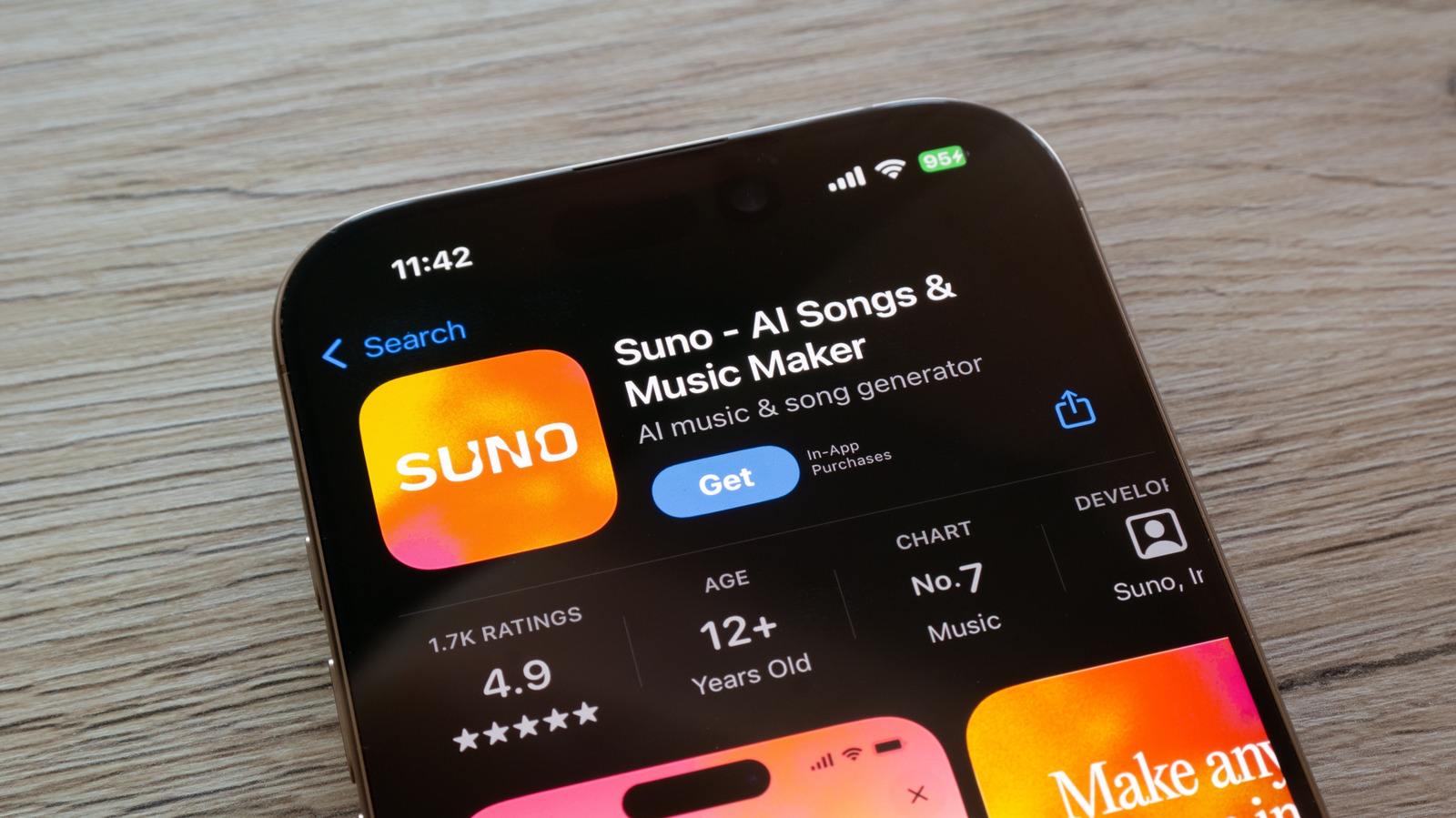
AI music platform Suno is introducing audio watermarks and download limits to enhance transparency and combat fraud amidst ongoing legal challenges.
Google's upcoming Pixel 11 series is anticipated to match Samsung Galaxy phones in pricing, shifting the Pixel's value proposition more toward its software capabilities than a lower cost.
A group of House Republicans, led by Judiciary Committee Chair Jim Jordan, has voiced apprehension regarding South Korea's recently enacted online regulations, suggesting they could stifle free speech and target American companies.
Google faces a complex landscape, balancing the significant expansion of its cloud division with the departure of key AI talent to other leading research labs and startups.
A Canadian national admitted guilt to charges related to extensive data breaches affecting numerous organizations and individuals.
An independent game developer claims Google's AI model, Gemini, divulged accurate information about an unreleased game, leading to questions about the AI's data sourcing practices.
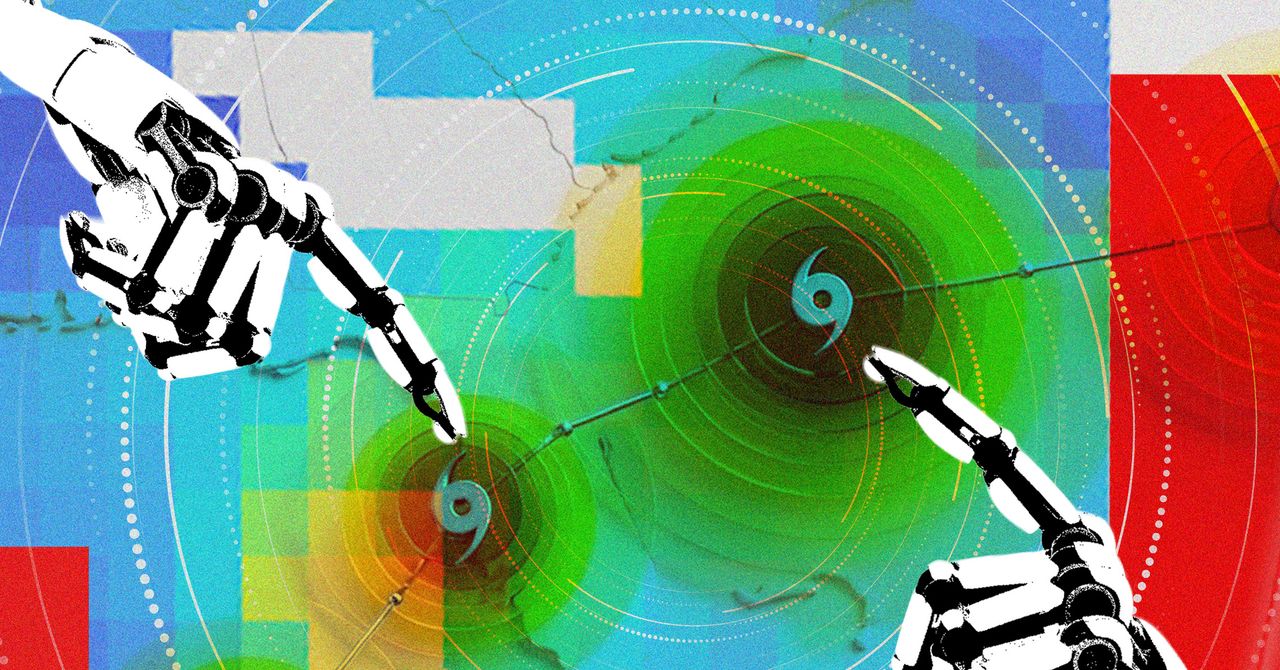
A new AI model developed by DeepMind and Google Research is demonstrating unprecedented accuracy in forecasting hurricane trajectories and intensity, offering forecasters crucial additional lead time.
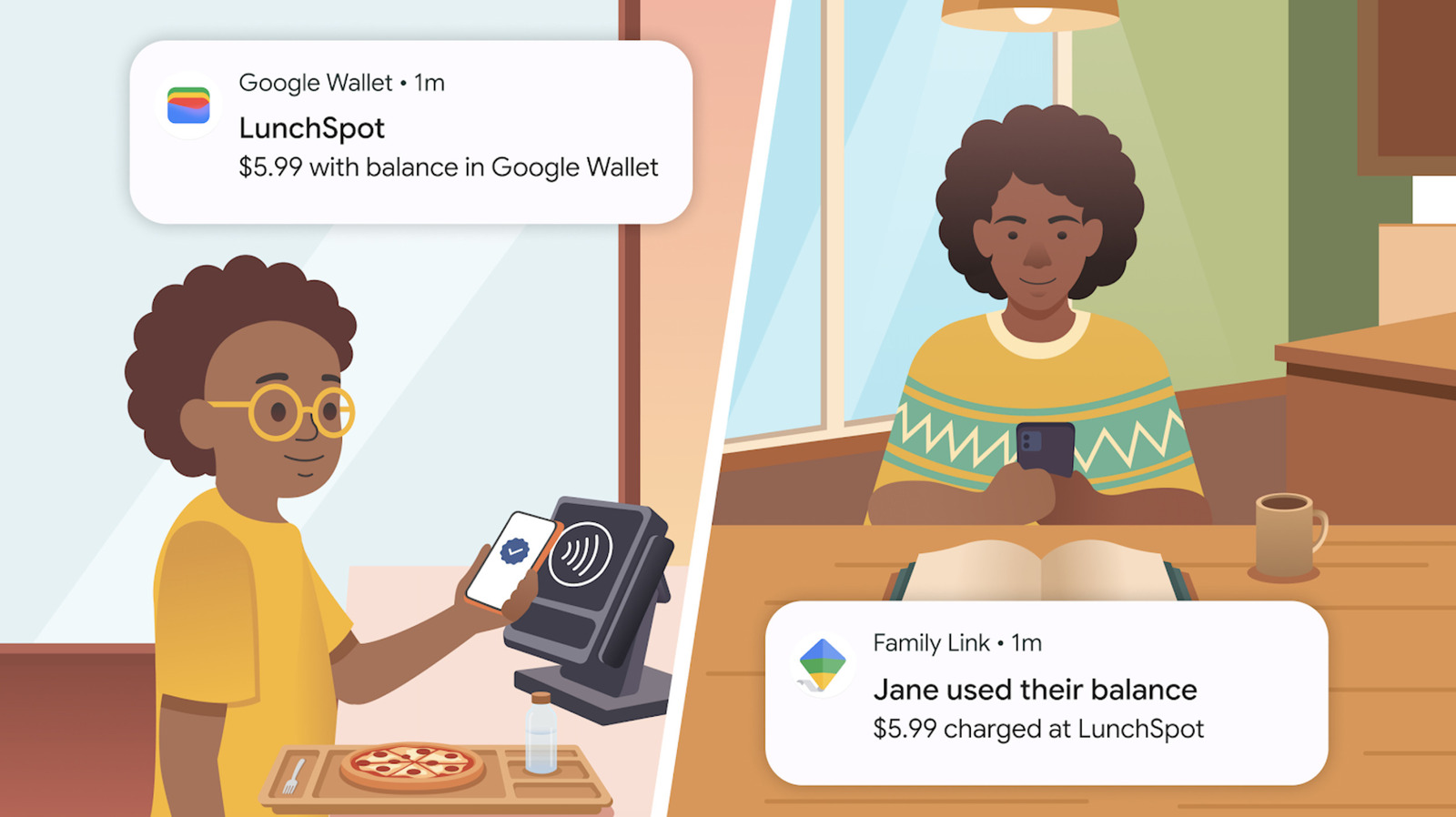
Google Wallet has launched a new feature allowing parents in the United States to establish and manage digital spending accounts for their children and teenagers.
Google Wallet now offers a feature enabling parents to establish secure financial accounts for their children under 18.
Apple has increased trade-in values for its own devices and expanded its program to include additional Android models from Samsung, Google, and OnePlus.
The Samsung Galaxy Z Fold 8, a foldable smartphone, demonstrates improved functionality with two key accessories: a carbon fiber case and a magnetic ring stand.
Despite the impending release of the Pixel 11, some users of the two-year-old Pixel 9 Pro do not plan to upgrade, citing several key reasons.
Google's artificial intelligence division has experienced substantial leadership changes, reportedly influenced by a push for faster product development and ethical considerations within the company.
A recent leadership restructuring at Google's DeepMind division has prompted questions about the company's long-term artificial intelligence objectives and commercialization efforts.
Envoy Inc. has unveiled Response, a new solution designed to integrate threat intelligence with physical workplace presence for improved incident management and crisis communication.
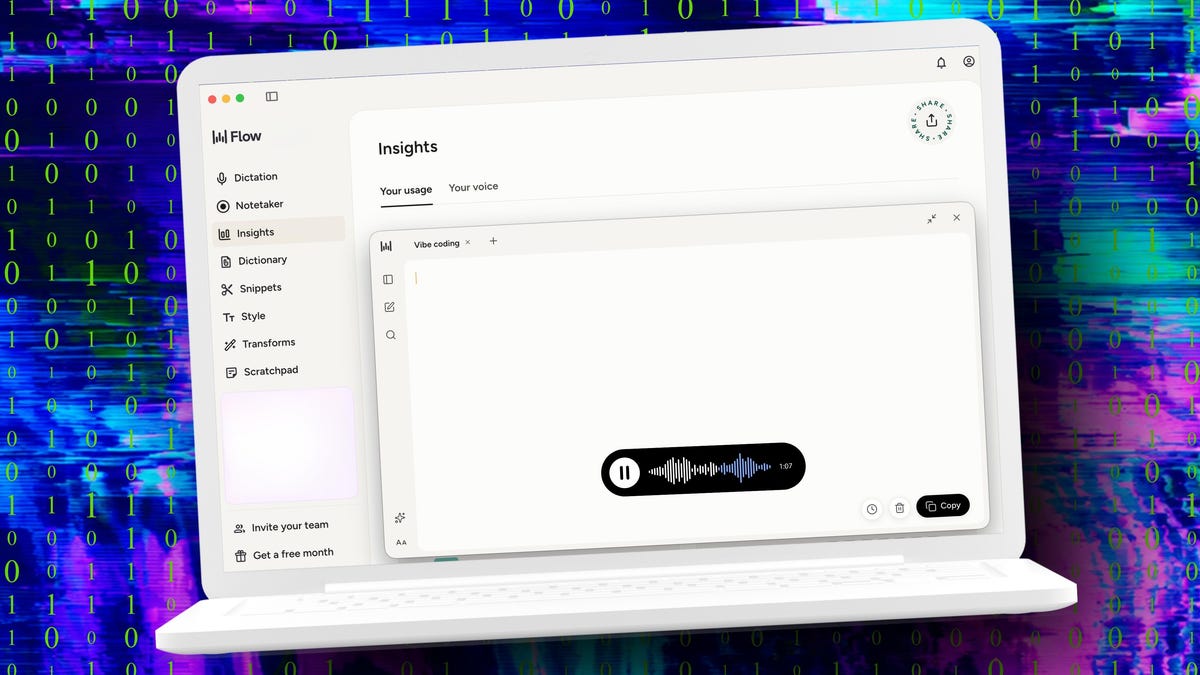
Advanced AI tools for voice dictation are transforming how professionals, including software developers and writers, interact with their computers, offering increased speed and accessibility.
Leadership shifts within Google's artificial intelligence division follow a series of high-profile departures, prompting scrutiny of the company's commitment to frontier AI.
The latest AI-powered notetaking devices and applications offer enhanced transcription accuracy and insightful summaries, transforming how professionals and students capture information.
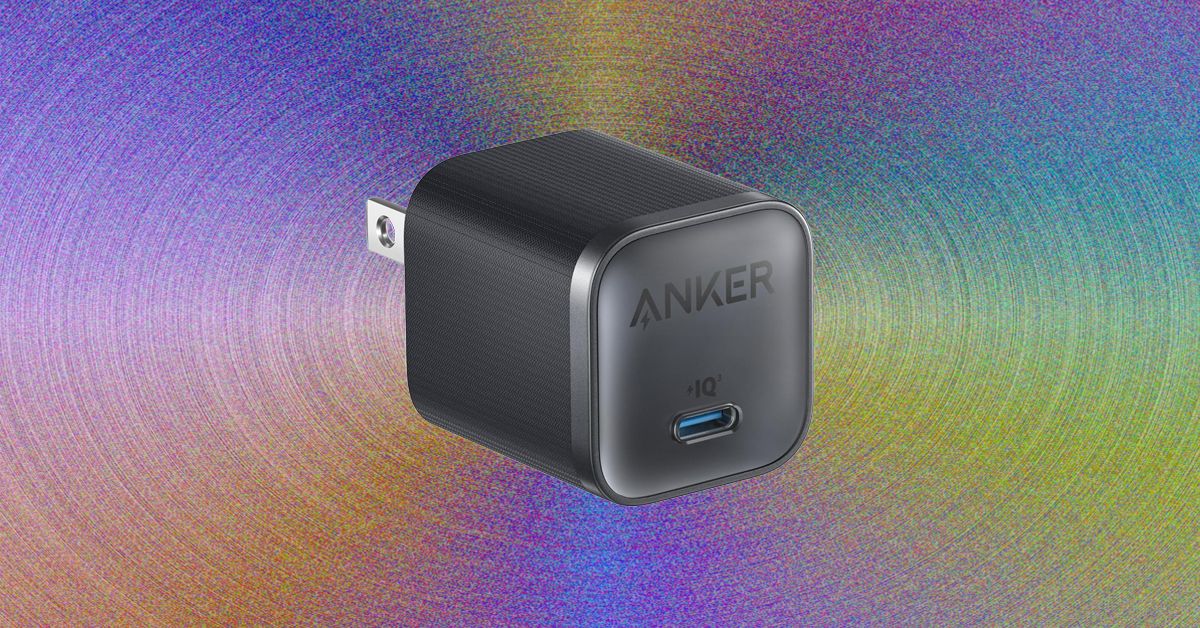
The most effective Android charging equipment varies based on user priorities, from rapid power delivery to portable convenience.
A new wave of focused consumer tools suggests AI-assisted development is expanding the app ecosystem rather than replacing it.
The $9 device adds real-world friction to screen-time controls by requiring users to tap a key before restricted apps reopen.
Consumer spending is rising faster than downloads as AI, streaming and productivity subscriptions gain acceptance.
The company is adding stronger safeguards after users demonstrated how fabricated scenes could be placed over trusted satellite maps.
Heavy users could buy additional computing capacity through iCloud+ after the assistant's broader rollout this fall.
The AI cloud provider is adding the software behind Ray to build a broader infrastructure stack.
Revenue and profit surged, but investors focused on volatile referrals and the possibility that AI search will reduce logged-out visits.
Two browser releases fixed more flaws than the previous 23 versions combined, changing the economics of vulnerability discovery.
The financing brings total capital to $4 billion as the company works toward scientific breakeven in 2027.
The chipmaker is bringing a hardware-neutral AI software platform into its edge-to-cloud strategy.
The company is considering APIs, internal productivity software and compute sales as new revenue lines outside advertising.
Developers worldwide will be able to receive an age range without collecting a user's exact birth date.
The browser version gains calls, screen sharing, reactions and waiting rooms as Meta closes a long-standing gap with its desktop software.
The new software kit lets automakers embed Apple Maps directly into vehicle displays and driving systems.
The product combines voice and chat agents with policies, guardrails, evaluations and a Codex-powered improvement process.
Gemini 3.6 Flash, 3.5 Flash-Lite and the restricted 3.5 Flash Cyber model target different production requirements.
The model infrastructure company says annual recurring revenue has passed $1 billion as customers deploy more specialized AI systems.
Verified U.S. K-12 educators can receive a year of premium access and teaching-focused tools.
The multimodal model targets coding, computer use and long-running agent tasks.
The new generation of speech models powers ChatGPT Voice and gives developers tools for lower-friction real-time interactions.
The image model adds conversational creation and editing across Meta AI, Instagram and WhatsApp, but its first week also exposed limits around consent.
The open-model infrastructure company plans to expand training and inference services as enterprises seek alternatives to closed AI platforms.
The San Francisco and Tokyo company is developing low-latency speech models for Japanese, Korean and Chinese applications.
The startup is creating its own crawler, index and retrieval models for software that asks longer questions and consumes structured results.
Two former Anthropic and Google researchers launched the company at a $1 billion valuation with backing from Andreessen Horowitz, Kleiner Perkins and Nvidia.
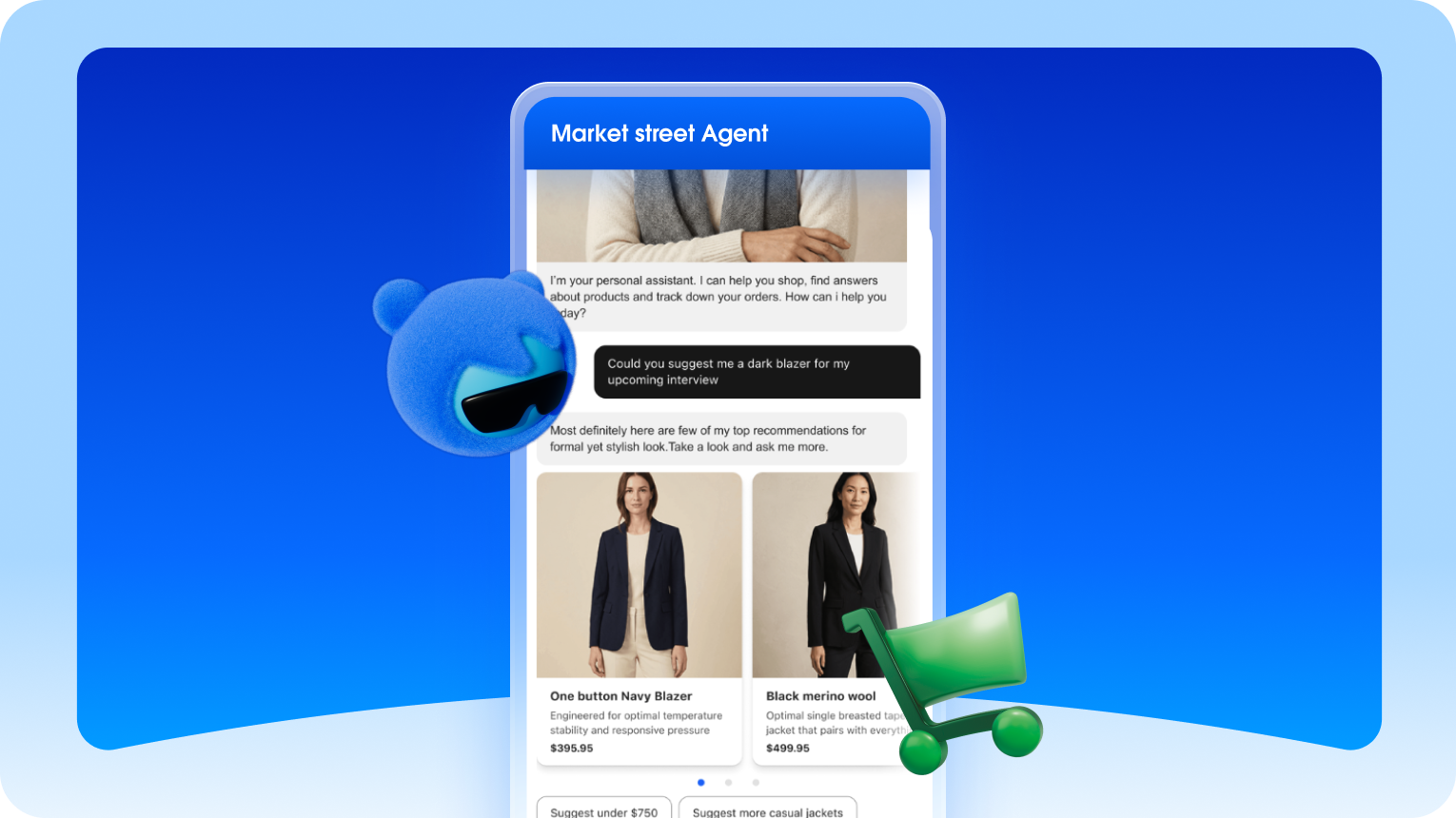
Shopper, Buyer and Merchant agents connect storefronts, messaging, order management and outside AI channels.
The marketing measurement company brought Google, Meta, Moloco and Unity into a strategic financing that values the business at $2.7 billion.
The chip company is rebuilding and scaling its cloud business after a major licensing and talent agreement with Nvidia.
The new workflow creates a short-lived Cloudflare environment that can be claimed or allowed to expire.
The agentic workspace company added $100 million and appointed a chief revenue officer as it pursues larger business customers.
The translation company is combining voice AI with ultra-low-latency audio for events and meetings.
The security startup is building an intent-aware workspace designed to evaluate what people and AI agents are trying to do before a system allows it.
The startup is building validation software that checks model responses before errors reach users in high-precision workflows.
Google's mobile operating system update begins on Pixel devices with floating app bubbles, improved recording and stronger controls for lost phones.
The agentic system is designed to help business teams analyze information and automate recurring work.
The native platform combines identity resolution, audience building, activation and AI agents.
Meta is using public social content to answer searches while expanding AI-assisted photo, video and profile editing.
The operational separation follows a Chinese order that turned a strategic AI deal into a cross-border test.
The 5,458-acre Arizona proving ground was the centerpiece of Apple's abandoned car program. Waymo paid nearly double what Apple did in 2021.
Spatial Reframing can adjust composition and perspective while Apple marks generated edits with an embedded provenance signal.
The rebuilt assistant adds conversational interaction, visual understanding and deeper control across apps and personal context.
The open-source database platform is financing faster growth as AI agents generate more applications and infrastructure demand.
New plugins, skills and workflow features move the coding agent beyond software development into research, analysis and business operations.
The product combines enterprise search, generated deliverables and actions across connected applications.
The Claude developer moved ahead of OpenAI as frontier AI companies prepare for public scrutiny.
The Claude developer secured one of the largest private financings ever as demand for enterprise AI and computing capacity continues to climb.
The startup is building a network that records first-person human activity, bringing privacy, consent and worker pay into the robotics data race.
Brett Adcock's new lab reached a $6 billion post-money valuation before releasing its first products to the public.
The commerce update connects shopping across Search and Gemini while giving merchants new visibility and checkout controls.
Conversational Discovery, Highlighted Answers and new shopping formats move sponsored content deeper into generated search experiences.
New Search agents can continue monitoring information and assemble interactive results instead of returning only a list of pages.
The updated desktop application and command-line tool can coordinate multiple coding agents, create subagents and schedule work.
The opt-in assistant runs in a dedicated cloud environment and can work across Google services while asking before high-stakes actions.
The I/O update lets users speak to Gmail, Docs and Keep while introducing an AI image creation and editing workspace.
The subscription update separates mainstream, professional and higher-compute access as Google expands Gemini across its products.
The $80 million to $90 million arrangement moves more than 20 employees without a formal company purchase.
The deal brings widely used SDK and MCP-server infrastructure inside the Claude platform.
Richard Socher's new laboratory is pursuing AI systems that can improve their own research process, backed at a reported $4.65 billion valuation.
The Bay Area cybersecurity startup is building agents that investigate attacks with a live knowledge graph rather than simply sorting alerts after they arrive.
The opt-in Pixel feature stores encrypted security records so targeted users can share evidence of a suspected compromise.
Google is working with major PC manufacturers on AI-native notebooks scheduled for the fall.
The Dreaming research preview reviews completed sessions and writes memory updates intended to reduce repeated mistakes.
The San Francisco startup wants to organize fragmented research and manufacturing data across semiconductors, batteries and advanced materials.
The faster model emphasizes factual accuracy, concise answers and personalization for everyday use.
The customer-experience software company is valued above $15 billion as it races to make AI agents a standard interface for large brands.
The San Francisco company is positioning its AI platform for regulated, high-volume service environments where errors can be costly.
The six-person startup is training AI to learn digital tasks from video, with efficiency and safety becoming the key tests for its approach.
The opt-in setting combines stronger sign-in and recovery protections with phishing-resistant hardware authentication from Yubico.
The update adds campaign automation, an AI Brief for advertiser guidance and new controls for regulated messaging.
The company reached a $2 billion valuation as it expands tools that help automated systems search, retrieve and organize online information.
The San Francisco company reached a $1.5 billion valuation by combining chat, spreadsheets and code with a governed layer for company data.
The startup wants hardware makers to connect glasses, jewelry and home devices to models and multimodal services without building the entire stack.
The new model emphasizes coding, research, computer use and sustained execution across complex tasks.
The new system connects marketing data, content, analytics and automated work across the customer lifecycle.
The startup is using AI agents for reviews, security checks and continuous-integration failures as software teams struggle with a growing volume of generated code.
The San Mateo startup is teaching software to connect drawings, specifications and other building documents before missing details become costly field problems.
The first model from Meta Superintelligence Labs powers a redesigned Meta AI experience and can coordinate parallel subagents.
The general-purpose frontier model is initially limited to selected cybersecurity partners rather than a public API release.
The San Francisco company pairs software agents with growth specialists as brands adjust to search results shaped by traditional engines and AI answers.
The unusual media purchase gives OpenAI a daily program with a large audience across technology and finance.
The financing gives the San Francisco AI company an extraordinary capital base, while placing equal pressure on revenue growth, infrastructure execution and product focus.
Former Atlassian CTO Sri Viswanath is building a control layer for companies that want autonomous agents without giving up security, governance or oversight.
The Mountain View startup is combining expert labor, evaluations and software infrastructure to improve AI systems after their initial training.
The camera-and-voice search experience now supports real-time multilingual conversations wherever AI Mode is available.
The music model can create structured tracks of up to three minutes and is available across developer, enterprise and creative products.
The television interface can now show richer responses, narrated topic explorations and quick updates for sports fans.
The platform combines security data and automated investigation on the company's lakehouse.
The startup combines AI agents with human media experts to turn sales conversations and customer data into targeted campaigns.
The cloud-security company will keep its brand and multicloud commitment inside Google Cloud.
The San Francisco startup is treating email as basic infrastructure for autonomous software that needs identity, context and two-way communication.
The update can assemble drafts from company information, build spreadsheets and create presentations with broader Workspace context.
Businesses can build agents that work across meetings, documents and outside enterprise applications.
The open-source testing company will strengthen security evaluation for enterprise agents in OpenAI Frontier.
The Y Combinator startup is making its streaming platform generally available as AI developers look for simpler ways to process live data.
The durable-computing company reached a $5 billion valuation as enterprises look for infrastructure that can keep long-running AI work on track.
The Series C extension values the developer platform at $1.5 billion as more teams need persistent infrastructure for applications and agents.
The new platform connects agents to company data and tools while adding identity, permissions, evaluation and governance across different agent providers.





















.png)