Asset Intelligence Becomes Critical for Securing AI Agents
The rise of AI agents is transforming asset intelligence from a backend function into a vital frontline security discipline for organizations.
Archive
The rise of AI agents is transforming asset intelligence from a backend function into a vital frontline security discipline for organizations.
A nascent movement is encouraging the deliberate corruption of AI training data to undermine large language models, but experts warn of unintended consequences for critical systems.
Across the United States, communities are uniting in opposition to the development of new AI data centers, transcending traditional political divides.
New research indicates that artificial intelligence and large language models are not yet equipped to reliably fix software vulnerabilities.
Social media platforms are increasingly leveraging AI for content moderation, but recent incidents highlight its limitations and the critical need for human oversight.
Reddit announced future modifications for its old.reddit.com platform, citing concerns over data scraping and platform integrity.
The creator says AI-assisted research blurred his process and damaged the trust audiences place in his work.
The industrial energy company plans to manufacture more systems that store renewable electricity as high-temperature heat and dispatchable power.
Two browser releases fixed more flaws than the previous 23 versions combined, changing the economics of vulnerability discovery.
After years of failed incubator experiments, the company believes faster development and its recommendation systems can improve the odds of finding another breakout.
The Silicon Valley startup says autonomous software agents can shorten expensive chip-development cycles, with verification emerging as an early target.
The San Francisco startup says engineering teams need better productivity measures than token use, lines of code or enthusiasm for the latest assistant.
The financing will support World ID infrastructure, but the transaction is a crypto-token sale rather than a conventional venture equity round.
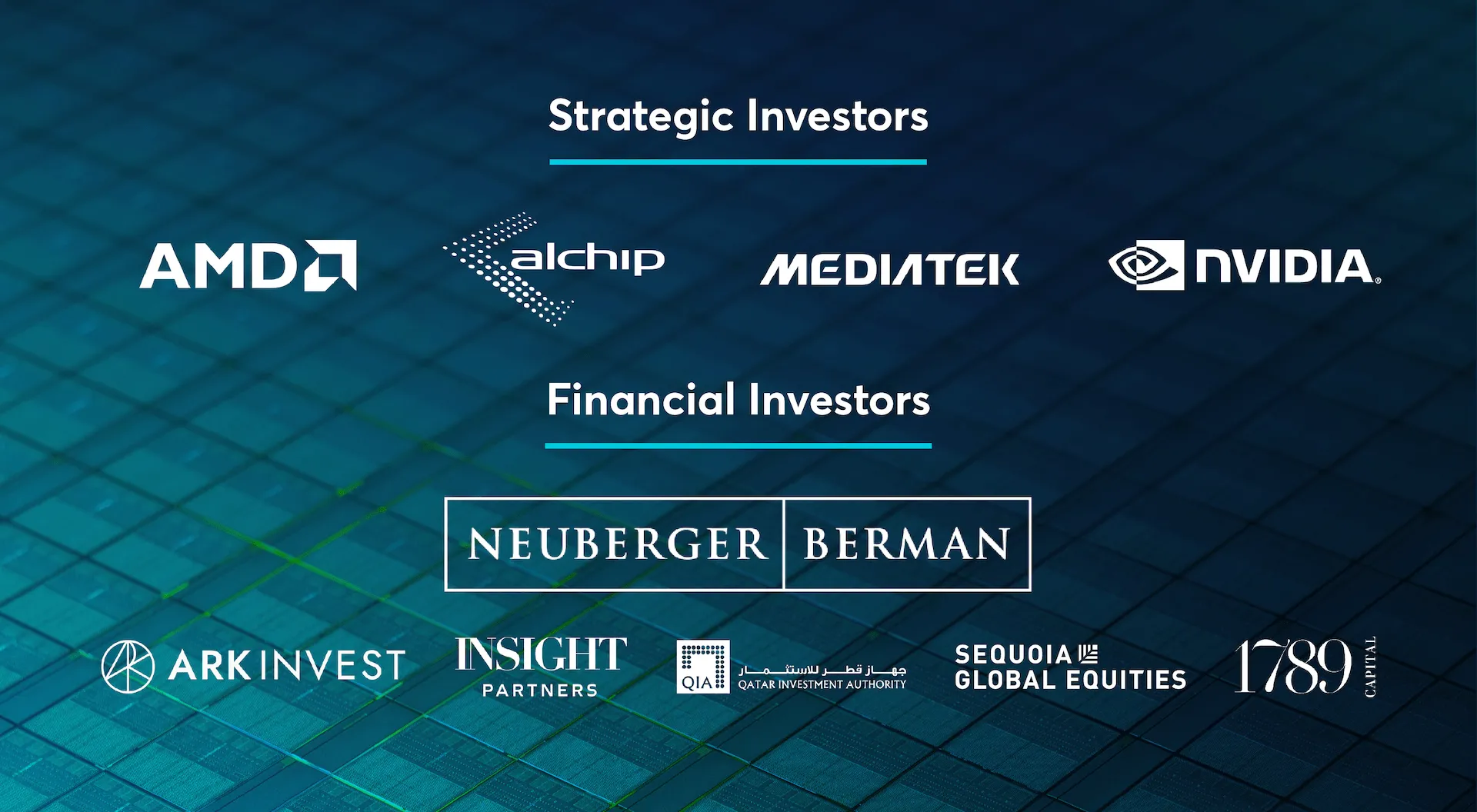
The AI chip startup plans to scale production and customer deployments as it builds specialized hardware for high-volume inference.
The Palo Alto and Tel Aviv company reached a $1.2 billion valuation with a prevention-focused approach to securing devices used for AI work.
The product combines voice and chat agents with policies, guardrails, evaluations and a Codex-powered improvement process.
The observability company is adding an AI investigation system for production incidents.
Gemini 3.6 Flash, 3.5 Flash-Lite and the restricted 3.5 Flash Cyber model target different production requirements.
The startup founded by former Ultrahuman hardware executive Apoorv Shankar is developing physical controls intended to direct AI agents.
Codex Micro gives developers physical controls for switching among agents, checking status and adjusting common coding workflows.
Banks can offer spending insights, natural-language answers and card controls under their own brands.
Verified U.S. K-12 educators can receive a year of premium access and teaching-focused tools.
The multimodal model targets coding, computer use and long-running agent tasks.
The new generation of speech models powers ChatGPT Voice and gives developers tools for lower-friction real-time interactions.
The design platform is bringing agent development and code generation closer to its collaborative canvas.
The San Francisco startup is building real-time fluid sensors for computing systems that increasingly depend on liquid rather than air to control heat.
The hardware startup is betting that a simple recorder with free transcription can hold a place beside phones and software-only meeting assistants.
The AI testing company is moving beyond fixed benchmarks with models that generate changing environments for training and evaluation.
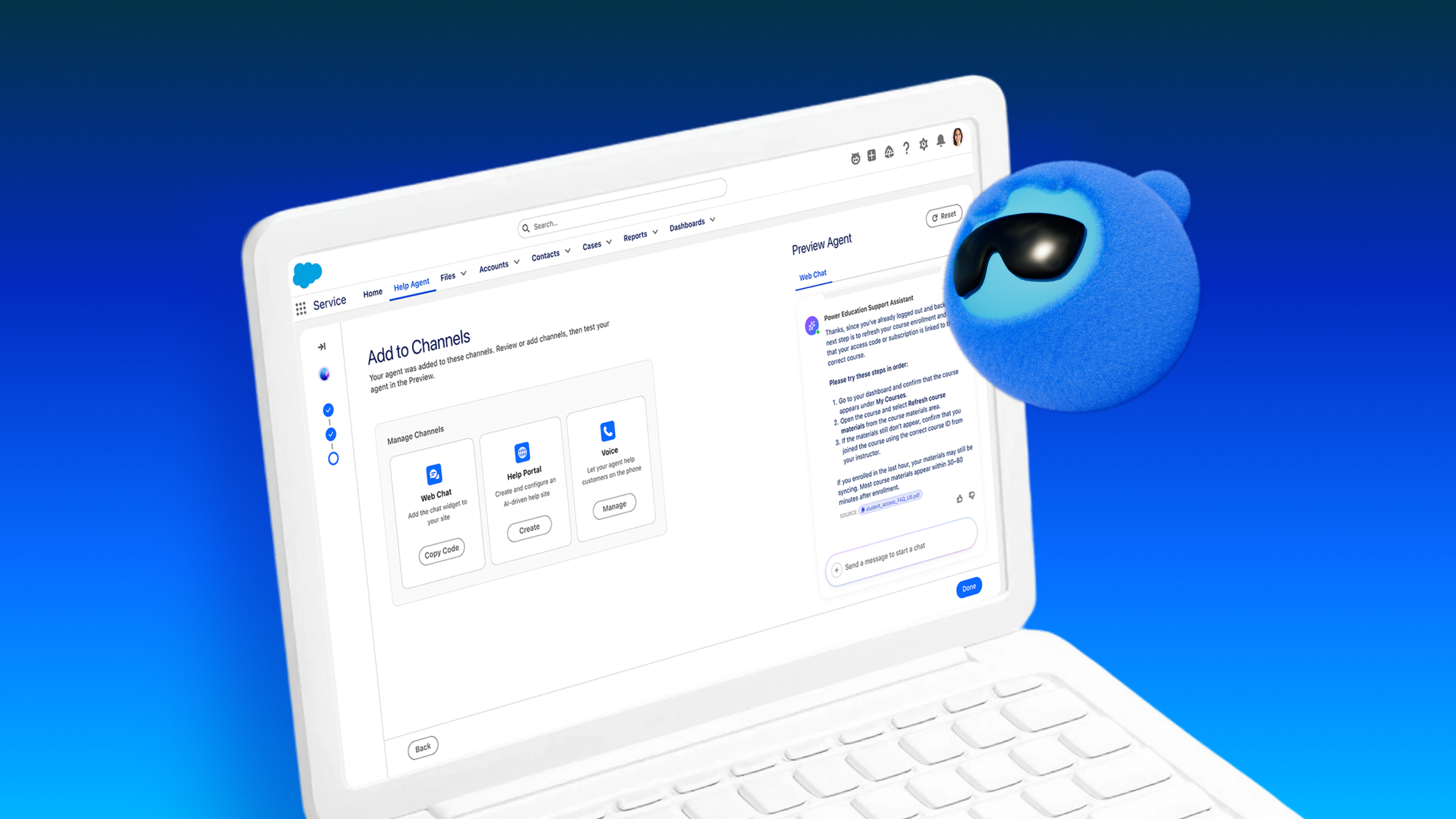
Agentforce Help Agent is designed to deploy across service channels in minutes and charge customers only for completed resolutions.
The San Francisco and Tokyo company is developing low-latency speech models for Japanese, Korean and Chinese applications.
The startup is creating its own crawler, index and retrieval models for software that asks longer questions and consumes structured results.
The executive-search firm is adding an AI-focused recruiting team with startup customers.
The company is building software that continually personalizes campaigns, tests changes and adjusts marketing decisions across customer channels.
The former Waymo engineer behind the startup is applying simulation and observability techniques to customer-facing AI systems.
The EssilorLuxottica partnership broadens Meta's wearable lineup with prescription support and Muse Spark-powered assistance.
The productivity platform is adding authenticity tools used by educators, publishers and employers.
The AI infrastructure company is using its fourth financing in 18 months to expand model inference services for enterprise customers.
The semiconductor startup reached a $2 billion valuation and $500 million in total funding as it develops alternatives for connecting AI data centers.
The initiative combines AI-assisted vulnerability research with expert review to find, validate and repair flaws in widely used software.
The Palo Alto startup is using AI to help companies define specialized processors before the expensive physical design and manufacturing stages.
The startup wants agents to own recurring business outcomes across existing applications instead of stopping after a single generated response.
The agentic workspace company added $100 million and appointed a chief revenue officer as it pursues larger business customers.
The San Francisco startup is investing in its own speech models and the infrastructure required to run large volumes of automated business calls.
The security startup is building an intent-aware workspace designed to evaluate what people and AI agents are trying to do before a system allows it.
The startup is building validation software that checks model responses before errors reach users in high-precision workflows.
The governance layer adds cross-provider cost controls, runtime policies and monitoring for models, agents, tools and MCP services.
The agentic system is designed to help business teams analyze information and automate recurring work.
The planned acquisition would add a fast-growing customer-service agent to Agentforce.
The secretive company led by Jeff Bezos and Vik Bajaj is valued at $41 billion before revealing much about its technology or customers.
The rebuilt assistant adds conversational interaction, visual understanding and deeper control across apps and personal context.
The ChatGPT maker joined Anthropic in a high-stakes race to bring frontier AI companies to public markets.
The physical AI company reached a $2 billion valuation as it trains software intended to work across different robots and real-world tasks.
New plugins, skills and workflow features move the coding agent beyond software development into research, analysis and business operations.
The Claude developer secured one of the largest private financings ever as demand for enterprise AI and computing capacity continues to climb.
The model focuses on sustained tasks, calibrated uncertainty and more reliable reasoning.
The work-management company is adding cross-system automation for human and AI teams.
The startup is building a network that records first-person human activity, bringing privacy, consent and worker pay into the robotics data race.
Brett Adcock's new lab reached a $6 billion post-money valuation before releasing its first products to the public.
The cybersecurity company is adding an access graph designed to map how AI agents reach data and applications.
The applied engineering firm will become the operating core of a new enterprise AI implementation company.
The San Francisco startup reached a $2.2 billion valuation by selling web search and content retrieval directly to software developers.

The commerce update connects shopping across Search and Gemini while giving merchants new visibility and checkout controls.
Conversational Discovery, Highlighted Answers and new shopping formats move sponsored content deeper into generated search experiences.
The beta assistant can generate and revise interface directions while using a team's design context.
The updates extend VoiceOver, Magnifier, Voice Control and captioning while adding eye-based wheelchair controls for Vision Pro.
The subscription update separates mainstream, professional and higher-compute access as Google expands Gemini across its products.
Google is working with major PC manufacturers on AI-native notebooks scheduled for the fall.
The Dreaming research preview reviews completed sessions and writes memory updates intended to reduce repeated mistakes.
The San Francisco startup wants to organize fragmented research and manufacturing data across semiconductors, batteries and advanced materials.
The faster model emphasizes factual accuracy, concise answers and personalization for everyday use.
The update adds campaign automation, an AI Brief for advertiser guidance and new controls for regulated messaging.
The San Francisco company more than doubled its valuation to $2.75 billion as it expanded from moving customer data to helping agents run campaigns.
The company reached a $2 billion valuation as it expands tools that help automated systems search, retrieve and organize online information.
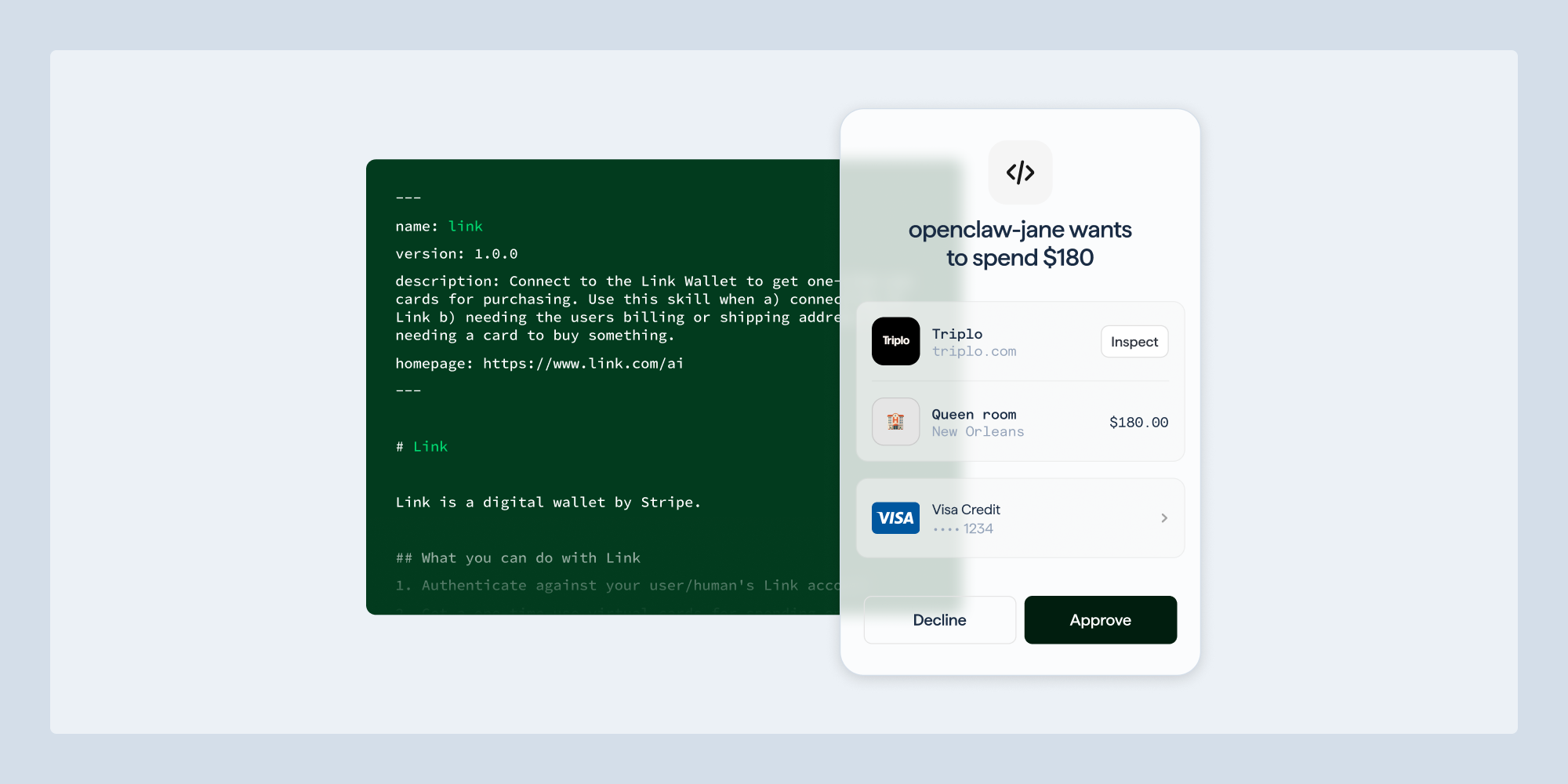
The payments company is introducing scoped credentials and human review for software-driven spending.
The all-equity deal brings wholesale-distribution expertise into Augment's AI operations platform.
The San Francisco company reached a $1.5 billion valuation by combining chat, spreadsheets and code with a governed layer for company data.
The startup wants hardware makers to connect glasses, jewelry and home devices to models and multimodal services without building the entire stack.
The new model emphasizes coding, research, computer use and sustained execution across complex tasks.
The new research lab wants software agents to build specialized expertise from experience instead of remaining fixed after training.
The new system connects marketing data, content, analytics and automated work across the customer lifecycle.
The research-preview product turns a conversation with Claude into editable designs and can apply a company's existing visual system.
The analytics startup is using strategic capital to expand software that lets employees ask questions across fragmented company data in ordinary language.
The React Native platform is expanding from developer infrastructure into AI-assisted work that helps enterprise teams move from an idea to a shipped application.
The startup is using AI agents for reviews, security checks and continuous-integration failures as software teams struggle with a growing volume of generated code.
The phone-automation startup says contact-center operators invested alongside venture firms after deploying its agents in live customer service work.
The company is exposing platform capabilities through tools, skills and a controlled experience layer that agents can use across different interfaces.
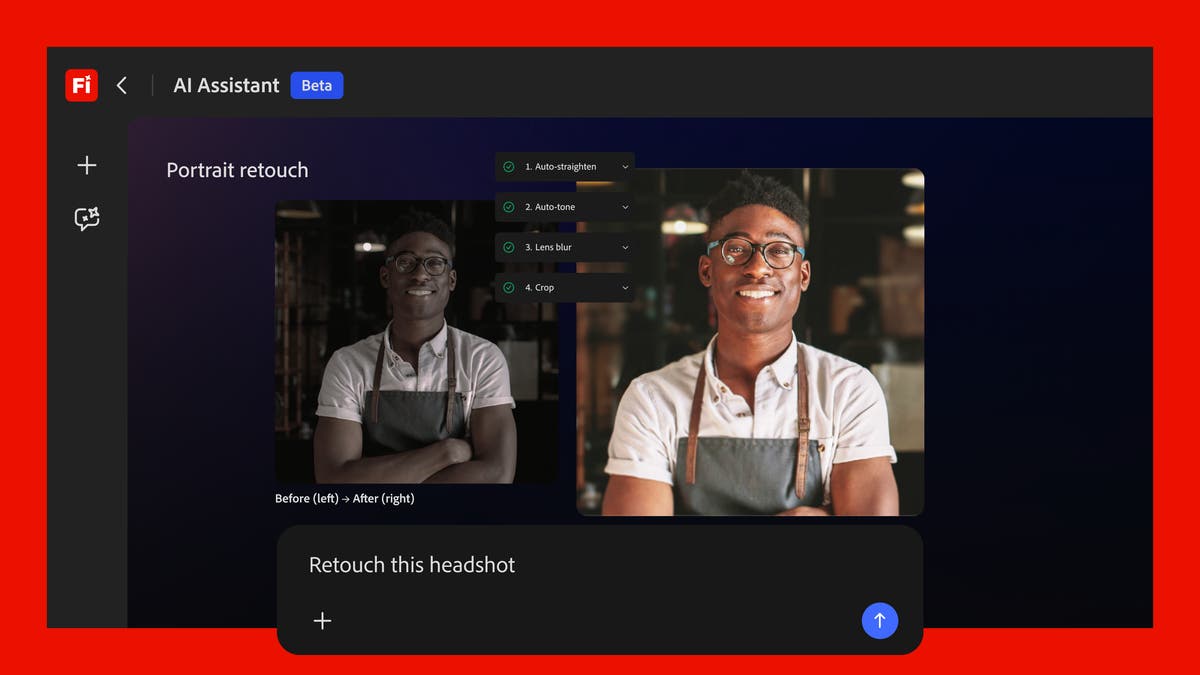
The conversational agent can plan and complete tasks using Photoshop, Premiere, Illustrator and other Adobe tools.
The Barcelona and San Francisco company is building a governed graph that lets employees, software and agents work from the same organizational knowledge.
The San Mateo startup is teaching software to connect drawings, specifications and other building documents before missing details become costly field problems.
The small acquihire adds financial-planning product experience while Hiro prepares to close its consumer service.
The first model from Meta Superintelligence Labs powers a redesigned Meta AI experience and can coordinate parallel subagents.
A single integration is designed to expose catalogs, payments and order workflows to AI shopping agents.
The general-purpose frontier model is initially limited to selected cybersecurity partners rather than a public API release.
The San Francisco company pairs software agents with growth specialists as brands adjust to search results shaped by traditional engines and AI answers.
The startup is using conversational agents to conduct structured phone interviews and turn long-form responses into research data.
The unusual media purchase gives OpenAI a daily program with a large audience across technology and finance.
The financing gives the San Francisco AI company an extraordinary capital base, while placing equal pressure on revenue growth, infrastructure execution and product focus.
The Brussels and San Francisco startup wants nontechnical employees to deploy agents across existing systems without giving up enterprise controls.
The camera-and-voice search experience now supports real-time multilingual conversations wherever AI Mode is available.
The music model can create structured tracks of up to three minutes and is available across developer, enterprise and creative products.
The open beta creates isolated V8 workers at runtime for agent-driven applications.
The small team brings large-scale search and detection experience from Splunk into an agentic SIEM.
The startup is building an AI memory that reads on-screen text, prepares meeting notes and retrieves information from a user's daily work.
The startup wants employees to direct business software through natural language while agents work across data and applications.
The deal gives IBM a major real-time data platform for enterprise AI and hybrid cloud systems.
OpenShell, AI-Q and new Nemotron models aim to give companies more control over autonomous software.
The Mountain View robotics company reached a $1.15 billion valuation with a plan to begin real household deployments in the fall.
Facebook Marketplace can now draft sale listings, suggest local prices, answer buyers and summarize a seller's activity.
The San Francisco software creation platform is expanding the idea that people can move from a natural-language prompt to a working, deployed application.
The startup formerly known as mcp-use is turning an open-source toolkit into a managed platform for deploying the connectors used by AI applications.
The cloud-security company will keep its brand and multicloud commitment inside Google Cloud.
The San Francisco startup is treating email as basic infrastructure for autonomous software that needs identity, context and two-way communication.
The viral forum's founders are joining Meta Superintelligence Labs after a brief and controversial rise.
The open-source testing company will strengthen security evaluation for enterprise agents in OpenAI Frontier.
Thinking and Pro versions arrive across ChatGPT, Codex and the API with an emphasis on complex knowledge tasks and tool use.
The semiconductor startup is moving its co-packaged optics technology toward volume production as data centers demand faster, more efficient connections.
The startup is selling an operated support function rather than software alone, putting automation performance directly on its own team.
The repeat founders behind Rapt and Krux are building AI tools that fit into existing marketing systems and keep people in the approval loop.
Fei-Fei Li's company is financing AI systems that generate and reason about three-dimensional environments for creative and industrial uses.
The Mission Bay startup is building laboratory systems that use living neurons for AI workloads, an ambitious alternative to conventional silicon.
The Stanford-rooted startup wants digital populations to help organizations test decisions before they affect customers, workers or markets.
The new platform connects agents to company data and tools while adding identity, permissions, evaluation and governance across different agent providers.
The company is applying foundation-model techniques to tables and relational data, an area where text-focused AI systems often struggle.
The all-stock transaction brings rockets, satellites, social media and artificial intelligence under one company.