Slate Details Cargo and Towing Specs for Its $24,950 Electric Pickup
Electric vehicle startup Slate has outlined cargo, payload, and towing specifications for its $24,950 entry-level pickup truck scheduled for late 2026 deliveries.
Archive
Electric vehicle startup Slate has outlined cargo, payload, and towing specifications for its $24,950 entry-level pickup truck scheduled for late 2026 deliveries.
Google's upcoming Pixel 11 series is anticipated to match Samsung Galaxy phones in pricing, shifting the Pixel's value proposition more toward its software capabilities than a lower cost.
Speculation arises regarding the casting of the primary antagonist for the upcoming Nintendo film adaptation.
A new 'extended look' trailer for Grand Theft Auto VI will premiere exclusively on Netflix on August 27, marking a departure from previous game trailer releases.
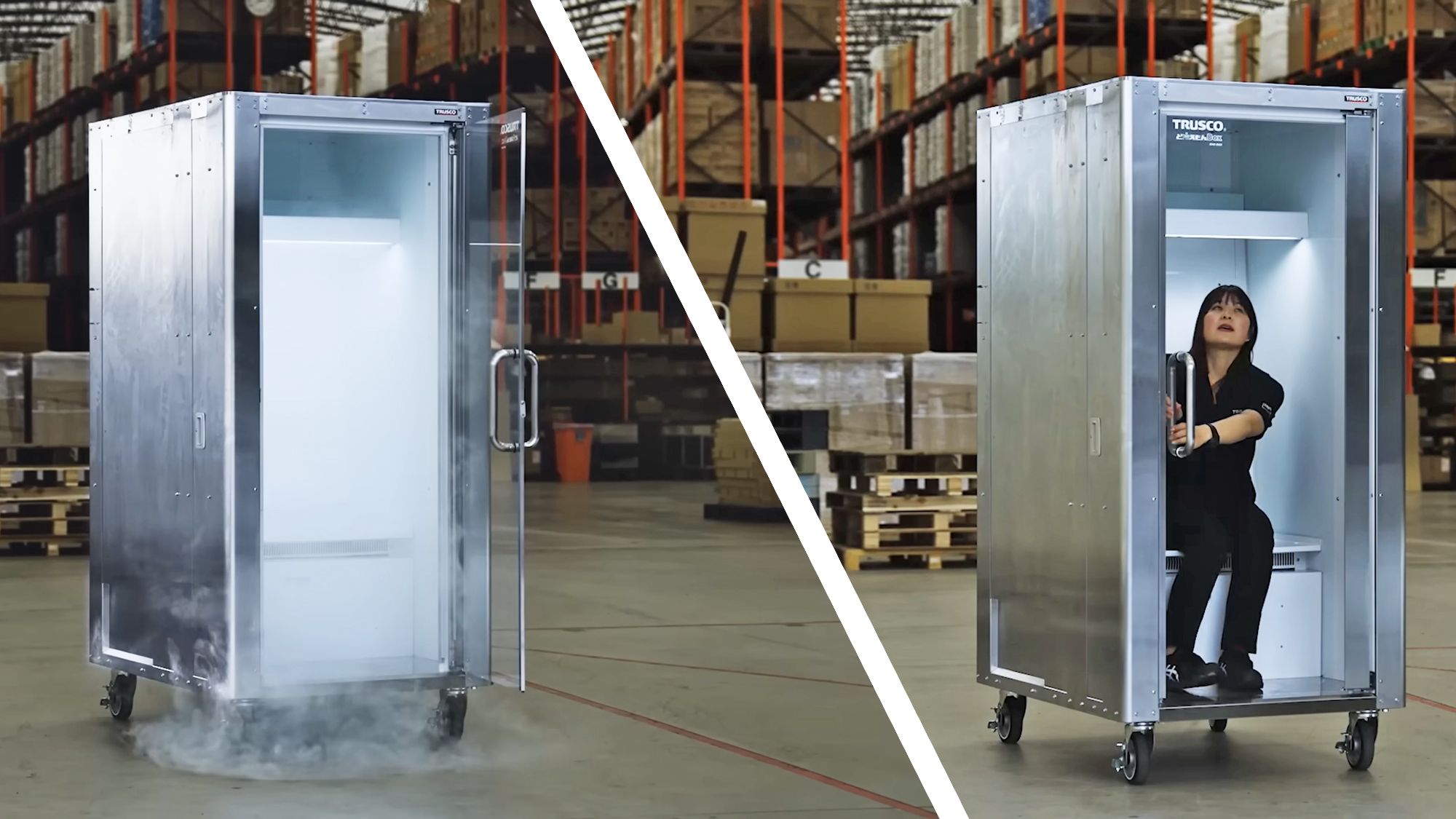
A Japanese company has introduced a mobile cooling chamber designed to offer temporary respite from high temperatures, circulating air chilled to 5°C (41°F).
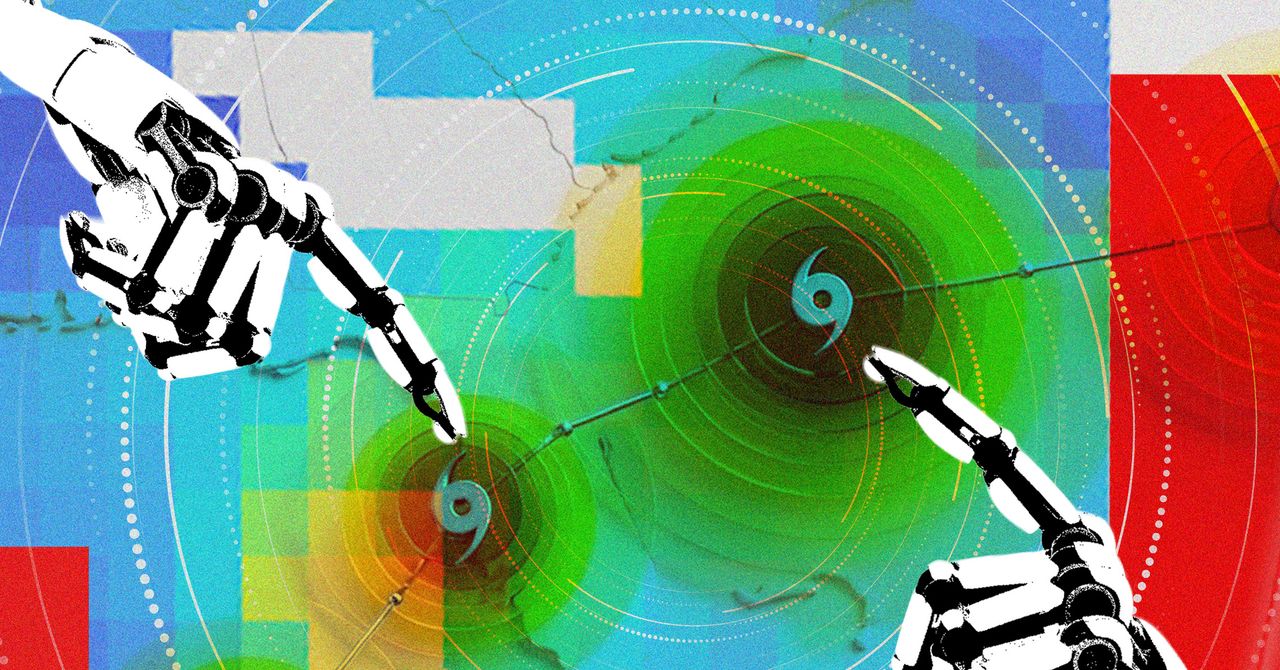
A new AI model developed by DeepMind and Google Research is demonstrating unprecedented accuracy in forecasting hurricane trajectories and intensity, offering forecasters crucial additional lead time.
A recent study re-evaluates the dodo's cognitive abilities and behavior, suggesting it may have been unfairly characterized as unintelligent.
Tesla and SpaceX are set to invest significantly in a new chip manufacturing facility in Texas, aiming to address future computing demands.
Ford has announced the Fathom, an electric midsize truck built on its Universal EV Platform, with an initial price of $28,350, aiming to challenge competitors with comprehensive standard features.
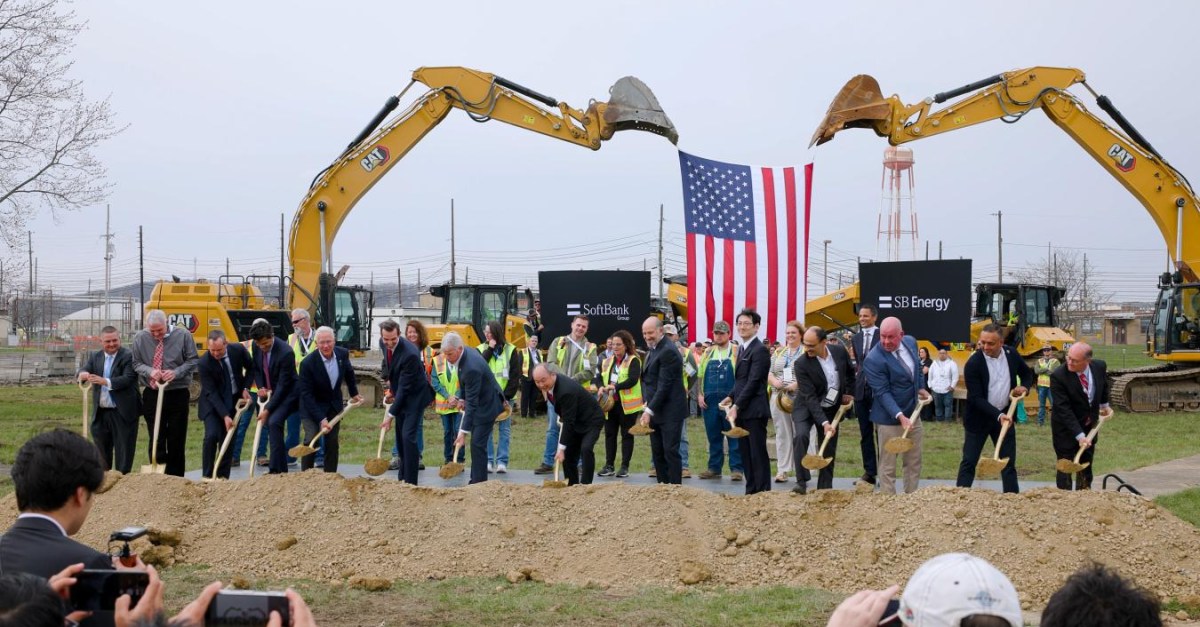
SoftBank contributed $50 million to the Donald J. Trump Presidential Library Fund in January, several months before securing a federal land lease for a major data center project in Ohio.
Ford has officially named its forthcoming affordable electric pickup truck the 'Fathom,' revealing a starting price of $28,350.
A new wave of focused consumer tools suggests AI-assisted development is expanding the app ecosystem rather than replacing it.
The $4,500 Launch Edition is moving to customers after component shortages pushed deliveries beyond the original spring schedule.
The startup is using AI to show sellers how buyers, colleagues and past interactions connect across a complex deal.
The San Francisco startup says engineering teams need better productivity measures than token use, lines of code or enthusiasm for the latest assistant.
The chipmaker's strategic partnership with Ilya Sutskever's research lab couples new capital with access to Vera Rubin computing systems.
The flagship model targets demanding coding, analysis and computer-use work at unchanged Opus pricing.
The San Francisco startup turns television, radio, podcasts and livestreams into searchable signals for companies that need faster narrative tracking.
The Palo Alto and Tel Aviv company reached a $1.2 billion valuation with a prevention-focused approach to securing devices used for AI work.
Gemini 3.6 Flash, 3.5 Flash-Lite and the restricted 3.5 Flash Cyber model target different production requirements.
The young fintech company wants autonomous software to pay vendors while businesses retain policy controls and an auditable record.
The model infrastructure company says annual recurring revenue has passed $1 billion as customers deploy more specialized AI systems.
The molecular design startup reached a $3.8 billion valuation while expanding partnerships with major drugmakers.
Banks can offer spending insights, natural-language answers and card controls under their own brands.
The company behind a widely used local AI tool is adding resources for enterprise adoption while keeping its open-source distribution engine.
The robotics startup introduced its first commercial hand and closed a seed round after settling a trade-secret dispute with Tesla.
The hardware startup is betting that a simple recorder with free transcription can hold a place beside phones and software-only meeting assistants.
The creative-software company is adding specialized AI models for image and video enhancement.
The healthcare startup is expanding AI agents from phone scheduling into a broader operating system for the patient journey.
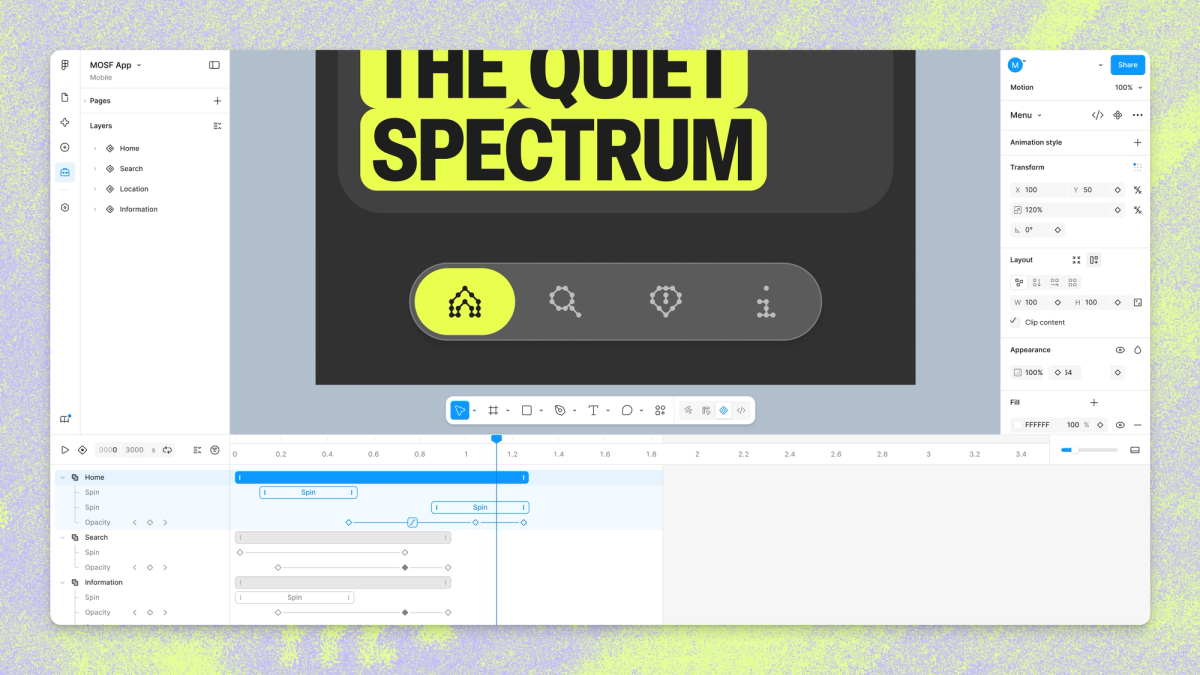
Teams can build, review and hand off interface motion without leaving the shared canvas.
The biotechnology company is advancing seven programs and plans to form focused affiliates as individual assets reach clinical milestones.
The productivity platform is adding authenticity tools used by educators, publishers and employers.
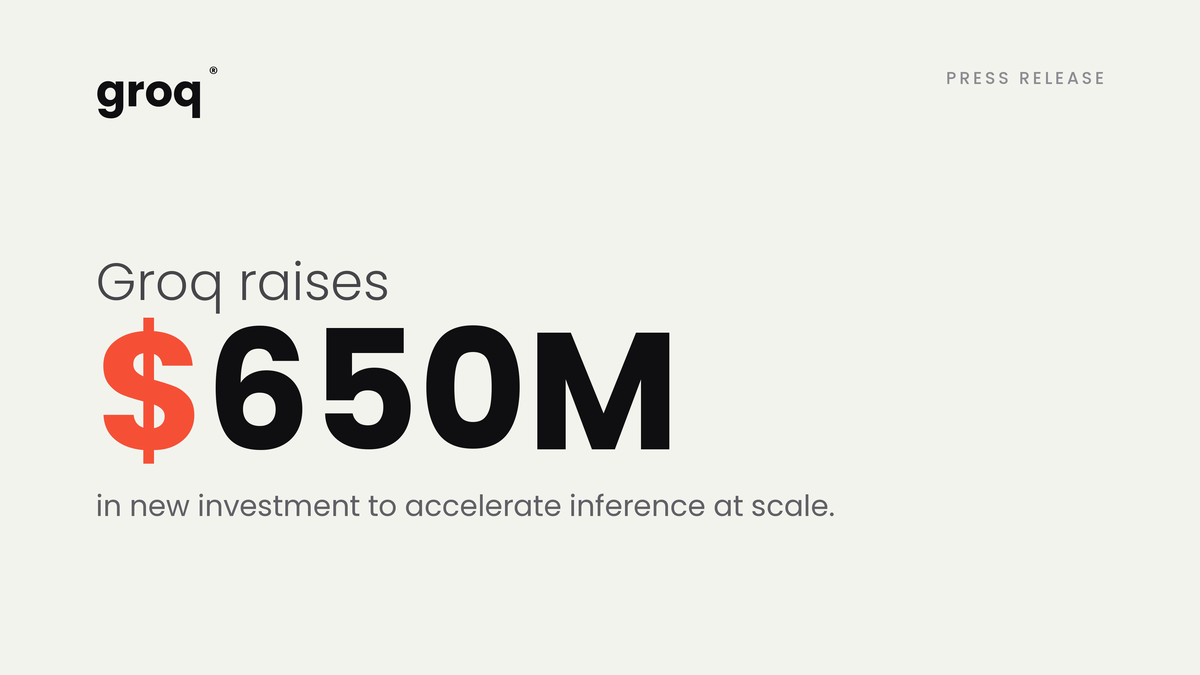
The chip company is rebuilding and scaling its cloud business after a major licensing and talent agreement with Nvidia.
The Palo Alto startup is using AI to help companies define specialized processors before the expensive physical design and manufacturing stages.
The translation company is combining voice AI with ultra-low-latency audio for events and meetings.
The Berkeley company will accelerate work on fault-tolerant machines while pursuing additional federal support for U.S. quantum infrastructure.
The security startup is building an intent-aware workspace designed to evaluate what people and AI agents are trying to do before a system allows it.
The San Francisco and Tel Aviv company wants security agents to find and help fix software risks throughout the development lifecycle.
The ChatGPT maker joined Anthropic in a high-stakes race to bring frontier AI companies to public markets.
The prompt-to-app startup says its community creates games, quizzes and interactive experiments at a rate of about one every half-second.
The longevity biotechnology company plans to move its first liver program toward human testing while expanding its discovery platform.
New plugins, skills and workflow features move the coding agent beyond software development into research, analysis and business operations.
The Claude developer moved ahead of OpenAI as frontier AI companies prepare for public scrutiny.
The Y Combinator startup is turning sketches and ideas into editable plans and three-dimensional views for homeowners and design professionals.
The Claude developer secured one of the largest private financings ever as demand for enterprise AI and computing capacity continues to climb.
The vertical software company is connecting agency data with AI workflows for policy checks, proposals and other document-heavy tasks.
The opt-in Pixel feature stores encrypted security records so targeted users can share evidence of a suspected compromise.
Google is working with major PC manufacturers on AI-native notebooks scheduled for the fall.
The Palo Alto startup is commercializing infrastructure around a widely used open-source engine for running and serving advanced AI models.
The startup's team will join Meta's effort to develop AI systems for humanoid robots.
The company reached a $2 billion valuation as it expands tools that help automated systems search, retrieve and organize online information.
The startup is beginning with autonomous road rollers that can be retrofitted onto machines already operating at construction sites.
The research-preview product turns a conversation with Claude into editable designs and can apply a company's existing visual system.
The analytics startup is using strategic capital to expand software that lets employees ask questions across fragmented company data in ordinary language.
The San Francisco mobility company is preparing pilot networks that place small autonomous vehicles on narrow, reserved lanes.
The a16z-backed startup wants consumer businesses to move from dashboards and recommendations to actions tied to measurable financial results.
The speech-technology company is expanding its ability to embed voice transformation into communications systems.
The San Mateo startup is teaching software to connect drawings, specifications and other building documents before missing details become costly field problems.
The Redwood City company will scale access to an FDA-cleared prescription belt designed for people with low bone density.
The first model from Meta Superintelligence Labs powers a redesigned Meta AI experience and can coordinate parallel subagents.
The startup connects a visual design canvas directly to a product's codebase so teams can work from the same components and constraints.
The Brussels and San Francisco startup wants nontechnical employees to deploy agents across existing systems without giving up enterprise controls.
The San Jose chip startup is betting that a shorter, vertical path for electricity can remove a growing bottleneck inside high-performance AI systems.
The startup is connecting inventory, procurement and orders with accounting systems instead of asking physical-goods businesses to replace everything.
The startup is building an AI memory that reads on-screen text, prepares meeting notes and retrieves information from a user's daily work.
The startup wants employees to direct business software through natural language while agents work across data and applications.
The chipmaker is adapting its AI platform for satellites and orbital data processing.
OpenShell, AI-Q and new Nemotron models aim to give companies more control over autonomous software.
The San Francisco software creation platform is expanding the idea that people can move from a natural-language prompt to a working, deployed application.
Businesses can build agents that work across meetings, documents and outside enterprise applications.
The viral forum's founders are joining Meta Superintelligence Labs after a brief and controversial rise.
The new laptop doubles entry-level storage while increasing AI and graphics performance.
The Y Combinator startup is making its streaming platform generally available as AI developers look for simpler ways to process live data.
The Seattle company's team and desktop-agent technology will support Claude's ability to operate software.
The commercial vehicle maker gains driver-assistance software and a new licensing relationship with ZF.
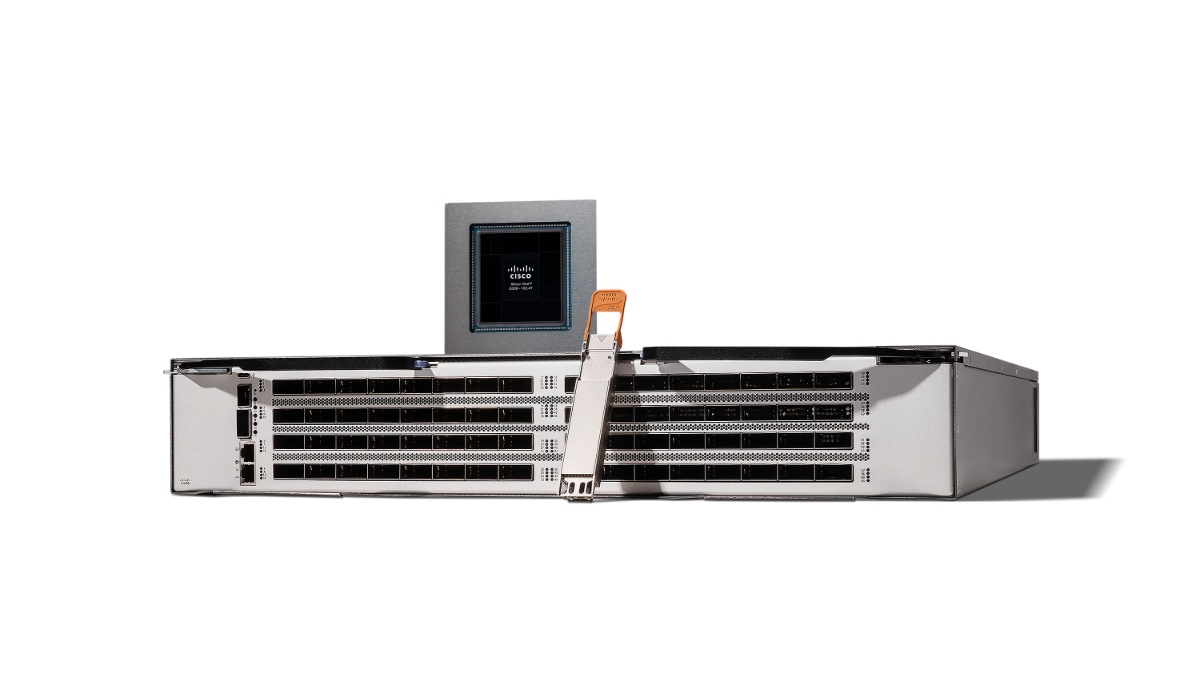
The 102.4-terabit chip is designed to move data across increasingly dense computing clusters.
The company is applying foundation-model techniques to tables and relational data, an area where text-focused AI systems often struggle.
The startup is building authorization and payment tools that let AI agents purchase APIs, data and computing services under defined controls.























.png)