Okta Agrees to Acquire Permiso Security
The identity company is adding threat detection for human, machine and AI-agent accounts.
Archive
The identity company is adding threat detection for human, machine and AI-agent accounts.
The heart-disease drug developer is seeking up to $318.8 million for clinical trials and research.
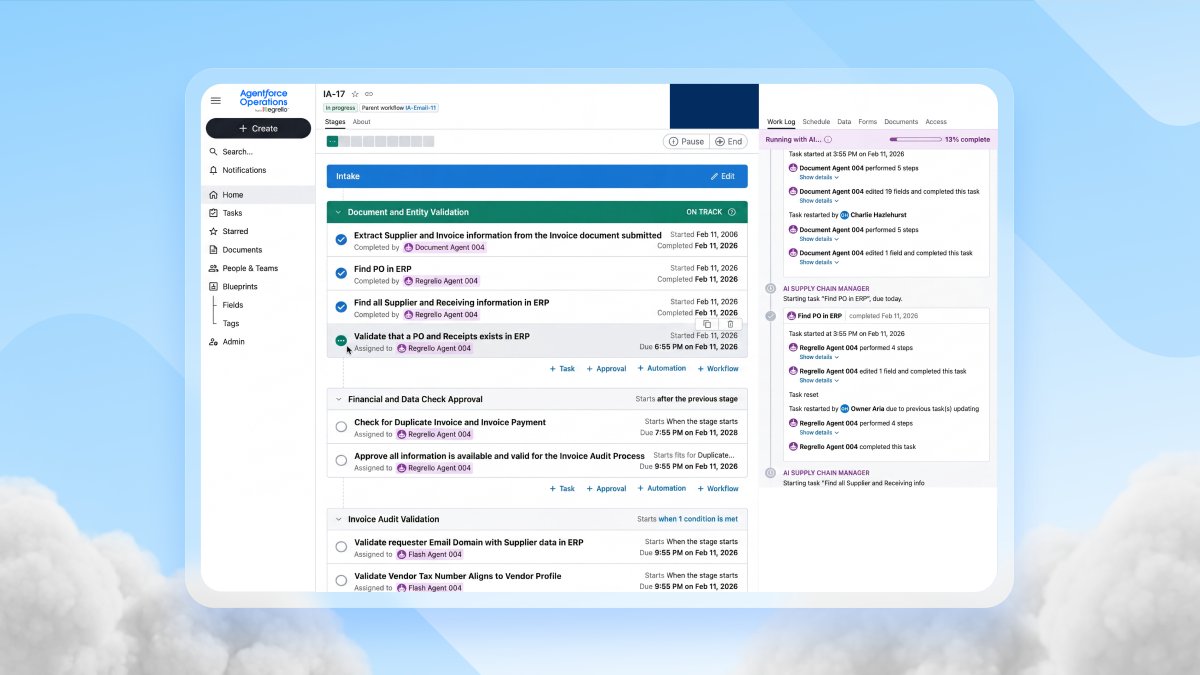
The San Francisco company is expanding autonomous teams that handle procurement, supplier coordination, invoices and payments for large enterprises.
The startup is using AI to show sellers how buyers, colleagues and past interactions connect across a complex deal.
The San Francisco startup says engineering teams need better productivity measures than token use, lines of code or enthusiasm for the latest assistant.
Flat teams scaled well to fifty people. Past two hundred, the cracks are structural.
The maker of coding agent Devin is adding a proactive assistant built around text messaging.
The Palo Alto and Tel Aviv company reached a $1.2 billion valuation with a prevention-focused approach to securing devices used for AI work.
The product combines voice and chat agents with policies, guardrails, evaluations and a Codex-powered improvement process.
The young fintech company wants autonomous software to pay vendors while businesses retain policy controls and an auditable record.
The model infrastructure company says annual recurring revenue has passed $1 billion as customers deploy more specialized AI systems.
The Tel Aviv and San Francisco startup wants one continuously updated graph for employees, software accounts, service identities and AI agents.
The Kubernetes management company added Goldman Sachs and strategic investors as businesses move AI systems from pilots into production.
Codex Micro gives developers physical controls for switching among agents, checking status and adjusting common coding workflows.
The business finance platform reached a reported valuation near $1.2 billion and launched a global product using stablecoin payment rails.
Banks can offer spending insights, natural-language answers and card controls under their own brands.
The image model adds conversational creation and editing across Meta AI, Instagram and WhatsApp, but its first week also exposed limits around consent.
The startup is adding automation to a data layer that connects the accounting, project and payment systems used by contractors.
The savings platform is expanding a membership that combines travel deals, cash back and financial tools for cost-conscious consumers.
The San Francisco startup is building real-time fluid sensors for computing systems that increasingly depend on liquid rather than air to control heat.
The robotics startup introduced its first commercial hand and closed a seed round after settling a trade-secret dispute with Tesla.
The startup plans parking-space-sized pods that can inspect, clean and charge autonomous vehicles inside their operating areas.
The profitable software company plans to expand tools that help banks and governments investigate financial crime and third-party risk.
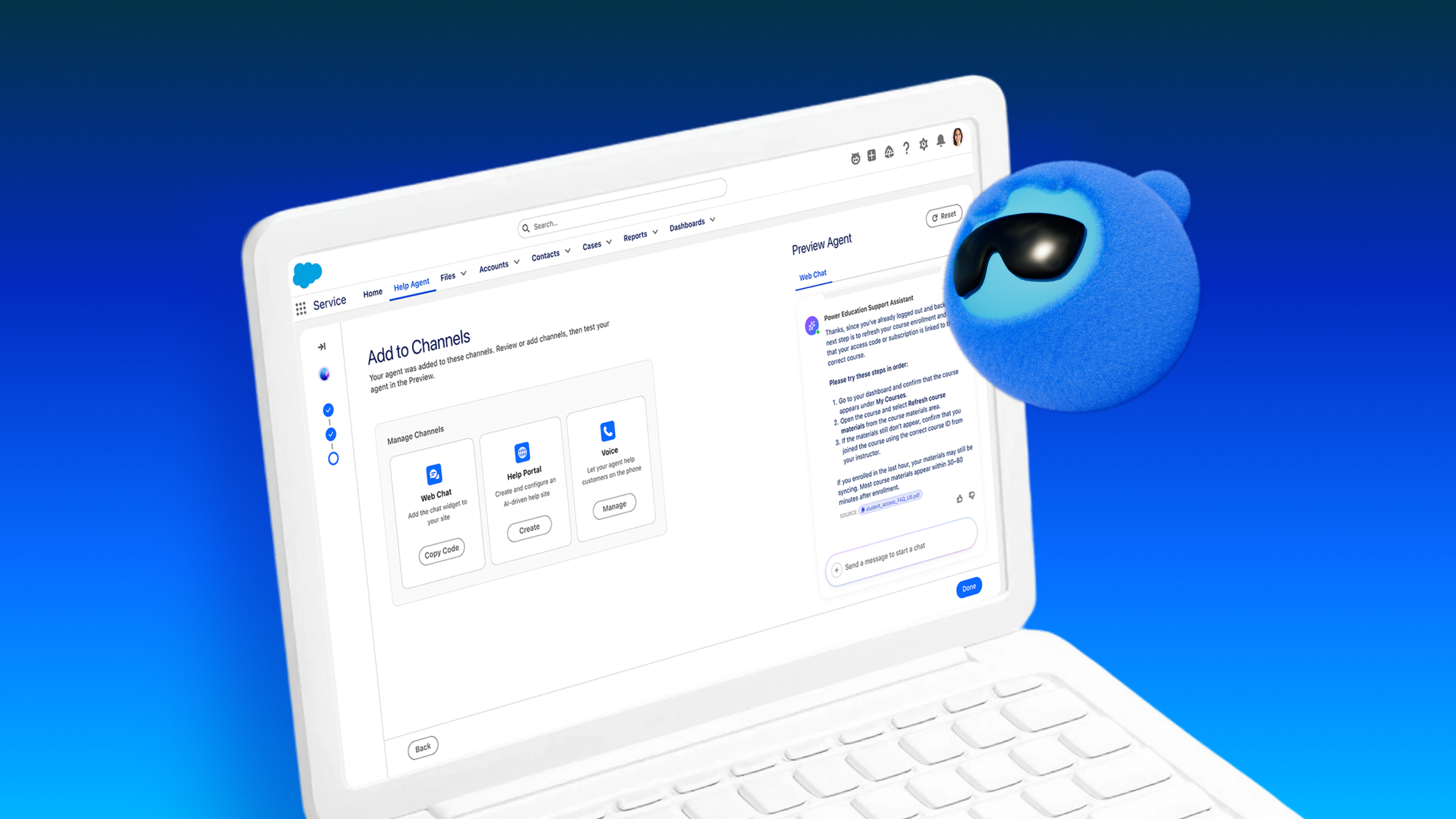
Agentforce Help Agent is designed to deploy across service channels in minutes and charge customers only for completed resolutions.
The healthcare startup is expanding AI agents from phone scheduling into a broader operating system for the patient journey.
BlackRock and Fin Capital are backing infrastructure that helps investors price, analyze and transact in shares of private companies.
The San Francisco and Tokyo company is developing low-latency speech models for Japanese, Korean and Chinese applications.
The Oakland company is expanding technology that structures fragmented patient information for clinical care, research and regulatory evidence.
Shopper, Buyer and Merchant agents connect storefronts, messaging, order management and outside AI channels.
The biotechnology company is advancing seven programs and plans to form focused affiliates as individual assets reach clinical milestones.
The company is building software that continually personalizes campaigns, tests changes and adjusts marketing decisions across customer channels.
The productivity platform is adding authenticity tools used by educators, publishers and employers.
The AI infrastructure company is using its fourth financing in 18 months to expand model inference services for enterprise customers.
The semiconductor startup reached a $2 billion valuation and $500 million in total funding as it develops alternatives for connecting AI data centers.
The new workflow creates a short-lived Cloudflare environment that can be claimed or allowed to expire.
The startup wants agents to own recurring business outcomes across existing applications instead of stopping after a single generated response.
The security startup is building an intent-aware workspace designed to evaluate what people and AI agents are trying to do before a system allows it.
The startup is building validation software that checks model responses before errors reach users in high-precision workflows.
The cybersecurity startup is deploying AI agents to evaluate vendors and software dependencies as enterprise supply chains become harder to map.
Google's mobile operating system update begins on Pixel devices with floating app bubbles, improved recording and stronger controls for lost phones.
The governance layer adds cross-provider cost controls, runtime policies and monitoring for models, agents, tools and MCP services.
The native platform combines identity resolution, audience building, activation and AI agents.
The new architecture aims to reduce the copies and pipelines separating operational applications from analysis.
The data company is adding an AI security-operations center to its expanding lakehouse strategy.
The rocket and satellite company entered Nasdaq trading at a valuation above $1.7 trillion.
The secretive company led by Jeff Bezos and Vik Bajaj is valued at $41 billion before revealing much about its technology or customers.
The Oakland company is building software to manage applications, participants, payments and reporting for programs serving communities.
The services update adds richer navigation, flexible location sharing, visual bill splitting and expanded media experiences.
The open-source database platform is financing faster growth as AI agents generate more applications and infrastructure demand.
The longevity biotechnology company plans to move its first liver program toward human testing while expanding its discovery platform.
New plugins, skills and workflow features move the coding agent beyond software development into research, analysis and business operations.
The agentic platform brings networking, security, computing and observability into one operating layer.
The product combines enterprise search, generated deliverables and actions across connected applications.
The Claude developer moved ahead of OpenAI as frontier AI companies prepare for public scrutiny.
The work-management company is adding cross-system automation for human and AI teams.
The maker of Devin says enterprise usage is climbing as software teams give cloud agents a larger share of development work.
Brett Adcock's new lab reached a $6 billion post-money valuation before releasing its first products to the public.
The San Francisco startup reached a $2.2 billion valuation by selling web search and content retrieval directly to software developers.
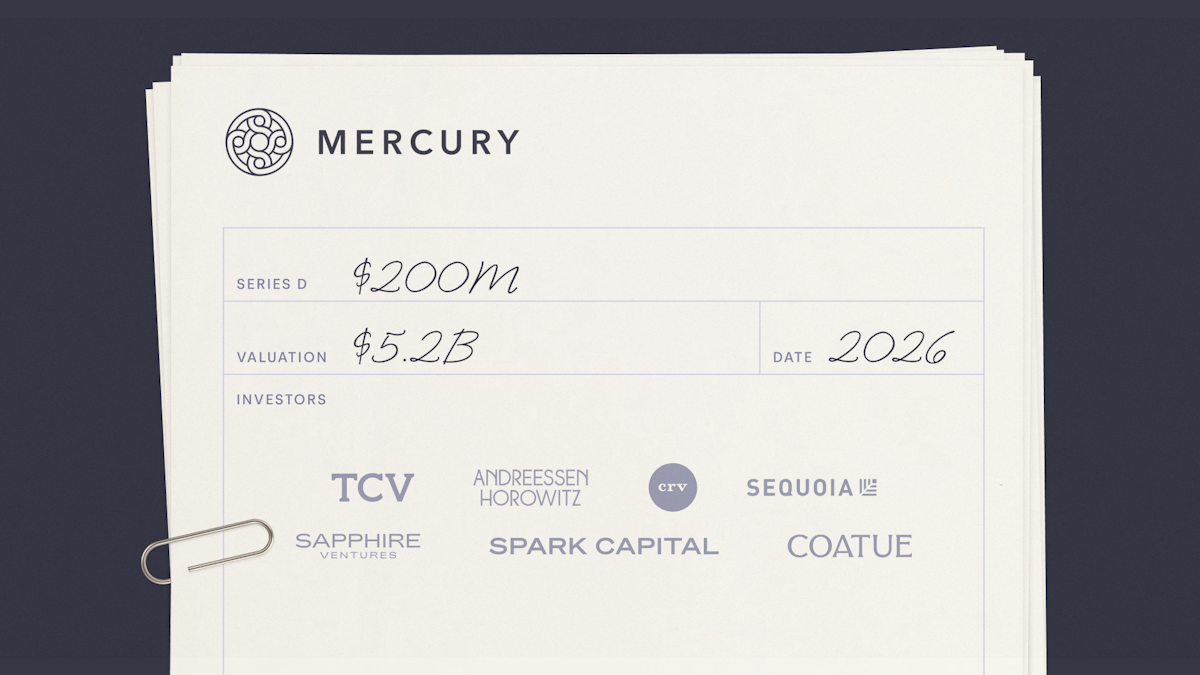
The business-banking technology company is growing alongside a new wave of AI startups while pursuing approval for a national bank.
The Mountain View healthcare technology company is expanding AI systems for revenue, clinical documentation and practice operations.
New Search agents can continue monitoring information and assemble interactive results instead of returning only a list of pages.
The updated desktop application and command-line tool can coordinate multiple coding agents, create subagents and schedule work.
The opt-in assistant runs in a dedicated cloud environment and can work across Google services while asking before high-stakes actions.
The subscription update separates mainstream, professional and higher-compute access as Google expands Gemini across its products.
The Palo Alto company founded by Rivian CEO RJ Scaringe has now raised more than $1 billion for industrial robots trained in live manufacturing environments.
The vertical software company is connecting agency data with AI workflows for policy checks, proposals and other document-heavy tasks.
The San Francisco startup is trying to replace disconnected sales tools with a system that carries context from prospecting through a closed deal.
Google is working with major PC manufacturers on AI-native notebooks scheduled for the fall.
The finance software startup is expanding AI agents that handle invoicing, reconciliation, collections and other repetitive cash workflows.
The full-stack insurer is using AI across underwriting, policy administration and claims as it expands into additional commercial markets.
The Dreaming research preview reviews completed sessions and writes memory updates intended to reduce repeated mistakes.
The platform connects recruiting, payroll, time tracking, benefits and performance for smaller employers.
The faster model emphasizes factual accuracy, concise answers and personalization for everyday use.
The customer-experience software company is valued above $15 billion as it races to make AI agents a standard interface for large brands.
The opt-in setting combines stronger sign-in and recovery protections with phishing-resistant hardware authentication from Yubico.
The update adds campaign automation, an AI Brief for advertiser guidance and new controls for regulated messaging.
The San Francisco company more than doubled its valuation to $2.75 billion as it expanded from moving customer data to helping agents run campaigns.
The company reached a $2 billion valuation as it expands tools that help automated systems search, retrieve and organize online information.
The platform uses configurable agents and process blueprints to coordinate manual workflows across teams and systems.
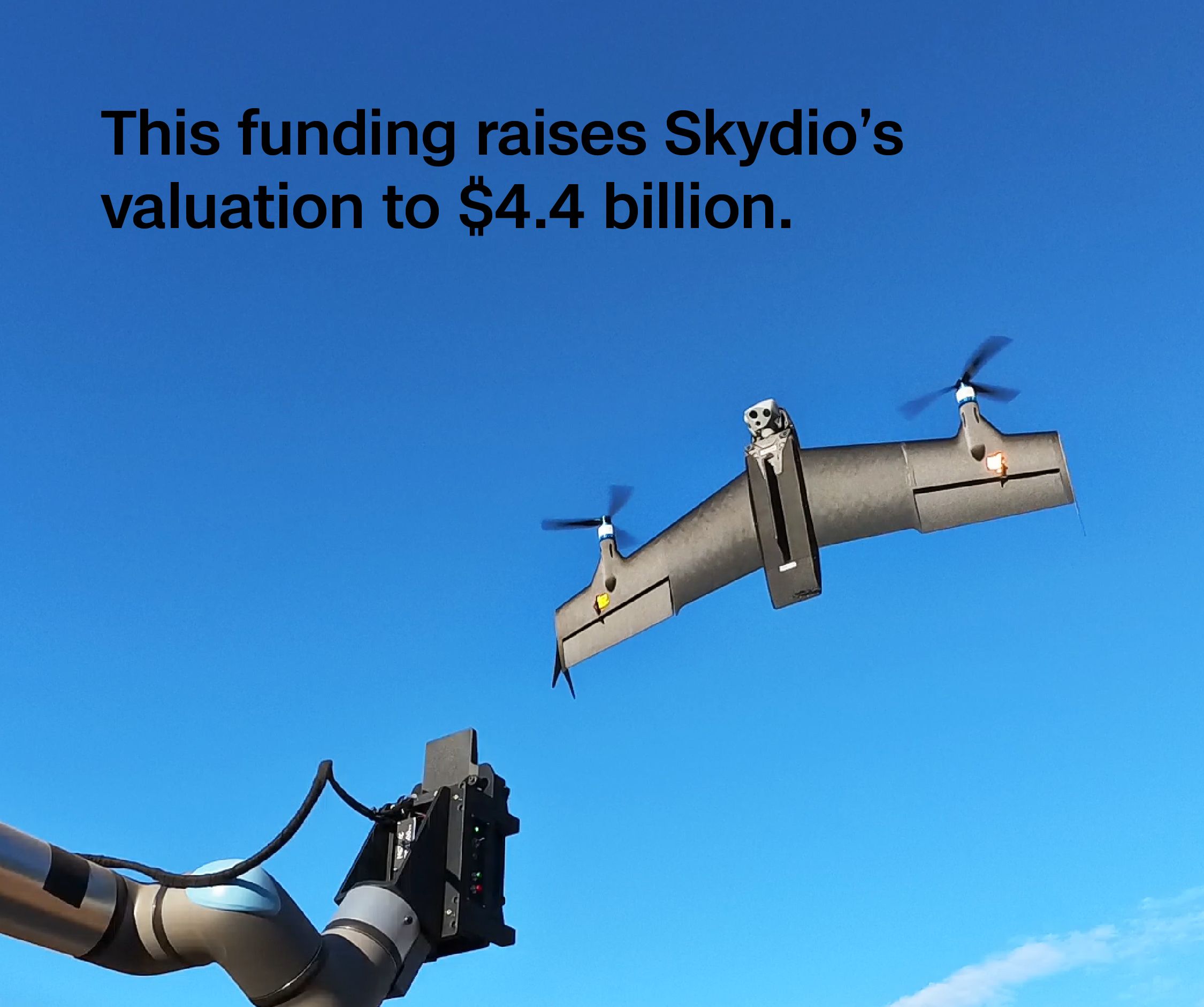
The autonomous drone maker reached a $4.4 billion valuation as it increases production for defense, public safety and infrastructure customers.
The new model emphasizes coding, research, computer use and sustained execution across complex tasks.
The new system connects marketing data, content, analytics and automated work across the customer lifecycle.
The logistics technology company is broadening its platform from transportation payments into operational and financial decisions across the supply chain.
The React Native platform is expanding from developer infrastructure into AI-assisted work that helps enterprise teams move from an idea to a shipped application.
The San Francisco mobility company is preparing pilot networks that place small autonomous vehicles on narrow, reserved lanes.
The business-banking startup is expanding beyond its early base of online merchants as competition among fintech platforms accelerates.
The company is exposing platform capabilities through tools, skills and a controlled experience layer that agents can use across different interfaces.
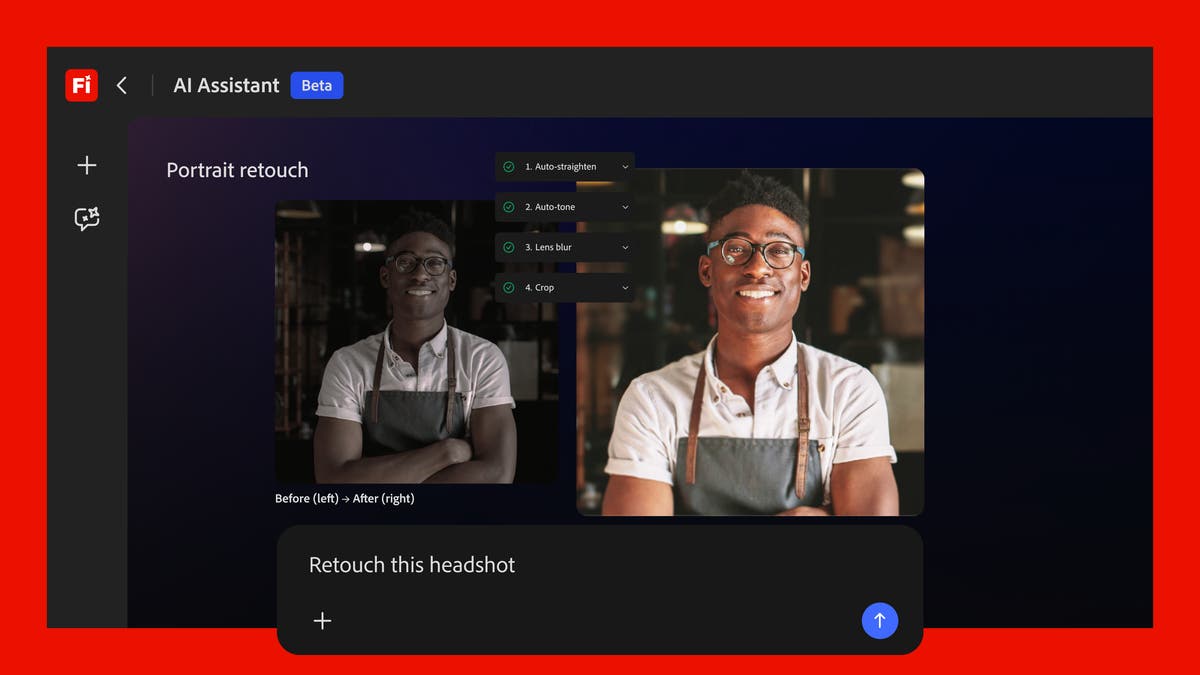
The conversational agent can plan and complete tasks using Photoshop, Premiere, Illustrator and other Adobe tools.
New developer primitives address memory, subagents, execution and recoverable long-running work.
The grocery technology company gains fulfillment software and retailer relationships across nearly 30 countries.
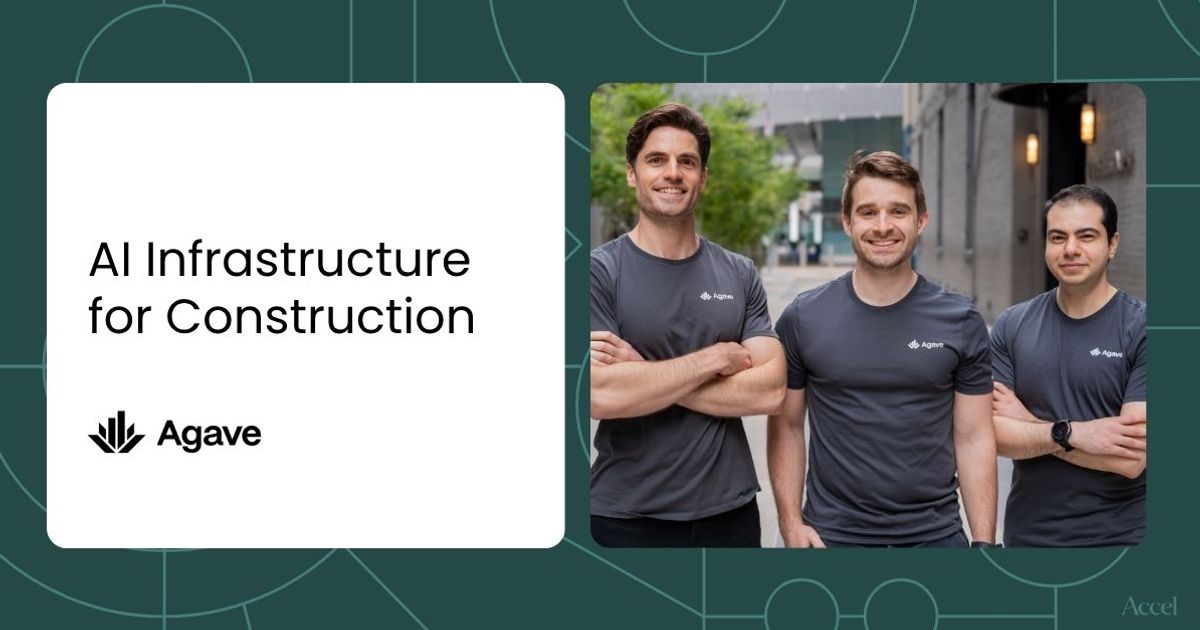
The San Mateo startup is teaching software to connect drawings, specifications and other building documents before missing details become costly field problems.
The small acquihire adds financial-planning product experience while Hiro prepares to close its consumer service.
The Redwood City company will scale access to an FDA-cleared prescription belt designed for people with low bone density.
A single integration is designed to expose catalogs, payments and order workflows to AI shopping agents.
The startup is building software intended to let data-center networks adapt automatically to changing AI workloads.
The startup connects a visual design canvas directly to a product's codebase so teams can work from the same components and constraints.
The financing gives the San Francisco AI company an extraordinary capital base, while placing equal pressure on revenue growth, infrastructure execution and product focus.
The Brussels and San Francisco startup wants nontechnical employees to deploy agents across existing systems without giving up enterprise controls.
The Rivian spinoff reached a valuation above $1 billion while expanding from small electric vehicles into autonomous delivery systems.
Former Atlassian CTO Sri Viswanath is building a control layer for companies that want autonomous agents without giving up security, governance or oversight.
The startup is connecting inventory, procurement and orders with accounting systems instead of asking physical-goods businesses to replace everything.
Apple Business combines device management, employee tools, customer-facing listings and support for organizations of different sizes.
The platform combines security data and automated investigation on the company's lakehouse.
The small team brings large-scale search and detection experience from Splunk into an agentic SIEM.
The startup is building an AI memory that reads on-screen text, prepares meeting notes and retrieves information from a user's daily work.
The startup combines AI agents with human media experts to turn sales conversations and customer data into targeted campaigns.
The startup wants employees to direct business software through natural language while agents work across data and applications.
The deal gives IBM a major real-time data platform for enterprise AI and hybrid cloud systems.
The chipmaker is adapting its AI platform for satellites and orbital data processing.
OpenShell, AI-Q and new Nemotron models aim to give companies more control over autonomous software.
The purchase brings a large catalog of video effects, templates and editing tools inside Apple.
The Mountain View robotics company reached a $1.15 billion valuation with a plan to begin real household deployments in the fall.
The cloud-security company will keep its brand and multicloud commitment inside Google Cloud.
The Dublin, California semiconductor company plans to commercialize a component that moves power vertically toward high-performance processors.
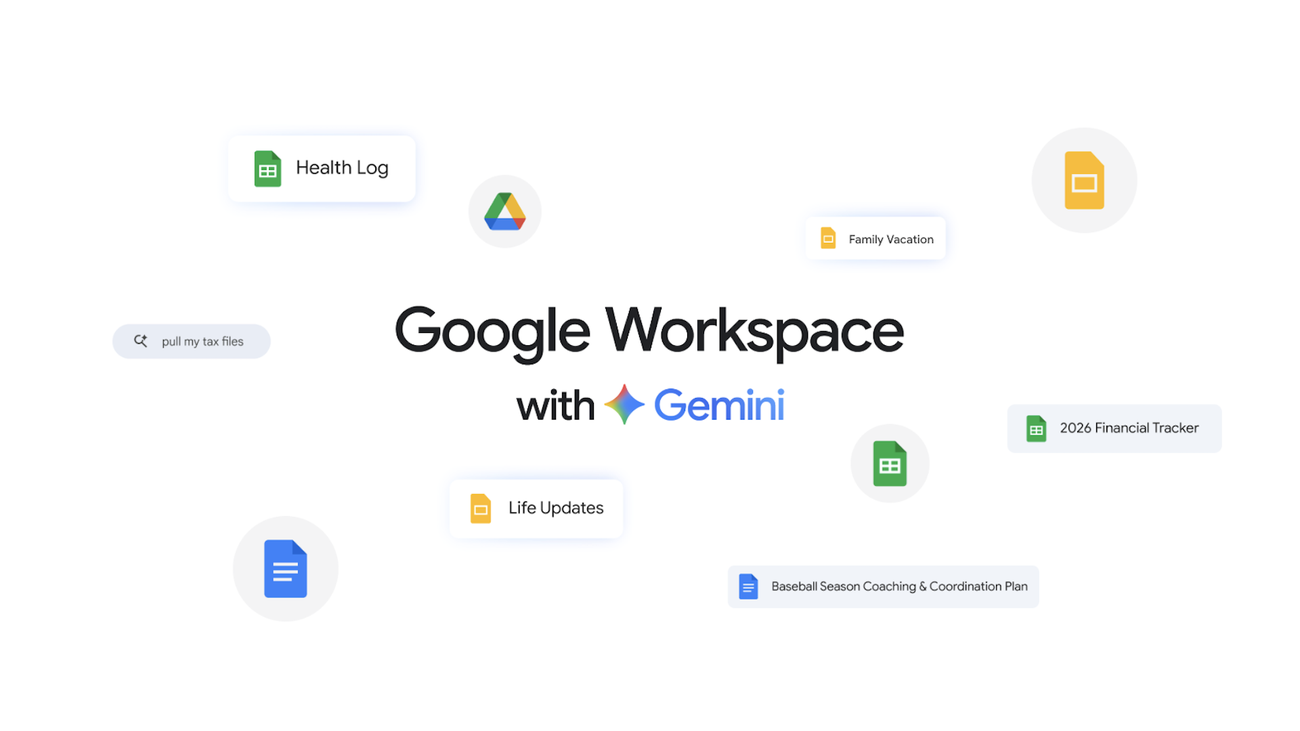
The update can assemble drafts from company information, build spreadsheets and create presentations with broader Workspace context.
Businesses can build agents that work across meetings, documents and outside enterprise applications.
The Y Combinator company is targeting evidence collection and compliance work that still depends heavily on spreadsheets, tickets and manual review.
The brain-computer interface company is preparing its PRIMA vision-restoration system for commercialization while funding a broader clinical pipeline.
The 14- and 16-inch laptops add faster AI processing, higher storage floors and improved solid-state drive performance.
The new laptop doubles entry-level storage while increasing AI and graphics performance.
The Y Combinator startup is making its streaming platform generally available as AI developers look for simpler ways to process live data.
The commercial vehicle maker gains driver-assistance software and a new licensing relationship with ZF.
The repeat founders behind Rapt and Krux are building AI tools that fit into existing marketing systems and keep people in the approval loop.
Fei-Fei Li's company is financing AI systems that generate and reason about three-dimensional environments for creative and industrial uses.
The durable-computing company reached a $5 billion valuation as enterprises look for infrastructure that can keep long-running AI work on track.
The Series C extension values the developer platform at $1.5 billion as more teams need persistent infrastructure for applications and agents.
The reported deal moves future production of the hit series inside Apple Studios.
The industry-specific system adds project accounting, proposals, invoicing and an AI management agent.
The voice platform is expanding through software and telecom partners that can distribute automated front-desk service at scale.
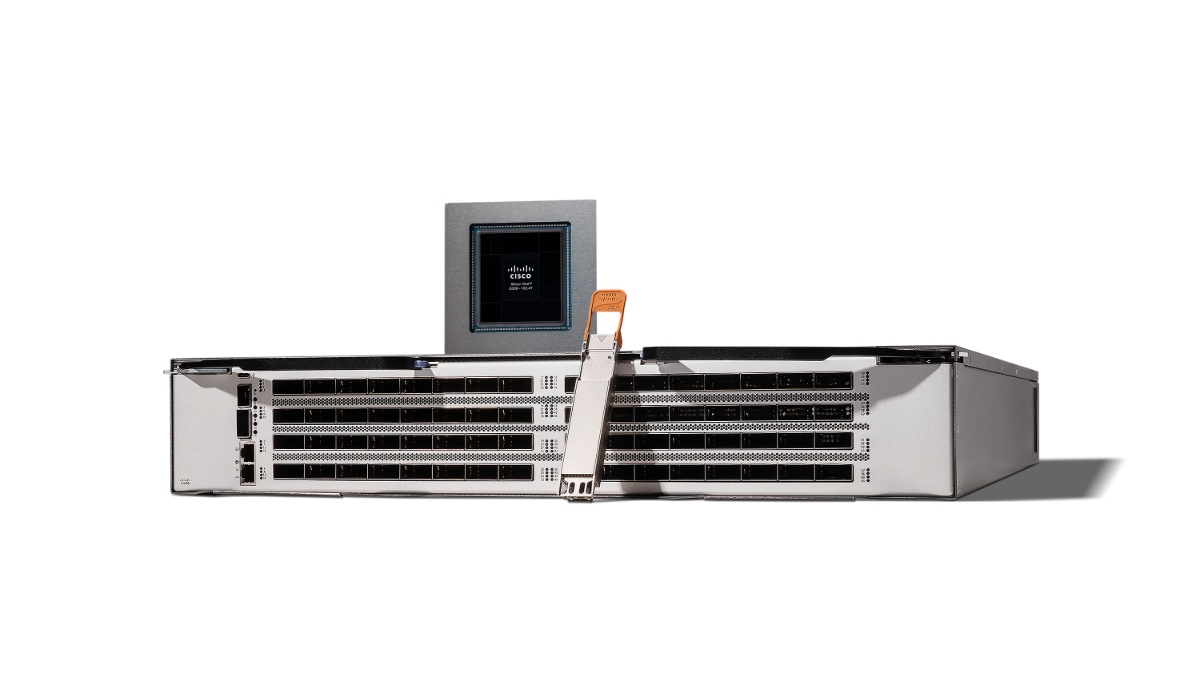
The 102.4-terabit chip is designed to move data across increasingly dense computing clusters.
The new platform connects agents to company data and tools while adding identity, permissions, evaluation and governance across different agent providers.
The company is applying foundation-model techniques to tables and relational data, an area where text-focused AI systems often struggle.
The startup is building authorization and payment tools that let AI agents purchase APIs, data and computing services under defined controls.
The company founded by former Waymo leaders is moving its self-driving system from supervised job sites toward operator-less heavy equipment.


.jpg)
















.png)