Nexora Raises $120M to Build the Operating System for Autonomous Companies
The San Francisco startup will use the capital to expand engineering, grow enterprise partnerships and accelerate international rollout.
Archive
The San Francisco startup will use the capital to expand engineering, grow enterprise partnerships and accelerate international rollout.
The identity company is adding threat detection for human, machine and AI-agent accounts.
The Silicon Valley startup says autonomous software agents can shorten expensive chip-development cycles, with verification emerging as an early target.
The San Francisco company is expanding autonomous teams that handle procurement, supplier coordination, invoices and payments for large enterprises.
Retailers that paused automation projects in 2024 are quietly restarting them.
The San Francisco startup turns television, radio, podcasts and livestreams into searchable signals for companies that need faster narrative tracking.
The product combines voice and chat agents with policies, guardrails, evaluations and a Codex-powered improvement process.
Gemini 3.6 Flash, 3.5 Flash-Lite and the restricted 3.5 Flash Cyber model target different production requirements.
The Tel Aviv and San Francisco startup wants one continuously updated graph for employees, software accounts, service identities and AI agents.
The Kubernetes management company added Goldman Sachs and strategic investors as businesses move AI systems from pilots into production.
The startup is adding automation to a data layer that connects the accounting, project and payment systems used by contractors.
The Palo Alto company is developing robotic locations that dispense prescriptions with remote pharmacist oversight and round-the-clock access.
The robotics startup introduced its first commercial hand and closed a seed round after settling a trade-secret dispute with Tesla.
The AI testing company is moving beyond fixed benchmarks with models that generate changing environments for training and evaluation.
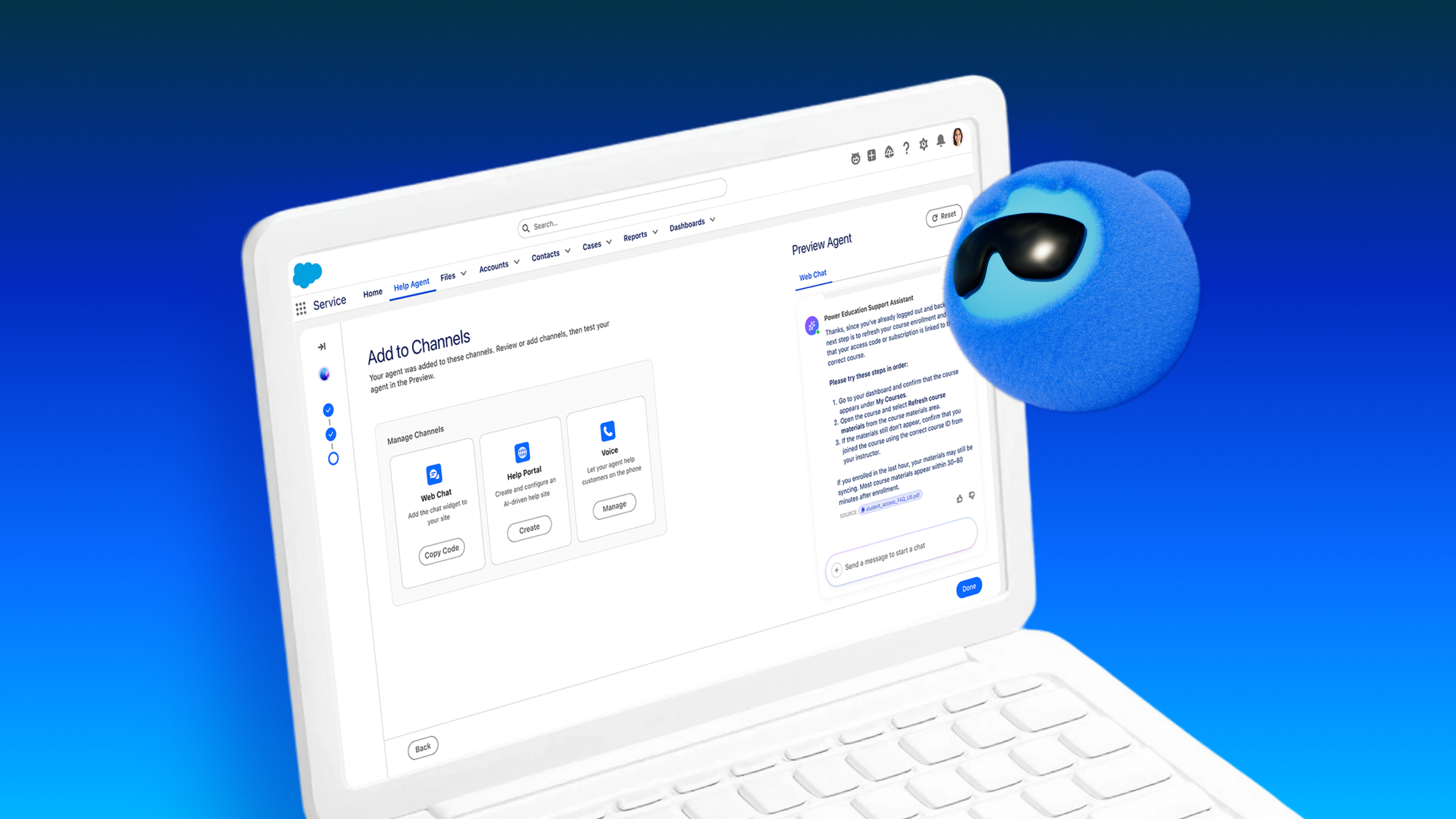
Agentforce Help Agent is designed to deploy across service channels in minutes and charge customers only for completed resolutions.
The healthcare startup is expanding AI agents from phone scheduling into a broader operating system for the patient journey.
The San Francisco and Tokyo company is developing low-latency speech models for Japanese, Korean and Chinese applications.
The startup is creating its own crawler, index and retrieval models for software that asks longer questions and consumes structured results.
The Oakland company is expanding technology that structures fragmented patient information for clinical care, research and regulatory evidence.
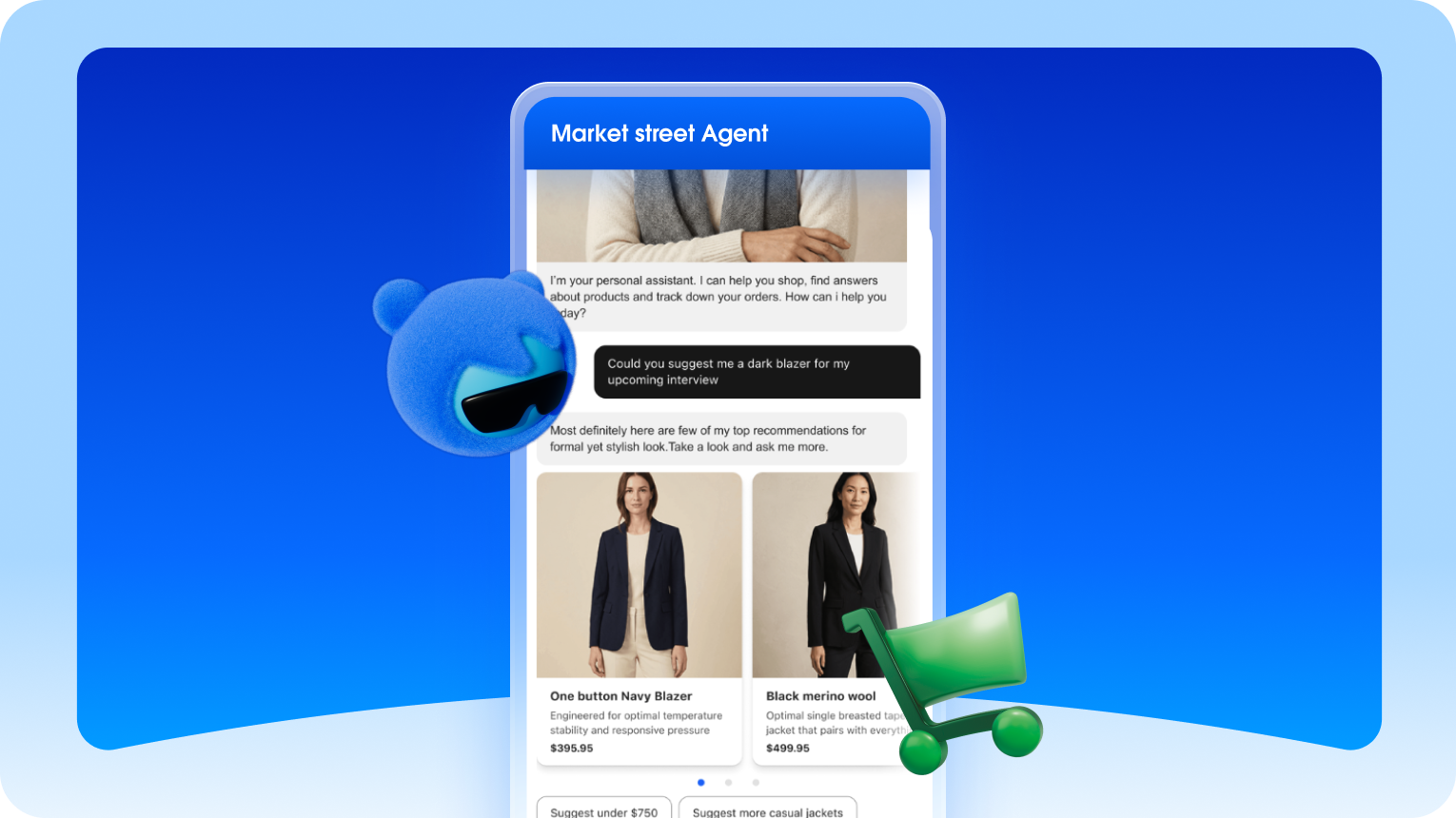
Shopper, Buyer and Merchant agents connect storefronts, messaging, order management and outside AI channels.
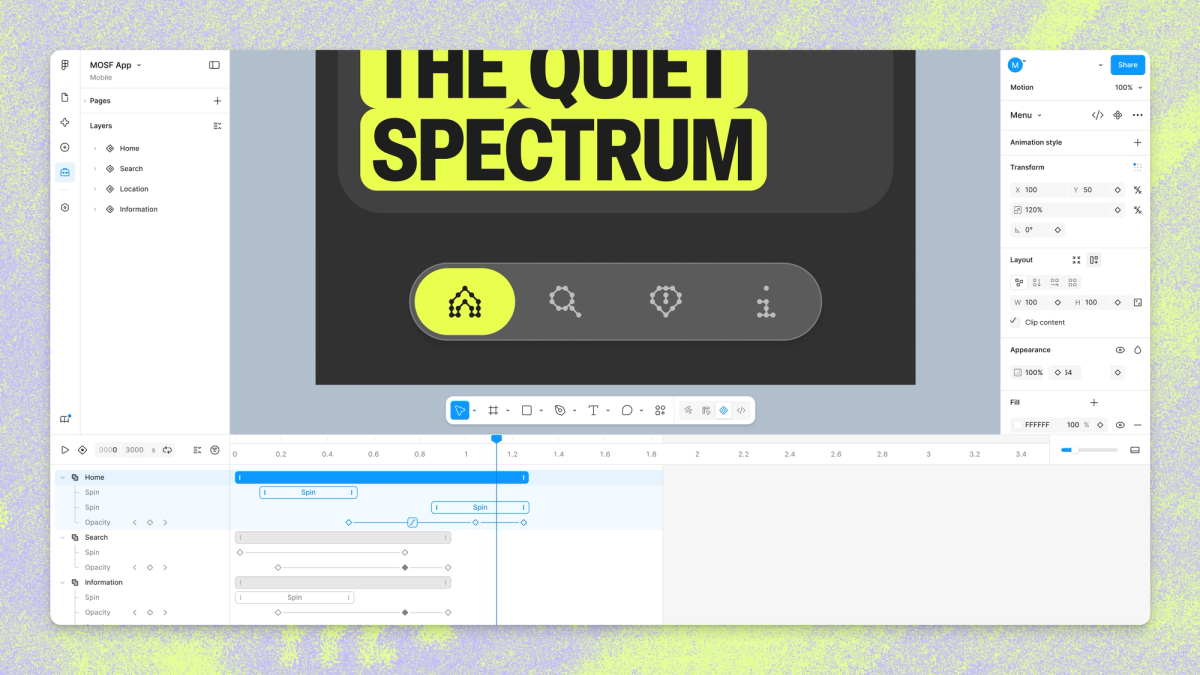
Teams can build, review and hand off interface motion without leaving the shared canvas.
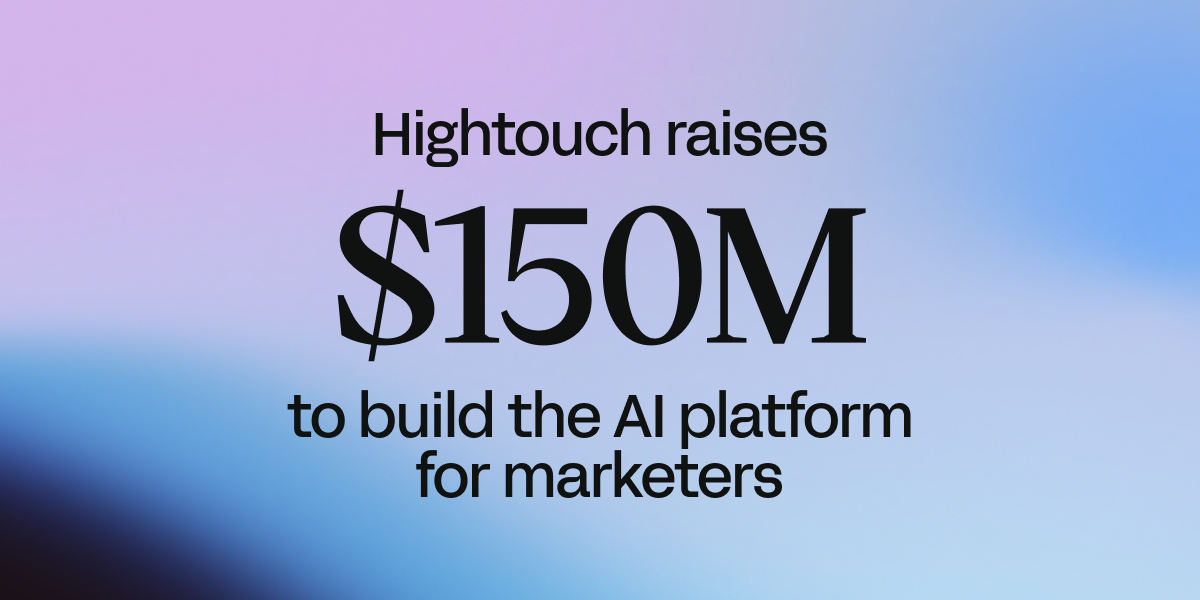
The company is building software that continually personalizes campaigns, tests changes and adjusts marketing decisions across customer channels.
The Palo Alto startup is using AI to help companies define specialized processors before the expensive physical design and manufacturing stages.
The startup wants agents to own recurring business outcomes across existing applications instead of stopping after a single generated response.
The agentic workspace company added $100 million and appointed a chief revenue officer as it pursues larger business customers.
The San Francisco startup is investing in its own speech models and the infrastructure required to run large volumes of automated business calls.
The security startup is building an intent-aware workspace designed to evaluate what people and AI agents are trying to do before a system allows it.
The startup is building validation software that checks model responses before errors reach users in high-precision workflows.
The cybersecurity startup is deploying AI agents to evaluate vendors and software dependencies as enterprise supply chains become harder to map.
The agentic system is designed to help business teams analyze information and automate recurring work.
The $60 billion stock deal would place one of the fastest-growing coding tools inside SpaceX's AI business.
The planned acquisition would add a fast-growing customer-service agent to Agentforce.
The San Francisco and Tel Aviv company wants security agents to find and help fix software risks throughout the development lifecycle.
The Oakland company is building software to manage applications, participants, payments and reporting for programs serving communities.
The services update adds richer navigation, flexible location sharing, visual bill splitting and expanded media experiences.
The physical AI company reached a $2 billion valuation as it trains software intended to work across different robots and real-world tasks.
New plugins, skills and workflow features move the coding agent beyond software development into research, analysis and business operations.
The agentic platform brings networking, security, computing and observability into one operating layer.
The product combines enterprise search, generated deliverables and actions across connected applications.
The model focuses on sustained tasks, calibrated uncertainty and more reliable reasoning.
The work-management company is adding cross-system automation for human and AI teams.
The startup is building a network that records first-person human activity, bringing privacy, consent and worker pay into the robotics data race.
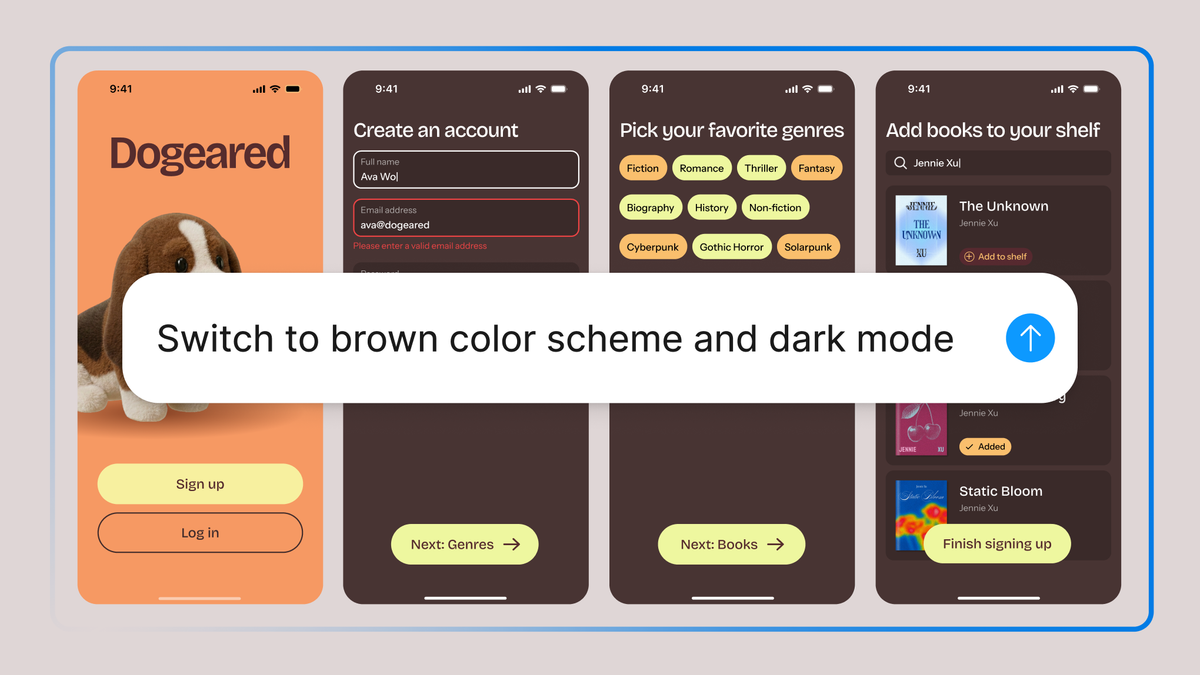
The beta assistant can generate and revise interface directions while using a team's design context.
The Mountain View healthcare technology company is expanding AI systems for revenue, clinical documentation and practice operations.
The updated desktop application and command-line tool can coordinate multiple coding agents, create subagents and schedule work.
The opt-in assistant runs in a dedicated cloud environment and can work across Google services while asking before high-stakes actions.
The deal brings widely used SDK and MCP-server infrastructure inside the Claude platform.
The Palo Alto company founded by Rivian CEO RJ Scaringe has now raised more than $1 billion for industrial robots trained in live manufacturing environments.
The vertical software company is connecting agency data with AI workflows for policy checks, proposals and other document-heavy tasks.
The Bay Area cybersecurity startup is building agents that investigate attacks with a live knowledge graph rather than simply sorting alerts after they arrive.
The San Francisco startup is trying to replace disconnected sales tools with a system that carries context from prospecting through a closed deal.
The finance software startup is expanding AI agents that handle invoicing, reconciliation, collections and other repetitive cash workflows.
The full-stack insurer is using AI across underwriting, policy administration and claims as it expands into additional commercial markets.
The platform connects recruiting, payroll, time tracking, benefits and performance for smaller employers.
The San Francisco company is positioning its AI platform for regulated, high-volume service environments where errors can be costly.
The six-person startup is training AI to learn digital tasks from video, with efficiency and safety becoming the key tests for its approach.
The update adds campaign automation, an AI Brief for advertiser guidance and new controls for regulated messaging.
The San Francisco company more than doubled its valuation to $2.75 billion as it expanded from moving customer data to helping agents run campaigns.
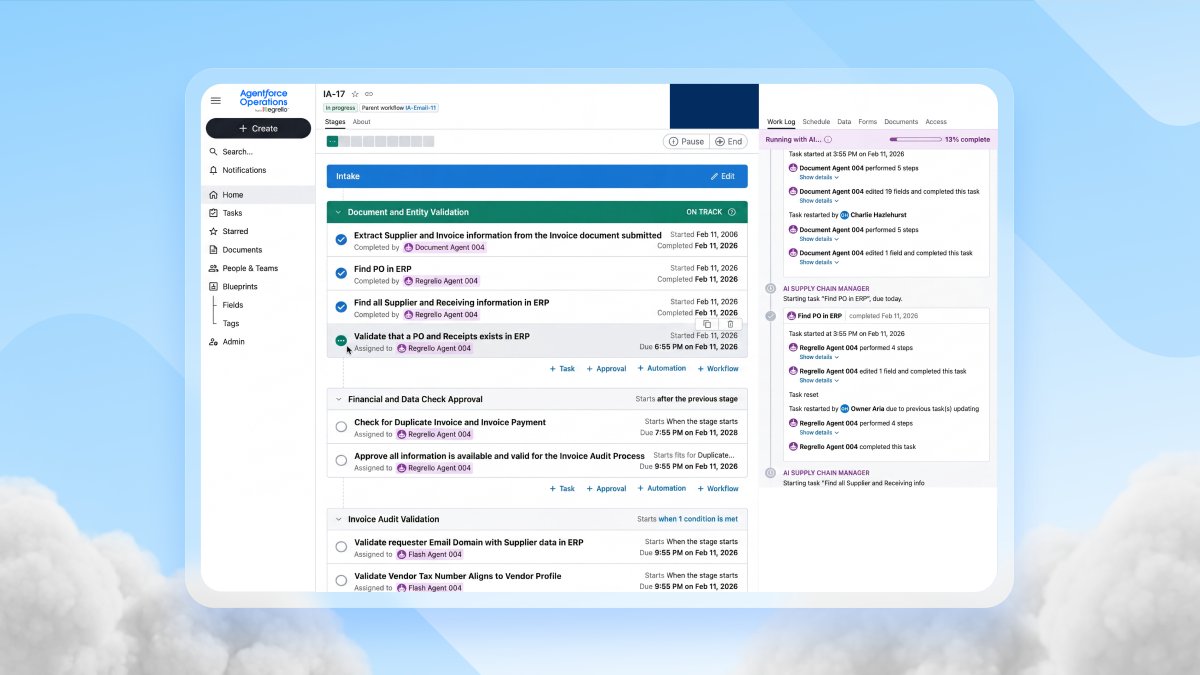
The platform uses configurable agents and process blueprints to coordinate manual workflows across teams and systems.
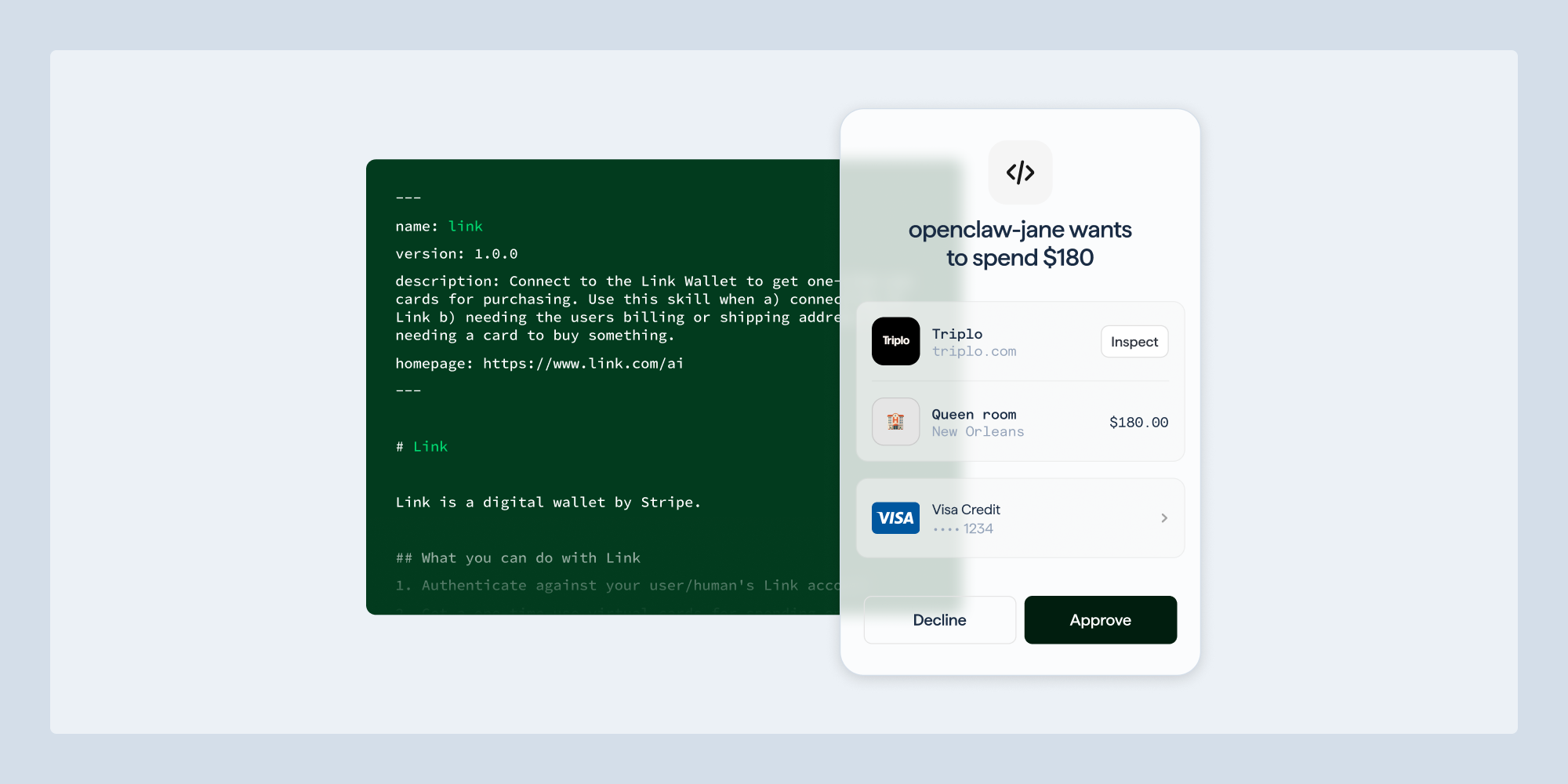
The payments company is introducing scoped credentials and human review for software-driven spending.
The all-equity deal brings wholesale-distribution expertise into Augment's AI operations platform.
The customer-service agent company is adding a French team that connects AI with business processes.
The startup is beginning with autonomous road rollers that can be retrofitted onto machines already operating at construction sites.
The new research lab wants software agents to build specialized expertise from experience instead of remaining fixed after training.
The San Francisco mobility company is preparing pilot networks that place small autonomous vehicles on narrow, reserved lanes.
The a16z-backed startup wants consumer businesses to move from dashboards and recommendations to actions tied to measurable financial results.
The phone-automation startup says contact-center operators invested alongside venture firms after deploying its agents in live customer service work.
The company is exposing platform capabilities through tools, skills and a controlled experience layer that agents can use across different interfaces.
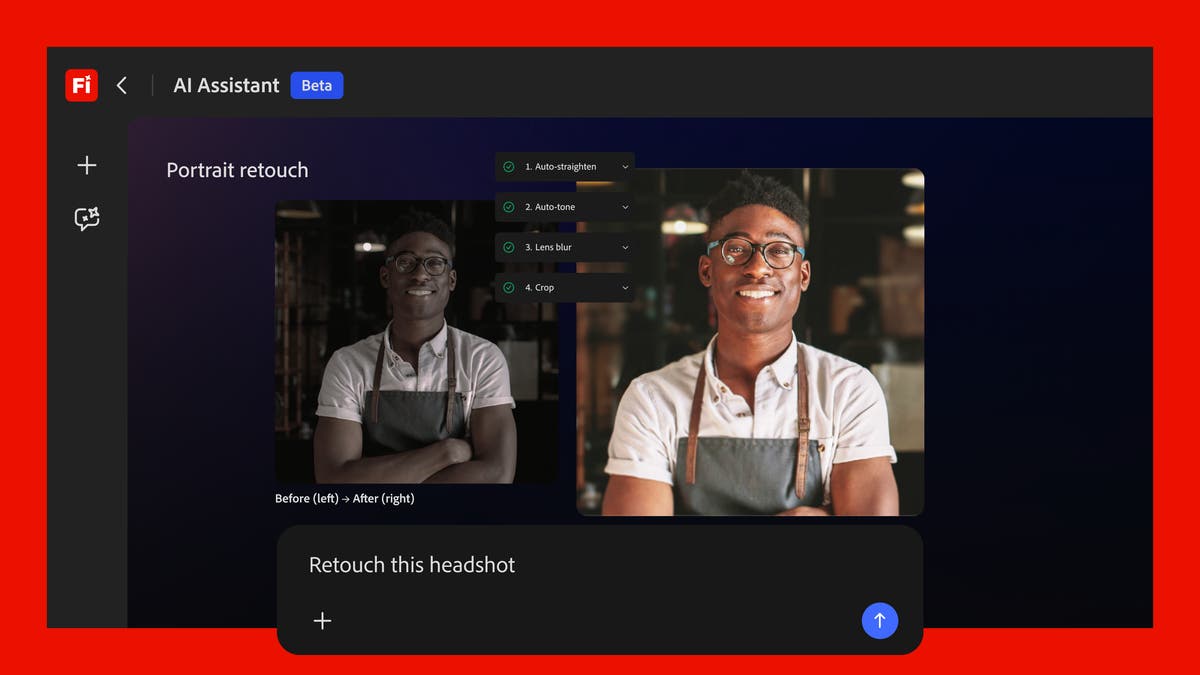
The conversational agent can plan and complete tasks using Photoshop, Premiere, Illustrator and other Adobe tools.
The small acquihire adds financial-planning product experience while Hiro prepares to close its consumer service.
The startup is building software intended to let data-center networks adapt automatically to changing AI workloads.
The San Francisco company pairs software agents with growth specialists as brands adjust to search results shaped by traditional engines and AI answers.
The startup is using conversational agents to conduct structured phone interviews and turn long-form responses into research data.
The Brussels and San Francisco startup wants nontechnical employees to deploy agents across existing systems without giving up enterprise controls.
The Rivian spinoff reached a valuation above $1 billion while expanding from small electric vehicles into autonomous delivery systems.
Former Atlassian CTO Sri Viswanath is building a control layer for companies that want autonomous agents without giving up security, governance or oversight.
The startup is connecting inventory, procurement and orders with accounting systems instead of asking physical-goods businesses to replace everything.
Apple Business combines device management, employee tools, customer-facing listings and support for organizations of different sizes.
The startup combines AI agents with human media experts to turn sales conversations and customer data into targeted campaigns.
The deal gives IBM a major real-time data platform for enterprise AI and hybrid cloud systems.
The updated headphones add stronger noise control, Adaptive Audio, Conversation Awareness and Live Translation support.
OpenShell, AI-Q and new Nemotron models aim to give companies more control over autonomous software.
The Mountain View robotics company reached a $1.15 billion valuation with a plan to begin real household deployments in the fall.
Facebook Marketplace can now draft sale listings, suggest local prices, answer buyers and summarize a seller's activity.
The San Jose startup is developing agentic cybersecurity software meant to connect defenses across corporate networks and operational technology.
Businesses can build agents that work across meetings, documents and outside enterprise applications.
The Y Combinator company is targeting evidence collection and compliance work that still depends heavily on spreadsheets, tickets and manual review.
The startup is selling an operated support function rather than software alone, putting automation performance directly on its own team.
The Seattle company's team and desktop-agent technology will support Claude's ability to operate software.
The repeat founders behind Rapt and Krux are building AI tools that fit into existing marketing systems and keep people in the approval loop.
The durable-computing company reached a $5 billion valuation as enterprises look for infrastructure that can keep long-running AI work on track.
The Series C extension values the developer platform at $1.5 billion as more teams need persistent infrastructure for applications and agents.
The voice platform is expanding through software and telecom partners that can distribute automated front-desk service at scale.
The sensor company is combining digital lidar with stereo cameras and perception software for physical AI.
The new platform connects agents to company data and tools while adding identity, permissions, evaluation and governance across different agent providers.
The company founded by former Waymo leaders is moving its self-driving system from supervised job sites toward operator-less heavy equipment.