Robotics Startup Generalist Lands ~$200M Round Led by 8VC Following Recent $400M Raise
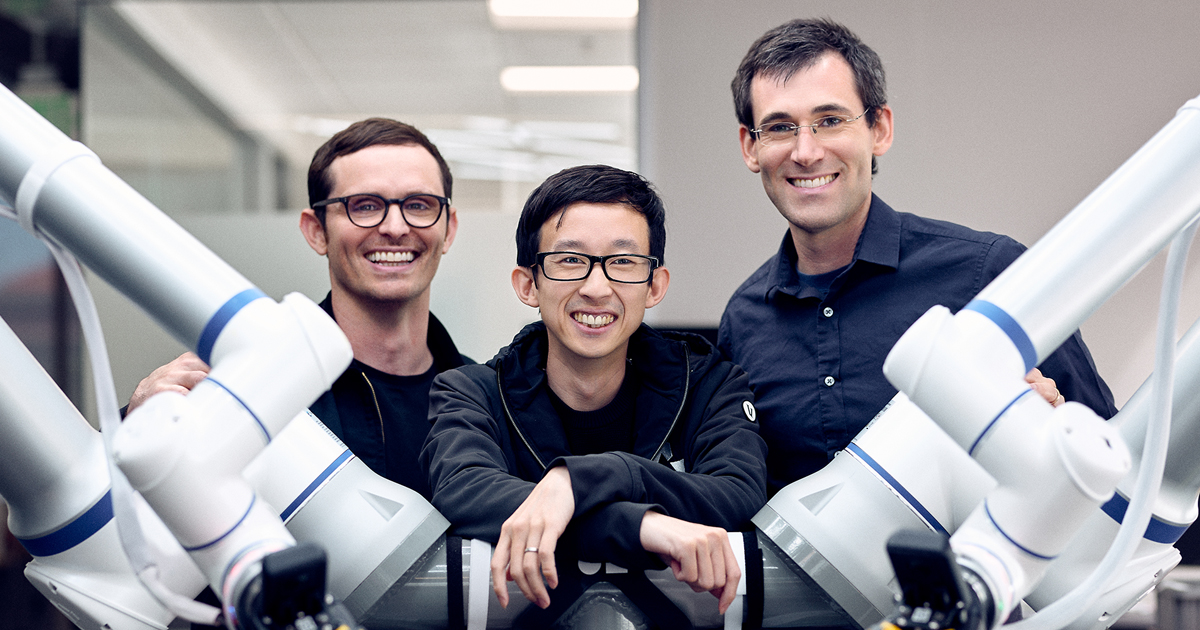
Robotics startup Generalist has reportedly raised approximately $200 million in a funding round led by 8VC, building on a $400 million raise completed in June.
Archive
Robotics startup Generalist has reportedly raised approximately $200 million in a funding round led by 8VC, building on a $400 million raise completed in June.
Venture capital activity on August 24, 2026, showed significant concentration in physical AI and hardware infrastructure, led by a $900 million round for XPeng's humanoid robotics subsidiary.
TechCrunch Disrupt 2026 has opened applications for its official Side Events program, giving founders, venture capitalists, and tech firms the opportunity to host independent gatherings alongside the main conference in San Francisco.
More than 170,000 small non-profit organizations have suffered complete data purges following Microsoft's retirement of a long-standing free software grant program, with many groups reporting a lack of direct warning before their OneDrive accounts were wiped.
Software founder Rashid Khasanov generates over $32,000 per month across three specialized directory platforms using a shared codebase and database product playbook.
A federal antitrust investigation into Andreessen Horowitz has raised questions across Silicon Valley as regulators examine whether venture board seats at rival AI and enterprise startups breach competition laws.
Inherent, an AI startup founded by Google DeepMind alumni, announced that its Faraday agent outperformed OpenAI's GPT-5.5 and Anthropic's Claude Opus 4.8 at replicating scientific papers using a 27-billion-parameter model.
Spirit Airlines' bankruptcy process has uncovered an unexpectedly valuable asset: its corporate internal data. AI firms including Google, Micro1, and Mercor are bidding millions for the airline's records to train enterprise AI agents.
Google DeepMind announced that its Gemma family of open models has topped one billion downloads, with over 100,000 custom derivative variants built by developers over the past two years.
High-profile releases from DeepSeek, Meta, and Alibaba have brought model access to the forefront of technology policy and enterprise strategy, highlighting key technical differences between open-weight parameters and open-source systems.
Meta has launched Pocket across the United States, bringing prompt-based mini-app generation to US users while Atma Sciences, the startup whose technology and team built the product, formally shut down.
Runlayer and Rippling have formally dismissed their dual lawsuits without financial terms, clearing the way for Rippling to officially launch a competing Model Context Protocol gateway.
Defense technology startup Castelion has closed a $1 billion Series C round at a $13 billion valuation to accelerate the mass production of hypersonic weapon systems.
Silicon Valley executives are grappling with growing public resistance to artificial intelligence, as recent polling reveals deep-seated consumer anxiety over job loss, privacy, and data center expansion.
Alphabet Inc. has raised its 2026 capital expenditure target to between $195 billion and $205 billion, fueled by rapid expansion in its Google Cloud division and escalating hardware requirements for artificial intelligence.
Google announced a slate of new artificial intelligence features across Search and Gemini designed for academic study, introducing interactive 3D simulations, practice quiz generators, and automated research workflows.
Google executives Rishi Chandra and Sandeep Waraich outlined the company's wearable hardware roadmap, detailing why Google is prioritizing wrist devices like the Fitbit Air over smart rings while pursuing a multi-device AI ecosystem.
Venture capital investments in physical AI startups reached $47.4 billion across 521 deals in the first half of the year, exceeding the total raised between 2022 and 2024.
Operational AI platform EliseAI is in discussions to raise $300 million in new funding at a $3.7 billion valuation, expanding on its automated management tools for real estate and healthcare sectors.
Reach Capital has closed its fifth venture fund at $265 million, aiming to back early-stage artificial intelligence startups focused on education, healthcare, and workforce development.
The U.S. Department of Justice is probing venture capital firm Andreessen Horowitz over whether its partners hold overlapping board positions at competing AI startups, raising potential antitrust concerns.
Venture capital firm QuantumLight, co-founded by Revolut CEO Nik Storonsky, has successfully raised $500 million for its second fund, expanding its investment mandate.
European technology companies raised over €763 million across more than 35 funding transactions last week, with software and security sectors drawing the vast majority of capital.
Aachen-based AI startup amber has closed a €7 million Series A funding round co-led by Ventech and NRW.Venture to scale its autonomous workflow platform across European markets.
Versatile RobotX, a UK agtech spin-out developing autonomous harvesting systems, has secured over €1.17 million in funding from the British Design Fund, Innovate UK, and Defra.
Chainalysis is suing the U.S. government after Immigration and Customs Enforcement awarded a $94.6 million contract for forensic software and services to competitor TRM Labs, calling the decision arbitrary.
Pershing Square Inc. is preparing to launch Pershing Square Ventures Ltd., an evergreen vehicle designed to give retail investors exposure to private technology companies before they go public.
As data centers seek high-capacity baseload energy to power artificial intelligence workloads, GE Vernova is quietly emerging as a major player in small modular nuclear reactors alongside startups like Oklo and NuScale.
LymeAlert, a healthtech startup co-founded by an MIT Sloan fellow, is launching an at-home diagnostic kit designed to detect Lyme disease-causing bacteria in captured ticks within minutes.
Commercial fusion energy startups are attracting record capital, with elite ventures building out multi-billion-dollar balance sheets behind tokamak, stellarator, and laser-based reactor designs.
Joshua Kushner cautioned venture capitalists against letting enthusiasm around artificial intelligence override fundamental investment discipline in Thrive Capital's inaugural investor letter.
Venture capital investment in AI semiconductors is on track to surge nearly 50% this year as investors look to hardware for defensibility amid data center capacity bottlenecks.
Software startup Arvow has scaled its business from zero to $79,000 in monthly recurring revenue by leveraging organic video content on YouTube as its primary growth channel.
U.S. drone manufacturers saw share prices surge after President Trump signed an executive order placing tariffs of up to 100% on foreign-made unmanned aerial systems and components.
Chinese artificial intelligence startup Z.ai disclosed new benchmark results showing its open-weight GLM-5.3 model narrowly surpassed Anthropic's Mythos 5 on the CyberGym vulnerability detection suite.
Dave Levy, vice president of AWS Worldwide Public Sector, has exited Amazon to join Google, leading a wave of executive changes across Pacific Northwest tech companies.
Vehicle history platform VINclarity has published research detailing a multi-channel online reputation attack designed to game search algorithms and generative AI summaries.
Tech publisher and investor Tim O'Reilly warned that major AI developers are repeating historical tech lock-in strategies, arguing that open-source architecture and lower-level models will drive the next wave of computing innovation.
SpaceX has finalized its $60 billion purchase of Cursor parent Anysphere, combining the aerospace firm's massive GPU capacity with one of the fastest-growing AI coding assistants.
Arm co-founder Hermann Hauser warned that while artificial intelligence represents a historic technology revolution, market valuations in some segments have outpaced reality amid risky circular financing arrangements.
Northern Gritstone, an investment vehicle backing university spinouts in northern England, is establishing a San Francisco office to help its portfolio companies secure American venture capital and scale internationally.
Nutrafol co-founder Giorgos Tsetis has launched Great Things, a family office that pairs rapid venture investing with a mandatory 20 percent philanthropic donation rule on net realized gains.
Former Etsy software engineer Dan McKinley argues that technology companies should limit their use of novel software tools, advocating instead for well-understood, reliable infrastructure to reduce operational friction.
Databricks has secured $5 billion in a new funding round valuing the company at $190 billion, driven by surging enterprise demand for artificial intelligence software and infrastructure.
Databricks has raised $5 billion at a $190 billion valuation, bolstering its balance sheet to expand enterprise artificial intelligence products as revenue growth exceeds 80%.
Arlington, Virginia-based audience intelligence platform Tunnl has been named to the 2026 Inc. 5000 list of America's fastest-growing private companies, driven by enterprise adoption across healthcare, financial services, and consumer technology.
Google faces a complex landscape, balancing the significant expansion of its cloud division with the departure of key AI talent to other leading research labs and startups.
Naïve has successfully closed a Series A funding round, raising $28.5 million to advance its platform for automating business setup and management via AI agents.
OpenAI has rejected Apple's allegations of trade secret theft, asserting the lawsuit is a retaliatory measure stemming from Apple's struggles in artificial intelligence development and talent retention.
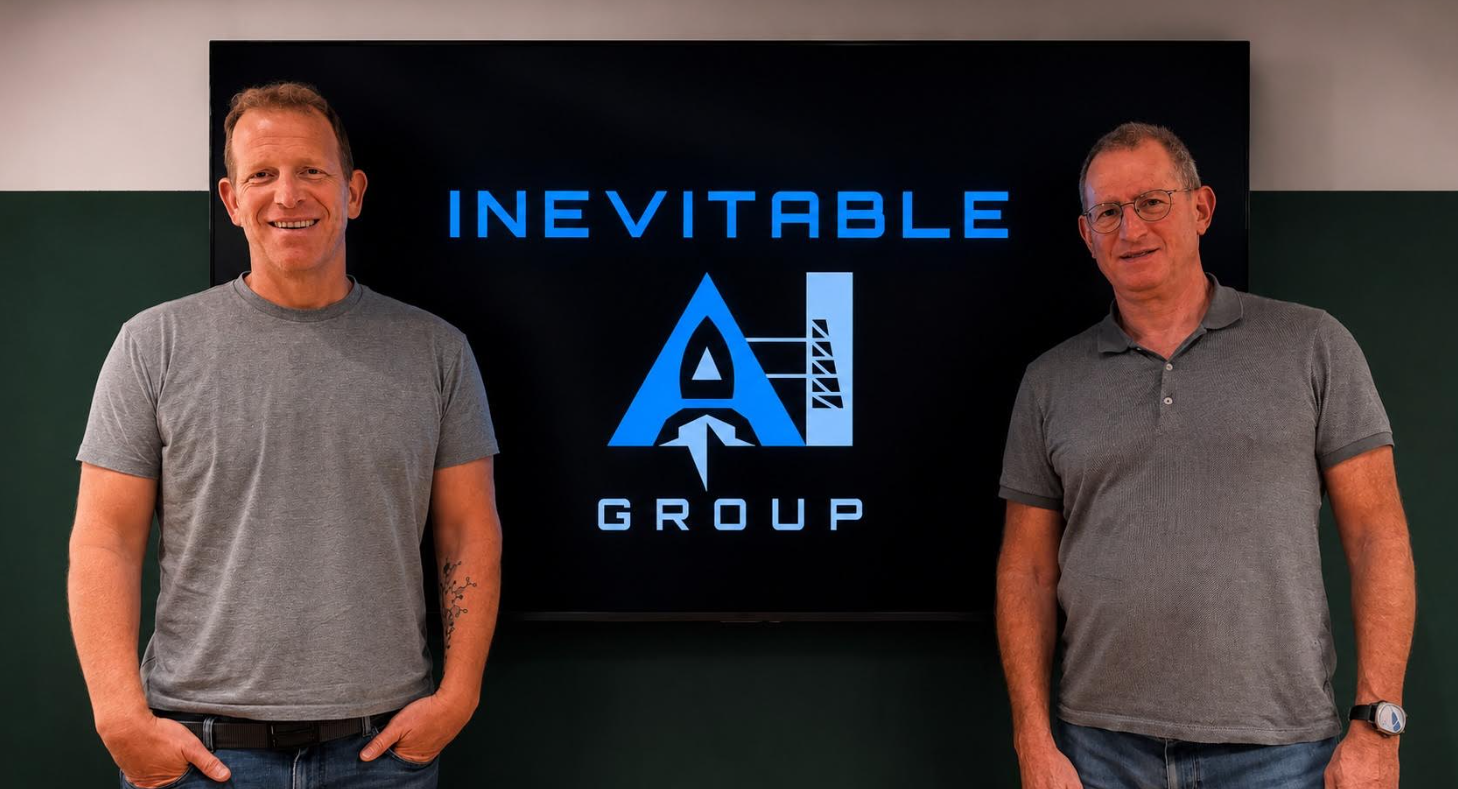
A new venture studio, Inevitable AI Group, has raised $6 million in pre-seed funding to develop and launch numerous AI-native software companies.
Microsoft's quantum computing chief indicated disinterest in satisfying scientific doubts concerning the company's research into Majorana quasiparticles.
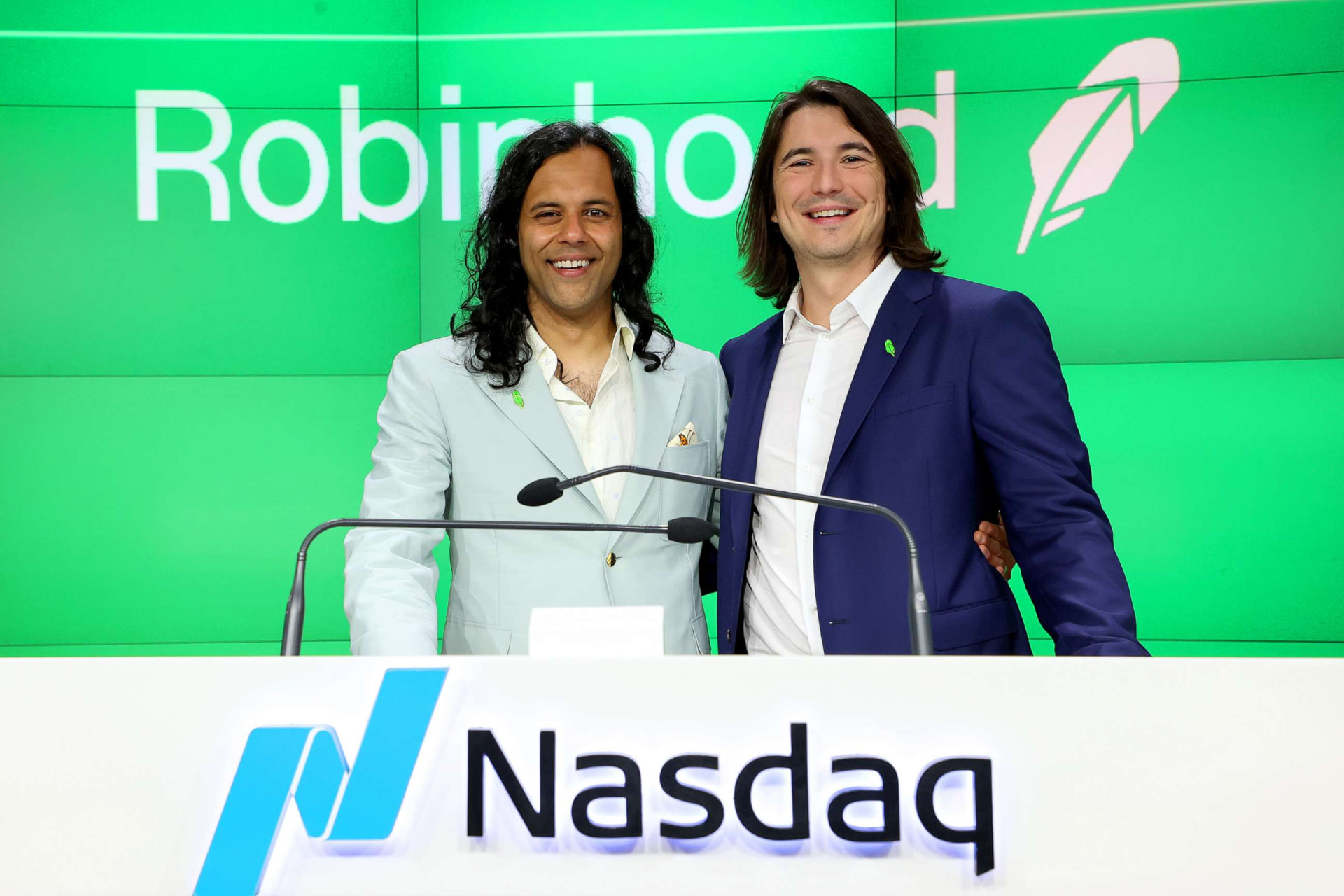
Robinhood Ventures Fund II is expected to list on the NYSE at $25 a share, giving retail investors exposure to early-stage private companies tied to Y Combinator.
Lift House is testing whether ambitious founders can build together without importing Silicon Valley's most punishing work culture.
Two studies suggest misconduct remains uncommon, but becomes more likely when overheated markets reward growth without adequate oversight.
The Santa Clara startup is building chiplet and licensing technology designed to move data faster between AI processors, memory and networking systems.
The San Francisco company is expanding autonomous teams that handle procurement, supplier coordination, invoices and payments for large enterprises.
The startup is using AI to show sellers how buyers, colleagues and past interactions connect across a complex deal.
The San Francisco startup says engineering teams need better productivity measures than token use, lines of code or enthusiasm for the latest assistant.
The Palo Alto startup is expanding tools for creators and enterprises while facing the harder task of preventing unauthorized voice cloning.
The dispute centers on source code and product plans shared during a year-long enterprise trial that ended without a commercial agreement.
The chipmaker's strategic partnership with Ilya Sutskever's research lab couples new capital with access to Vera Rubin computing systems.
The AI chip startup plans to scale production and customer deployments as it builds specialized hardware for high-volume inference.
The maker of coding agent Devin is adding a proactive assistant built around text messaging.
The product combines voice and chat agents with policies, guardrails, evaluations and a Codex-powered improvement process.
The model infrastructure company says annual recurring revenue has passed $1 billion as customers deploy more specialized AI systems.
The Tel Aviv and San Francisco startup wants one continuously updated graph for employees, software accounts, service identities and AI agents.
The Kubernetes management company added Goldman Sachs and strategic investors as businesses move AI systems from pilots into production.
The molecular design startup reached a $3.8 billion valuation while expanding partnerships with major drugmakers.
Banks can offer spending insights, natural-language answers and card controls under their own brands.
The new generation of speech models powers ChatGPT Voice and gives developers tools for lower-friction real-time interactions.
The design platform is bringing agent development and code generation closer to its collaborative canvas.
The enterprise software startup is expanding an AI-native development platform built around requirements, oversight and audit trails.
The robotics startup introduced its first commercial hand and closed a seed round after settling a trade-secret dispute with Tesla.
The hardware startup is betting that a simple recorder with free transcription can hold a place beside phones and software-only meeting assistants.
The profitable software company plans to expand tools that help banks and governments investigate financial crime and third-party risk.
Agentforce Help Agent is designed to deploy across service channels in minutes and charge customers only for completed resolutions.
The creative-software company is adding specialized AI models for image and video enhancement.
The San Francisco and Tokyo company is developing low-latency speech models for Japanese, Korean and Chinese applications.
The startup is creating its own crawler, index and retrieval models for software that asks longer questions and consumes structured results.
The Oakland company is expanding technology that structures fragmented patient information for clinical care, research and regulatory evidence.
Two former Anthropic and Google researchers launched the company at a $1 billion valuation with backing from Andreessen Horowitz, Kleiner Perkins and Nvidia.
The executive-search firm is adding an AI-focused recruiting team with startup customers.
The biotechnology company is advancing seven programs and plans to form focused affiliates as individual assets reach clinical milestones.
The company is building software that continually personalizes campaigns, tests changes and adjusts marketing decisions across customer channels.
The former Waymo engineer behind the startup is applying simulation and observability techniques to customer-facing AI systems.
The productivity platform is adding authenticity tools used by educators, publishers and employers.
The AI infrastructure company is using its fourth financing in 18 months to expand model inference services for enterprise customers.
The chip company is rebuilding and scaling its cloud business after a major licensing and talent agreement with Nvidia.
The semiconductor startup reached a $2 billion valuation and $500 million in total funding as it develops alternatives for connecting AI data centers.
The Palo Alto startup is using AI to help companies define specialized processors before the expensive physical design and manufacturing stages.
The Stanford-founded startup plans to ship a wellness wristband that infers hormone patterns without blood draws while it pursues clinical validation.
The agentic workspace company added $100 million and appointed a chief revenue officer as it pursues larger business customers.
The San Francisco startup is investing in its own speech models and the infrastructure required to run large volumes of automated business calls.
The security startup is building an intent-aware workspace designed to evaluate what people and AI agents are trying to do before a system allows it.
The startup is building validation software that checks model responses before errors reach users in high-precision workflows.
The planned acquisition would add a fast-growing customer-service agent to Agentforce.
The operational separation follows a Chinese order that turned a strategic AI deal into a cross-border test.
The secretive company led by Jeff Bezos and Vik Bajaj is valued at $41 billion before revealing much about its technology or customers.
The San Francisco and Tel Aviv company wants security agents to find and help fix software risks throughout the development lifecycle.
The Oakland company is building software to manage applications, participants, payments and reporting for programs serving communities.
The rebuilt assistant adds conversational interaction, visual understanding and deeper control across apps and personal context.
The ChatGPT maker joined Anthropic in a high-stakes race to bring frontier AI companies to public markets.
The open-source database platform is financing faster growth as AI agents generate more applications and infrastructure demand.
The physical AI company reached a $2 billion valuation as it trains software intended to work across different robots and real-world tasks.
The longevity biotechnology company plans to move its first liver program toward human testing while expanding its discovery platform.
The Claude developer moved ahead of OpenAI as frontier AI companies prepare for public scrutiny.
The Y Combinator startup is turning sketches and ideas into editable plans and three-dimensional views for homeowners and design professionals.
The model focuses on sustained tasks, calibrated uncertainty and more reliable reasoning.
The maker of Devin says enterprise usage is climbing as software teams give cloud agents a larger share of development work.
Brett Adcock's new lab reached a $6 billion post-money valuation before releasing its first products to the public.
The San Francisco startup reached a $2.2 billion valuation by selling web search and content retrieval directly to software developers.
The business-banking technology company is growing alongside a new wave of AI startups while pursuing approval for a national bank.
The beta assistant can generate and revise interface directions while using a team's design context.
The Mountain View healthcare technology company is expanding AI systems for revenue, clinical documentation and practice operations.
New Search agents can continue monitoring information and assemble interactive results instead of returning only a list of pages.
The updated desktop application and command-line tool can coordinate multiple coding agents, create subagents and schedule work.
The $80 million to $90 million arrangement moves more than 20 employees without a formal company purchase.
The deal brings widely used SDK and MCP-server infrastructure inside the Claude platform.
Richard Socher's new laboratory is pursuing AI systems that can improve their own research process, backed at a reported $4.65 billion valuation.
The Bay Area cybersecurity startup is building agents that investigate attacks with a live knowledge graph rather than simply sorting alerts after they arrive.
The San Francisco startup is trying to replace disconnected sales tools with a system that carries context from prospecting through a closed deal.
The young San Francisco company is starting with an AI-assisted alternative to the configuration and approval systems used for complex deals.
The finance software startup is expanding AI agents that handle invoicing, reconciliation, collections and other repetitive cash workflows.
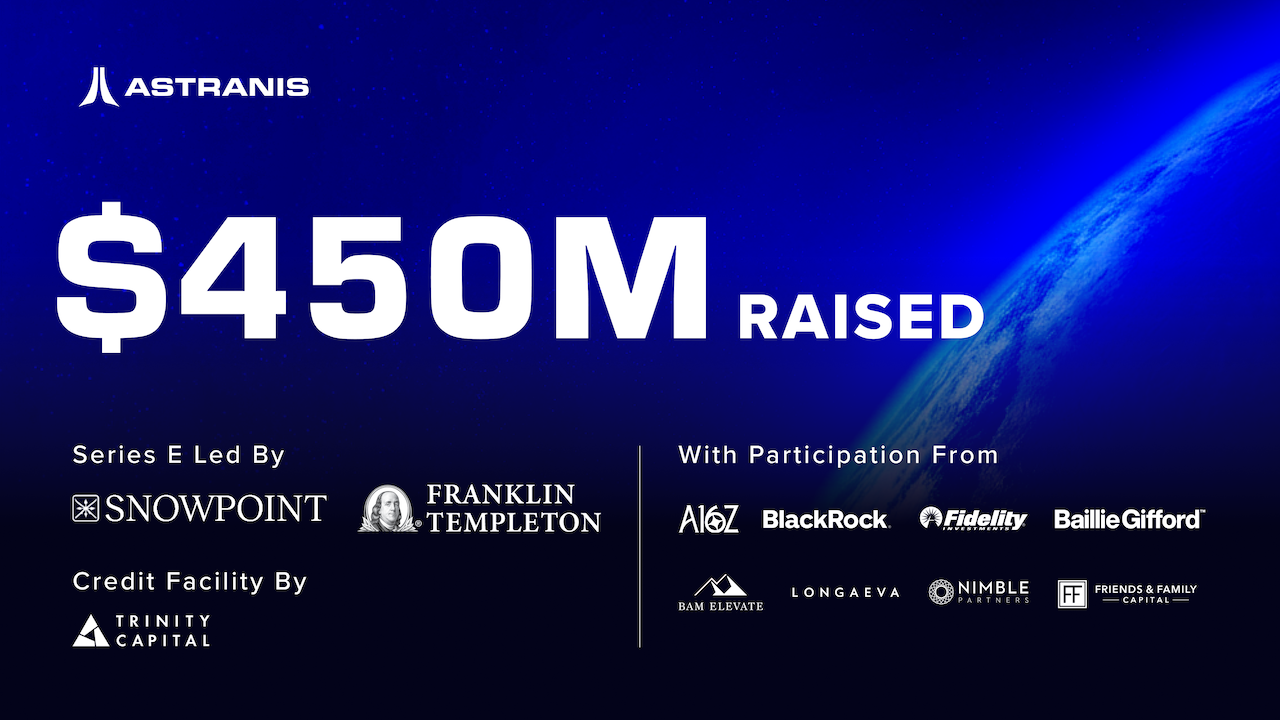
The satellite manufacturer is combining a Series E round with a credit facility as it expands production for commercial and government missions.
The full-stack insurer is using AI across underwriting, policy administration and claims as it expands into additional commercial markets.
The Palo Alto startup is commercializing infrastructure around a widely used open-source engine for running and serving advanced AI models.
The customer-experience software company is valued above $15 billion as it races to make AI agents a standard interface for large brands.
The startup's team will join Meta's effort to develop AI systems for humanoid robots.
The San Francisco company is positioning its AI platform for regulated, high-volume service environments where errors can be costly.
The six-person startup is training AI to learn digital tasks from video, with efficiency and safety becoming the key tests for its approach.
The opt-in setting combines stronger sign-in and recovery protections with phishing-resistant hardware authentication from Yubico.
The San Francisco company more than doubled its valuation to $2.75 billion as it expanded from moving customer data to helping agents run campaigns.
The company reached a $2 billion valuation as it expands tools that help automated systems search, retrieve and organize online information.
The startup is training a foundation model called Fury to control unmanned vehicles across changing military environments.
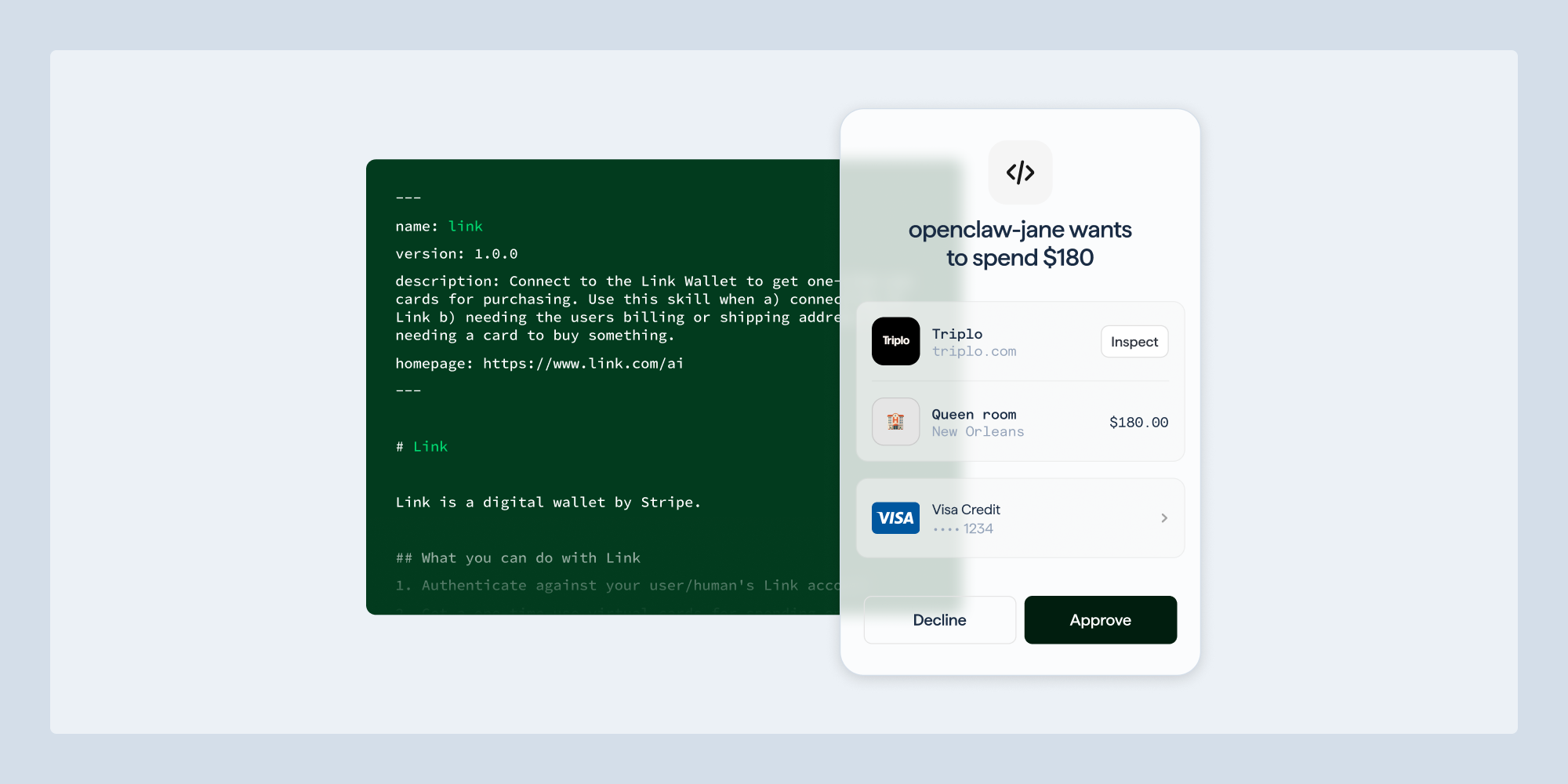
The payments company is introducing scoped credentials and human review for software-driven spending.
The San Francisco company reached a $1.5 billion valuation by combining chat, spreadsheets and code with a governed layer for company data.
The startup wants hardware makers to connect glasses, jewelry and home devices to models and multimodal services without building the entire stack.
The customer-service agent company is adding a French team that connects AI with business processes.
The new research lab wants software agents to build specialized expertise from experience instead of remaining fixed after training.
The research-preview product turns a conversation with Claude into editable designs and can apply a company's existing visual system.
The logistics technology company is broadening its platform from transportation payments into operational and financial decisions across the supply chain.
The marine robotics company is pairing underwater vehicles with surface vessels and launch systems for commercial and defense missions.
The San Francisco mobility company is preparing pilot networks that place small autonomous vehicles on narrow, reserved lanes.
The Santa Clara startup is combining navigation, communications and computing functions in silicon intended for drones and robots.
The phone-automation startup says contact-center operators invested alongside venture firms after deploying its agents in live customer service work.
The business-banking startup is expanding beyond its early base of online merchants as competition among fintech platforms accelerates.
The conversational agent can plan and complete tasks using Photoshop, Premiere, Illustrator and other Adobe tools.
New developer primitives address memory, subagents, execution and recoverable long-running work.
The exit ends the Bay Area startup's effort to build autonomous electric tractors as a standalone manufacturer.
The Barcelona and San Francisco company is building a governed graph that lets employees, software and agents work from the same organizational knowledge.
The speech-technology company is expanding its ability to embed voice transformation into communications systems.
The San Mateo startup is teaching software to connect drawings, specifications and other building documents before missing details become costly field problems.
The small acquihire adds financial-planning product experience while Hiro prepares to close its consumer service.
The startup is building software intended to let data-center networks adapt automatically to changing AI workloads.
The startup is using conversational agents to conduct structured phone interviews and turn long-form responses into research data.
The financing gives the San Francisco AI company an extraordinary capital base, while placing equal pressure on revenue growth, infrastructure execution and product focus.
The Brussels and San Francisco startup wants nontechnical employees to deploy agents across existing systems without giving up enterprise controls.
The Rivian spinoff reached a valuation above $1 billion while expanding from small electric vehicles into autonomous delivery systems.
Former Atlassian CTO Sri Viswanath is building a control layer for companies that want autonomous agents without giving up security, governance or oversight.
The Mountain View startup is combining expert labor, evaluations and software infrastructure to improve AI systems after their initial training.
The camera-and-voice search experience now supports real-time multilingual conversations wherever AI Mode is available.
The music model can create structured tracks of up to three minutes and is available across developer, enterprise and creative products.
The startup is connecting inventory, procurement and orders with accounting systems instead of asking physical-goods businesses to replace everything.
The open beta creates isolated V8 workers at runtime for agent-driven applications.
The startup is building an AI memory that reads on-screen text, prepares meeting notes and retrieves information from a user's daily work.
The startup combines AI agents with human media experts to turn sales conversations and customer data into targeted campaigns.
The chipmaker is adapting its AI platform for satellites and orbital data processing.
The Mountain View robotics company reached a $1.15 billion valuation with a plan to begin real household deployments in the fall.
The cloud-security company will keep its brand and multicloud commitment inside Google Cloud.
The San Jose startup is developing agentic cybersecurity software meant to connect defenses across corporate networks and operational technology.
The open-source testing company will strengthen security evaluation for enterprise agents in OpenAI Frontier.
The Y Combinator company is targeting evidence collection and compliance work that still depends heavily on spreadsheets, tickets and manual review.
The semiconductor startup is moving its co-packaged optics technology toward volume production as data centers demand faster, more efficient connections.
The startup is selling an operated support function rather than software alone, putting automation performance directly on its own team.
The Y Combinator startup is making its streaming platform generally available as AI developers look for simpler ways to process live data.
The Seattle company's team and desktop-agent technology will support Claude's ability to operate software.
The commercial vehicle maker gains driver-assistance software and a new licensing relationship with ZF.
The Palo Alto AI infrastructure company will use the capital to expand its SN50 chip and SambaCloud platform as demand grows for alternatives in inference computing.
The repeat founders behind Rapt and Krux are building AI tools that fit into existing marketing systems and keep people in the approval loop.
Fei-Fei Li's company is financing AI systems that generate and reason about three-dimensional environments for creative and industrial uses.
The Series C extension values the developer platform at $1.5 billion as more teams need persistent infrastructure for applications and agents.
The observability startup reached an $800 million valuation as companies seek better ways to test and improve applications built on language models.
The Mission Bay startup is building laboratory systems that use living neurons for AI workloads, an ambitious alternative to conventional silicon.
The voice platform is expanding through software and telecom partners that can distribute automated front-desk service at scale.
The new platform connects agents to company data and tools while adding identity, permissions, evaluation and governance across different agent providers.
The company is applying foundation-model techniques to tables and relational data, an area where text-focused AI systems often struggle.
The Mountain View company plans to expand domestic manufacturing and coordinate more residential batteries as electricity demand strains the grid.
The company founded by former Waymo leaders is moving its self-driving system from supervised job sites toward operator-less heavy equipment.
The all-stock transaction brings rockets, satellites, social media and artificial intelligence under one company.