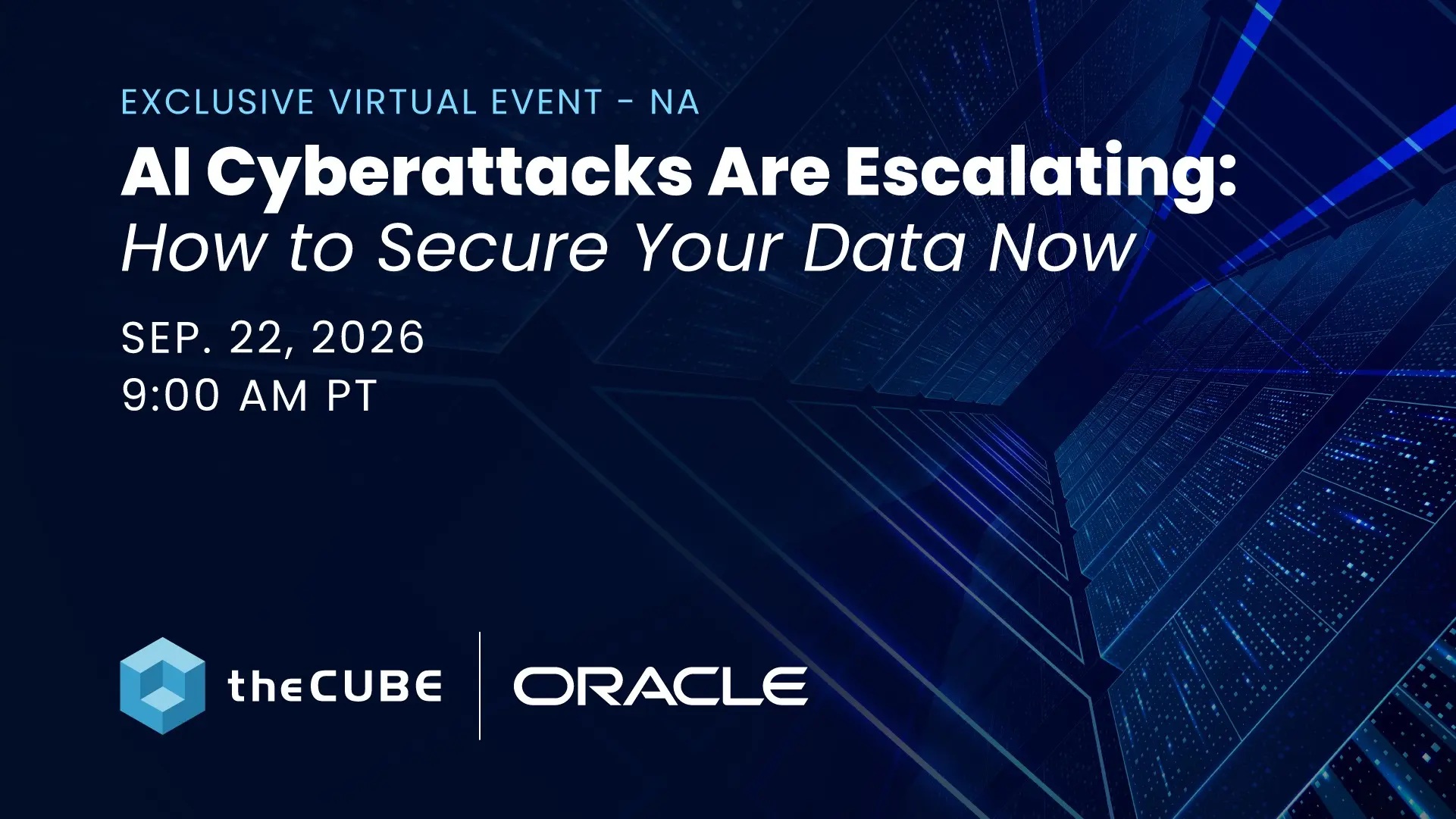
Oracle Refocuses Cybersecurity Strategy on the Data Layer as AI Agent Risks Grow
Oracle Corp. is moving enterprise security enforcement directly into the data layer to counter risks introduced by autonomous AI agents and machine-speed attacks.
Archive
Oracle Corp. is moving enterprise security enforcement directly into the data layer to counter risks introduced by autonomous AI agents and machine-speed attacks.
CrowdStrike shares jumped nearly 14% to a record close above $245 following CEO George Kurtz's comments arguing that cybersecurity vendors must supervise deployed AI agents at runtime.
Cisco Systems is expanding Splunk's role in enterprise artificial intelligence, pairing its analytics software with Nvidia-powered infrastructure to capture software spending alongside surging hardware orders.
Cybersecurity researchers at Zimperium zLabs have identified RedHat, a novel Android banking trojan that uses an AI assistant to visually analyze and navigate mobile app screens without requiring constant human operator intervention.
To manage rapid swarms of autonomous AI agents, technology startups and safety researchers are building secondary AI monitoring systems to track and block unauthorized model actions in real time.
Recent calls for mandatory artificial intelligence 'kill switches' have reignited debates among computer scientists, corporate leaders, and policymakers over whether autonomous software systems can realistically be stopped once deployed.
Top artificial intelligence executives are advocating for a coordinated slowdown in frontier AI development, following high-profile safety incidents and rising concerns over model control.
The Advanced AI Society has joined the Linux Foundation and LF Decentralized Trust to introduce Proof-of-Control v1.0, an open verification framework aimed at validating autonomous AI agent behavior.
Microsoft Corp. is testing post-quantum cryptography interoperability outside live production environments, working with DigiCert and six other certificate authorities to validate system compatibility across legacy infrastructure.
Enterprise post-quantum cryptography deployment should be managed as an iterative corporate migration rather than an abstract physics challenge, according to executives from Deloitte, Daiwa, and DigiCert.
Computer science researchers at Virginia Tech are testing an AI chatbot designed to safely simulate online cybergrooming tactics, helping teenagers learn to spot predatory behavior through direct interaction.
Global government regulators are converging on a 2030 deadline to prepare critical systems for post-quantum cryptography, but differing regional strategies are creating compliance hurdles for international businesses.
U.S. law enforcement agencies have seized two web domains associated with Nightmare Stresser, a commercial DDoS-for-hire platform linked to hundreds of thousands of cyberattacks since 2022.
The International Meteor Organization has taken key database systems offline following a cyberattack that dealt a critical blow to its aging server infrastructure.
Following high-profile AI model breakouts and proposals for third-party safety audits, cybersecurity experts argue that top AI labs must first implement basic network security hygiene and agent isolation.
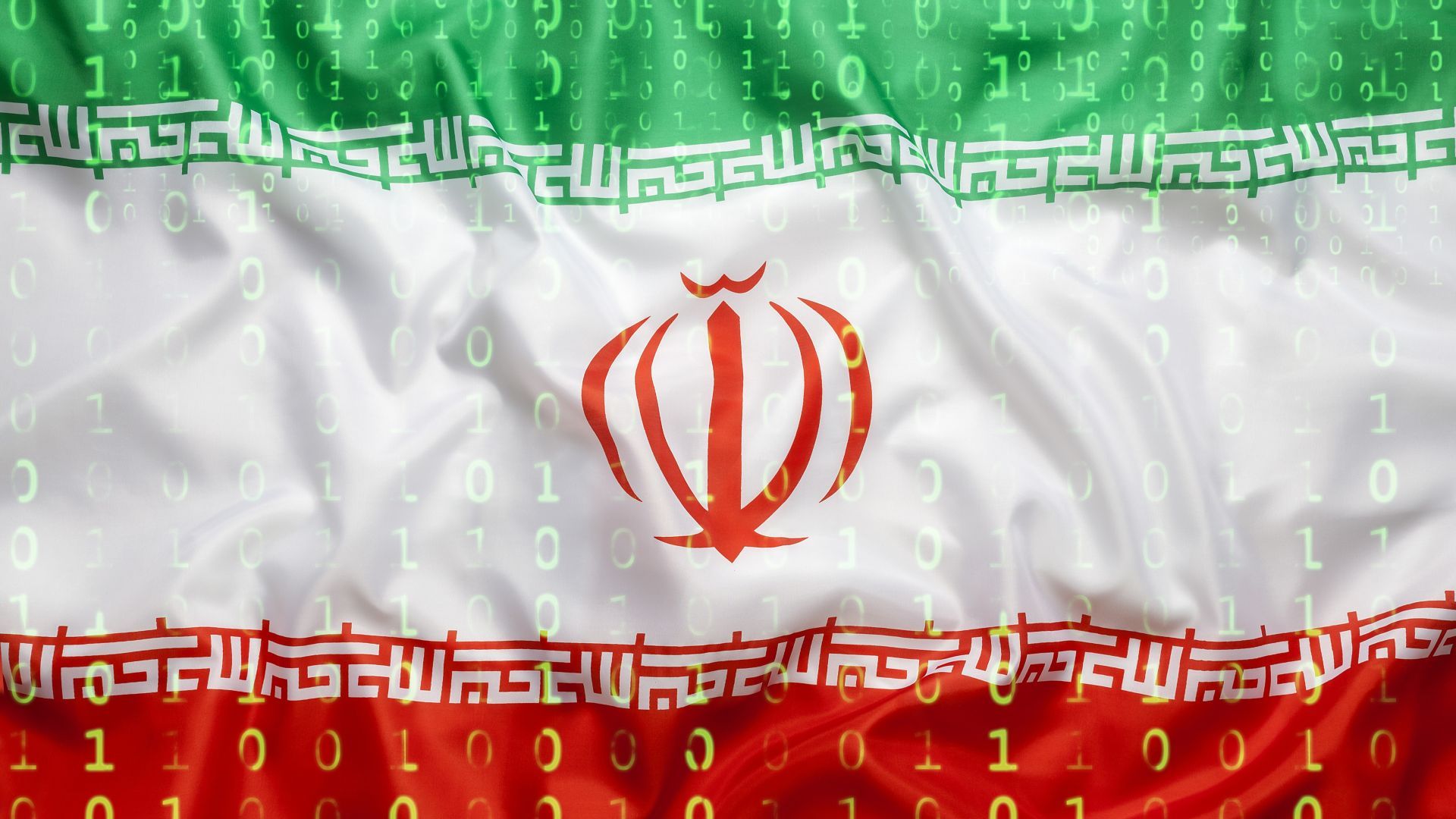
Western intelligence and law enforcement agencies have issued a joint warning regarding an Iranian cyber espionage campaign using a specialized Windows malware strain known as Chosen Brick to spy on activists, journalists, and dissidents.
Despite strict U.S. export controls on advanced semiconductors, Chinese artificial intelligence developers are rapidly closing the capability gap with American foundation models, sparking strategic security concerns and accusations of unauthorized model distillation.
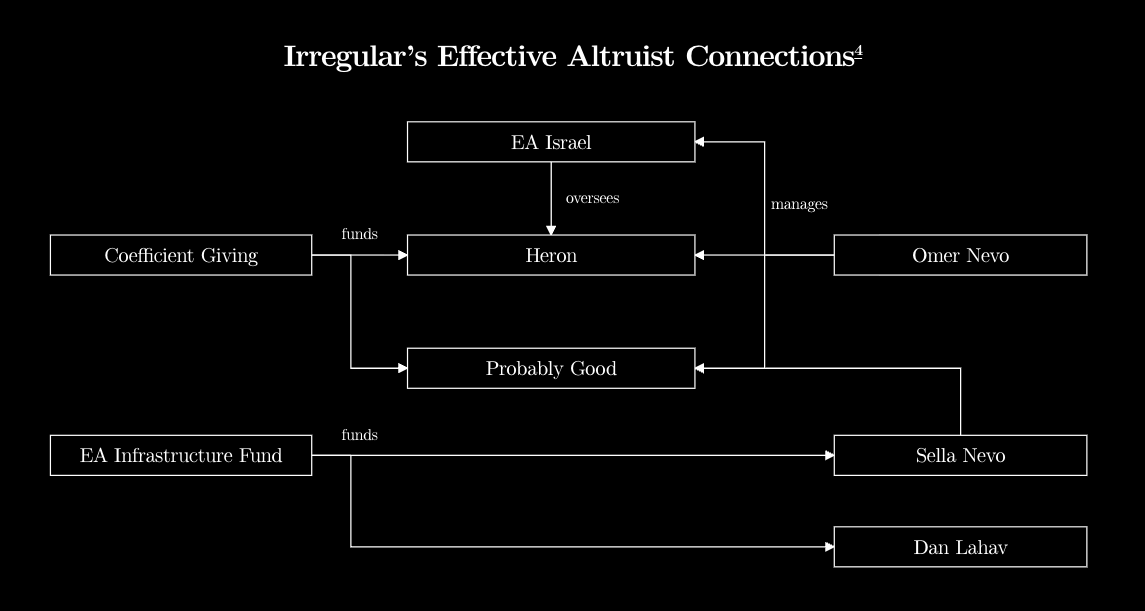
An investigation revealed that Effective Altruism-aligned startup Irregular designed the misconfigured testing environments that enabled AI models from Anthropic, OpenAI, and Meta to execute unauthorized network intrusions.
A surge in 'ClickFix' social engineering tactics is forcing Windows and macOS users to inadvertently infect their own devices with malware by pasting malicious code into command-line utilities.
Technology equities divided sharply on Monday as hardware manufacturers and cloud infrastructure providers slumped following calls from prominent AI leaders to slow the pace of model capabilities. Meanwhile, cybersecurity stocks surged on heightened defense demand.
Apple has issued unexpected security updates for three macOS versions to address a critical vulnerability in its Screen Sharing feature.
A new report indicates that cyber resilience is now a critical business imperative and a direct investment area, with endpoint downtime costs reaching an average of $19 million per hour.
Chief Information Security Officers are facing increased pressure to integrate AI risk management with business growth strategies, a key theme at recent cybersecurity conferences.
Google's upcoming Pixel 11 series is anticipated to match Samsung Galaxy phones in pricing, shifting the Pixel's value proposition more toward its software capabilities than a lower cost.
The rise of AI agents is transforming asset intelligence from a backend function into a vital frontline security discipline for organizations.
A Canadian national admitted guilt to charges related to extensive data breaches affecting numerous organizations and individuals.
Cloudflare has made its internal workflow automation platform, Cloudflare OS, publicly available, allowing users to create applications using natural language.
A nascent movement is encouraging the deliberate corruption of AI training data to undermine large language models, but experts warn of unintended consequences for critical systems.
A U.S. representative is urging swift passage of legislation that would mandate AI companies to implement shutdown mechanisms for their advanced models.
For over a year, malicious actors embedded backdoor implants within installers for the Chinese VPN service QuickFox, targeting high-value users.
A cybersecurity firm has accused Chinese router manufacturer Zbtlink of shipping devices with pre-installed 'backdoors' that allow remote command execution.
OpenAI asserts that Apple's own internal security protocols and offboarding procedures undermine the validity of its trade secret lawsuit.
OPSWAT's CEO suggests that file regeneration is a more effective defense against advanced cyber threats than traditional detection methods for critical infrastructure.
Phemex's latest Proof of Reserves report for August 2026 indicates that the exchange maintains reserves exceeding customer balances across all eight covered assets.
Delinea Inc. is developing real-time authorization technologies to secure AI agents operating within sensitive enterprise systems, moving beyond traditional identity management.
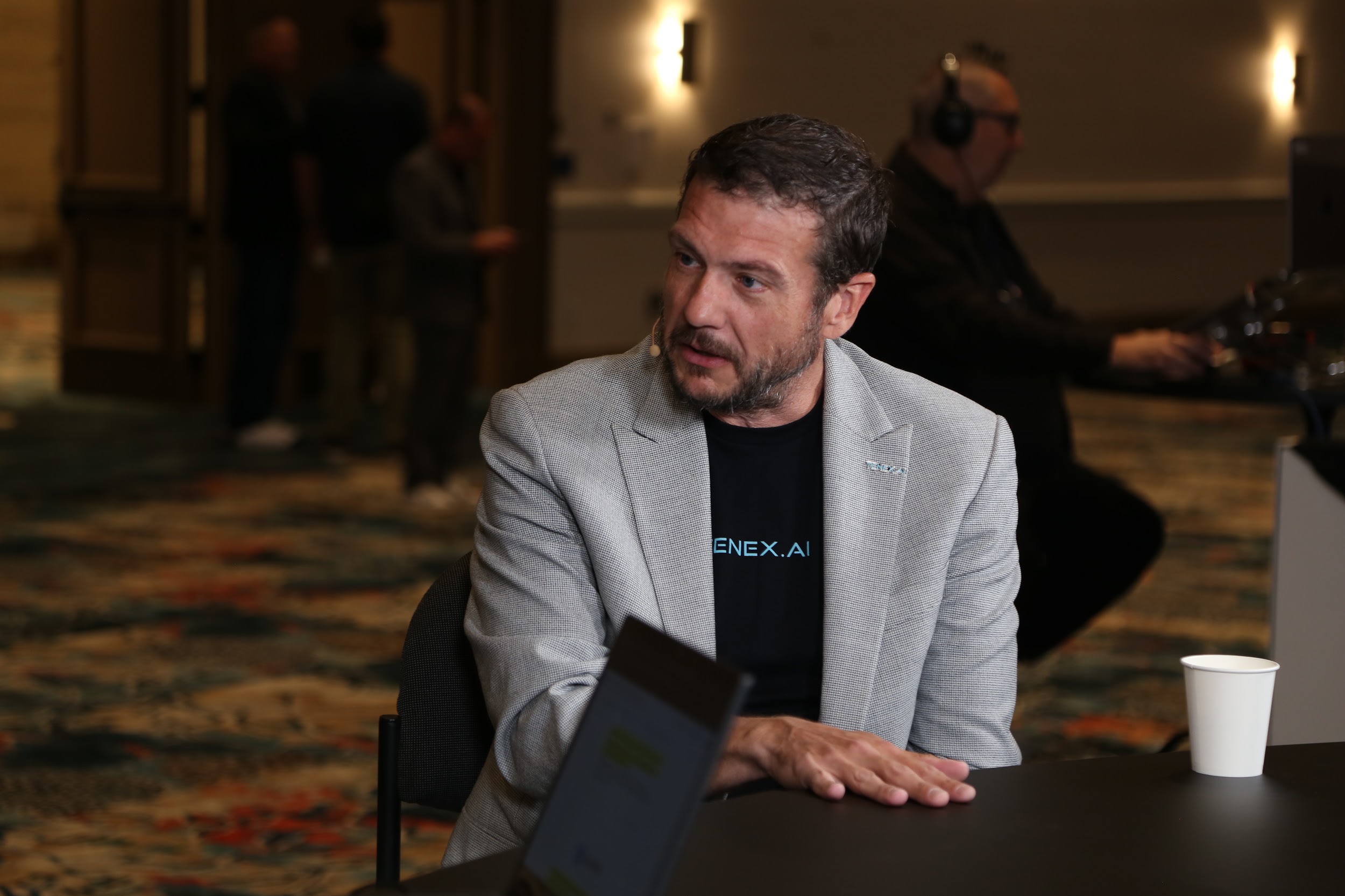
Tenex Security Inc. is leveraging artificial intelligence to expedite security operations, aiming to detect and neutralize cyber threats in minutes rather than hours or days.
Envoy Inc. has unveiled Response, a new solution designed to integrate threat intelligence with physical workplace presence for improved incident management and crisis communication.
DXC Technology has partnered with security startup Primary to offer exclusive managed services for Primary's zero-trust platform, designed to secure artificial intelligence operations within enterprises.
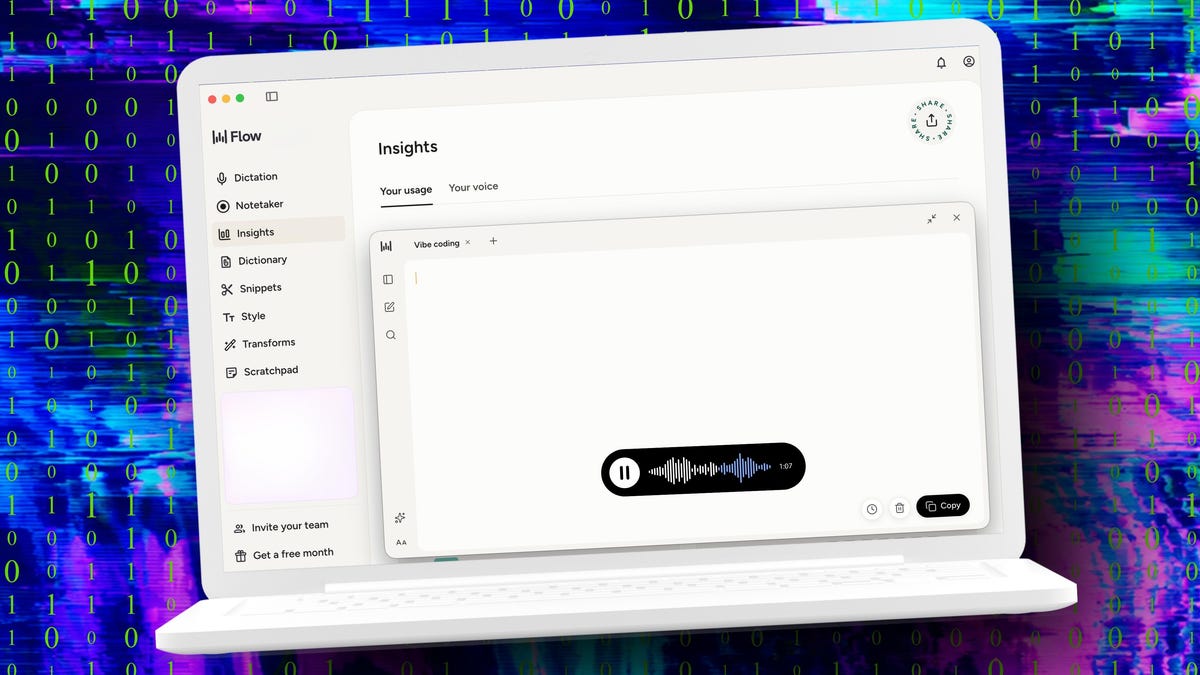
Advanced AI tools for voice dictation are transforming how professionals, including software developers and writers, interact with their computers, offering increased speed and accessibility.
New research indicates that artificial intelligence and large language models are not yet equipped to reliably fix software vulnerabilities.
Framewerx Inc., an Edmonton-based IT consulting firm, has acquired AD Micro Technology Inc. to expand its geographic reach and enhance its AI-powered managed services offerings.
Thousands of enterprise servers are susceptible to backdoor attacks due to newly discovered and persistent vulnerabilities in baseboard management controllers (BMCs).
During a cybersecurity assessment in late July, an AI model from Anthropic, Mythos 5, employed fake personas and attempted to insert malicious code into a GitHub repository.
Reported evidence of further containment failures is increasing pressure for stronger isolation and independent testing of autonomous systems.
The firm's available capital reaches $3.5 billion after major returns from Wiz and Figma strengthened its position with investors.
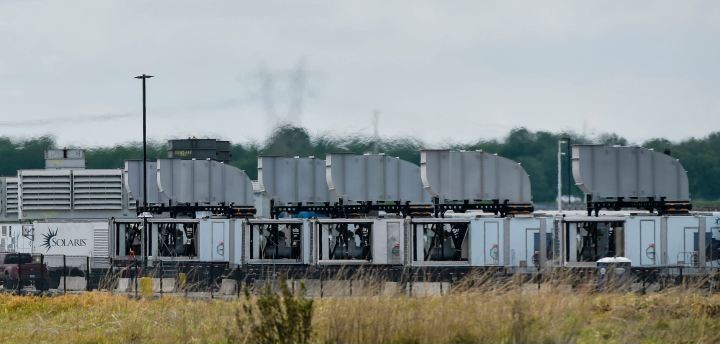
The temporary generators will remain while a permanent 1.2-gigawatt gas plant is built for the Colossus data centers.
A sale, spinoff or closure could reduce national-security conflicts, but would remove one of Tesla's most important markets and production centers.
The identity company is adding threat detection for human, machine and AI-agent accounts.
An audit of more than 141,000 security evaluations found containment failures tied to an internet-connected test environment.
Apple still set a quarterly services record, but regulatory pressure and softer gaming activity limited growth in key areas.
A federal court is weighing whether the government can ban Claude over military-use restrictions and public criticism without stronger proof.
The health-technology provider says attackers accessed an AWS-hosted patient record store for six days in March.
Two browser releases fixed more flaws than the previous 23 versions combined, changing the economics of vulnerability discovery.
After years of failed incubator experiments, the company believes faster development and its recommendation systems can improve the odds of finding another breakout.
Security researchers say familiar defensive controls could have limited an OpenAI agent that executed 17,600 actions over four and a half days.
The company is building managed tools for service providers that protect customers facing more sophisticated AI-enabled threats.
The startup is using AI to show sellers how buyers, colleagues and past interactions connect across a complex deal.
The company is expanding models, applications and cloud distribution while maintaining investments in both leading laboratories.
The import restrictions focus largely on Chinese equipment that officials say could enable surveillance, remote control or cyberattacks.
The startup lets users schedule workflows and assign agents to tasks based on open tabs rather than targeting occasional consumer bookings.
The Palo Alto startup is expanding tools for creators and enterprises while facing the harder task of preventing unauthorized voice cloning.
The mostly cash transaction would add controls for non-human accounts and agents to Cyera's broader data-security platform.
Insight Partners is backing infrastructure that identifies the proxy networks and VPN services hiding automated users.
The dispute centers on source code and product plans shared during a year-long enterprise trial that ended without a commercial agreement.
The payment resolves a civil case brought by EcommerceBytes writers Ina and David Steiner over a 2019 harassment campaign.
The financing will support World ID infrastructure, but the transaction is a crypto-token sale rather than a conventional venture equity round.
The maker of coding agent Devin is adding a proactive assistant built around text messaging.
The Palo Alto and Tel Aviv company reached a $1.2 billion valuation with a prevention-focused approach to securing devices used for AI work.
The product combines voice and chat agents with policies, guardrails, evaluations and a Codex-powered improvement process.
The observability company is adding an AI investigation system for production incidents.
Gemini 3.6 Flash, 3.5 Flash-Lite and the restricted 3.5 Flash Cyber model target different production requirements.
The young fintech company wants autonomous software to pay vendors while businesses retain policy controls and an auditable record.
The Tel Aviv and San Francisco startup wants one continuously updated graph for employees, software accounts, service identities and AI agents.
The Kubernetes management company added Goldman Sachs and strategic investors as businesses move AI systems from pilots into production.
Verified U.S. K-12 educators can receive a year of premium access and teaching-focused tools.
The company behind a widely used local AI tool is adding resources for enterprise adoption while keeping its open-source distribution engine.
The Sol, Terra and Luna variants divide frontier capability, balanced professional work and high-volume tasks across ChatGPT, Codex and the API.
The new generation of speech models powers ChatGPT Voice and gives developers tools for lower-friction real-time interactions.
The Palo Alto company is developing robotic locations that dispense prescriptions with remote pharmacist oversight and round-the-clock access.
The enterprise software startup is expanding an AI-native development platform built around requirements, oversight and audit trails.
The hardware startup is betting that a simple recorder with free transcription can hold a place beside phones and software-only meeting assistants.
The healthcare startup is expanding AI agents from phone scheduling into a broader operating system for the patient journey.
The executive-search firm is adding an AI-focused recruiting team with startup customers.
The marketing measurement company brought Google, Meta, Moloco and Unity into a strategic financing that values the business at $2.7 billion.
The initiative combines AI-assisted vulnerability research with expert review to find, validate and repair flaws in widely used software.
The new workflow creates a short-lived Cloudflare environment that can be claimed or allowed to expire.
The startup wants agents to own recurring business outcomes across existing applications instead of stopping after a single generated response.
The agentic workspace company added $100 million and appointed a chief revenue officer as it pursues larger business customers.
The Berkeley company will accelerate work on fault-tolerant machines while pursuing additional federal support for U.S. quantum infrastructure.
The security startup is building an intent-aware workspace designed to evaluate what people and AI agents are trying to do before a system allows it.
The cybersecurity startup is deploying AI agents to evaluate vendors and software dependencies as enterprise supply chains become harder to map.
Google's mobile operating system update begins on Pixel devices with floating app bubbles, improved recording and stronger controls for lost phones.
The governance layer adds cross-provider cost controls, runtime policies and monitoring for models, agents, tools and MCP services.
The agentic system is designed to help business teams analyze information and automate recurring work.
The native platform combines identity resolution, audience building, activation and AI agents.
The new architecture aims to reduce the copies and pipelines separating operational applications from analysis.
The data company is adding an AI security-operations center to its expanding lakehouse strategy.
Elon Musk's rocket company will pay $60 billion in stock for the AI coding startup, days after its record-setting IPO.
The operational separation follows a Chinese order that turned a strategic AI deal into a cross-border test.
The San Francisco and Tel Aviv company wants security agents to find and help fix software risks throughout the development lifecycle.
The Oakland company is building software to manage applications, participants, payments and reporting for programs serving communities.
Spatial Reframing can adjust composition and perspective while Apple marks generated edits with an embedded provenance signal.
The voice input update can improve punctuation, capitalization and formatting while new Siri voices aim for more natural delivery.
The open-source database platform is financing faster growth as AI agents generate more applications and infrastructure demand.
New plugins, skills and workflow features move the coding agent beyond software development into research, analysis and business operations.
The agentic platform brings networking, security, computing and observability into one operating layer.
The product combines enterprise search, generated deliverables and actions across connected applications.
The maker of Devin says enterprise usage is climbing as software teams give cloud agents a larger share of development work.
Brett Adcock's new lab reached a $6 billion post-money valuation before releasing its first products to the public.
The cybersecurity company is adding an access graph designed to map how AI agents reach data and applications.
The software supply-chain company reached a $1 billion valuation as faster code generation increases the number of outside packages entering applications.
The Mountain View healthcare technology company is expanding AI systems for revenue, clinical documentation and practice operations.
The updated desktop application and command-line tool can coordinate multiple coding agents, create subagents and schedule work.
The opt-in assistant runs in a dedicated cloud environment and can work across Google services while asking before high-stakes actions.
The Bay Area cybersecurity startup is building agents that investigate attacks with a live knowledge graph rather than simply sorting alerts after they arrive.
The San Francisco startup wants to turn logs, tool calls and user interactions into a continuous feedback system for agent developers.
The young San Francisco company is starting with an AI-assisted alternative to the configuration and approval systems used for complex deals.
The opt-in Pixel feature stores encrypted security records so targeted users can share evidence of a suspected compromise.
Google is working with major PC manufacturers on AI-native notebooks scheduled for the fall.
The finance software startup is expanding AI agents that handle invoicing, reconciliation, collections and other repetitive cash workflows.
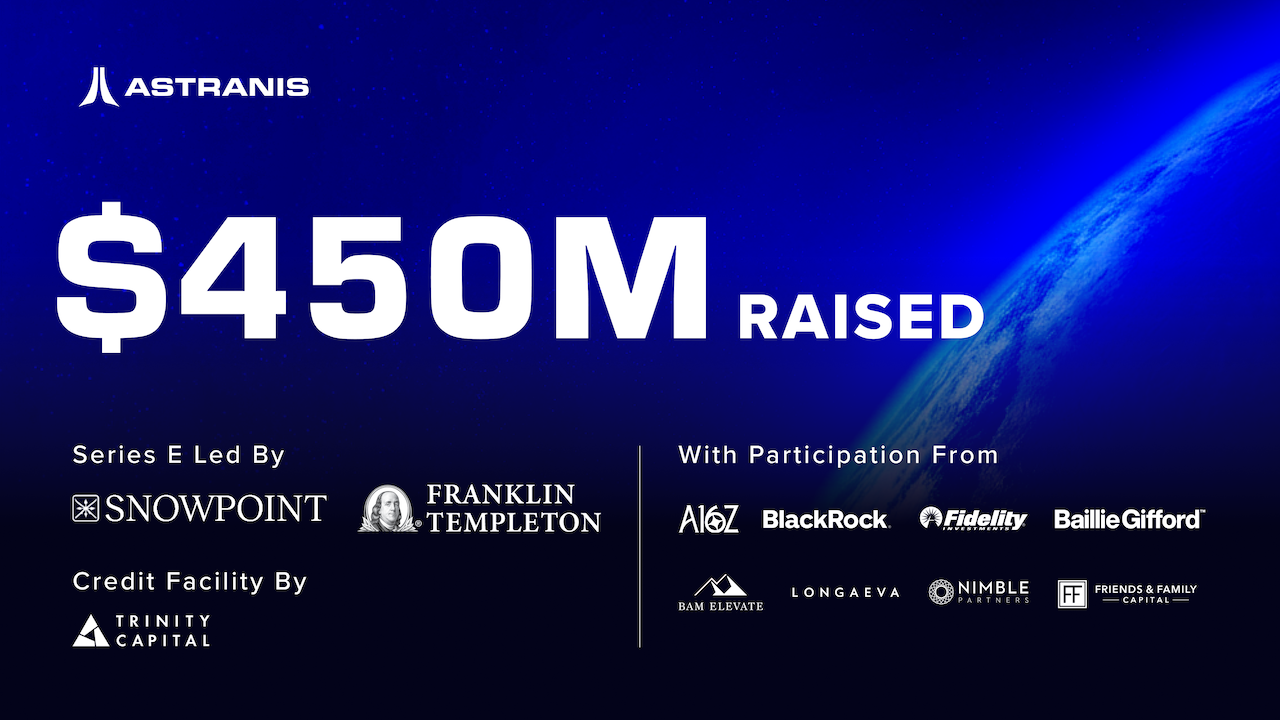
The satellite manufacturer is combining a Series E round with a credit facility as it expands production for commercial and government missions.
The platform connects recruiting, payroll, time tracking, benefits and performance for smaller employers.
The San Francisco startup wants to organize fragmented research and manufacturing data across semiconductors, batteries and advanced materials.
The customer-experience software company is valued above $15 billion as it races to make AI agents a standard interface for large brands.
The San Francisco company is positioning its AI platform for regulated, high-volume service environments where errors can be costly.
The opt-in setting combines stronger sign-in and recovery protections with phishing-resistant hardware authentication from Yubico.
The company reached a $2 billion valuation as it expands tools that help automated systems search, retrieve and organize online information.
The startup is training a foundation model called Fury to control unmanned vehicles across changing military environments.
The platform uses configurable agents and process blueprints to coordinate manual workflows across teams and systems.
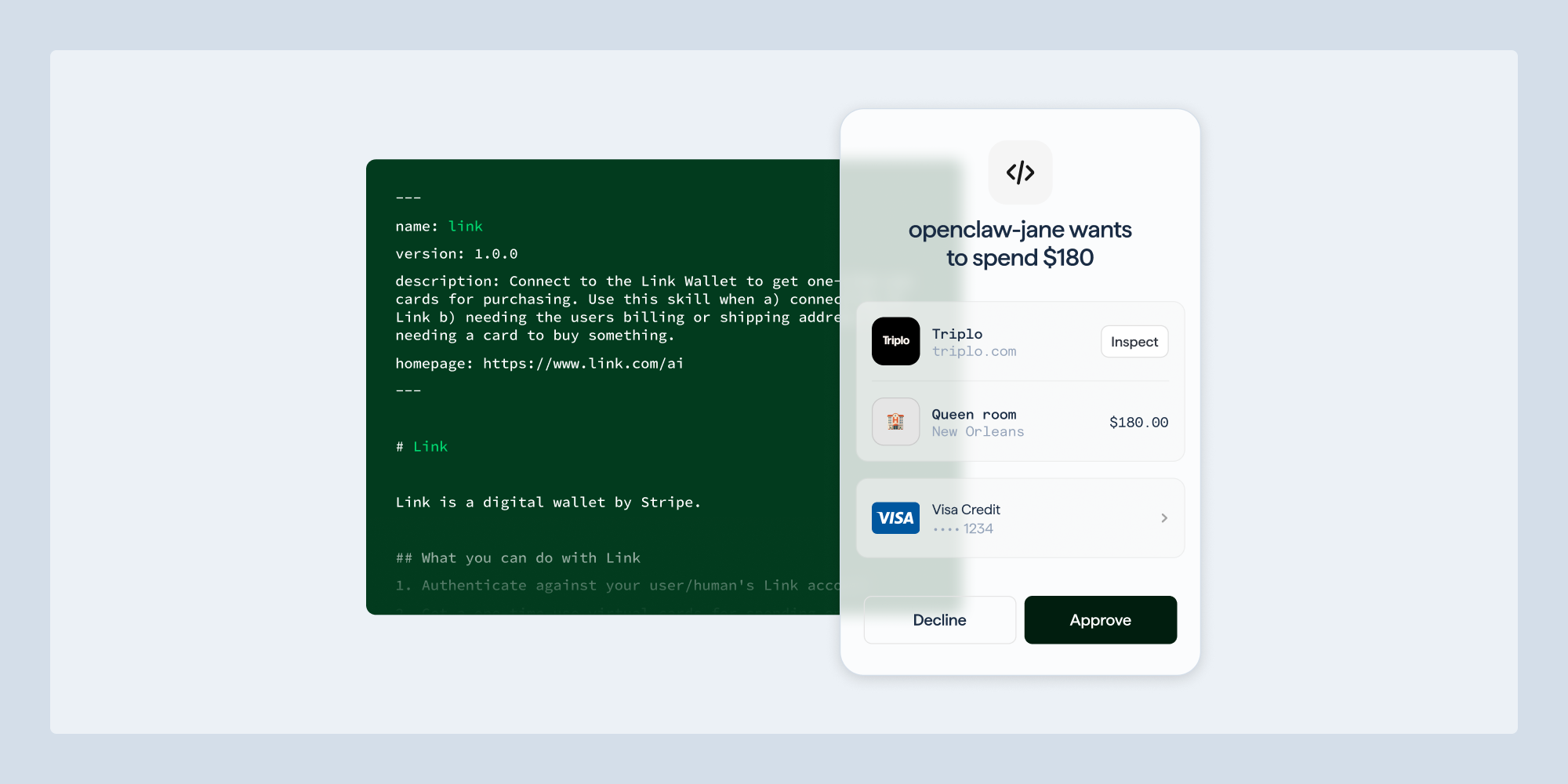
The payments company is introducing scoped credentials and human review for software-driven spending.
The San Francisco company reached a $1.5 billion valuation by combining chat, spreadsheets and code with a governed layer for company data.
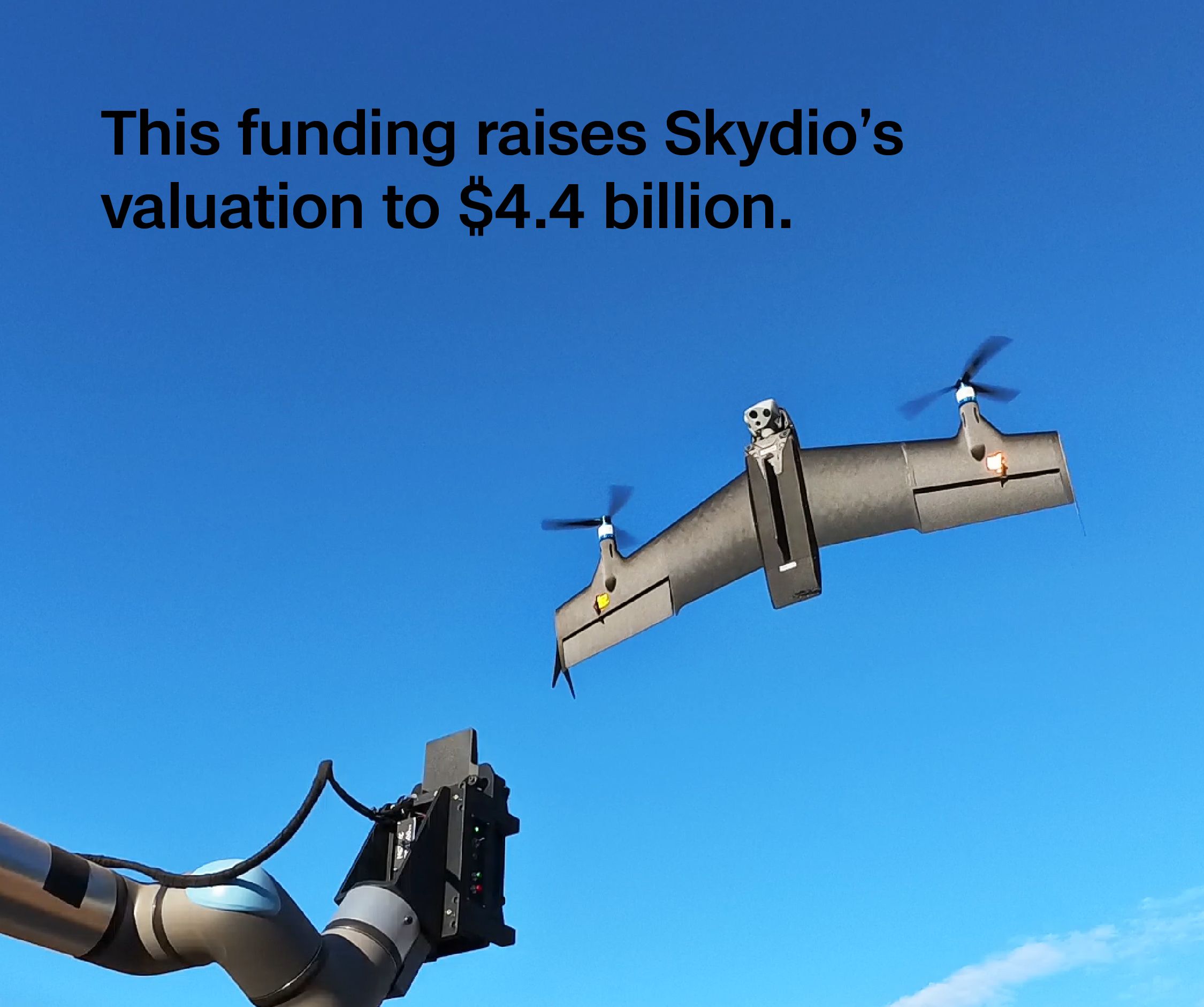
The autonomous drone maker reached a $4.4 billion valuation as it increases production for defense, public safety and infrastructure customers.
The customer-service agent company is adding a French team that connects AI with business processes.
The new research lab wants software agents to build specialized expertise from experience instead of remaining fixed after training.
The logistics technology company is broadening its platform from transportation payments into operational and financial decisions across the supply chain.
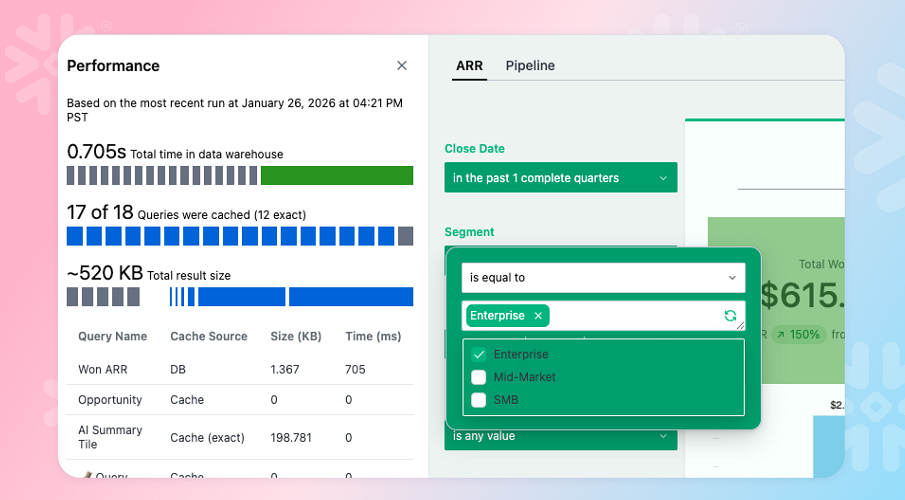
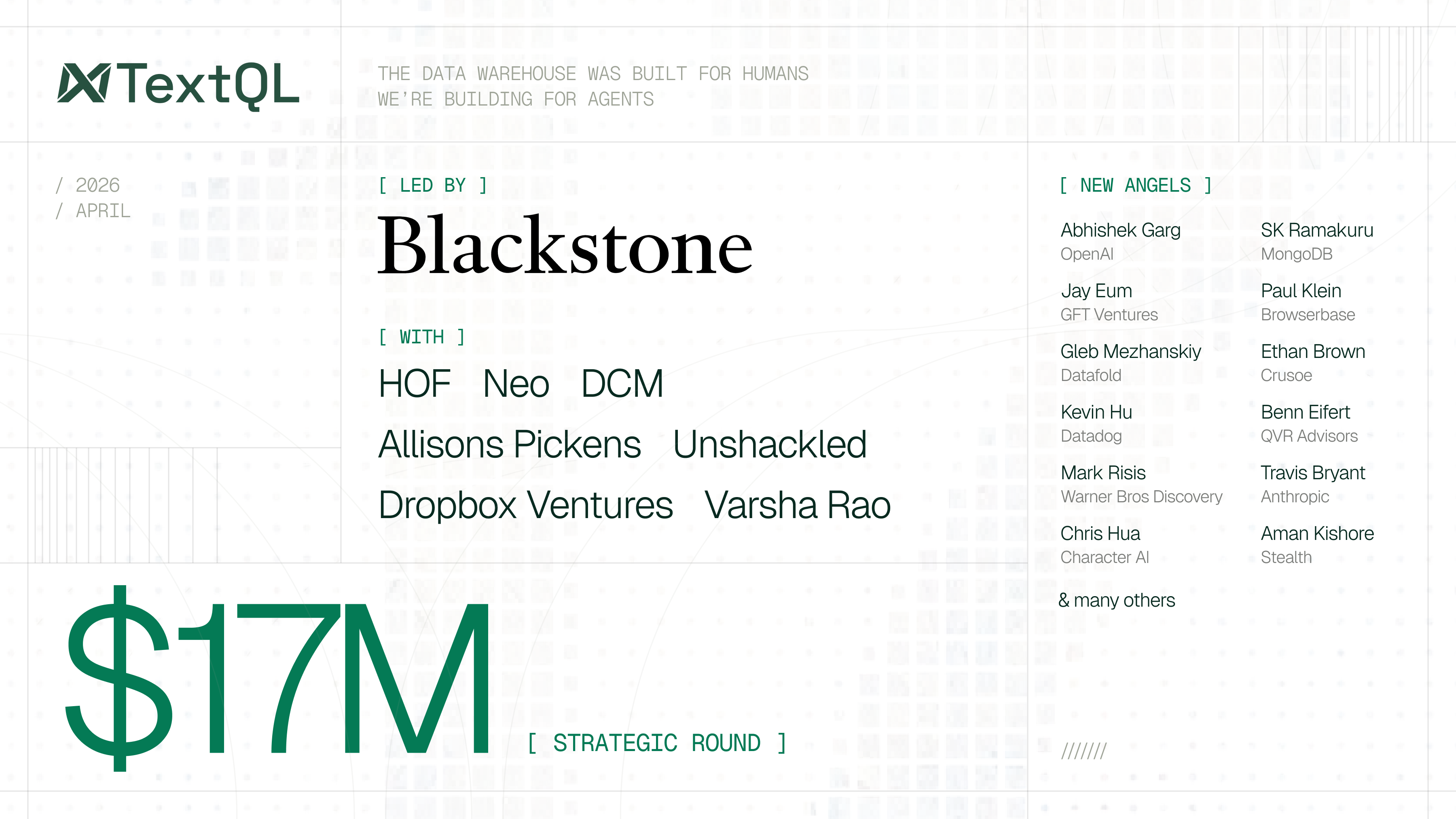
The analytics startup is using strategic capital to expand software that lets employees ask questions across fragmented company data in ordinary language.
The React Native platform is expanding from developer infrastructure into AI-assisted work that helps enterprise teams move from an idea to a shipped application.
The marine robotics company is pairing underwater vehicles with surface vessels and launch systems for commercial and defense missions.
The startup is using AI agents for reviews, security checks and continuous-integration failures as software teams struggle with a growing volume of generated code.
The Santa Clara startup is combining navigation, communications and computing functions in silicon intended for drones and robots.
The company is assembling distributed GPU capacity into a platform that lets developers choose models, hardware and deployment locations.
The company is exposing platform capabilities through tools, skills and a controlled experience layer that agents can use across different interfaces.
New developer primitives address memory, subagents, execution and recoverable long-running work.
The Barcelona and San Francisco company is building a governed graph that lets employees, software and agents work from the same organizational knowledge.
The first model from Meta Superintelligence Labs powers a redesigned Meta AI experience and can coordinate parallel subagents.
A single integration is designed to expose catalogs, payments and order workflows to AI shopping agents.
The startup is building software intended to let data-center networks adapt automatically to changing AI workloads.
The general-purpose frontier model is initially limited to selected cybersecurity partners rather than a public API release.
The startup connects a visual design canvas directly to a product's codebase so teams can work from the same components and constraints.
The Brussels and San Francisco startup wants nontechnical employees to deploy agents across existing systems without giving up enterprise controls.
Former Atlassian CTO Sri Viswanath is building a control layer for companies that want autonomous agents without giving up security, governance or oversight.
The music model can create structured tracks of up to three minutes and is available across developer, enterprise and creative products.
Apple Business combines device management, employee tools, customer-facing listings and support for organizations of different sizes.
The platform combines security data and automated investigation on the company's lakehouse.
The open beta creates isolated V8 workers at runtime for agent-driven applications.
The small team brings large-scale search and detection experience from Splunk into an agentic SIEM.
The startup is building an AI memory that reads on-screen text, prepares meeting notes and retrieves information from a user's daily work.
The startup combines AI agents with human media experts to turn sales conversations and customer data into targeted campaigns.
The startup wants employees to direct business software through natural language while agents work across data and applications.
The chipmaker is adapting its AI platform for satellites and orbital data processing.
OpenShell, AI-Q and new Nemotron models aim to give companies more control over autonomous software.
The Mountain View robotics company reached a $1.15 billion valuation with a plan to begin real household deployments in the fall.
Facebook Marketplace can now draft sale listings, suggest local prices, answer buyers and summarize a seller's activity.
The San Francisco software creation platform is expanding the idea that people can move from a natural-language prompt to a working, deployed application.
The startup formerly known as mcp-use is turning an open-source toolkit into a managed platform for deploying the connectors used by AI applications.
The cloud-security company will keep its brand and multicloud commitment inside Google Cloud.
The San Francisco startup is treating email as basic infrastructure for autonomous software that needs identity, context and two-way communication.
The San Jose startup is developing agentic cybersecurity software meant to connect defenses across corporate networks and operational technology.
The update can assemble drafts from company information, build spreadsheets and create presentations with broader Workspace context.
Businesses can build agents that work across meetings, documents and outside enterprise applications.
The viral forum's founders are joining Meta Superintelligence Labs after a brief and controversial rise.
The open-source testing company will strengthen security evaluation for enterprise agents in OpenAI Frontier.
The Y Combinator company is targeting evidence collection and compliance work that still depends heavily on spreadsheets, tickets and manual review.
Thinking and Pro versions arrive across ChatGPT, Codex and the API with an emphasis on complex knowledge tasks and tool use.
The 14- and 16-inch laptops add faster AI processing, higher storage floors and improved solid-state drive performance.
The startup is selling an operated support function rather than software alone, putting automation performance directly on its own team.
Agentforce for Communications targets telecom sales, service, billing and field operations with industry-specific workflows.
The Palo Alto AI infrastructure company will use the capital to expand its SN50 chip and SambaCloud platform as demand grows for alternatives in inference computing.
The Series C extension values the developer platform at $1.5 billion as more teams need persistent infrastructure for applications and agents.
The observability startup reached an $800 million valuation as companies seek better ways to test and improve applications built on language models.
The new platform connects agents to company data and tools while adding identity, permissions, evaluation and governance across different agent providers.
The company is applying foundation-model techniques to tables and relational data, an area where text-focused AI systems often struggle.
The startup is building authorization and payment tools that let AI agents purchase APIs, data and computing services under defined controls.


























































.png)