Naïve Secures $28.5M to Streamline Business Operations through AI Automation
Naïve has successfully closed a Series A funding round, raising $28.5 million to advance its platform for automating business setup and management via AI agents.
Archive
Naïve has successfully closed a Series A funding round, raising $28.5 million to advance its platform for automating business setup and management via AI agents.
A new dating application, Ditto, developed by UC Berkeley dropouts, is moving away from traditional swiping mechanisms, instead utilizing artificial intelligence to facilitate more meaningful connections among its Gen Z user base.
Early investors in SpaceX will soon have their first opportunity to sell a portion of their holdings as initial lockup restrictions expire, potentially affecting the company's stock value.
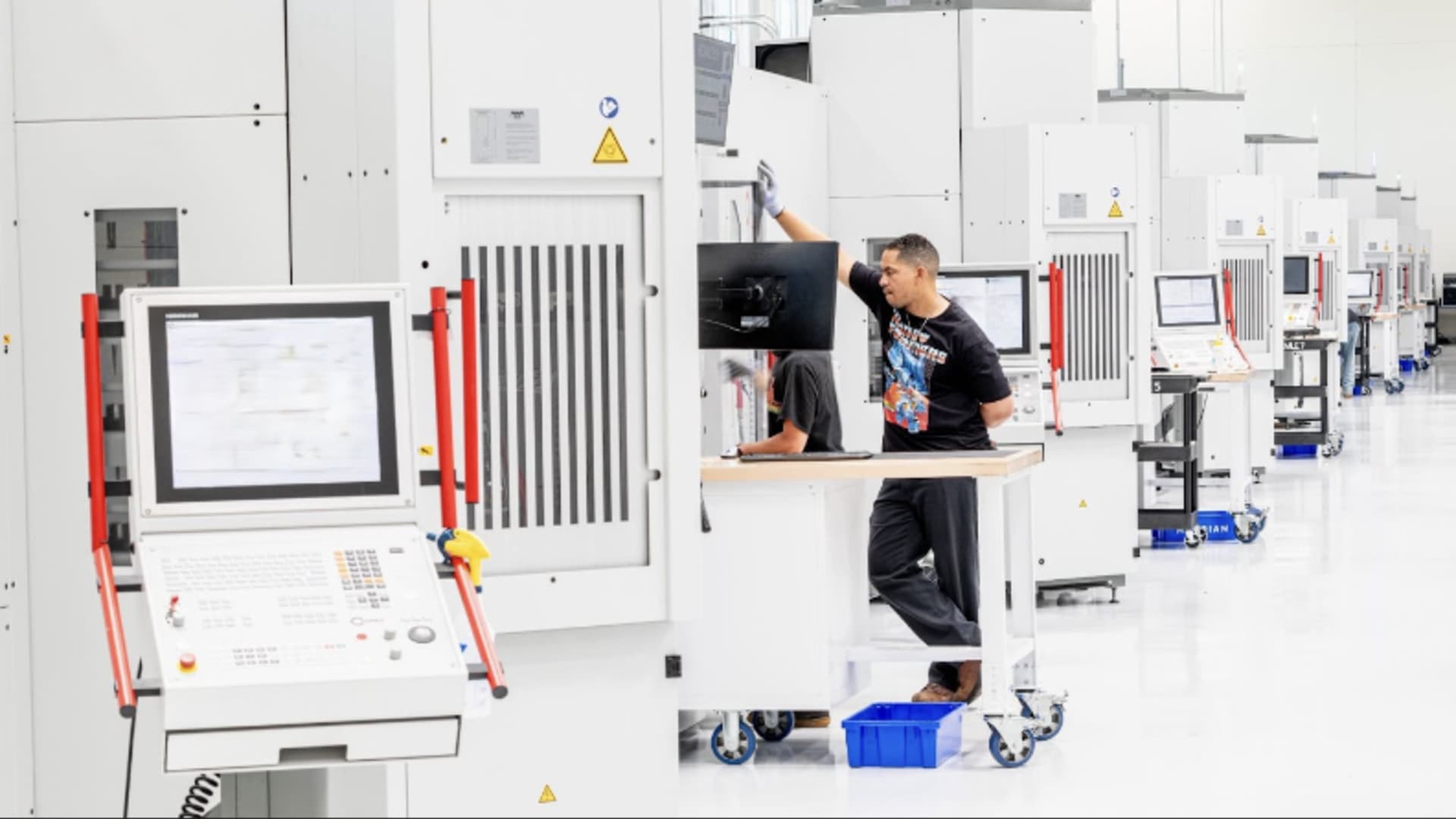
Hadrian, a company specializing in advanced manufacturing for defense and aerospace, has secured significant new investment, boosting its valuation to $7.9 billion.
Ozark Outdoors Resort and iHeartRadio’s 93.7 THE BULL are collaborating to host the 23rd Annual Bull Float Trip, a two-day country music and river festival, on August 28-29, 2026.
SoftBank's first fiscal quarter saw profits surpass market predictions, primarily due to a significant increase in its Intel investment, while its Vision Fund benefited from ByteDance's rising valuation.
A recent leadership restructuring at Google's DeepMind division has prompted questions about the company's long-term artificial intelligence objectives and commercialization efforts.
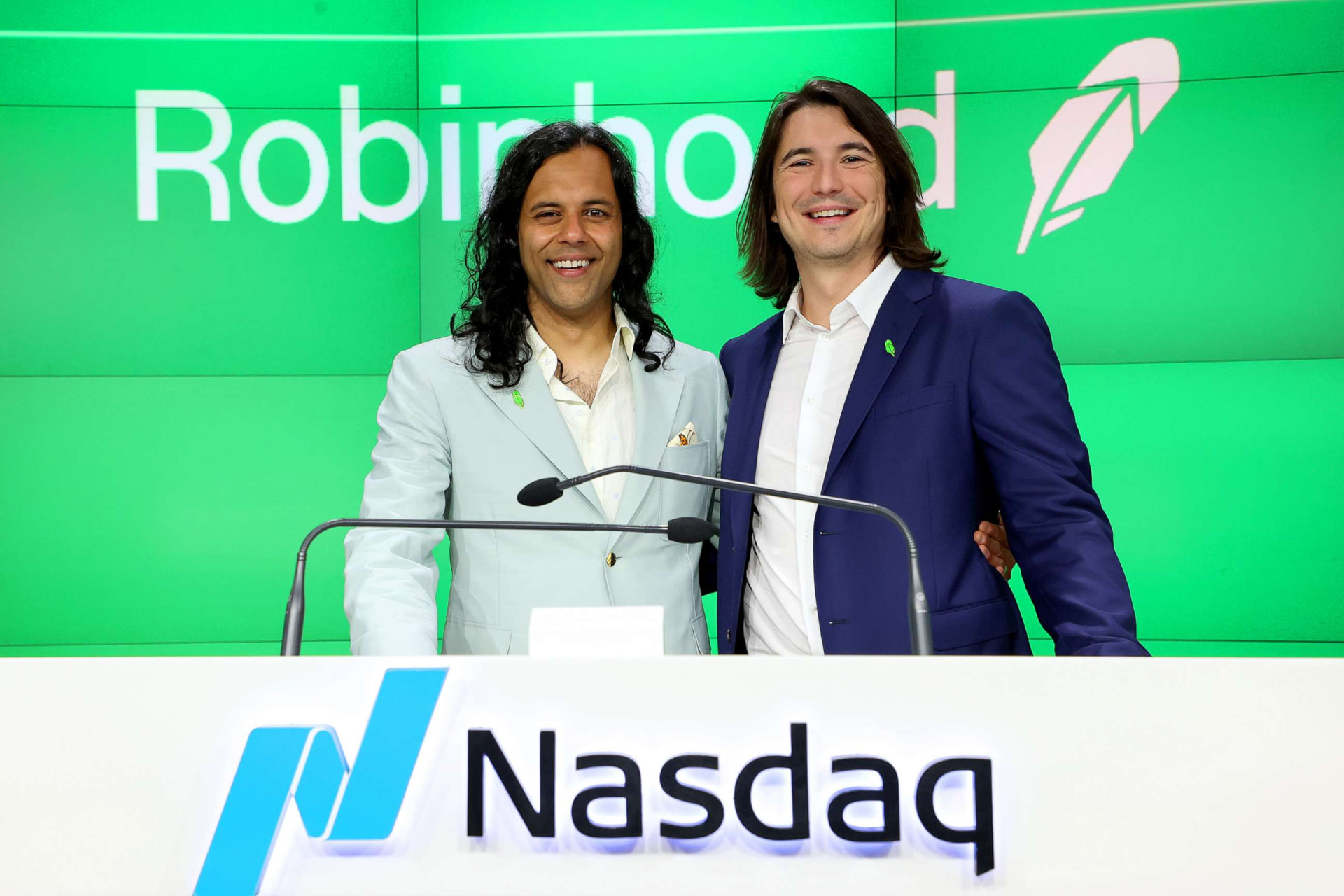
Robinhood Ventures Fund II is expected to list on the NYSE at $25 a share, giving retail investors exposure to early-stage private companies tied to Y Combinator.
Lift House is testing whether ambitious founders can build together without importing Silicon Valley's most punishing work culture.
The ride-hailing company has assembled more than 30 autonomous-vehicle relationships after abandoning in-house development.
Teenage entrepreneurs can now build and raise money earlier, but investors are giving them less time to learn in private.
The firm's available capital reaches $3.5 billion after major returns from Wiz and Figma strengthened its position with investors.
Two studies suggest misconduct remains uncommon, but becomes more likely when overheated markets reward growth without adequate oversight.
Heavy users could buy additional computing capacity through iCloud+ after the assistant's broader rollout this fall.
A seven-year review shows both automakers discussing EVs at rates below the pre-pandemic period as investment priorities shift.
The company is testing a native version of the narrated Reddit stories that already attract large audiences on TikTok.
A sale, spinoff or closure could reduce national-security conflicts, but would remove one of Tesla's most important markets and production centers.
The industrial energy company plans to manufacture more systems that store renewable electricity as high-temperature heat and dispatchable power.
The heart-disease drug developer is seeking up to $318.8 million for clinical trials and research.
The company is stockpiling components and products after Tim Cook described memory pricing as a once-in-a-century disruption.
Citadel acquired the bulk of the portfolio, while Leopold Aschenbrenner's fund retained private investments including a reported $5 billion Anthropic stake.
Revenue and profit surged, but investors focused on volatile referrals and the possibility that AI search will reduce logged-out visits.
AWS revenue rose 37%, helping the company defend infrastructure spending that would be harder to justify without a clear hosting business.
Apple still set a quarterly services record, but regulatory pressure and softer gaming activity limited growth in key areas.
After years of failed incubator experiments, the company believes faster development and its recommendation systems can improve the odds of finding another breakout.
The financing brings total capital to $4 billion as the company works toward scientific breakeven in 2027.
The Santa Clara startup is building chiplet and licensing technology designed to move data faster between AI processors, memory and networking systems.
The San Francisco company is expanding autonomous teams that handle procurement, supplier coordination, invoices and payments for large enterprises.
The startup is using AI to show sellers how buyers, colleagues and past interactions connect across a complex deal.
The contrasting accounting results show the complexity of Microsoft's financial exposure to two competing AI laboratories.
The company is considering APIs, internal productivity software and compute sales as new revenue lines outside advertising.
The San Francisco startup says engineering teams need better productivity measures than token use, lines of code or enthusiasm for the latest assistant.
The Palo Alto startup is expanding tools for creators and enterprises while facing the harder task of preventing unauthorized voice cloning.
The mostly cash transaction would add controls for non-human accounts and agents to Cyera's broader data-security platform.
The independent purchase adds to Saudi Arabia's exposure as the EV maker cuts jobs and rejects reports of bankruptcy or a take-private deal.
The financing will support World ID infrastructure, but the transaction is a crypto-token sale rather than a conventional venture equity round.
The AI chip startup plans to scale production and customer deployments as it builds specialized hardware for high-volume inference.
The Palo Alto and Tel Aviv company reached a $1.2 billion valuation with a prevention-focused approach to securing devices used for AI work.
The young fintech company wants autonomous software to pay vendors while businesses retain policy controls and an auditable record.
The model infrastructure company says annual recurring revenue has passed $1 billion as customers deploy more specialized AI systems.
The startup founded by former Ultrahuman hardware executive Apoorv Shankar is developing physical controls intended to direct AI agents.
The Tel Aviv and San Francisco startup wants one continuously updated graph for employees, software accounts, service identities and AI agents.
The Kubernetes management company added Goldman Sachs and strategic investors as businesses move AI systems from pilots into production.
The molecular design startup reached a $3.8 billion valuation while expanding partnerships with major drugmakers.
The business finance platform reached a reported valuation near $1.2 billion and launched a global product using stablecoin payment rails.
The company behind a widely used local AI tool is adding resources for enterprise adoption while keeping its open-source distribution engine.
Accel led the Series A for a company automating the pay applications, lien waivers and job-cost work that still runs on paper and email.
The savings platform is expanding a membership that combines travel deals, cash back and financial tools for cost-conscious consumers.
The open-model infrastructure company plans to expand training and inference services as enterprises seek alternatives to closed AI platforms.
The San Francisco startup is building real-time fluid sensors for computing systems that increasingly depend on liquid rather than air to control heat.
The robotics startup introduced its first commercial hand and closed a seed round after settling a trade-secret dispute with Tesla.
The hardware startup is betting that a simple recorder with free transcription can hold a place beside phones and software-only meeting assistants.
The profitable software company plans to expand tools that help banks and governments investigate financial crime and third-party risk.
The AI testing company is moving beyond fixed benchmarks with models that generate changing environments for training and evaluation.
The healthcare startup is expanding AI agents from phone scheduling into a broader operating system for the patient journey.
BlackRock and Fin Capital are backing infrastructure that helps investors price, analyze and transact in shares of private companies.
The San Francisco and Tokyo company is developing low-latency speech models for Japanese, Korean and Chinese applications.
The startup is creating its own crawler, index and retrieval models for software that asks longer questions and consumes structured results.
The Oakland company is expanding technology that structures fragmented patient information for clinical care, research and regulatory evidence.
Two former Anthropic and Google researchers launched the company at a $1 billion valuation with backing from Andreessen Horowitz, Kleiner Perkins and Nvidia.
The biotechnology company is advancing seven programs and plans to form focused affiliates as individual assets reach clinical milestones.
The former Waymo engineer behind the startup is applying simulation and observability techniques to customer-facing AI systems.
The AI infrastructure company is using its fourth financing in 18 months to expand model inference services for enterprise customers.
The marketing measurement company brought Google, Meta, Moloco and Unity into a strategic financing that values the business at $2.7 billion.
The chip company is rebuilding and scaling its cloud business after a major licensing and talent agreement with Nvidia.
The semiconductor startup reached a $2 billion valuation and $500 million in total funding as it develops alternatives for connecting AI data centers.
The Palo Alto startup is using AI to help companies define specialized processors before the expensive physical design and manufacturing stages.
The Stanford-founded startup plans to ship a wellness wristband that infers hormone patterns without blood draws while it pursues clinical validation.
The startup wants agents to own recurring business outcomes across existing applications instead of stopping after a single generated response.
The agentic workspace company added $100 million and appointed a chief revenue officer as it pursues larger business customers.
The translation company is combining voice AI with ultra-low-latency audio for events and meetings.
The Berkeley company will accelerate work on fault-tolerant machines while pursuing additional federal support for U.S. quantum infrastructure.
The San Francisco startup is investing in its own speech models and the infrastructure required to run large volumes of automated business calls.
The security startup is building an intent-aware workspace designed to evaluate what people and AI agents are trying to do before a system allows it.
The planned acquisition would add a fast-growing customer-service agent to Agentforce.
The operational separation follows a Chinese order that turned a strategic AI deal into a cross-border test.
The rocket and satellite company entered Nasdaq trading at a valuation above $1.7 trillion.
The secretive company led by Jeff Bezos and Vik Bajaj is valued at $41 billion before revealing much about its technology or customers.
The San Francisco and Tel Aviv company wants security agents to find and help fix software risks throughout the development lifecycle.
The biotechnology company plans to move nonviral treatments for Duchenne muscular dystrophy and polycystic kidney disease toward clinical testing.
The Oakland company is building software to manage applications, participants, payments and reporting for programs serving communities.
The open-source database platform is financing faster growth as AI agents generate more applications and infrastructure demand.
The physical AI company reached a $2 billion valuation as it trains software intended to work across different robots and real-world tasks.
The longevity biotechnology company plans to move its first liver program toward human testing while expanding its discovery platform.
The Claude developer moved ahead of OpenAI as frontier AI companies prepare for public scrutiny.
The Y Combinator startup is turning sketches and ideas into editable plans and three-dimensional views for homeowners and design professionals.
The Claude developer secured one of the largest private financings ever as demand for enterprise AI and computing capacity continues to climb.
The maker of Devin says enterprise usage is climbing as software teams give cloud agents a larger share of development work.
The startup is building a network that records first-person human activity, bringing privacy, consent and worker pay into the robotics data race.
Brett Adcock's new lab reached a $6 billion post-money valuation before releasing its first products to the public.
The applied engineering firm will become the operating core of a new enterprise AI implementation company.
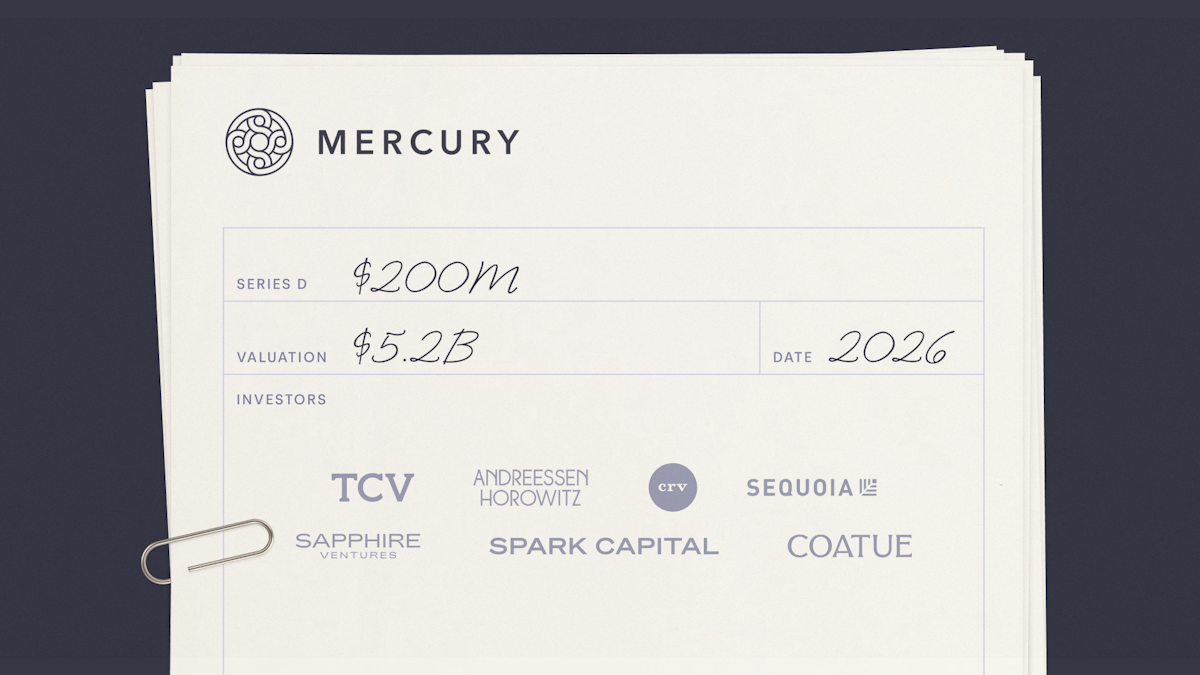
The business-banking technology company is growing alongside a new wave of AI startups while pursuing approval for a national bank.
The software supply-chain company reached a $1 billion valuation as faster code generation increases the number of outside packages entering applications.
The Mountain View healthcare technology company is expanding AI systems for revenue, clinical documentation and practice operations.
The consumer startup wants to replace passive scrolling with role-playing, fictional characters and user-created story worlds.
The $80 million to $90 million arrangement moves more than 20 employees without a formal company purchase.
Richard Socher's new laboratory is pursuing AI systems that can improve their own research process, backed at a reported $4.65 billion valuation.
The AI chipmaker nearly doubled its offering price as investors sought another route into compute infrastructure.
The Palo Alto company founded by Rivian CEO RJ Scaringe has now raised more than $1 billion for industrial robots trained in live manufacturing environments.
The vertical software company is connecting agency data with AI workflows for policy checks, proposals and other document-heavy tasks.
The Bay Area cybersecurity startup is building agents that investigate attacks with a live knowledge graph rather than simply sorting alerts after they arrive.
The San Francisco startup wants to turn logs, tool calls and user interactions into a continuous feedback system for agent developers.
The San Francisco startup is trying to replace disconnected sales tools with a system that carries context from prospecting through a closed deal.
The young San Francisco company is starting with an AI-assisted alternative to the configuration and approval systems used for complex deals.
The finance software startup is expanding AI agents that handle invoicing, reconciliation, collections and other repetitive cash workflows.
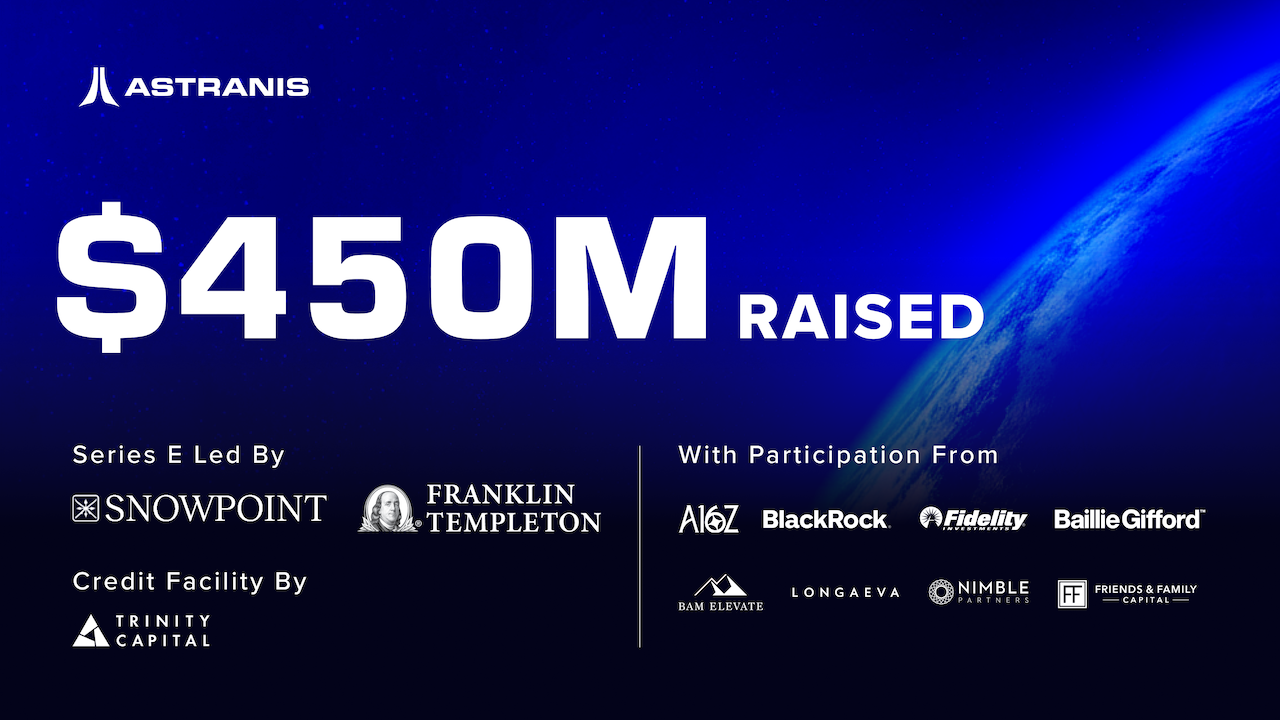
The satellite manufacturer is combining a Series E round with a credit facility as it expands production for commercial and government missions.
The full-stack insurer is using AI across underwriting, policy administration and claims as it expands into additional commercial markets.
The Palo Alto startup is commercializing infrastructure around a widely used open-source engine for running and serving advanced AI models.
The San Francisco startup wants to organize fragmented research and manufacturing data across semiconductors, batteries and advanced materials.
The customer-experience software company is valued above $15 billion as it races to make AI agents a standard interface for large brands.
The six-person startup is training AI to learn digital tasks from video, with efficiency and safety becoming the key tests for its approach.
The San Francisco company more than doubled its valuation to $2.75 billion as it expanded from moving customer data to helping agents run campaigns.
The company reached a $2 billion valuation as it expands tools that help automated systems search, retrieve and organize online information.
The startup is training a foundation model called Fury to control unmanned vehicles across changing military environments.
The startup wants hardware makers to connect glasses, jewelry and home devices to models and multimodal services without building the entire stack.
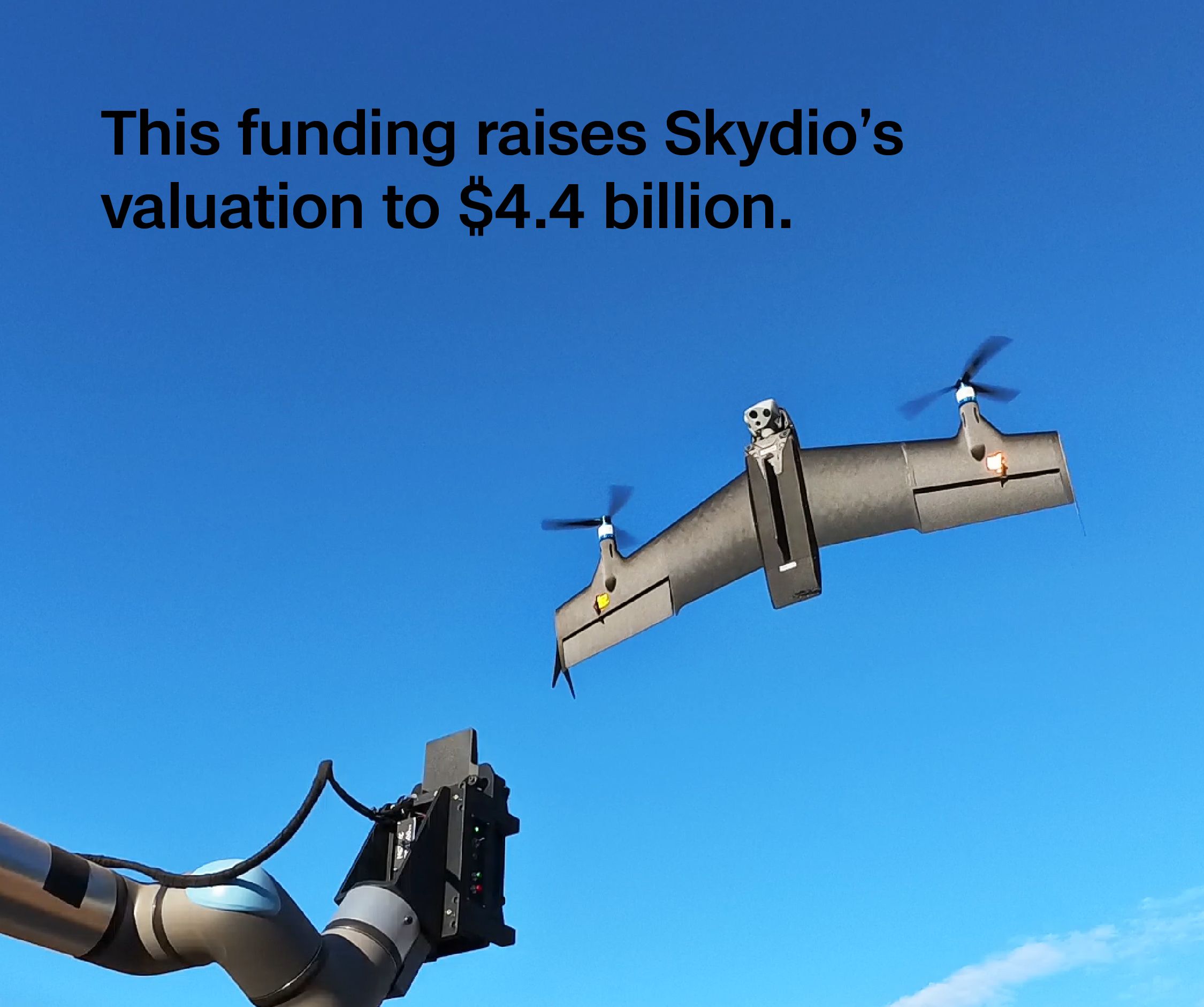
The autonomous drone maker reached a $4.4 billion valuation as it increases production for defense, public safety and infrastructure customers.
The logistics technology company is broadening its platform from transportation payments into operational and financial decisions across the supply chain.
The analytics startup is using strategic capital to expand software that lets employees ask questions across fragmented company data in ordinary language.
The marine robotics company is pairing underwater vehicles with surface vessels and launch systems for commercial and defense missions.
The San Francisco mobility company is preparing pilot networks that place small autonomous vehicles on narrow, reserved lanes.
The company is assembling distributed GPU capacity into a platform that lets developers choose models, hardware and deployment locations.
The phone-automation startup says contact-center operators invested alongside venture firms after deploying its agents in live customer service work.
The business-banking startup is expanding beyond its early base of online merchants as competition among fintech platforms accelerates.
The exit ends the Bay Area startup's effort to build autonomous electric tractors as a standalone manufacturer.
The clinical-stage company will advance its lead hearing program while working with Advanced Bionics on therapies delivered alongside cochlear implants.
The Barcelona and San Francisco company is building a governed graph that lets employees, software and agents work from the same organizational knowledge.
The San Mateo startup is teaching software to connect drawings, specifications and other building documents before missing details become costly field problems.
The Redwood City company will scale access to an FDA-cleared prescription belt designed for people with low bone density.
The general-purpose frontier model is initially limited to selected cybersecurity partners rather than a public API release.
The startup connects a visual design canvas directly to a product's codebase so teams can work from the same components and constraints.
The startup is using conversational agents to conduct structured phone interviews and turn long-form responses into research data.
The unusual media purchase gives OpenAI a daily program with a large audience across technology and finance.
The financing gives the San Francisco AI company an extraordinary capital base, while placing equal pressure on revenue growth, infrastructure execution and product focus.
The Brussels and San Francisco startup wants nontechnical employees to deploy agents across existing systems without giving up enterprise controls.
The Rivian spinoff reached a valuation above $1 billion while expanding from small electric vehicles into autonomous delivery systems.
Former Atlassian CTO Sri Viswanath is building a control layer for companies that want autonomous agents without giving up security, governance or oversight.
The San Jose chip startup is betting that a shorter, vertical path for electricity can remove a growing bottleneck inside high-performance AI systems.
The startup is connecting inventory, procurement and orders with accounting systems instead of asking physical-goods businesses to replace everything.
The startup is building an AI memory that reads on-screen text, prepares meeting notes and retrieves information from a user's daily work.
The startup combines AI agents with human media experts to turn sales conversations and customer data into targeted campaigns.
The startup wants employees to direct business software through natural language while agents work across data and applications.
The Mountain View robotics company reached a $1.15 billion valuation with a plan to begin real household deployments in the fall.
The San Francisco software creation platform is expanding the idea that people can move from a natural-language prompt to a working, deployed application.
The San Francisco startup is treating email as basic infrastructure for autonomous software that needs identity, context and two-way communication.
The Dublin, California semiconductor company plans to commercialize a component that moves power vertically toward high-performance processors.
The San Jose startup is developing agentic cybersecurity software meant to connect defenses across corporate networks and operational technology.
The Y Combinator company is targeting evidence collection and compliance work that still depends heavily on spreadsheets, tickets and manual review.
The brain-computer interface company is preparing its PRIMA vision-restoration system for commercialization while funding a broader clinical pipeline.
The semiconductor startup is moving its co-packaged optics technology toward volume production as data centers demand faster, more efficient connections.
The Y Combinator startup is making its streaming platform generally available as AI developers look for simpler ways to process live data.
The Palo Alto AI infrastructure company will use the capital to expand its SN50 chip and SambaCloud platform as demand grows for alternatives in inference computing.
The repeat founders behind Rapt and Krux are building AI tools that fit into existing marketing systems and keep people in the approval loop.
Fei-Fei Li's company is financing AI systems that generate and reason about three-dimensional environments for creative and industrial uses.
The durable-computing company reached a $5 billion valuation as enterprises look for infrastructure that can keep long-running AI work on track.
The observability startup reached an $800 million valuation as companies seek better ways to test and improve applications built on language models.
The Mission Bay startup is building laboratory systems that use living neurons for AI workloads, an ambitious alternative to conventional silicon.
The Stanford-rooted startup wants digital populations to help organizations test decisions before they affect customers, workers or markets.
The voice platform is expanding through software and telecom partners that can distribute automated front-desk service at scale.
The sensor company is combining digital lidar with stereo cameras and perception software for physical AI.
The company is applying foundation-model techniques to tables and relational data, an area where text-focused AI systems often struggle.
The startup is building authorization and payment tools that let AI agents purchase APIs, data and computing services under defined controls.
The Mountain View company plans to expand domestic manufacturing and coordinate more residential batteries as electricity demand strains the grid.
The company founded by former Waymo leaders is moving its self-driving system from supervised job sites toward operator-less heavy equipment.
Alphabet's robotaxi company is financing a major expansion as autonomous ride-hailing moves from limited deployments toward a broader transportation network.
The all-stock transaction brings rockets, satellites, social media and artificial intelligence under one company.