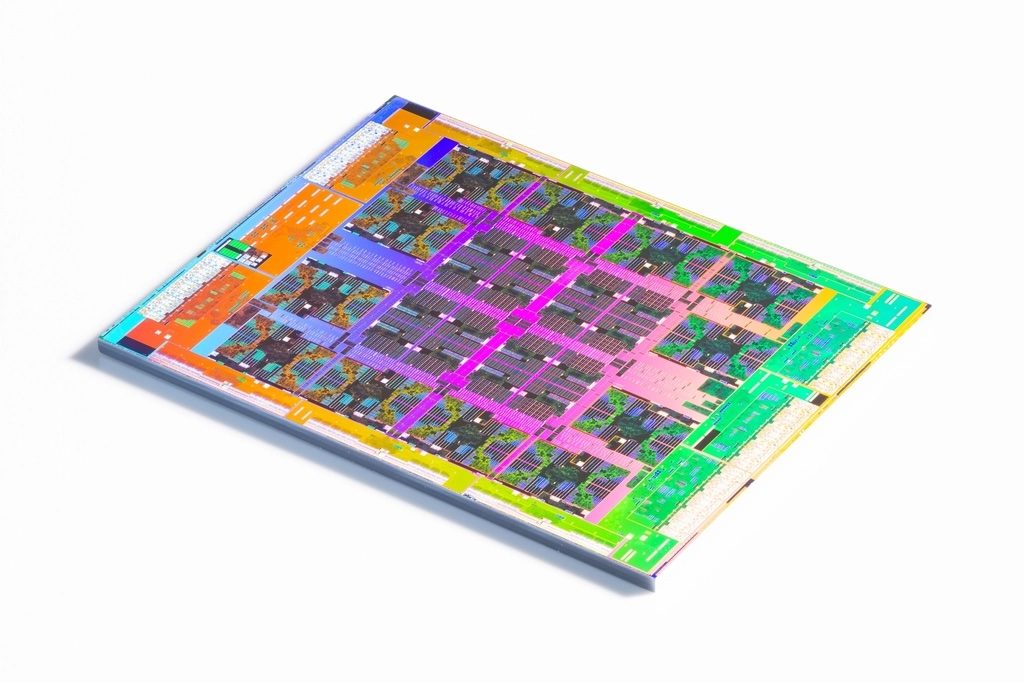
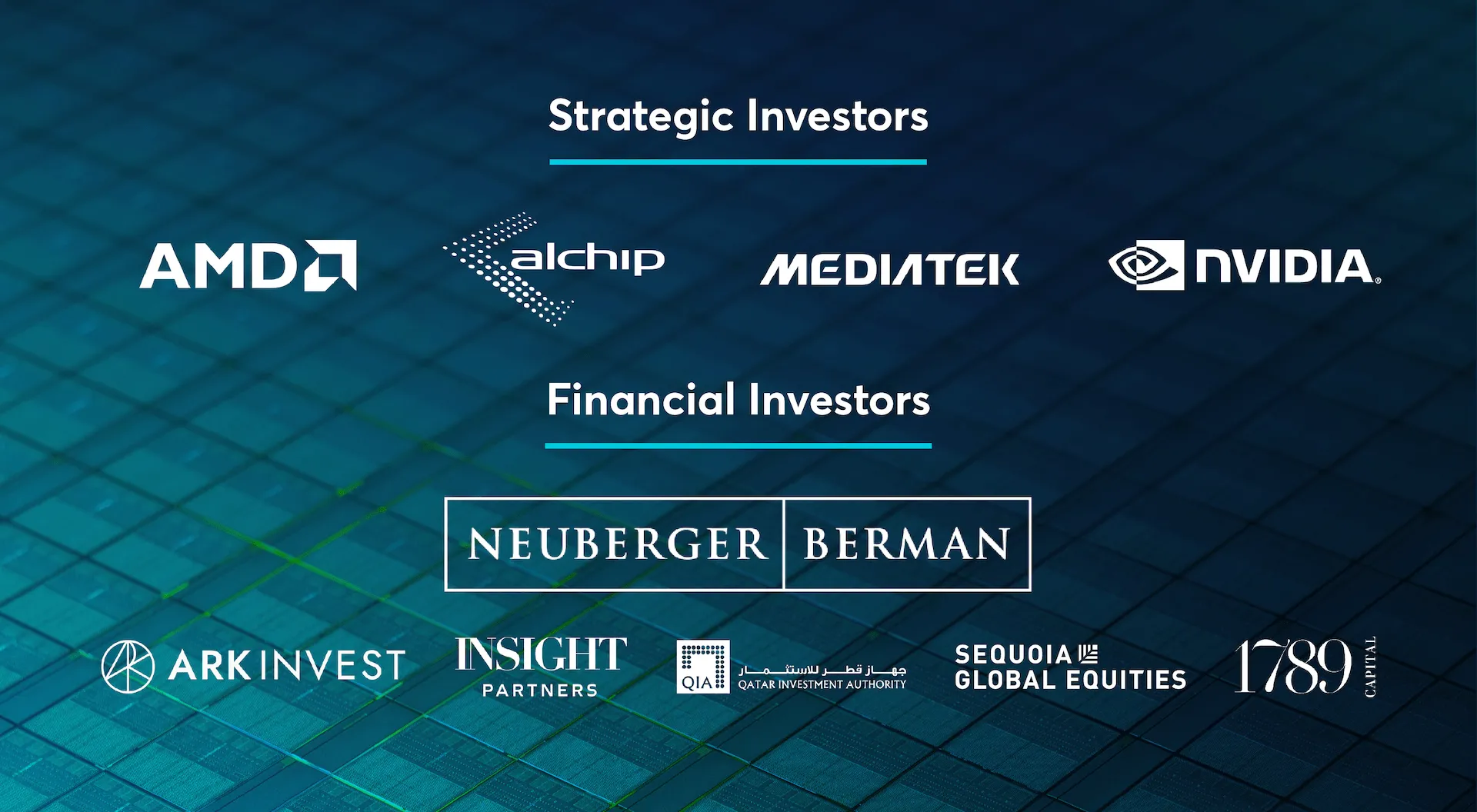
Eliyan Reaches $1 Billion Valuation With $145 Million Series C
The Santa Clara startup is building chiplet and licensing technology designed to move data faster between AI processors, memory and networking systems.
Archive
The Santa Clara startup is building chiplet and licensing technology designed to move data faster between AI processors, memory and networking systems.
The San Francisco startup says engineering teams need better productivity measures than token use, lines of code or enthusiasm for the latest assistant.
The chipmaker's strategic partnership with Ilya Sutskever's research lab couples new capital with access to Vera Rubin computing systems.
The San Francisco startup turns television, radio, podcasts and livestreams into searchable signals for companies that need faster narrative tracking.
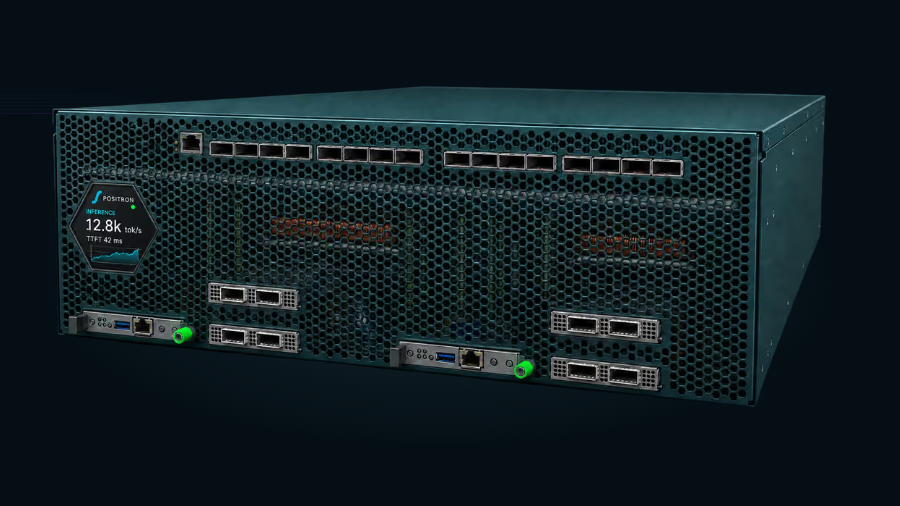
The AI chip startup plans to scale production and customer deployments as it builds specialized hardware for high-volume inference.
The model infrastructure company says annual recurring revenue has passed $1 billion as customers deploy more specialized AI systems.
The Tel Aviv and San Francisco startup wants one continuously updated graph for employees, software accounts, service identities and AI agents.
The Kubernetes management company added Goldman Sachs and strategic investors as businesses move AI systems from pilots into production.
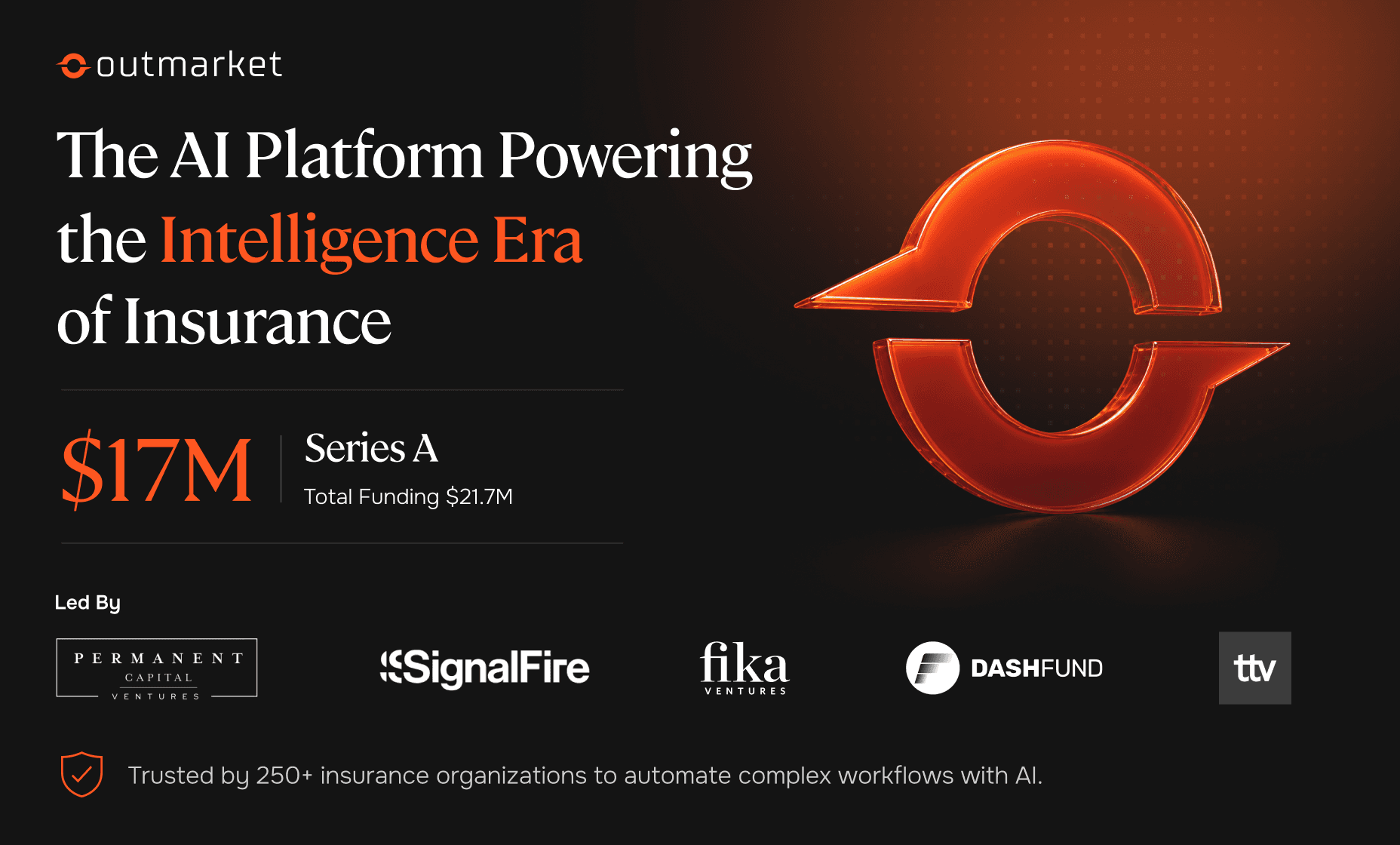
Accel led the Series A for a company automating the pay applications, lien waivers and job-cost work that still runs on paper and email.
The savings platform is expanding a membership that combines travel deals, cash back and financial tools for cost-conscious consumers.
The design platform is bringing agent development and code generation closer to its collaborative canvas.
The San Francisco startup is building real-time fluid sensors for computing systems that increasingly depend on liquid rather than air to control heat.
The enterprise software startup is expanding an AI-native development platform built around requirements, oversight and audit trails.
The hardware startup is betting that a simple recorder with free transcription can hold a place beside phones and software-only meeting assistants.
The profitable software company plans to expand tools that help banks and governments investigate financial crime and third-party risk.
The AI testing company is moving beyond fixed benchmarks with models that generate changing environments for training and evaluation.
The healthcare startup is expanding AI agents from phone scheduling into a broader operating system for the patient journey.
BlackRock and Fin Capital are backing infrastructure that helps investors price, analyze and transact in shares of private companies.
Teams can build, review and hand off interface motion without leaving the shared canvas.
The executive-search firm is adding an AI-focused recruiting team with startup customers.
The company is building software that continually personalizes campaigns, tests changes and adjusts marketing decisions across customer channels.
The semiconductor startup reached a $2 billion valuation and $500 million in total funding as it develops alternatives for connecting AI data centers.
The Palo Alto startup is using AI to help companies define specialized processors before the expensive physical design and manufacturing stages.
The Berkeley company will accelerate work on fault-tolerant machines while pursuing additional federal support for U.S. quantum infrastructure.
The San Francisco startup is investing in its own speech models and the infrastructure required to run large volumes of automated business calls.
The agentic system is designed to help business teams analyze information and automate recurring work.
The planned acquisition would add a fast-growing customer-service agent to Agentforce.
The secretive company led by Jeff Bezos and Vik Bajaj is valued at $41 billion before revealing much about its technology or customers.
The San Francisco and Tel Aviv company wants security agents to find and help fix software risks throughout the development lifecycle.
The services update adds richer navigation, flexible location sharing, visual bill splitting and expanded media experiences.
The voice input update can improve punctuation, capitalization and formatting while new Siri voices aim for more natural delivery.
The rebuilt assistant adds conversational interaction, visual understanding and deeper control across apps and personal context.
The open-source database platform is financing faster growth as AI agents generate more applications and infrastructure demand.
The prompt-to-app startup says its community creates games, quizzes and interactive experiments at a rate of about one every half-second.
The startup is building a network that records first-person human activity, bringing privacy, consent and worker pay into the robotics data race.
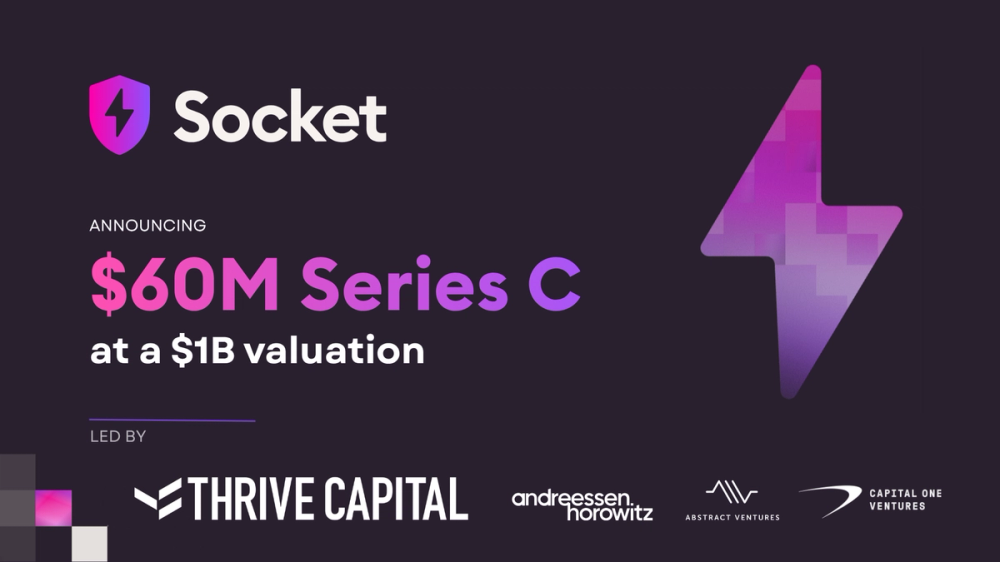
The software supply-chain company reached a $1 billion valuation as faster code generation increases the number of outside packages entering applications.
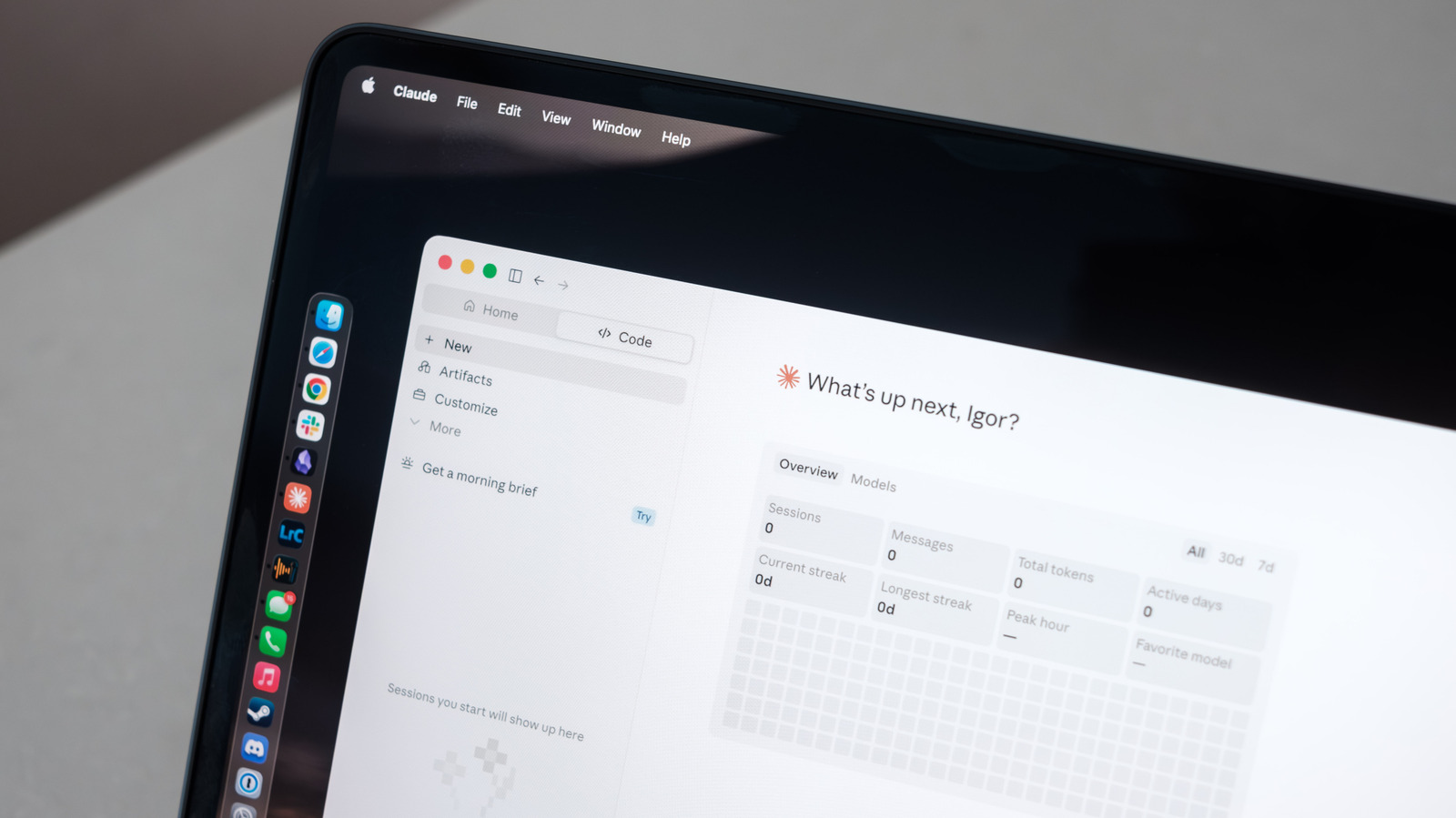
The updated desktop application and command-line tool can coordinate multiple coding agents, create subagents and schedule work.
The I/O update lets users speak to Gmail, Docs and Keep while introducing an AI image creation and editing workspace.
The $80 million to $90 million arrangement moves more than 20 employees without a formal company purchase.
The AI chipmaker nearly doubled its offering price as investors sought another route into compute infrastructure.
The Palo Alto company founded by Rivian CEO RJ Scaringe has now raised more than $1 billion for industrial robots trained in live manufacturing environments.
The vertical software company is connecting agency data with AI workflows for policy checks, proposals and other document-heavy tasks.
The Palo Alto startup is commercializing infrastructure around a widely used open-source engine for running and serving advanced AI models.
The San Francisco startup wants to organize fragmented research and manufacturing data across semiconductors, batteries and advanced materials.
The six-person startup is training AI to learn digital tasks from video, with efficiency and safety becoming the key tests for its approach.
The startup is training a foundation model called Fury to control unmanned vehicles across changing military environments.
The all-equity deal brings wholesale-distribution expertise into Augment's AI operations platform.
The San Francisco company reached a $1.5 billion valuation by combining chat, spreadsheets and code with a governed layer for company data.
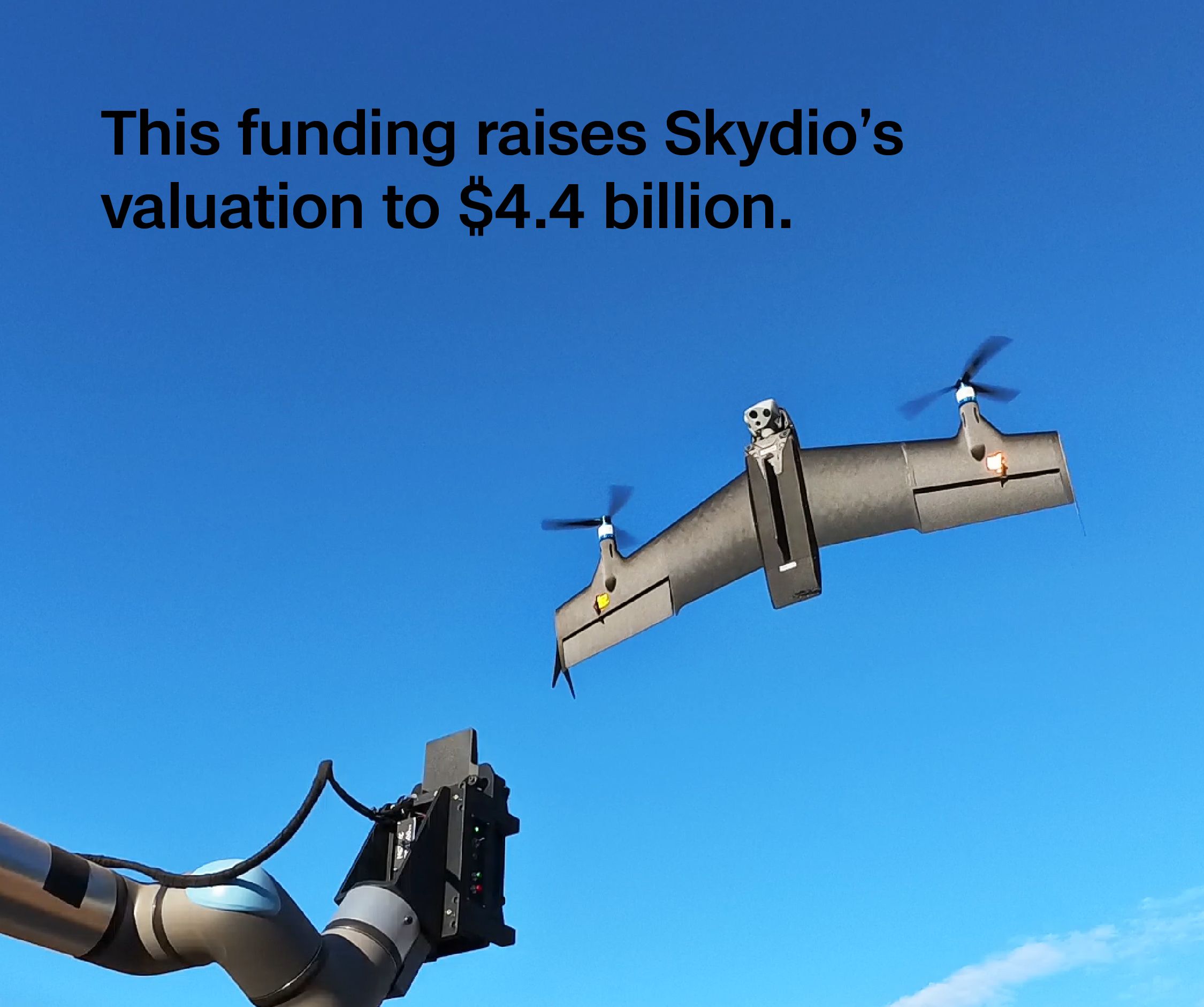
The autonomous drone maker reached a $4.4 billion valuation as it increases production for defense, public safety and infrastructure customers.
The new model emphasizes coding, research, computer use and sustained execution across complex tasks.
The customer-service agent company is adding a French team that connects AI with business processes.
The startup is beginning with autonomous road rollers that can be retrofitted onto machines already operating at construction sites.
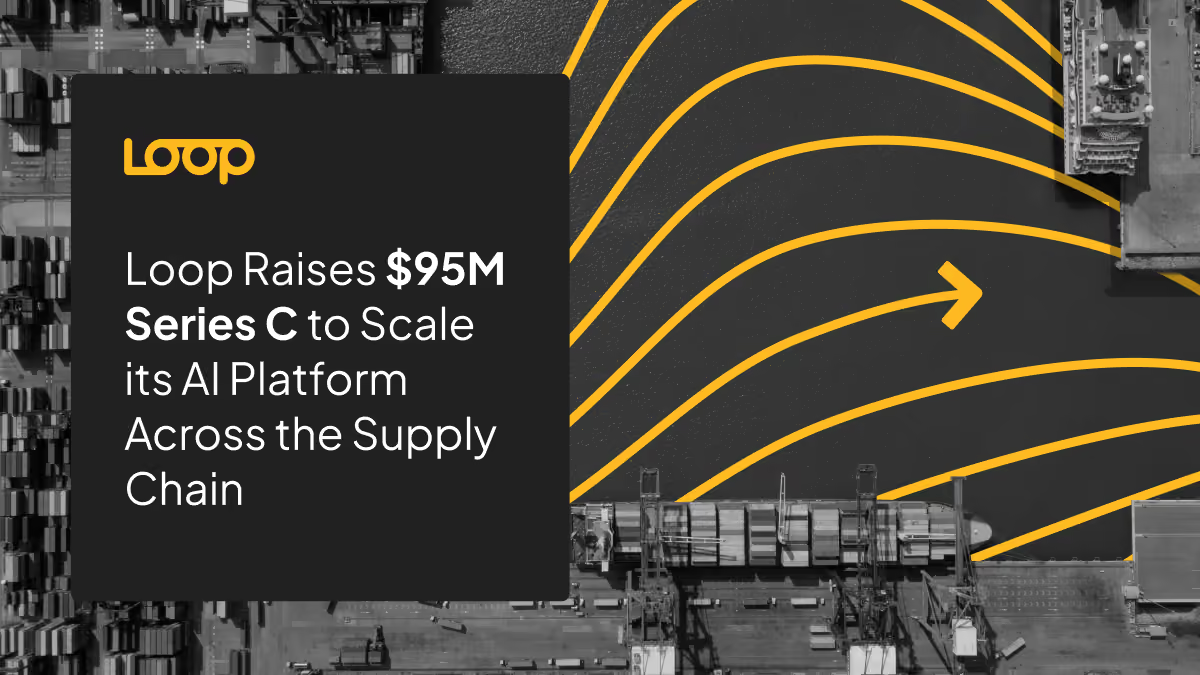
The logistics technology company is broadening its platform from transportation payments into operational and financial decisions across the supply chain.
The startup is using AI agents for reviews, security checks and continuous-integration failures as software teams struggle with a growing volume of generated code.
The Santa Clara startup is combining navigation, communications and computing functions in silicon intended for drones and robots.
The company is assembling distributed GPU capacity into a platform that lets developers choose models, hardware and deployment locations.
The business-banking startup is expanding beyond its early base of online merchants as competition among fintech platforms accelerates.
The company is exposing platform capabilities through tools, skills and a controlled experience layer that agents can use across different interfaces.
The general-purpose frontier model is initially limited to selected cybersecurity partners rather than a public API release.
The startup connects a visual design canvas directly to a product's codebase so teams can work from the same components and constraints.
The San Jose chip startup is betting that a shorter, vertical path for electricity can remove a growing bottleneck inside high-performance AI systems.
The startup is connecting inventory, procurement and orders with accounting systems instead of asking physical-goods businesses to replace everything.
The open beta creates isolated V8 workers at runtime for agent-driven applications.
The startup combines AI agents with human media experts to turn sales conversations and customer data into targeted campaigns.
The deal gives IBM a major real-time data platform for enterprise AI and hybrid cloud systems.
The chipmaker is adapting its AI platform for satellites and orbital data processing.
OpenShell, AI-Q and new Nemotron models aim to give companies more control over autonomous software.
The Dublin, California semiconductor company plans to commercialize a component that moves power vertically toward high-performance processors.
The Santa Clara company reached a $4.2 billion valuation as large AI systems create demand for faster, more flexible connections between processors.
Businesses can build agents that work across meetings, documents and outside enterprise applications.
The brain-computer interface company is preparing its PRIMA vision-restoration system for commercialization while funding a broader clinical pipeline.
The semiconductor startup is moving its co-packaged optics technology toward volume production as data centers demand faster, more efficient connections.
The 14- and 16-inch laptops add faster AI processing, higher storage floors and improved solid-state drive performance.
The new laptop doubles entry-level storage while increasing AI and graphics performance.
The entry model adds the A19 chip, MagSafe, a 48-megapixel camera and 256 gigabytes of starting storage.
The Y Combinator startup is making its streaming platform generally available as AI developers look for simpler ways to process live data.
The Seattle company's team and desktop-agent technology will support Claude's ability to operate software.
The Palo Alto AI infrastructure company will use the capital to expand its SN50 chip and SambaCloud platform as demand grows for alternatives in inference computing.
Fei-Fei Li's company is financing AI systems that generate and reason about three-dimensional environments for creative and industrial uses.
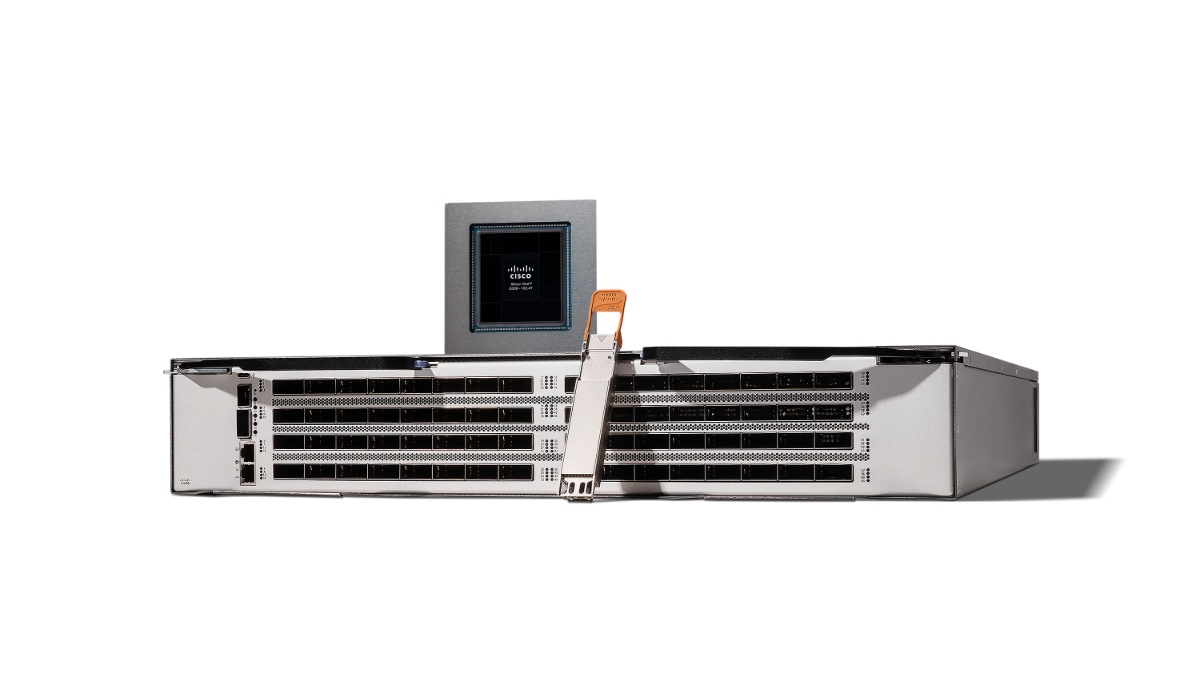
The 102.4-terabit chip is designed to move data across increasingly dense computing clusters.
The startup is building authorization and payment tools that let AI agents purchase APIs, data and computing services under defined controls.
The Mountain View company plans to expand domestic manufacturing and coordinate more residential batteries as electricity demand strains the grid.
The company founded by former Waymo leaders is moving its self-driving system from supervised job sites toward operator-less heavy equipment.