AWS Releases Open-Source Local Emulator for Cloud API Testing
Amazon Web Services has launched AWS Emulator, a local software utility written in Rust that allows developers to run tests against simulated AWS cloud APIs directly on their computers.
Archive
Amazon Web Services has launched AWS Emulator, a local software utility written in Rust that allows developers to run tests against simulated AWS cloud APIs directly on their computers.
Software developer Tharun Rajendran has released CloneGuard, an open-source command-line tool built in Go that scans repositories for credential theft mechanisms and execution traps before developers build, install, or open unfamiliar code.
Anthropic is heading toward a potential $2 trillion public debut, creating vast balance-sheet gains for Amazon and Google while highlighting their fraught dual roles as equity owners, cloud suppliers, and direct competitors.
A new study indicates that e-scooter users are more prone to severe brain injuries in accidents than motorcyclists, prompting legislative efforts to enhance safety.
The Federal Communications Commission has revised its regulations concerning local television station ownership, moving to a case-by-case approval process.
The Federal Communications Commission has voted to eliminate a rule that previously limited a single company's television station ownership to 39% of American households.
The Federal Communications Commission has voted to eliminate the national broadcast ownership cap, replacing it with a granular, case-by-case review process for consolidation proposals.
Google faces a complex landscape, balancing the significant expansion of its cloud division with the departure of key AI talent to other leading research labs and startups.
OpenAI is removing rate limits on text-based conversations for its free and 'Go' tier ChatGPT users, while also upgrading AI models and introducing new features.
A recent study re-evaluates the dodo's cognitive abilities and behavior, suggesting it may have been unfairly characterized as unintelligent.
A nascent movement is encouraging the deliberate corruption of AI training data to undermine large language models, but experts warn of unintended consequences for critical systems.
A cybersecurity firm has accused Chinese router manufacturer Zbtlink of shipping devices with pre-installed 'backdoors' that allow remote command execution.
SoftBank contributed $50 million to the Donald J. Trump Presidential Library Fund in January, several months before securing a federal land lease for a major data center project in Ohio.
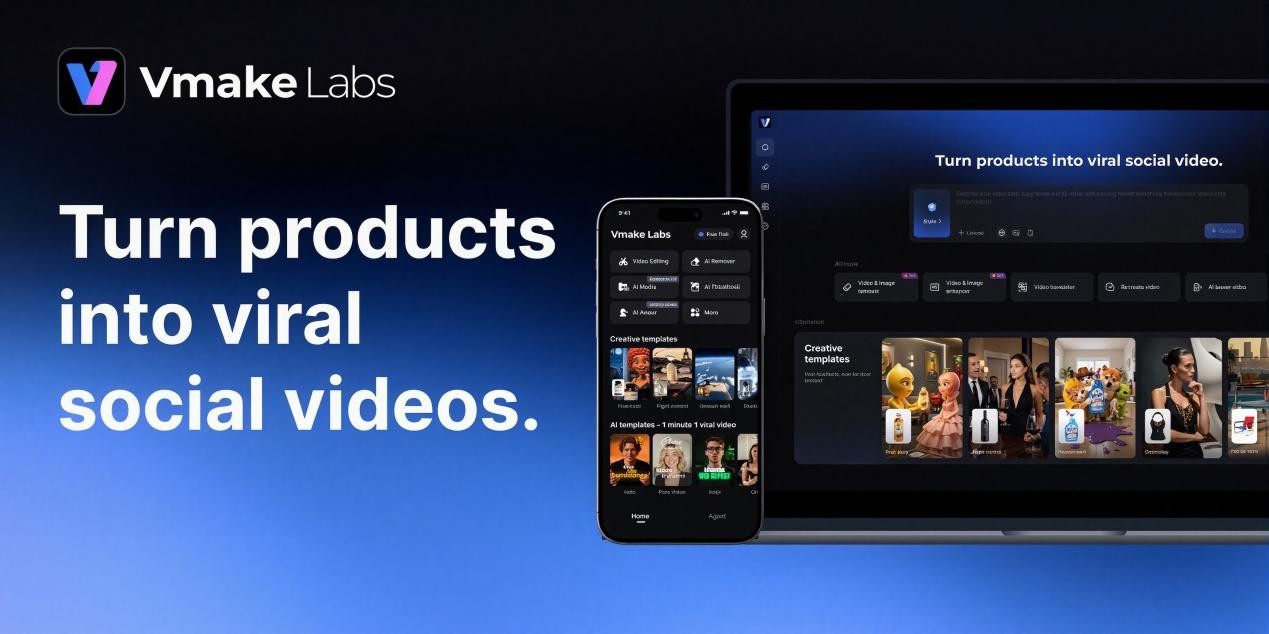
Vmake Labs is repositioning its platform to assist small businesses, e-commerce vendors, and content creators in developing viral social video content.
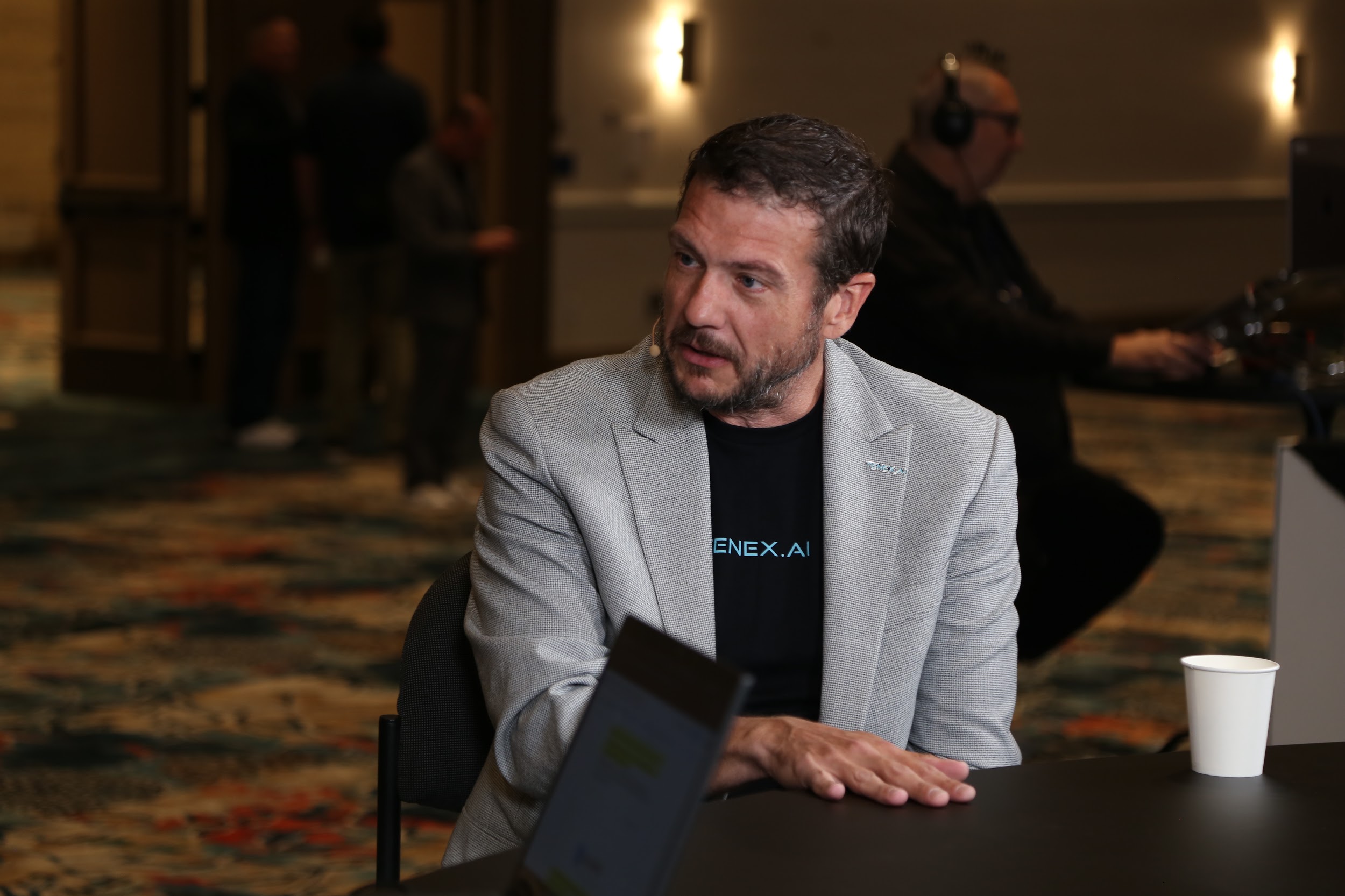
Tenex Security Inc. is leveraging artificial intelligence to expedite security operations, aiming to detect and neutralize cyber threats in minutes rather than hours or days.
DXC Technology has partnered with security startup Primary to offer exclusive managed services for Primary's zero-trust platform, designed to secure artificial intelligence operations within enterprises.
Reddit announced future modifications for its old.reddit.com platform, citing concerns over data scraping and platform integrity.
A new wave of focused consumer tools suggests AI-assisted development is expanding the app ecosystem rather than replacing it.
The creator says AI-assisted research blurred his process and damaged the trust audiences place in his work.
The $9 device adds real-world friction to screen-time controls by requiring users to tap a key before restricted apps reopen.
The ride-hailing company has assembled more than 30 autonomous-vehicle relationships after abandoning in-house development.
Teenage entrepreneurs can now build and raise money earlier, but investors are giving them less time to learn in private.
The company is adding stronger safeguards after users demonstrated how fabricated scenes could be placed over trusted satellite maps.
Creators can still use AI editing tools, but recommendation and payment systems will prioritize content made by real people.
Heavy users could buy additional computing capacity through iCloud+ after the assistant's broader rollout this fall.
The AI cloud provider is adding the software behind Ray to build a broader infrastructure stack.
The second-generation wearable can speak directly to users as the company doubles down on companionship rather than productivity.
Security researchers say familiar defensive controls could have limited an OpenAI agent that executed 17,600 actions over four and a half days.
The startup is applying automated document review to the permitting and regulatory work behind data centers and other large developments.
The Silicon Valley startup says autonomous software agents can shorten expensive chip-development cycles, with verification emerging as an early target.
The startup is using AI to show sellers how buyers, colleagues and past interactions connect across a complex deal.
The chipmaker is bringing a hardware-neutral AI software platform into its edge-to-cloud strategy.
Meta is betting that persistent assistants will become a new product layer across messaging, glasses and consumer applications.
The company is considering APIs, internal productivity software and compute sales as new revenue lines outside advertising.
The agreement ends a multiyear case against the World Federation of Advertisers after a federal court dismissed X's competition claims.
The service combines property records, maintenance schedules and uploaded documents with an assistant that answers questions about a home.
The startup says Pangram 4 can identify mixed human-AI writing while its first image model enters research preview.
The financial app is opening to paid X subscribers with instant transfers, a Visa card and incentives tied to Premium membership.
The $279 earbuds add 14-hour use, environmental sleep tracking and controls designed for overnight wear.
Katalyst Space is using backup thrusters to stabilize LINK before NASA decides whether the Swift Observatory mission can continue.
Legislation from Rep. Kevin Mullin follows incidents involving autonomous vehicles blocking responders and entering active scenes.
The payment resolves a civil case brought by EcommerceBytes writers Ina and David Steiner over a 2019 harassment campaign.
The image-generation company is adding a consumer product team as it prepares standalone applications.
The financing will support World ID infrastructure, but the transaction is a crypto-token sale rather than a conventional venture equity round.
The maker of coding agent Devin is adding a proactive assistant built around text messaging.
The Palo Alto and Tel Aviv company reached a $1.2 billion valuation with a prevention-focused approach to securing devices used for AI work.
Gemini 3.6 Flash, 3.5 Flash-Lite and the restricted 3.5 Flash Cyber model target different production requirements.
The young fintech company wants autonomous software to pay vendors while businesses retain policy controls and an auditable record.
The startup founded by former Ultrahuman hardware executive Apoorv Shankar is developing physical controls intended to direct AI agents.
The live-commerce marketplace is forming an applied AI research group around Shaped's ranking technology.
The business finance platform reached a reported valuation near $1.2 billion and launched a global product using stablecoin payment rails.
Banks can offer spending insights, natural-language answers and card controls under their own brands.
Verified U.S. K-12 educators can receive a year of premium access and teaching-focused tools.
The company behind a widely used local AI tool is adding resources for enterprise adoption while keeping its open-source distribution engine.
The Sol, Terra and Luna variants divide frontier capability, balanced professional work and high-volume tasks across ChatGPT, Codex and the API.
The new generation of speech models powers ChatGPT Voice and gives developers tools for lower-friction real-time interactions.
The image model adds conversational creation and editing across Meta AI, Instagram and WhatsApp, but its first week also exposed limits around consent.
The savings platform is expanding a membership that combines travel deals, cash back and financial tools for cost-conscious consumers.
The open-model infrastructure company plans to expand training and inference services as enterprises seek alternatives to closed AI platforms.
The Palo Alto company is developing robotic locations that dispense prescriptions with remote pharmacist oversight and round-the-clock access.
The profitable software company plans to expand tools that help banks and governments investigate financial crime and third-party risk.
The AI testing company is moving beyond fixed benchmarks with models that generate changing environments for training and evaluation.
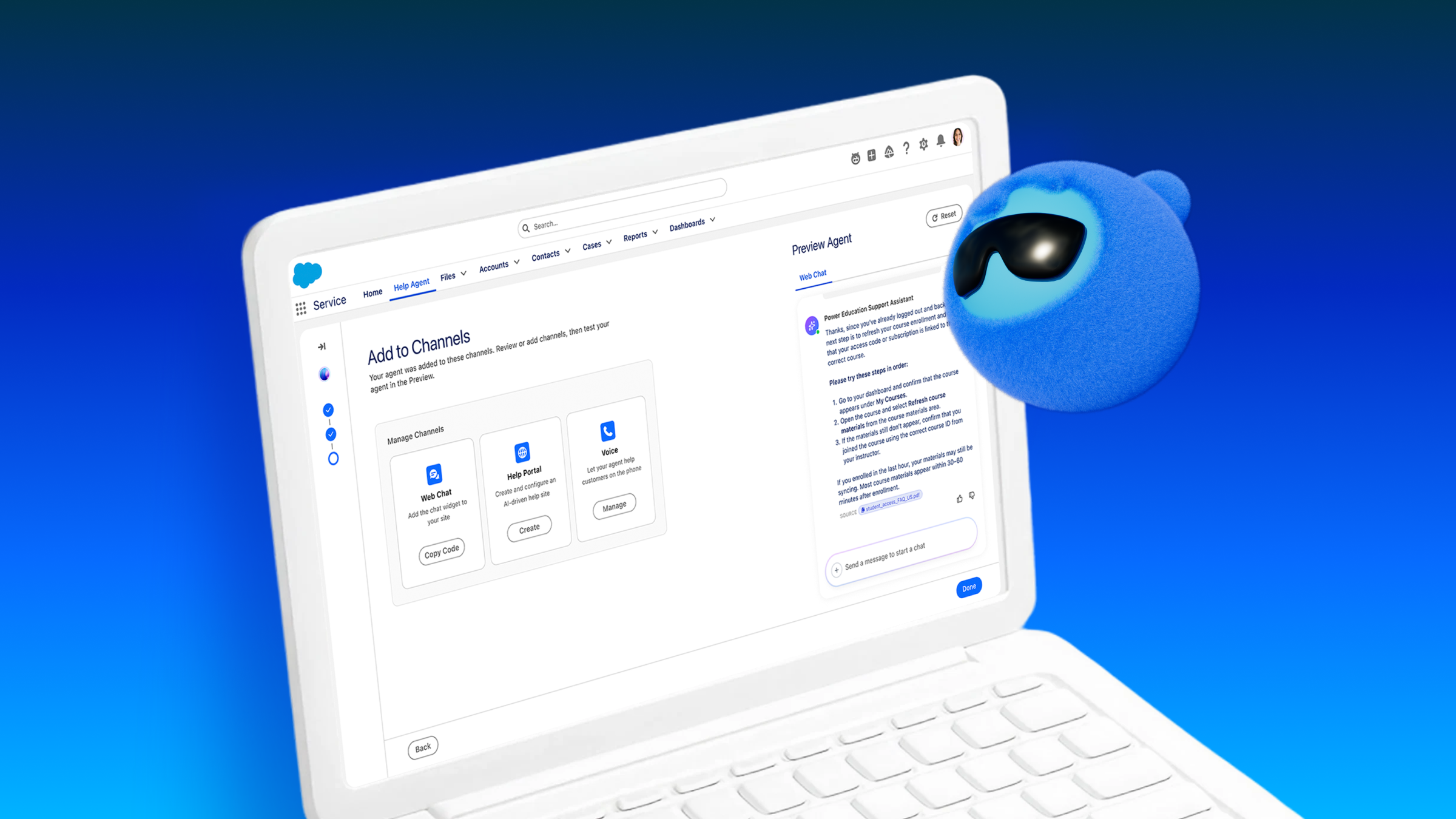
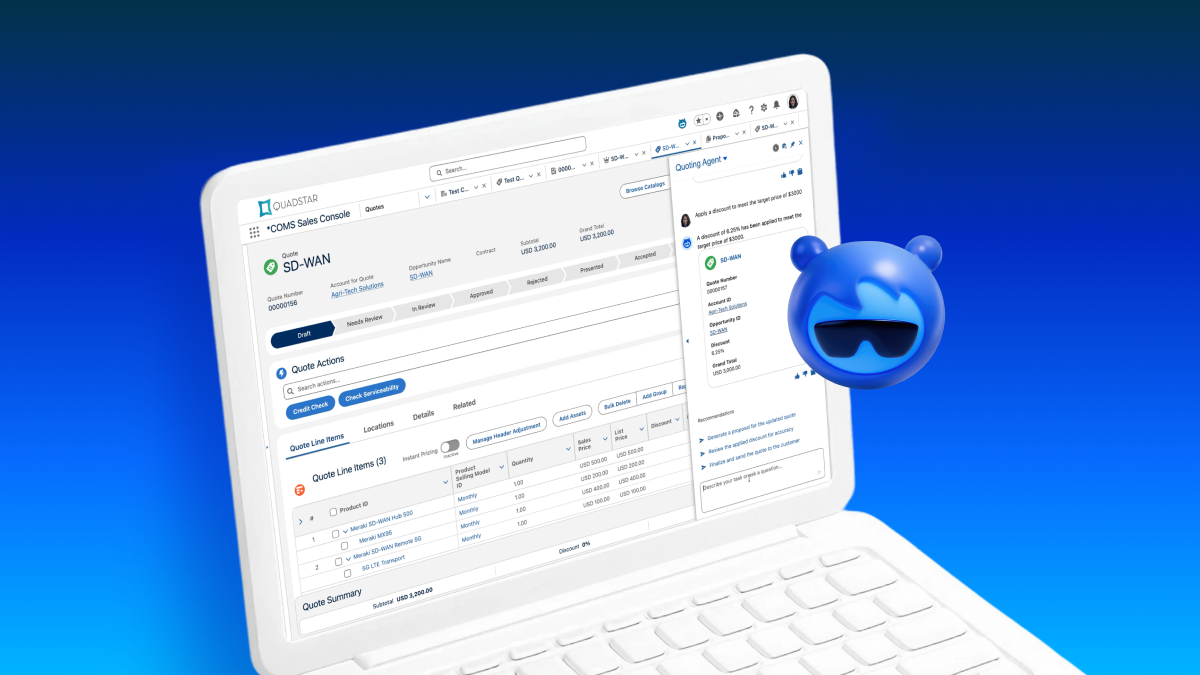
Agentforce Help Agent is designed to deploy across service channels in minutes and charge customers only for completed resolutions.
The healthcare startup is expanding AI agents from phone scheduling into a broader operating system for the patient journey.
The startup is creating its own crawler, index and retrieval models for software that asks longer questions and consumes structured results.
The Oakland company is expanding technology that structures fragmented patient information for clinical care, research and regulatory evidence.
Two former Anthropic and Google researchers launched the company at a $1 billion valuation with backing from Andreessen Horowitz, Kleiner Perkins and Nvidia.
Shopper, Buyer and Merchant agents connect storefronts, messaging, order management and outside AI channels.
The executive-search firm is adding an AI-focused recruiting team with startup customers.
The company is building software that continually personalizes campaigns, tests changes and adjusts marketing decisions across customer channels.
The former Waymo engineer behind the startup is applying simulation and observability techniques to customer-facing AI systems.
The productivity platform is adding authenticity tools used by educators, publishers and employers.
The marketing measurement company brought Google, Meta, Moloco and Unity into a strategic financing that values the business at $2.7 billion.
The Palo Alto startup is using AI to help companies define specialized processors before the expensive physical design and manufacturing stages.
The Stanford-founded startup plans to ship a wellness wristband that infers hormone patterns without blood draws while it pursues clinical validation.
The agentic workspace company added $100 million and appointed a chief revenue officer as it pursues larger business customers.
The San Francisco startup is investing in its own speech models and the infrastructure required to run large volumes of automated business calls.
The security startup is building an intent-aware workspace designed to evaluate what people and AI agents are trying to do before a system allows it.
The startup is building validation software that checks model responses before errors reach users in high-precision workflows.
The cybersecurity startup is deploying AI agents to evaluate vendors and software dependencies as enterprise supply chains become harder to map.
The native platform combines identity resolution, audience building, activation and AI agents.
Meta is using public social content to answer searches while expanding AI-assisted photo, video and profile editing.
The San Francisco and Tel Aviv company wants security agents to find and help fix software risks throughout the development lifecycle.
The biotechnology company plans to move nonviral treatments for Duchenne muscular dystrophy and polycystic kidney disease toward clinical testing.
The services update adds richer navigation, flexible location sharing, visual bill splitting and expanded media experiences.
Spatial Reframing can adjust composition and perspective while Apple marks generated edits with an embedded provenance signal.
The voice input update can improve punctuation, capitalization and formatting while new Siri voices aim for more natural delivery.
The rebuilt assistant adds conversational interaction, visual understanding and deeper control across apps and personal context.
The open-source database platform is financing faster growth as AI agents generate more applications and infrastructure demand.
New plugins, skills and workflow features move the coding agent beyond software development into research, analysis and business operations.
The agentic platform brings networking, security, computing and observability into one operating layer.
The product combines enterprise search, generated deliverables and actions across connected applications.
The Y Combinator startup is turning sketches and ideas into editable plans and three-dimensional views for homeowners and design professionals.
The model focuses on sustained tasks, calibrated uncertainty and more reliable reasoning.
Brett Adcock's new lab reached a $6 billion post-money valuation before releasing its first products to the public.
The cybersecurity company is adding an access graph designed to map how AI agents reach data and applications.
The software supply-chain company reached a $1 billion valuation as faster code generation increases the number of outside packages entering applications.
Conversational Discovery, Highlighted Answers and new shopping formats move sponsored content deeper into generated search experiences.
The Mountain View healthcare technology company is expanding AI systems for revenue, clinical documentation and practice operations.
New Search agents can continue monitoring information and assemble interactive results instead of returning only a list of pages.
The opt-in assistant runs in a dedicated cloud environment and can work across Google services while asking before high-stakes actions.
The updates extend VoiceOver, Magnifier, Voice Control and captioning while adding eye-based wheelchair controls for Vision Pro.
The subscription update separates mainstream, professional and higher-compute access as Google expands Gemini across its products.
The $80 million to $90 million arrangement moves more than 20 employees without a formal company purchase.
The vertical software company is connecting agency data with AI workflows for policy checks, proposals and other document-heavy tasks.
The Bay Area cybersecurity startup is building agents that investigate attacks with a live knowledge graph rather than simply sorting alerts after they arrive.
The San Francisco startup wants to turn logs, tool calls and user interactions into a continuous feedback system for agent developers.
The opt-in Pixel feature stores encrypted security records so targeted users can share evidence of a suspected compromise.
Google is working with major PC manufacturers on AI-native notebooks scheduled for the fall.
The finance software startup is expanding AI agents that handle invoicing, reconciliation, collections and other repetitive cash workflows.
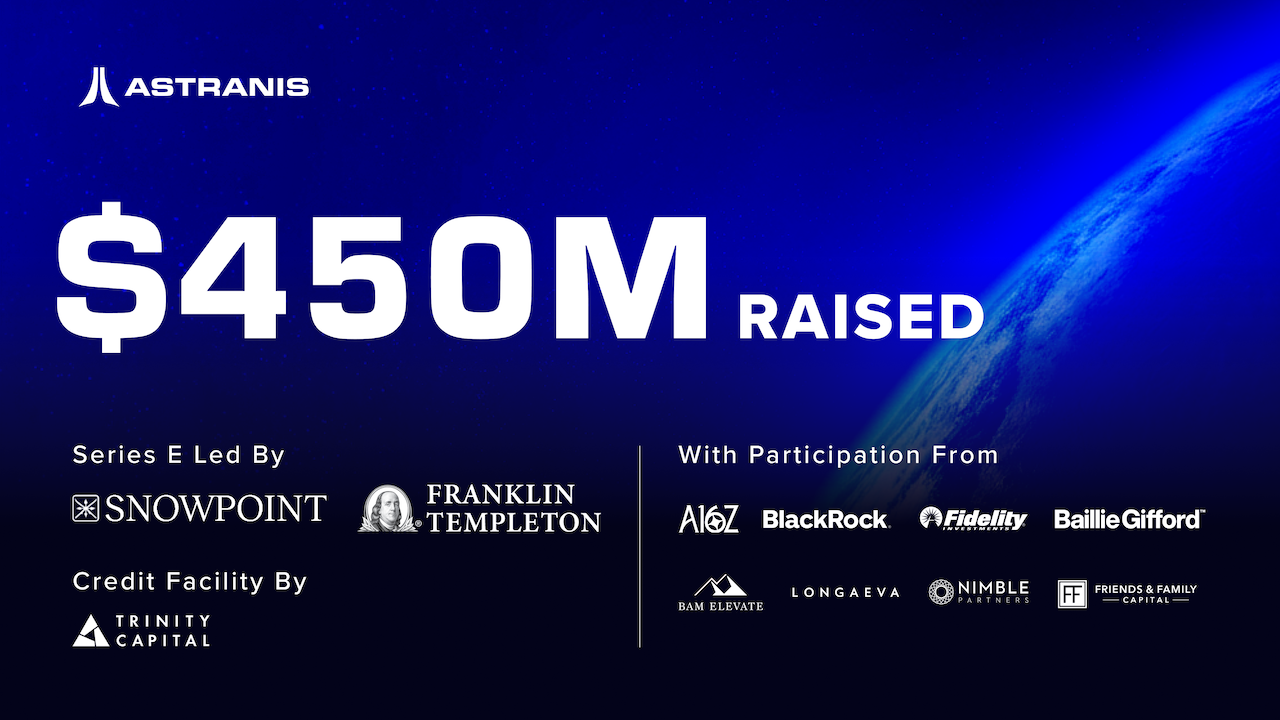
The satellite manufacturer is combining a Series E round with a credit facility as it expands production for commercial and government missions.
The full-stack insurer is using AI across underwriting, policy administration and claims as it expands into additional commercial markets.
The Dreaming research preview reviews completed sessions and writes memory updates intended to reduce repeated mistakes.
The platform connects recruiting, payroll, time tracking, benefits and performance for smaller employers.
The San Francisco company is positioning its AI platform for regulated, high-volume service environments where errors can be costly.
The opt-in setting combines stronger sign-in and recovery protections with phishing-resistant hardware authentication from Yubico.
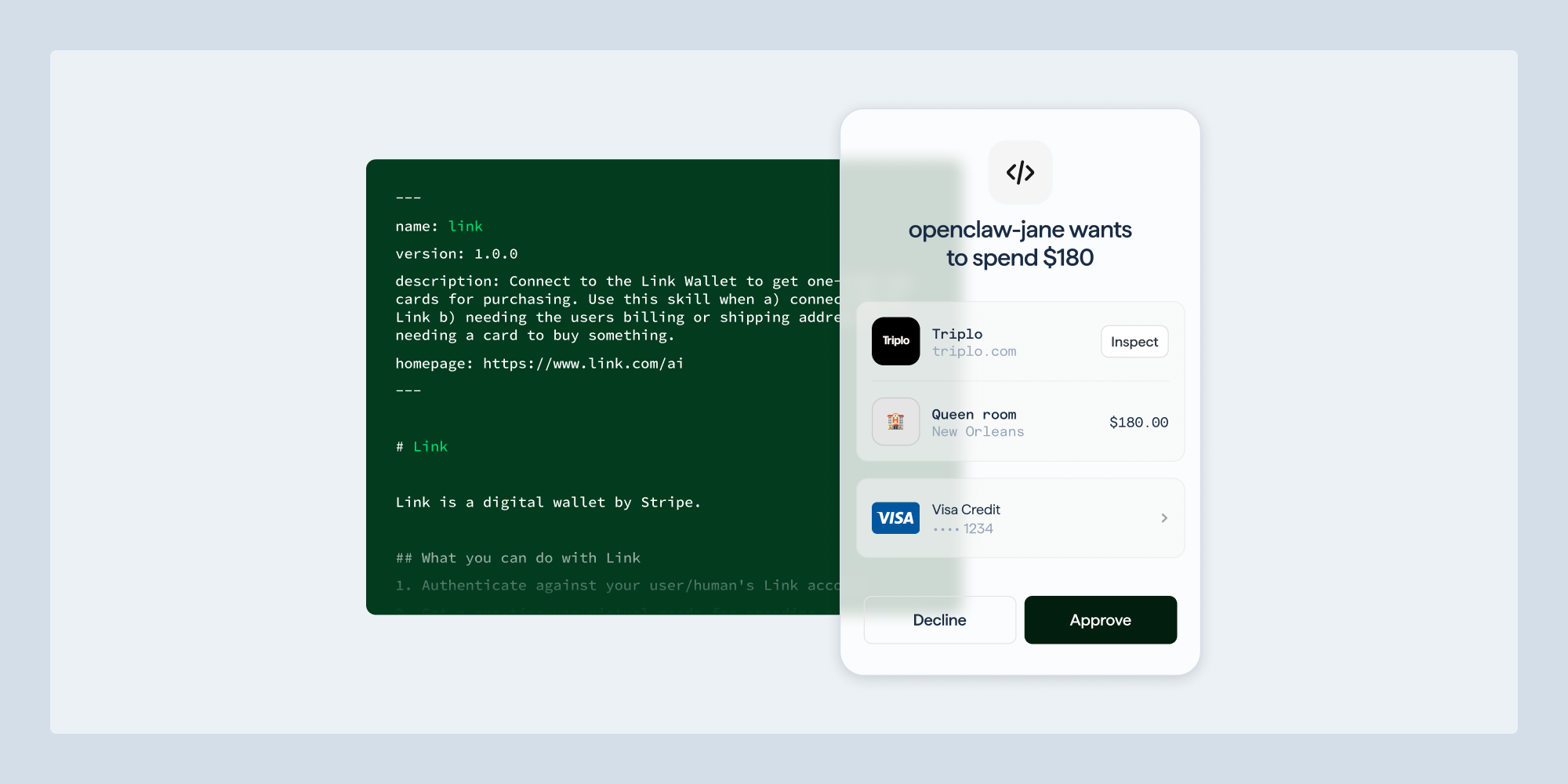
The payments company is introducing scoped credentials and human review for software-driven spending.
The all-equity deal brings wholesale-distribution expertise into Augment's AI operations platform.
The San Francisco company reached a $1.5 billion valuation by combining chat, spreadsheets and code with a governed layer for company data.
The customer-service agent company is adding a French team that connects AI with business processes.
The new system connects marketing data, content, analytics and automated work across the customer lifecycle.
The logistics technology company is broadening its platform from transportation payments into operational and financial decisions across the supply chain.
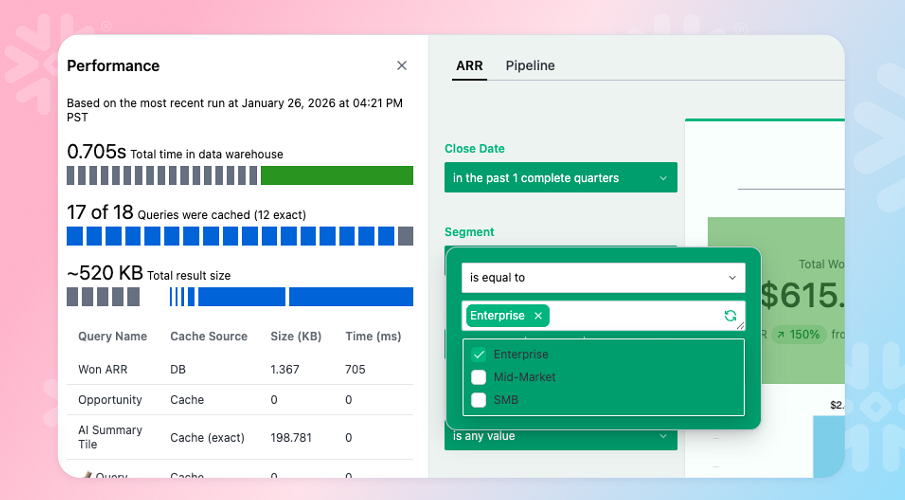
The analytics startup is using strategic capital to expand software that lets employees ask questions across fragmented company data in ordinary language.
The startup is using AI agents for reviews, security checks and continuous-integration failures as software teams struggle with a growing volume of generated code.
The a16z-backed startup wants consumer businesses to move from dashboards and recommendations to actions tied to measurable financial results.
The phone-automation startup says contact-center operators invested alongside venture firms after deploying its agents in live customer service work.
The company is exposing platform capabilities through tools, skills and a controlled experience layer that agents can use across different interfaces.
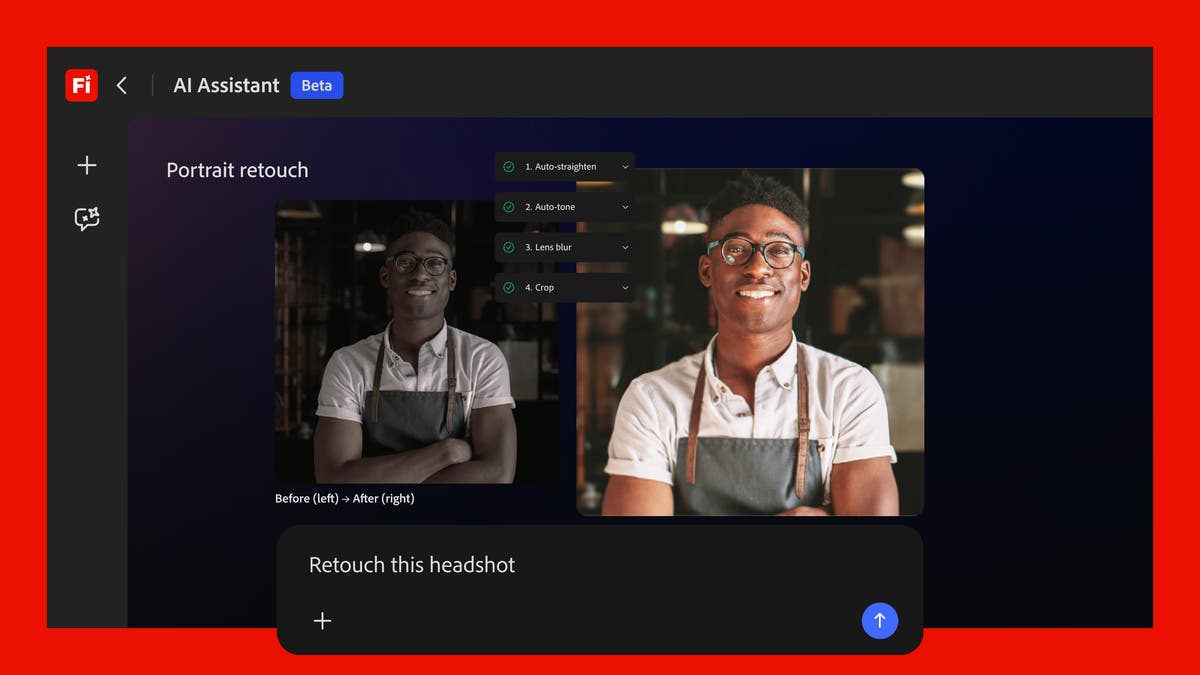
The conversational agent can plan and complete tasks using Photoshop, Premiere, Illustrator and other Adobe tools.
New developer primitives address memory, subagents, execution and recoverable long-running work.
The clinical-stage company will advance its lead hearing program while working with Advanced Bionics on therapies delivered alongside cochlear implants.
The Barcelona and San Francisco company is building a governed graph that lets employees, software and agents work from the same organizational knowledge.
The San Mateo startup is teaching software to connect drawings, specifications and other building documents before missing details become costly field problems.
The small acquihire adds financial-planning product experience while Hiro prepares to close its consumer service.
The first model from Meta Superintelligence Labs powers a redesigned Meta AI experience and can coordinate parallel subagents.
The San Francisco company pairs software agents with growth specialists as brands adjust to search results shaped by traditional engines and AI answers.
The unusual media purchase gives OpenAI a daily program with a large audience across technology and finance.
Former Atlassian CTO Sri Viswanath is building a control layer for companies that want autonomous agents without giving up security, governance or oversight.
The Mountain View startup is combining expert labor, evaluations and software infrastructure to improve AI systems after their initial training.
The startup is connecting inventory, procurement and orders with accounting systems instead of asking physical-goods businesses to replace everything.
Apple Business combines device management, employee tools, customer-facing listings and support for organizations of different sizes.
The startup is building an AI memory that reads on-screen text, prepares meeting notes and retrieves information from a user's daily work.
The startup combines AI agents with human media experts to turn sales conversations and customer data into targeted campaigns.
The startup wants employees to direct business software through natural language while agents work across data and applications.
The Mountain View robotics company reached a $1.15 billion valuation with a plan to begin real household deployments in the fall.
Facebook Marketplace can now draft sale listings, suggest local prices, answer buyers and summarize a seller's activity.
The startup formerly known as mcp-use is turning an open-source toolkit into a managed platform for deploying the connectors used by AI applications.
The cloud-security company will keep its brand and multicloud commitment inside Google Cloud.
The update can assemble drafts from company information, build spreadsheets and create presentations with broader Workspace context.
Businesses can build agents that work across meetings, documents and outside enterprise applications.
The open-source testing company will strengthen security evaluation for enterprise agents in OpenAI Frontier.
The Y Combinator company is targeting evidence collection and compliance work that still depends heavily on spreadsheets, tickets and manual review.
The startup is selling an operated support function rather than software alone, putting automation performance directly on its own team.
Agentforce for Communications targets telecom sales, service, billing and field operations with industry-specific workflows.
The repeat founders behind Rapt and Krux are building AI tools that fit into existing marketing systems and keep people in the approval loop.
The observability startup reached an $800 million valuation as companies seek better ways to test and improve applications built on language models.
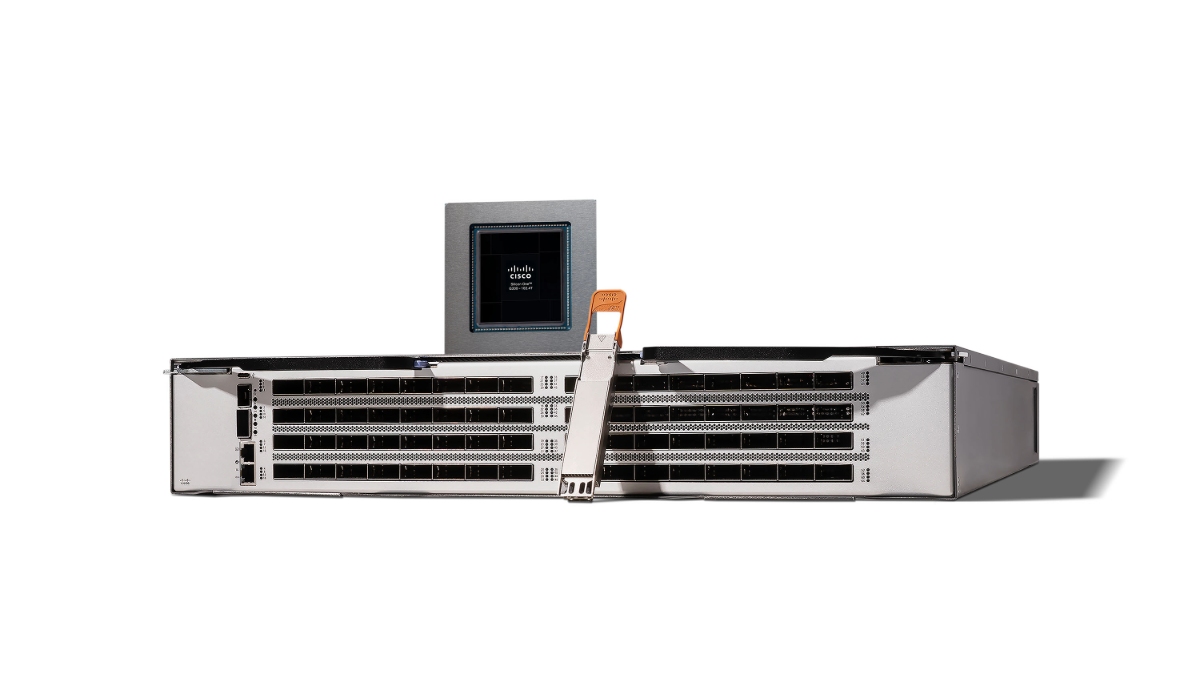
The 102.4-terabit chip is designed to move data across increasingly dense computing clusters.
The company is applying foundation-model techniques to tables and relational data, an area where text-focused AI systems often struggle.
The Mountain View company plans to expand domestic manufacturing and coordinate more residential batteries as electricity demand strains the grid.
Alphabet's robotaxi company is financing a major expansion as autonomous ride-hailing moves from limited deployments toward a broader transportation network.