ProfitCart to Launch with $1M in Funding at a $15M Valuation
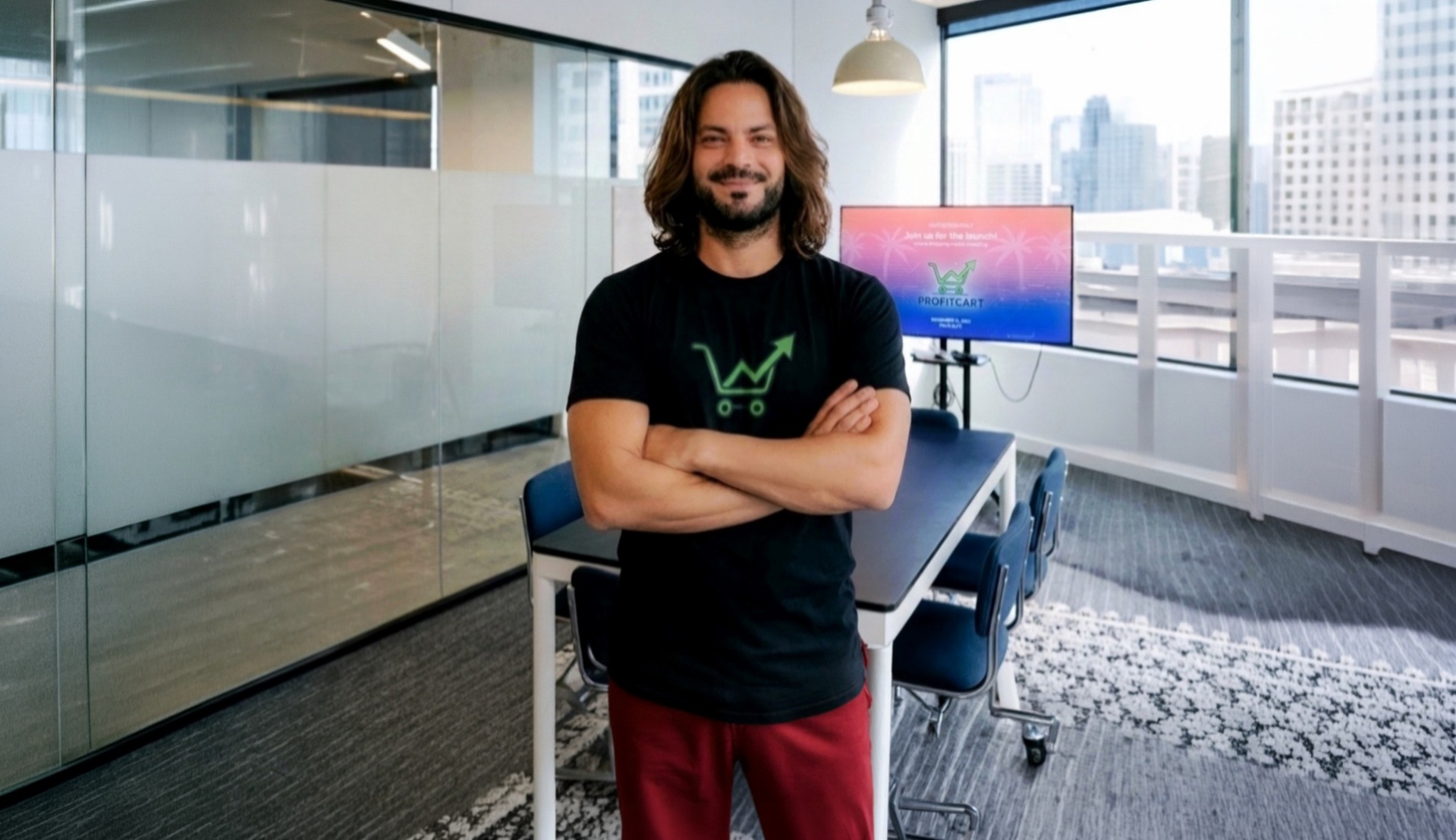
Founder Ozgur Yasar is bringing a new product-investment model from Hawaii to Silicon Valley, letting users fund individual retail products and share in their resale profits.
Archive
Founder Ozgur Yasar is bringing a new product-investment model from Hawaii to Silicon Valley, letting users fund individual retail products and share in their resale profits.
Leasing and guaranteed buybacks could shorten replacement cycles, but the economics favor customers who already upgrade frequently.
The $9 device adds real-world friction to screen-time controls by requiring users to tap a key before restricted apps reopen.
Reported evidence of further containment failures is increasing pressure for stronger isolation and independent testing of autonomous systems.
Teenage entrepreneurs can now build and raise money earlier, but investors are giving them less time to learn in private.
Consumer spending is rising faster than downloads as AI, streaming and productivity subscriptions gain acceptance.
Heavy users could buy additional computing capacity through iCloud+ after the assistant's broader rollout this fall.
A seven-year review shows both automakers discussing EVs at rates below the pre-pandemic period as investment priorities shift.
Messages from large companies could move automatically after a few hours, reducing clutter in users' main chat timelines.
The AI cloud provider is adding the software behind Ray to build a broader infrastructure stack.
Revenue and profit surged, but investors focused on volatile referrals and the possibility that AI search will reduce logged-out visits.
AWS revenue rose 37%, helping the company defend infrastructure spending that would be harder to justify without a clear hosting business.
Apple still set a quarterly services record, but regulatory pressure and softer gaming activity limited growth in key areas.
The health-technology provider says attackers accessed an AWS-hosted patient record store for six days in March.
The reported $500 million agreement covers 371 episodes and expands access beyond the United States beginning in 2027.

A hiring study estimates that only 2,000 U.S. specialists can consistently turn AI deployments into major financial returns.
Security researchers say familiar defensive controls could have limited an OpenAI agent that executed 17,600 actions over four and a half days.
The agency says health information was sent to Meta and Snap through tracking tools without adequate notice or consent.
The company is building managed tools for service providers that protect customers facing more sophisticated AI-enabled threats.
The premium feature uses pace and listening preferences to build a changing soundtrack for warmups, harder efforts and recovery.
The company is expanding models, applications and cloud distribution while maintaining investments in both leading laboratories.
Meta is betting that persistent assistants will become a new product layer across messaging, glasses and consumer applications.
The contrasting accounting results show the complexity of Microsoft's financial exposure to two competing AI laboratories.
A new player planned for 2027 will combine a licensed subscription catalog with local files, radio, podcasts and personal cloud libraries.
Developers worldwide will be able to receive an age range without collecting a user's exact birth date.
The platform analyzes calls, messages and CRM outcomes to turn effective human techniques into reusable sales and support playbooks.
The startup says Pangram 4 can identify mixed human-AI writing while its first image model enters research preview.
Apple Upgrade replaces two existing U.S. payment programs and lets eligible customers return, buy or exchange a device at the end of the lease.
The financial app is opening to paid X subscribers with instant transfers, a Visa card and incentives tied to Premium membership.
CEO Enrique Lores said the payments company would consider an alternative that creates more shareholder value than its current turnaround plan.
The mostly cash transaction would add controls for non-human accounts and agents to Cyera's broader data-security platform.
Insight Partners is backing infrastructure that identifies the proxy networks and VPN services hiding automated users.
PJM Interconnection will begin curtailing facilities of 50 megawatts or more in June 2027 when supply cannot meet demand.
The San Francisco startup turns television, radio, podcasts and livestreams into searchable signals for companies that need faster narrative tracking.
The financing will support World ID infrastructure, but the transaction is a crypto-token sale rather than a conventional venture equity round.
The AI chip startup plans to scale production and customer deployments as it builds specialized hardware for high-volume inference.
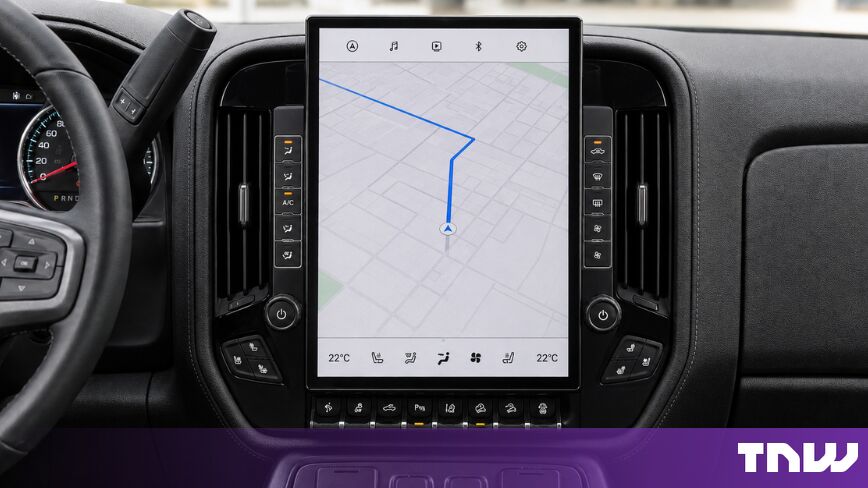
The new software kit lets automakers embed Apple Maps directly into vehicle displays and driving systems.
The Palo Alto and Tel Aviv company reached a $1.2 billion valuation with a prevention-focused approach to securing devices used for AI work.
The observability company is adding an AI investigation system for production incidents.
The young fintech company wants autonomous software to pay vendors while businesses retain policy controls and an auditable record.
The model infrastructure company says annual recurring revenue has passed $1 billion as customers deploy more specialized AI systems.
The Kubernetes management company added Goldman Sachs and strategic investors as businesses move AI systems from pilots into production.
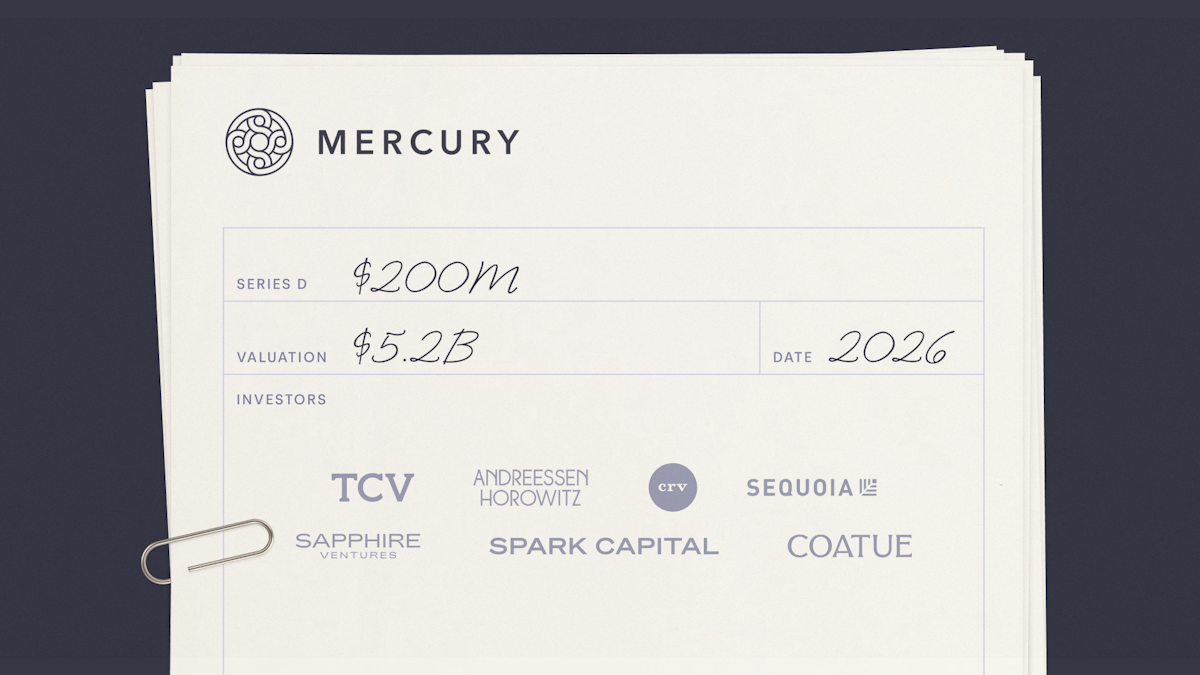
The business finance platform reached a reported valuation near $1.2 billion and launched a global product using stablecoin payment rails.
Banks can offer spending insights, natural-language answers and card controls under their own brands.
The company behind a widely used local AI tool is adding resources for enterprise adoption while keeping its open-source distribution engine.
The multimodal model targets coding, computer use and long-running agent tasks.
The savings platform is expanding a membership that combines travel deals, cash back and financial tools for cost-conscious consumers.
The design platform is bringing agent development and code generation closer to its collaborative canvas.
The open-model infrastructure company plans to expand training and inference services as enterprises seek alternatives to closed AI platforms.
The Palo Alto company is developing robotic locations that dispense prescriptions with remote pharmacist oversight and round-the-clock access.
The enterprise software startup is expanding an AI-native development platform built around requirements, oversight and audit trails.
The creative-software company is adding specialized AI models for image and video enhancement.
The healthcare startup is expanding AI agents from phone scheduling into a broader operating system for the patient journey.
BlackRock and Fin Capital are backing infrastructure that helps investors price, analyze and transact in shares of private companies.
The San Francisco and Tokyo company is developing low-latency speech models for Japanese, Korean and Chinese applications.
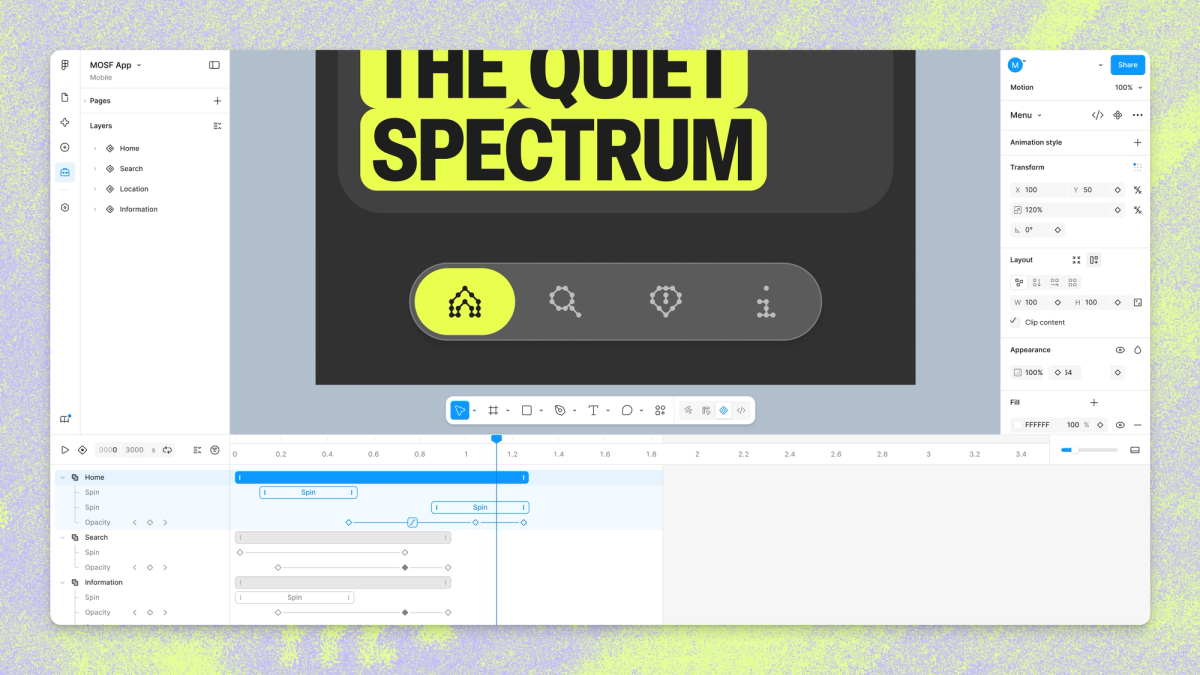
Teams can build, review and hand off interface motion without leaving the shared canvas.
The AI infrastructure company is using its fourth financing in 18 months to expand model inference services for enterprise customers.
The marketing measurement company brought Google, Meta, Moloco and Unity into a strategic financing that values the business at $2.7 billion.
The chip company is rebuilding and scaling its cloud business after a major licensing and talent agreement with Nvidia.
The new workflow creates a short-lived Cloudflare environment that can be claimed or allowed to expire.
The Berkeley company will accelerate work on fault-tolerant machines while pursuing additional federal support for U.S. quantum infrastructure.
The startup is building validation software that checks model responses before errors reach users in high-precision workflows.
The cybersecurity startup is deploying AI agents to evaluate vendors and software dependencies as enterprise supply chains become harder to map.
Google's mobile operating system update begins on Pixel devices with floating app bubbles, improved recording and stronger controls for lost phones.
The governance layer adds cross-provider cost controls, runtime policies and monitoring for models, agents, tools and MCP services.
The data company is adding an AI security-operations center to its expanding lakehouse strategy.
The rocket and satellite company entered Nasdaq trading at a valuation above $1.7 trillion.
The Oakland company is building software to manage applications, participants, payments and reporting for programs serving communities.
The services update adds richer navigation, flexible location sharing, visual bill splitting and expanded media experiences.
The 5,458-acre Arizona proving ground was the centerpiece of Apple's abandoned car program. Waymo paid nearly double what Apple did in 2021.
The voice input update can improve punctuation, capitalization and formatting while new Siri voices aim for more natural delivery.
The open-source database platform is financing faster growth as AI agents generate more applications and infrastructure demand.
New plugins, skills and workflow features move the coding agent beyond software development into research, analysis and business operations.
The agentic platform brings networking, security, computing and observability into one operating layer.
The Claude developer moved ahead of OpenAI as frontier AI companies prepare for public scrutiny.
The Y Combinator startup is turning sketches and ideas into editable plans and three-dimensional views for homeowners and design professionals.
The Claude developer secured one of the largest private financings ever as demand for enterprise AI and computing capacity continues to climb.
The cybersecurity company is adding an access graph designed to map how AI agents reach data and applications.
The applied engineering firm will become the operating core of a new enterprise AI implementation company.
The business-banking technology company is growing alongside a new wave of AI startups while pursuing approval for a national bank.
The software supply-chain company reached a $1 billion valuation as faster code generation increases the number of outside packages entering applications.
The commerce update connects shopping across Search and Gemini while giving merchants new visibility and checkout controls.
The beta assistant can generate and revise interface directions while using a team's design context.
The Mountain View healthcare technology company is expanding AI systems for revenue, clinical documentation and practice operations.
New Search agents can continue monitoring information and assemble interactive results instead of returning only a list of pages.
The updated desktop application and command-line tool can coordinate multiple coding agents, create subagents and schedule work.
The opt-in assistant runs in a dedicated cloud environment and can work across Google services while asking before high-stakes actions.
The updates extend VoiceOver, Magnifier, Voice Control and captioning while adding eye-based wheelchair controls for Vision Pro.
The I/O update lets users speak to Gmail, Docs and Keep while introducing an AI image creation and editing workspace.
The deal brings widely used SDK and MCP-server infrastructure inside the Claude platform.
The vertical software company is connecting agency data with AI workflows for policy checks, proposals and other document-heavy tasks.
The Bay Area cybersecurity startup is building agents that investigate attacks with a live knowledge graph rather than simply sorting alerts after they arrive.
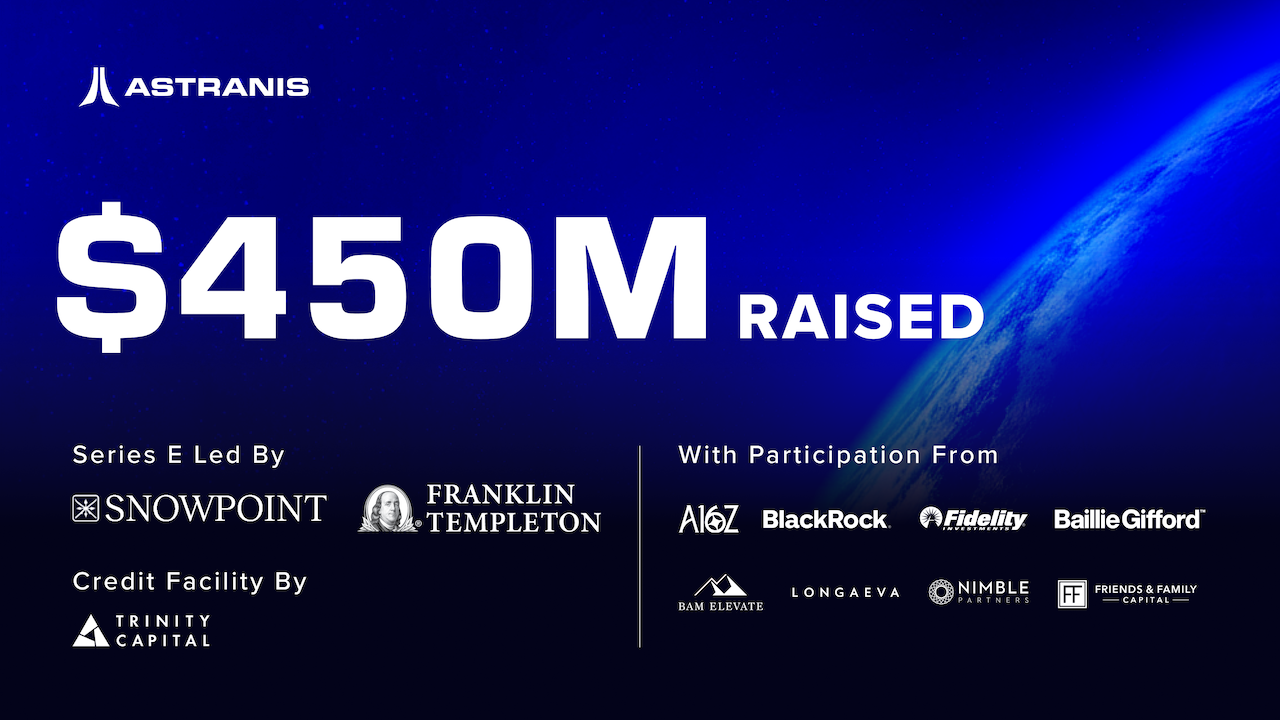
The satellite manufacturer is combining a Series E round with a credit facility as it expands production for commercial and government missions.
The full-stack insurer is using AI across underwriting, policy administration and claims as it expands into additional commercial markets.
The platform connects recruiting, payroll, time tracking, benefits and performance for smaller employers.
The Palo Alto startup is commercializing infrastructure around a widely used open-source engine for running and serving advanced AI models.
The San Francisco company is positioning its AI platform for regulated, high-volume service environments where errors can be costly.
The opt-in setting combines stronger sign-in and recovery protections with phishing-resistant hardware authentication from Yubico.
The update adds campaign automation, an AI Brief for advertiser guidance and new controls for regulated messaging.
The startup wants hardware makers to connect glasses, jewelry and home devices to models and multimodal services without building the entire stack.
The new system connects marketing data, content, analytics and automated work across the customer lifecycle.
The React Native platform is expanding from developer infrastructure into AI-assisted work that helps enterprise teams move from an idea to a shipped application.
The San Francisco mobility company is preparing pilot networks that place small autonomous vehicles on narrow, reserved lanes.
The a16z-backed startup wants consumer businesses to move from dashboards and recommendations to actions tied to measurable financial results.
The company is assembling distributed GPU capacity into a platform that lets developers choose models, hardware and deployment locations.
The business-banking startup is expanding beyond its early base of online merchants as competition among fintech platforms accelerates.
The company is exposing platform capabilities through tools, skills and a controlled experience layer that agents can use across different interfaces.
New developer primitives address memory, subagents, execution and recoverable long-running work.
The Barcelona and San Francisco company is building a governed graph that lets employees, software and agents work from the same organizational knowledge.
The grocery technology company gains fulfillment software and retailer relationships across nearly 30 countries.
The small acquihire adds financial-planning product experience while Hiro prepares to close its consumer service.
A single integration is designed to expose catalogs, payments and order workflows to AI shopping agents.
The startup is building software intended to let data-center networks adapt automatically to changing AI workloads.
The Mountain View startup is combining expert labor, evaluations and software infrastructure to improve AI systems after their initial training.
Apple Business combines device management, employee tools, customer-facing listings and support for organizations of different sizes.
The television interface can now show richer responses, narrated topic explorations and quick updates for sports fans.
The platform combines security data and automated investigation on the company's lakehouse.
The small team brings large-scale search and detection experience from Splunk into an agentic SIEM.
The startup combines AI agents with human media experts to turn sales conversations and customer data into targeted campaigns.
The startup wants employees to direct business software through natural language while agents work across data and applications.
The deal gives IBM a major real-time data platform for enterprise AI and hybrid cloud systems.
The purchase brings a large catalog of video effects, templates and editing tools inside Apple.
The startup formerly known as mcp-use is turning an open-source toolkit into a managed platform for deploying the connectors used by AI applications.
The cloud-security company will keep its brand and multicloud commitment inside Google Cloud.
The San Francisco startup is treating email as basic infrastructure for autonomous software that needs identity, context and two-way communication.
The Santa Clara company reached a $4.2 billion valuation as large AI systems create demand for faster, more flexible connections between processors.
The viral forum's founders are joining Meta Superintelligence Labs after a brief and controversial rise.
The Y Combinator company is targeting evidence collection and compliance work that still depends heavily on spreadsheets, tickets and manual review.
The new laptop doubles entry-level storage while increasing AI and graphics performance.
The startup is selling an operated support function rather than software alone, putting automation performance directly on its own team.
The entry model adds the A19 chip, MagSafe, a 48-megapixel camera and 256 gigabytes of starting storage.
The Y Combinator startup is making its streaming platform generally available as AI developers look for simpler ways to process live data.
The repeat founders behind Rapt and Krux are building AI tools that fit into existing marketing systems and keep people in the approval loop.
The durable-computing company reached a $5 billion valuation as enterprises look for infrastructure that can keep long-running AI work on track.
The Series C extension values the developer platform at $1.5 billion as more teams need persistent infrastructure for applications and agents.
The observability startup reached an $800 million valuation as companies seek better ways to test and improve applications built on language models.
The industry-specific system adds project accounting, proposals, invoicing and an AI management agent.
The voice platform is expanding through software and telecom partners that can distribute automated front-desk service at scale.
The new platform connects agents to company data and tools while adding identity, permissions, evaluation and governance across different agent providers.
The company is applying foundation-model techniques to tables and relational data, an area where text-focused AI systems often struggle.
The startup is building authorization and payment tools that let AI agents purchase APIs, data and computing services under defined controls.
Alphabet's robotaxi company is financing a major expansion as autonomous ride-hailing moves from limited deployments toward a broader transportation network.
The all-stock transaction brings rockets, satellites, social media and artificial intelligence under one company.