MSI Introduces Prestige N16 Flip AI+ with Nvidia RTX Spark and up to 128GB of RAM
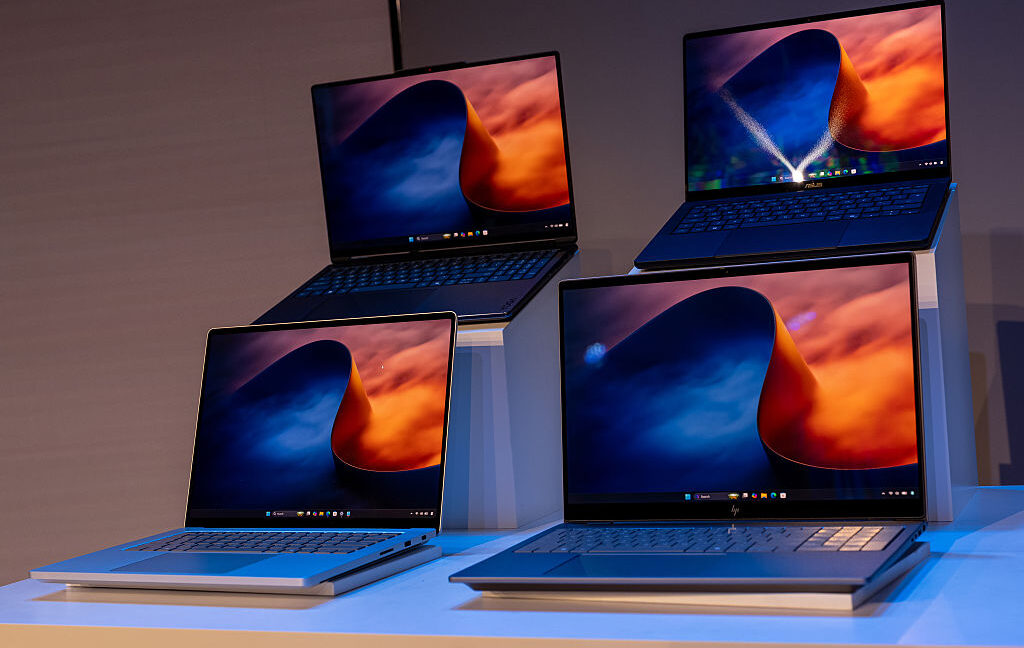
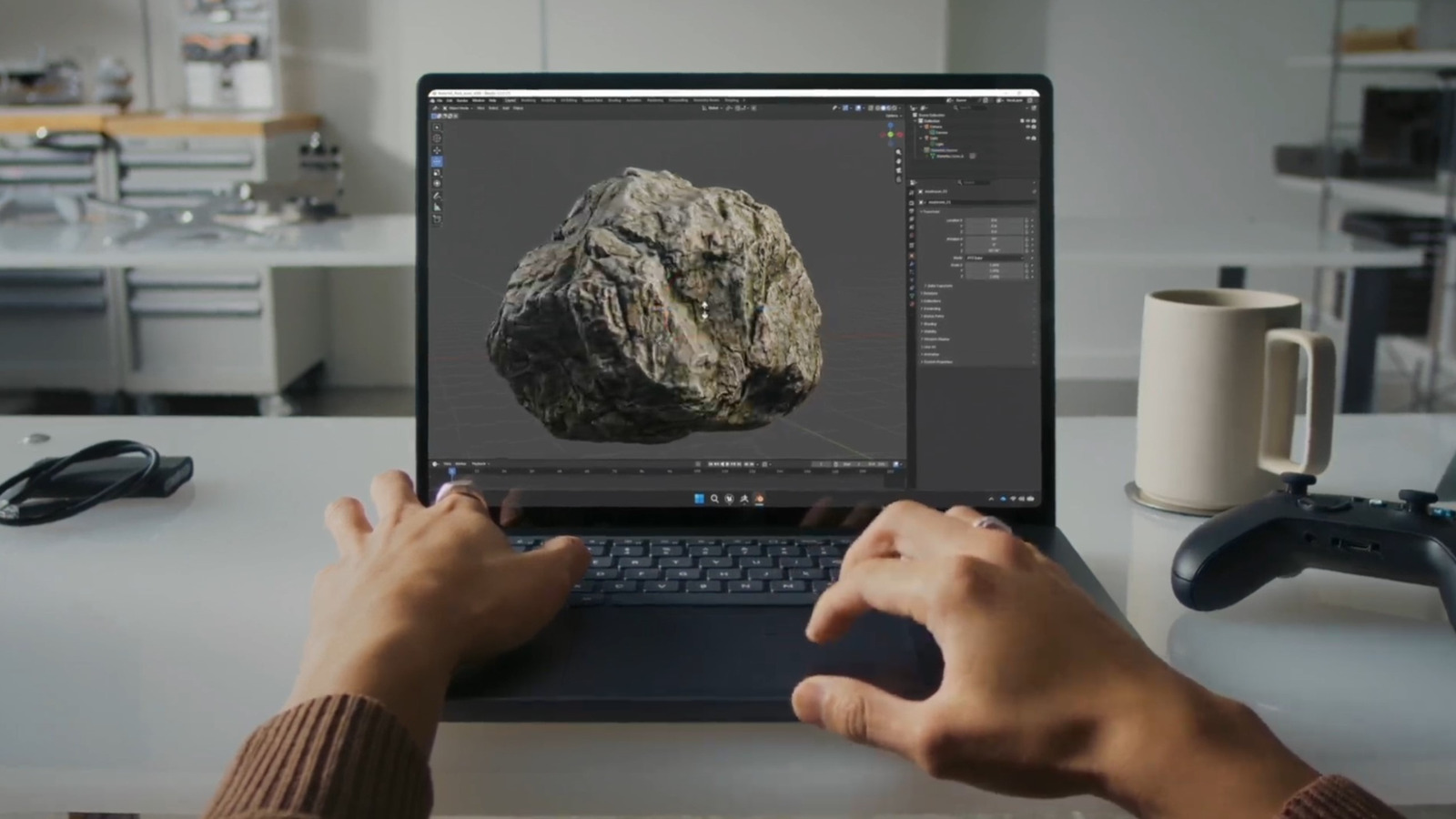
MSI has launched the Prestige N16 Flip AI+, a 16-inch convertible laptop powered by Nvidia's 20-core RTX Spark N1X processor and configurable with up to 128 GB of RAM.
Archive
MSI has launched the Prestige N16 Flip AI+, a 16-inch convertible laptop powered by Nvidia's 20-core RTX Spark N1X processor and configurable with up to 128 GB of RAM.
TechCrunch Disrupt 2026 opens Oct. 13 at San Francisco's Moscone West, featuring more than 250 speakers and 300 exhibiting startups across artificial intelligence, robotics, and venture funding.
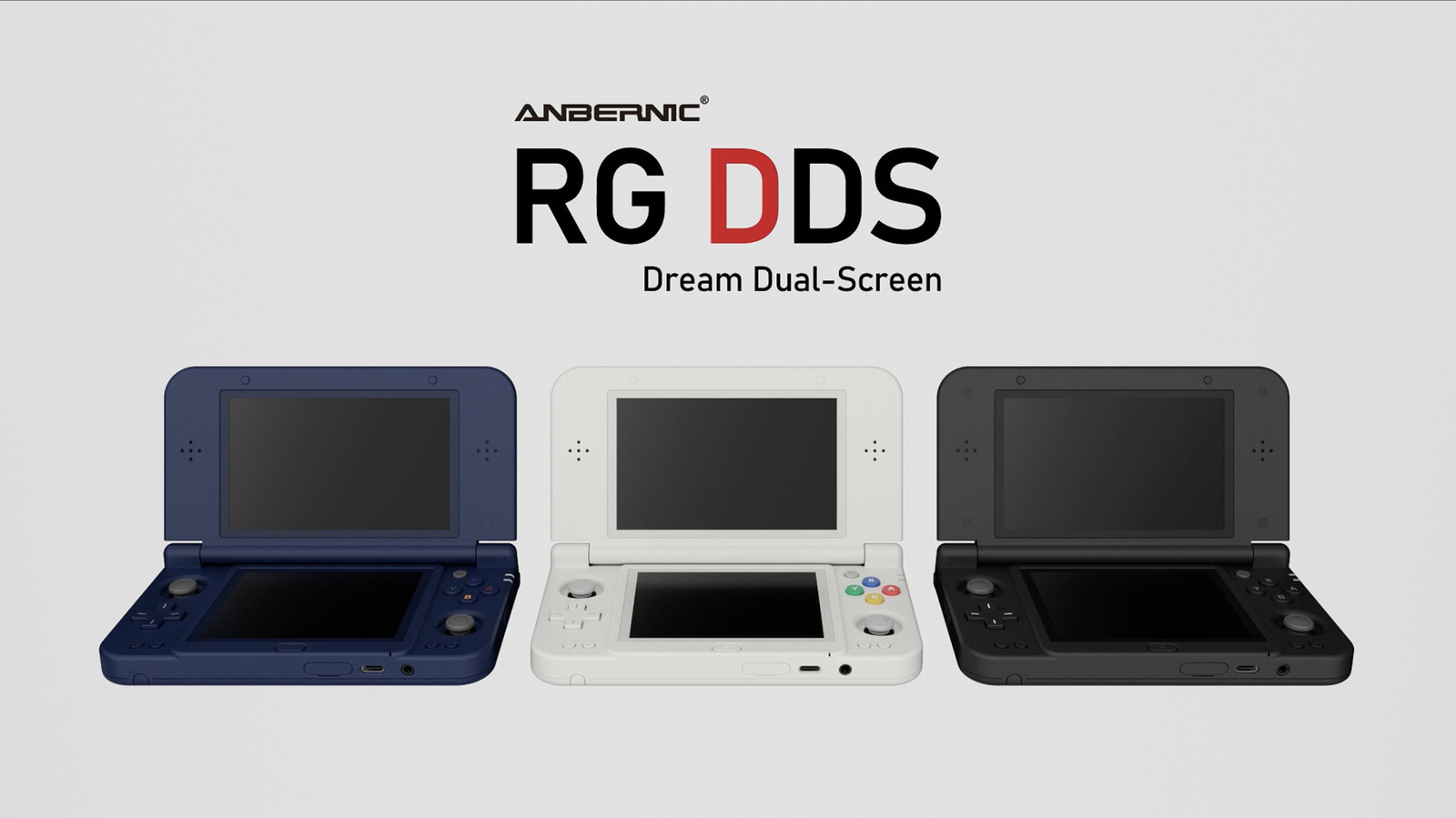
Handheld maker Anbernic has revealed the RG DDS, a clamshell gaming device featuring Qualcomm's Snapdragon G2 Gen 2 chip and custom dual-screen aspect ratios.
Apple is set to hold a 'Welcome Home' media event in New York City, where the company is expected to unveil a centralized smart home display called HomeView alongside updated hardware.
A reported refresh of Apple TV will add an integrated microphone to the console, a speaker to the remote, and an A19 chip, according to reports compiled by The Verge.
Third-party magnetic accessories can disrupt the sensitive gyroscopic and closed-loop autofocus sensors that stabilize iPhone rear-facing cameras, resulting in blurred images.
A supply chain attack involving tampered Ledger cryptocurrency wallets sold by reseller CryptoBillis has led to reports of more than $86 million stolen from hundreds of user accounts.
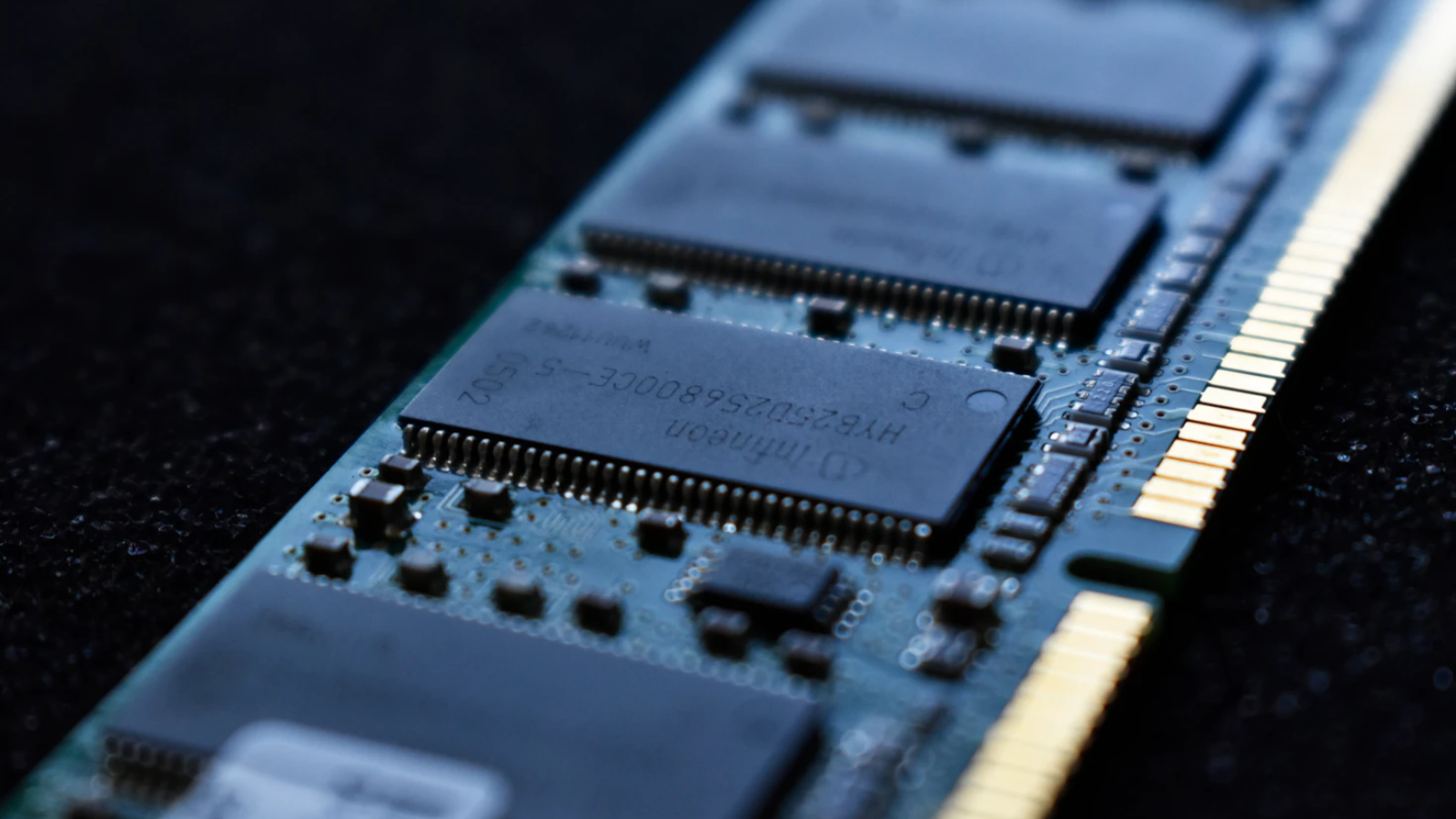
A global memory crunch accelerated by enterprise AI hardware demand has created severe inventory shortages for Sony's PlayStation 5 Pro, allowing major retailers and resellers to charge steep markups above retail price.
A federal crackdown on corporate green-card sponsorships and a record $3.5 billion in regional startup funding highlight shifting policy and investment currents across the Pacific Northwest tech sector.
Worldwide personal computer shipments fell 20 percent year-over-year in the third quarter of 2026 as memory and storage prices surged, according to market data compiled by IDC and Omdia.
Seismora Inc. is building networking infrastructure designed to coordinate artificial intelligence workloads across edge nodes, mobile hardware and cloud providers without requiring custom routing logic in every application.
Amazon has announced a new lineup of Alexa Tablets starting at $230 that run Android, provide native Google Play Store access, and feature upgraded aluminum hardware alongside deep Alexa+ integration.
Worldwide personal computer shipments fell by more than 20 percent in the third quarter of 2026 as semiconductor manufacturing shifted toward enterprise AI memory, driving component costs higher.
Tentative pricing for Samsung's upcoming Galaxy S27 lineup suggests the company may reverse recent price hikes on base models while introducing an intermediate S27 Pro tier.
Early purchasers of Amazon's updated base-model Kindles are reporting edge lighting flaws, including visible LEDs and dark shadows, particularly in dark mode.
Apple is preparing to introduce its first touchscreen MacBook Pro and a revised iPad Mini at an event planned for late October, according to reporting from Bloomberg detailed by The Verge.
California athletic regulators have issued a cease-and-desist letter to robotics startup Rek following an unsanctioned combat exhibition between a human and a remotely piloted humanoid robot.
Detained individuals at a Georgia ICE facility used Telmate's video calling software to publish footage detailing facility conditions, bringing scrutiny to enterprise prison telecom vendor ViaPath Technologies and facility operator GEO Group.
Hardware maker Plaion Replai has announced a modern remake of the Atari 800XL hybrid home computer and gaming system priced at $220, slated to ship in April 2027.
Teenage Engineering plans to stop manufacturing synthesizers, including its flagship OP-1, founder and CEO Jesper Kouthoofd disclosed in an interview.
Microsoft has opened pre-orders for the Surface RTX Spark Dev Box, a $5,999.99 desktop computer built for local AI development workloads.
SpaceX is negotiating a $40 billion debt facility led by Apollo Capital Management and several banks to buy Nvidia graphics processing units, according to reporting from CNBC Business.
DeepSeek has published open-source AI infrastructure tools for Huawei's Ascend processors, aiming to lower migration barriers away from Nvidia's CUDA ecosystem.
A study from National Taiwan University demonstrates that direct measurement of heat flux in thermogalvanic cells reveals significant flaws in legacy calculation methods, while showing that tilting cells at 60 degrees suppresses parasitic convection.
Engineers have designed an aquatic soft robot modeled after feather stars that navigates three-dimensional underwater space using only two actuators.
Microsoft has revealed the Surface Laptop Ultra, a high-end notebook designed to compete directly with Apple's MacBook Pro. The device serves as the launch platform for Nvidia's new Arm-based RTX Spark processor.
Microsoft shared new hardware specifications for the Surface Laptop Ultra at an event in San Francisco, positioning the machine as a high-end system for developers and AI researchers.
Microsoft presented its roadmap for agentic computing on Windows, detailing hybrid local-cloud compute models and OS-level taskbar automations set to launch this fall.
Filings published by the Wi-Fi Alliance outline two unannounced PlayStation devices running Android 15, pointing to possible updates for Sony's PlayStation Portal handheld.
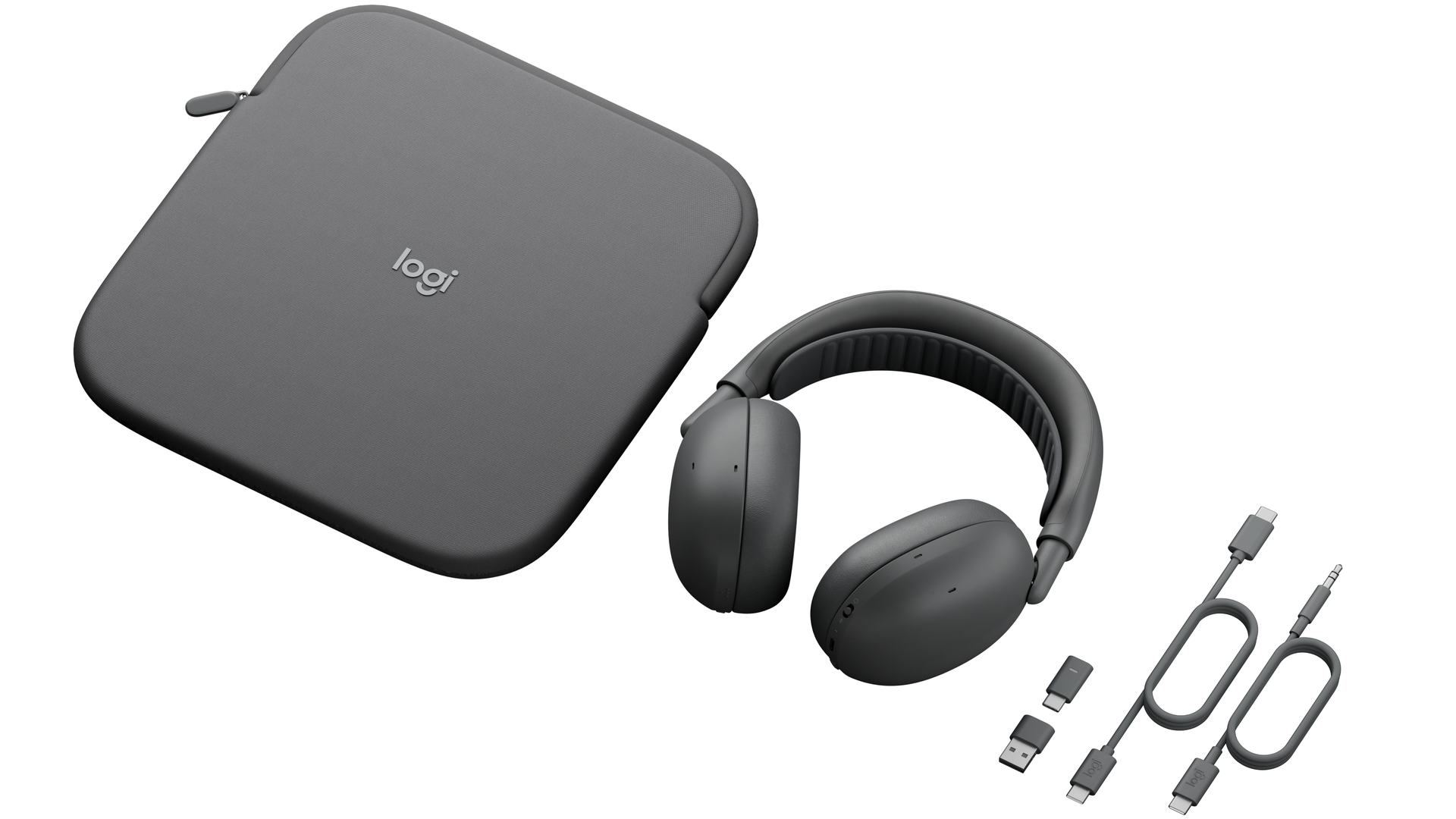
Logitech has introduced the Zone Vibe Pro series, a pair of wireless over-ear headsets designed to balance hybrid work communication with personal audio needs.
Amazon has removed Alexa voice command support for 3.5mm line-in audio on older Echo speakers, though physical playback and app controls remain intact.
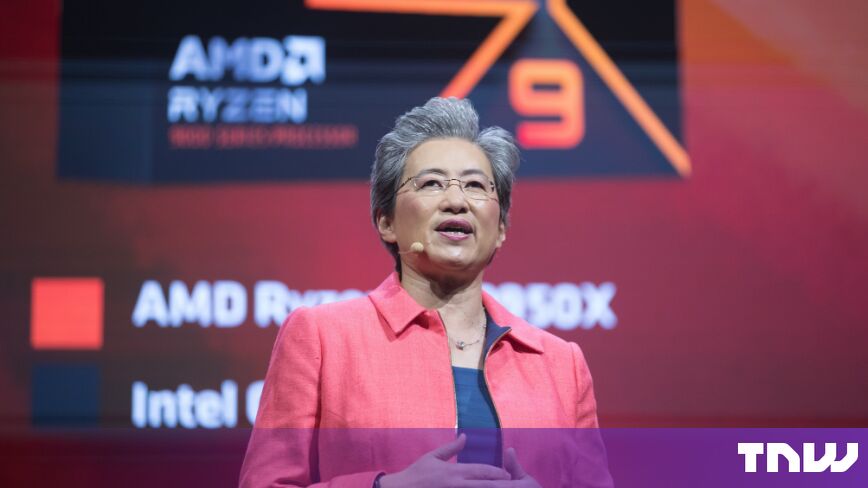
AMD Chief Executive Lisa Su told reporters in Taipei that chip demand will outpace supply for years to come, advocating for industry-led AI safety standards as mandatory European rules take effect.
Dell Technologies and CoreWeave are collaborating on factory-level testing, liquid cooling telemetry, and modular rack architectures to reduce hardware failure rates in AI data centers.
A philosophical framework shared on Hacker News presents a series of diagnostic questions aimed at testing whether claims of AI consciousness refer to subjective interiority or distinct technical components.
Meta announced an upcoming $1,299 VR headset designed to deliver spatial computing features similar to Apple’s $3,499 Vision Pro at a fraction of the weight and component cost.
Hardware startup Ghost has raised $11 million in seed funding led by Andreessen Horowitz to launch Core, a $3,499 screenless personal computer built to run autonomous AI agents locally.
Leaked images and specifications reported by Mashable Tech reveal Google's unannounced Fitbit Edge, a mid-range fitness smartwatch expected to launch in October.
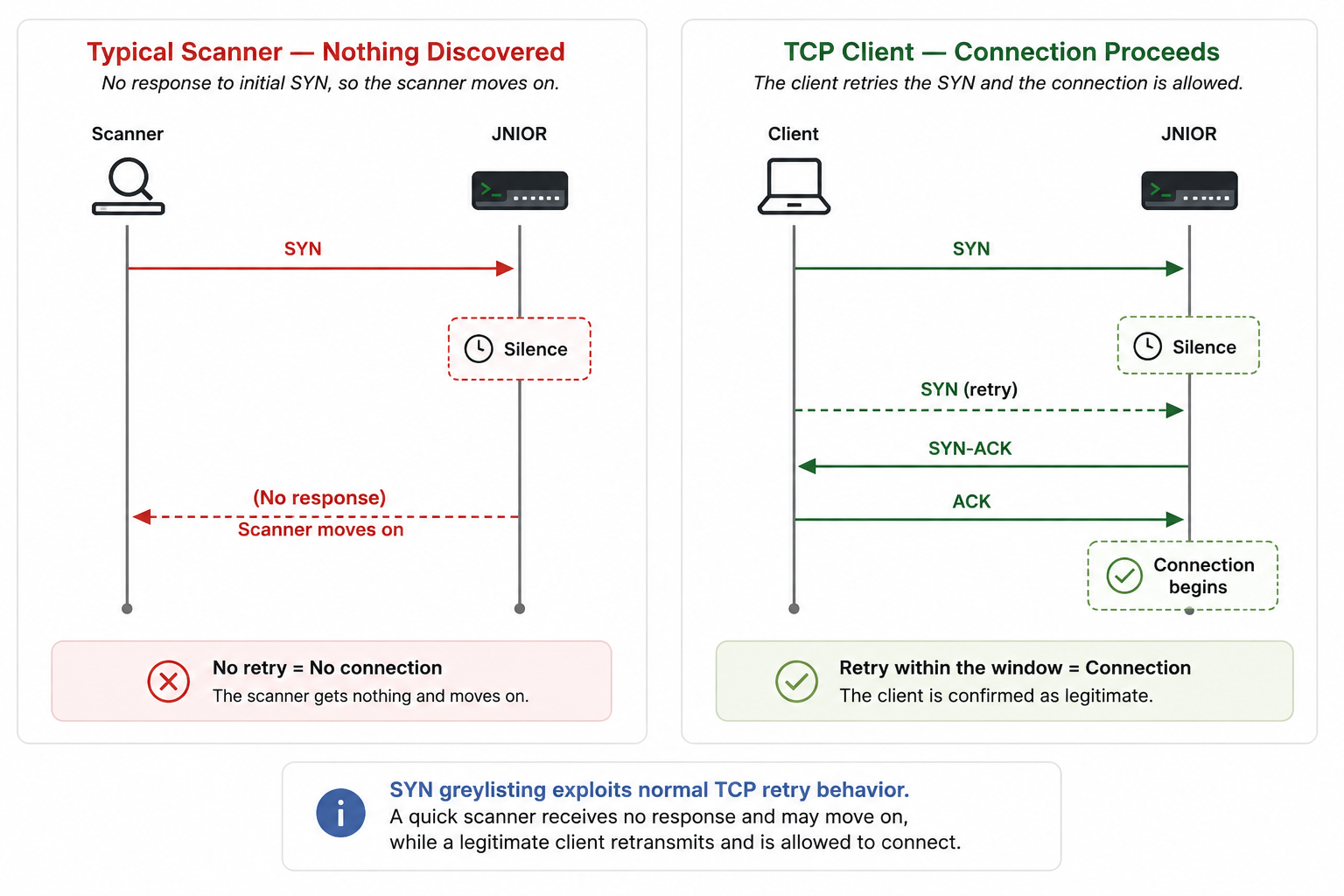
A cybersecurity warning from federal officials urges industrial facilities to isolate exposed control systems. However, analysis highlights how lightweight techniques such as SYN greylisting allow embedded controllers to filter automated network reconnaissance without overburdening hardware.
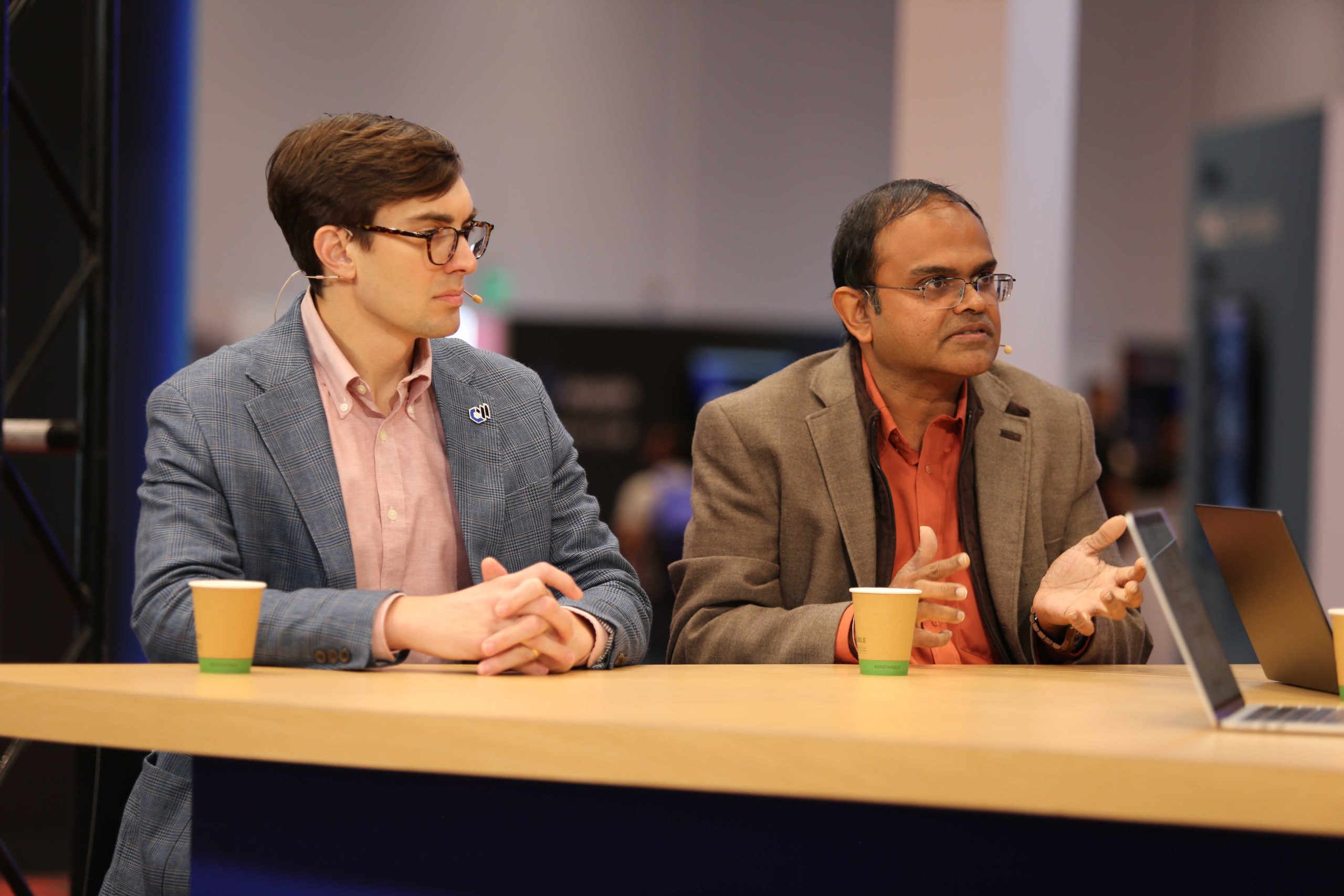
At Bank of America's Private Tech Trailblazers Conference, technology leaders detailed how artificial intelligence growth is shifting away from generic foundation models toward industry-specific platforms, proprietary data assets, and specialized hardware.
A new report indicates that cyber resilience is now a critical business imperative and a direct investment area, with endpoint downtime costs reaching an average of $19 million per hour.
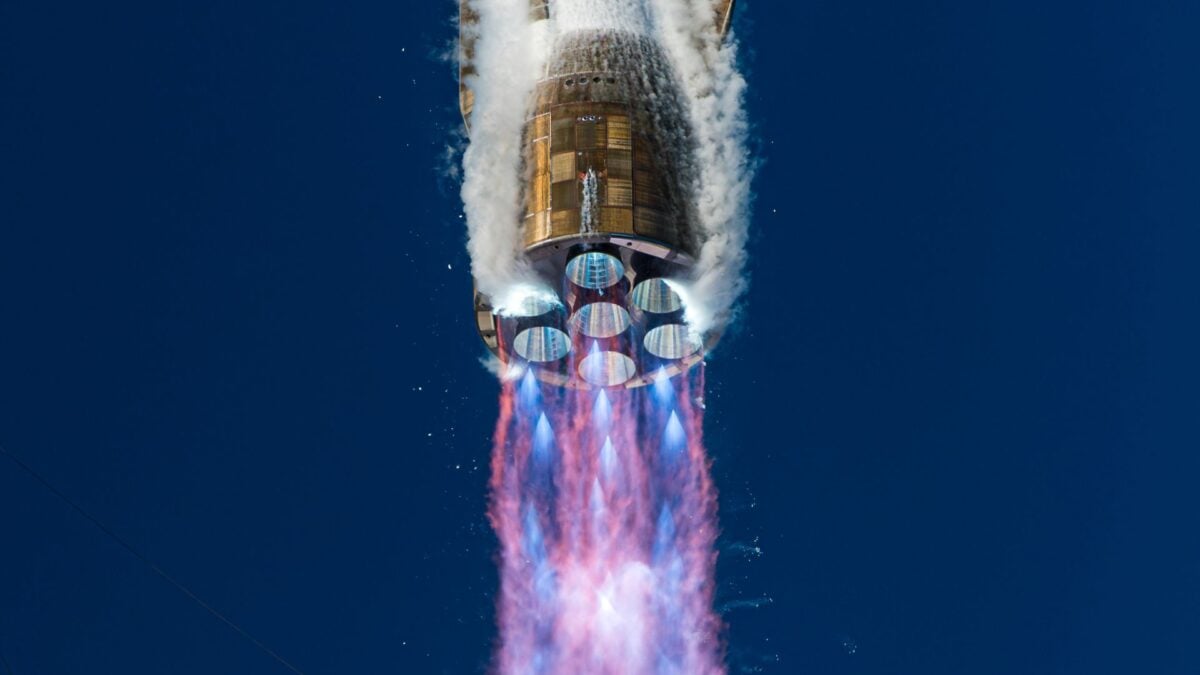
Blue Origin has determined the root cause of its New Glenn rocket explosion at Cape Canaveral in May, attributing the incident to a faulty oxygen valve in one of its BE-4 engines.
Google's upcoming Pixel 11 series is anticipated to match Samsung Galaxy phones in pricing, shifting the Pixel's value proposition more toward its software capabilities than a lower cost.
OpenAI has rejected Apple's allegations of trade secret theft, asserting the lawsuit is a retaliatory measure stemming from Apple's struggles in artificial intelligence development and talent retention.
Apple has increased trade-in values for its own devices and expanded its program to include additional Android models from Samsung, Google, and OnePlus.
Tesla and SpaceX are set to invest significantly in a new chip manufacturing facility in Texas, aiming to address future computing demands.
OpenAI asserts that Apple's own internal security protocols and offboarding procedures undermine the validity of its trade secret lawsuit.
Despite the impending release of the Pixel 11, some users of the two-year-old Pixel 9 Pro do not plan to upgrade, citing several key reasons.
The latest AI-powered notetaking devices and applications offer enhanced transcription accuracy and insightful summaries, transforming how professionals and students capture information.
Leasing and guaranteed buybacks could shorten replacement cycles, but the economics favor customers who already upgrade frequently.
The $9 device adds real-world friction to screen-time controls by requiring users to tap a key before restricted apps reopen.
Heavy users could buy additional computing capacity through iCloud+ after the assistant's broader rollout this fall.
AI data-center customers are securing long-term supply, leaving consumer-device makers with higher component costs into 2028.
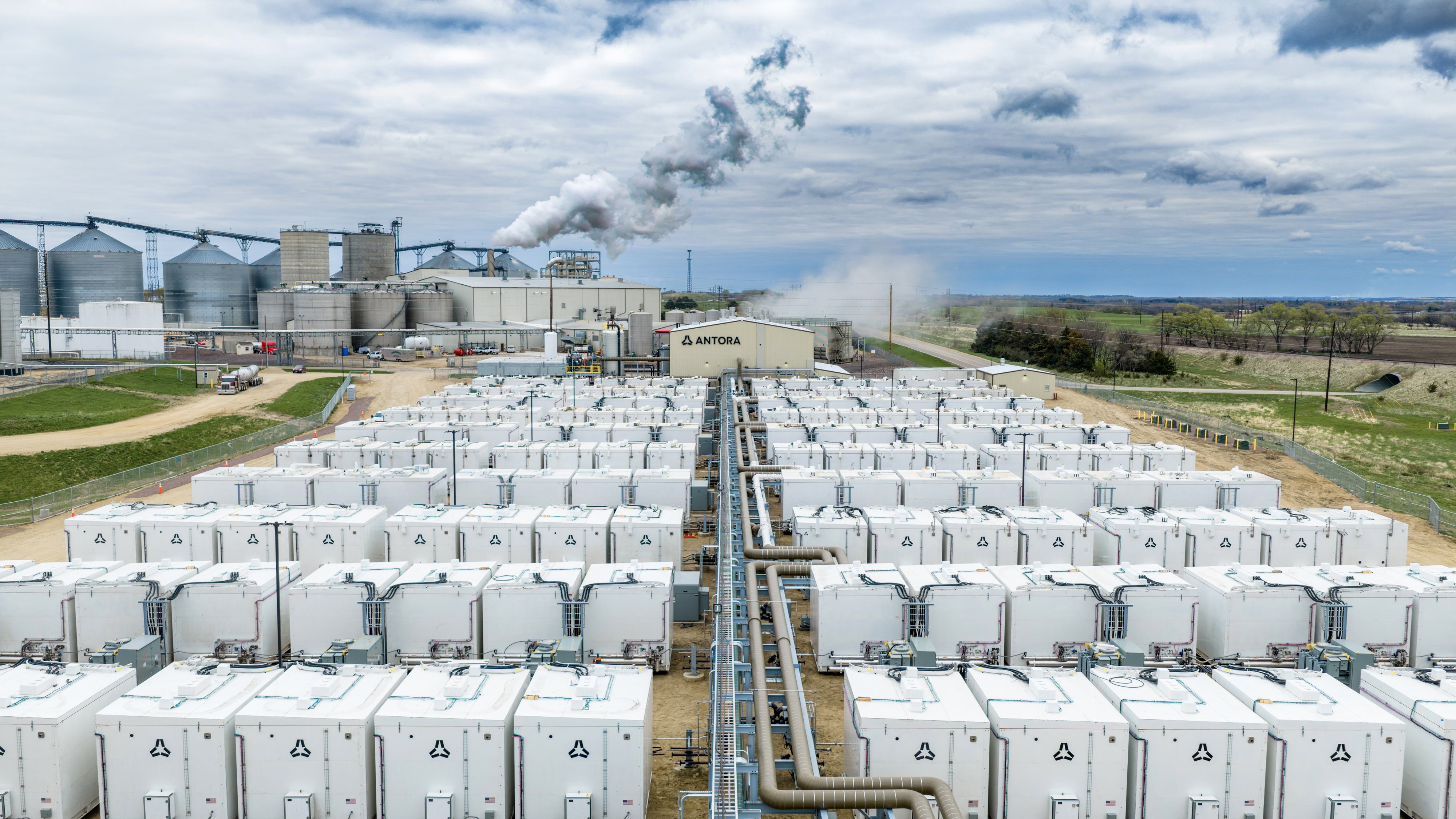
The industrial energy company plans to manufacture more systems that store renewable electricity as high-temperature heat and dispatchable power.
The AI cloud provider is adding the software behind Ray to build a broader infrastructure stack.
The company is stockpiling components and products after Tim Cook described memory pricing as a once-in-a-century disruption.
AWS revenue rose 37%, helping the company defend infrastructure spending that would be harder to justify without a clear hosting business.
The second-generation wearable can speak directly to users as the company doubles down on companionship rather than productivity.
The Silicon Valley startup says autonomous software agents can shorten expensive chip-development cycles, with verification emerging as an early target.
The Santa Clara startup is building chiplet and licensing technology designed to move data faster between AI processors, memory and networking systems.
The chipmaker is bringing a hardware-neutral AI software platform into its edge-to-cloud strategy.
Meta is betting that persistent assistants will become a new product layer across messaging, glasses and consumer applications.
Apple Upgrade replaces two existing U.S. payment programs and lets eligible customers return, buy or exchange a device at the end of the lease.
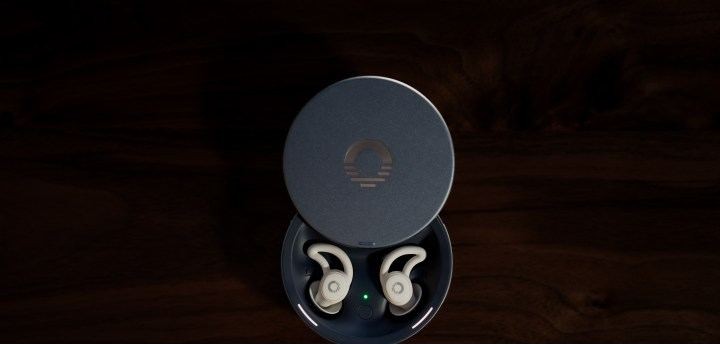
The $279 earbuds add 14-hour use, environmental sleep tracking and controls designed for overnight wear.
The chipmaker's strategic partnership with Ilya Sutskever's research lab couples new capital with access to Vera Rubin computing systems.
The financing will support World ID infrastructure, but the transaction is a crypto-token sale rather than a conventional venture equity round.
The AI chip startup plans to scale production and customer deployments as it builds specialized hardware for high-volume inference.
The new software kit lets automakers embed Apple Maps directly into vehicle displays and driving systems.
The Palo Alto and Tel Aviv company reached a $1.2 billion valuation with a prevention-focused approach to securing devices used for AI work.
Gemini 3.6 Flash, 3.5 Flash-Lite and the restricted 3.5 Flash Cyber model target different production requirements.
The model infrastructure company says annual recurring revenue has passed $1 billion as customers deploy more specialized AI systems.
The startup founded by former Ultrahuman hardware executive Apoorv Shankar is developing physical controls intended to direct AI agents.
The Kubernetes management company added Goldman Sachs and strategic investors as businesses move AI systems from pilots into production.
Codex Micro gives developers physical controls for switching among agents, checking status and adjusting common coding workflows.
The molecular design startup reached a $3.8 billion valuation while expanding partnerships with major drugmakers.
The company behind a widely used local AI tool is adding resources for enterprise adoption while keeping its open-source distribution engine.
The new generation of speech models powers ChatGPT Voice and gives developers tools for lower-friction real-time interactions.
The open-model infrastructure company plans to expand training and inference services as enterprises seek alternatives to closed AI platforms.
The Palo Alto company is developing robotic locations that dispense prescriptions with remote pharmacist oversight and round-the-clock access.
The San Francisco startup is building real-time fluid sensors for computing systems that increasingly depend on liquid rather than air to control heat.
The robotics startup introduced its first commercial hand and closed a seed round after settling a trade-secret dispute with Tesla.
The hardware startup is betting that a simple recorder with free transcription can hold a place beside phones and software-only meeting assistants.
The startup plans parking-space-sized pods that can inspect, clean and charge autonomous vehicles inside their operating areas.
The AI testing company is moving beyond fixed benchmarks with models that generate changing environments for training and evaluation.
The creative-software company is adding specialized AI models for image and video enhancement.
The San Francisco and Tokyo company is developing low-latency speech models for Japanese, Korean and Chinese applications.
Two former Anthropic and Google researchers launched the company at a $1 billion valuation with backing from Andreessen Horowitz, Kleiner Perkins and Nvidia.
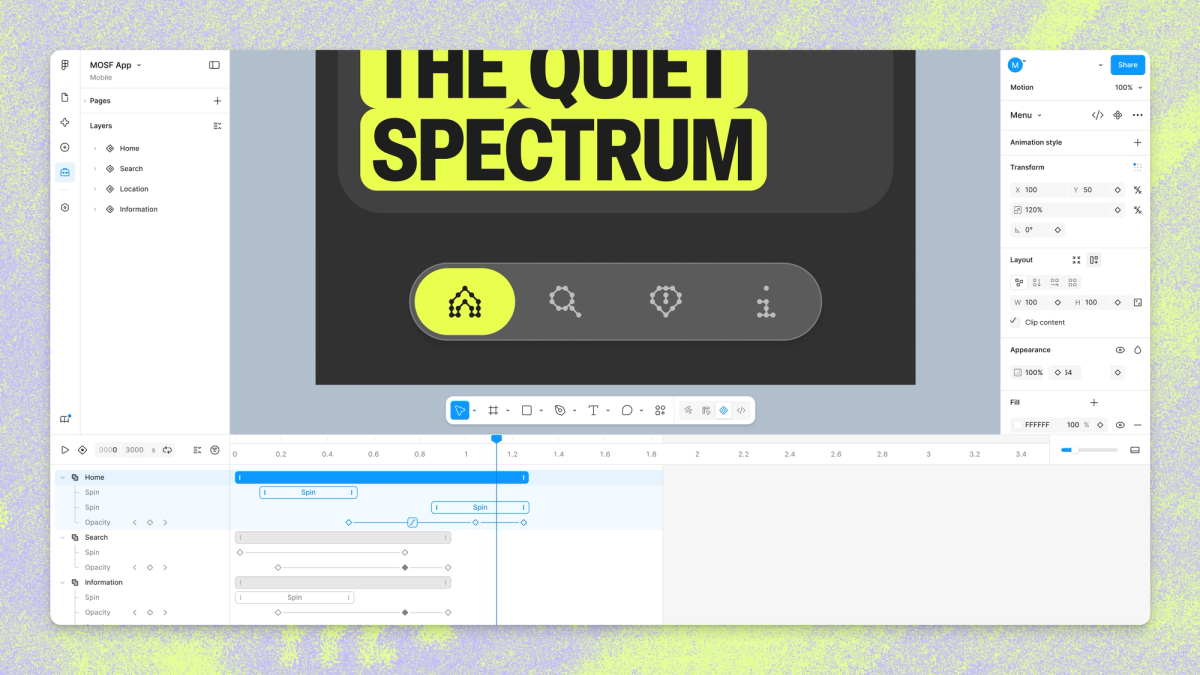
Teams can build, review and hand off interface motion without leaving the shared canvas.
The EssilorLuxottica partnership broadens Meta's wearable lineup with prescription support and Muse Spark-powered assistance.
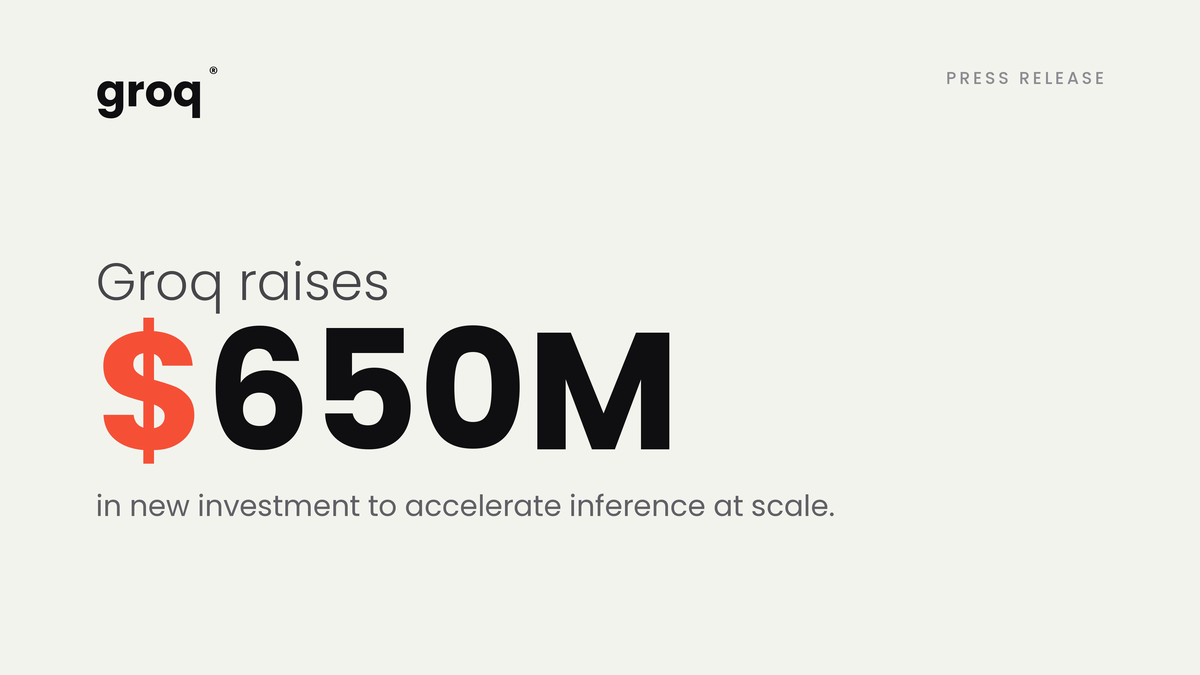
The AI infrastructure company is using its fourth financing in 18 months to expand model inference services for enterprise customers.
The chip company is rebuilding and scaling its cloud business after a major licensing and talent agreement with Nvidia.
The semiconductor startup reached a $2 billion valuation and $500 million in total funding as it develops alternatives for connecting AI data centers.
The Palo Alto startup is using AI to help companies define specialized processors before the expensive physical design and manufacturing stages.
The Stanford-founded startup plans to ship a wellness wristband that infers hormone patterns without blood draws while it pursues clinical validation.
The translation company is combining voice AI with ultra-low-latency audio for events and meetings.
The Berkeley company will accelerate work on fault-tolerant machines while pursuing additional federal support for U.S. quantum infrastructure.
The San Francisco startup is investing in its own speech models and the infrastructure required to run large volumes of automated business calls.
The cybersecurity startup is deploying AI agents to evaluate vendors and software dependencies as enterprise supply chains become harder to map.
Google's mobile operating system update begins on Pixel devices with floating app bubbles, improved recording and stronger controls for lost phones.
Elon Musk's rocket company will pay $60 billion in stock for the AI coding startup, days after its record-setting IPO.
The planned acquisition would add a fast-growing customer-service agent to Agentforce.
The rocket and satellite company entered Nasdaq trading at a valuation above $1.7 trillion.
The secretive company led by Jeff Bezos and Vik Bajaj is valued at $41 billion before revealing much about its technology or customers.
The biotechnology company plans to move nonviral treatments for Duchenne muscular dystrophy and polycystic kidney disease toward clinical testing.
The services update adds richer navigation, flexible location sharing, visual bill splitting and expanded media experiences.
Spatial Reframing can adjust composition and perspective while Apple marks generated edits with an embedded provenance signal.
The voice input update can improve punctuation, capitalization and formatting while new Siri voices aim for more natural delivery.
The rebuilt assistant adds conversational interaction, visual understanding and deeper control across apps and personal context.
The ChatGPT maker joined Anthropic in a high-stakes race to bring frontier AI companies to public markets.
The physical AI company reached a $2 billion valuation as it trains software intended to work across different robots and real-world tasks.
The prompt-to-app startup says its community creates games, quizzes and interactive experiments at a rate of about one every half-second.
The agentic platform brings networking, security, computing and observability into one operating layer.
The startup is building a network that records first-person human activity, bringing privacy, consent and worker pay into the robotics data race.
Brett Adcock's new lab reached a $6 billion post-money valuation before releasing its first products to the public.
The updates extend VoiceOver, Magnifier, Voice Control and captioning while adding eye-based wheelchair controls for Vision Pro.
Richard Socher's new laboratory is pursuing AI systems that can improve their own research process, backed at a reported $4.65 billion valuation.
The AI chipmaker nearly doubled its offering price as investors sought another route into compute infrastructure.
The Palo Alto company founded by Rivian CEO RJ Scaringe has now raised more than $1 billion for industrial robots trained in live manufacturing environments.
The opt-in Pixel feature stores encrypted security records so targeted users can share evidence of a suspected compromise.
Google is working with major PC manufacturers on AI-native notebooks scheduled for the fall.
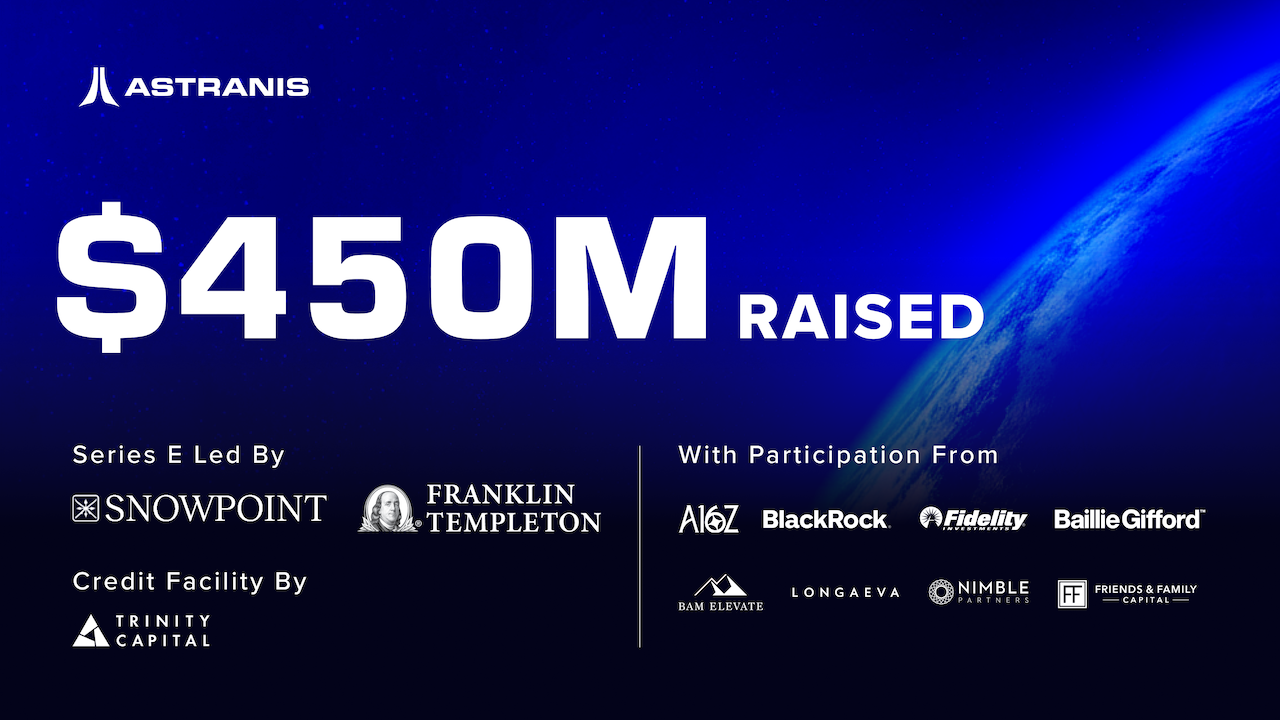
The satellite manufacturer is combining a Series E round with a credit facility as it expands production for commercial and government missions.
The Palo Alto startup is commercializing infrastructure around a widely used open-source engine for running and serving advanced AI models.
The San Francisco startup wants to organize fragmented research and manufacturing data across semiconductors, batteries and advanced materials.
The startup's team will join Meta's effort to develop AI systems for humanoid robots.
The six-person startup is training AI to learn digital tasks from video, with efficiency and safety becoming the key tests for its approach.
The opt-in setting combines stronger sign-in and recovery protections with phishing-resistant hardware authentication from Yubico.
The startup is training a foundation model called Fury to control unmanned vehicles across changing military environments.
The startup wants hardware makers to connect glasses, jewelry and home devices to models and multimodal services without building the entire stack.
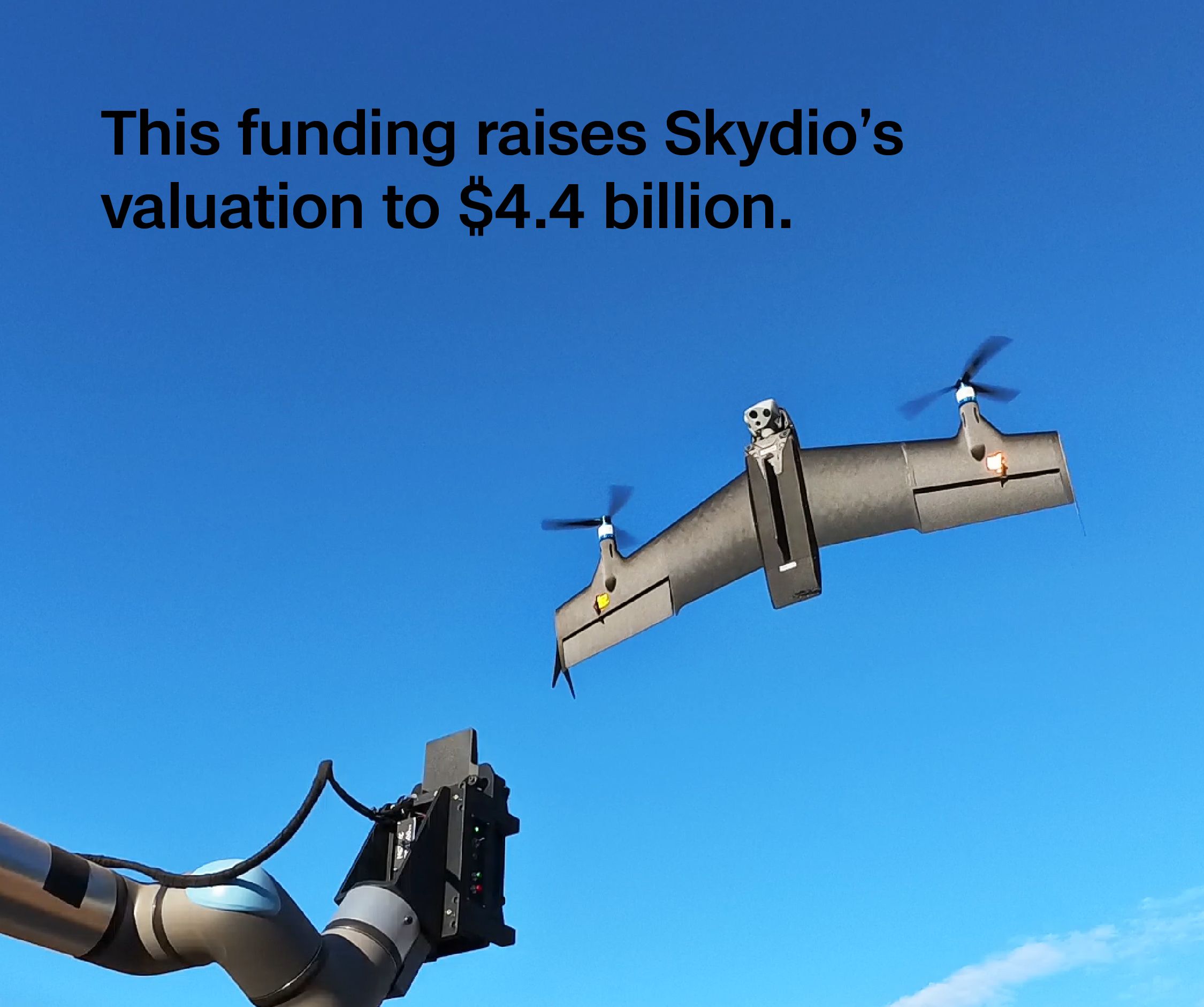
The autonomous drone maker reached a $4.4 billion valuation as it increases production for defense, public safety and infrastructure customers.
The startup is beginning with autonomous road rollers that can be retrofitted onto machines already operating at construction sites.
The new research lab wants software agents to build specialized expertise from experience instead of remaining fixed after training.
The React Native platform is expanding from developer infrastructure into AI-assisted work that helps enterprise teams move from an idea to a shipped application.
The marine robotics company is pairing underwater vehicles with surface vessels and launch systems for commercial and defense missions.
The San Francisco mobility company is preparing pilot networks that place small autonomous vehicles on narrow, reserved lanes.
The Santa Clara startup is combining navigation, communications and computing functions in silicon intended for drones and robots.
The company is assembling distributed GPU capacity into a platform that lets developers choose models, hardware and deployment locations.
The exit ends the Bay Area startup's effort to build autonomous electric tractors as a standalone manufacturer.
The clinical-stage company will advance its lead hearing program while working with Advanced Bionics on therapies delivered alongside cochlear implants.
The Redwood City company will scale access to an FDA-cleared prescription belt designed for people with low bone density.
The first model from Meta Superintelligence Labs powers a redesigned Meta AI experience and can coordinate parallel subagents.
The startup is building software intended to let data-center networks adapt automatically to changing AI workloads.
The financing gives the San Francisco AI company an extraordinary capital base, while placing equal pressure on revenue growth, infrastructure execution and product focus.
The Rivian spinoff reached a valuation above $1 billion while expanding from small electric vehicles into autonomous delivery systems.
The camera-and-voice search experience now supports real-time multilingual conversations wherever AI Mode is available.
The San Jose chip startup is betting that a shorter, vertical path for electricity can remove a growing bottleneck inside high-performance AI systems.
Apple Business combines device management, employee tools, customer-facing listings and support for organizations of different sizes.
The television interface can now show richer responses, narrated topic explorations and quick updates for sports fans.
The updated headphones add stronger noise control, Adaptive Audio, Conversation Awareness and Live Translation support.
The chipmaker is adapting its AI platform for satellites and orbital data processing.
OpenShell, AI-Q and new Nemotron models aim to give companies more control over autonomous software.
The purchase brings a large catalog of video effects, templates and editing tools inside Apple.
The Mountain View robotics company reached a $1.15 billion valuation with a plan to begin real household deployments in the fall.
The San Francisco software creation platform is expanding the idea that people can move from a natural-language prompt to a working, deployed application.
The Dublin, California semiconductor company plans to commercialize a component that moves power vertically toward high-performance processors.
The Santa Clara company reached a $4.2 billion valuation as large AI systems create demand for faster, more flexible connections between processors.
The brain-computer interface company is preparing its PRIMA vision-restoration system for commercialization while funding a broader clinical pipeline.
The semiconductor startup is moving its co-packaged optics technology toward volume production as data centers demand faster, more efficient connections.
The 14- and 16-inch laptops add faster AI processing, higher storage floors and improved solid-state drive performance.
The new laptop doubles entry-level storage while increasing AI and graphics performance.
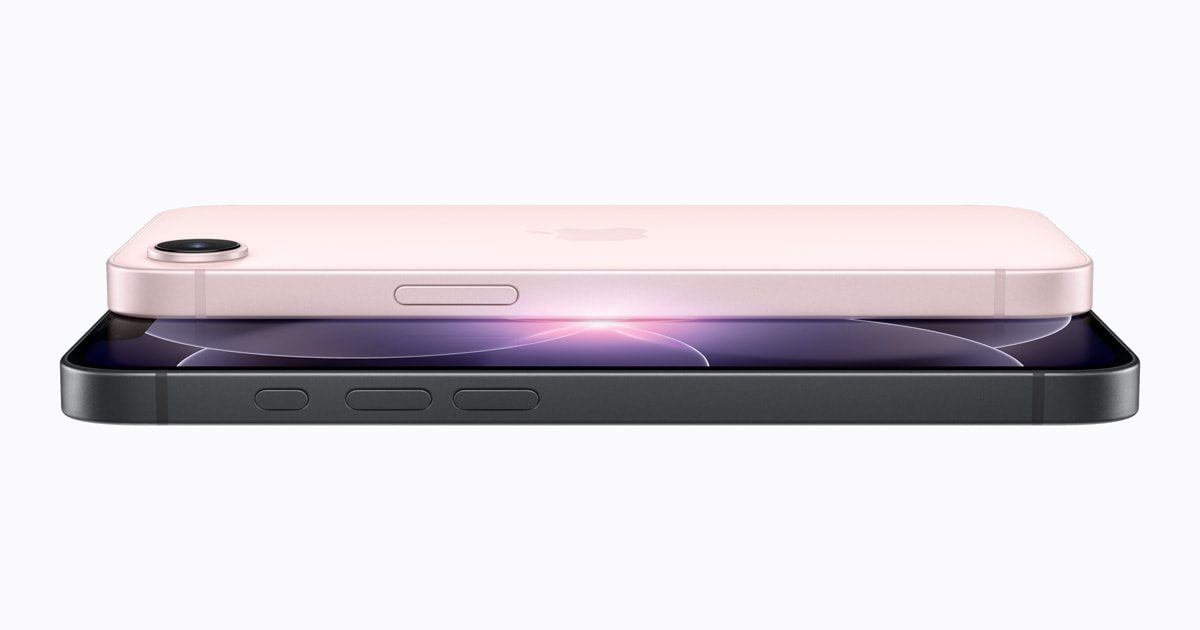
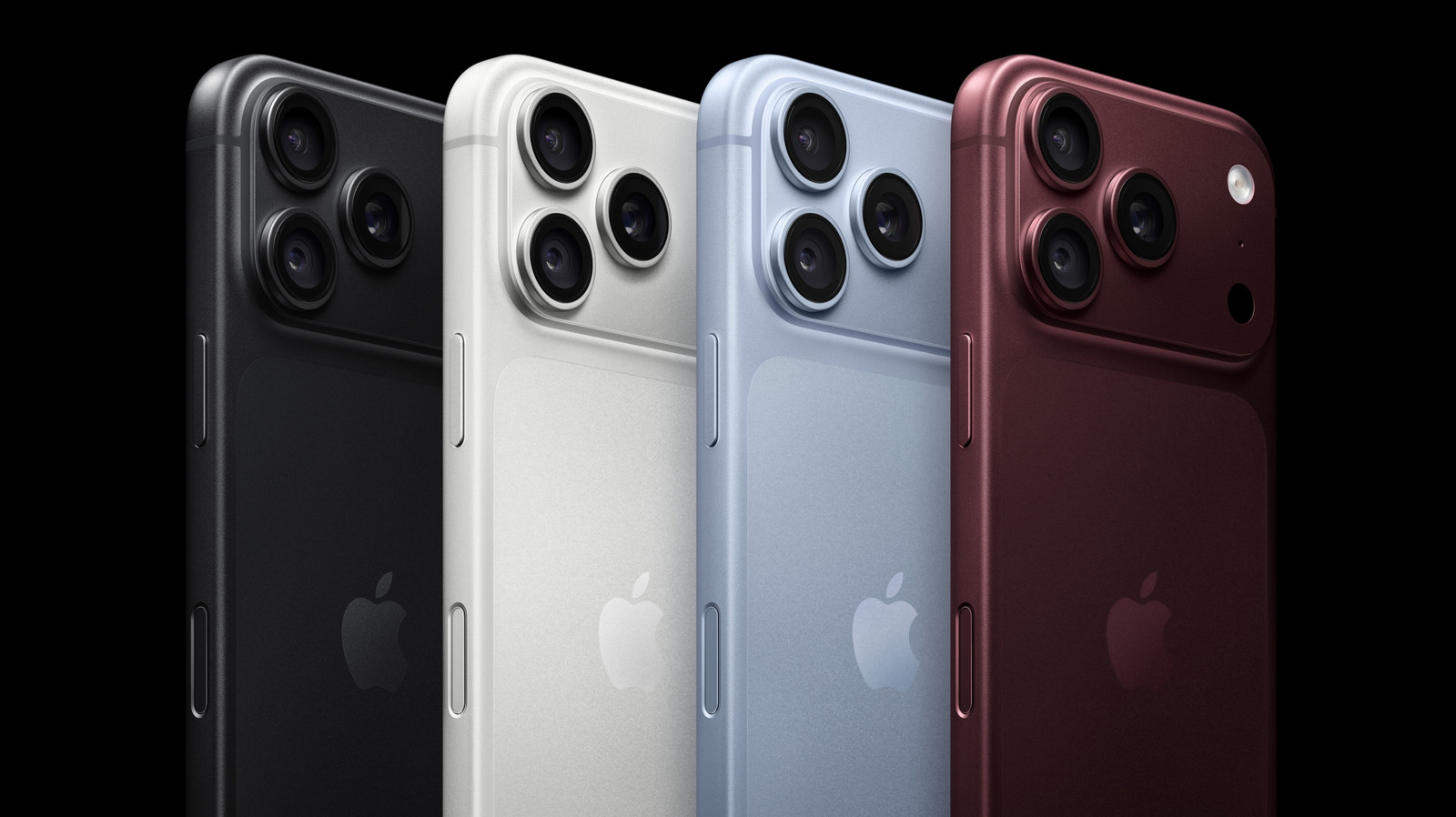
The entry model adds the A19 chip, MagSafe, a 48-megapixel camera and 256 gigabytes of starting storage.
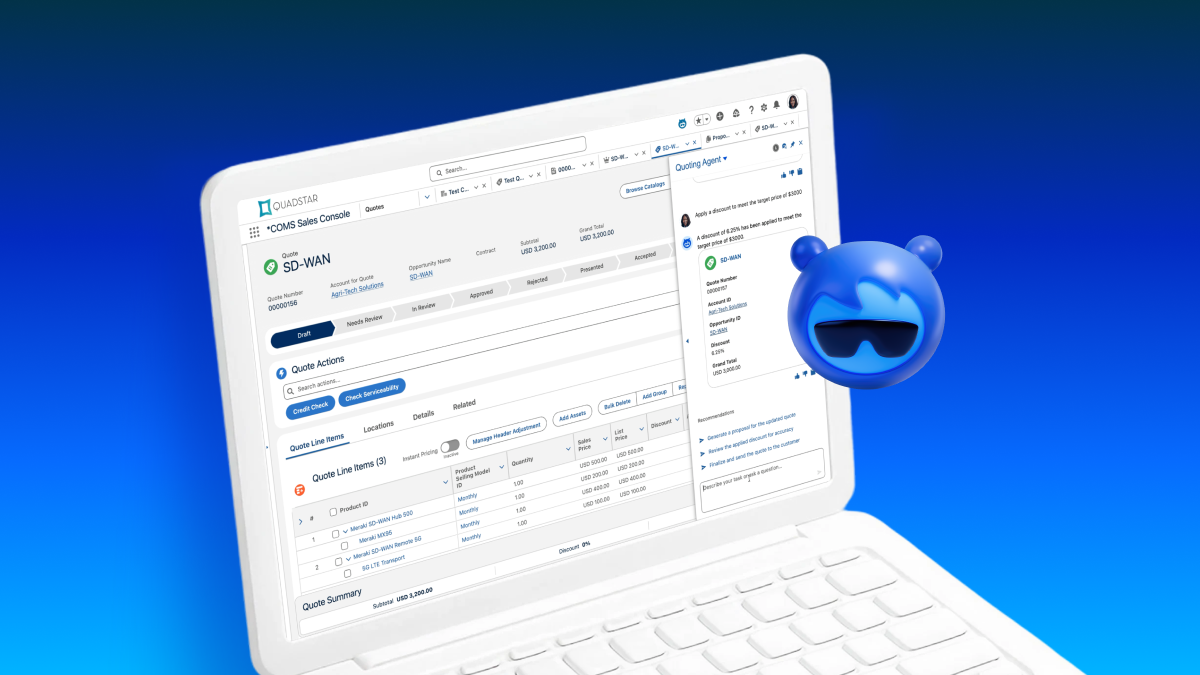
Agentforce for Communications targets telecom sales, service, billing and field operations with industry-specific workflows.
The Y Combinator startup is making its streaming platform generally available as AI developers look for simpler ways to process live data.
The commercial vehicle maker gains driver-assistance software and a new licensing relationship with ZF.
The Palo Alto AI infrastructure company will use the capital to expand its SN50 chip and SambaCloud platform as demand grows for alternatives in inference computing.
The durable-computing company reached a $5 billion valuation as enterprises look for infrastructure that can keep long-running AI work on track.
The Mission Bay startup is building laboratory systems that use living neurons for AI workloads, an ambitious alternative to conventional silicon.
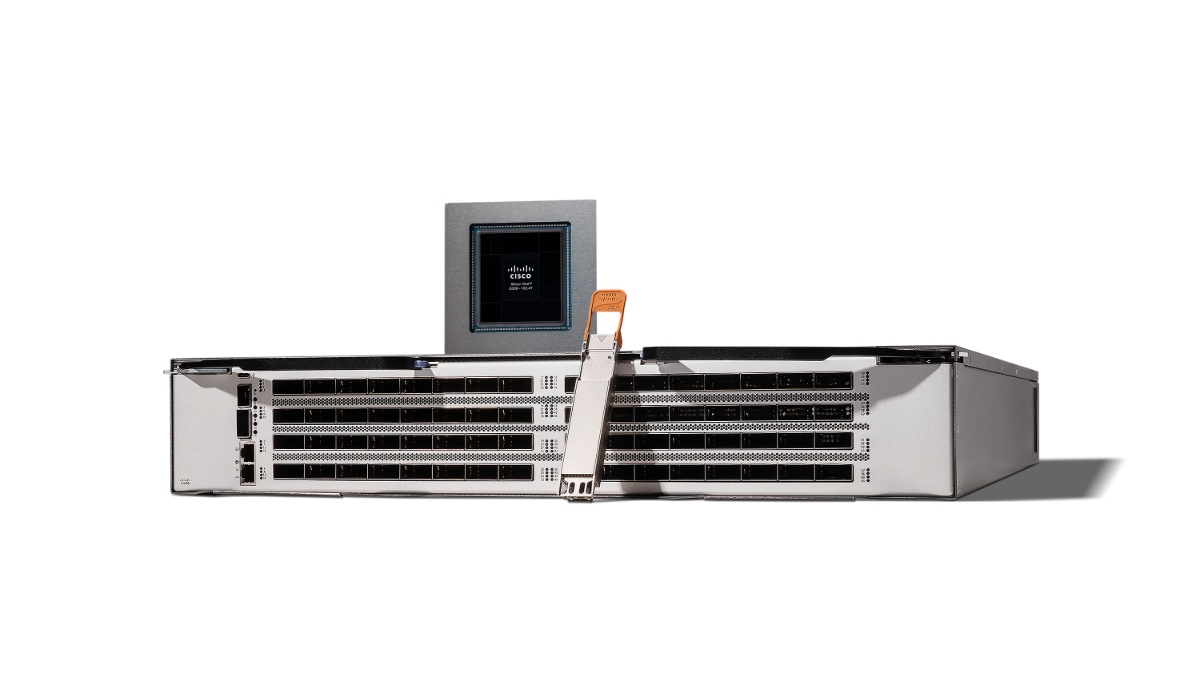
The 102.4-terabit chip is designed to move data across increasingly dense computing clusters.
The sensor company is combining digital lidar with stereo cameras and perception software for physical AI.
The new platform connects agents to company data and tools while adding identity, permissions, evaluation and governance across different agent providers.
The company is applying foundation-model techniques to tables and relational data, an area where text-focused AI systems often struggle.
The Mountain View company plans to expand domestic manufacturing and coordinate more residential batteries as electricity demand strains the grid.
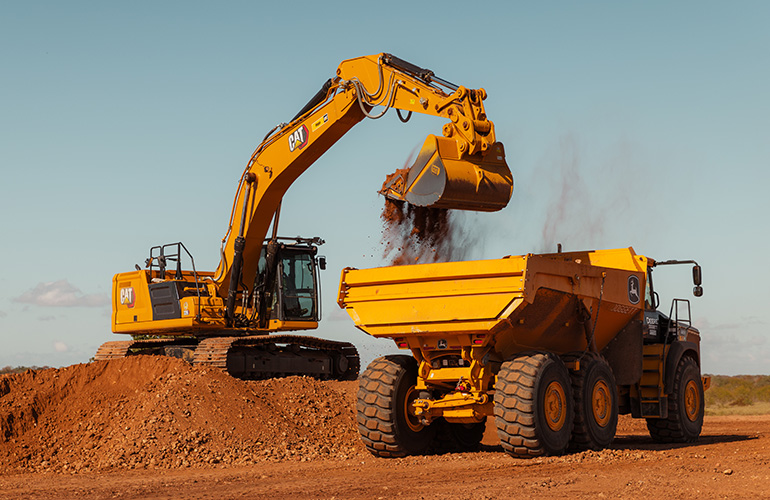
The company founded by former Waymo leaders is moving its self-driving system from supervised job sites toward operator-less heavy equipment.
Alphabet's robotaxi company is financing a major expansion as autonomous ride-hailing moves from limited deployments toward a broader transportation network.
The all-stock transaction brings rockets, satellites, social media and artificial intelligence under one company.




























.png)