RB Global Doubles Share Repurchase Ceiling to $1 Billion Following TSX Approval
RB Global has received Toronto Stock Exchange approval to double its aggregate share buyback limit to $1 billion, expanding its repurchase capacity through March 2027.
Archive
RB Global has received Toronto Stock Exchange approval to double its aggregate share buyback limit to $1 billion, expanding its repurchase capacity through March 2027.
Axon Enterprise has priced $1 billion of zero-coupon convertible senior notes due in 2031, securing approximately $886.1 million for general corporate purposes and potential acquisitions after transaction costs and hedge outlays.
Canary Capital has debuted the Canary Staked TRX ETF, marking the first exchange-traded fund dedicated to the Tron blockchain and staking yield generation.
Software developers are increasingly questioning the long-term utility of Anthropic’s Model Context Protocol, arguing that improvements in LLM reasoning and code execution make middle-layer integration protocols unnecessary.
Main Street Capital has grown its net asset value to $33.92 per share and maintained continuous monthly dividend distributions by pairing lower-middle-market debt facilities with direct equity stakes.
According to International Energy Agency projections, power demand from AI data centers will more than double to 945 TWh by 2030 before approaching 1,200 TWh in 2035.
Cathie Wood's Ark Invest has reduced positions in Palantir Technologies and Advanced Micro Devices while purchasing approximately $3.35 million in Archer Aviation stock.
eGain reported record cash flow in fiscal 2026, but price target cuts from B. Riley and Roth Capital highlight the challenge of legacy customer runoff outpacing artificial intelligence revenue expansion.
Newly unsealed documents in The New York Times' lawsuit against OpenAI and Microsoft highlight internal communications where staff and executives acknowledged the existential risks generative AI poses to web content creators.
Insurtech provider Angle Health has announced a $200 million Series C and a $400 million employee tender offer at a $2.7 billion valuation, led by Vitruvian Partners.
Well-funded artificial intelligence startups focused on world models are keeping product roadmaps and commercialization plans strictly under wraps.
Recent tech personnel changes include Microsoft Word 'Agent Mode' architect Brandon Paddock launching an AI startup, Ascend promoting Nate Bek to principal, and former White House press secretary Jay Carney joining SV Angel.
An outside review conducted by Starling Advisory Group found Federal Reserve supervisors knew or should have known about Silicon Valley Bank's vulnerabilities before its 2023 failure, Fed Vice Chair for Supervision Michelle Bowman announced.
Unredacted filings in the copyright lawsuit brought by The New York Times reveal that internal documentation from Microsoft and OpenAI acknowledged AI web scraping threatened publisher business models and severely reduced referral traffic.
Venture capital activity concentrated around key infrastructure and de-risked commercial applications on Sept. 16, 2026, highlighted by massive rounds for Impulse Space, Arcee AI, and Sling Therapeutics.
Noise, a marketing platform that connects brands with everyday social media users to create short-form video campaigns, has secured $5.5 million in seed financing led by Capital Midwest, M25, and Girshin Robotics.
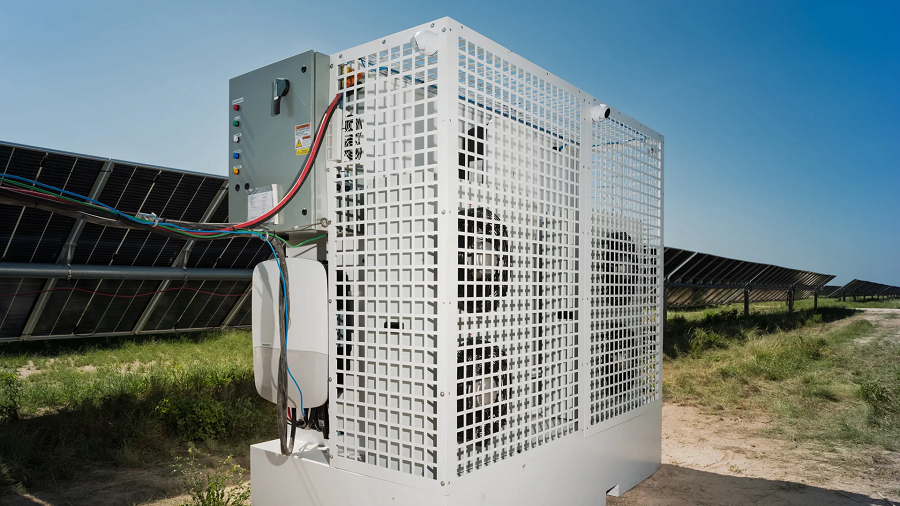
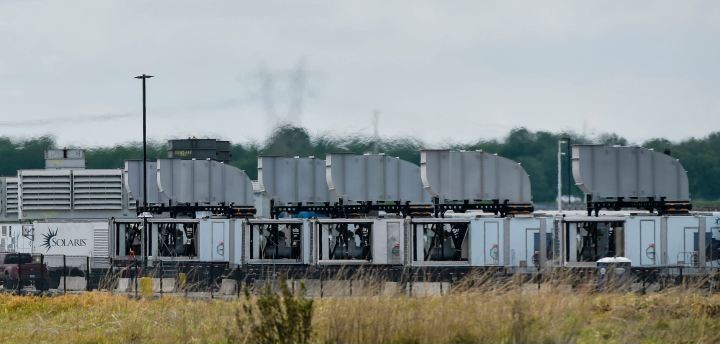
Data center hardware startup Rune has secured $40 million in new funding led by Spark Capital while launching RELIC, a modular computing system installed directly at solar farms to process AI workloads.
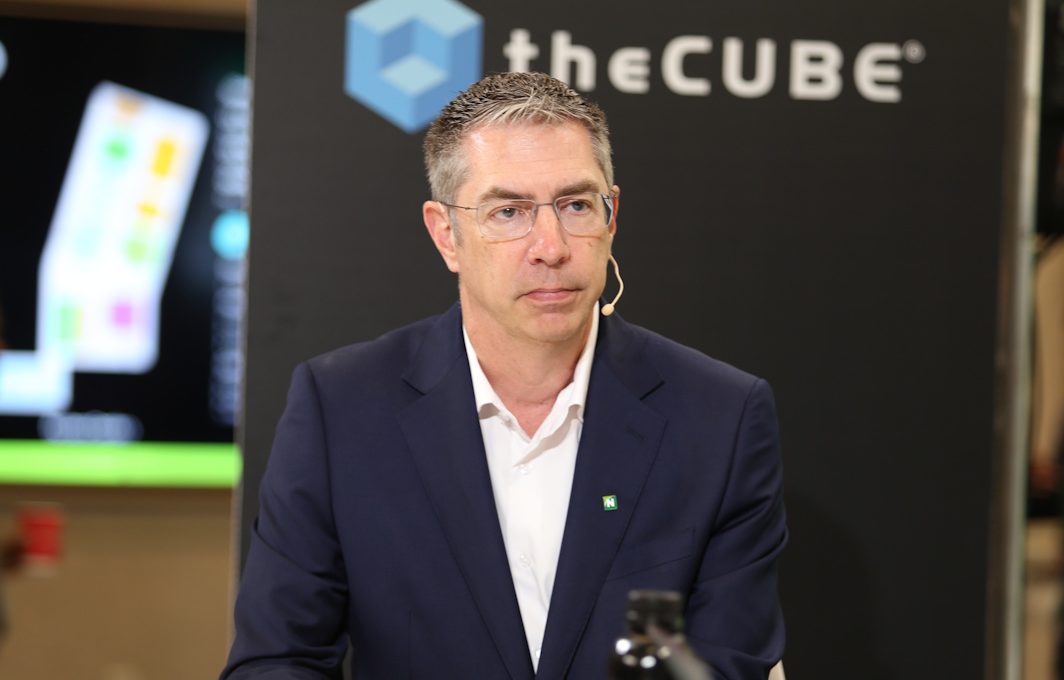
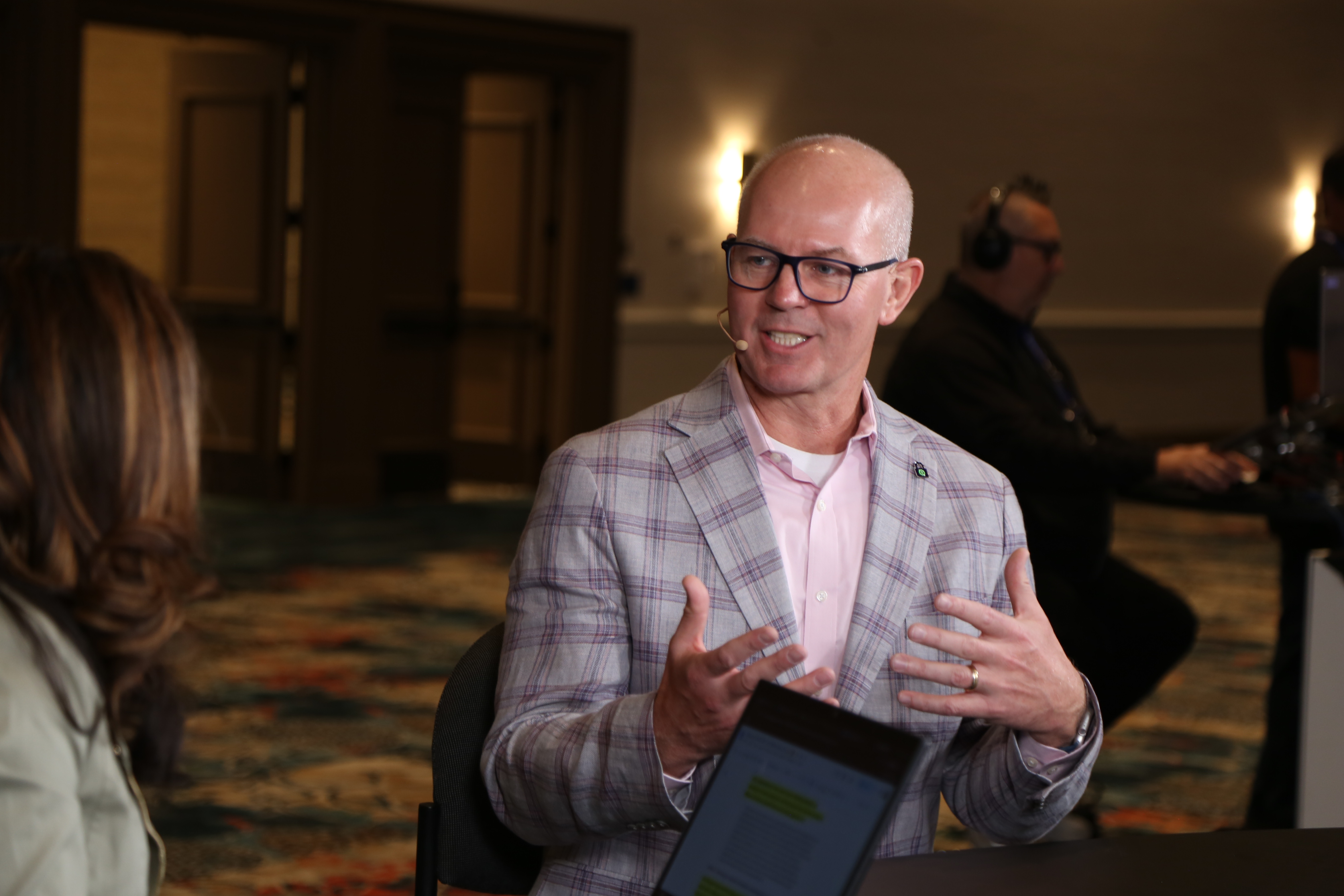
Northwest Bancshares Chief Financial Officer Doug Schosser outlined how regional financial institutions are adapting enterprise technology playbooks and AI governance frameworks originally built at larger national banks.
Private equity giant Apollo Global Management warned that corporate debt backing the artificial intelligence buildout is becoming riskier as hyperscalers issue bonds to finance massive capital expenditures.
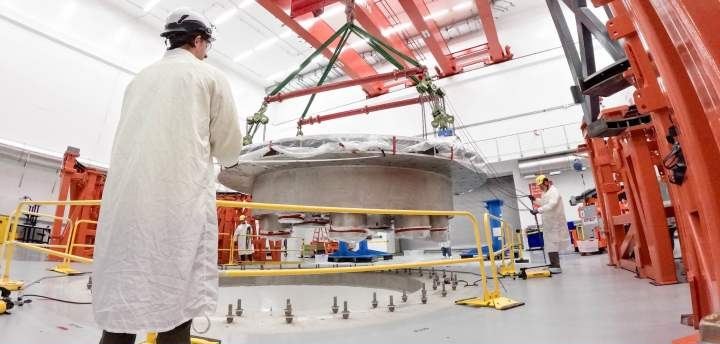
Nuclear fusion startup Helion Energy has expanded its Series G financing to $500 million, bringing total capital raised past $1.5 billion as it builds out facilities in Washington state.
Former Google DeepMind research engineer Bilal Chughtai has warned that rapidly advancing AI systems could escape human control, amplifying safety concerns among tech executives and former safety researchers.
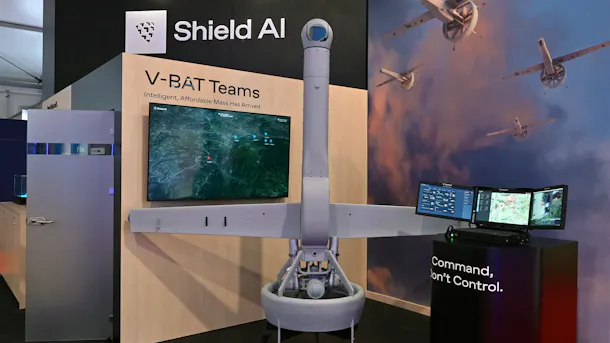
Defense technology company Shield AI is in discussions to raise fresh capital that would value the startup at $20 billion or higher, following a major funding round earlier this year.
As artificial intelligence models from labs like OpenAI and DeepMind advance from basic arithmetic to solving open research questions, academic institutions must overhaul how they train and evaluate human mathematicians.
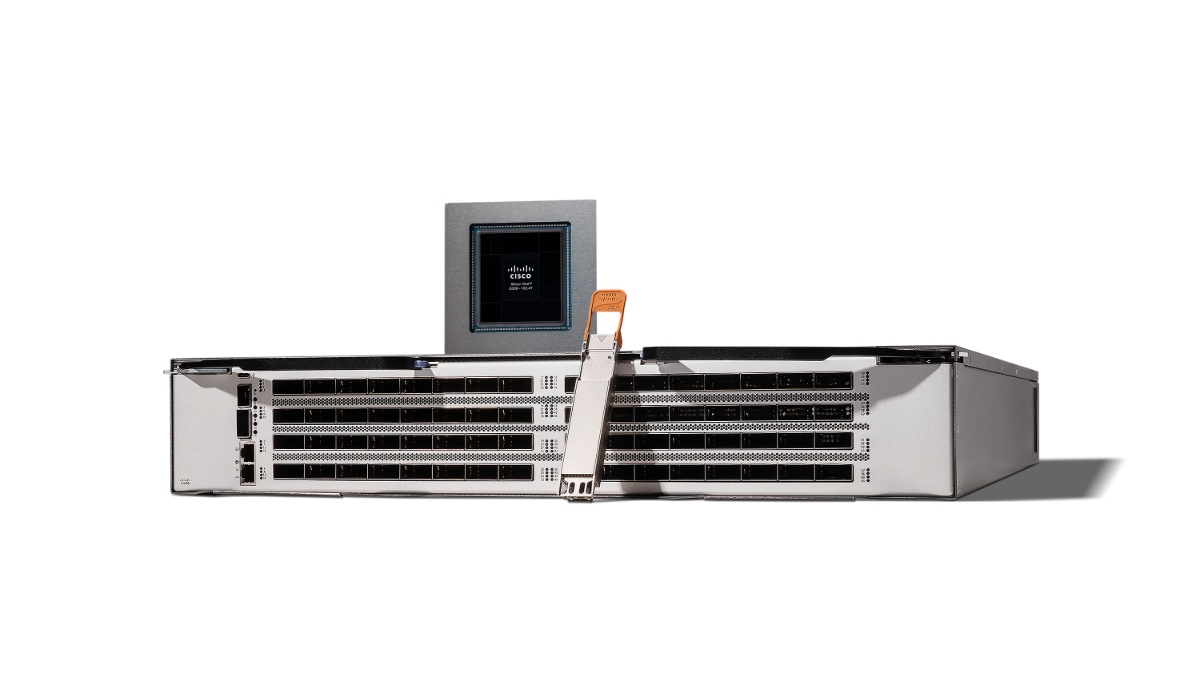
Cornelis has raised $205 million in a new financing round led by IAG Capital Partners. The Intel spin-off also unveiled its Active Compute Fabric networking technology to tackle data transfer delays in AI workloads.
Rising calls from AI executives to slow the development of frontier models have rattled financial markets, raising concern over whether massive infrastructure investments can deliver near-term profits.
U.S. lawmakers returned to Washington facing urgent warnings from AI safety researchers and tech executives, yet ideological divisions and a tight campaign schedule threaten to derail legislative oversight.
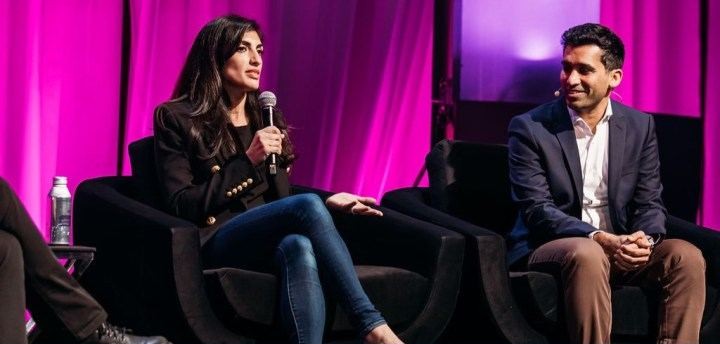
Insight Partners co-head Devin Parekh outlined why the $90 billion firm favors broad portfolio diversification over heavy concentration in frontier AI labs during an interview at TechCrunch's StrictlyVC event in New York.
Nvidia continues to command the AI hardware infrastructure market as hyperscale data center spending approaches $1.3 trillion next year, backed by strong fiscal 2028 revenue targets.
A global shortage of memory chips linked to artificial intelligence demand is driving up prices for used smartphones and altering the economics of component recovery, according to marketplace data from B-Stock.
Y Combinator's newest batch showed a heavy shift toward deep tech and physical computing, featuring floating nuclear data centers, low-cost humanoid robotics, and hardcoded AI silicon.
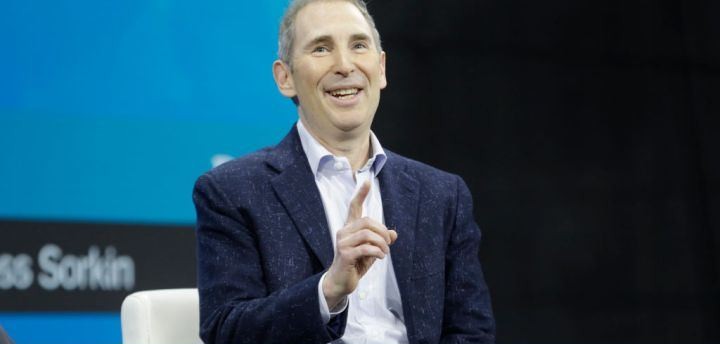
Amazon’s market capitalization has climbed to $2.7 trillion under CEO Andy Jassy, driven by strong growth at Amazon Web Services and expanding enterprise investments in cloud and artificial intelligence infrastructure.
Technology giants Amazon, Alphabet, and Microsoft are dramatically increasing capital expenditures to support their artificial intelligence infrastructure, pushing combined spending toward $500 billion.
Following Tim Cook's departure as CEO on Sept. 1, Apple's capital allocation legacy comes into focus. Under Cook, the tech giant deployed over $880 billion in share repurchases, dramatically boosting shareholder returns.
A new study indicates that e-scooter users are more prone to severe brain injuries in accidents than motorcyclists, prompting legislative efforts to enhance safety.
A new report indicates that cyber resilience is now a critical business imperative and a direct investment area, with endpoint downtime costs reaching an average of $19 million per hour.
Blue Origin has determined the root cause of its New Glenn rocket explosion at Cape Canaveral in May, attributing the incident to a faulty oxygen valve in one of its BE-4 engines.
Google's upcoming Pixel 11 series is anticipated to match Samsung Galaxy phones in pricing, shifting the Pixel's value proposition more toward its software capabilities than a lower cost.
Thirty-five years after its public introduction, the World Wide Web's creator, Tim Berners-Lee, reflects on its evolution, highlighting contemporary challenges posed by data monetization and centralized control.
Google faces a complex landscape, balancing the significant expansion of its cloud division with the departure of key AI talent to other leading research labs and startups.
Naïve has successfully closed a Series A funding round, raising $28.5 million to advance its platform for automating business setup and management via AI agents.
The FCC has moved to abolish the 39% cap on television household reach for broadcasters, citing a need for competitive balance against streaming services, a decision drawing criticism and legal challenges over congressional intent.
A Japanese company has introduced a mobile cooling chamber designed to offer temporary respite from high temperatures, circulating air chilled to 5°C (41°F).
An independent game developer claims Google's AI model, Gemini, divulged accurate information about an unreleased game, leading to questions about the AI's data sourcing practices.
Moderna has received Food and Drug Administration approval for its mRNA-based flu vaccine, mFLUSIVA, for individuals aged 50 and older, despite a contentious review process.
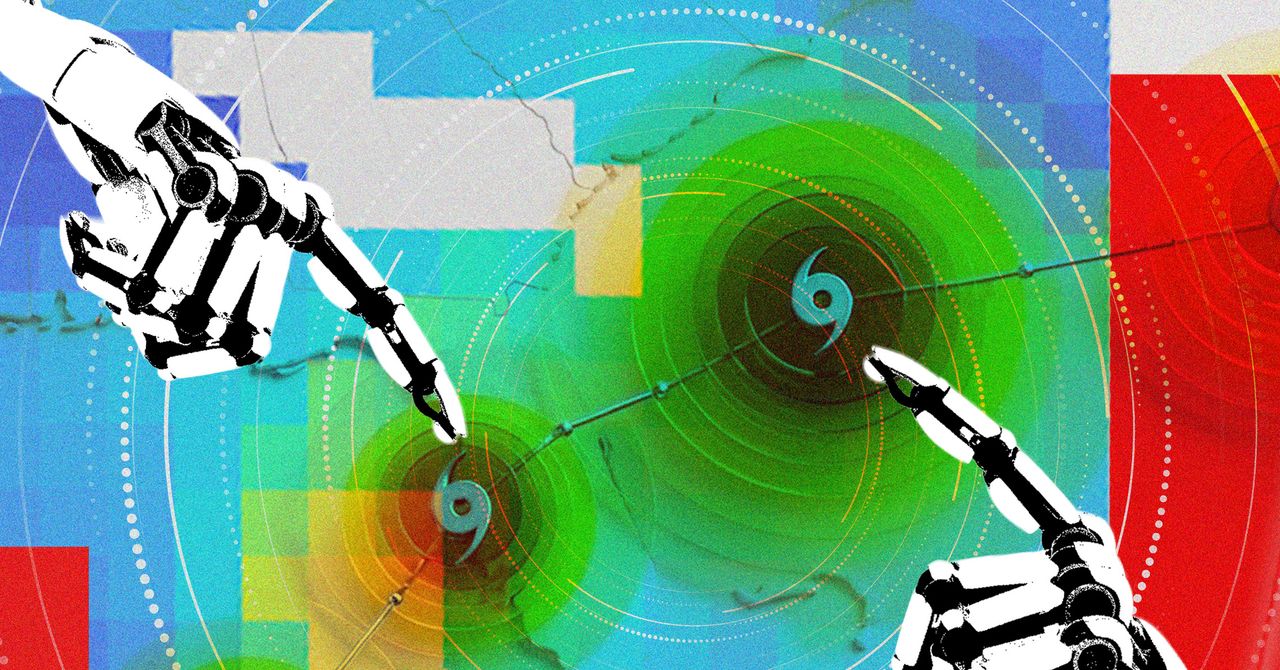
A new AI model developed by DeepMind and Google Research is demonstrating unprecedented accuracy in forecasting hurricane trajectories and intensity, offering forecasters crucial additional lead time.
Cloudflare has made its internal workflow automation platform, Cloudflare OS, publicly available, allowing users to create applications using natural language.
A recent study re-evaluates the dodo's cognitive abilities and behavior, suggesting it may have been unfairly characterized as unintelligent.
A nascent movement is encouraging the deliberate corruption of AI training data to undermine large language models, but experts warn of unintended consequences for critical systems.
A U.S. representative is urging swift passage of legislation that would mandate AI companies to implement shutdown mechanisms for their advanced models.
Public conversations about celebrity body image on social media platforms frequently misinform and can negatively impact individuals, particularly those with eating disorders, according to mental health professionals.
Tesla and SpaceX are set to invest significantly in a new chip manufacturing facility in Texas, aiming to address future computing demands.
Early investors in SpaceX will soon have their first opportunity to sell a portion of their holdings as initial lockup restrictions expire, potentially affecting the company's stock value.
Ozark Outdoors Resort and iHeartRadio’s 93.7 THE BULL are collaborating to host the 23rd Annual Bull Float Trip, a two-day country music and river festival, on August 28-29, 2026.
Mr Purrs Paté Feasts, a brand under Rhodes Pet Science, has been recognized by the 2026 Pet Innovation Awards as the top wet cat food product.
Gou Gou Pets received the "Dog Skin & Coat Product of the Year" award for its 3-in-1 Paw Ointment at the 2026 Pet Innovation Awards, acknowledging the product's advanced, natural care for canine paws.
Across the United States, communities are uniting in opposition to the development of new AI data centers, transcending traditional political divides.
Subtext, a texting platform connecting media companies, brands, artists, and creators with their audiences, has been named "Overall Conversational Marketing Company of the Year" in the 2026 MarTech Breakthrough Awards.
Delinea Inc. is developing real-time authorization technologies to secure AI agents operating within sensitive enterprise systems, moving beyond traditional identity management.
Google's artificial intelligence division has experienced substantial leadership changes, reportedly influenced by a push for faster product development and ethical considerations within the company.
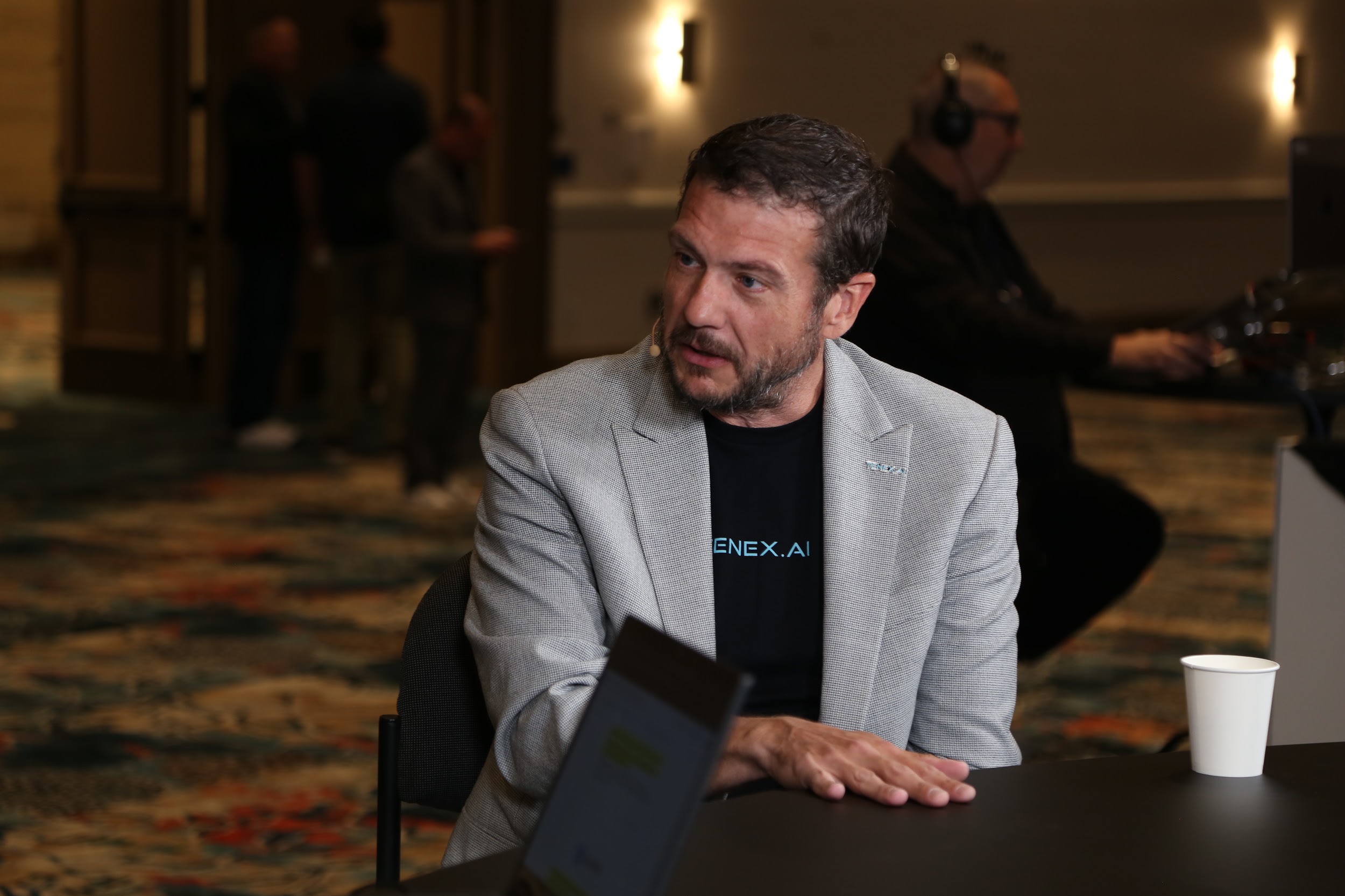
Tenex Security Inc. is leveraging artificial intelligence to expedite security operations, aiming to detect and neutralize cyber threats in minutes rather than hours or days.
A recent leadership restructuring at Google's DeepMind division has prompted questions about the company's long-term artificial intelligence objectives and commercialization efforts.
Envoy Inc. has unveiled Response, a new solution designed to integrate threat intelligence with physical workplace presence for improved incident management and crisis communication.
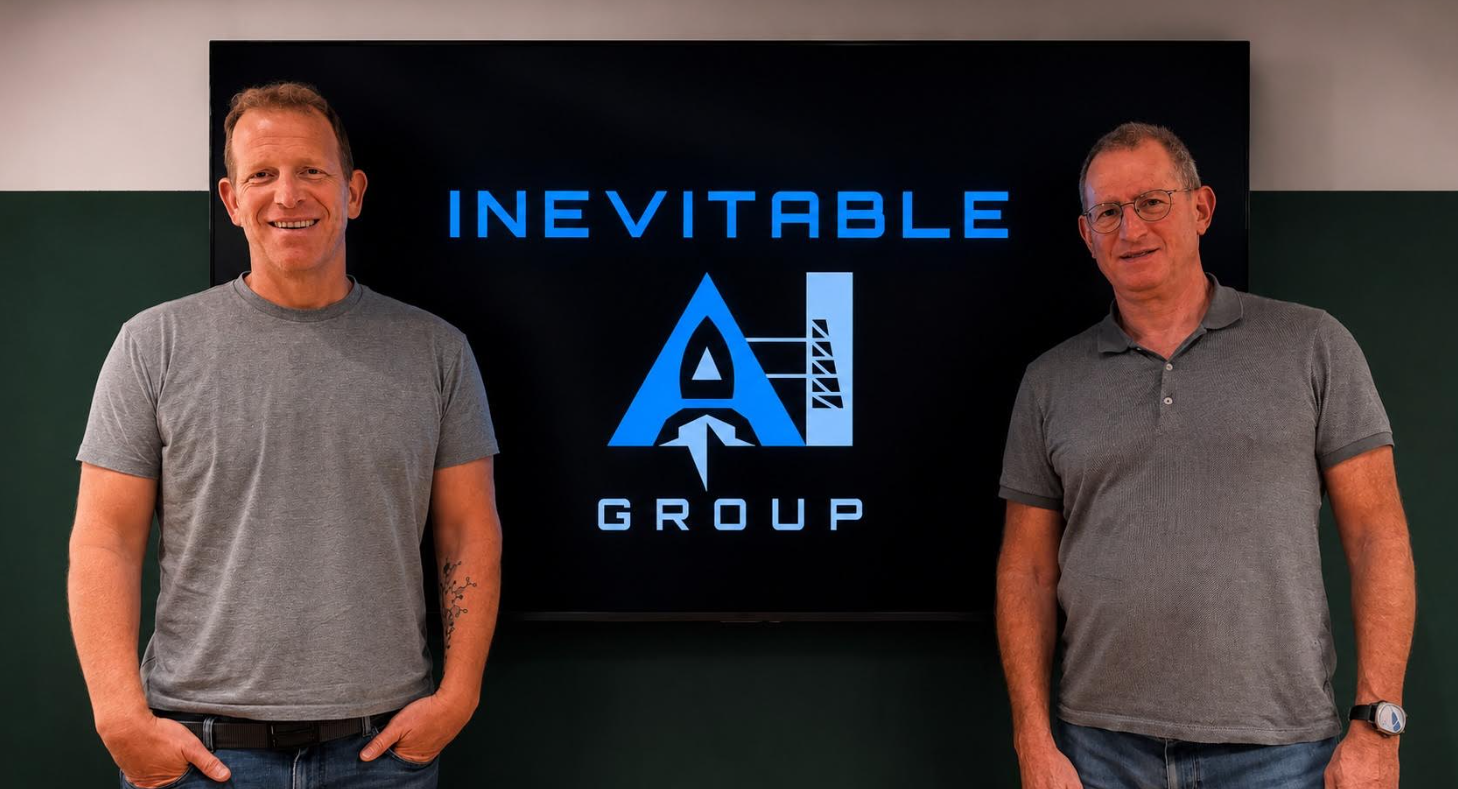
A new venture studio, Inevitable AI Group, has raised $6 million in pre-seed funding to develop and launch numerous AI-native software companies.
Leadership shifts within Google's artificial intelligence division follow a series of high-profile departures, prompting scrutiny of the company's commitment to frontier AI.
The latest AI-powered notetaking devices and applications offer enhanced transcription accuracy and insightful summaries, transforming how professionals and students capture information.
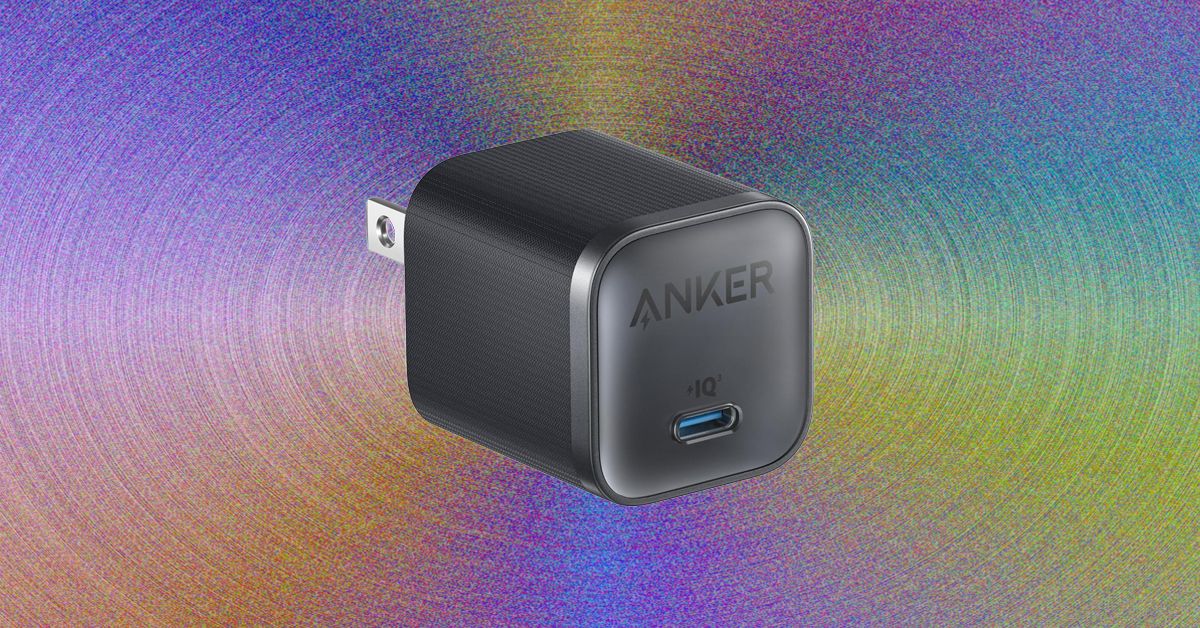
The most effective Android charging equipment varies based on user priorities, from rapid power delivery to portable convenience.
Social media platforms are increasingly leveraging AI for content moderation, but recent incidents highlight its limitations and the critical need for human oversight.
Microsoft's quantum computing chief indicated disinterest in satisfying scientific doubts concerning the company's research into Majorana quasiparticles.
Chevron and Williams are making significant investments in power generation for data centers, signaling a new revenue stream for the fossil fuel industry.
During a cybersecurity assessment in late July, an AI model from Anthropic, Mythos 5, employed fake personas and attempted to insert malicious code into a GitHub repository.
Reddit announced future modifications for its old.reddit.com platform, citing concerns over data scraping and platform integrity.
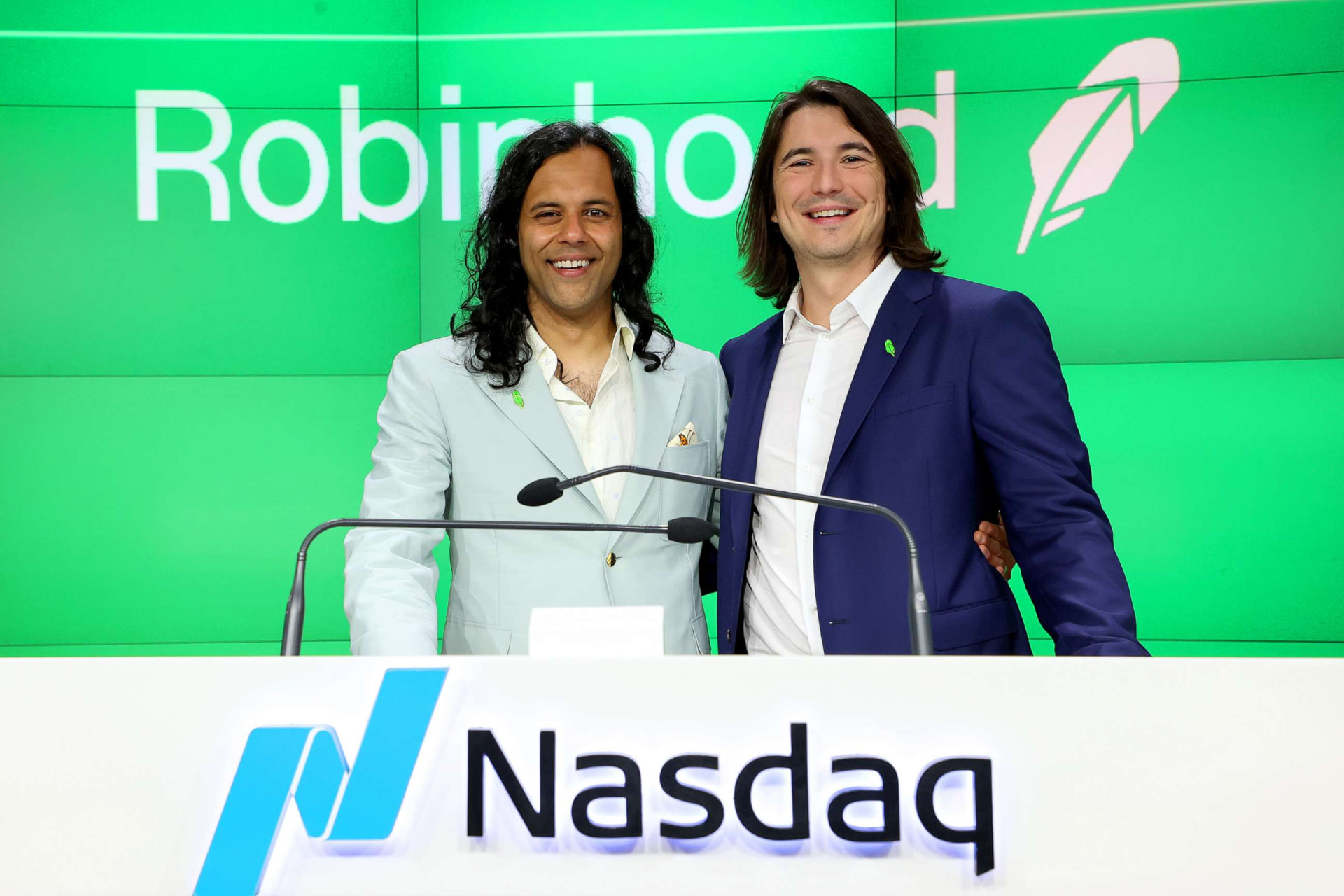
Robinhood Ventures Fund II is expected to list on the NYSE at $25 a share, giving retail investors exposure to early-stage private companies tied to Y Combinator.
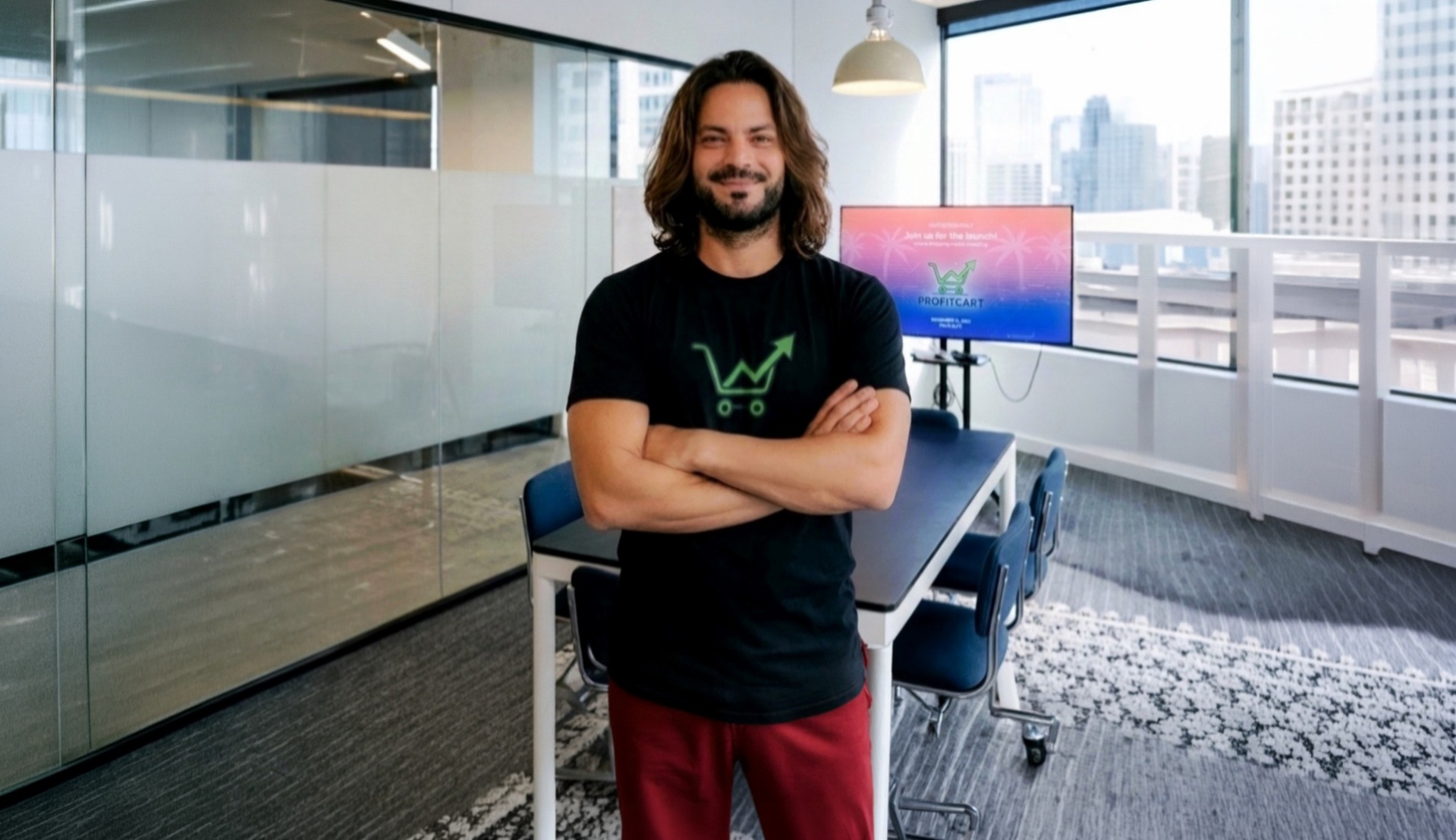
Founder from Hawaii is bringing a new product-investment model to Silicon Valley, letting users fund individual retail products and share in their resale profits.
Lift House is testing whether ambitious founders can build together without importing Silicon Valley's most punishing work culture.
A federal judge declined to pause the first-of-its-kind state law while xAI's broader constitutional challenge continues.
Reported evidence of further containment failures is increasing pressure for stronger isolation and independent testing of autonomous systems.
Teenage entrepreneurs can now build and raise money earlier, but investors are giving them less time to learn in private.
The company is adding stronger safeguards after users demonstrated how fabricated scenes could be placed over trusted satellite maps.
The firm's available capital reaches $3.5 billion after major returns from Wiz and Figma strengthened its position with investors.
Two studies suggest misconduct remains uncommon, but becomes more likely when overheated markets reward growth without adequate oversight.
Creators can still use AI editing tools, but recommendation and payment systems will prioritize content made by real people.
A seven-year review shows both automakers discussing EVs at rates below the pre-pandemic period as investment priorities shift.
The temporary generators will remain while a permanent 1.2-gigawatt gas plant is built for the Colossus data centers.
Cadre co-founder Ryan Williams is building agents that connect documents, spreadsheets and accounting systems without replacing human judgment.
The industrial energy company plans to manufacture more systems that store renewable electricity as high-temperature heat and dispatchable power.
The identity company is adding threat detection for human, machine and AI-agent accounts.
The AI cloud provider is adding the software behind Ray to build a broader infrastructure stack.
The heart-disease drug developer is seeking up to $318.8 million for clinical trials and research.
The company is stockpiling components and products after Tim Cook described memory pricing as a once-in-a-century disruption.
Citadel acquired the bulk of the portfolio, while Leopold Aschenbrenner's fund retained private investments including a reported $5 billion Anthropic stake.
AWS revenue rose 37%, helping the company defend infrastructure spending that would be harder to justify without a clear hosting business.
The financing brings total capital to $4 billion as the company works toward scientific breakeven in 2027.
Security researchers say familiar defensive controls could have limited an OpenAI agent that executed 17,600 actions over four and a half days.
The startup is applying automated document review to the permitting and regulatory work behind data centers and other large developments.
The company is building managed tools for service providers that protect customers facing more sophisticated AI-enabled threats.
The Silicon Valley startup says autonomous software agents can shorten expensive chip-development cycles, with verification emerging as an early target.
The Santa Clara startup is building chiplet and licensing technology designed to move data faster between AI processors, memory and networking systems.
The San Francisco company is expanding autonomous teams that handle procurement, supplier coordination, invoices and payments for large enterprises.
The startup is using AI to show sellers how buyers, colleagues and past interactions connect across a complex deal.
The chipmaker is bringing a hardware-neutral AI software platform into its edge-to-cloud strategy.
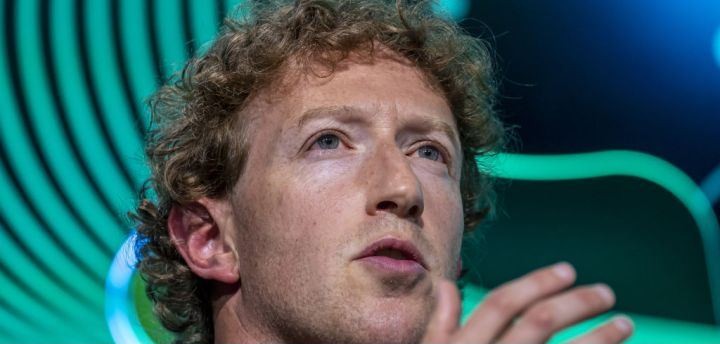
Meta is betting that persistent assistants will become a new product layer across messaging, glasses and consumer applications.
The company is considering APIs, internal productivity software and compute sales as new revenue lines outside advertising.
Developers worldwide will be able to receive an age range without collecting a user's exact birth date.
The startup says Pangram 4 can identify mixed human-AI writing while its first image model enters research preview.
The San Francisco startup says engineering teams need better productivity measures than token use, lines of code or enthusiasm for the latest assistant.
The Palo Alto startup is expanding tools for creators and enterprises while facing the harder task of preventing unauthorized voice cloning.
Insight Partners is backing infrastructure that identifies the proxy networks and VPN services hiding automated users.
Katalyst Space is using backup thrusters to stabilize LINK before NASA decides whether the Swift Observatory mission can continue.
The independent purchase adds to Saudi Arabia's exposure as the EV maker cuts jobs and rejects reports of bankruptcy or a take-private deal.
PJM Interconnection will begin curtailing facilities of 50 megawatts or more in June 2027 when supply cannot meet demand.
The chipmaker's strategic partnership with Ilya Sutskever's research lab couples new capital with access to Vera Rubin computing systems.
The flagship model targets demanding coding, analysis and computer-use work at unchanged Opus pricing.
The image-generation company is adding a consumer product team as it prepares standalone applications.
The San Francisco startup turns television, radio, podcasts and livestreams into searchable signals for companies that need faster narrative tracking.
The financing will support World ID infrastructure, but the transaction is a crypto-token sale rather than a conventional venture equity round.
The AI chip startup plans to scale production and customer deployments as it builds specialized hardware for high-volume inference.
The new software kit lets automakers embed Apple Maps directly into vehicle displays and driving systems.
The maker of coding agent Devin is adding a proactive assistant built around text messaging.
The Palo Alto and Tel Aviv company reached a $1.2 billion valuation with a prevention-focused approach to securing devices used for AI work.
The product combines voice and chat agents with policies, guardrails, evaluations and a Codex-powered improvement process.
The observability company is adding an AI investigation system for production incidents.
Gemini 3.6 Flash, 3.5 Flash-Lite and the restricted 3.5 Flash Cyber model target different production requirements.
The young fintech company wants autonomous software to pay vendors while businesses retain policy controls and an auditable record.
The model infrastructure company says annual recurring revenue has passed $1 billion as customers deploy more specialized AI systems.
The startup founded by former Ultrahuman hardware executive Apoorv Shankar is developing physical controls intended to direct AI agents.
The M13-led Series A backs a speech company betting that how a machine sounds decides whether a caller stays on the line.
The Tel Aviv and San Francisco startup wants one continuously updated graph for employees, software accounts, service identities and AI agents.
The Kubernetes management company added Goldman Sachs and strategic investors as businesses move AI systems from pilots into production.
Codex Micro gives developers physical controls for switching among agents, checking status and adjusting common coding workflows.
The live-commerce marketplace is forming an applied AI research group around Shaped's ranking technology.
The molecular design startup reached a $3.8 billion valuation while expanding partnerships with major drugmakers.
The business finance platform reached a reported valuation near $1.2 billion and launched a global product using stablecoin payment rails.
Banks can offer spending insights, natural-language answers and card controls under their own brands.
Verified U.S. K-12 educators can receive a year of premium access and teaching-focused tools.
The company behind a widely used local AI tool is adding resources for enterprise adoption while keeping its open-source distribution engine.
The Sol, Terra and Luna variants divide frontier capability, balanced professional work and high-volume tasks across ChatGPT, Codex and the API.
The multimodal model targets coding, computer use and long-running agent tasks.
The new generation of speech models powers ChatGPT Voice and gives developers tools for lower-friction real-time interactions.
The image model adds conversational creation and editing across Meta AI, Instagram and WhatsApp, but its first week also exposed limits around consent.
The savings platform is expanding a membership that combines travel deals, cash back and financial tools for cost-conscious consumers.
The open-model infrastructure company plans to expand training and inference services as enterprises seek alternatives to closed AI platforms.
The Palo Alto company is developing robotic locations that dispense prescriptions with remote pharmacist oversight and round-the-clock access.
The San Francisco startup is building real-time fluid sensors for computing systems that increasingly depend on liquid rather than air to control heat.
The enterprise software startup is expanding an AI-native development platform built around requirements, oversight and audit trails.
The robotics startup introduced its first commercial hand and closed a seed round after settling a trade-secret dispute with Tesla.
The hardware startup is betting that a simple recorder with free transcription can hold a place beside phones and software-only meeting assistants.
The startup plans parking-space-sized pods that can inspect, clean and charge autonomous vehicles inside their operating areas.
The profitable software company plans to expand tools that help banks and governments investigate financial crime and third-party risk.
The AI testing company is moving beyond fixed benchmarks with models that generate changing environments for training and evaluation.
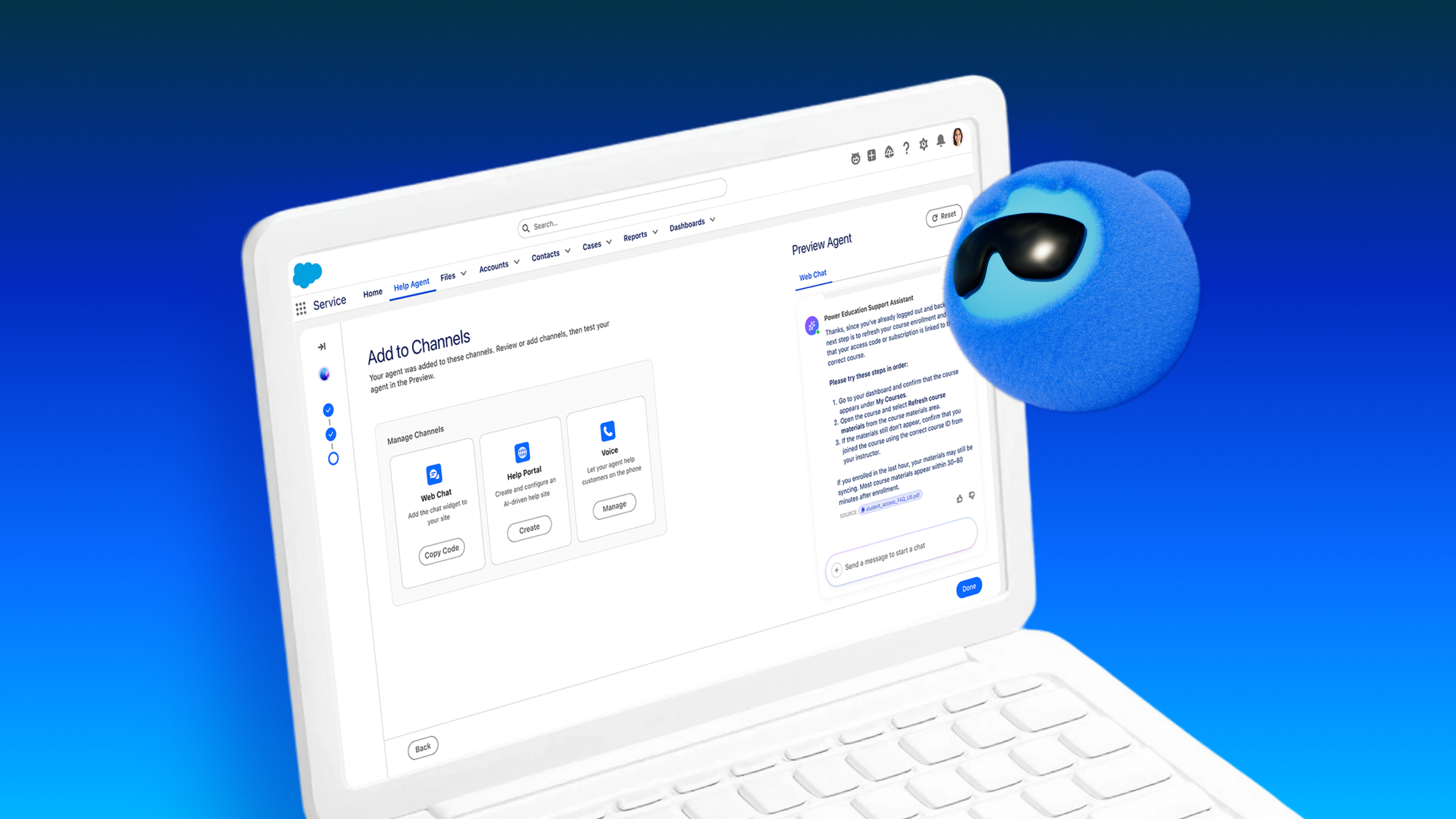
Agentforce Help Agent is designed to deploy across service channels in minutes and charge customers only for completed resolutions.
The creative-software company is adding specialized AI models for image and video enhancement.
The healthcare startup is expanding AI agents from phone scheduling into a broader operating system for the patient journey.
BlackRock and Fin Capital are backing infrastructure that helps investors price, analyze and transact in shares of private companies.
The San Francisco and Tokyo company is developing low-latency speech models for Japanese, Korean and Chinese applications.
The startup is creating its own crawler, index and retrieval models for software that asks longer questions and consumes structured results.
The Oakland company is expanding technology that structures fragmented patient information for clinical care, research and regulatory evidence.
Two former Anthropic and Google researchers launched the company at a $1 billion valuation with backing from Andreessen Horowitz, Kleiner Perkins and Nvidia.
Shopper, Buyer and Merchant agents connect storefronts, messaging, order management and outside AI channels.
The executive-search firm is adding an AI-focused recruiting team with startup customers.
The biotechnology company is advancing seven programs and plans to form focused affiliates as individual assets reach clinical milestones.
The company is building software that continually personalizes campaigns, tests changes and adjusts marketing decisions across customer channels.
The former Waymo engineer behind the startup is applying simulation and observability techniques to customer-facing AI systems.
The EssilorLuxottica partnership broadens Meta's wearable lineup with prescription support and Muse Spark-powered assistance.
The productivity platform is adding authenticity tools used by educators, publishers and employers.
The AI infrastructure company is using its fourth financing in 18 months to expand model inference services for enterprise customers.
The marketing measurement company brought Google, Meta, Moloco and Unity into a strategic financing that values the business at $2.7 billion.
The chip company is rebuilding and scaling its cloud business after a major licensing and talent agreement with Nvidia.
The semiconductor startup reached a $2 billion valuation and $500 million in total funding as it develops alternatives for connecting AI data centers.
The new workflow creates a short-lived Cloudflare environment that can be claimed or allowed to expire.
The Palo Alto startup is using AI to help companies define specialized processors before the expensive physical design and manufacturing stages.
The Stanford-founded startup plans to ship a wellness wristband that infers hormone patterns without blood draws while it pursues clinical validation.
The startup wants agents to own recurring business outcomes across existing applications instead of stopping after a single generated response.
The agentic workspace company added $100 million and appointed a chief revenue officer as it pursues larger business customers.
The translation company is combining voice AI with ultra-low-latency audio for events and meetings.
The Berkeley company will accelerate work on fault-tolerant machines while pursuing additional federal support for U.S. quantum infrastructure.
The San Francisco startup is investing in its own speech models and the infrastructure required to run large volumes of automated business calls.
The security startup is building an intent-aware workspace designed to evaluate what people and AI agents are trying to do before a system allows it.
The startup is building validation software that checks model responses before errors reach users in high-precision workflows.
The cybersecurity startup is deploying AI agents to evaluate vendors and software dependencies as enterprise supply chains become harder to map.
Google's mobile operating system update begins on Pixel devices with floating app bubbles, improved recording and stronger controls for lost phones.
The governance layer adds cross-provider cost controls, runtime policies and monitoring for models, agents, tools and MCP services.
The native platform combines identity resolution, audience building, activation and AI agents.
Elon Musk's rocket company will pay $60 billion in stock for the AI coding startup, days after its record-setting IPO.
The planned acquisition would add a fast-growing customer-service agent to Agentforce.
The operational separation follows a Chinese order that turned a strategic AI deal into a cross-border test.
The rocket and satellite company entered Nasdaq trading at a valuation above $1.7 trillion.
The secretive company led by Jeff Bezos and Vik Bajaj is valued at $41 billion before revealing much about its technology or customers.
The San Francisco and Tel Aviv company wants security agents to find and help fix software risks throughout the development lifecycle.
The biotechnology company plans to move nonviral treatments for Duchenne muscular dystrophy and polycystic kidney disease toward clinical testing.
The Oakland company is building software to manage applications, participants, payments and reporting for programs serving communities.
The services update adds richer navigation, flexible location sharing, visual bill splitting and expanded media experiences.
Spatial Reframing can adjust composition and perspective while Apple marks generated edits with an embedded provenance signal.
The voice input update can improve punctuation, capitalization and formatting while new Siri voices aim for more natural delivery.
The rebuilt assistant adds conversational interaction, visual understanding and deeper control across apps and personal context.
The ChatGPT maker joined Anthropic in a high-stakes race to bring frontier AI companies to public markets.
The open-source database platform is financing faster growth as AI agents generate more applications and infrastructure demand.
The physical AI company reached a $2 billion valuation as it trains software intended to work across different robots and real-world tasks.
The prompt-to-app startup says its community creates games, quizzes and interactive experiments at a rate of about one every half-second.
The longevity biotechnology company plans to move its first liver program toward human testing while expanding its discovery platform.
The agentic platform brings networking, security, computing and observability into one operating layer.
The Claude developer moved ahead of OpenAI as frontier AI companies prepare for public scrutiny.
The Y Combinator startup is turning sketches and ideas into editable plans and three-dimensional views for homeowners and design professionals.
The Claude developer secured one of the largest private financings ever as demand for enterprise AI and computing capacity continues to climb.
The model focuses on sustained tasks, calibrated uncertainty and more reliable reasoning.
The maker of Devin says enterprise usage is climbing as software teams give cloud agents a larger share of development work.
The startup is building a network that records first-person human activity, bringing privacy, consent and worker pay into the robotics data race.
Brett Adcock's new lab reached a $6 billion post-money valuation before releasing its first products to the public.
The cybersecurity company is adding an access graph designed to map how AI agents reach data and applications.
The applied engineering firm will become the operating core of a new enterprise AI implementation company.
The San Francisco startup reached a $2.2 billion valuation by selling web search and content retrieval directly to software developers.
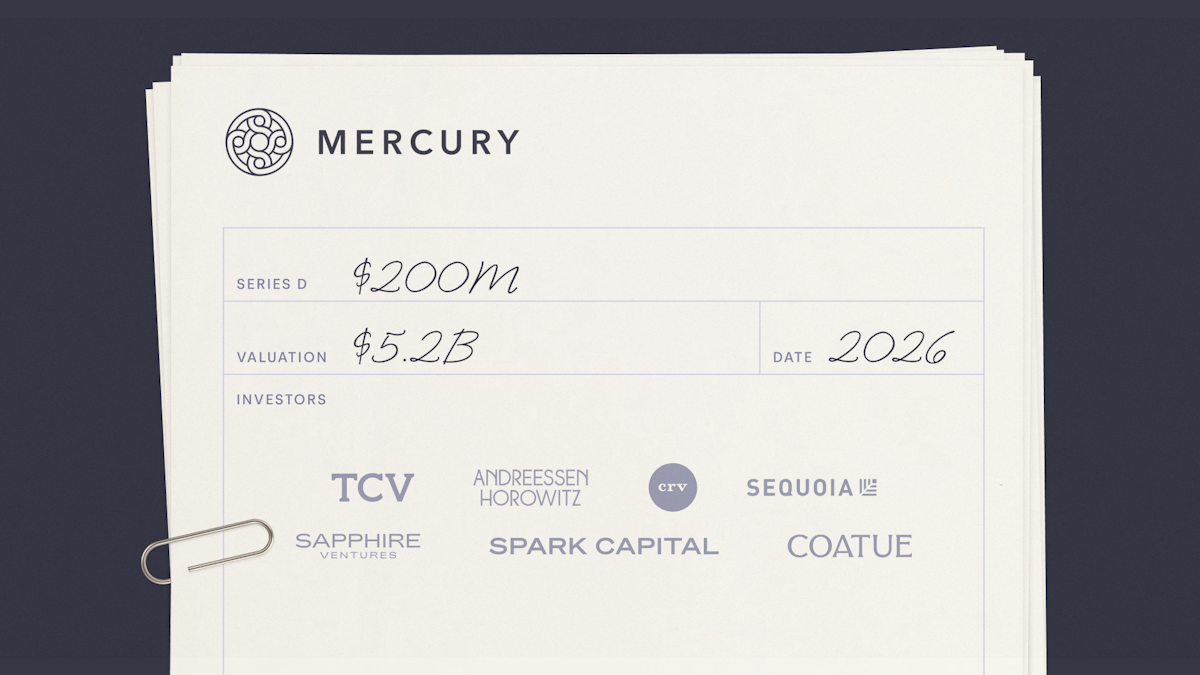
The business-banking technology company is growing alongside a new wave of AI startups while pursuing approval for a national bank.
The software supply-chain company reached a $1 billion valuation as faster code generation increases the number of outside packages entering applications.
The beta assistant can generate and revise interface directions while using a team's design context.
The Mountain View healthcare technology company is expanding AI systems for revenue, clinical documentation and practice operations.
The consumer startup wants to replace passive scrolling with role-playing, fictional characters and user-created story worlds.
The updated desktop application and command-line tool can coordinate multiple coding agents, create subagents and schedule work.
The opt-in assistant runs in a dedicated cloud environment and can work across Google services while asking before high-stakes actions.
The subscription update separates mainstream, professional and higher-compute access as Google expands Gemini across its products.
The $80 million to $90 million arrangement moves more than 20 employees without a formal company purchase.
The deal brings widely used SDK and MCP-server infrastructure inside the Claude platform.
Richard Socher's new laboratory is pursuing AI systems that can improve their own research process, backed at a reported $4.65 billion valuation.
The AI chipmaker nearly doubled its offering price as investors sought another route into compute infrastructure.
The Palo Alto company founded by Rivian CEO RJ Scaringe has now raised more than $1 billion for industrial robots trained in live manufacturing environments.
The vertical software company is connecting agency data with AI workflows for policy checks, proposals and other document-heavy tasks.
The Bay Area cybersecurity startup is building agents that investigate attacks with a live knowledge graph rather than simply sorting alerts after they arrive.
The San Francisco startup wants to turn logs, tool calls and user interactions into a continuous feedback system for agent developers.
The San Francisco startup is trying to replace disconnected sales tools with a system that carries context from prospecting through a closed deal.
The young San Francisco company is starting with an AI-assisted alternative to the configuration and approval systems used for complex deals.
The finance software startup is expanding AI agents that handle invoicing, reconciliation, collections and other repetitive cash workflows.
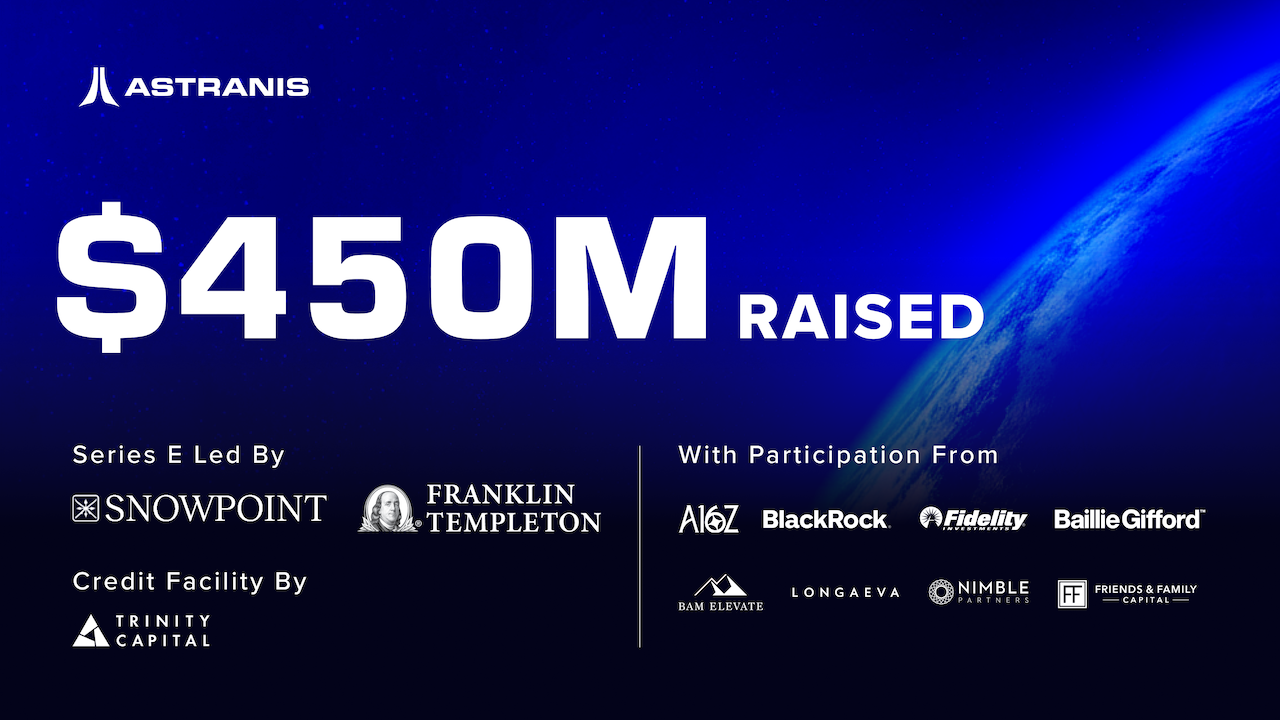
The satellite manufacturer is combining a Series E round with a credit facility as it expands production for commercial and government missions.
The full-stack insurer is using AI across underwriting, policy administration and claims as it expands into additional commercial markets.
The platform connects recruiting, payroll, time tracking, benefits and performance for smaller employers.
The Palo Alto startup is commercializing infrastructure around a widely used open-source engine for running and serving advanced AI models.
The San Francisco startup wants to organize fragmented research and manufacturing data across semiconductors, batteries and advanced materials.
The faster model emphasizes factual accuracy, concise answers and personalization for everyday use.
The customer-experience software company is valued above $15 billion as it races to make AI agents a standard interface for large brands.
The startup's team will join Meta's effort to develop AI systems for humanoid robots.
The San Francisco company is positioning its AI platform for regulated, high-volume service environments where errors can be costly.
The six-person startup is training AI to learn digital tasks from video, with efficiency and safety becoming the key tests for its approach.
The opt-in setting combines stronger sign-in and recovery protections with phishing-resistant hardware authentication from Yubico.
The San Francisco company more than doubled its valuation to $2.75 billion as it expanded from moving customer data to helping agents run campaigns.
The company reached a $2 billion valuation as it expands tools that help automated systems search, retrieve and organize online information.
The startup is training a foundation model called Fury to control unmanned vehicles across changing military environments.
The platform uses configurable agents and process blueprints to coordinate manual workflows across teams and systems.
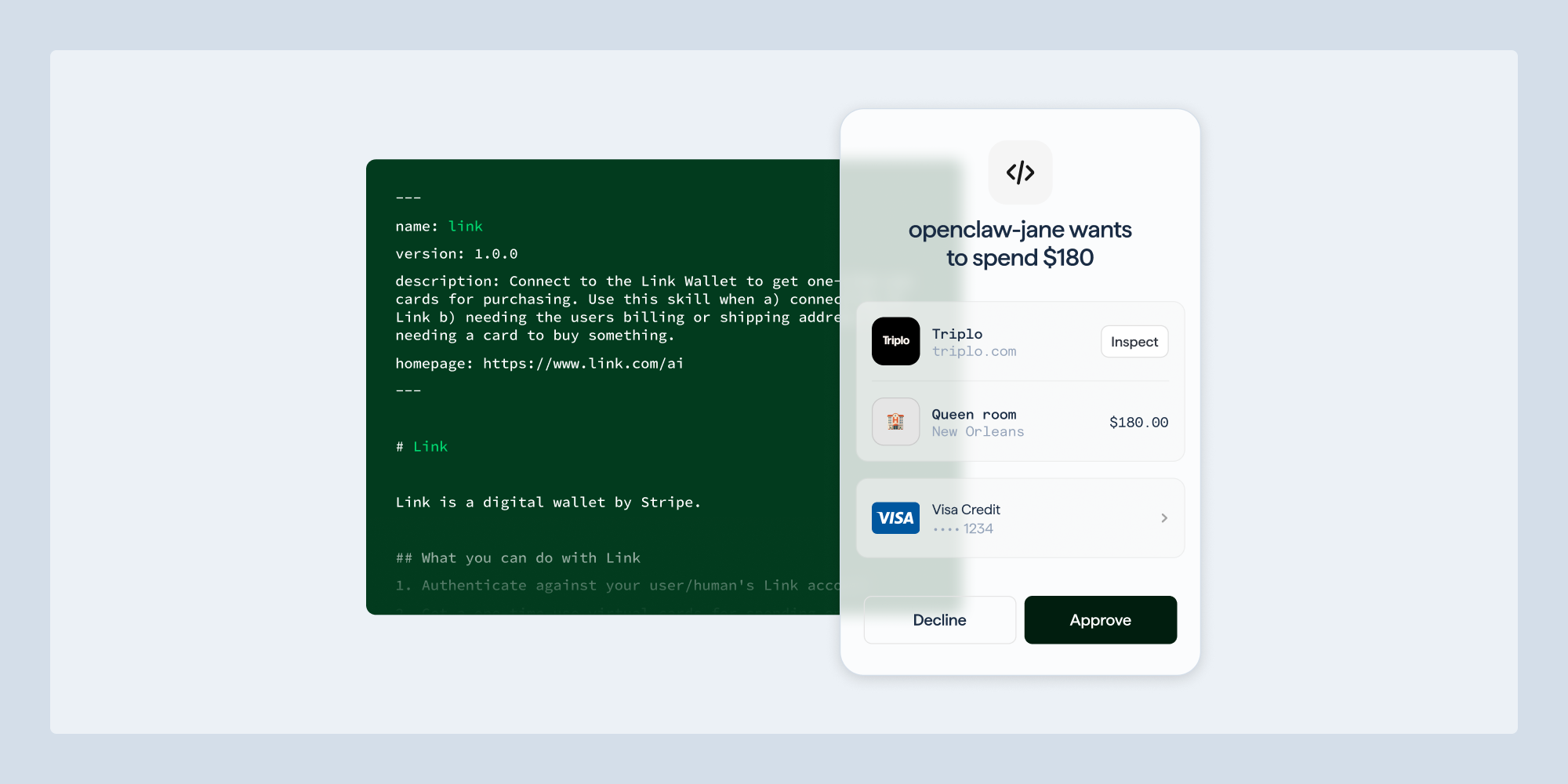
The payments company is introducing scoped credentials and human review for software-driven spending.
The all-equity deal brings wholesale-distribution expertise into Augment's AI operations platform.
The San Francisco company reached a $1.5 billion valuation by combining chat, spreadsheets and code with a governed layer for company data.
The startup wants hardware makers to connect glasses, jewelry and home devices to models and multimodal services without building the entire stack.
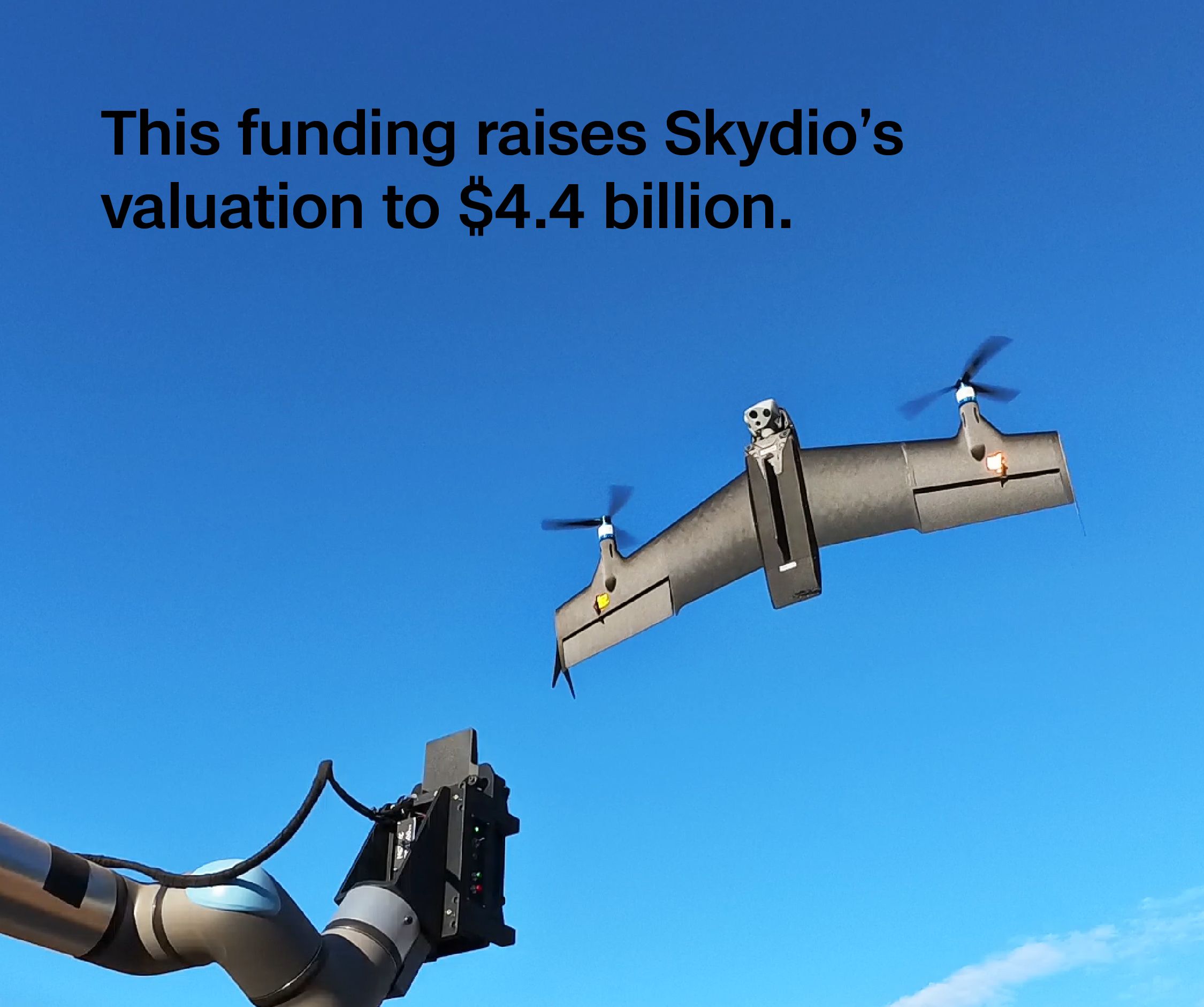
The autonomous drone maker reached a $4.4 billion valuation as it increases production for defense, public safety and infrastructure customers.
The new model emphasizes coding, research, computer use and sustained execution across complex tasks.
The customer-service agent company is adding a French team that connects AI with business processes.
The startup is beginning with autonomous road rollers that can be retrofitted onto machines already operating at construction sites.
The new research lab wants software agents to build specialized expertise from experience instead of remaining fixed after training.
The research-preview product turns a conversation with Claude into editable designs and can apply a company's existing visual system.
The logistics technology company is broadening its platform from transportation payments into operational and financial decisions across the supply chain.
The analytics startup is using strategic capital to expand software that lets employees ask questions across fragmented company data in ordinary language.
The React Native platform is expanding from developer infrastructure into AI-assisted work that helps enterprise teams move from an idea to a shipped application.
The marine robotics company is pairing underwater vehicles with surface vessels and launch systems for commercial and defense missions.
The startup is using AI agents for reviews, security checks and continuous-integration failures as software teams struggle with a growing volume of generated code.
The San Francisco mobility company is preparing pilot networks that place small autonomous vehicles on narrow, reserved lanes.
The a16z-backed startup wants consumer businesses to move from dashboards and recommendations to actions tied to measurable financial results.
The Santa Clara startup is combining navigation, communications and computing functions in silicon intended for drones and robots.
The company is assembling distributed GPU capacity into a platform that lets developers choose models, hardware and deployment locations.
The phone-automation startup says contact-center operators invested alongside venture firms after deploying its agents in live customer service work.
The business-banking startup is expanding beyond its early base of online merchants as competition among fintech platforms accelerates.
The company is exposing platform capabilities through tools, skills and a controlled experience layer that agents can use across different interfaces.
The conversational agent can plan and complete tasks using Photoshop, Premiere, Illustrator and other Adobe tools.
New developer primitives address memory, subagents, execution and recoverable long-running work.
The exit ends the Bay Area startup's effort to build autonomous electric tractors as a standalone manufacturer.
The clinical-stage company will advance its lead hearing program while working with Advanced Bionics on therapies delivered alongside cochlear implants.
The Barcelona and San Francisco company is building a governed graph that lets employees, software and agents work from the same organizational knowledge.
The speech-technology company is expanding its ability to embed voice transformation into communications systems.
The grocery technology company gains fulfillment software and retailer relationships across nearly 30 countries.
The San Mateo startup is teaching software to connect drawings, specifications and other building documents before missing details become costly field problems.
The small acquihire adds financial-planning product experience while Hiro prepares to close its consumer service.
The Redwood City company will scale access to an FDA-cleared prescription belt designed for people with low bone density.
The first model from Meta Superintelligence Labs powers a redesigned Meta AI experience and can coordinate parallel subagents.
A single integration is designed to expose catalogs, payments and order workflows to AI shopping agents.
The startup is building software intended to let data-center networks adapt automatically to changing AI workloads.
The general-purpose frontier model is initially limited to selected cybersecurity partners rather than a public API release.
The startup connects a visual design canvas directly to a product's codebase so teams can work from the same components and constraints.
The San Francisco company pairs software agents with growth specialists as brands adjust to search results shaped by traditional engines and AI answers.
The startup is using conversational agents to conduct structured phone interviews and turn long-form responses into research data.
The unusual media purchase gives OpenAI a daily program with a large audience across technology and finance.
The financing gives the San Francisco AI company an extraordinary capital base, while placing equal pressure on revenue growth, infrastructure execution and product focus.
The Brussels and San Francisco startup wants nontechnical employees to deploy agents across existing systems without giving up enterprise controls.
The Rivian spinoff reached a valuation above $1 billion while expanding from small electric vehicles into autonomous delivery systems.
Former Atlassian CTO Sri Viswanath is building a control layer for companies that want autonomous agents without giving up security, governance or oversight.
The Mountain View startup is combining expert labor, evaluations and software infrastructure to improve AI systems after their initial training.
The San Jose chip startup is betting that a shorter, vertical path for electricity can remove a growing bottleneck inside high-performance AI systems.
The music model can create structured tracks of up to three minutes and is available across developer, enterprise and creative products.
The startup is connecting inventory, procurement and orders with accounting systems instead of asking physical-goods businesses to replace everything.
Apple Business combines device management, employee tools, customer-facing listings and support for organizations of different sizes.
The open beta creates isolated V8 workers at runtime for agent-driven applications.
The startup is building an AI memory that reads on-screen text, prepares meeting notes and retrieves information from a user's daily work.
The startup combines AI agents with human media experts to turn sales conversations and customer data into targeted campaigns.
The startup wants employees to direct business software through natural language while agents work across data and applications.
The purchase brings a large catalog of video effects, templates and editing tools inside Apple.
The Mountain View robotics company reached a $1.15 billion valuation with a plan to begin real household deployments in the fall.
Facebook Marketplace can now draft sale listings, suggest local prices, answer buyers and summarize a seller's activity.
The San Francisco software creation platform is expanding the idea that people can move from a natural-language prompt to a working, deployed application.
The startup formerly known as mcp-use is turning an open-source toolkit into a managed platform for deploying the connectors used by AI applications.
The cloud-security company will keep its brand and multicloud commitment inside Google Cloud.
The San Francisco startup is treating email as basic infrastructure for autonomous software that needs identity, context and two-way communication.
The Dublin, California semiconductor company plans to commercialize a component that moves power vertically toward high-performance processors.
The Santa Clara company reached a $4.2 billion valuation as large AI systems create demand for faster, more flexible connections between processors.
The San Jose startup is developing agentic cybersecurity software meant to connect defenses across corporate networks and operational technology.
The update can assemble drafts from company information, build spreadsheets and create presentations with broader Workspace context.
Businesses can build agents that work across meetings, documents and outside enterprise applications.
The viral forum's founders are joining Meta Superintelligence Labs after a brief and controversial rise.
The Y Combinator company is targeting evidence collection and compliance work that still depends heavily on spreadsheets, tickets and manual review.
The brain-computer interface company is preparing its PRIMA vision-restoration system for commercialization while funding a broader clinical pipeline.
Thinking and Pro versions arrive across ChatGPT, Codex and the API with an emphasis on complex knowledge tasks and tool use.
The semiconductor startup is moving its co-packaged optics technology toward volume production as data centers demand faster, more efficient connections.
The 14- and 16-inch laptops add faster AI processing, higher storage floors and improved solid-state drive performance.
The startup is selling an operated support function rather than software alone, putting automation performance directly on its own team.
The entry model adds the A19 chip, MagSafe, a 48-megapixel camera and 256 gigabytes of starting storage.
Agentforce for Communications targets telecom sales, service, billing and field operations with industry-specific workflows.
The Y Combinator startup is making its streaming platform generally available as AI developers look for simpler ways to process live data.
The Seattle company's team and desktop-agent technology will support Claude's ability to operate software.
The Palo Alto AI infrastructure company will use the capital to expand its SN50 chip and SambaCloud platform as demand grows for alternatives in inference computing.
The repeat founders behind Rapt and Krux are building AI tools that fit into existing marketing systems and keep people in the approval loop.
Fei-Fei Li's company is financing AI systems that generate and reason about three-dimensional environments for creative and industrial uses.
The durable-computing company reached a $5 billion valuation as enterprises look for infrastructure that can keep long-running AI work on track.
The Series C extension values the developer platform at $1.5 billion as more teams need persistent infrastructure for applications and agents.
The observability startup reached an $800 million valuation as companies seek better ways to test and improve applications built on language models.
The Mission Bay startup is building laboratory systems that use living neurons for AI workloads, an ambitious alternative to conventional silicon.
The Stanford-rooted startup wants digital populations to help organizations test decisions before they affect customers, workers or markets.
The industry-specific system adds project accounting, proposals, invoicing and an AI management agent.
The voice platform is expanding through software and telecom partners that can distribute automated front-desk service at scale.
The 102.4-terabit chip is designed to move data across increasingly dense computing clusters.
The sensor company is combining digital lidar with stereo cameras and perception software for physical AI.
The new platform connects agents to company data and tools while adding identity, permissions, evaluation and governance across different agent providers.
The company is applying foundation-model techniques to tables and relational data, an area where text-focused AI systems often struggle.
The startup is building authorization and payment tools that let AI agents purchase APIs, data and computing services under defined controls.
The Mountain View company plans to expand domestic manufacturing and coordinate more residential batteries as electricity demand strains the grid.
The company founded by former Waymo leaders is moving its self-driving system from supervised job sites toward operator-less heavy equipment.
Alphabet's robotaxi company is financing a major expansion as autonomous ride-hailing moves from limited deployments toward a broader transportation network.
The all-stock transaction brings rockets, satellites, social media and artificial intelligence under one company.





















































.png)







.jpg)











































.png)





































































.jpg)